
Call us 24/7uaedcs@163.com
Welcome to the official website of CNIACS Automation Technology Co., Ltd!
Call us 24/7uaedcs@163.com

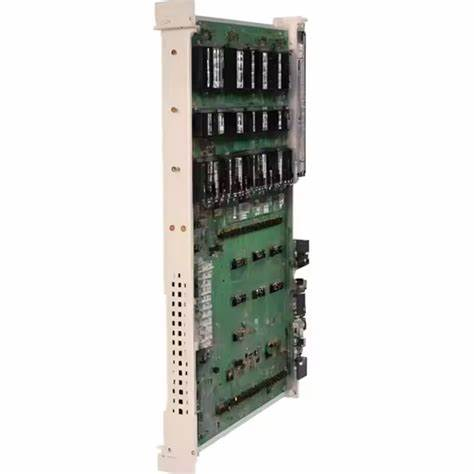
Rolls-Royce Marine Lauer LCA 325. P2 PROFIBUS-DP

Brand Background
Rolls-Royce has established an unrivalled reputation for excellence in the high-end manufacturing field, with its business covering a wide range of core industries such as aerospace, marine shipping and energy power. In the marine field, Rolls-Royce has always been at the forefront of the industry by virtue of its profound technological accumulation, continuous innovation and strict requirements for quality. Over the years, Rolls-Royce has crafted a series of advanced and reliable equipments and systems for all kinds of ships, which strongly promote the improvement of operational efficiency of the global shipping industry and effectively guarantee the safety of navigation, and its products and solutions have already become the benchmark of high quality and high performance in the shipping industry.

Specification
Electrical specifications: The display panel can be adapted to the common power supply voltage range of the ship to ensure stable operation and accurate data transmission and display. In terms of data communication, based on PROFIBUS – DP network standard, it supports high-speed data transmission, and the transmission rate can be flexibly adjusted in a certain range according to the actual demand, up to 12Mbps, which effectively guarantees efficient data interaction with various types of equipment.
Physical specifications: The compact size of the panel is perfectly adapted to the limited installation space inside the ship, whether it is installed in a small control room or integrated into a complex equipment console, all can be easily. The enclosure is made of rugged materials with excellent protection performance, reaching a specific IP protection level, which can effectively resist dust, moisture and minor mechanical impacts in the marine environment, ensuring long-term stable operation under harsh working conditions.

Performance features
High-definition display: LCA 325.P2 is equipped with a high-resolution display, which can clearly present various equipment operating parameters, status information and system diagnostic data. The display interface is designed to be simple and intuitive, allowing operators to read key information quickly and significantly improve work efficiency. At the same time, the display has a good viewing angle and brightness adjustment function, which can ensure clear visibility under different lighting conditions.
Powerful communication capability: As a key node of the PROFIBUS – DP network, the display panel can seamlessly communicate with other devices such as sensors, controllers and actuators on the bus.

Through efficient data exchange, it obtains the operating status of the equipment in real time and conveys the control instructions to the actuators accurately, realising precise monitoring and control of the ship system.
Intelligent function: With intelligent data processing and analysis capability, it can analyse the collected data in real time, detect potential equipment faults or abnormal operation in time, and alert the operator through sound and light alarms. In addition, it can also put forward optimisation suggestions for the operation of the ship’s system based on preset parameters and algorithms, helping to improve the overall performance of the ship.

Precautions
Installation environment: When installing, choose a location that is dry, well-ventilated and away from strong electromagnetic interference sources. Do not install in high temperature, humidity or corrosive gas environment, so as not to affect the normal operation and service life of the panel.
Network Connection: When connecting to the PROFIBUS – DP network, make sure that the cables are firmly and correctly connected, and strictly follow the relevant wiring specifications. Regularly check the status of the network connection to prevent communication interruption caused by loose or short-circuit problems. Meanwhile, when expanding the network or replacing equipment, pay attention to the reasonableness of the network topology to avoid affecting the performance of the entire network.
Maintenance: Regularly wipe the display panel screen with a clean and soft cloth, avoiding the use of corrosive detergents. Carry out comprehensive inspection and testing of the equipment in accordance with the prescribed cycle, including hardware performance testing, software version updates, etc., to ensure that the equipment is always in the best operating condition.

Application Scenario
Ship power system monitoring: In the control system of ship’s engines, propellers and other power equipments, LCA 325.P2 PROFIBUS – DP network display panel UN924 can real-time collect and display key operating parameters such as engine speed, fuel consumption, temperature, pressure and so on. Through the panel, the crew can intuitively grasp the working status of the power system, discover abnormal data, such as engine overheating, fuel leakage and other potential problems in time, and quickly take measures to adjust or repair, so as to ensure the stable operation of the ship’s power system and avoid sailing accidents caused by power failure. At the same time, the panel’s powerful communication capability can synchronously transmit the power system data to the ship’s central control room, which is convenient for managers to carry out unified scheduling and management.

Cabin automation control: There are many complicated equipments distributed in the cabin of the ship, such as pumps, compressors, generators, etc. The LCA 325.P2 panel can be used as the core display terminal of the cabin automation system, integrating the operation information of all kinds of equipments and realising the centralized monitoring and management of the cabin equipments. By connecting with sensors and controllers on the PROFIBUS – DP network, it can automatically adjust the operating parameters of the equipment, such as starting and stopping pumps according to the level sensor data, and adjusting the generator output power according to the load change. Intelligent functions can also analyse the operating data of cabin equipment, predict equipment failures, schedule maintenance in advance, reduce unplanned downtime, and improve the efficiency of ship operations.

Ship Navigation and Safety System Auxiliary: In the ship navigation and safety system, the display panel can show the ship’s navigation information such as sailing position, speed, heading, water depth, as well as the ship’s surrounding environment monitoring data, such as radar echo, AIS (Automatic Identification System) information, and so on. When encountering dangerous situations, such as approaching obstacles or entering the no-navigation zone, the panel can issue sound and light alarms in time and display specific danger information and response suggestions to assist the crew in making the right decisions and safeguard the ship’s navigation safety. In addition, in case of fire, water leakage and other emergencies, the panel can be linked with the ship safety alarm system, displaying the location of fire, water leakage area and other key information to provide strong support for emergency rescue.

Special Ship Operation Support: For special ships such as marine research vessels and engineering vessels, LCA 325.P2 panels can meet their special operation requirements. On marine research vessels, it can be used to display the data of various scientific exploration equipment, such as sonar detection data, water quality monitoring data, etc., to help researchers understand the marine environment information in real time; on engineering vessels, such as dredgers and crane vessels, the panel can monitor the working status and parameters of the operating equipment, such as the digging depth of the dredger, the crane’s lifting weight, etc., to ensure that the operation process is safe and efficient. With its high-definition display and good viewing angle, the operator can clearly obtain the required information even in a complex operating environment.
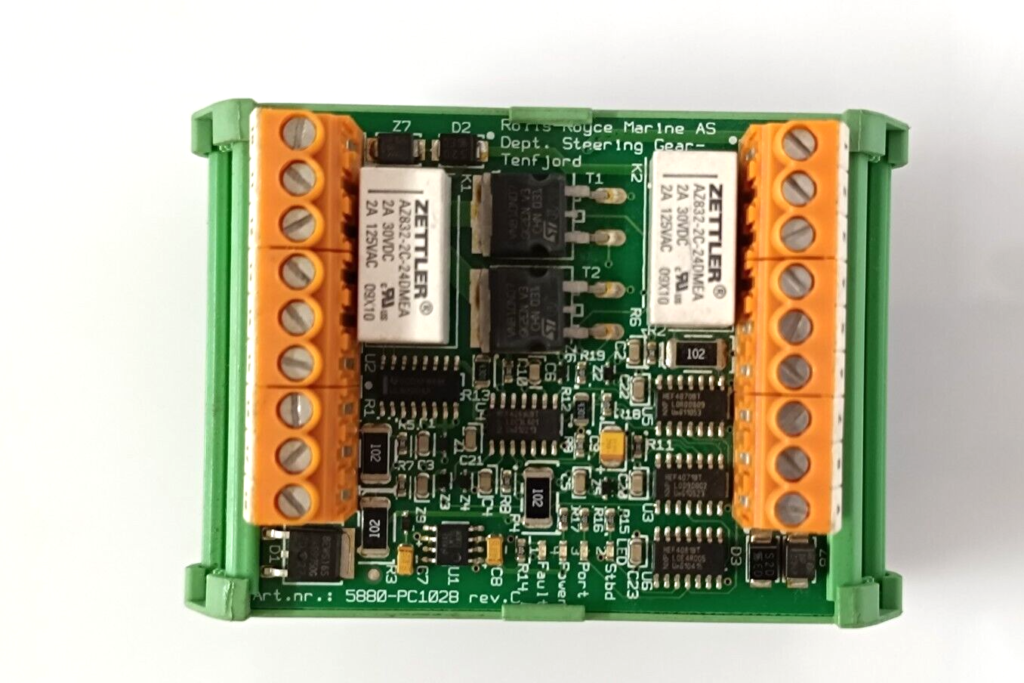
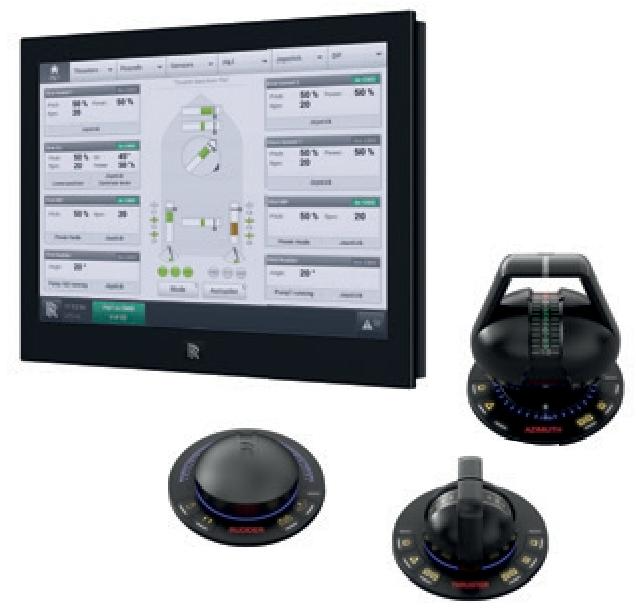
Rolls-Royce 5880-pc1002 Version A Dep Steering Gear

Brand Background: Rolls-Royce, as a global top high-end manufacturing enterprise, has profound technical accumulation and excellent brand reputation in aviation, marine, energy and other fields. In the marine industry, Rolls-Royce, with its advanced technology and extreme pursuit of quality, provides key equipments and system solutions for all kinds of ships, and is the leader in the field of marine power and control system.
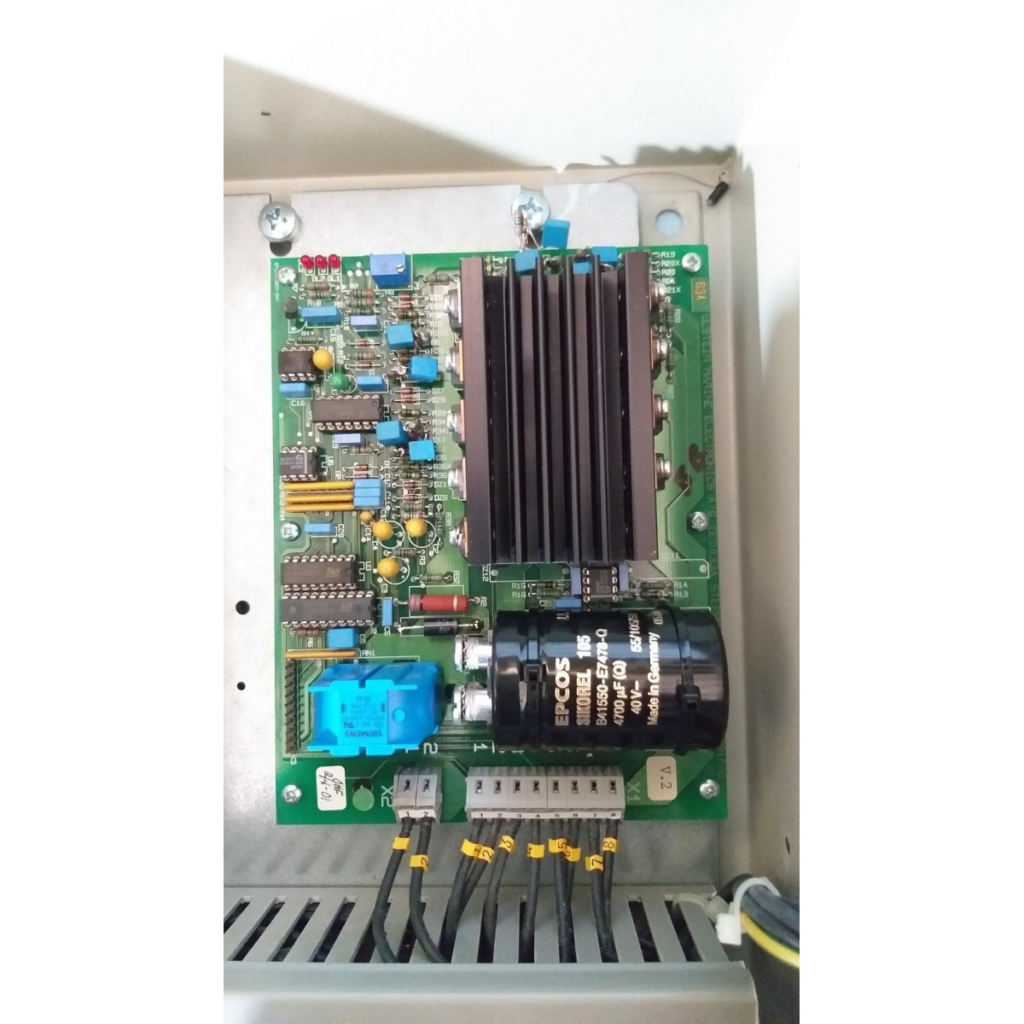
Specifications: The PCB card is designed for marine helm systems, adapted to the common electrical environment of ships, and can operate stably under complex voltage fluctuations and electromagnetic environments. In terms of physical specifications, it fully considers the compactness of the ship’s internal space and adopts an optimised design, which is easy to install and integrate; at the same time, it has good heat dissipation performance and protection level, which can effectively resist the influence of high temperature, humidity, oil and other harsh environments in the cabin to ensure long-time stable operation.

Technical features
High-precision control: adopting advanced circuit design and signal processing technology, it can accurately analyse and transmit the rudder control signals to ensure the accuracy and responsiveness of the ship’s steering operation, and achieve stable and reliable steering control even under complex sea conditions.
High Reliability: High-quality electronic components are selected and subjected to strict testing process, with excellent anti-interference ability and environmental adaptability. It can effectively cope with the vibration and impact during ship navigation, reduce the probability of failure, and ensure the stable operation of the ship’s steering system.

Modular design: adopting modular architecture, which is convenient for function expansion and maintenance replacement. When a module fails, technicians can quickly locate and replace it, reducing downtime and lowering maintenance costs; at the same time, users can flexibly configure the module according to actual needs to meet the individual needs of different ships.
Model Explanation: In the model number ‘5880-pc1002 Version A Dep Steering Gear-Tenfjord PCB Card 99046’, ‘5880-pc1002’ may be the product series number or specific model code. In ‘5880-pc1002’, ‘5880-pc1002’ may be a series number or a specific model code used to distinguish between products with different functions and specifications; ‘Version A’ indicates that the product is version A, which may have improved performance, functionality, or design compared to the previous version; ‘Dep Steering Gear ‘Dep Steering Gear’ indicates that it is used in the rudder department of a ship and is a key component of the rudder control system; “Tenfjord” may be the name of a specific project, the model of the ship it is fitted to, or a customised identification; “99046” may be the serial number or batch number of the product; “9946” may be the serial number of the product or the batch number. may be the serial number or batch number of the product, which is used for product traceability and management.
Application Scenario: Mainly used in the rudder control system of all kinds of ships, including large merchant ships (such as container ships, bulk carriers, tankers, etc.), luxury cruise ships and special ships (such as marine research vessels, engineering vessels, warships, etc.). In large merchant ships, it ensures safe steering during ocean voyage; in luxury cruise ships, it ensures smooth sailing and improves passengers’ riding experience; in special ships, it meets the demand for high-precision steering control in complex operating environments.

Installation
Preparation: Before installation, make sure that the installer is familiar with the product manual and relevant safety norms, and prepare the required tools, such as anti-static bracelets and special screwdrivers. At the same time, ensure that the installation environment is clean and tidy, free of dust, moisture and corrosive substances, and no strong sources of electromagnetic interference in the surrounding area.
Static electricity protection: Since the PCB card is sensitive to static electricity, the installer must wear a good anti-static hand ring and ground it to prevent static electricity from damaging the circuit board. When picking up the PCB card, avoid touching its electronic components and pins, and try to pick up the edge part.

Installation position: Find a suitable installation position according to the design requirements of the ship’s helm system. Usually, the location should be easy to connect the wiring and have enough space for heat dissipation. Ensure that the mounting position is firm enough to withstand the weight of the PCB card and effectively minimise the impact of marine vibration on it.
Connecting the wiring: Carefully connect the ports of the PCB card according to the wiring diagram in the product manual. Ensure that the connecting wires are of appropriate size and length, and avoid excessive bending or stretching. When connecting, make sure the interfaces are aligned and firmly inserted to prevent poor contact. After the connection is completed, check again whether the wiring is connected correctly and whether there is any looseness.
Fixed Installation: Use special fixing devices, such as screws or clips, to firmly fix the PCB card to the installation position. When tightening the screws, pay attention to the even strength to avoid damaging the circuit board due to excessive force.

Maintenance
Regular Inspection: Check the appearance of the PCB card regularly to see if there is any accumulation of dust, oil or dirt, and if there is any damage, discolouration or odour of the electronic components or any other abnormal conditions. At the same time, check whether the connecting lines are loose or broken, and whether there is oxidation at the interface. It is generally recommended to carry out an appearance check once a week or once per voyage.
Cleaning and Maintenance: Regularly clean the PCB card, you can use a clean soft brush or compressed air to remove dust and debris. For oil and other stains, special electronic equipment cleaners can be used to wipe, but be careful to avoid contacting the cleaner with electronic components and interfaces. After cleaning, make sure the PCB card is completely dry before reinstalling.

Performance testing: Use professional testing equipment to test the performance indicators of the PCB card on a regular basis, such as the accuracy of signal transmission and response time. According to the test results, potential problems can be detected and dealt with in a timely manner. Generally, a comprehensive performance test should be conducted once every quarter or half a year.
Software update: Pay attention to the relevant software update information released by Rolls-Royce, and upgrade the control software of PCB card in time. Software update can repair known vulnerabilities, improve performance and stability, and better adapt to the actual needs of ship operation.
Spare parts management: In order to be able to replace the PCB card in time when it fails, at least one set of spare parts of the same type should be stocked. Spare parts should be stored in a dry, cool and static-free environment, and regularly inspected and tested to ensure their good performance.VVV

Rolls-Royce Marine AS 5880-PC1002 REV-A DEP.

Brand Background
Rolls-Royce’s outstanding position in the field of high-end manufacturing is obvious to the whole world. Rolls-Royce has been working hard in the marine industry for a long time, and has contributed many cutting-edge solutions to the global marine power and control system by virtue of its profound technological accumulation and continuous innovation spirit. Rolls-Royce always insists on the ultimate pursuit of quality, and its marine products are renowned for their reliable performance and advanced technology, becoming the choice of many key equipments in the marine industry, and building a solid foundation for the safe and efficient navigation of ships.

Specifications
Rolls-Royce Marine AS 5880-PC1002 REV-A DEP. Steering – TENFJORD PCB card is a printed circuit board specially developed for marine steering systems. In terms of electrical specifications, the card can be adapted to the voltage ranges commonly used on ships, and is able to handle all types of electrical signals stably, ensuring that steering commands are transmitted accurately and without errors. In terms of physical specifications, the size and shape of the PCB card have been carefully considered to fit perfectly into the compact installation space inside the ship’s equipment, and has good heat dissipation performance, so that it can continue to work stably even in the ship’s cabin in high temperatures, humidity and other complex environments. The card integrates a variety of signal interfaces, which can be efficiently connected with sensors, motors, controllers and other equipment in the ship’s steering system to achieve rapid interaction of data and accurate communication of control commands.

Technical characteristics
High-precision Signal Processing: Using advanced chip and circuit design, this PCB card is able to process signals from the ship’s steering system with high precision. Whether it is the steering command signal from the crew or the signal from the rudder angle sensor, it can quickly and accurately analyse and convert the signal to ensure that the ship’s rudder acts accurately according to the command, and achieve the precise control of the ship’s smooth steering and sailing.
High reliability and stability: Strictly following the Rolls-Royce quality standards, the PCB card is made of high-quality electronic components and undergoes a strict testing process, so it has excellent anti-interference ability and environmental adaptability. In the face of vibration, electromagnetic interference and other complex working conditions when sailing, it can still operate stably, greatly reducing the risk of the steering system malfunctioning due to circuit board failure, and escorting the safety of ship navigation.
Modular design: Adopting modular design concept, the 5880-PC1002 REV-A PCB card is easy to install, maintain and upgrade. When a functional module fails, technicians can quickly locate and replace the corresponding module, significantly shortening the maintenance time; at the same time, users can also flexibly expand and optimise the functions of the PCB card according to the actual needs of the ship, improving the overall performance of the ship’s steering system.

Model Supplement
Model number ‘5880-PC1002 REV-A DEP. Steering – TENFJORD’ contains a wealth of information. 5880-PC1002’ may be a product series number or a specific model code, used to distinguish between different specifications and functions of the PCB card; “REV-A” indicates that the product is version A, which means that the design, performance or functionality may have been improved and optimised compared with the previous version; “5880-PC1002” may be a product series number or a specific model code, used to distinguish between different specifications and functions of the PCB card. Steering’ indicates that the product is a version A, which means that the design, performance or functionality may have been improved and optimised compared to previous versions; “DEP. Steering” identifies that it is used in the steering department of a ship, and is closely related to the ship’s steering system; and “TENFJORD” may be the name of a specific ship for which the PCB card is intended to be used, TENFJORD’ may be the name of the specific ship model, project, or a customised logo designed for a specific ship, which helps users to accurately determine the scope of application and degree of matching of the PCB card.

Application Scenarios
Large commercial ships: In the steering system of large commercial ships such as container ships and bulk carriers, Rolls-Royce Marine AS 5880-PC1002 REV-A DEP. Steering – TENFJORD PCB card plays a central role. It ensures that the ship can steer accurately during ocean voyages, regardless of the sea and weather conditions encountered, ensuring that the ship travels safely in accordance with the intended route, and at the same time improving navigation efficiency and reducing fuel consumption.
Cruise ships: For luxury cruise ships, a comfortable and smooth sailing experience is crucial. The PCB card can help the rudder system of the cruise ship to achieve precise control, so that the cruise ship can steer flexibly when entering and exiting ports and crossing narrow channels, and at the same time, reduce the swaying of the ship, so as to create a comfortable navigational environment for the passengers, and safeguard the safety and comfort of the operation of the cruise ship.
Special Ships: On special ships such as marine research vessels, tugboats, etc., due to the complex operating environment, the requirements for ship handling performance are extremely high. The TENFJORD PCB card, with its high precision control and high reliability, can meet the steering requirements of special ships in complex sea conditions and ensure the stable and reliable operation of the steering system when the ship is carrying out tasks such as scientific surveys and towing operations.

Product upgrading and development trend
With the increasingly significant development trend of intelligence and automation in the marine industry, Rolls-Royce Marine AS 5880-PC1002 REV-A DEP. Steering – TENFJORD PCB card is also being upgraded. In the future, the PCB card is expected to integrate more advanced artificial intelligence algorithms to achieve autonomous learning and intelligent optimisation of the ship’s steering system. For example, by analysing a large amount of navigation data, it can automatically adjust the steering strategy to adapt to different sea conditions and ship loads, further improving navigation efficiency and safety. In addition, in terms of communication technology, with the expansion of 5G and satellite communication technology in the field of ships, the PCB card will support higher-speed and more stable communication protocols to achieve real-time data interaction with the shipboard intelligent system and shore-based control centre, which will help build a smarter ship operation and management system.

Industry Impact and Market Feedback
With its outstanding performance and reliability, the PCB card has had a positive impact on the shipping industry. Many shipbuilding enterprises and shipping companies give priority to this Rolls-Royce product in the process of new ship construction and equipment upgrading, which effectively improves the overall performance and market competitiveness of ships. Feedback from the market shows that ships using the PCB card have significant improvements in the stability of the steering system and the reduction of the failure rate, etc. Some shipping companies have indicated that since the adoption of the PCB card, the overall performance of the ships has been improved. Some shipping companies said that since the adoption of the PCB card, the ship’s downtime due to the failure of the steering system has been greatly reduced, which can save a lot of maintenance costs and operational losses every year. At the same time, its modular design and convenient maintenance characteristics have also been highly recognised by ship maintenance technicians, greatly improving maintenance efficiency and providing a strong guarantee for the normal operation of the ship.

Rolls-Royce UN31 ECR Panel 000127603

Brand Background
As an outstanding leader in the global high-end manufacturing field, Rolls-Royce, after more than a hundred years of in-depth technical cultivation and continuous innovation, has successfully created an outstanding brand image in core industries such as aviation, shipping and energy. Its products are renowned for their superb craftsmanship, rock-solid reliability and trend-setting cutting-edge technology, and have always been at the top of the industry. In the field of shipbuilding and shipping, Rolls-Royce, relying on its profound technological heritage and rich practical experience, elaborately creates key equipments and advanced system solutions for various types of ships, and makes every effort to promote the global shipbuilding industry to move towards a new journey of high-efficiency, safe and intelligent operation.

Specifications
Rolls – Royce UN31 ECR Panel 000127603 is a customised control panel for the Engine Control Room (ECR) of a ship. In terms of electrical specifications, the panel seamlessly adapts to the ship’s common DC or AC power supply system, ensuring that operating commands are transmitted accurately and without error under stable voltage input. The panel integrates a rich variety of physical interfaces, including signal input and output ports, communication interfaces, etc., which can be efficiently connected with ship engines, auxiliary equipment, monitoring sensors and other devices to achieve data interaction and equipment control. The size design takes into account the limited space layout of the ship’s cabin and adopts a compact and ergonomic structure, which is easy for operators to operate efficiently in the confined space. At the same time, the panel has a very high level of protection, which can effectively resist the influence of high temperature, humidity, oil and vibration and other harsh environmental factors in the ship’s cabin to ensure long-term stable and reliable operation.

Technical characteristics
Precise Control and Efficient Interaction: UN31 ECR Panel 000127603 is equipped with an advanced control system, which is capable of precise operation and real-time monitoring of ship engines and related equipment. With the help of high-precision sensors and intelligent algorithms, it can quickly respond to the operator’s commands and accurately adjust the engine speed, power output and other key parameters. At the same time, the panel is equipped with a high-definition display and a simple and intuitive interface, which can present real-time information on the operating status of the equipment, key parameters and fault alarms, realising efficient man-machine interaction and helping the crew to grasp the operating status of the cabin equipment in a timely and comprehensive manner, so as to make accurate decisions.

Intelligent Fault Diagnosis and Early Warning: Built-in intelligent fault diagnosis system, the panel can monitor the connected equipment in all-weather status. Once abnormal data or potential faults are detected, the system can quickly lock the fault point, issue an early warning through sound and light alarms, screen prompts and other means, and generate a detailed fault report. In addition, the system also has a powerful fault prediction function, based on historical data and equipment operation trend, can predict the risk of equipment failure in advance, so as to facilitate the crew to plan maintenance measures in advance, effectively reduce the downtime caused by unexpected failures, and significantly improve the reliability of ship operation.

Highly integrated and modular design: Adhering to the concept of highly integrated and modular design, UN31 ECR Panel 000127603 cleverly integrates a variety of control function modules into a single unit, greatly simplifying the wiring connections and reducing system complexity and the probability of failure. Modular design makes the panel maintenance and upgrading extremely convenient, when a functional module failure, can be quickly disassembled and replaced, effectively shortening the maintenance time and cost. At the same time, users can flexibly configure and expand the functional modules according to actual needs, fully meeting the individual needs of different ships.

Reliable Communication and System Integration: It supports various industrial communication protocols such as Modbus, Profibus, Ethernet, etc., and can seamlessly integrate and share data with the ship’s central control system, navigation system and monitoring system. Through a stable and reliable communication connection, the crew can remotely monitor the operation status of the ECR panel from the cockpit or other monitoring points, and carry out remote operation and parameter adjustment. At the same time, the panel can transmit the data of cabin equipment to the ship management system in real time, which provides comprehensive and detailed data support for ship operation and management, and strongly promotes the process of intelligent ship management.

Model Supplement
In the model number ‘UN31 ECR Panel 000127603’, ‘UN31’ is probably the product series code, indicating that the panel belongs to Rolls-Royce’s specific marine equipment series, with unique technical architecture and functional characteristics; The ‘ECR Panel’ clearly defines the use of the product as an engine room control panel, while the ‘000127603’ is most likely the unique number of the product, which is mainly used for product identification, production traceability and after-sales service and other key aspects. Through in-depth interpretation of the model number, it helps to accurately grasp the positioning, application scenarios and technical parameters of the product in Rolls-Royce’s marine product line, which is convenient for users to filter out the most suitable product.

Rolls-Royce Marine AS UN991.1 Distribution Plate

Ship Automation
Acon Systems: the latest generation of automation systems (IAS), based on a common control platform with a redundant architecture, which controls and monitors a wide range of systems and equipment on board the ship, such as machinery status, power management, etc. It also covers the LNG control system to guarantee gas supply and safety.
Other sub-systems: the Acon Bridge Control (ABC) system controls auxiliary systems; the Acon Bridge Navigational Watch System (BNWAS) prevents accidents; and the Acon Central Alarm Management System (CAM) issues alarms, all of which work in tandem to ensure the ship’s These systems work in tandem to ensure the safe operation of the vessel.
Energy management: Monitoring and analysing the energy efficiency of the fleet is achieved through an online portal that collects, transmits and processes ship data. Individual vessel and fleet reports are available to help users reduce fuel consumption, comply with emission regulations and evaluate efficiency improvement measures for all types of vessels and are provided as a service.
Remote Diagnostics: The Remote Access tool enables engineers to remotely access ship systems to provide support and guidance, reducing the need for on-site service and vessel downtime for a wide range of Rolls-Royce products.

Specifications
The Rolls-Royce Marine AS UN991.1 Distribution Plate is a distribution board designed for marine power distribution systems. In terms of electrical parameters, it can be adapted to a variety of common marine power system voltage levels, such as 440V, 690V, etc., to meet the power needs of different ships; its rated current carrying capacity is carefully designed and can be customised according to the actual electrical load of the ship to ensure stable and reliable power distribution under all kinds of working conditions. In terms of physical specifications, the size and structure of the switchboard fully consider the limitations of the ship’s internal space and installation requirements, adopting a compact and reasonable layout design, easy to install in the ship’s cabin, distribution room and other areas with limited space, and at the same time to ensure good heat dissipation performance and level of protection, to meet the requirements of the relevant standards of protection of the marine industry, such as the IP protection level, which can effectively prevent the impact on the internal electrical components of the board, such as dust, water splash, and so on. It can effectively prevent the influence of dust and water splash on the internal electrical components of the switchboard.

Technical features
High reliability design: The switchboard adopts high-quality electrical components and advanced manufacturing process, and undergoes strict quality inspection and reliability testing to ensure stable operation in the face of complex and changing environmental conditions such as vibration, shock, humidity, high temperature, etc. during the ship’s voyage, reducing the risk of power interruption due to the failure of the distribution system and providing a solid guarantee of the ship’s safe voyage.

Accurate power distribution and management: Equipped with advanced intelligent control system, it can monitor the power demand of each power-using equipment of the ship in real time, and accurately distribute power resources according to the preset priority and load balancing strategy. Through this intelligent power management, it not only improves the efficiency of power utilisation and avoids overloading or underloading operation of some equipments which may affect their performance and life span, but also effectively reduces the overall energy consumption of the ship, which is in line with the pursuit of energy saving and environmental protection by the modern shipping industry.

Perfect fault diagnosis and protection function: A comprehensive fault diagnosis system is built-in, which can monitor the real-time status of the internal power distribution board and the connected power-using equipment. Once abnormal conditions such as short-circuit, overload and ground fault are detected, it can quickly and accurately locate the fault point and take corresponding protection measures in time, such as automatically cutting off the faulty circuit to prevent further expansion of the fault, and at the same time, it sends out alarms to the crew through sound and light alarms, etc. to remind of timely maintenance treatment, which greatly improves the safety and maintainability of the ship’s electric power system.

Good Communication and Integration Capability: It supports various communication protocols, such as Modbus, CAN bus, etc., which facilitates seamless integration and data interaction with the ship’s central control system, monitoring system and other equipment. Through this communication connection, the crew can obtain the operation data of the switchboard and equipment status information in real time from the ship’s cockpit or other monitoring centres, so as to realize remote monitoring and management of the ship’s power system, which improves the intelligent level and efficiency of the ship’s operation and management.

Application Scenarios
Merchant Marine: In all kinds of merchant ships, such as container ships, bulk carriers, oil tankers, etc., Rolls-Royce Marine AS UN991.1 Distribution Plate assumes the core power distribution task. It provides stable and reliable power supply for the ship’s propulsion system, auxiliary mechanical equipment (such as pumps, compressors, ventilation equipment, etc.), lighting system, communication and navigation equipment, etc. It ensures that the equipment can operate normally during the long ocean voyage or busy offshore transport of merchant ships to guarantee the safe transport of goods and efficient operation of the ship.

Cruise ships and passenger ships: For cruise ships and passenger ships, in addition to ensuring the basic power consumption of sailing equipment, they also need to meet the power demand of many passenger facilities on board, such as electrical equipment in the guest rooms, entertainment facilities (restaurants, bars, theatres, etc.), lift systems and so on. With its precise power distribution and strong load management capability, this distribution board can meet the diverse and high load power demand while ensuring the stability and reliability of power supply, providing passengers with a comfortable and safe travelling environment.

Special ships: In some special ships, such as marine research vessels, engineering vessels, warships, etc., the requirements for the power system are more stringent and special, Rolls – Royce Marine AS UN991.1 Distribution Plate can be adapted to the complex conditions of these ships, and provide customised power distribution solutions for their special equipment and tasks. For example, a customised power distribution solution for a research vessel. For example, it can provide stable power supply for all kinds of high-precision exploration equipments on the research vessel to ensure the accuracy of data collection; reasonably distribute power for high-power operation equipments on the engineering vessel to ensure the smooth operation; and provide reliable power support for key equipments such as weapons and equipments, communication and command systems, etc. on the warships to enhance the combat capability and survivability of the warships.

Rolls-Royce Propulsion Control Boards

Brand Background
As a model of excellence in the field of high-end manufacturing, Rolls-Royce, after a century of technological precipitation and continuous innovation, has steadily become an industry leader in key industries such as aerospace, shipping and energy. With the relentless pursuit of outstanding performance, high reliability and cutting-edge technology, Rolls-Royce tailors industry-leading solutions for customers around the world, and its brand has become synonymous with high quality and innovative spirit. In complex and harsh industrial environments, Rolls-Royce products always provide solid guarantee for the stable operation of all kinds of power systems.

Specification
As the core control component of the power propulsion system, Rolls-Royce Propulsion Control Boards (PCCBs) are designed to take into full consideration of diversified application requirements. In terms of power supply specifications, the board is able to adapt to a variety of industrial standard voltages to ensure stable operation in different power environments. Its rich interface design, equipped with RS-485, CAN bus and other physical interfaces, is convenient to connect with engines, propellers, inverters and other types of power equipment to achieve efficient data interaction and command transmission. In terms of dimensions, the control board is optimised for different application scenarios, meeting the installation requirements for compact spaces and also suitable for the integrated layout of large equipment. In addition, the control board has a wide range of operating temperatures, and can adapt to a variety of harsh environmental conditions from extreme cold to high temperature, to ensure that it can still work properly under extreme working conditions.

Technical features
Precision Control: Rolls-Royce Propulsion Control Boards utilise advanced algorithms and sophisticated sensor technology to accurately regulate the power output of the propulsion system. Whether it is a ship sailing under complex sea conditions or an aircraft flying under different meteorological conditions, the control boards can quickly adjust the engine speed, torque and other parameters according to the real-time working conditions to ensure stable and efficient power output, thus effectively improving the overall performance of the system.
Highly integrated design: The control board adopts a highly integrated circuit design, integrating multiple control function modules into one, reducing the complicated wiring connections in the system and lowering the probability of failure. At the same time, this design improves the space utilisation of the equipment and makes the installation and maintenance of the power system more convenient.

Powerful Fault Diagnosis and Redundancy Protection: The control board has a built-in intelligent fault diagnosis system, which is able to monitor the operating status of the control board and connected equipment in real time. Once an abnormality is detected, the system can quickly locate the point of failure and issue an alarm, which is convenient for technicians to investigate and repair in a timely manner. In addition, the control board has a redundant design, so that when a key component fails, the backup component can be switched immediately and seamlessly to ensure the continuous and stable operation of the propulsion system, which significantly improves the reliability and safety of the system.
Intelligent communication and remote monitoring: Rolls-Royce Propulsion Control Boards support a variety of communication protocols, allowing real-time data interaction with the central control system of the ship or aircraft, as well as the ground monitoring centre, for remote monitoring and management. Through the network, technicians can remotely obtain the operation data of the control boards and adjust and optimise the parameters of the propulsion system, which significantly improves the intelligent level of equipment management and operation and maintenance efficiency.

Supplementary Models
Rolls-Royce propulsion control panels have various models to meet different application scenarios and technical requirements. For example, some models are specially designed for the diesel engine propulsion system of large ships, with stronger adaptability in power control and load adjustment; while others are suitable for the propulsion control of aviation engines, focusing on the control performance of high speed and high precision. The model naming rules usually contain information such as product series code, performance parameter code, and application field identification. Through the interpretation of the model number, users can quickly understand the scope of application of the control board and the core technical indicators, so as to facilitate the selection of the most suitable product.

Applied Vessels
Offshore Support Vessels: Such as offshore supply vessels, these vessels operate in complex environments and require a high degree of vessel manoeuvrability and system integration. Rolls-Royce’s Unified Bridge System provides a convenient human-machine interface for the crew to operate all kinds of equipment; its dynamic positioning system can accurately control the ship’s position to ensure the safe transfer of cargo and other operations. When anchoring, the propulsion and thruster control system can flexibly adjust the vessel’s power and direction to ensure safe and efficient operations.
Subsea Construction / Drilling Vessels: Subsea construction and drilling operations require a high degree of positioning accuracy and stability. Rolls-Royce’s dynamic positioning systems, such as the Icon DP series, can adjust the ship’s position in real time in response to changes in the external environment to meet the stringent positioning requirements. The Acon LNG control system in the ship automation system ensures the safety and stability of the gas supply when LNG is used as a fuel, providing reliable energy support for operations.

Yachts: Comfort and manoeuvrability are important for yachts. The ergonomic design of their automation and control systems, such as the layout of the unified bridge and the design of the operating equipment, makes it more comfortable and convenient for the driver to operate; the propulsion and thruster control system enables flexible manoeuvring and improves the navigational performance of the yacht.
Workboats / Tugs: Workboats and tugs have a wide range of tasks that require powerful power control and flexible manoeuvrability. Rolls-Royce propulsion and thruster control systems are designed to meet the power requirements of different operating conditions, with redundancy to enhance system reliability. The Unified Bridge System integrates a variety of control and information displays, allowing crew members to quickly access information and perform operations.

Heavy Transport Vessels: Heavy transport vessels transport heavy cargoes and have high requirements for ship power and stability. The company’s propulsion system can provide strong power to guarantee the ship’s transport efficiency. The ship automation system can effectively monitor the operation status of all ship systems to ensure the safety and reliability of the transport process.
Windmill Installation and Support Vessel: During the windmill installation operation, there are strict requirements for ship positioning and equipment co-operation. Dynamic positioning system can accurately control the ship’s position, making the installation operation more accurate and efficient; automation system can realise the centralized control and monitoring of all kinds of equipments, improving the safety and efficiency of the operation.

Patrol vessels: Patrol vessels require fast response and flexible manoeuvring when carrying out their duties. Rolls-Royce’s propulsion and thruster control systems enable patrol vessels to arrive at the designated location quickly. The alarm and monitoring functions in the automation system can monitor the ship’s surrounding environment and the status of its own equipment in real time, thus guaranteeing the smooth progress of the patrol mission.
Cargo Ship: Cargo ships transport a wide variety of cargoes and have high requirements for ship operation efficiency and safety. The energy management system can optimise the energy consumption of the ship and reduce the operation cost; the ship automation system can effectively monitor and manage the cargo hold, power and other systems to ensure the safety of cargo transportation.

Rolls-Royce SLIO 02 Canman controller network

Systems Integration: As a systems integrator, Rolls-Royce offers a wide range of products and systems for a wide variety of vessels, covering large adjustable pitch propellers, thrusters, water jets and much more. Its automation systems have evolved over many generations, from simple bathymetric surveys in the 1960s to today’s Acon Integrated Automation System (IAS), which is based on a common control platform.

Unified Bridge
Design concept: An integrated human-machine interface for marine systems, designed to reduce operator cognitive load and improve workflow efficiency.
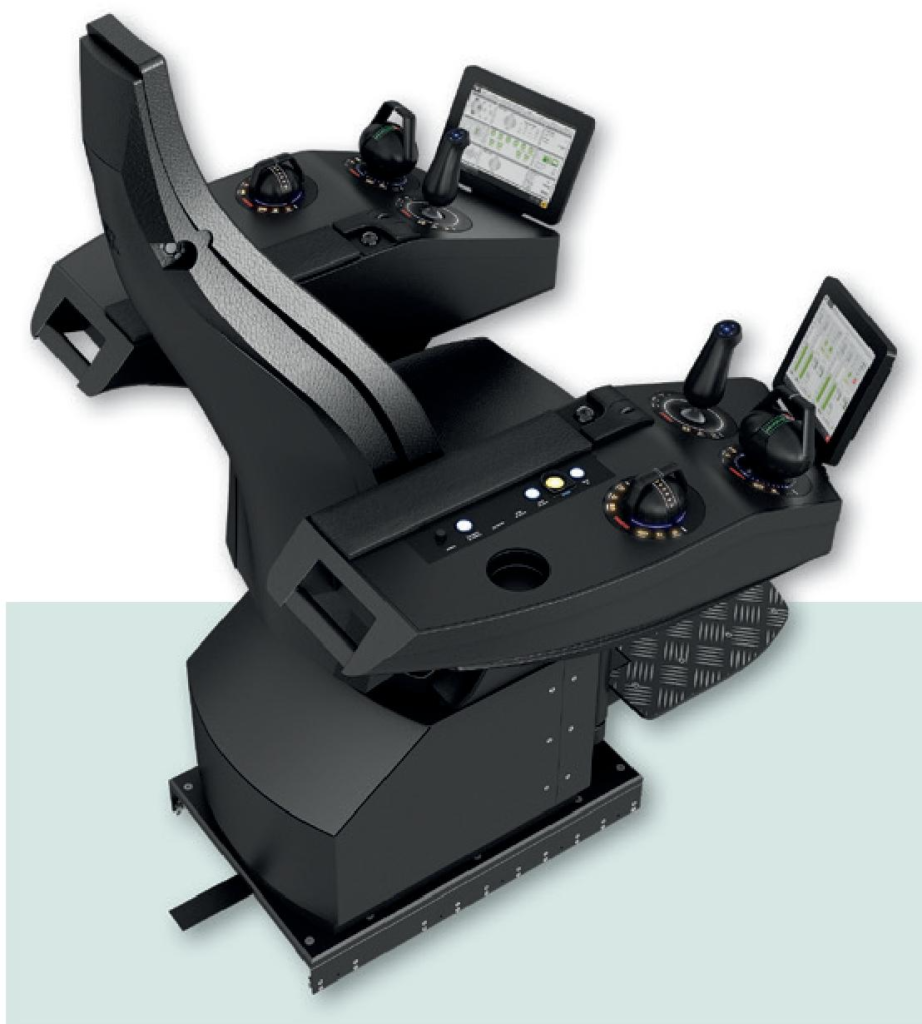
Features: Provides a full-featured and easy-to-use HMI, with ergonomic control bar and touch screen layouts, and a logical presentation of information. The modular design is suitable for a wide range of vessel types. For example, the Unified Bridge of offshore supply vessels has two workstations and bridge wing consoles with a reasonable layout for easy operation.

Dynamic positioning
System composition: Icon DP series dynamic positioning system consists of Icon DP control system and operator station, adopting common control platform hardware and software.
Classification and development: It can meet different ship positioning requirements, from simple systems to those meeting the most stringent redundancy requirements, covering different IMO DP classes. For example, the first IMO DP2-compliant system was delivered in 2006, in 2012 more than 100 ships were using its DP system, and today the DP2+ system is even more available and can be extended to DP3.
Application areas: Suitable for a wide range of vessels, such as offshore support vessels, subsea construction vessels, yachts, etc.
Functional advantages: Complex thrust distribution, waypoint tracking and more, and winner of the Norwegian Design Council’s 2015 Design Excellence Award.
Propulsion and thruster control: Provides a control and monitoring system from the HMI to the engines, propellers and other equipment for a wide range of propulsion systems such as diesel-electric, gas-electric and hybrid propulsion. The system is designed for easy and intuitive control by the operator and can be integrated into a unified bridge with redundant control capabilities for a wide range of vessel types.

Specification
SLIO 02 Canman controller network The name of the Rolls-Royce controller network device has a deeper meaning. While ‘SLIO’ most likely represents a specific product range or advanced technology architecture, ‘02’ most likely indicates the second generation of the range, which is a significant iteration in terms of performance, functionality or technology compared to its predecessor. ‘Canman’ clearly reveals its close association with CAN (Controller Area Network) technology, which is widely used in automotive manufacturing and industrial automation due to its efficient data communication capabilities. The ‘controller network’ pinpoints the core function of the product, i.e., to act as a controller network that shoulders the important responsibility of data transmission and control management in various systems. From the specification level, it is designed for system environments with stringent data communication requirements and complex device control logic, and is capable of seamlessly connecting and collaborating with many different types of devices.

Technical Features
High-efficiency communication capability: Based on CAN bus technology, SLIO 02 Canman controller network has high-speed and stable data transmission performance. In industrial automation production lines, ship power systems and other application scenarios that require high real-time performance, it is able to rapidly and accurately transmit key data such as equipment status information and control commands, greatly reducing communication delays and strongly guaranteeing the real-time performance and stability of system operation.
Powerful compatibility: The controller network shows excellent compatibility, and can be well adapted to many different types of equipment and communication protocols. No matter what kind of manufacturers of sensors, actuators and other equipment, it can achieve seamless docking, for the user in the existing system based on equipment updates or system expansion provides great convenience, effectively reducing the difficulty and cost of system integration.
High reliability and stability: Inheriting Rolls-Royce’s consistent high quality standards, SLIO 02 Canman controller network has undergone extremely stringent testing and validation processes, and has strong anti-interference ability and wide environmental adaptability. Whether in harsh natural environments such as high temperature and humidity, or in complex electromagnetic environments such as strong electromagnetic interference, or in harsh working conditions such as high loads and prolonged operation, it can continue to work stably and reliably, significantly reducing the probability of system failure.

Model supplement
In-depth analysis of the model ‘SLIO 02 Canman controller network’, ‘SLIO 02’ is a clear product in the Rolls-Royce product line belongs to the second generation of SLIO series, compared with the previous generation, in terms of performance, functions, technology and other aspects are all in the same. Compared to its predecessor, it has been significantly optimised in terms of performance, functionality and technology. The ‘Canman’ further highlights the CAN bus-based control and management features, demonstrating the product’s specialisation and focus on data processing and device control. Through the comprehensive interpretation of the model, users can more thoroughly understand the product positioning, characteristics and advantages of adaptation in different application scenarios.

Application Scenarios
Industrial automation field: In the industrial automation production line, SLIO 02 Canman controller network can be connected with robots, CNC machine tools, conveyor belts and other types of automation equipment to achieve efficient communication and collaborative work between equipment. Through real-time collection and processing of equipment operation data, the production process can be finely controlled and optimised, effectively improving production efficiency and product quality, and significantly reducing the cost of manual intervention.

Shipbuilding and shipping industry: On ships, the controller network can connect various key equipment such as ship power systems, navigation systems and monitoring systems. Real-time transmission of engine operating parameters, navigation data, equipment status information, etc., to help the crew timely and comprehensively grasp the ship’s operating conditions, to achieve intelligent management and control of the ship, and significantly improve the safety and reliability of ship navigation.
Automobile manufacturing and related industries: In the process of automobile manufacturing, SLIO 02 Canman controller network can be applied to the automation control of automobile production lines to ensure the accurate operation and efficient collaboration of production equipment. In the automotive electronic system, it can also be used as the core component of in-vehicle network to realise data interaction and control between various electronic modules of the vehicle, providing strong support for the development of automotive intelligent and automatic driving technology.

什么叫can总线 分布式 io模块? - 公司新闻

Rolls-Royce Electronics 1071 Automatic Display Type

Brand Background
Rolls-Royce, as an enterprise with a long history and global reputation, has its business covering many key areas, such as aviation, marine, energy and industrial automation, etc. In the field of high-end manufacturing, Rolls-Royce has always been the industry leader with its excellent technical strength and continuous innovation. In the field of high-end manufacturing, Rolls-Royce has always occupied the leading position in the industry by virtue of its excellent technical strength and continuous innovation. Its brand symbolises the ultimate quality and reliability, providing customers with reliable solutions in complex application scenarios that require high safety and stability. For example, in the aviation field, Rolls-Royce engines help many large passenger planes fly safely; in the marine industry, its power and control systems guarantee the stable operation of all kinds of vessels.

Specification
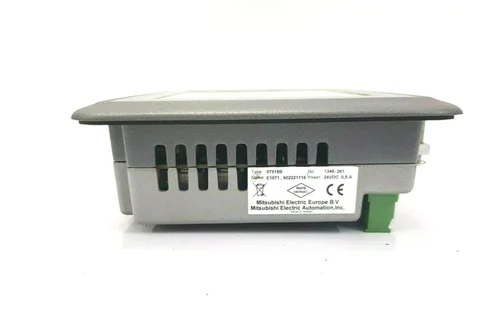
Model No.: Type No. 07918 B UN 921 ECR 24VDC, which precisely defines the specifications and characteristics of the product, and is the key identification for its adaptation and identification in various systems.
Power supply: 24VDC indicates that the device is powered by a 24-volt DC power supply, which is more common in industrial automation and specific application scenarios such as ships and vehicles, and is able to provide stable and reliable power support to ensure that the device continues to operate normally.

Third, technical characteristics
High reliability: Rolls-Royce products have always been known for their high reliability, and this monitor is no exception. It has gone through strict quality testing and performance verification, and can work stably under a variety of complex and harsh environmental conditions, reducing the risk of system downtime due to equipment failure and providing solid protection for industrial production and other applications.
Auto-display function: The Electronics 1071 has an auto-display feature that automatically adjusts the display according to the signals input from the system. This function greatly improves the convenience and timeliness of information acquisition, and can clearly present all kinds of key data without frequent human intervention. For example, in the ship engine operation monitoring system, it can automatically display engine speed, temperature, pressure and other parameters in real time.

Model Supplement
Type No. 07918 B UN 921 ECR 24VDC of Rolls-Royce Electronics 1071 Automatic Display may be optimised for specific industries or applications. Suffixes such as ‘B’, ‘UN 921’, and ‘ECR’ may represent specific functional features, industry standard adaptations, or customisation requirements, respectively. For example, ‘UN 921’ may be related to a certain type of international safety transport standards or specific industry norms to ensure the safety and compliance of the product during transport, installation and use.

Application Scenarios
Marine industry: In the cockpit or cabin of a ship, the display can be used to show the operating status information of the ship’s power system, navigation system and various types of equipment. The crew can intuitively obtain the engine operating conditions, navigation data, equipment failure alarms and other key content, so as to make timely decisions and ensure the safe navigation of the ship.
Industrial automation production line: In the industrial automation scenario, it can be used as a centralised display terminal for the status of various types of equipment on the production line. Real-time presentation of key parameters in the production process, such as equipment running speed, product quality inspection data, material delivery status, etc., to help production managers quickly grasp the overall operation of the production line, timely detection and resolution of problems, improve production efficiency and product quality.
Energy field: In energy production facilities, such as power plants, substations, used to display all kinds of data in the process of energy production and transmission, such as voltage, current, power, equipment temperature and so on. Staff can monitor and analyse the operation of the energy system through these data to ensure the stability and safety of energy supply.

ABB 3ASC25H204 DAPU100 high-performance processor module

Product Basic Information
Product Positioning
3ASC25H204 is a high-performance control module specially designed for the complex control needs of industrial automation, which plays the role of a core hub in the entire industrial automation system, is responsible for the precise regulation of various types of equipment operating state, to achieve efficient data collection, transmission and processing, is to ensure the stable and efficient operation of industrial production processes.
Origin and production standards
The product originated in Sweden, adhering to ABB consistently stringent global production standards. From the procurement of raw materials, parts processing to finished product assembly, each link is strictly controlled to ensure the consistency and reliability of product quality, to meet the needs of customers in different regions of the world, different industries for high-quality industrial control products.

Specification Parameter Analysis
Electrical parameters
Working voltage: the rated working voltage is 220V AC, this design makes it easy to connect to most industrial power supply networks, reducing the additional costs and technical difficulties caused by voltage adaptation problems. At the same time, the module has a certain degree of adaptability to voltage fluctuations, can work stably within the range of ±10% voltage fluctuations, to effectively deal with voltage instability that may occur in industrial sites, to ensure the continuous operation of equipment.
Output frequency: the output frequency can reach 30kHz, high-frequency output characteristics make it outstanding in some of the application scenarios that require high signal response speed, such as high-speed motion control, fast data acquisition and other fields, can quickly and accurately send control signals to the actuator to achieve the precise action of the equipment.

Performance Parameters
Processing speed: Built-in high-performance microprocessor with a processing speed of up to 1MHz can quickly analyse and execute all kinds of control commands and process a large amount of data from sensors, host computers and other devices in a timely manner to ensure that the real-time control needs of the system are met. Whether it is simple logic control or complex algorithms, it can be completed in a short time, providing strong support for the efficient operation of industrial automation production.
Memory capacity: 256KB of user memory space for storing user-written control programmes, system configuration parameters and intermediate data generated during operation. Adequate memory capacity can meet the storage requirements of complex industrial control logic, and at the same time, it supports the rapid call and operation of the programme, reducing the stuttering or abnormal operation of the programme caused by insufficient memory.

Physical Parameters
Dimensions: product dimensions of 127mm × 254mm × 254mm, compact design makes it easy to install and layout in the control cabinet, equipment chassis and other limited space, saving valuable installation space, especially for industrial automation equipment integration projects with high space requirements.
Weight: The overall weight is about 0.34kg, the lightweight design not only facilitates the handling of the equipment during the installation and maintenance process, but also reduces the requirements for the equipment load-bearing structure, which helps to reduce the construction cost of the entire system.
Environmental Adaptability
Temperature range: Stable operation in a wide temperature range from – 20°C to + 60°C. Whether it is a cold outdoor working environment or near a high temperature industrial furnace, it can ensure normal operation without performance degradation or failure due to temperature changes, ensuring the continuity of industrial production under different environmental conditions.
Humidity range: The humidity range is from 5% to 95% without condensation. In humid workshop environments, such as textile factories, food processing plants, etc., it can effectively resist the erosion of humid air, avoiding short circuit, corrosion and other failures of electronic components due to humidity problems, and improving the reliability of the product in complex industrial environments.

Performance Advantages
powerful communication ability
Protocol support: Support RS 485, Modbus RTU, DeviceNet, CANopen and other mainstream industrial communication protocols. Among them, RS 485 interface is widely used in industrial field by virtue of its good anti-interference performance and long-distance transmission capability. 3ASC25H204 can be easily connected with other devices supporting RS 485 communication, such as smart meters, sensors, actuators, etc., to build up a stable data transmission link, and Modbus RTU protocol has become the most popular protocol in the field of industrial automation with its simple and easy-to-use, openness, and strong features. The Modbus RTU protocol, with its easy-to-use and open features, has become an important bridge for the interconnection of devices in the field of industrial automation. 3ASC25H204 supports this protocol, which allows it to easily communicate and interact with devices from different manufacturers that follow the Modbus RTU protocol, and greatly improves the convenience of system integration. DeviceNet and CANopen protocols are commonly used in industrial automation networks for distributed device control. DeviceNet and CANopen protocols are commonly used for distributed device control in industrial automation networks. 3ASC25H204’s support for these two protocols enables it to be efficiently connected to automation systems based on DeviceNet or CANopen networks, and to realise co-operation and centralised control between devices.

Communication speed: With communication speeds of up to 1 Mbps, high-speed data transmission ensures that large amounts of real-time data can be exchanged between the module and other devices in a short period of time without error. For example, in an automated production line, a large amount of sensor data needs to be uploaded to the control module for analysis and processing in a timely manner, while the control instructions of the control module need to be quickly sent to the actuator, the high-speed communication capability of the 3ASC25H204 is able to meet this application scenario, which has very high requirements for the timeliness of data transmission, and ensures the efficient operation of the production line.

Excellent Reliability
Materials and processes: High-quality electronic components and advanced manufacturing processes are adopted, and the components are strictly screened from the component selection stage to ensure that each component has high reliability and stability. In the manufacturing process, the use of high-precision SMD, welding and other processes to ensure the quality of the electrical connection of the circuit board to reduce the potential failure of false soldering, short-circuit and other potential hazards. At the same time, the products are designed with multi-layer protection, such as coating the surface of the circuit board with three-proof paint to prevent dust, moisture, corrosive gases on the erosion of electronic components, and to improve the product’s ability to withstand harsh industrial environments.

Testing and Certification: The products have been strictly tested and certified by a series of international authoritative certification bodies, such as CE and UL. These certification processes cover electrical safety, electromagnetic compatibility, environmental adaptability and other aspects of the test to ensure that the product meets the internationally accepted quality and safety standards. For example, in the electromagnetic compatibility test, 3ASC25H204 needs to pass a number of tests such as radiated emission, conducted emission, electrostatic discharge immunity, radio frequency electromagnetic field radiation immunity, etc., in order to prove that it can work normally in complex electromagnetic environments, and will not interfere with the surrounding equipment or be subjected to the interference of other equipment, which provides a solid guarantee for the stable operation of industrial automation systems.

Convenient programming and debugging
Programming language support: It fully supports IEC 61131-3 standard programming languages, including Ladder Diagram (LD), Function Block Diagram (FBD), Instruction List (IL), Structured Text (ST) and Sequential Function Chart (SFC). This multi-language support allows engineers with different programming habits and technical backgrounds to develop programmes in a way that is familiar to them. For example, for engineers with electrical control background, ladder diagram programming is intuitive and easy to understand, and can be started quickly; while for software engineers who are good at high-level language programming, structured text language provides more powerful logic expression and algorithmic implementation capabilities.

Friendly user interface: Equipped with a simple and intuitive programming and debugging interface, engineers can conveniently write, download, upload, monitor and debug programs through the special programming software. In the programming process, the software provides rich function libraries and instruction sets, which can be called directly, reducing the workload of repetitive code writing; in the debugging stage, it can monitor the running status of the program in real time, view the variable values, register status and other information, and quickly locate and solve the errors and problems in the program, which greatly shortens the development cycle of the project, and improves the work efficiency.

ABB 3ASC25H203 Module

Brand endorsement
As a global leader in electrical and automation technology, ABB, with more than a hundred years of profound accumulation, continues to output innovative and reliable products and solutions in diverse fields such as energy management, industrial process optimisation, intelligent transportation and infrastructure construction. Its strong investment in research and development has enabled it to always stand at the forefront of industry technology, and its products built to stringent standards have set up an excellent quality benchmark in the global industrial arena, winning widespread trust and praise.

Product Overview
35AE92 is a high-performance control module specially designed by ABB for industrial automation scenarios, just like the ‘intelligent brain’ of the industrial system, which shoulders the important responsibility of precise control and efficient computing in various complex and harsh industrial environments, and is a key link in building advanced automated production lines and guaranteeing the stable operation of industrial processes.

Specification Parameter Detailed Analysis
Electrical Specifications
Operating voltage: Support 110 – 220V AC wide voltage input, can be flexibly adapted to the power supply environment of different regions and different scenarios, reducing the adaptation costs and operational risks caused by voltage differences.
Output Characteristics: The input voltage is accurately converted to 24V DC output, which provides stable and reliable DC power supply for all kinds of sensors, actuators and other equipment connected, ensures stable operation of the equipment, and reduces failures caused by power fluctuations. The output frequency can be flexibly set to 50Hz or 60Hz and other common standards according to the actual demand, in order to match the operating rhythm of different equipment.

Performance Parameters
Processing capability: Equipped with a high-speed 32-bit processor with 256kbyte program capacity and sufficient data storage space, it is able to quickly respond to and process a large number of complex control instructions and real-time data, and efficiently run complex control algorithms to meet the strict requirements of industrial automation on computing speed and data storage.
I/O Configuration: Rich I/O interface resources, with multiple digital input/output channels and analogue input/output channels, it can easily connect to various types of sensors (e.g., temperature, pressure, position sensors) and actuators (e.g., motor drives, solenoid valves) to achieve comprehensive monitoring and precise control of industrial field equipment.

Physical Specifications
Dimensions: Compact design, exquisite external dimensions, can effectively save the installation space inside the control cabinet and other equipment, easy to layout and installation in industrial environments with limited space.
Protection level: IP20 protection level, can prevent the intrusion of objects larger than 12.5mm, such as accidentally touched fingers, small tools, etc., to provide basic protection for the internal precision electronic components, to ensure stable operation in the regular industrial environment.
Working environment: the working temperature range is from – 20°C to + 60°C, with a wide range of humidity, it can operate stably in harsh environments such as high-temperature smelting workshops and humid textile factories to ensure the continuity of industrial production.

Performance Advantages
Precise control: with advanced control algorithms and strong computing power, it can achieve precise adjustment of equipment movement and process parameters, with a control accuracy of ±0.01mm (such as in precision machine tool control scenarios), which ensures a high degree of consistency in product quality and effectively reduces the rate of defective products.
Flexible communication: Equipped with RS-232, RS-485, Ethernet and other communication interfaces, it fully supports Modbus, Profibus – DP, Ethernet/IP and other mainstream industrial communication protocols, which can conveniently build an efficient and stable data interaction network with PLC, host computer and other intelligent devices, realising remote monitoring and centralised management, and enhancing the integration and intelligentisation of industrial automation systems. automation system integration and intelligent level.

Reliable and stable: from component selection to manufacturing process, all follow ABB’s stringent quality standards, after CE, UL, ATEX and other authoritative certification, with excellent anti-interference ability, can be in strong electromagnetic interference, voltage fluctuations and other harsh operating conditions continue to operate stably, greatly reducing the system failure rate, reducing the loss of production interruption due to equipment failure, to protect the smooth progress of industrial production.
Flexible expansion: the modular design concept gives it excellent expandability, according to the actual project requirements, can easily add expansion modules, to achieve the increase in the number of I/O points, communication function upgrade or other special functions to expand, for industrial automation system upgrading and transformation to provide convenience, to protect the user’s investment in the early stage, to adapt to the needs of the enterprise’s business development and process improvement.

Comparison of Similar Models
Comparison with 35AE91: 35AE91 focuses on basic automation control scenarios and is relatively basic in terms of the number of I/O points and processing capacity, applicable to small automated production lines or simple industrial equipment control; while 35AE92 has been upgraded comprehensively in terms of performance, with a more powerful processing core, richer I/O resources and more flexible communication configurations to cope with the control needs of large-scale complex industrial systems.
Comparison with 35AE93: 35AE93 has been strengthened in some specific functions, such as outstanding performance in high-speed data acquisition, which is suitable for scenarios requiring very high data acquisition speed, such as high-speed inspection in semiconductor manufacturing; while 35AE92 is more balanced in terms of comprehensive performance, with outstanding performance in control accuracy, communication flexibility, and scalability, which is widely applicable to a variety of industrial automation scenarios. automation scenarios.

Communication interface introduction:
RS-232 interface: it is a standard serial communication interface, which can be used for close-range point-to-point communication with computers, printers, modems and other devices. It adopts asynchronous communication method, and the transmission rate is usually in the lower range, such as 9600bps, 19200bps, etc.. In industrial automation, it is often used to connect programming devices for parameter setting, programme downloading and debugging of controllers, and can also be used for data interaction with some simple intelligent meters.

RS-485 interface: It is also a kind of serial communication interface. Compared with RS-232, it has stronger anti-interference ability and longer transmission distance, and can realise half-duplex communication of multiple devices on the bus. It supports communication protocols such as Modbus – RTU, which can easily connect multiple ABB 35AE92 controllers or other devices supporting Modbus – RTU protocol into a network to achieve distributed industrial control and data acquisition.

Ethernet interface: Ethernet interface, supporting TCP/IP protocol, with high-speed data transmission capability, can achieve real-time data interaction and remote monitoring between the controller and the host computer, other intelligent devices. Through the Ethernet interface, ABB 35AE92 can be connected to the factory’s LAN or the Internet, which is convenient for engineers to monitor and manage the industrial site in the office or remote locations, and can also be integrated with the enterprise’s MES, ERP and other systems to achieve a higher level of production management and optimisation. It also supports a variety of industrial Ethernet communication protocols such as EtherNet/IP, Modbus TCP, PROFINET and so on. Among them, EtherNet/IP is suitable for interconnection of devices in industrial automation field; Modbus TCP is the implementation of Modbus protocol on top of Ethernet, which is widely used for communication between devices of different manufacturers; PROFINET is an Ethernet-based fieldbus standard, which is mainly used for distributed device control in industrial automation system.

Search for products

Back to Top
Product has been added to your cart