
Call us 24/7uaedcs@163.com
Welcome to the official website of CNIACS Automation Technology Co., Ltd!
Call us 24/7uaedcs@163.com

ABB DSQC346 servo drive module

I. Brand Background

ABB, a leading enterprise in the global industrial automation and electrical fields, has a profound technical accumulation and innovative development history of more than a century. With continuous R&D investment and strict quality requirements, ABB has set excellent benchmarks in numerous industries such as energy, manufacturing, and transportation. Its products are renowned for their outstanding reliability, cutting-edge technology, and wide applicability. ABB occupies an important position in the global industrial automation market, is trusted by users in various industries, and provides strong technical support for the advancement of industrial automation.

II. Product Overview

The ABB DSQC346 Servo Drive Module is a high-performance component dedicated to powering and precisely controlling servo motors within industrial automation setups. Tailored for applications that demand exacting motion control, this module acts as a critical link between the control system and the servo motor. It receives control signals from the host controller, processes these signals through its advanced internal circuitry, and then delivers precisely modulated power to the servo motor. This enables seamless control over the motor’s speed, torque, and position, facilitating the smooth operation of industrial robots, CNC machines, and other high-precision automated equipment across diverse manufacturing sectors.

III. Specification Parameters

Electrical ParametersInput Voltage: Accommodates a three-phase AC input voltage ranging from 380 – 480VAC. This wide input voltage range ensures compatibility with common industrial power grids, allowing the module to operate stably in various manufacturing environments.

Output Power: Available in multiple power ratings, typically spanning from [X1] kW to [X2] kW, depending on the specific model variant. This flexibility in power output makes it suitable for driving servo motors of different sizes and power requirements, from smaller motors used in delicate assembly tasks to larger ones in heavy-duty machining operations.

Frequency Response: Boasts an impressive frequency response rate of up to [X] Hz. This high-frequency response capability enables the module to rapidly react to changes in control signals, ensuring swift acceleration, deceleration, and speed adjustments of the servo motor, which is crucial for high-speed and dynamic industrial processes.

Control Performance Parameters

Position Control Accuracy: Leveraging sophisticated control algorithms and high-resolution feedback systems, the DSQC346 achieves remarkable position control accuracy. It can position the servo motor with an accuracy of ± [X] pulse equivalents, ensuring that industrial equipment can execute precise movements, which is vital for applications such as microelectronics assembly and precision machining where minute errors can lead to significant quality issues.

Speed Control Range: Offers a broad speed control spectrum, allowing the servo motor to operate smoothly anywhere from 0 to [Maximum Speed] rpm. The module maintains excellent speed stability throughout this range, with speed fluctuations kept within ± [X]%, ensuring consistent performance and minimizing variations in production output quality.

Torque Control Capability: Equipped with advanced torque control mechanisms, the DSQC346 can accurately regulate the torque output to the servo motor. It automatically adapts to varying load conditions, providing the right amount of torque at all times. This precise torque control is essential for applications involving heavy lifting, material handling, and operations where maintaining a consistent force is critical.

Data Transfer Rate: Facilitates high-speed data transfer, ensuring rapid communication between the module and other components in the automation network. The high data transfer rate reduces latency, enabling real-time control and monitoring, which is essential for coordinating complex automated processes.

Physical Specifications

Compact Design: Engineered with a space-saving design, the module measures approximately [Length] × [Width] × [Height]. Its compact form factor allows for easy installation in tight spaces within control cabinets or machine enclosures, making it suitable for retrofitting into existing automation systems without significant modifications.

Lightweight Construction: Weighing around [Weight] kg, the lightweight design of the DSQC346 simplifies handling during installation and maintenance. It reduces the overall weight of the automation equipment, which can be beneficial in applications where weight considerations impact the performance or mobility of the machinery.

IV. Performance Advantages

Superior Motion Control Precision

The DSQC346’s advanced control algorithms and high-fidelity feedback mechanisms work in tandem to deliver unparalleled motion control precision. Whether it’s guiding a robotic arm to pick and place tiny components with micrometer-level accuracy or controlling the precise movement of a CNC machine tool for intricate machining operations, this module ensures that the servo motor executes commands with utmost accuracy, significantly enhancing product quality and manufacturing efficiency.

Exceptional Dynamic Response

With its high-frequency response and rapid signal processing capabilities, the module offers an outstanding dynamic response. It can swiftly adapt to sudden changes in control signals, such as when a robot needs to quickly change its path or a machine tool requires rapid acceleration or deceleration. This quick responsiveness minimizes cycle times in production processes, boosting overall productivity and enabling the handling of high-speed, high-precision tasks with ease.

Robust Overload Protection

Designed with robust overload protection features, the DSQC346 can withstand transient overloads and abnormal operating conditions without damage. When faced with sudden increases in load, such as during a jam in a conveyor system or an unexpected resistance in a machining operation, the module’s protective mechanisms kick in to safeguard the servo motor and itself. This not only extends the lifespan of the equipment but also reduces downtime due to component failures, ensuring continuous and reliable operation of the industrial automation system.

Versatile System Integration

Thanks to its support for multiple industrial communication protocols and flexible interface configurations, the DSQC346 can be effortlessly integrated into a wide variety of automation systems. Whether it’s part of an ABB – centric robotic cell or integrated with non – ABB PLCs and other automation equipment, it seamlessly communicates and coordinates with other system components. This versatility allows manufacturers to build customized automation solutions tailored to their specific production requirements, reducing the complexity and cost of system integration.

User – Friendly Operation and Maintenance

The module features an intuitive user interface that simplifies parameter configuration and system commissioning. Operators can easily adjust settings such as motor speed, torque limits, and control modes through the interface or via connected control software. Additionally, it is equipped with comprehensive diagnostic functions that can quickly identify and report faults, enabling maintenance personnel to pinpoint and resolve issues promptly. The modular design of the DSQC346 also makes component replacement straightforward, minimizing maintenance time and costs.

V. Precautions

Installation Environment

Environmental Conditions: Install the DSQC346 in a clean, dry, and well – ventilated environment. Avoid areas with high humidity, dust, or corrosive gases, as these can degrade the module’s performance and lifespan. The ideal operating temperature range is [Operating Temperature Range], and storage should be within [Storage Temperature Range].

Electromagnetic Compatibility: Ensure that the installation location is away from strong electromagnetic interference sources, such as large motors, transformers, and high – voltage power lines. Use shielded cables for signal connections and proper grounding to minimize electromagnetic interference, which can disrupt the module’s normal operation and cause control inaccuracies.

Electrical Connection

Power Connection: Before connecting the power supply, double – check that the input voltage matches the module’s specified requirements. Incorrect voltage input can damage the module. Use appropriate – rated cables and connectors for power connections, and ensure that all connections are secure and properly insulated to prevent electrical hazards and short circuits.

Motor and Signal Connections: When connecting the servo motor, carefully follow the wiring diagram provided in the user manual to ensure correct phase connections. Incorrect motor wiring can lead to abnormal motor operation or damage to the motor and the drive module. For signal connections, ensure that communication cables are properly terminated and connected to the correct ports to enable reliable data transfer.

Parameter Configuration and Commissioning

Initial Setup: Before powering on the module, perform an initial parameter configuration based on the specific requirements of the servo motor and the application. This includes setting parameters such as motor model, rated speed, torque limits, and control mode. Incorrect parameter settings can result in suboptimal performance or even damage to the motor or the module.

Commissioning Tests: After the initial setup, conduct thorough commissioning tests. Start with low – speed and no – load tests to verify basic functionality, and gradually increase the speed and load while monitoring the module’s performance. Check for any abnormal noises, vibrations, or overheating during the tests. If issues are detected, review and adjust the parameters as necessary.

Regular Maintenance

Periodic Inspections: Regularly inspect the module for signs of physical damage, loose connections, or overheating. Check the status indicators on the module to ensure normal operation. Clean the module’s surface and ventilation openings regularly to prevent dust accumulation, which can affect heat dissipation.

Performance Monitoring: Periodically monitor the module’s performance parameters, such as input and output voltages, currents, and temperature. Compare these values with the normal operating ranges specified in the user manual. If any deviations are observed, investigate the cause and take appropriate corrective actions. Also, backup the module’s parameter settings regularly to facilitate quick recovery in case of a malfunction or replacement.

​VI. Similar Model Supplements

Other ABB Servo Drive Modules

DSQC343: Compared to the DSQC346, the DSQC343 has a lower power output range, making it more suitable for smaller – scale automation applications or equipment with less demanding power requirements. It also offers a relatively simpler set of features and may have fewer communication protocol options, which can be a cost – effective choice for basic automation tasks where high – end functionality is not required.

DSQC346G: While sharing many similarities with the DSQC346, the DSQC346G may have enhanced features or performance improvements. It could offer higher precision in certain control aspects, better compatibility with specific ABB robotic models, or additional communication capabilities. The choice between the two would depend on the specific requirements of the industrial application, with the DSQC346G being a preferred option for more complex and demanding scenarios.

Similar Products from Other Brands

Siemens SINAMICS S120: Siemens’ SINAMICS S120 servo drive is known for its high – performance control capabilities and extensive integration with Siemens’ automation systems. It offers a wide range of power ratings and advanced control algorithms, making it suitable for various industrial applications. However, its integration with non – Siemens systems may require additional configuration and compatibility checks.

Mitsubishi MR – JE Series: The Mitsubishi MR – JE series servo drives are popular for their user – friendly operation and cost – effectiveness. They provide reliable performance for a variety of automation tasks and are well – supported by Mitsubishi’s extensive technical resources. In comparison, the ABB DSQC346 stands out with its robust build quality, high – precision control, and excellent compatibility with a wide range of industrial communication protocols, making it a strong competitor in the high – end servo drive market.

VII. Application Scenarios

Automotive Manufacturing

Robotic Assembly Lines: In automotive production, the DSQC346 Servo Drive Module is employed to control the movement of robotic arms on assembly lines. It enables robots to precisely pick and place components such as engine parts, body panels, and interior fixtures. The high – precision position and torque control ensure accurate assembly, reducing errors and improving production quality. For example, when installing delicate electronic components in the vehicle dashboard, the module’s precise control allows the robot to handle the components without causing damage.

Paint Shop Automation: In the paint shop, the module is used to control the movement of painting robots. It accurately regulates the speed and position of the robots, ensuring even and consistent paint application. The fast dynamic response of the DSQC346 allows the robots to quickly adjust their movements to follow the contours of the vehicle body, resulting in a high – quality paint finish.

Electronics Manufacturing

SMT (Surface Mount Technology) Assembly: In SMT assembly lines, the DSQC346 plays a crucial role in controlling the pick – and – place machines. It precisely positions the placement heads to pick up tiny electronic components, such as chips and resistors, and place them accurately on the printed circuit boards. The high – accuracy position control and fast speed regulation capabilities of the module are essential for achieving high – speed and high – yield SMT assembly, which is critical in the electronics manufacturing industry.

Semiconductor Wafer Handling: In semiconductor manufacturing, the module is used to control the servo motors in wafer handling equipment. It ensures the precise movement of wafers during processes such as inspection, lithography, and packaging. The ability to maintain high – precision position control and stable speed is vital for preventing damage to the delicate wafers and ensuring the quality of semiconductor products.

Machining Industry

CNC Machine Tools: In CNC machining centers and lathes, the DSQC346 Servo Drive Module controls the servo motors that drive the spindle and the axes of the machine. It enables precise control over the cutting speed, feed rate, and tool position, resulting in high – quality machining of complex parts. For example, when machining aerospace components with tight tolerances, the module’s high – precision control ensures that the parts meet the strict quality requirements.

Grinding Machines: In grinding operations, the module is used to control the movement of the grinding wheel and the workpiece. It provides accurate speed and position control, allowing for precise grinding of surfaces to achieve the desired finish and dimensional accuracy. The module’s ability to handle varying loads during the grinding process ensures consistent performance and extends the lifespan of the grinding equipment.

Logistics and Warehousing

Automated Guided Vehicles (AGVs): In automated warehouses, the DSQC346 is used to control the servo motors in AGVs. It enables the AGVs to move accurately along predefined paths, pick up and deliver goods, and navigate around obstacles. The high – precision position control and fast response of the module ensure the efficient operation of AGVs, improving the productivity and throughput of the warehouse.

Conveyor Systems: The module is also utilized in conveyor systems to control the speed and movement of conveyor belts. It can adjust the belt speed based on the load and the production requirements, ensuring smooth material flow. The precise torque control of the DSQC346 allows the conveyor system to handle different types of goods, from lightweight packages to heavy pallets, without slippage or damage.

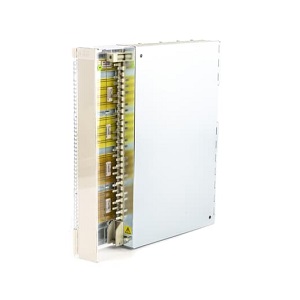
DSQC346G ABB | Shanxi Runsheng

ABB DSQC346G Servo Drive

I. Brand Background

ABB, a leading enterprise in the global industrial automation and electrical fields, has a profound technical accumulation and innovative development history of more than a century. With continuous R&D investment and strict quality requirements, ABB has set excellent benchmarks in numerous industries such as energy, manufacturing, and transportation. Its products are renowned for their outstanding reliability, cutting-edge technology, and wide applicability. ABB occupies an important position in the global industrial automation market, is trusted by users in various industries, and provides strong technical support for the advancement of industrial automation.

II. Product Overview

The ABB DSQC346G Servo Drive is a high-performance servo drive specifically designed for industrial robots and high-precision automation equipment. It plays a core role in the automation control system by driving and precisely controlling servo motors. Through rapid and accurate adjustment of the motor’s speed, torque, and position, it enables high-precision motion control of the equipment. The drive can receive command signals from the controller, process and amplify the signals internally, and then output appropriate drive signals to the servo motor, ensuring the stable and efficient operation of industrial robots and automation equipment in complex production processes. It is widely used in industrial fields with extremely high requirements for motion control accuracy, such as automotive manufacturing, electronics assembly, and machining.

III. Specification Parameters

Electrical Parameters

  • Input Voltage: It usually supports three-phase AC input, with a voltage range of 380 – 480VAC, which is suitable for common industrial power supply environments and ensures the stable operation of the drive.
  • Output Power: It is available in multiple power specifications to meet the power requirements of different servo motors. The output power range is generally [X] kW – [X] kW, and the specific values vary according to different models.
  • Frequency Response: It has excellent frequency response performance, capable of quickly responding to changes in control signals. The response frequency can reach [X] Hz, ensuring the fast start-stop and precise speed regulation of the motor.

Control Performance Parameters

  • Position Control Accuracy: By adopting advanced control algorithms and high-precision feedback systems, it achieves extremely high position control accuracy, which can reach ± [X] pulse equivalents, ensuring the precise positioning of the equipment’s movement.
  • Speed Control Range: It has a wide speed control range and can operate stably between 0 – [maximum speed value] rpm. It also has good speed stability, with a speed fluctuation of less than ± [X]%.
  • Torque Control Capability: It has strong torque control capabilities and can automatically adjust the output torque according to load changes. The torque control accuracy is high, meeting the precise torque requirements under different working conditions.

Communication Interfaces

It supports a variety of industrial communication protocols, such as EtherCAT, Profinet, DeviceNet, etc., facilitating high-speed and stable data interaction with upper-level devices such as PLCs and robot controllers. Through these communication interfaces, remote parameter setting, status monitoring, and real-time control of the drive can be realized, which is convenient for system integration and automated management.

Physical Specifications

  • Dimensions: It adopts a compact design structure, with an approximate size of [length × width × height specific values], saving installation space and facilitating layout and installation inside the equipment.
  • Weight: The weight is moderate, about [specific weight value] kg, making it convenient for handling and installation operations.

IV. Performance Advantages

High-Precision Motion Control

With advanced control algorithms and high-precision encoder feedback, it can achieve precise control of servo motors, ensuring high-precision and stable movement of the equipment. In production processes with extremely high requirements for position and speed control, such as precision electronics assembly and semiconductor manufacturing, it can effectively improve product quality and production efficiency.

Fast Dynamic Response

It has an extremely fast dynamic response speed, capable of quickly responding to changes in control signals and rapidly adjusting the motor’s operating state. In automated production scenarios with high-speed movement and frequent start-stop operations, such as robot handling operations on automotive production lines, it can significantly shorten the equipment’s action cycle and improve production efficiency.

Strong Overload Capacity

It has excellent overload protection and handling capabilities. It can withstand large overload currents in a short time, adapting to sudden load changes that may occur in industrial production, protecting the drive and motor from damage, and improving the reliability and service life of the equipment.

Flexible System Integration

With rich communication interfaces and support for multiple industrial communication protocols, it can be easily integrated into different automation control systems. Whether it is used in conjunction with ABB’s own robot control system or coordinated with other brands’ PLCs, upper-level computers, and other devices, seamless docking can be achieved, making it convenient for users to build personalized automation solutions according to actual needs.

Convenient Operation and Maintenance

It is equipped with an intuitive operation interface and parameter setting functions, making it convenient for users to adjust parameters and debug the system. At the same time, it has a complete fault diagnosis and alarm function, which can quickly locate the cause of the fault, reduce downtime, and lower maintenance costs. The modular design structure also makes it more convenient to replace damaged components, improving the maintainability of the equipment.

V. Precautions

Installation Environment Requirements

It should be installed in a dry, well-ventilated environment without corrosive gases, avoiding high-temperature, humid, and dusty places. The installation location should be kept away from strong electromagnetic interference sources, such as large motors and transformers, to prevent electromagnetic interference from affecting the normal operation of the drive and the accuracy of signal transmission. The temperature of the installation environment should be controlled within the range of [working temperature range values] to ensure that the drive operates under suitable temperature conditions.

Electrical Connection Specifications

Before making electrical connections, the power supply must be turned off, and the wiring should be carried out correctly in strict accordance with the product wiring diagram. Ensure that the input power cables, motor connection cables, communication cables, etc., are firmly connected to avoid problems such as looseness and short circuits. Pay attention to distinguishing the functions and wiring requirements of different interfaces. In particular, the phase sequence of the input power supply should not be connected incorrectly to prevent damage to the drive. For high-power drives, it is also necessary to ensure that the capacity and stability of the power supply meet the requirements.

Parameter Setting and Debugging

Before use, the parameters of the drive should be correctly set according to the parameters of the equipped servo motor and actual application requirements, such as motor model, rated current, speed control mode, position control parameters, etc. During system debugging, gradually check the operating status and control performance of the drive, conducting tests step by step from low speed to high speed and from no-load to full-load. If problems are found, adjust the parameters in a timely manner and troubleshoot faults to ensure the normal operation of the drive and motor.

Regular Maintenance

Regularly inspect the appearance of the drive to check for any signs of damaged casing, abnormal cooling fans, loose terminal connections, etc. Regularly clean the surface of the drive and the heat dissipation channels to ensure good heat dissipation performance. According to the recommendations in the product manual, regularly perform functional tests and performance calibrations on the drive, check whether the output voltage, current, frequency, and other parameters of the drive are normal, promptly identify potential problems and address them to extend the service life of the drive. At the same time, back up the parameter settings of the drive to quickly restore the system settings in case of failures or when the drive needs to be replaced.

VI. Similar Model Supplements

Other ABB Servo Drive Models

There are some servo drives with similar functions to the DSQC346G in ABB’s product line, such as the DSQC343. Compared with the DSQC346G, the DSQC343 may differ in aspects such as power range, control performance, and communication interfaces. For example, the DSQC343 has a relatively smaller power specification and is suitable for small automation equipment with lower power requirements, while the DSQC346G is suitable for large industrial robots and high-precision automation equipment with higher requirements for driving force and accuracy due to its higher power output and better control performance.

Similar Products from Other Brands

Other brands in the market also offer servo drives with similar functions, such as Siemens’ SINAMICS series and Mitsubishi’s MR-JE series. These products have their own advantages in technical characteristics, performance indicators, and application fields. Siemens’ SINAMICS series servo drives perform well in compatibility with Siemens’ PLC systems and have rich function modules and strong network communication capabilities. Mitsubishi’s MR-JE series servo drives are favored by users for their high cost-performance ratio and easy-to-use operation interfaces. In comparison, the ABB DSQC346G Servo Drive has strong competitiveness in high-end industrial application scenarios due to ABB’s deep technical accumulation in the field of industrial automation, excellent reliability, and comprehensive after-sales service system, especially in collaborative work with ABB robots.

VII. Application Scenarios

Automotive Manufacturing Industry

It is widely used in the drive control of robot arms on automotive automation production lines, realizing precise welding, assembly, painting, and other processes of automotive parts. For example, during body welding, the DSQC346G Servo Drive precisely controls the movement trajectory and speed of the robot arm, ensuring accurate welding point positions and stable welding quality. In the automotive engine assembly process, it drives the servo motor to achieve high-precision installation of components, improving the assembly accuracy and performance of the engine.

Electronics Manufacturing Industry

In the production process of electronic products, it is used to control the movement of high-precision automation equipment such as SMT placement machines and semiconductor packaging equipment. In the SMT placement process, it precisely controls the movement of the placement head and the placement position of components, achieving high-speed and precise placement of electronic components, and improving the production efficiency and yield of electronic products. In the field of semiconductor packaging, it drives the servo motor to complete high-precision handling, bonding, and other operations of chips, ensuring the packaging quality of semiconductor devices.

Machining Industry

In CNC machine tools, machining centers, and other equipment, it serves as the driving device for servo motors, realizing precise feed of the machine tool table and speed regulation of the spindle. Through the high-precision motion control of the DSQC346G Servo Drive, the machining accuracy and surface quality of mechanical parts are improved, meeting the processing requirements of complex parts. It is widely used in fields with high requirements for machining accuracy, such as aerospace and mold manufacturing.

Logistics and Warehousing Industry

In automated logistics and warehousing systems, it is used to drive the servo motors of stacker cranes, shuttle cars, and other equipment, realizing the automatic storage and retrieval of goods. It precisely controls the movement speed and position of the equipment, ensuring that goods are stored and retrieved accurately, improving the efficiency and automation level of logistics and warehousing. At the same time, in conveying and sorting equipment, the servo drive can also be used to precisely adjust the speed of the conveyor belt and control the precise actions of the sorting mechanism.

ABB AC Servo Drive Unit DSQC346G 3HAB8101-8/08C

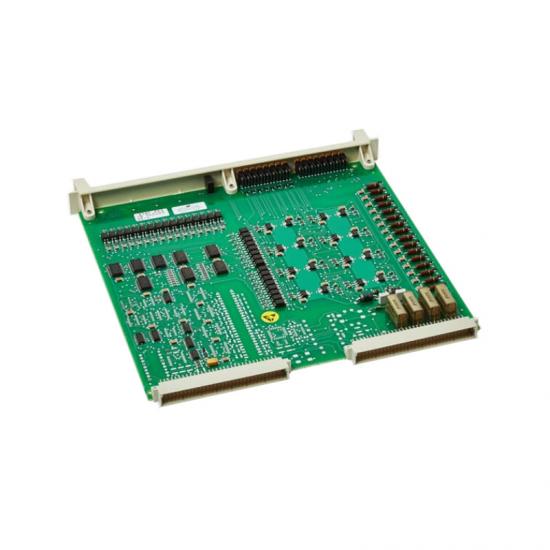
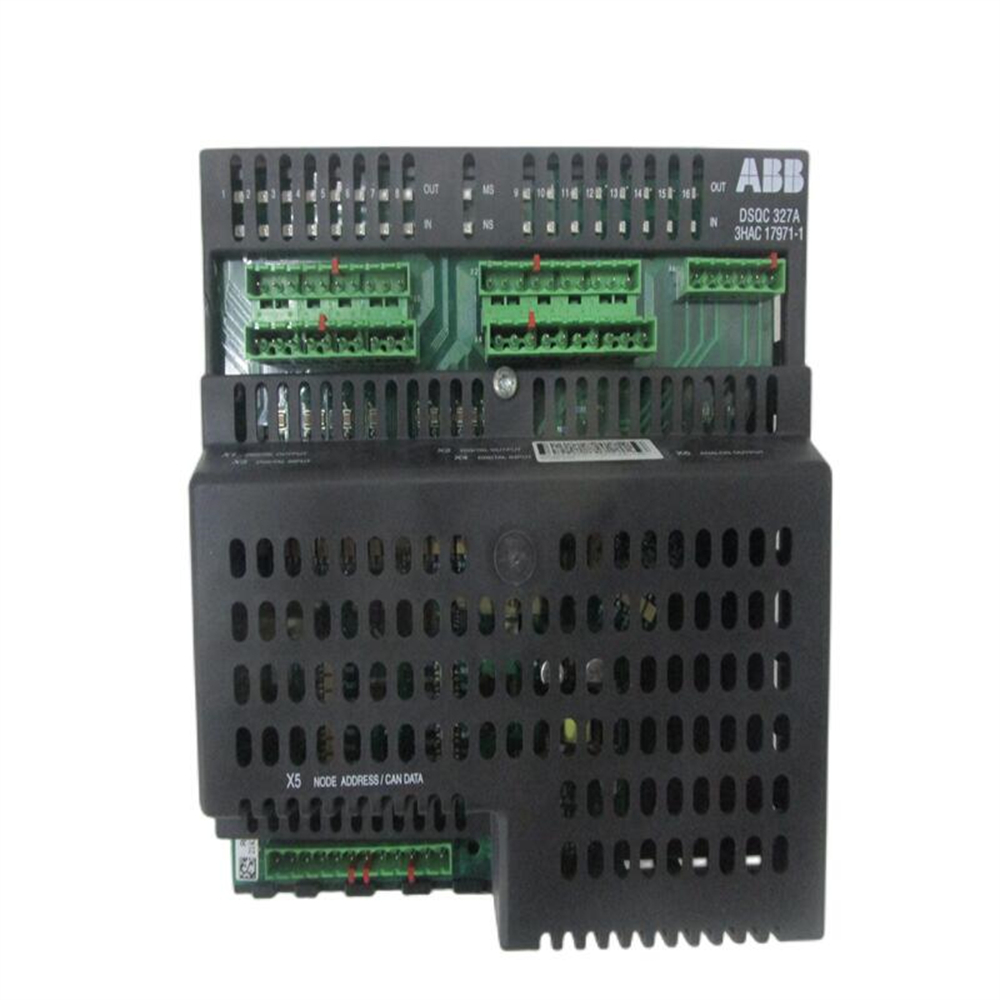
ABB DSQC327A High-performance Module

Product Overview​
ABB DSQC327A is a high-performance module designed for industrial automation application scenarios, playing a key role in automation control systems. It is mainly used to achieve efficient signal processing and precise control. By receiving and converting various control signals, it drives related equipment to perform corresponding actions to ensure the stable and efficient operation of industrial production processes. With advanced technology and reliable performance, this module can meet the automation control needs in a variety of complex industrial environments. ​
Specifications​

Electrical parameters​
Working voltage: usually adapted to 24VDC DC power supply to ensure stable operation under industrial standard power supply environment, and provide reliable power support for the normal realization of the internal circuit and function of the module. ​
Signal processing capability: It has powerful signal processing capabilities and can quickly and accurately process various input electrical signals, including digital signals and analog signals. For digital signals, it can achieve high-speed logical judgment and transmission; for analog signals, it has high-precision A/D conversion and processing capabilities to ensure signal integrity and accuracy.​

Interface configuration​
Digital input and output interface: Equipped with multiple digital input and output interfaces, it can flexibly connect various digital sensors and actuators, such as proximity switches, solenoid valves, etc. Through these interfaces, the device status information can be collected in real time, and the control instructions can be accurately transmitted to the actuator to achieve precise control of the device. ​
Communication interface: Supports a variety of industrial communication protocols, such as Profinet, DeviceNet, etc. These communication interfaces can interact with PLC, host computer and other devices stably and at high speed, making it convenient for the module to be integrated into different automation systems and achieve collaborative work between systems. ​

Physical specifications​
Dimensions: The module adopts a compact design with an outer size of approximately [specific size value]. This small size allows it to be easily installed in a control cabinet or equipment with limited space, without taking up too much space, and is convenient for system layout and installation. ​
Weight: The weight is light, approximately [specific weight value], which reduces the overall weight burden of the equipment and is more convenient during installation and handling. ​
IV. Performance advantages​
High reliability and stability: It adopts high-quality electronic components and a sturdy and durable structural design, and has undergone strict quality inspection and testing processes. In harsh industrial environments such as high temperature, humidity, and strong electromagnetic interference, it can still maintain a stable and reliable operating state, effectively reduce the probability of failure, reduce equipment downtime, and ensure the continuity of industrial production.

Accurate signal processing: With advanced signal processing technology, it can sample, analyze and convert input signals with high precision to ensure the accuracy and timeliness of output signals. In industrial automation scenarios with extremely high control accuracy requirements, such as precision machining and electronic manufacturing, it can achieve precise control of equipment and improve product quality and production efficiency.

Flexible scalability: Rich interface configuration and support for multiple communication protocols make it have good scalability. Users can easily connect and integrate with other devices or modules according to actual needs to build a more powerful and complex automation control system. Whether it is upgrading and renovating an existing system or building a new automated production line, DSQC327A can be easily adapted.

Easy to install and maintain: The module adopts a standardized design and supports DIN rail installation. The installation process is simple and fast, without the need for complex tools and professional skills. At the same time, it is equipped with clear and intuitive status indicators to facilitate quick diagnosis of equipment operation status and troubleshooting. The modular design structure also makes it easier to replace damaged parts, reduces the difficulty and cost of maintenance, and improves the maintainability of the equipment. ​

Precautions​
Installation environment requirements: It should be installed in a dry, well-ventilated environment without corrosive gases, and avoid high temperature, humidity, and dusty places. The installation location should be away from strong electromagnetic interference sources such as large motors and transformers to prevent electromagnetic interference from affecting the normal operation of the module and the accuracy of signal transmission. ​
Electrical connection specifications: Before making electrical connections, be sure to disconnect the power supply and strictly follow the product wiring diagram to make correct connections. Ensure that the wiring is firm to avoid problems such as looseness and short circuits. Pay attention to distinguishing the functions and wiring requirements of different interfaces to prevent equipment damage or system failure due to wrong connections. ​

Parameter setting and debugging: Before use, the various parameters of the module, such as communication protocol, input and output signal type, etc., must be correctly set according to the actual application scenario and control requirements. During the system debugging process, gradually check the function and signal transmission of the module, and adjust and solve problems in time to ensure the normal operation of the module. ​
Regular maintenance: Regularly inspect the appearance of the module to check whether there are any abnormal conditions such as broken shell and burn marks. Clean the dust on the surface of the module regularly to ensure good heat dissipation performance. According to the recommendations of the product manual, perform functional tests and performance calibration on the module regularly to promptly identify and handle potential problems and extend the service life of the module. ​

Similar model supplement​
ABB other related module models: There are some modules with similar functions to DSQC327A in the ABB product line, such as DSQC322. Compared with DSQC327A, DSQC322 may differ in signal processing capabilities, interface configuration, communication protocol support, etc. For example, DSQC322 may focus on certain specific functions, while DSQC327A has more advantages in overall performance and functional integration, and is suitable for complex industrial scenarios with higher requirements for automation control. ​
Similar products of other brands: Other brands on the market have also launched industrial automation modules with similar functions, such as related products of Siemens, Schneider and other brands. These products have their own advantages in technical characteristics, performance indicators and application fields. Siemens modules may excel in compatibility with Siemens’ own automation systems; Schneider products may be unique in electrical protection functions. In contrast, ABB DSQC327A is highly competitive in terms of product stability, versatility and cost-effectiveness, thanks to ABB’s strong technical R&D capabilities, perfect after-sales service system and rich industrial application experience.

ABB DSQC327A Combination I/O Module In stock - SAUL ELECTRIC

ABB DSQC322 controller relay module

Product Overview

ABB DSQC322 is a controller relay module designed for industrial automation control system. 

It is mainly used to realize the isolation, amplification and conversion of electrical signals,

and plays a key role in signal transmission and control execution in automation systems. 

By receiving the command signal from the controller, DSQC322 can drive the relay action, 

and then control the start and stop of external equipment, such as motors, solenoid valves, indicator lights, etc., 

to realize the automation control and precise management of industrial production processes. 

Specification

1.Electrical Parameters

Working voltage: the usual working voltage is 24VDC, adapting to the common industrial DC power supply environment to ensure stable operation. 

Contact capacity: Contacts can withstand high voltage and current, generally AC voltage can be up to 250VAC, DC voltage can be up to 30VDC; 

current, contact rated current can be up to 5A, can meet the control needs of a variety of industrial loads. 

Coil Parameters: Relay coils have specific working voltage and current requirements, and when supplied with 24VDC, the coil consumes less power, 

which effectively reduces the energy consumption of the system. 

2. Number of channels: The module is equipped with several independent relay channels, generally 8 channels, 

which can control 8 different load devices at the same time, realizing parallel processing and control of multiple signals. 

3. Isolation characteristics: each relay channel has a good electrical isolation performance between the isolation voltage up to 1500VAC or more, 

effectively preventing signal interference and electrical faults affect each other, improve the stability and safety of the system. 

4. Response time: the action of the relay responds quickly, with a shorter time of absorption and release, 

usually less than 10ms absorption time and less than 15ms release time, 

which enables it to respond quickly to control signals and ensures the real-time nature of the system. 

5. Mechanical life and electrical life: has a long service life, mechanical life of up to 10 million times or more, 

electrical life in the rated load can be up to 100,000 times or more, 

reducing the frequency of maintenance and replacement of equipment, reduce the cost of use. 

6. Physical Specifications

Dimensions: Compact module size, generally about 100mm × 80mm × 40mm (different versions may vary slightly), 

easy to install in space-limited control cabinets or equipment. 

Weight: light weight, about 0.3kg, will not bring too much burden to the equipment installation and layout. 

Performance Advantages

1. High reliability and stability: adopting high-quality electronic components and durable mechanical structure, after strict quality inspection and testing, 

to ensure that in complex industrial environments, such as high temperature, humidity, strong electromagnetic interference, etc., 

still be able to operate stably and reliably, effectively reduce the probability of failure, to protect the continuity of industrial production. 

2. Flexible control capability: multiple independent relay channels can be flexibly configured according to the actual demand, 

which can realize the independent control of a single device and also meet the control requirements of multiple devices working together. 

Moreover, its contact capacity is large, which can be adapted to different types of load equipment with different power, with a wide range of applications. 

3. Efficient signal isolation: excellent electrical isolation performance, can effectively isolate the electrical interference between different circuits, 

to protect the control system from external electrical fluctuations, but also to prevent the module’s own faults on other equipment damage, 

improve the anti-interference ability of the entire automation system and security. 

4. Fast response and precise control: fast relay action response makes the module able to execute the controller’s commands in time, 

realizing precise control of external equipment. In automated production processes with high time requirements, 

such as automated production lines with fast start/stop control, it can ensure the high efficiency and accuracy of the production process. 

5. Easy to install and maintain: The module adopts a standardized design and supports DIN rail mounting, 

which makes the installation process simple and convenient, and can be quickly integrated into the existing automation system. 

At the same time, the clear indicator design can intuitively display the working status of the relay, 

which is convenient for troubleshooting and maintenance; 

the modular structure also facilitates the replacement of damaged parts and reduces the difficulty and cost of maintenance. 

​Cautions

1. Installation environment: It should be installed in a dry, well-ventilated environment without corrosive gases, avoiding high temperature, 

humidity and dusty places. The installation location should be far away from strong electromagnetic interference sources, 

such as large motors, transformers, etc., to prevent electromagnetic interference affecting the normal operation of the module. 

2. Electrical connection: Be sure to disconnect the power supply before wiring, and make correct wiring in strict accordance with the wiring diagram. 

Ensure that the wiring is solid, to avoid loose, short-circuit and other problems. 

Pay attention to the distinction between the input and output terminals and the wiring of different channels to prevent the connection of the module.

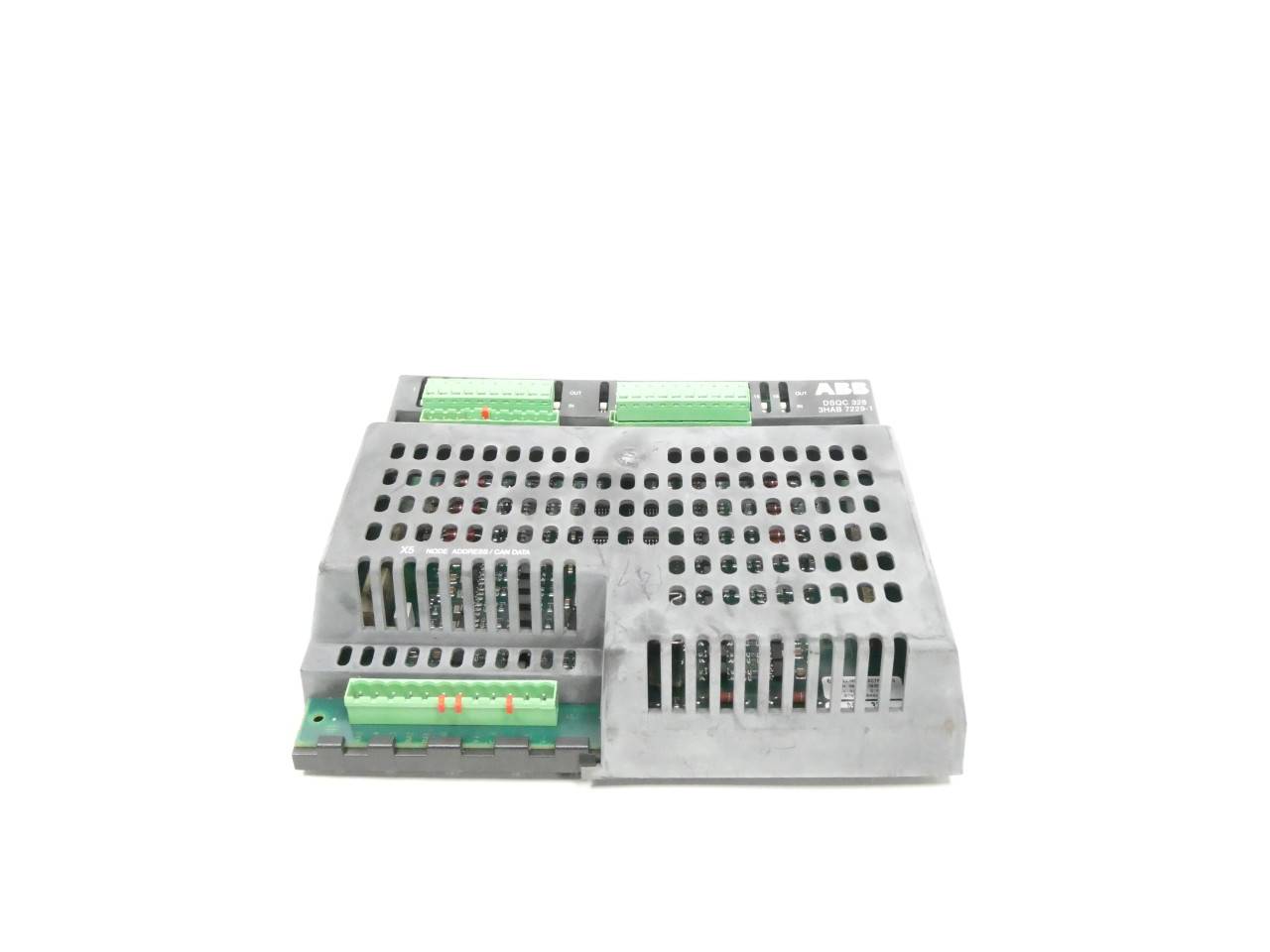
Abb DSQC328 3HAB7229-1 Digital I/o Robot Relay Module

ABB DSQC313 High Accuracy Measuring Boards

Product Overview

The ABB DSQC313 is a high-precision measurement board specifically designed for industrial automation scenarios, aiming to provide accurate measurement and control support for various complex production processes. It can precisely collect and process signals from various sensors, convert them into standard signals usable by the control system, and ensure real-time and accurate feedback on the operating status of industrial equipment. It is a key component for achieving precise control in industrial automation.

Specification Parameters

  1. Electrical Parameters
    • Operating Voltage: Usually 24VDC, it can be adapted to common industrial DC power supplies to ensure stable operation.
    • Input and Output Current: The input current is approximately 10mA per channel, and the output current can reach 20mA per channel, which can meet the current drive requirements of various sensors and actuators.
  2. Communication Specifications: It supports a variety of industrial communication protocols such as Profinet, EtherCAT, and DeviceNet, facilitating efficient data interaction with different types of automation equipment and control systems, and enabling system integration.
  3. I/O Interfaces
    • Digital I/O: Equipped with 8 digital input channels and 8 discrete output channels, it can flexibly connect various digital sensors and actuators, such as proximity switches and relays.
    • Analog I/O: It has 2 analog input channels and 2 analog output channels, suitable for connecting analog sensors (such as pressure sensors and temperature sensors) and actuators (such as control valves) to achieve precise measurement and control of analog signals.
    • Solid State Relay Channels: There are 4 solid state relay channels, which can be used to control high-voltage and high-current loads, and have the advantages of no contacts, long service life, and fast switching speed.
  4. Environmental Adaptability
    • Operating Temperature: The operating temperature range is -20°C to +60°C, and the storage temperature range is -40°C to +70°C. It can operate stably in various harsh industrial environments.
    • Protection Level: It has a certain protection design, which can resist the influence of common industrial environmental factors such as dust and moisture, and ensure the long-term reliable operation of the equipment.
  5. Physical Specifications
    • Dimensions: Approximately 74mm×54mm×25.4mm (there may be slight differences in different versions), and the compact design makes it easy to install in control cabinets or equipment with limited space.
    • Weight: Approximately 0.1kg, and the light weight will not bring excessive burden to the installation and layout of the equipment.

Performance Advantages

  1. High-precision Measurement: It adopts advanced signal processing technology and precise A/D and D/A conversion chips to accurately measure and convert various input signals. The measurement accuracy can reach ±0.1% FS (full scale) or even higher, providing accurate data for industrial production processes and helping to improve product quality and production efficiency.
  2. Flexible I/O Configuration: With a rich variety of I/O interface types and quantities, it can be flexibly configured according to actual industrial application scenarios to meet the connection requirements of different devices and systems. Whether it is simple single-machine automation or complex production line automation, it can handle it easily.
  3. Efficient Communication Capability: With the help of a variety of advanced communication protocols, the DSQC313 can achieve high-speed and stable data transmission with other automation devices. The data transmission rate is fast, and the delay is low, ensuring timely and accurate information interaction between various parts of the system, achieving collaborative work, and improving the response speed and operation efficiency of the entire automation system.
  4. High Reliability and Stability: From the selection of hardware materials to the circuit design, it has undergone strict screening and optimization. High-quality electronic components are used, and it has excellent anti-interference ability. It can operate stably in harsh industrial environments such as strong electromagnetic interference and voltage fluctuations, reducing the probability of failures and lowering maintenance costs.
  5. Easy Integration and Use: The module design follows standardization principles, and the installation method is simple. It can be fixed by DIN rail or screws. At the same time, detailed user manuals and rich programming examples are provided, and it supports a variety of common programming software and languages, which is convenient for engineers to carry out system integration and secondary development, shortening the project development cycle.

Precautions

  1. Selection of Installation Environment: It should be installed in a dry, well-ventilated environment without corrosive gases, and avoid high-temperature, humid, and dusty environments. The installation location should be kept away from strong electromagnetic interference sources such as large motors and transformers to prevent electromagnetic interference from affecting the measurement accuracy and data transmission stability.
  2. Electrical Connection Specifications: Disconnect the power supply before wiring, and make correct wiring strictly according to the wiring diagram. Ensure that the wiring is firm to avoid problems such as looseness and short circuits. Pay attention to distinguishing different interface types and polarities to prevent damage to the equipment caused by incorrect wiring.
  3. Parameter Setting and Calibration: Before use, various parameters of the measurement board, such as the measurement range and filtering parameters, should be correctly set according to the actual measurement requirements and equipment characteristics. Regularly calibrate the measurement board to ensure that the measurement accuracy remains within the specified range.
  4. Software Programming and Maintenance: Follow relevant programming specifications for software development to avoid logical errors. Regularly update and maintain the equipment software to obtain the latest functions and performance optimizations, and at the same time, pay attention to the security patches released by ABB officially and repair potential vulnerabilities in a timely manner.

Application Scenarios

  1. Automobile Manufacturing Industry: In the automobile production line, it is used to monitor and control parameters such as the position and force of the robot arm to ensure the precise assembly of components. At the same time, it can perform high-precision measurement and control of various process parameters in the automobile production process, such as welding current, voltage, and the pressure and flow of painting equipment, to ensure the quality of automobile production.
  2. Electronic Manufacturing Industry: In the electronic product manufacturing process, it can precisely collect and process the measurement data of the SMT placement accuracy of SMT equipment and the component detection equipment. For example, by measuring parameters such as the pin spacing of electronic components on the circuit board and the quality of solder joints, it can achieve strict control over product quality and improve the yield rate of electronic products.
  3. Food Processing Industry: It is used to monitor the operating parameters of food processing equipment, such as temperature, pressure, and flow, to ensure that the food processing process meets hygiene standards and process requirements. For example, in the beverage filling process, it can precisely control the filling volume; in the baking food production process, it can accurately adjust the oven temperature and time to ensure the consistency of food quality.
  4. Chemical Production Industry: In the chemical production process, it can perform real-time high-precision measurement and control of key parameters such as the temperature, pressure, and liquid level of the reaction kettle to ensure that the chemical reaction proceeds under safe and stable conditions. At the same time, it can monitor the quality parameters of chemical raw materials and products, such as concentration and pH value, to ensure the quality of chemical products.
  5. Mechanical Processing Industry: In equipment such as numerically controlled machine tools and machining centers, it is used to measure parameters such as the position of the tool and the cutting force to achieve precise control of the processing process. Through high-precision measurement, it can improve the processing accuracy and surface quality of mechanical parts and reduce the scrap rate.
Buy ABB Robot DSQC313 3HAB2213-1 Serial Measurement Module,ABB Robot ...

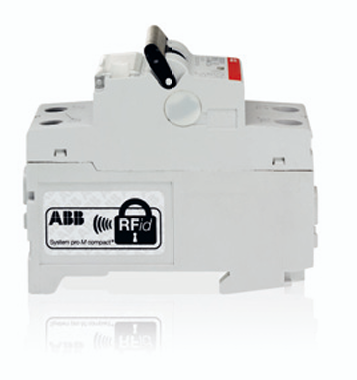
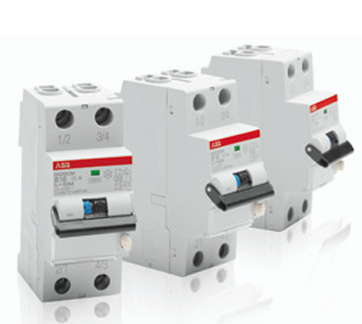
ABB DS201 – DS202C New residual current circuit-breakers

The ABB DS201 – DS202C series are new residual current operated circuit breakers (RCBOs) that combine overload protection with residual current protection to provide complete and reliable protection for circuits. Designed to meet the demanding needs of modern equipment and plants, they are an integral part of the ABB System pro M compact® system. Designed to comply with EN60715 standards, they can be easily mounted on 35mm DIN rails and play a key role in the safe operation of circuits in all types of electrical systems.

Intelligent innovation
Safe and integrated technological products
Like all electromechanical residual current devices, these new products ensure protection against earth fault currents, both when the power supply of the neutral wire is accidentally interrupted and when, in the 2 phase version, only one phase is present.
To make wiring operations easier, the bidirectional cylinder-lift terminals based on innovative technology provide connection, through cables (25 mm2 flexible) or busbars.
The DS201 and DS202C series are designed to be easily installed on a 35 mm symmetrical DIN rail, in compliance with the EN 60715 standard.

The DS201 series replaces the actual range of 1P+N RCBOs and combines protection against overcurrent and earth fault current in a single device.
The range is available in three versions: DS201 L (with 4,5 kA breaking capacity), DS201 (with 6 kA breaking capacity) and DS201 M (with 10 kA breaking capacity), in compliance with the IEC/EN 61009 standard.
The new range in two modules has 2 different characteristics (B and C), with rated current up to 40 A and meets all the protection requirements of single-phase circuits. K
characteristic is also available in the DS201 version (6 kA).
The rated sensitivity vary according to version: 10, 30, 100, 300, and 1000 mA.
In DS201 and DS201 M the breaking capacity of the protected pole is 6 kA, allowing it to be used in installations where, in case of earth fault, the fault current might reach this value (e.g. in TN network system).

The DS201 offering also includes the APR version, with higher protection against unwanted tripping due to surge generated, for instance, by lightning, operations on the distribution networks, disturbances, etc.
The DS202C series combines protection against earth-fault current and overcurrent in a single device, guaranteeing high breaking capacities (6 kA with DS202C and 10 kA with DS202C M), in compliance with the IEC/EN 61009 standard.
With just two modules the DS202C range meets all protection needs, offering choice between 2 different characteristics (B and C) and, for each of these, among 7 rated currents (6, 10, 13, 16, 20, 25, and 32 A). B characteristic allows the protection of very long lines, such as those of the single phase terminal circuits.
All the DS202C devices are type A, for alternating current and/or pulsating current with DC components, suitable for installations with loads manufactured with electronic devices for rectifying current or choking of voltage and current (speed, time, light intensity, etc.).
The DS202C offering also includes the APR version, with higher protection against
unwanted trippings due to surge generated, for instance, by lightning, operations on the distribution networks, disturbances, etc

All the devices of the DS201 and DS202C series have been tested up to -25 °C, as indicated by the symbol marked on the front side. On the front of the device the marking also carries the 15-digit ABB code to identify the product after installation, in case of replacement and for any other needs.
To ensure readability over time, the codes are laser-printed on the devices.
This also makes them immediately recognizable after they have been removed from their packing.
Common profile for the whole range and easier installation
The new residual current circuit-breakers with overcurrent protection, due to their shape and dimensions, are perfectly integrated with the MCBs of the System pro M compact® family, which they share the wide range of accessories available and the terminal positions with, allowing considerable time savings in wiring operations.

Clear indications to identify and react to any event
The signalling of the internal contact position allows an exact information of the circuit-breaker status: “green”, open contacts; “red”, closed contacts, independently of the toggle position.
Any earth fault can be immediately identified through the blue indicator, that signals the differential tripping and which cannot be activated in case of manual operation on the toggle.
This prevents any misinterpretations of the device and system status.
Label carrier for clear and reliable identification Increasingly complex systems require easier identification of the sections corresponding to each single circuit-breaker installed in the switchboard.
With the practical label carrier fitted in the new circuit breakers you can give maximum visibility to the information relating to the protected loads.
Standardized accessories for the whole range
The DS201 and DS202C series share the wide range of accessories available, such as signalling contacts, auxiliary contacts, shunt trips, undervoltage releases, plug-in base
and motor device, with the whole range of System pro M compact®
Small size for great usability
The DS202C series (the letter C stands for “compact”) has two poles protected in only 2 modules and breaking capacity (Icn) up to 10 kA. The new range can meet every market requirements for this kind of devices, reducing the space needed in the switchboards

ABB DSPC406 Digital Signal Processor Module

ABB DSPC406 is a professional digital signal processor module. It undertakes core computing and control tasks in various industrial automation systems and complex signal processing scenarios. Through high-speed and precise calculation and processing of the input digital signals, the DSPC406 can output the processed signals efficiently, provide reliable instructions for the subsequent execution of the system, and ensure that the whole automation system operates stably and efficiently.

Specifications
Computing Performance: With strong computing power, it can complete a large number of complex digital signal processing tasks in a short period of time. The internal processor has a high-speed computing core, which can support a variety of digital signal processing algorithms to ensure the timeliness and accuracy of data processing.
Storage capacity: Equipped with a certain capacity of high-speed cache and memory, which is used to temporarily store the data and instructions in the process of computing. Sufficient storage capacity ensures that the module will not be affected by data storage problems when processing large-scale data.
Interfaces: There are a variety of interfaces, including digital input/output interfaces, communication interfaces, and so on. Common digital interfaces can conveniently interact with other digital devices to realise signals; communication interfaces such as Ethernet interface, serial port, etc., support stable data transmission between the module and the host computer and other intelligent devices, which is convenient to build a complex automation system network.
Working voltage: generally adapt to common industrial voltage, the specific value should be determined according to the product manual, to ensure stable operation in the standard industrial voltage environment.
Operating temperature range: able to adapt to a wide range of temperatures, usually operating temperature range between – 20 ℃ – 60 ℃, can work in different industrial scenarios under normal temperature conditions, showing good environmental adaptability.

Performance Advantages
High-speed and Precise Computing: Adopting advanced digital signal processing technology and high-performance processor, it can achieve high-speed computing and maintain high accuracy when processing complex digital signals. Whether it is the real-time monitoring of high-frequency signals or the rapid implementation of complex algorithms, it can be completed, effectively improving the system’s control accuracy and response speed.
Reliable and stable: from hardware design to software algorithms, all have been strictly tested and optimised. High-quality electronic components and mature manufacturing processes ensure that the module can still operate stably in harsh industrial environments, such as strong electromagnetic interference, voltage fluctuations, etc., reducing the probability of failure and guaranteeing the long-term reliable operation of the system.
Flexible Adaptability: Rich interface types and configurable software parameters make it flexible to adapt to different industrial automation systems. Whether it is the upgrading of an existing system or the construction of a new automation system, the DSPC406 can be adjusted and configured according to the actual needs, which greatly improves the versatility and scope of application of the product.
Efficient data transmission: With advanced communication interface technology, the data transmission rate between the module and other devices is fast and stable. In automation scenarios where multiple devices work together, data can be exchanged quickly and accurately, ensuring the smoothness and coordination of the overall operation of the system.

Precautions
Installation environment selection: It should be installed in a dry, well-ventilated environment with no corrosive gas. Avoid high temperature, humidity, dusty places to prevent environmental factors affecting module performance and service life. At the same time, the installation location should be away from large motors, transformers and other sources of strong electromagnetic interference, to prevent electromagnetic interference resulting in abnormal signal processing.
Voltage matching and power supply stability: Before accessing the power supply, be sure to strictly refer to the product manual to confirm that the working voltage and the actual power supply voltage match without error. It is strictly prohibited to access too high or too low voltage to avoid damage to the module. In addition, to ensure that the power supply has good stability, minimise voltage fluctuations, consider using a regulated power supply equipment.
Wiring specification operation: disconnect the power supply before wiring, strictly in accordance with the wiring diagram for the correct wiring. Ensure that the wiring is solid, to avoid loose, short circuit and other problems. Different functions of the interface wiring to distinguish clearly, to prevent the wrong connection leading to equipment failure.
Software Configuration and Debugging: In software parameter configuration and system debugging, you need to follow the relevant operating manuals and specifications. Modification of key parameters should be cautious, and it is recommended that the original configuration be backed up before modification. In the debugging process, if abnormalities are found, you should consult the manual or contact professional and technical personnel to solve the problem, to avoid blind operation resulting in greater failure.

Comparable Models
ABB Other Digital Signal Processor Modules: There are other Digital Signal Processor Modules in the ABB product line, such as the DSPC405, etc. Compared to the DSPC406, the DSPC406 is a digital signal processor module. Compared with DSPC406, these similar models may have differences in computing performance, storage capacity, interface configuration and other aspects. For example, the DSPC405 may be slightly slower and is suitable for smaller automation projects with less demanding computing requirements and a more limited budget.
Other brands of similar modules: other brands in the market have also launched similar functions of the digital signal processor module, such as Texas Instruments (TI) part of the product in the field of digital signal processing is widely used, TI’s some modules in a specific algorithm processing has a unique advantage, but the ABB DSPC406 by virtue of ABB in the field of industrial automation of the long-accumulated technical experience and perfect after-sales support system in the integration and stability of industrial systems are more stable. Industrial system integration and stability is more competitive.

Application Scenarios
Industrial automation production line: In the automation production line, the DSPC406 can process and analyse the signals collected by various types of sensors in real time. For example, in automotive production lines, it is used to monitor the running status of equipment and control the movement of robotic arms to ensure accurate control and efficient operation of the production process.
Power system monitoring and control: in the power system, it can carry out high-speed processing of voltage, current and other signals in the power grid to achieve real-time monitoring and fault diagnosis of power equipment. Such as in the substation, timely detection of abnormal signals, to ensure stable power supply of the power system.
Intelligent traffic control system: applied to traffic signal control, vehicle detection and so on. Through the processing of traffic sensor data, optimise the timing scheme of traffic signals, and improve the efficiency of traffic flow.
Audio processing equipment: In professional audio equipment, digital processing of audio signals can be carried out to achieve audio noise reduction, mixing, equalisation and other functions to improve audio quality, commonly used in recording studio equipment, professional audio systems and so on.

ABB 3BHT300007R1 DO630 Digital Output 16ch 250VAC

Product Overview
ABB 3BHT300007R1 DO630 is a digital output module with 16 channels that can support voltage output up to 250VAC. It is mainly used in industrial automation control system, which can convert the digital signals from the controller into corresponding electrical outputs, and then control all kinds of external devices, such as contactors, solenoid valves, indicator lights, etc., to achieve precise control of the industrial production process and automation management.

Specifications
Number of channels: 16 digital output channels, can control 16 independent devices at the same time, to meet the diverse control needs.
Voltage range: support up to 250VAC AC voltage output, adapt to a variety of industrial power environment.
Output current: each channel has a certain driving capacity, can stably drive the connected load equipment, the specific output current parameters can refer to the product manual.
Isolation: The channels are electrically isolated from each other, effectively preventing signal interference and electrical faults from affecting each other, and enhancing the reliability and safety of the system.
Status Indication: Equipped with LED indicator, it can intuitively display the output status of each channel, which is convenient for the operator to quickly judge the operation of the equipment and find out the faults in time.
Communication interface: supports communication with commonly used controllers in industrial automation system, such as PLC, etc., to achieve rapid data transmission and accurate control.
Working temperature: it can work stably in a certain temperature range, the general working temperature range is – 40℃ – 70℃, adapting to the temperature requirements of different industrial environments.

Performance Advantages
High Reliability and Stability: Adopting high quality electronic components and advanced manufacturing process, after strict testing and quality inspection, to ensure that the module can operate stably for a long time in complex industrial environments, to reduce the probability of failure, and to reduce the maintenance cost.
Flexible Configuration and Expansion: 16 independent output channels can be flexibly configured according to the actual needs, whether it is a single device control or multi-device co-control, can be easily dealt with. At the same time, the module can also be used in conjunction with other ABB automation products, facilitating system expansion and upgrading.
Fast Response and Precise Control: With fast signal response capability, the module can convert controller commands into output signals in a timely manner, achieving precise control of external equipment and improving production efficiency and product quality.
Easy Installation and Maintenance: The module adopts a standardised design and is easy to install, and can be mounted directly on the DIN rail of the control cabinet. Moreover, the clear status indicator and fault diagnosis function make the troubleshooting and maintenance work more efficient.

Attention
Installation environment: It should be installed in a dry, well-ventilated environment without corrosive gases to avoid high temperature, humidity, dust and other harsh environments affecting the performance and service life of the module. The installation location should be far away from strong electromagnetic interference sources to prevent electromagnetic interference resulting in abnormal output signals.
Wiring operation: Be sure to disconnect the power supply before wiring, strictly in accordance with the wiring diagram for correct wiring. Ensure that the wiring is firm, to avoid loose, short-circuit and other problems. Pay attention to differentiate the terminals of different channels to prevent damage to the equipment due to wrong connection.
Load matching: Before use, make sure that the rated voltage, current and other parameters of the connected load match the output capacity of the module, and overloading is strictly prohibited to avoid damage to the module.
System debugging: In the process of system debugging, gradually check the output function of each channel to ensure that the output signal is consistent with the controller instructions. If any abnormality is found, consult the product manual or contact professional technicians to deal with it.

Comparable Models
ABB DO631: ABB DO631 is also a digital output module, but compared with DO630, DO631 may have differences in some performance parameters and functional characteristics. For example, the number of output channels, voltage or current specifications may be different, suitable for industrial automation scenarios with slightly different output requirements.
Similar models of other brands: Other brands in the market have also introduced digital output modules with similar functions, such as Siemens, Schneider and other brands of related products. These products have their own characteristics in terms of performance, interfaces, communication protocols, and so on. Siemens digital output modules may be better in terms of compatibility with Siemens’ own PLC system; Schneider’s products may have a unique advantage in terms of electrical protection functions. In contrast, the ABB 3BHT300007R1 DO630 is more competitive in terms of stability and versatility, thanks to ABB’s strong brand technical support and a wide range of industrial application cases.

Categories
Control System Products → I/O Products → S600 I/O → S600 I/O – Modules → DO630 Digital Outputs → DO630 Digital Output
Control Systems → Advant OCS with Master SW → Controllers → Advant Controller 160 → Advant Controller 160 Version 2.2 → I/O
Modules
Control Systems → Advant OCS with Master SW → I/Os → S600 I/O → I/O Modules

ABB DO630 - Automation Pioneer

ABB 37911-4-0338125 Industrial Control Modules

Brand Background
ABB, as a global technology leader, has a deep technological heritage and extensive business layout in many key areas such as power, industry, transport and infrastructure. In the industrial automation category, ABB has always relied on continuous investment in research and development, closely matching the market demand, and accurately launched a series of innovative products. Its industrial control module products for a long time by virtue of excellent performance, reliable quality and advanced technology, in the industry has established a very high reputation, for the global industrial automation process steadily contributing to the core strength.

Product Overview
ABB 37911 – 4 – 0338125 is an advanced control module specially crafted for complex industrial automation systems. The module is designed to provide precise control and monitoring functions for various industrial environments, and is widely used in the manufacturing industry, energy industry and transport. In terms of basic parameters, its operating voltage varies according to different application scenarios, and its frequency range can be up to 60 Hz. In terms of certification, it has passed UL, CE, IECEx and other authoritative certificates, which means that the module has reached an internationally recognised level in terms of safety, quality standards, and the adaptability to special environments, such as explosion-proofing. The module weighs 1.5kg and has an external dimension of 12cm×10cm×5cm, which makes the overall design more compact.

Performance Advantages
Excellent Reliability and Stability: The control module adopts a rugged construction design, which can comfortably cope with the harsh industrial environment. In high temperature, high humidity, strong electromagnetic interference and other extreme conditions, can still maintain a stable operating state, continue to provide accurate control support for the industrial production process, effectively reduce the risk of production interruption due to equipment failure, to ensure the continuity and stability of industrial production.
Strong adaptability and integration ability: its modular architecture design has a high degree of flexibility, and can be easily and seamlessly integrated with the existing industrial control system. Whether it is upgrading an old system or building a new automation control system, it can be quickly adapted and integrated into it. This saves time and costs by eliminating the need for large-scale architectural adjustments when building automation projects or optimising systems.
Precise control and efficient data processing: With advanced data processing algorithms and high-performance processors, the modules are able to quickly and accurately analyse and process all types of input signals to achieve precise control of industrial equipment. Whether it is a simple start-stop operation of equipment or complex process control, the module can achieve efficient and stable operation, and strongly improve the efficiency and quality of industrial production.

Precautions
Voltage Adaptation: Since the operating voltage varies according to the application scenario, before connecting the power supply, be sure to carefully consult the product manual to accurately match the power supply voltage suitable for the actual application, and strictly prohibit the access to over-voltage or under-voltage, in order to prevent irreversible damage to the module. At the same time, to ensure the stability of the power supply, minimise the impact of voltage fluctuations on the normal operation of the module.
Installation environment selection: In order to ensure the stable operation and service life of the module, it should be installed in a dry, well-ventilated and suitable temperature environment. Avoid installation in places with high humidity, dust, strong corrosive gases, but also away from large motors, transformers and other sources of strong electromagnetic interference, to prevent electromagnetic interference triggered by the module work abnormally.
System integration and commissioning: when integrating the module into the existing system, it is necessary to strictly follow the relevant technical specifications and operating procedures. In the debugging phase of the system, the functions of the module should be tested step by step, and the accuracy and stability of signal transmission should be carefully checked to ensure that the module and other equipment can work together. During the commissioning process, if problems are encountered, the product manual should be consulted or professional technical support should be sought in a timely manner to avoid blind operation leading to equipment damage.

ABB 07KT97F1 Advant Controller 31 Intelligent Decentralized

Brand Background
ABB is a globally renowned technology leader with deep technology accumulation and extensive business presence in many fields such as power, industry, transport and infrastructure. ABB has long been committed to providing customers with innovative solutions, and its products are renowned for their excellent performance, reliable quality and advanced technology. In the field of automation control, ABB has always been in the industry’s leading position with its continuous investment in research and development and accurate grasp of market demand, contributing to the promotion of global industrial automation process.

Product Overview
The ABB 07KT97F1 Advant Controller 31 is an intelligent decentralised automation system that plays a key role in decentralised automation architectures. The controller can be used as a bus master in a decentralised automation system to efficiently coordinate and manage the operation of the entire system; it can also be used as a slave device (remote processor) to flexibly access a larger automation system; at the same time, it can be used as a stand-alone basic unit to satisfy the automation control needs of relatively small or specific scenarios.

Specifications
Programme and data storage: with a maximum of 480 kB of user programme space and 256 kB of user data storage space, it can meet the needs of more complex automation control programme writing and large amount of data storage.
Input and output interfaces
Digital inputs: Equipped with 24 digital inputs with LED display, which can visualise the input status.
Digital outputs: 16 digital transistor outputs, also with LED display, easy to observe the output status.
Mixed digital inputs/outputs: 8 digital inputs/outputs, also with LED displays, for increased flexibility in the use of the interface.
Analogue inputs: 8 individually configurable analogue inputs support a wide range of common signal types such as 0…10 V, 0…. .10 V, 0… .5 V, ±10 V, ±5 V, 0…20 mA, 4… .20 mA, 4… .20 mA, and the differential analogue inputs can also be individually configured as digital inputs, greatly expanding the range of input signals.
Analogue outputs: 4 individually configurable analogue outputs for ±10 V, 0…20 mA, 4… .20 mA, 4… 20 mA.

Additional function modules
Counter: 2 counters with counting frequency up to 50 kHz, configurable in 7 different operating modes for many automation scenarios requiring precise counting.
Bus interface: 1 CS31 system bus interface for system expansion, easy to connect more devices and modules to build a larger automation system.
Communication Interface: 1 interface for connecting communication module, and 2 serial interfaces COM1 and COM2, of which COM interface can be used as MODBUS interface, and also used for programming and testing functions to meet different communication requirements.
Clock: Built-in real-time clock provides accurate time reference for the system, which plays an important role in some automation control tasks with strict requirements on time sequence.
Status display: There are LEDs for displaying operation status and error messages, which is convenient for operators to quickly understand the working status of the equipment and find and deal with problems in time.
Terminals: Removable screw-type terminals are used for easy wiring and maintenance. The unit can be screwed or clamped to a DIN rail for flexible and easy installation.
Battery Backup: The 07 LE 90 lithium battery can be placed in the battery compartment for storing and backing up user programmes in RAM, storing and backing up data additionally contained in RAM (e.g. status of flags), and backing up the time and date (real-time clock) to ensure that critical data and system configurations are not lost in the event of an abnormal situation, such as a power failure of the system.

Performance Advantages
High Integration and Flexibility: Rich and flexibly configurable input/output interfaces, as well as the integration of multiple functional modules, make the controller adaptable to diverse automation control scenarios, whether it is simple device control or complex system integration. Users can easily configure the input and output signal types, counter modes, communication interfaces, etc. according to the actual needs, which greatly shortens the project development cycle and improves the efficiency of system construction.
Reliable operation and data protection: With powerful self-diagnostic function, it can not only carry out comprehensive diagnosis on the basic unit itself, but also diagnose the CS31 system bus and the connected modules, detect and warn potential faults in time to ensure stable operation of the system. At the same time, the lithium battery backup mechanism effectively protects the integrity of user programmes and key data in the event of power failure and other emergencies, providing strong support for the continuous and reliable operation of the system.
Efficient communication capability: Equipped with a variety of communication interfaces, especially the MODBUS interface and the interface for connecting communication modules, it is able to carry out efficient data interaction with different types of equipment and systems. Whether it is data transmission with the upper computer or collaborative work with other intelligent devices, a fast and stable communication connection can be achieved, which lays the foundation for the construction of a large-scale, intelligent automation network .

Precautions
Power supply: The basic unit is powered by a 24 VDC power supply. When connecting to the power supply, make sure that the power supply voltage is stable and meets the requirements, so as to avoid damage to the equipment due to excessive voltage fluctuations or the polarity of the power supply being connected to the opposite side. At the same time, make sure that the power supply capacity of the power supply can meet the power demand of the equipment when it is running at full load.
Installation environment: the equipment should be installed in a dry, well-ventilated, suitable temperature environment, avoid installation in high temperature, humidity, dusty or corrosive gases in the place. The installation location should be far away from strong electromagnetic interference sources, such as large motors, transformers, etc., to prevent electromagnetic interference affecting the normal operation of the equipment.
Wiring operation: In the wiring operation, you need to disconnect the power supply, in strict accordance with the wiring diagram for the correct wiring, to ensure that the wiring is solid, to avoid loosening, short-circuit and other problems. For removable screw terminals, when tightening or loosening the screws, use the appropriate tools to avoid excessive force and damage to the terminals.
Programming and Configuration: When programming and configuring, follow the relevant programming specifications and operation manuals to ensure that the program logic is correct and the configuration parameters are reasonable. When making important configuration changes or downloading programmes, it is recommended to back up the original programme and configuration data in advance to prevent data loss or system failure caused by operational errors.

Comparable Models Supplement
07 KT 95/07 KT 96: These two models are basic units with reduced performance compared to the 07 KT 97 F1. There may be a reduction in program storage space, data storage space and configuration of some function modules, which is suitable for small projects with relatively simple requirements for automation control functions and more stringent cost control.
07 KT 97 R260 (with ARCNET connection): The basic functions are similar to those of the 07 KT 97 F1, with the addition of an ARCNET connection. This allows this model to better connect and interact with devices that support the ARCNET communication protocol in specific automation network architectures, and is suitable for industrial automation system upgrades or expansion projects that already use the ARCNET network.
07 KT 97 R0220 (with PROFIBUS connection): This model has a PROFIBUS interface, which makes it easy to communicate and work with other devices on the PROFIBUS network in the automation system. For industrial automation lines or control systems based on the PROFIBUS bus, this model can be optimally integrated for efficient data transfer and system integration.
07 KT 97 R0262 (with ARCNET and PROFIBUS interfaces): Integrates both ARCNET and PROFIBUS interfaces for broader communication compatibility. It can interact with devices on both ARCNET and PROFIBUS networks, making it suitable for complex automation networks with multiple communication protocols, and facilitating the interconnection of devices on different network architectures.

Search for products

Back to Top
Product has been added to your cart