
Call us 24/7uaedcs@163.com
Welcome to the official website of CNIACS Automation Technology Co., Ltd!
Call us 24/7uaedcs@163.com

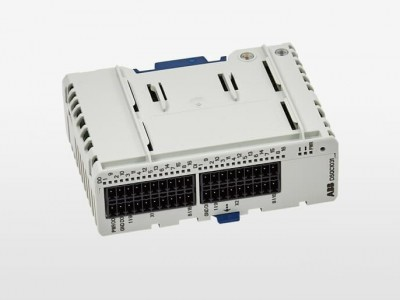
ABB EI803F Ethernet Communication Module

ABB EI803F Ethernet Communication Module

Product Overview

ABB EI803F is an Ethernet communication module specially designed for industrial automation scenarios, mainly used to build industrial network communication connections, achieve data exchange and information sharing between devices. It can connect different industrial equipment, such as programmable logic controllers (PLCs), human-machine interfaces (HMIs), servers, etc., to Ethernet networks, serving as a bridge for data transmission in industrial control systems, ensuring efficient and stable transmission of various control instructions, production data, and other information in the network, and assisting in the orderly operation of industrial automation systems.

Specification parameters

Interface type: Adopting 10BaseT (twisted pair) interface, this interface form is widely used in industrial networks, with good anti-interference ability and stable data transmission performance. It is connected through RJ-45 connector for easy installation and maintenance.

Data transmission rate: The data rate is 10Mbps, which can meet the requirements of data transmission speed in most industrial scenarios, ensuring timely and accurate data exchange between devices, and stably supporting the issuance of industrial control instructions and the upload of device status information.

Electrical parameters: The power supply voltage is 24V DC, with a power consumption of approximately 2.8W. While meeting the energy requirements for normal module operation, it maintains a low power consumption level to meet the energy-saving needs of long-term industrial operation.

Environmental parameters: Operating temperature range from -25 ℃ to+60 ℃, storage temperature range from -40 ℃ to+85 ℃, humidity range from 0% to 95% (non condensing). This enables it to operate normally under harsh industrial temperature and humidity conditions, whether it is a high-temperature smelting workshop or a high humidity chemical production area, it can operate stably.

Physical dimensions and weight: The module size is approximately 120mm x 80mm x 35mm, with a weight of 0.16kg. The compact design facilitates installation and layout within limited control cabinet space, reducing the overall weight burden of the equipment.

Performance advantages

High reliability communication: Using high-quality circuit design and components, it has excellent resistance to electromagnetic interference (EMI) and radio frequency interference (RFI), and complies with relevant standards such as EN 50081-1 and EN 50082-2. In complex industrial electromagnetic environments, it can effectively resist external interference signals, ensure the accuracy and stability of data transmission, reduce data packet loss, transmission errors, and ensure the reliable operation of industrial control systems.

Flexible protocol support: Supports various commonly used industrial communication protocols such as TCP/IP, UDP, Modbus TCP, etc. This enables EI803F to communicate and connect with different brands and types of industrial equipment, whether it is a general network device that follows TCP/IP protocol or an industrial automation instrument, controller, etc. based on Modbus TCP protocol, seamless integration can be achieved, greatly improving the universality and adaptability of the module in different industrial network architectures.

Easy integration and configuration: With a simple installation method, it is easy to integrate into existing industrial automation systems. At the same time, its configuration process is relatively simple, and parameter settings can be made through relevant software tools. Network connection parameters, communication protocols, and other configuration work can be completed without complex professional knowledge, reducing the difficulty and cost of system integration and improving project implementation efficiency.

Precautions

Installation environment selection: It should be installed in a location far away from strong electromagnetic interference sources, such as large motors, transformers, and other equipment. Strong electromagnetic interference may affect the normal communication of modules, leading to abnormal data transmission. At the same time, it is necessary to ensure that the installation environment is dry and well ventilated, and to avoid environmental factors such as humidity and high temperature affecting the electrical performance and service life of the module.

Network parameter settings: When making a network connection, it is important to ensure that the set network parameters such as IP address and subnet mask do not conflict with other devices in the industrial network. Incorrect network parameter settings will result in the module being unable to connect to the network properly and prevent data communication between devices.

Regular maintenance and inspection: Regularly check whether the connecting cables of the module are loose or damaged, and ensure that the RJ-45 interface is firmly connected. At the same time, pay attention to the working status indicator lights of the module. If any abnormal flashing or extinguishing of the indicator lights is found, promptly investigate the cause of the fault. Regularly update software versions of modules to obtain the latest features and performance optimizations, and improve module stability and compatibility.
EI803F | ABB | Ethernet Module

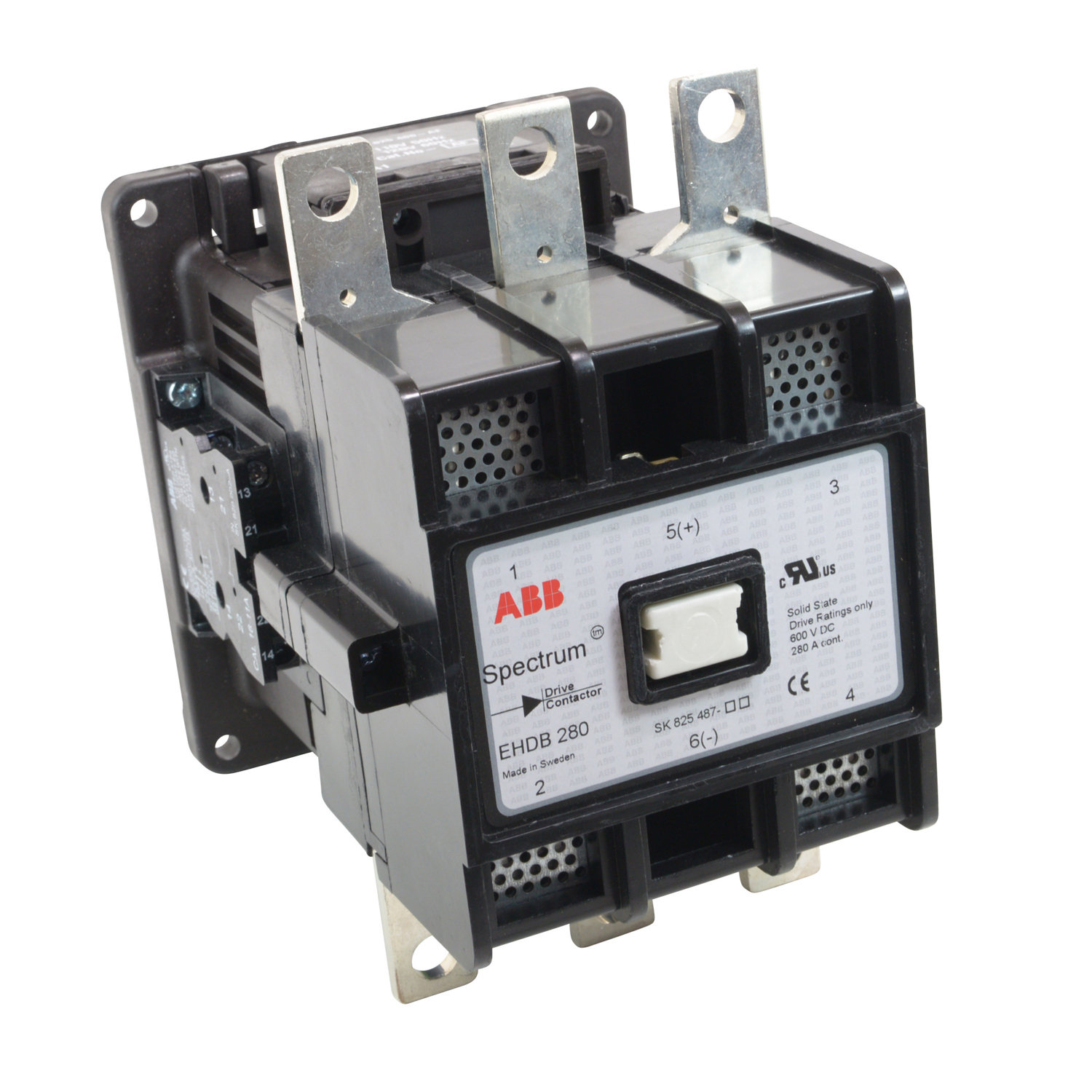
ABB EHDB280 drive contactor

Product Overview
The ABB EHDB280 drive contactor is designed specifically for solid-state DC speed control drive systems and plays a critical role in circuit on/off control in industrial automation production. It can accurately respond to control signals, realize the start, stop, and operation status switching of motors and other equipment, and ensure the stable operation of industrial production processes according to established procedures. This contactor is designed with full consideration of the complexity of industrial environments, and has excellent durability to cope with frequent operation and harsh working conditions, providing reliable control guarantees for industrial electrical systems.

Specification parameters
Rated voltage: Supports a wide range of voltage inputs, covering 24~600VAC/VDC, and can adapt to various industrial power supply systems. Whether it is a common AC power supply or DC power supply environment, it can work stably and meet the electrical control needs in different scenarios.
Rated current: The DC thermal rated current reaches 280A, which enables it to match the corresponding power level of motors and other loads, ensuring stable current carrying during normal operation and ensuring the continuous operation of the equipment. At the same time, the DC normally closed contact (NC) has a turn-on current of 565A and strong instantaneous current tolerance.
Coil voltage: Provides multiple optional specifications such as 120VAC, allowing users to flexibly choose according to the actual voltage conditions of the electrical control circuit, ensuring that the contactor coil can work normally at the appropriate voltage and accurately control the on/off of the main circuit.
Other key parameters: With 2-pole or 3-pole configuration options, it can meet the needs of different circuit topologies; Support DC control operation; The auxiliary contacts are 1 normally open (NO) and 1 normally closed (NC), which facilitate the implementation of complex control logic and signal feedback; The dynamic braking current is 363A and the dynamic braking voltage is 160VDC, which plays an important role in application scenarios such as motor braking.

Performance advantages
High reliability guarantee: By using high-quality insulation and conductive materials, combined with advanced manufacturing processes, the product can effectively resist the effects of electrical stress, mechanical vibration, and other factors during long-term use, greatly reducing the probability of failure. This is particularly important for industrial scenarios with continuous production, as it can significantly reduce equipment downtime for maintenance and improve production efficiency.
Excellent breaking performance: capable of quickly and reliably breaking circuits, cutting off current in a timely manner during motor start-up, stoppage, overload, short circuit and other faults, avoiding damage to motors and other equipment caused by excessive current, effectively extending equipment service life, and providing solid protection for the stable operation of industrial equipment.
Good compatibility: It can work in conjunction with various brands and models of solid-state DC speed control drive systems, as well as medium voltage motors and other related equipment. Whether it is a newly built automated production line or an upgraded industrial electrical system, it can be easily integrated and applied, providing great flexibility for the design of industrial electrical control solutions.

precautions
Strict installation environment requirements: It needs to be installed in a well ventilated, dry, and away from water, moisture, high temperature sources, and corrosive substances. Good ventilation helps the contactor dissipate heat during operation, preventing performance from being affected by high temperatures; A dry environment can prevent a decrease in insulation performance; Keeping away from corrosive substances can prevent the metal parts of the contactor from being corroded, ensuring its long-term stable operation.
Accurate voltage matching principle: The connected power supply voltage must strictly match the rated voltage, coil voltage, and other parameters of the contactor. If the voltage does not match, it may cause the contactor to fail to pull in or release normally, and in severe cases, it may even burn out the coil, causing electrical faults. Therefore, it is necessary to carefully check the voltage parameters before installation and use.
Key points of regular maintenance: It is necessary to regularly inspect and maintain the contactor, check whether there is wear and erosion on the contacts, timely clean the dust and oxide layer on the surface of the contacts, and ensure good contact between the contacts; At the same time, check whether the connection parts are loose, and if there is any looseness, tighten them in a timely manner. Regular maintenance can keep the contactor in good working condition and extend its service life.

EHDB280C-1L ABB | Buy or Repair

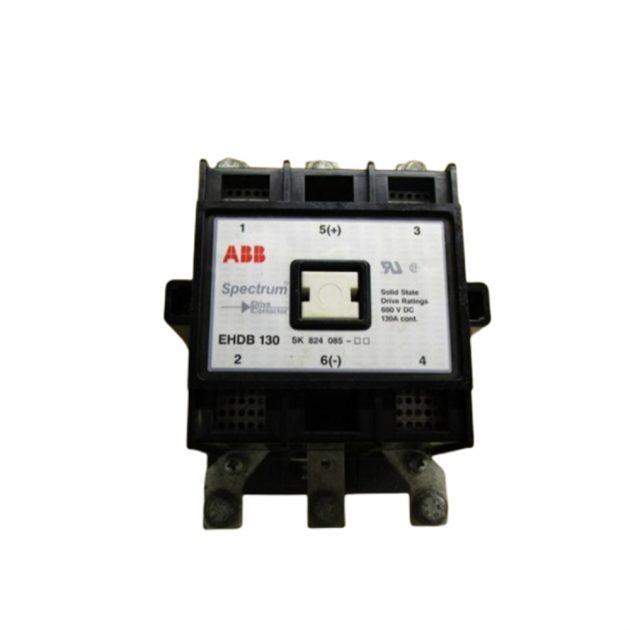
ABB EHDB130 drive contactor

Historical background of ABB brand

ABB is a global company headquartered in Switzerland, formed in 1988 by the merger of ASEA (Allm ä nna Svenska Elektriska Aktiebolaget) from Sweden and BBC (Brown, Boveri Cie) from Switzerland. ASEA was founded in 1883 and has a deep accumulation in the field of power equipment manufacturing. For example, in 1893, the first three-phase transmission system was built in Sweden, and in 1926, locomotives and inverters were supplied to Sweden’s first electrified railway. BBC was founded in 1891 and achieved remarkable results. In 1901, it built Europe’s first steam turbine, and in 1939, it built its first gas turbine for power generation.

After the merger, ABB quickly became a global leader in power and automation technology, with a wide range of businesses covering power products, power systems, process automation, discrete automation and motion control, low-voltage products, and other fields. Through a series of strategic acquisitions, such as the acquisition of Westinghouse Electric Corporation’s power system business in 1999, we have continuously strengthened our own strength and market coverage. In the field of industrial automation, especially in robotics technology, ABB has been continuously innovating and occupying an important position since the launch of the first fully electric driven industrial robot in 1974.

Product Overview

The ABB EHDB130 drive contactor is a medium voltage motor contactor designed specifically to meet specific industrial drive control requirements. It plays a key role in controlling the on-off of circuits in industrial electrical systems, enabling precise start stop control of motors and other equipment, and ensuring the stable operation of industrial production processes. The contactor is designed with a focus on reliability and durability to meet the stringent requirements of complex industrial environments.

Specification parameters

Rated voltage: Suitable for multiple voltage levels, able to match different industrial power supply systems, and meet diverse application requirements. Specific voltage values can be determined according to actual models and configurations. Common ones include specific voltage values suitable for medium voltage systems, ensuring perfect compatibility with common industrial medium voltage motors and other equipment.

Rated current: With corresponding rated current specifications, it can carry a certain range of current loads, ensuring stable operation under normal working conditions. The specific value depends on the product design standards and can meet the current on/off control requirements of different power motors and other loads.

Coil voltage: For example, common options include 110V/120V, etc. Users can flexibly choose according to the actual voltage conditions of the electrical control circuit to ensure that the contactor coil can work normally and achieve effective control of the main circuit.

Performance advantages

High reliability: Using high-quality materials and advanced manufacturing processes, strict control is applied from material selection to production, greatly reducing the probability of failure. It can operate stably for a long time, reduce equipment downtime and maintenance time, and ensure the continuity of industrial production. It is particularly suitable for industrial production scenarios that require extremely high equipment reliability.

Good breaking ability: capable of quickly and reliably breaking circuits, effectively cutting off current when the motor starts, stops, or malfunctions, protecting the motor and other equipment from excessive current impact, avoiding equipment damage caused by abnormal current, and extending equipment service life.

Strong adaptability: It can be used in conjunction with various medium voltage motors and related equipment, and can perform well in different industrial automation systems. Whether in new projects or existing system renovations, it can be easily integrated and applied, providing flexible choices for industrial electrical control.

​precautions

Installation environment: It should be installed in a location far away from harmful environments such as water, humidity, high temperature, and corrosive substances, to ensure that the contactor can dissipate heat normally and avoid external factors from corroding, and to prevent the performance of the contactor from deteriorating or being damaged due to environmental problems.

Voltage matching: It is necessary to ensure that the connected power supply voltage strictly matches the rated voltage, coil voltage, and other parameters of the contactor, in order to avoid serious consequences such as the contactor not working properly or even burning out the coil due to voltage mismatch.

Regular maintenance: It is necessary to regularly check the working status of the contactor, check for wear and dust accumulation on the contacts, clean and maintain them in a timely manner, ensure that their performance is always in good condition, and guarantee the long-term stable operation of the equipment.

ABB EHDB130 130A class contactor 100% quality assurance - SAUL ELECTRIC

ABB DSQC626 – Modular Power Supply for Industrial Automation

ABB DSQC626 – Modular Power Supply for Industrial Automation

Product Overview

ABB DSQC626 is a modular power supply specially designed for industrial automation scenarios, aiming to provide stable and reliable power support for all kinds of equipment in industrial automation systems. It adopts a modular design concept with a high degree of flexibility and expandability, and can be configured according to different application requirements. Through advanced power management technology, DSQC626 can effectively deal with power fluctuations and interference in complex industrial environments, ensure stable operation of automation equipment, improve overall system reliability and operational efficiency, and is the ideal choice for industrial automation power supply.

Specification

Input parameters

Voltage range: support wide voltage input, AC input voltage range is usually 85 – 264V AC, can adapt to different regions and working conditions of the grid voltage fluctuations, reduce the risk of damage to the equipment due to voltage instability, to protect the safe and stable operation of the equipment.

Frequency range: The input frequency range is generally 47 – 63Hz, which is suitable for most of the global power grid frequency standards, ensuring stable operation in different regions.

Input current: The input current varies according to the output power, and the specific value can be referred to the specification table in the product manual to meet different load requirements.

Output parameters

Output Voltage: The common output voltage is 24V DC, the output voltage is stable, the fluctuation range is controlled within a very small range, such as ±1%, to provide accurate and stable power for the load equipment.

Output current: Output current capability is excellent, and the maximum output current of some models can reach 15A, which can meet the power demand of multiple devices running at the same time and guarantee the power supply of complex automation systems.

Output power: high output power, 24V/15A for example, the output power can reach 360W, and according to the actual application scenarios, flexible selection of different power levels of the module for the combination of configurations.

Physical and environmental parameters

Dimensions: Compact modular design, small size of individual modules, easy to install in industrial control cabinets or equipment with limited space, saving installation space and improving system integration.

Weight: Light weight, easy to transport and install, reducing construction difficulties and labor costs.

Operating temperature range: the working temperature range is 0℃ – 55℃, which can be adapted to the temperature environment of most industrial sites; the storage temperature range is -20℃ – 70℃, which ensures the safety and reliability of the module in the non-operating state.

Protection level: The protection level reaches IP20, which can prevent dust and larger particles from entering the module, provide basic protection for the internal circuitry, and guarantee the stable operation of the module.

Other parameters

Efficiency: Power conversion efficiency of up to 92% or more, effectively reduce power loss, reduce business operating costs, while reducing heat generation, improve module stability and reliability.

Certification standards: CE, UL, CSA and other international authoritative certification, in line with strict safety, quality and environmental standards, can be used safely around the world.

Performance Advantages

Modularized design is flexible and convenient

The modular design of DSQC626 allows users to freely combine different functional modules according to the actual needs, whether it is new equipment expansion, or upgrading the existing system, can be quickly adapted. This flexible configuration reduces system design and maintenance costs, improves resource utilization, and makes the industrial automation system more adaptable and scalable.

High stability and reliability

The use of advanced voltage stabilization technology and filtering circuits can effectively inhibit grid voltage fluctuations, harmonic interference and other issues to ensure that the output voltage is stable and pure. Built-in perfect overload, short-circuit, over-voltage, under-voltage and other protection mechanisms, when an abnormal situation occurs, it can quickly respond and cut off the power supply to protect the module and the load equipment, reduce equipment failure and downtime, to protect the continuous and stable operation of industrial production.

High efficiency and energy saving

Ultra-high power conversion efficiency, significantly reducing the loss of power in the conversion process, saving a lot of electricity costs for the enterprise. At the same time, the reduced heat generation reduces the equipment cooling needs, optimizing the overall operating efficiency of the system, in line with the concept of green environmental protection and sustainable development.

easy to install and maintain

Adopting standardized installation interface and wiring, the installation process is simple and fast, and can be quickly integrated into the existing automation system. The module is equipped with intuitive status indicator, which is convenient for operators to monitor the working status and fault information in real time, and the maintenance personnel can quickly locate the problem and repair it, reducing the maintenance time and difficulty, and improving the production efficiency.

Similar Models

DSQC609 Advanced Power Module

DSQC609 is also an industrial automation power supply module, but compared with DSQC626, its output power and current are relatively low, with a maximum output current of 10A and output power of about 240W in some models. DSQC609 is more suitable for small automation equipments or systems with small power demand, while DSQC626 can meet the power supply needs of large-scale and complex automation systems with its higher output power and current. DSQC609 is more suitable for small automation equipment or systems with low power demand.

DSQC354 Power Module

DSQC354 output power and current is small, common output is 12V DC, some models output current can be up to 2A, output power is limited. This module is suitable for scenarios with small demand for power supply and simple load equipment; DSQC626 has more advantages in power, current and function expansion, and is suitable for medium and large industrial automation projects.

ABB机器人配件 3HAC029818-001 DSQC 663 Drive Unit 驱动板 -中国工业设备工控链

ABB DSQC609 Advanced Power Module

Product Overview

ABB DSQC609 advanced power supply module is a high-performance power supply device designed for industrial robots and automation systems, aiming to provide stable and reliable power supply for robot control systems, servo motors, sensors and other equipment. Through advanced power conversion and management technology, the module effectively ensures the stable operation of all equipment in the system, reduces equipment failures and downtime caused by power problems, and improves the reliability and operational efficiency of the entire automation system. Its compact design, efficient performance and rich protection functions make it an ideal choice for power solutions in the field of industrial automation.

Specification Parameters

​Input parameters

Input Voltage Range: Supporting wide voltage input, the AC input voltage range is usually 85 – 264V AC, which can be adapted to the voltage fluctuation of the power grid in different regions and under different working conditions, and effectively reduce the risk of damage to the equipment caused by unstable voltage.

Input Frequency Range: The input frequency range is generally 47 – 63Hz, which can be adapted to the grid frequency standard of most regions in the world, ensuring that the module can operate stably in different regions.

Input Current: The input current varies according to different output power requirements, and the specific value can be referred to the specification table in the product manual.

Output parameters

Output Voltage: The common output voltage is 24V DC, the output voltage is highly stable, the voltage fluctuation range is usually controlled within ±1%, providing stable power support for the load equipment.

Output current: strong output current capacity, some models of the maximum output current up to 10A, to meet the power needs of multiple devices running at the same time.

Output power: the output power is generally around 240W (24V/10A for example), and modules of different power levels can be flexibly configured according to the actual application scenarios.

Physical and environmental parameters

Dimensions: Compact module design, small external dimensions, easy to install in the robot control cabinet or other automation equipment in a small space, saving installation space.

Weight: Light weight, convenient for transportation and installation operation.

Operating Temperature Range: The operating temperature range is 0℃ – 55℃, which can be stably operated in most industrial field environments; the storage temperature range is -20℃ – 70℃, which ensures the safety of the module in non-operating condition.

Protection level: The protection level reaches IP20, which can prevent dust and larger particles from entering the module and provide basic protection for the internal circuit.

Other parameters

Efficiency: High power conversion efficiency, up to 90% or more, effectively reduce power loss, reduce operating costs, while reducing heat generation, improve the stability and reliability of the module.

Certification standards: CE, UL, CSA and other international authoritative certification, in line with international safety, quality and environmental standards, can be used safely around the world.

Performance Advantages

High stability output

Adopting advanced voltage stabilization technology and filtering circuit, it can effectively inhibit the influence of grid voltage fluctuation, harmonic interference and other factors on the output voltage, ensure the stability and purity of the output voltage, provide reliable power supply for industrial robots and automation equipment with high requirements on power quality, and guarantee the normal operation and precise control of the equipment.

Powerful overload protection capability

Built-in perfect overload protection mechanism, when the load current exceeds a certain multiple of the rated current (such as 1.2 – 1.5 times), the module can quickly respond to automatically cut off the output or enter the current-limiting protection mode, to prevent damage to the module due to overload or cause safety accidents. At the same time, with short-circuit protection, when the output short-circuit occurs, it can cut off the power supply in a very short time (usually less than 10ms), effectively protecting the module and load equipment.

High efficiency and energy saving

High conversion efficiency makes the loss of power in the conversion process is greatly reduced, compared with traditional power modules, can save a lot of power consumption for enterprises, reduce operating costs. At the same time, the reduced heat generation also helps to reduce the heat dissipation needs of the equipment, further improving the overall efficiency and reliability of the system.

Convenient installation and maintenance

The module adopts standardized installation interfaces and wiring methods, making the installation process simple and convenient, and can be quickly integrated into existing automation systems. In addition, the module has good maintainability, through the status indicator can intuitively display the module’s working status and fault information, which is convenient for maintenance personnel to quickly locate and solve the problem, reduce downtime and improve production efficiency.

ABB机器人配件 ABB电源模块 DSQC609 3HAC14178-1 机器人电源模块_产品/服务_工博士人工智能网

ABB DSQC608 3HAC12934-1 – High-Performance I/O Module

Product Overview

ABB DSQC608 3HAC12934-1 is a high-performance input/output (I/O) module designed specifically for robotics applications, aiming to provide efficient and precise data interaction and control capabilities for robotic systems. The module can quickly process multiple types of input/output signals, realize stable connection and cooperative work between the robot and external devices, sensors and actuators, greatly enhance the automation level and flexibility of the robot system, and meet the demand for precise control and efficient operation of robots in complex industrial production scenarios.

Specifications

​Input and output channels

Digital Input: Equipped with 16 digital input channels, it can receive switching signals from external devices, such as the on/off status of sensors and the pressing and releasing of buttons. The input signals support TTL/CMOS level standard with very short response time, which can quickly capture external signal changes and ensure that the robot system obtains accurate status information in time.

Digital Output: 16 digital output channels can output TTL/CMOS level signals, which can be used to control the start/stop and switching operations of external devices, such as controlling relays, solenoid valves and other actuators. Each channel can drive up to 2A load current, which can meet the driving requirements of various industrial equipments.

Analog Input: There are 4 analog input channels, supporting voltage (such as 0 – 10V, ±10V) and current (such as 4 – 20mA) two types of signal input, can be used to collect analog data output from sensors, such as temperature, pressure, displacement and other physical quantities. The resolution of the analog inputs is up to 12 bits, which enables high-precision data acquisition and provides a reliable basis for precise control of the robot.

Analog Output: 4 analog output channels can output voltage (e.g. 0-10V, ±10V) or current (e.g. 4-20mA) signals, which can be used to control devices that require analog inputs, such as adjusting the speed of motors, controlling the opening of valves, etc. The analog output resolution is also 12-bit. The resolution of analog output is also 12-bit, with high output accuracy and full scale error less than ±0.5%, which ensures accurate adjustment of the controlled equipment.

Communication interface

It supports two kinds of fieldbus communication protocols, DeviceNet and Profibus DP, and can conveniently communicate with robot controllers, PLCs and other master devices. The communication rate can reach up to 12Mbps (Profibus DP), which can realize fast and stable data transmission and ensure efficient cooperative work between the module and the main equipment.

Power supply

DC 24V power supply, power input with over-voltage, under-voltage protection, when the voltage exceeds the range of 18-30V, automatically cut off the power supply, to protect the internal circuitry of the module. At the same time, it is equipped with a reverse connection protection function to prevent damage to the module caused by wiring errors.

Physical and environmental parameters

The compact size of the module makes it easy to install in the robot control cabinet or equipment. The operating temperature range is 0℃ – 55℃, which can adapt to the temperature conditions of most industrial sites; the protection level reaches IP20, which can prevent dust and larger particles from entering the module.

Performance Advantages

Highly integrated and multi-functional

Integration of a wealth of digital and analog input and output channels, the integration of a variety of functions in one, without the need for additional configuration of multiple independent modules, reducing the size and cost of the equipment, while simplifying the system wiring and installation process, improve the degree of system integration and reliability.

Fast response and high accuracy

Digital inputs and outputs with short response time, analog inputs and outputs with high resolution and high precision, can quickly and accurately process and transmit signals, so that the robot can quickly respond to external changes and carry out accurate motion control, to meet the high requirements for productivity and processing accuracy of industrial applications.

Powerful communication capability

Supporting a variety of mainstream fieldbus communication protocols, strong compatibility with the main equipment, fast data transmission speed and high stability, ensuring seamless connection and efficient data interaction between the robot system and other automation equipment, facilitating the construction of complex automated production lines.

High reliability and stability

It adopts high-quality electronic components and advanced manufacturing process, and undergoes strict quality inspection and aging test. The module is equipped with perfect fault diagnosis and protection functions, such as over-current protection, short-circuit protection, overheating protection, etc., which can detect and deal with abnormalities in a timely manner, effectively reduce the risk of system failure, and ensure the stable operation of the robot system for a long time.

Precautions

Installation requirements

It needs to be installed in a dry, well-ventilated environment without corrosive gases, away from high temperature, humidity, dust and strong electromagnetic interference sources to ensure normal heat dissipation and stable operation of the module.

Installation should be in strict accordance with the installation guidelines in the product manual to ensure that the module is firmly fixed to avoid loose connections or module damage due to vibration.

Electrical connection

When connecting the power and signal lines, make sure the wiring is correct to avoid reversing the polarity of the power supply or connecting the signal line incorrectly. Disconnect the power supply before connection to prevent electric shock and equipment damage.

For analog input and output signals, shielded cables should be used for connection and the shield should be reliably grounded to reduce the impact of electromagnetic interference on the signal .

parameter setting

Before use, according to the actual application requirements, through the configuration software to correctly set the parameters of the module, such as input and output signal type, range, communication protocol and baud rate. Incorrect parameter setting may cause the module to fail to work properly or communicate with the main device abnormally.

Maintenance

Regularly check the working status indicator of the module and observe whether there is any abnormal flashing or lighting. If the module is malfunctioning, it should be shut down in time, refer to the troubleshooting manual for troubleshooting and repairing, and if necessary, contact professional technicians for processing .

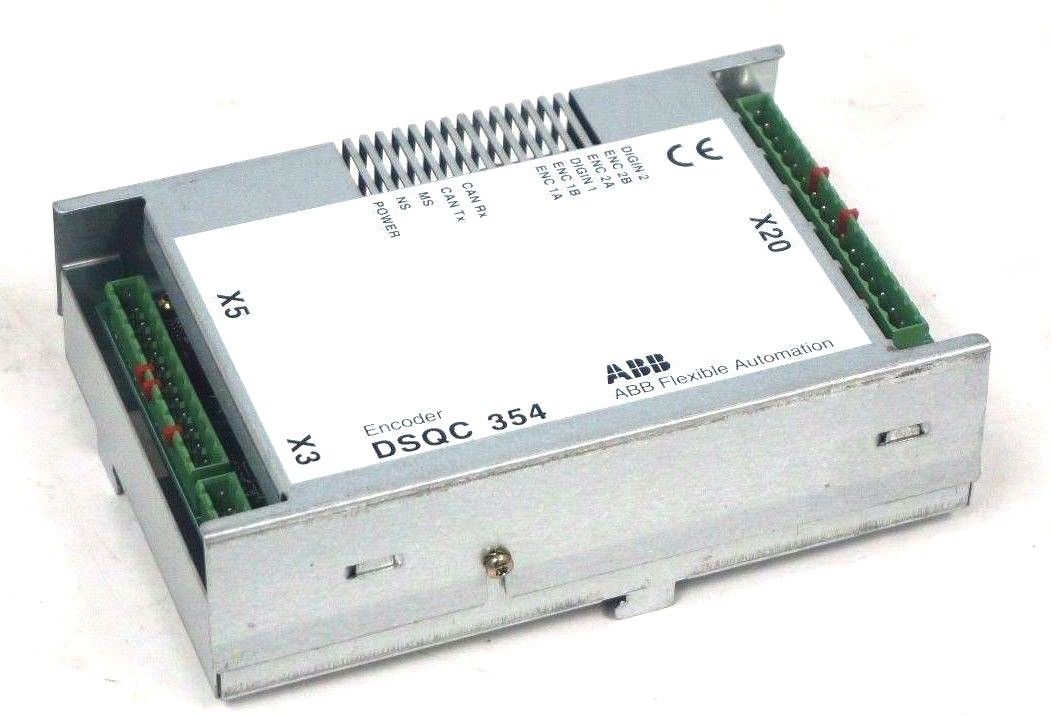
ABB DSQC354 Power Supply

Product Overview
ABB DSQC354 is a high-performance power supply module specially designed for industrial automation systems, aiming to provide stable power supply for all kinds of equipments in the system and ensure reliable operation of the automation system. With advanced design and manufacturing process, the module can adapt to the complex and changing industrial environment, while ensuring stable operation of the system, and help to improve the overall production efficiency.

Specification
Input voltage range: Supporting a wide voltage input of 85 – 264V AC, it can be adapted to power supply environments in different regions and scenarios, which effectively reduces the risk of equipment failure due to voltage fluctuations or instability, and greatly enhances the stability and reliability of system operation.
Output parameters: the common output is 12V DC, the output current varies according to different versions, such as some models can reach 2A, which can provide stable and sufficient power support for the load equipment to meet the power needs of a variety of equipment.
Efficiency rating: efficiency up to 90% or even higher (some models ≥ 95%), efficient power conversion can reduce energy waste, reduce business operating costs, in line with the current trend of energy saving and environmental protection.
Physical Specifications: Compact dimensions, such as length, width and height of 48.2mm x 44.5mm x 27.9mm (dimensions vary slightly from source to source, but they all reflect its compactness), weighing about 0.1kg, taking up little space, easy to install and integrate in space-limited control cabinets or equipment.
Operating environment: Operating temperature range of -20°C to +55°C or -20°C to +70°C (varies slightly from one source to another), allowing normal operation in a wide range of harsh environments and adapting to the complex temperature conditions of industrial sites. Protection class IP20 prevents ingress of solid foreign objects larger than 12.5mm in diameter and provides basic protection for the internal circuitry.
Certification standards: CE, UL, CSA and other international authoritative certification, indicating that the product meets the relevant safety, quality and environmental standards, you can rest assured that the product can be used around the world.

Performance Advantages
Strong stability: advanced voltage regulator technology can effectively suppress voltage fluctuations, output stable DC voltage, ensure stable operation of load equipment, reduce the probability of equipment failure due to voltage instability. Even in the complex situation of grid voltage fluctuation, sudden change of load, etc., it can also maintain the stability of output voltage.
High reliability: the selection of high-quality electronic components, strict quality inspection and aging test, with good anti-interference ability, can work stably in the harsh electromagnetic environment. The module is also equipped with a perfect internal over-current, over-voltage, overheating protection mechanism, when an abnormal situation occurs, it can quickly cut off the power supply to protect itself and the load equipment from damage, prolonging the service life of the equipment and reducing downtime for maintenance.
High efficiency and energy saving: Higher conversion efficiency can reduce the loss of electricity in the conversion process, saving electricity costs for enterprises. In the process of long-term operation, the energy saving effect is remarkable, in line with the concept of sustainable development.
Convenient installation: Compact size and reasonable interface design make it easy to be installed in all kinds of control cabinets or equipment. The module adopts standard installation and interface specifications, which is convenient to connect with other equipment and reduce the installation difficulty and time cost.

Precautions
Installation environment: to be installed in a dry, well-ventilated place, avoid installation in a humid, dusty, corrosive gases or strong electromagnetic interference in the environment, in order to prevent the impact of module performance and life. The installation location should be far away from the heat source to ensure that there is enough space around the module to dissipate heat.
Electrical connection: Wiring in strict accordance with the product specification, to ensure that the input and output wiring is correct, to prevent wiring errors caused by short-circuit, overcurrent and other faults, damage to the module or other equipment. When wiring, make sure that the wiring is firm to avoid loosening leading to poor contact, heating and other problems.
Load Matching: Reasonably match the load according to the output capacity of the module, and overload operation is strictly prohibited. Overload may lead to module overheating, damage, or even cause safety accidents. Before connecting the new load, the load power should be carefully calculated to ensure that the module rated load range.
Maintenance: Regularly check the working status of the module and observe whether there is abnormal heat, odor, noise and other phenomena. If problems are found, it should be shut down in time to troubleshoot. Regularly clean the module surface dust, to prevent the accumulation of dust affecting heat dissipation.

Similar Models
DSQC352: The same as ABB’s industrial automation module, compared with DSQC354, DSQC352 focuses on input/output functions, with digital input, analog input, digital output, analog output and other channels, which can be connected to external devices and automation systems to achieve data interaction. In terms of function positioning, DSQC354 focuses on power supply while DSQC352 focuses on signal transmission and control.
CP – C.1 series switching power supply: This is ABB’s switching power supply series with excellent efficiency and high reliability for demanding industrial applications. Compared with the DSQC354, the CP-C.1 series has a wider power range to meet equipment with different power requirements, while the DSQC354 is more focused on industrial automation systems to provide accurate and stable low-voltage DC power for specific equipment.

NEW ABB DSQC-354 ENCODER INTERFACE ASSY. 3HNE 00065-1/05 – SB ...

ABB DSQC352 High Performance Input/Output Module

Module Overview
ABB DSQC352 high-performance input/output module is a core device designed for industrial automation scenarios. Its compact design and powerful functions enable it to operate stably in complex industrial environments and efficiently realize data interaction between external devices and automation systems, which is an important part of automated production lines and industrial control systems to realize precise control and monitoring.

Hardware Architecture
Overall Layout
The module adopts standard size design, which is easy to be installed in various control cabinets. The shell has good protection performance, can effectively resist dust, moisture and electromagnetic interference, to ensure normal operation in harsh industrial environments.
Interface Configuration
Power supply interface: support DC 24V power supply, power input port with over-voltage, under-voltage protection, when the voltage exceeds the range of 18-30V, it will automatically cut off the power supply to protect the internal circuit of the module, and at the same time, it is equipped with reverse connection protection to prevent damage to the module due to wiring errors.
Communication interface: Equipped with a variety of communication interfaces, including Profibus DP, DeviceNet and other fieldbus interfaces; Profibus DP interface communication rate up to 12Mbps, which can realize high-speed data transmission between the module and PLC and other master devices; DeviceNet interface follows the specification of DeviceNet protocol, which can be quickly networked with other devices supporting the protocol. DeviceNet interface follows DeviceNet protocol specification and can be quickly networked with other devices that support this protocol, making it convenient and flexible to access different automation systems.
Input/Output Interface: The input/output ports adopt plug-and-play terminals, which is convenient for wiring and maintenance. The material of the terminals is high-quality copper alloy, which has good conductivity and oxidation resistance to ensure stable signal transmission.

Performance Parameters
Input Parameters
Digital input: the module is usually equipped with 16 digital input channels, which can receive TTL/CMOS level signals. Input response time is very short, typical value is less than 1ms, which can quickly capture the state changes of external devices. Support a variety of input modes, such as active high, active low, rising edge trigger, falling edge trigger, etc., can be set flexibly through the module configuration software. Input signal isolation voltage up to 500V AC, effectively preventing the impact of external electrical interference on the module.
Analog Input: Generally has 8 analog input channels, supports voltage (e.g. 0 – 10V, ±10V) and current (e.g. 4 – 20mA) two types of input signals. The resolution of the analog inputs is up to 12-bit, which enables high-precision signal acquisition. The input signal range can be configured by software, and it has over-voltage protection function, when the input voltage exceeds 120% of the rated range, it will automatically carry out current limiting protection to ensure the safety of the module.
Output Parameters
Digital outputs: 16 digital output channels, the output type is transistor output, the maximum output current can be up to 2A, which can directly drive small relays, solenoid valves and other loads. The output response time is also less than 1ms, which can realize fast equipment control. The output signal isolation voltage is 500V AC, which can effectively isolate the external devices and modules and improve the stability of the system.
Analog Output: Usually 4 analog output channels are provided, which can output voltage (e.g. 0 – 10V, ±10V) or current (e.g. 4 – 20mA) signals. The resolution of analog output is 12 bits, with high output accuracy and full scale error less than ±0.5%. The output signal has a short-circuit protection function, when the load is short-circuited, it will automatically cut off the output current to protect the module and external equipment.

Application Scenario
Automobile manufacturing industry
In the automobile production line, it is used to control the robotic arm, conveyor line, welding equipment, and so on. The digital input channel receives signals detected by sensors such as workpiece position and equipment status, and the analog input channel collects process parameters such as pressure and temperature; the digital output channel controls the movement of the robotic arm and the opening and closing of the fixture, and the analog output channel adjusts the welding current and spraying flow, etc., realizing automation and precise control of automobile production and improving production efficiency and product quality.
Machining industry
It can be connected to CNC machine tools, machining centers and other equipment. Real-time monitoring of tool status, workpiece clamping, etc. through digital input, analog input acquisition of cutting force, spindle temperature and other parameters; digital output control of coolant switch, tool change action, analog output adjustment of spindle speed, feed rate, etc., to ensure the stability and efficiency of the machining process, improve machining accuracy and equipment utilization.
Chemical industry
In the chemical production process, it is used to monitor and control various process parameters. The analog input collects signals such as temperature, pressure, flow, liquid level, etc., and the digital input receives valve status and equipment start/stop signals; the digital output controls valve switching, pump starting and stopping, and the analog output adjusts the opening of regulating valves, realizing the automated control and safe operation of the chemical production process and guaranteeing the stability of the process and the quality of the products.

DSQC 352+ABB - ABB/瑞士 - 深圳长欣自动化设备有限公司

Proper Installation of ABB REX 521 Protection Relay

How to properly install and maintain ABB’s REX 521 protective relay?

Installation points

Electrical installation specification: The electrical installation operation must be carried out by a professional qualified electrician, strictly following the national and local electrical safety regulations. For example, in the wiring process, make sure that the wiring is firmly connected and meets the electrical safety distance requirements to prevent short circuits, leakage and other safety hazards.

Grounding requirements: the frame of the protection relay needs to be carefully grounded, so as to ensure the safety of equipment operation and personnel safety, to avoid safety accidents caused by leakage.

Avoid electrostatic damage: Since the equipment contains components sensitive to electrostatic discharge, unnecessary touching of electronic components should be avoided to prevent electrostatic damage to them and affect the normal operation of the equipment.

Hardware Installation: Depending on the hardware version (Basic, Medium, High, and Sensor versions), connect the appropriate current and voltage transformers or sensors correctly. For example, when connecting current transformers, pay attention to their ratio and polarity to ensure the accuracy of the measurement and protection functions. At the same time, connect the digital inputs and outputs as well as the communication ports according to the terminal diagram to ensure correct connections.

Communication Setting: According to the actual use requirements, manually set the communication protocol (such as SPA, LON, IEC 60870 – 5 – 103, Modbus, DNP 3.0, etc.) and related parameters (such as baud rate, address, etc.) through HMI or Relay Setting Tool. For example, when using the Modbus protocol, parameters such as CRC Order, Modbus Mode, etc. should be set correctly to ensure stable and accurate communication.

Maintenance Points

Environmental inspection: If the environmental conditions (e.g. temperature, humidity) are not in accordance with the provisions of the technical data, or if there are chemically active gases or dust in the surrounding environment, it is necessary to carry out a visual inspection of the relay in conjunction with the secondary test, to see if there are any signs of mechanical damage or corrosion on the relay case and terminals.

Daily inspection: During the operation of the equipment, it is necessary to check the operation status of the equipment regularly, to see whether the indicator lights are displayed normally, and to check whether the measurement data, event records, etc. are normal through the HMI or communication interface.

Troubleshooting: When the relay fails or the operating value differs greatly from the specification, it should be overhauled. Contact the manufacturer or its representative and follow professional instructions for inspection, overhaul and recalibration. For example, if an internal malfunction is detected, the cause of the malfunction needs to be accurately determined based on the malfunction codes and indication messages, and targeted repairs need to be performed.

Transportation protection: When transporting the protective relay, be careful and take measures against moisture and mechanical stress to prevent damage to the device. For example, use suitable packaging materials to ensure that the equipment is not affected by collision and moisture during transportation.

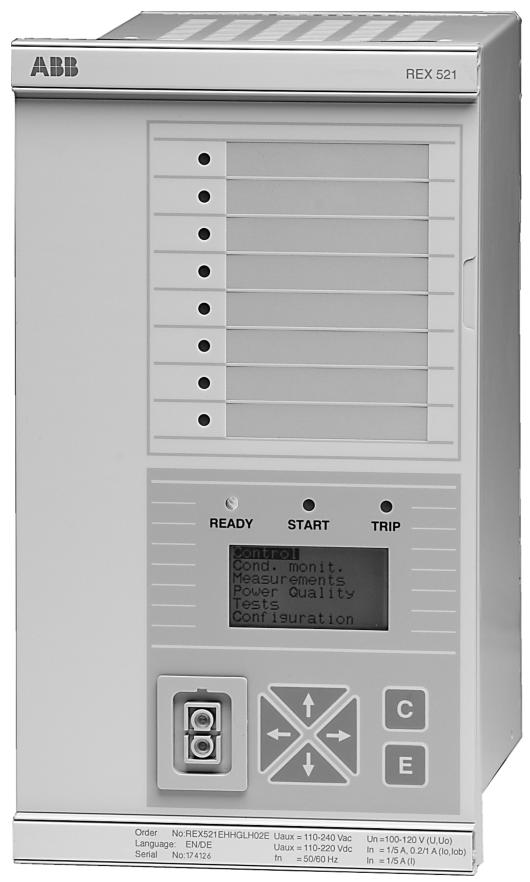
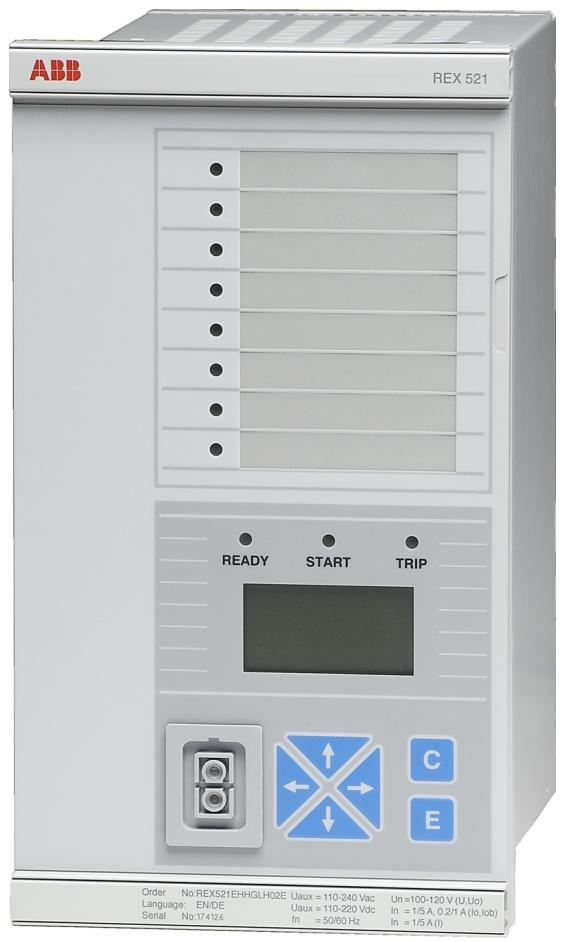
ABB REX 521 Feeder Protection Relay

Product Overview

REX 521 feeder protection relays are mainly used in medium voltage networks, with protection, control, measurement and monitoring functions. 

In practical use, it can be used for the protection of incoming and outgoing feeders, 

as well as the overall protection of substations to ensure the safe and stable operation of the power system.

Design: Based on a multiprocessor environment, the relay features an easy-to-operate Human Machine Interface (HMI) 

with an LCD display that provides different views and facilitates localized operation by means of indicative messages. 

The relay is integrated into the ABB substation automation system, which further extends the functionality and flexibility of the system.

Product features

A wide range of standard configurations: B01, B02, M01, M02, H01 – H51. 

Taking B01 and B02 as an example, B01 has three-phase, 

three-section non-directional overcurrent protection, three-section non-directional ground fault protection, phase interruption protection, etc., 

which is suitable for simple single-busbar system protection; B02 adds an automatic reclosing function on the basis of B01 to better cope 

with transient faults; and M01 and M02 have added directional ground fault protection, 

which is suitable for systems that have monitoring needs for the direction of faults. 

The H series configurations are more versatile, covering over-voltage, under-voltage, frequency protection and other functions.

Diversified and practical functions: All configurations are generally equipped with basic measurement functions such as current measurement, 

neutral current measurement, current waveform distortion measurement, etc., and they can also calculate the cumulative wear of circuit breakers, 

record transient disturbances, and realize trip circuit monitoring, etc. Some configurations have special functions, such as the H series, 

which is suitable for systems that need to monitor the direction of faults. 

The special functions of some configurations, such as the synchronization/voltage check function of H01, 

negative sequence protection and motor startup monitoring function of H07, meet the special needs of different power systems.

Application Areas

Scenarios for different configurations: Different standard configurations are suitable for different types of network systems; 

B01 and B02 are suitable for basic protection and automatic reclosing scenarios for single busbar systems; 

M01 and M02 are suitable for single busbar systems requiring directional ground fault protection; 

H series configurations are suitable for systems with strict monitoring requirements for overvoltage, undervoltage, 

frequency and other parameters according to their specific functions; 

H07 and H51 can also be used for large or medium-sized systems, and can also be used for large or medium-sized systems, 

H51 can also be used for the protection of large or medium-sized three-phase AC motors.

Design details

Various hardware versions: The hardware versions are divided into four types: Basic, Medium, High and Sensor. 

The versions differ in terms of transformer modules, current transformers, voltage transformers, sensor channels, etc. 

The Basic version is equipped with four 1/5 A current transformers, no voltage transformers and no sensor channels, 

while the Sensor version has a 1/5 A current transformer, a 100 V voltage transformer and three current and three voltage sensor channels, 

which offer a unique advantage in terms of measurement and signal acquisition. 

The Sensor version has 1 1/5 A current transformer, 1 100 V voltage transformer, and 3 current and 3 voltage sensor channels, 

offering unique advantages in measurement and signal acquisition.

Software function integration: Software functions are integrated in the standard configurations, 

with different combinations of functions in the different configurations. NEF1Low, Io>> 51N – 2 NEF1High, Io>>> 51N – 3 NEF1Inst), 

as well as related functions such as measurement, control and condition monitoring.

Detailed technical data

Strict electrical parameters: Rated frequency 50.0/60.0 Hz, current input ratings 0.2A/1A/5A with different thermal and dynamic current capacities. 

Voltage inputs are rated at 100V/110V/115V/120V with corresponding voltage and load requirements. 

Sensor inputs also have specific voltage ranges and impedance requirements.

Other parameter specifications: There are different types of auxiliary power supplies, with provisions for input voltage, voltage variation, load, ripple and so on. 

Digital inputs, signal outputs, power outputs, etc. have defined electrical parameters. 

For environmental conditions, service temperature ranges, transportation and storage temperature ranges, and protection classes are specified. 

​In addition, a variety of standard tests and electromagnetic compatibility tests have been passed to ensure reliable product performance.

Search for products

Back to Top
Product has been added to your cart