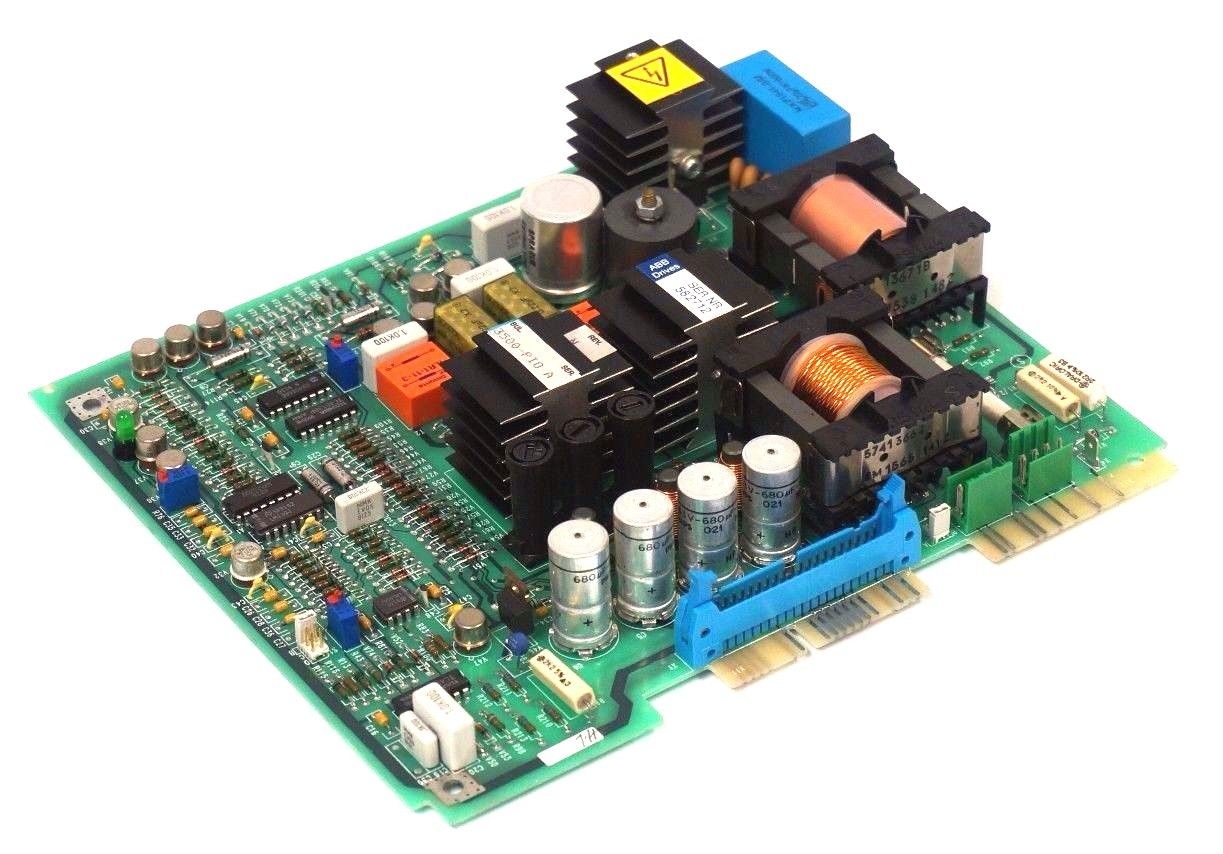
The ABB SAFT110 power module, as a widely used power module in the field of industrial automation, is mainly used to provide stable and reliable power supply for various industrial equipment. It can adapt to various complex industrial environments, ensuring that equipment can obtain continuous and accurate electrical energy under different working conditions, thereby ensuring the stable operation of the entire industrial automation system. It is a key component in building efficient and reliable industrial control systems.
Technical Parameter
Input voltage range: It has a wide adaptability to input voltage and can withstand an input voltage range of [X1] V – [X2] V. This feature enables it to be used in industrial scenarios with different power supply conditions, whether it is old factories with large voltage fluctuations or emerging automated production lines with high requirements for power quality, it can be stably connected and work normally, effectively reducing the risk of equipment failure caused by voltage problems.
Output voltage accuracy: In terms of output voltage, the SAFT110 power module performs well, with an output voltage accuracy of ± [X]%. The high-precision output voltage ensures that the industrial equipment connected to it can obtain stable and compliant electrical energy, which helps to improve the stability of equipment operation and the consistency of product quality, meeting the strict standards for power supply stability in industrial production.
Power Capacity: This module has a certain power capacity and can provide continuous and stable power support for connected devices. Its rated power is [X] W, which can meet the electricity needs of various industrial equipment, from small precision control devices to medium power motor driven devices, all of which can operate normally under its power support.
Efficiency: In terms of energy utilization efficiency, the SAFT110 power module has a high performance, with an efficiency of up to [X]%. High energy efficiency not only helps reduce operating costs and energy waste for enterprises, but also conforms to the current trend of energy conservation and environmental protection in industrial production. It can save considerable electricity expenses for enterprises during long-term operation.
Functional Features
Overvoltage and overcurrent protection functions: The SAFT110 power module is equipped with comprehensive overvoltage and overcurrent protection mechanisms. When an abnormal increase in input voltage exceeding the safety threshold or an excessive output current is detected, the protection function will immediately activate. Overvoltage protection can quickly cut off the circuit and prevent damage to backend equipment caused by excessive voltage; Overcurrent protection can prevent the module itself and connected devices from burning out due to current overload, effectively protecting the safety and stability of the entire system and greatly improving the service life of the equipment.
Thermal management function: Considering the possible high temperatures in industrial environments and the heat generated by long-term operation of the module, this module is equipped with efficient thermal management functions. Through reasonable heat dissipation structure design and built-in temperature monitoring components, when the temperature of the module rises to a certain level, the cooling fan will automatically start to accelerate heat dissipation, ensuring that the module always operates within the appropriate temperature range. Good thermal management functions help maintain the stability of module performance and reduce the probability of electrical performance degradation and faults caused by high temperatures.
Redundant design (if any): Some models of SAFT110 power modules adopt the concept of redundant design. By working in parallel with multiple power modules, when one module fails, the other normal modules can seamlessly take over the load and continue to provide power support to the system, ensuring that the industrial production process will not be interrupted due to power module failures. This redundant design greatly improves the reliability of the entire power supply system, which is of great significance for industries that require extremely high production continuity, such as chemical and power industries.
Working principle
The working process of the SAFT110 power module mainly includes two key steps: energy conversion and regulation. Firstly, the input AC power is rectified by a circuit to convert it into DC power, preparing for subsequent processing. Next, the converted DC power enters the power conversion circuit, and through a series of switching elements (such as MOSFETs, etc.), under the precise control of the control circuit, the DC power is converted into AC or DC power output that meets the specific voltage, frequency, and waveform requirements of the equipment. Throughout the process, the control circuit will monitor the input and output parameters such as voltage and current in real time, and adjust the power conversion circuit according to preset standards and algorithms to ensure the stability and accuracy of the output electrical energy. At the same time, the protection circuit will continuously monitor the system status. Once abnormal conditions such as overvoltage, overcurrent, overheating, etc. are detected, corresponding protective measures will be taken immediately to ensure the safety of the module and backend equipment.
The ABB SAFT103 Industrial Control Module is a key equipment in the field of industrial automation, mainly used to achieve precise control and monitoring in industrial production processes. It can efficiently handle various complex control tasks, operate stably in various industrial environments, help enterprises improve production efficiency, and ensure the reliability and stability of the production process.
Specification parameters
Working voltage: With a wide voltage input range, it can adapt to different power supply environments and ensure stable operation of equipment under various voltage conditions. The specific working voltage range is [X] V – [X] V, which can effectively reduce the risk of equipment failure caused by voltage fluctuations.
Output frequency: The output frequency is precise and adjustable, which can meet the specific frequency requirements of different industrial equipment. The output frequency range is [X] Hz – [X] Hz, and by precisely controlling the frequency, the stability and efficiency of the equipment operation are ensured.
Communication interface: equipped with multiple standard communication interfaces, such as PROFIBUS PA interface, etc. The PROFIBUS PA interface complies with Profile 3.01 (fieldbus standard PROFIBUS, EN), and its transmission signal design follows the IEC 61158-2 standard. In addition, the module also supports manufacturer specific PROFIBUS PA ID no. 0x3430, and can also use PROFIBUS standard IDs no. 0x9700 or 0x9740 for seamless communication with other devices and the construction of complex industrial automation control systems.
Current output setting: The factory setting for current output is 4-20 mA, and the signal can be configured to “active” or “passive” mode. The current setting is included in the subsequent settings and can be configured for active/passive current output through system tools or with the help of PROFIBUS DP master class 2 such as Asset Vision Basic.
Core functions
Data collection and processing: SAFT103 can quickly and accurately collect data from various sensors in industrial sites, such as temperature, pressure, flow rate, etc., and efficiently process and analyze these data to provide reliable basis for subsequent control decisions.
Logic control: Built in powerful logic control function, can accurately control industrial equipment based on preset logic rules and collected data, achieve equipment start stop, speed adjustment, valve opening control and other operations, ensuring that the production process proceeds in an orderly manner according to the predetermined process.
Communication function: With rich communication interfaces, high-speed data transmission and interaction with other industrial equipment and control systems can be achieved, facilitating the construction of a distributed industrial automation network and enabling the entire production system to achieve information sharing and collaborative work.
Precautions
Installation environment: It should be installed in a dry, well ventilated, and suitable temperature environment, avoiding installation in damp, high temperature, corrosive gas, or strong electromagnetic interference places to prevent damage to the module and affect its normal operation.
Electrical connection: When making electrical connections, it is necessary to strictly follow the requirements of the product manual to ensure that the wiring is firm and correct, and to avoid electrical faults such as short circuits and open circuits. At the same time, attention should be paid to the correct polarity connection of the power supply to prevent damage to the module due to power connection.
Software configuration: When configuring modules, caution should be exercised to ensure the accuracy of configuration parameters. Incorrect configuration may result in module malfunction or control abnormalities. After the configuration is completed, it is recommended to conduct necessary testing and validation to ensure that the system runs properly.
Similar model supplement
ABB SAFT104: Compared to SAFT103, SAFT104 has been optimized and upgraded in certain functions. For example, it may have higher data processing speed and be able to respond and handle complex control tasks faster. In terms of communication, it may support more communication protocols or have higher communication bandwidth, making it more efficient and convenient to communicate with other devices. In terms of applicable scenarios, SAFT104 is more suitable for industrial automation projects that require high real-time performance and large data processing volumes.
ABB SAFT102: SAFT102 is a simplified version of SAFT103, which is relatively weaker in terms of functionality and performance. The number of data acquisition channels may be relatively small, and the processing capacity may also be relatively limited. However, it has the advantage of lower cost and is suitable for small industrial automation projects that do not require particularly high control accuracy and functionality, and have limited budgets. It can help enterprises effectively control costs while meeting basic control needs.
Application scenarios
Energy industry: In power plants, SAFT103 can be used to monitor and control the operating status of power generation equipment, such as turbines, generators, etc., to ensure stable and efficient power production. In substations, precise control of power transmission and distribution processes can be achieved to ensure reliable transmission of electrical energy.
Oil and gas industry: applied in oil extraction, refining, and natural gas transportation. Real time monitoring and control of various equipment, such as pumping units, pipeline valves, etc., can ensure the safety and stability of the production process, improve production efficiency, and reduce operating costs.
Manufacturing industry: In various manufacturing production lines such as automobile manufacturing and electronic equipment manufacturing, SAFT103 is used to control the operation of production equipment, achieve automated production processes, improve product quality and production efficiency, such as controlling the movement of robots and the transmission speed of production lines.
Transportation industry: Play a role in the automation control system of transportation hubs, such as controlling airport baggage transportation systems, port cargo loading and unloading equipment, etc., to ensure the efficient and smooth operation of transportation processes.
Product Overview: ABB SA801F 3BDH00011-REF is a power supply equipment produced by ABB, which is characterized by supporting 115/230VAC dual voltage input. This design enables it to operate in various global power grid environments with different standards, providing stable and reliable power supply for various electrical equipment. It has broad application potential in industrial automation, commercial buildings, and civil electronic devices.
Brand background: ABB, as a global leader in power and automation technology, has a development history of over a hundred years. In the field of power equipment manufacturing, we have accumulated profound technical expertise and rich practical experience. Its products are renowned for their excellent reliability, advanced technology, and strict quality standards. With a global layout of research and development centers and production bases, ABB is able to quickly respond to market demand and provide customers with innovative and customized power solutions. SA801F 3BDH00011-REF power supply products adhere to the consistent advantages of ABB brand and are committed to meeting the power supply needs of different customers in complex power environments.
Specification parameters
Input voltage: Supports dual voltage input of 115/230VAC, can automatically adapt to different grid voltages, and is convenient for use in different regions around the world.
Output parameters: Although the specific output voltage and current parameters are not clear, it is speculated that stable DC output voltage will be provided according to different application scenarios, such as common 12V, 24V, etc. The output current will vary according to the power level to meet the needs of different loads.
Power: The product’s power determines its carrying capacity, and specific values need to refer to the product manual. Generally, different power levels are designed according to the application scenario to meet the power supply needs from low-power devices to high-power devices.
Efficiency: Efficient power conversion efficiency is an important indicator of power performance, and ABB’s power products usually perform well in this regard, effectively reducing energy loss and operating costs. It is expected that the conversion efficiency of this product can reach a high level, such as around 85% -95%.
Protection level: To ensure safe and stable operation in different environments, it may have a certain protection level, such as IP20, which can prevent solid foreign objects with a diameter greater than 12mm from entering and meet the requirements of general indoor environments; If applied to special environments, there may be versions with higher protection levels.
Working temperature range: The working temperature range of general industrial power supplies is wide to adapt to different working environments. The expected operating temperature range of this product is around -20 ℃ -70 ℃, and it can work normally in a certain degree of high or low temperature environment.
Core functions
Voltage Conversion and Stable Output: Convert 115/230VAC AC power into stable DC power required by the equipment. Through internal voltage stabilization circuits and filtering devices, ensure the stability of the output voltage and reduce the impact of voltage fluctuations on the load equipment.
Overload protection: When the load current exceeds the rated current of the power supply, the overload protection mechanism is automatically activated to prevent damage to the power supply due to overload and protect the backend equipment from the impact of excessive current.
Short circuit protection: Once an output short circuit is detected, the output circuit is quickly cut off to avoid serious damage to the power supply and load caused by the short circuit current. After troubleshooting, it can automatically resume normal operation.
Overvoltage protection: When the input voltage is too high or the output voltage rises abnormally, the overvoltage protection function is activated to prevent damage to the equipment caused by excessive voltage and ensure that the equipment operates within a safe voltage range.
Working principle: The power supply first converts the input 115/230VAC AC power into DC power through a rectification circuit, and then removes impurities through a filtering circuit to obtain a relatively smooth DC voltage. Next, the DC voltage is adjusted and transformed through the switching power supply circuit to achieve the desired output voltage value. During this process, the feedback control system will monitor the output voltage and current in real time, and automatically adjust the working state of the switching power supply according to load changes to maintain stable output. When abnormal situations such as overload, short circuit, or overvoltage occur, the protection circuit will quickly act to cut off the power output or take other protective measures to ensure the safety of the power supply and load.
Key advantages
Brand reliability: Relying on ABB’s brand advantages, our products have strict guarantees in terms of quality and reliability. After extensive testing and practical application verification, we can provide users with long-term stable power supply services.
Wide voltage input adaptability: The 115/230VAC dual voltage input design enables it to be widely used worldwide without the need for additional voltage conversion equipment, making it convenient for cross-border projects and applications in different power grid environments.
Multiple protection functions: With comprehensive overload, short circuit, and overvoltage protection functions, it effectively protects the power supply and connected equipment, reduces the risk of equipment damage caused by power abnormalities, and improves the stability and reliability of the system.
Efficient and energy-saving: High power conversion efficiency can reduce energy consumption, meet the requirements of modern green environmental protection and energy conservation, and save users long-term operating costs.
precautions
Installation environment: It should be installed in a dry and well ventilated place, avoiding direct sunlight and high temperature, humid environment. The installation location should be away from heat sources and strong electromagnetic interference sources to prevent affecting the performance and lifespan of the power supply.
Wiring requirements: When connecting the power supply, it is necessary to ensure that the input voltage matches the local grid voltage, and to connect it in the correct way to avoid short circuits or other faults caused by incorrect wiring. At the same time, ensure that the wiring is secure and prevent loose connections from causing poor contact.
Load matching: When using, ensure that the load power is within the rated power range of the power supply to avoid overload operation. If multiple loads need to be connected, it is important to note that the total load power should not exceed the maximum carrying capacity of the power supply.
Regular maintenance: Regularly check the working status of the power supply to see if there are any abnormal heating, odor, or noise phenomena. Regularly clean the surface of the power supply to prevent dust accumulation from affecting heat dissipation. If any problems are found, professional personnel should be contacted promptly for repair.
The ABB PM632 processor module is a key component in the field of industrial automation. As an important part of the ABB 800xA automation system, it bears the responsibility of processing and controlling industrial automation processes. It is widely used in large-scale industrial scenarios such as power, chemical, and water treatment, providing solid support for achieving efficient and accurate automation control.
Brand background
ABB, as a globally renowned leader in the fields of power and automation technology, has a long history of over 130 years and has accumulated profound technical expertise and rich practical experience in electrical equipment manufacturing, automation solutions, and other areas. With its persistent pursuit of innovation and strict control of quality, ABB’s products and services are distributed in more than 100 countries around the world, and its reliability and progressiveness are recognized by the industry. PM632 processor module is one of the typical representatives of ABB brand’s outstanding technology and quality.
Specification parameters
Working voltage: 220V
Output frequency: 65Hz
Net weight of product: 1.2 kilograms
Dimensions: 50 * 76mm
Structural form: Suitable for specific installation structures to meet the installation needs of different industrial environments
Instruction Processor Type: Hard PLC with efficient and stable instruction processing capability
I/O Points: Belongs to small-scale I/O point configuration, suitable for automation system scenarios with moderate scale and certain requirements for I/O quantity but not too complex
Core functions
Complex automation process processing: Equipped with high-performance processors, it can quickly and accurately process a large amount of data and control instructions generated by automation equipment. Whether it is conventional sequential control or complex logical operations, it can efficiently respond and ensure the smooth operation of industrial production processes. For example, in chemical production, temperature, pressure, flow rate and other parameters during the reaction process can be accurately controlled based on data collected by various sensors.
Powerful communication function: With rich communication interfaces, it can stably communicate with various external devices, realizing data exchange and collaborative work between different systems. In a smart factory, it can transmit data with the upper computer, other controllers, field instruments, and other devices to build a complete automation control network, promoting the information flow and collaborative operation of the entire production system.
Convenient system integration: Multiple interface designs make it easy to integrate into automation systems of different architectures, without the need for complex adaptation processes, and seamlessly integrate with existing systems. When upgrading and renovating old industrial systems, PM632 can easily integrate into the original equipment system, reducing the difficulty and cost of renovation caused by system compatibility issues.
Working principle
The PM632 processor module is based on a hard PLC architecture and performs high-speed operations and logical judgments on input signals through an internal microprocessor. When the system is running, sensors, field devices, etc. input real-time status information in the form of electrical signals to the I/O interface of the module. The microprocessor analyzes and processes these input data according to the preset program logic, and then generates corresponding control signals, which are transmitted to the executing agencies such as motors, valves, etc. through the output interface, thus achieving precise control of industrial equipment and ensuring that the production process proceeds in an orderly manner according to the established process. For example, in the power system, based on changes in parameters such as voltage and current of the grid, the operation of switch devices is controlled through PM632 processing to maintain stable operation of the grid.
Key advantages
High reliability: By adopting advanced manufacturing processes and high-quality electronic components, and undergoing rigorous quality inspection processes, it can operate stably for a long time in complex and harsh industrial environments, significantly reducing equipment failure rates, minimizing production interruptions caused by equipment failures, and ensuring the continuity and stability of enterprise production.
Efficient processing capability: Its high-performance processor and optimized algorithms enable fast data processing speed, timely response, and the ability to quickly respond to various dynamic changes in industrial production processes, effectively improving production efficiency and product quality. On high-speed automated production lines, product testing data can be quickly processed, production equipment parameters can be adjusted in a timely manner, and products can be ensured to meet quality standards.
Easy to integrate and maintain: Rich interface design facilitates integration with various devices, reducing the difficulty of system construction; At the same time, the module has a comprehensive self diagnostic function, which can monitor its own operating status in real time. Once a fault is detected, it can quickly locate the problem, facilitate maintenance and repair by technical personnel, and shorten equipment downtime.
Precautions
Installation environment: It should be installed in a dry, well ventilated, non corrosive gas and strong electromagnetic interference environment. The ambient temperature should be maintained within the specified range to avoid affecting the normal operation and service life of the module due to environmental factors.
Power connection: Ensure that the power connection is correct and stable, avoid excessive power fluctuations or short circuits, otherwise the module may be damaged. It is recommended to equip a stable power filtering device to provide pure and stable power to the module.
Program writing and updating: When performing program writing and updating operations, it is necessary to strictly follow the programming specifications and operating procedures provided by ABB to prevent system failures caused by program errors. Before updating the program, be sure to back up the original program so that it can be restored in a timely manner in case of any problems.
Similar model supplement
Similar models to PM632 include PM640. PM640 has stronger processing capabilities and is suitable for large-scale industrial projects that require extremely high data processing speed and computational complexity, such as automation control systems in large steel plants; PM632, on the other hand, performs outstandingly in terms of cost-effectiveness and is more suitable for enterprises with slightly smaller scale, limited budget, but high requirements for automation control. There is some overlap in functionality and application scenarios between the two, but each has its own focus. Enterprises can make reasonable choices based on their actual needs.
Application scenarios
Power industry: used for power grid monitoring and dispatching systems, real-time monitoring of power grid operating parameters, rapid processing and control based on load changes, fault conditions, etc., to ensure the safety and stable power supply of the power grid; In power plants, the start stop and load regulation of generator units can be controlled to improve power generation efficiency and energy quality.
Chemical industry: Accurately control key parameters such as reactor temperature, pressure, and material flow rate in the chemical production process to ensure that chemical reactions proceed according to predetermined conditions, guarantee production safety, and improve product quality and production efficiency.
Water treatment industry: In scenarios such as waterworks and sewage treatment plants, controlling the start and stop of water pumps and the opening and closing of valves automatically adjusts the treatment process according to changes in water quality and quantity, achieving efficient utilization of water resources and meeting sewage discharge standards.
PML630 is a power management IED that provides comprehensive load shedding solution for the power network in an industrial plant. It protects the plant against blackouts and power source outages due to system disturbances.
This IED is a member of ABB’s Relion® product family and a part of its 630 product series characterized by functional scalability and flexible configurability.
PML630 is identical to the Relion 630 series IEDs and does not have any specific hardware modules. It is only the application functions pre-loaded in the IED that differentiate it from the other 630 series IEDs.
The IED supports various modes of load shedding.
• Fast load shedding based on network contingencies
• Slow load shedding based on transformer overloading or the maximum demand violation of the grid tie feeder
• Manual load shedding based on operator defined priorities
The supported communication protocols including the IEC 61850 offer seamless connectivity with other Relion series IEDs and COM600 Station Automation device to realise the load shedding functionality.
The IED uses GOOSE and MMS communication profiles for I/O data transfer with other Relion series IEDs and COM600 Station Automation device.
Core functions
Ensuring power supply for critical loads: In the event of network interference, PML630 can quickly, accurately, and selectively cut off non critical loads to ensure continuous power supply for critical process loads. This function greatly reduces the duration and frequency of industrial production interruptions in the distribution network, while avoiding damage to electrical and process equipment due to power outages.
Based on comprehensive power and low-frequency load shedding: This controller integrates comprehensive power and low-frequency load shedding mechanisms. In the face of emergency situations such as loss of single or multiple power sources, grid disintegration, network or process conditions (such as frequency change rate, etc.), the ability to quickly respond to load shedding ensures the stability of the power system.
Working mode
Fast load shedding: When a serious imbalance in the power system is detected due to network emergencies (such as short circuit faults, line trips, etc.), PML630 can perform a fast load shedding operation in a very short period of time (from interference detection to unloading command generation time guaranteed within 20 milliseconds), quickly cutting off some less important loads, preventing a significant decrease in system frequency and voltage, and maintaining stable system operation.
Slow load shedding: PML630 will activate the slow load shedding mode based on situations such as transformer overload or violations of the maximum demand of power grid interconnection lines and generators. By gradually cutting off the load, the power system can be restored to a safe operating state, avoiding damage to equipment caused by long-term overload.
Manual load shedding: Operators can manually initiate unloading operations based on power definitions or load feeder priorities. This flexible control method allows for human intervention in power distribution in specific situations, such as planned maintenance, system debugging, etc., to ensure that system operation meets actual needs.
Low frequency load shedding (backup): As a backup mechanism for fast and slow load shedding, low frequency load shedding plays a role when the system frequency continues to decrease and other load shedding measures fail to effectively prevent it. When the system frequency is below the preset threshold, PML630 will cut off some loads in the predetermined order and magnitude to prevent system frequency collapse.
Safety information Dangerous voltages can occur on the connectors, even though the auxiliary voltage has been disconnected. Non-observance can result in death, personal injury or substantial property damage.
Only a competent electrician is allowed to carry out the electrical installation. National and local electrical safety regulations must always be followed.
The frame of the IED has to be carefully earthed. Whenever changes are made in the IED, measures should be taken to avoid inadvertent tripping.
The IED contains components which are sensitive to electrostatic discharge. Unnecessary touching of electronic components must therefore be avoided.
Manual conventions
Conventions used in IED manuals. A particular convention may not be used in this manual.
Abbreviations and acronyms in this manual are spelled out in the glossary.
The glossary also contains definitions of important terms.
Push button navigation in the LHMI menu structure is presented by using the push button icons, for example:
To navigate between the options, use and .HMI menu paths are presented in bold, for example:
Select Main menu/Settings.
LHMI messages are shown in Courier font, for example:
To save the changes in non-volatile memory, select Yes and press .
Parameter names are shown in italics, for example:
The function can be enabled and disabled with the Operation setting.
The ^ character in front of an input or output signal name in the function block symbol given for a function, indicates that the user can set an own signal name in PCM600.
The character after an input or output signal name in the function block symbol given for a function, indicates that the signal must be connected to another function block in the application configuration to achieve a valid application configuration.
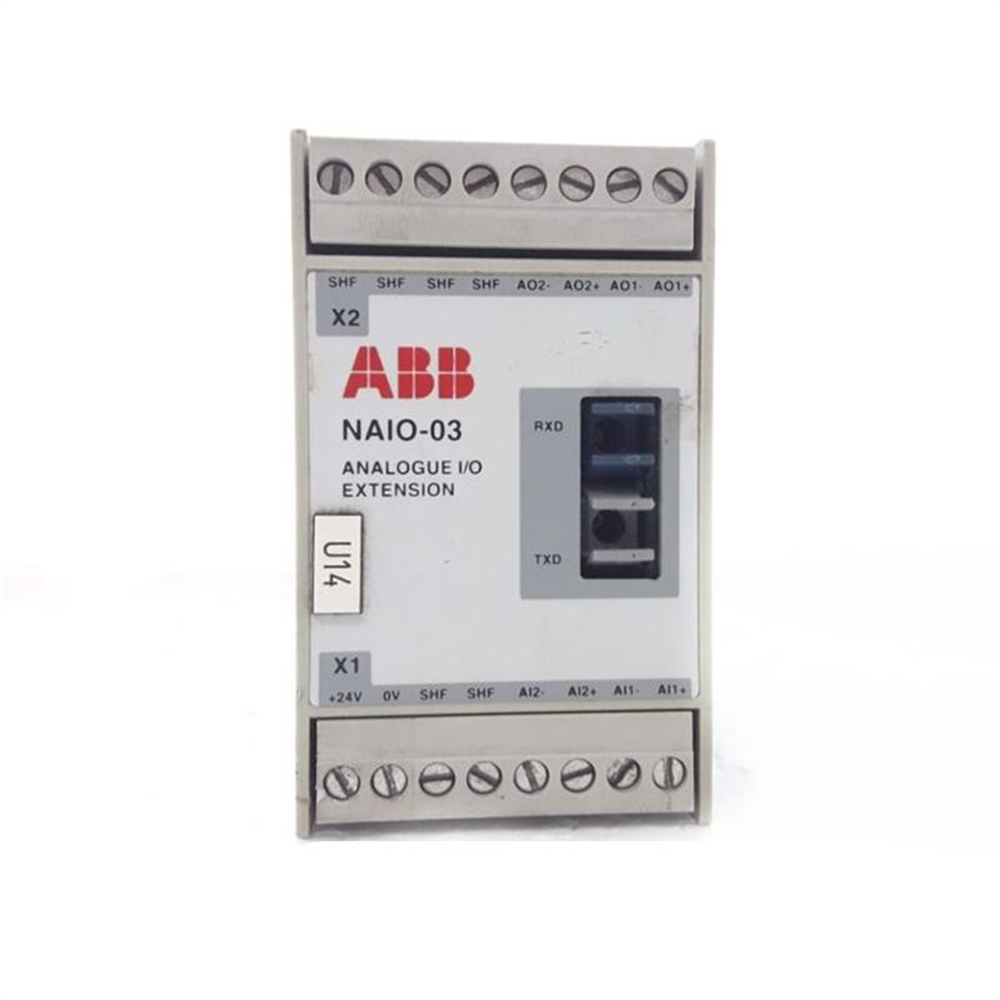
ABB 64669303 NAIO-03F OPTION/SP KIT ANALOG IO-UNITKIT; I/O KIT
Brand reliance and product positioning
Relying on ABB’s profound expertise and outstanding technical strength in the field of industrial automation, the 64669303 NAIO-03F OPTION/SP KIT ANALOG IO – UNITKIT (hereinafter referred to as NAIO-03F Analog I/O Kit) is a key component designed specifically for the expansion of data acquisition and control requirements in industrial automation systems. It can endow various industrial equipment with precise analog signal processing capabilities. In scenarios such as industrial automation production lines and intelligent factory control systems, it effectively connects sensors, actuators, and control systems to ensure accurate transmission and efficient processing of analog signals in industrial production processes. It is an important support for achieving precise control and intelligent management of industrial automation.
Specification parameters
Channel configuration: This kit is equipped with multiple analog input/output channels, typically with 8 analog input channels and 4 analog output channels. The analog input channel can accurately collect various analog signals, such as voltage signals output by pressure sensors, current signals output by temperature sensors, etc; The analog output channel can stably output analog signals, which are used to control the opening of regulating valves, motor speed, and other actuators to meet the diverse industrial application requirements for analog signal processing.
Signal type and accuracy: Supports multiple common analog signal types, with input signals covering 0-10V voltage signals and 4-20mA current signals, and output signals also including 0-10V voltage and 4-20mA current signals. Its analog signal conversion accuracy is high, and the resolution of analog-to-digital conversion (A/D) and digital to analog conversion (D/A) can reach 16 bits, which can achieve fine processing of analog signals and ensure that the collected and output signals accurately reflect the physical quantity changes in the industrial production process.
Electrical characteristics: The working voltage is 24VDC, with good electrical isolation performance, which can effectively suppress electromagnetic interference and ensure the stability and accuracy of signal transmission. At the same time, the kit has low power consumption, which meets industrial energy-saving requirements and reduces energy consumption while ensuring performance.
Physical specifications: Adopting a compact modular design, the size is small and easy to install in industrial control cabinets. Its shell is sturdy and durable, with a protection level of IP20, and can adapt to common environmental conditions such as dust and slight collisions in industrial sites, ensuring reliable operation in complex industrial environments.
Core functions
Accurate analog signal acquisition: With high-resolution A/D conversion technology, the NAIO-03F analog I/O kit can accurately collect various analog signals from industrial sites, quickly convert the continuous analog signals output by sensors into digital signals, and transmit them to the control system for analysis and processing. In the chemical production process, real-time analog signals such as temperature and pressure inside the reaction vessel can be collected to provide reliable data for precise control of the production process.
Stable analog signal output: Through high-precision D/A conversion, the kit can stably convert the digital signal output by the control system into an analog signal, driving the actuator to perform corresponding actions. In automated production lines, analog signals can be output to control the movement speed and force of the robotic arm according to production process requirements, achieving precise production operations.
Signal conditioning and processing: Built in signal conditioning circuit can filter, amplify, linearize and other processes the input analog signal to improve signal quality and ensure the accuracy and reliability of the collected signal. At the same time, it supports calibration and compensation of output signals, further improving the accuracy and stability of analog signal output.
Flexible Communication Interface: Equipped with standard communication interfaces such as Profibus DP, Modbus RTU, etc., it can easily communicate with control systems such as PLC and DCS, achieving fast data transmission and exchange. Users can flexibly configure the working mode and channel parameters of the suite through programming to meet the personalized needs of different industrial application scenarios.
Working principle
After the sensors on the industrial site generate analog signals, the analog input channel of the NAIO-03F analog I/O kit collects the signals, processes them through the signal conditioning circuit, converts the analog signals into digital signals through an A/D converter, and temporarily stores them in the internal memory. The control system sends instructions to the kit through a communication interface, reads stored digital signals, analyzes and processes them, and sends the control instructions back to the kit in the form of digital signals. After the analog output channel of the kit receives a digital signal, it is converted into an analog signal through a D/A converter, and then processed appropriately through a signal conditioning circuit. Finally, it is output to the actuator to achieve control of industrial equipment, thus completing the entire process of analog signal acquisition, processing, and control.
Key advantages
High precision and high reliability: The 16 bit signal conversion resolution and comprehensive signal conditioning function ensure the high precision of analog signal acquisition and output; Good electrical isolation and robust physical design enable it to have excellent anti-interference ability and environmental adaptability. It can operate stably for a long time in complex industrial environments, effectively reducing production interruptions caused by signal errors and equipment failures, and improving the reliability and stability of industrial production.
Flexible scalability and compatibility: The modular design allows the NAIO-03F analog I/O kit to flexibly expand the number of channels according to actual needs, meeting the signal processing requirements of industrial projects of different scales. Rich communication interfaces and support for multiple industrial communication protocols enable seamless integration with control systems and equipment from different manufacturers, improving the compatibility and integration of industrial automation systems, and reducing the cost of system upgrades and renovations.
Convenient operation and maintenance: Supports parameter configuration and function settings through programming software, with a user-friendly interface that facilitates debugging and management by technical personnel. At the same time, the kit has a comprehensive self diagnostic function, which can monitor its own working status in real time, issue alarm signals in a timely manner when faults occur, and provide feedback on fault information through indicator lights and communication interfaces, making it easy to quickly locate and troubleshoot faults, reducing equipment maintenance time and costs.
precautions
Installation environment: During installation, a dry, well ventilated environment without strong electromagnetic interference should be selected to avoid the impact of harsh environments such as high temperature, humidity, and corrosive gases on the performance and service life of the kit. The installation location should be far away from strong electromagnetic interference sources such as high-power motors and transformers to ensure the accuracy of signal transmission.
Wiring specifications: Strictly follow the product manual for wiring operations, ensuring that the power and signal lines are firmly connected and have the correct polarity. For analog signal lines, shielded cables should be used and the shielding layer should be reliably grounded to reduce the impact of electromagnetic interference on the signal. At the same time, pay attention to the wiring methods of different types of signals (voltage signals, current signals) to avoid equipment damage or signal abnormalities caused by wiring errors.
Software configuration and debugging: When configuring software, carefully check the channel parameters, communication protocols, and other settings to ensure consistency with the control system and actual application requirements. During the debugging process, gradually check the signal acquisition and output functions, and promptly troubleshoot and solve any problems found. Regularly update the software of the suite to obtain the latest features and performance optimizations, while backing up configuration parameters to prevent data loss.
Similar model supplement
ABB NAIO-04F: Compared to NAIO-03F, NAIO-04F has increased the number of analog input channels, with 12 analog input channels and 4 analog output channels. It is suitable for industrial scenarios that require the collection of more analog signals, such as environmental monitoring systems in large factories, and can simultaneously collect analog signals such as temperature, humidity, gas concentration, etc. from multiple areas.
ABB NAIO-02F: This model has a relatively small number of analog I/O channels, with 4 analog input channels and 2 analog output channels, making it more suitable for small industrial automation projects or application scenarios with strict cost control, such as automation equipment control in small laboratories. It meets basic analog signal processing requirements while reducing equipment procurement costs.
Application scenarios
Industrial automation production line: In automated production lines such as automotive manufacturing and electronic assembly, the NAIO-03F analog I/O kit can connect various sensors (such as pressure sensors, displacement sensors) and actuators (such as pneumatic valves, servo motors) to achieve precise monitoring and control of temperature, pressure, position and other parameters in the production process, ensuring consistency in product quality and improving production efficiency.
Process industry control: In the fields of chemical, petroleum, power and other process industries, it is used to collect and control key process parameters in the production process, such as reactor temperature, pipeline pressure, liquid level height, etc. Through precise analog signal processing, optimized control of the production process is achieved to ensure production safety, improve energy utilization efficiency, and increase product output.
Intelligent Building and Energy Management: In intelligent building systems, analog signals from environmental sensors (such as temperature and humidity sensors, lighting sensors) can be collected to control the operation of air conditioning, lighting, and other equipment, achieving energy conservation, consumption reduction, and creating a comfortable environment. In the energy management system, power monitoring equipment is connected to collect analog signals such as current, voltage, and power, providing data support for energy consumption analysis and optimization scheduling.
ABB MSR04XI Ethernet Communication Module is an Ethernet communication module designed specifically for the industrial automation field, aimed at achieving efficient and stable data exchange between different devices and systems. It provides critical connections for the construction of industrial network architecture, enabling various industrial devices to easily access Ethernet, breaking down communication barriers between devices, and helping to build an interconnected and intelligent industrial environment. Through this module, sensors, controllers, actuators, and other devices on the production line can communicate smoothly, laying a solid foundation for the automation and intelligent control of industrial production.
Specification parameters
Communication interface: Equipped with standard Ethernet interface, supporting 10/100Mbps adaptive transmission rate, able to flexibly adapt to different network environments, ensuring high-speed data transmission.
Electrical characteristics: The working voltage range is 24VDC ± 10%, with low power consumption, ensuring stable operation in industrial environments while reducing energy loss.
Physical dimensions: Compact in size, easy to install in various industrial control cabinets, does not occupy too much space, and is conducive to optimizing industrial equipment layout.
Working temperature: It can work stably within a wide temperature range of -25 ℃ to+70 ℃, adapting to the temperature conditions of different industrial scenarios. Whether it is a cold outdoor working environment or a high-temperature industrial production workshop, it can operate reliably.
Core functions
Data transmission: Efficient transmission of industrial data, supporting multiple industrial protocols such as Modbus TCP, PROFINET, etc., can quickly and accurately transmit various control instructions, status information, and production data between devices and systems, achieving precise control and real-time monitoring.
Protocol conversion: It can convert various communication protocols used by different devices into Ethernet compatible protocols, enabling devices that are originally incompatible with communication protocols to be interconnected through Ethernet, greatly improving the compatibility and integration of industrial networks.
Network Management: Supports Simple Network Management Protocol (SNMP) for remote monitoring and management of modules in the network. It can obtain real-time information on module working status, traffic, etc., discover and solve potential problems in a timely manner, and ensure stable network operation.
PURPOSE
The Serial Communications Module provides a serial interface between the SC300E environment and a variety of remote devices complying with the standard RS232-C. At least one Serial Communications Module must be used in the system and fitted in Slot 10 of the main chassis to enable communications between the system processors and the workstations.
The workstation link is used for loading the application software and monitoring ladder and diagnostic functions. The link utilises Port 0 of the module. Additional modules can be fitted to any other I/O slot, ‘wrong slotting’ is prevented by mechanical coding blocks (Figure 2-1 ). The system software identifies the module via a built-in hardware identifier.
Circuit triplication and voting procedures make the module single fault tolerant and front panel
indicators show Tx/Rx activity, the circuit on-line status and the health of the module.
Communications connections are via four identical ports on the front panel (Ports 0 to 3) and these connections are duplicated on the field connector (J2) at the rear.
A fifth port is for diagnosticpurposes only.
The module is compatible with ‘single slot hot repair’ and the front panel has a switch to enable a request that the module be taken off line.
This document is intended to provide a general understanding of the function of Serial
Communications Module, sufficient to enable basic maintenance operations to be effected in the field.
TECHNICAL DESCRIPTION
PHYSICAL
The Serial Communications Module is a 9U high PCB with integral front panel and front and rear connectors; a plug-in daughter board carries the RS232 interface circuits. Figure 1-1shows the general layout, location of the connectors and front panel components.
Mechanical coding blocks
All Input/Output modules carry two mechanical coding blocks equipped with pins which mate with holes in corresponding blocks in the chassis and prevent the module being inserted into the wrong slot. The pins in the module blocks are factory installed in a pattern determined by the module and corresponding set screws are removed from the chassis coding blocks to enable fitting. Unused holes are plugged with set screws.
Links
The PCB has a total of nine links. For the top section of the PCB the links are located and configured as follows:
Three LK1 links (3-pin) located approximately 80mm down from the top of the module, not user configurable, link not fitted.
Three LK2 links (8-pin) located approximately 210mm down from the top of the module Module ID links which should always be fitted
Triguard SC300E
On the lower section of the PCB are three further links, LK2, LK3 and LK4, located and configured as follows:
LK2 (2-pin) located approximately 220mm down from the top of the module and 110mm in from the front face, used in the voltage monitoring circuit, always fitted.
LK3 (3 -pin) located beneath the plug in daughterboard. Used for 3-2-1-or 3-2-0operation,factory fitted hard wired, all pins linked for 3-2-1 mode.
LK4 (3-pin) located approximately 250mm down from the top of the module and 220mm from the front face, used for the daughterboard clock speed setting, pins 1 and 2 linked.
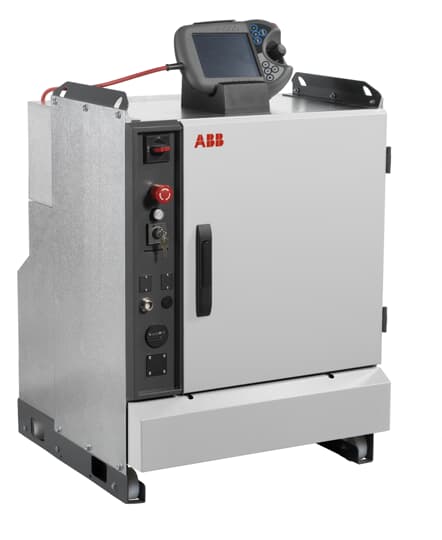
The ABB arc welding system M2004 IRC5 is a welding solution that combines advanced technology and excellent performance. It occupies an important position in the welding field of modern manufacturing and is widely used in many industries such as automotive manufacturing, mechanical processing, and metal structures. With its efficient, precise, and stable welding performance, it helps enterprises improve production quality and efficiency.
System composition
Robot body: The M2004 robot body has excellent motion performance and flexibility. It has 6 degrees of freedom and can achieve flexible movement in all directions in three-dimensional space, making it easy to reach various welding positions of complex workpieces. The robot body adopts a lightweight design with a compact structure. While ensuring high strength and rigidity, it reduces its own weight, effectively reduces motion inertia, improves motion speed and acceleration, and makes the welding process faster and more efficient. At the same time, its joint parts have been specially designed and optimized to have good sealing and wear resistance, which can adapt to harsh industrial environments and ensure long-term stable operation.
IRC5 controller: The IRC5 controller is the core brain of the entire arc welding system, using advanced multi-core processor technology and possessing powerful computing power and data processing speed. It can accurately control the robot’s motion trajectory, welding parameters, and collaborative work with surrounding equipment in real time. Supports multiple programming methods, including demonstration programming, offline programming, etc., making it convenient for operators to perform programming operations according to actual needs. In addition, the IRC5 controller also has rich communication interfaces, which can quickly and stably exchange data with devices such as PLC, sensors, and welding machines, achieving intelligent integration and collaborative control of the entire welding system.
Welding power supply: The matching welding power supply is specially designed for arc welding process, which can provide stable and reliable welding current and voltage output. It has multiple welding modes, such as MIG (gas metal arc welding), MAG (active gas metal arc welding), TIG (tungsten inert gas welding), etc., which can be flexibly switched according to different welding materials and process requirements. By closely cooperating with the IRC5 controller, the welding power supply can achieve precise control of welding parameters, such as current size, voltage level, wire feeding speed, etc., ensuring consistency and stability of welding quality.
Peripheral equipment: including welding guns, wire feeders, welding fixtures, and other peripheral equipment. The welding gun is made of high-quality materials, with good conductivity and heat dissipation performance, which can effectively extend its service life. The wire feeder can stably and accurately transport the welding wire, ensuring the continuity of the welding process. The welding fixture is used to fix the workpiece, ensure the positional accuracy of the workpiece during the welding process, and improve the welding quality.
An arc welding system which is delivered by ABB Automation Technologies AB is at delivery booted with a configuration that is customized for the delivery. In most cases there is also a set of software drivers for the equipment loaded. There might still be reasons to use this installation description. Obvious examples are:
• A system is to be installed at the customer site.
• The RobotWare software is to be replaced.
• The loaded software must be replaced.
• The configuration is to be changed.
• A stalled system has to be restarted.
• To change the language.
Content of the diskette
The “Arc Welding System Configuration Diskette” contains only options acc. to specification.
For example:
• I/O-board options.
• Addresses and names for all user signals needed for the delivered system.
• Configuration options for positioners in the delivered system.
• Configuration for arc process equipment in the delivered system.
• Configuration options for delivered sensors.
• Default configuration options for welding functions.
• Drivers, where appropriate, for positioner, operators panel and safety
User´s configuration
In cases where there are complementary requirements, it is recommended to use make a new one and, add or change configuration components, and save the lot on a user´s configuration diskette.
Installation procedure
As mentioned in ABB Robotics manuals the pc application System builder in RobotStudioOnline is used to create and download systems to the controller.
When a system is created or updated the external option can be added.
From an external PC
The installation of the robot software is done:
• From an external PC.
• From a diskette (the robot controller need to bee equipped with a diskette drive).
The application handling the booting of the RobotWare is called System builder in
RobotStudioOnline.
There are two ways to establish connection with the robot:
1. The robots are connected to a local network (the LAN output on the robot)making it possible to run System builder in RobotStudioOnline to come into contact with the hard disk of the robots from a PC connected to the same network. This is applicable when there is more than one robot at the same place.
2. From a computer with direct connection to the service output of the robot
network
X-start
A restart must be implemented to be able to load new software.
An X-start will exit the running system, store system data on the mass storage memory, and then execute the BootServer to present the Start window. Any system stored in the mass storage memory, may then be selected.
When X-start is executed, all the saved system data is reset (in a similar way as with a warm start).
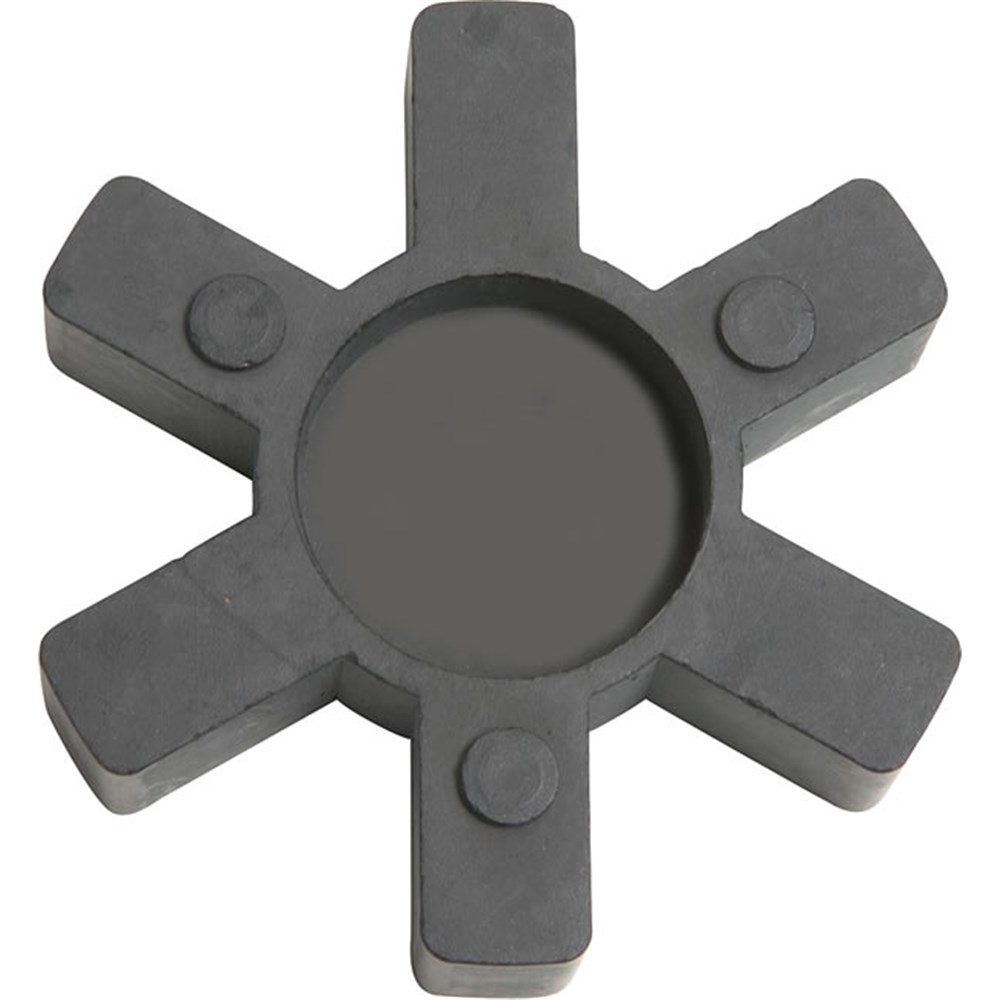
The ABB L110-24-1 rubber component is a key component designed specifically for jaw couplings and plays an important role in mechanical transmission systems. Its performance directly affects the stability and reliability of equipment operation.
Application
This rubber component is mainly used for jaw couplings, connecting two shafts of mechanical equipment to achieve power transmission. In various industrial equipment, such as fans, pumps, compressors, etc., when a shaft connection is required between the power source (such as a motor) and the working machine (such as a water pump impeller), the jaw coupling and the L110-24-1 rubber component play a role in smoothly transmitting the rotational motion of the power source to the working machine, ensuring the normal operation of the equipment.
Structural characteristics
The L110-24-1 rubber component adopts a special formula and manufacturing process, and has a unique structure. Its shape is designed to fit the structure of the jaw type coupling and can be tightly embedded in the corresponding part of the coupling. The rubber material has undergone special treatment internally, possessing good elasticity and flexibility. At the same time, it has been reinforced in key areas to withstand large torque and shear forces, ensuring effective power transmission while also providing a certain degree of cushioning and shock absorption.
Performance advantages
Excellent cushioning and shock absorption performance: During equipment operation, the shaft system may experience vibration and impact due to various factors. The L110-24-1 rubber component, with its excellent elasticity, can effectively absorb and buffer these vibrations and impacts, reduce the noise during equipment operation, minimize wear on mechanical equipment components, and extend the service life of the equipment. For example, during the start-up and shutdown process of the fan, rubber components can alleviate the instantaneous impact of the shaft system, avoiding damage to components such as bearings and shafts caused by excessive impact.
Good wear resistance and aging resistance: Made of high-quality rubber material and treated with special technology, this component has strong wear resistance. Even under long-term high-speed operation conditions, it can maintain stable performance and reduce wear. At the same time, it has excellent aging resistance and can maintain the elasticity and mechanical properties of rubber for a long time under different environmental temperature and humidity conditions, without easily experiencing aging phenomena such as hardening and cracking, ensuring the long-term reliable operation of the coupling.
High torque transmission capability: Despite being made of rubber material, the L110-24-1 rubber component has been optimized to transmit large torque, meeting the power transmission needs of various industrial equipment. Whether it is a small industrial pump or a large compressor, this rubber component can stably transmit power from one shaft to another, ensuring efficient operation of the equipment.
Installation and maintenance
During installation, it is necessary to ensure that the rubber components are accurately matched with the installation dimensions of the jaw coupling. Follow the correct installation steps to ensure proper installation and avoid uneven stress on the rubber components due to improper installation, which may affect their service life and the performance of the coupling. During the daily operation of the equipment, the condition of the rubber components should be regularly checked to observe for wear, aging, cracks, and other conditions. If any abnormalities are found in the rubber components, they should be replaced in a timely manner to ensure the safe and stable operation of the equipment.
The ABB INNP012 network processor module, relying on ABB’s century old industrial technology accumulation, is a core tool in the field of industrial automation network communication. This module is designed specifically for complex industrial environments and is installed using standard DIN rails. It has a sturdy and durable industrial grade housing and can operate stably in environments ranging from -20 ° C to+60 ° C. Its performance is not affected under relative humidity conditions of 5% -95% (no condensation), and its protection level reaches IP20. It has passed multiple safety certifications such as CE, UL, CSA, etc., meeting the stringent requirements of various industrial scenarios.
Brand background
ABB is a globally renowned power and automation technology group with over 130 years of history, occupying a leading position in the field of industrial automation. Its products cover multiple fields such as power systems, industrial control, and robotics, and are known for their reliability and innovation. ABB’s network processor module, as a core component of industrial communication infrastructure, is widely used in various automation systems, providing solid technical support for global industrial digital transformation.
Product specifications
Exterior dimensions: 132mm × 120mm × 60mm
Weight: Approximately 500g
Installation method: Standard DIN rail installation
Working temperature range: -20 ° C~+60 ° C
Storage temperature range: -40 ° C~+85 ° C
Relative humidity: 5%~95% (without condensation)
3、 Specification parameters
Processor: High performance 32-bit processor with a clock speed of ≥ 400MHz
Power supply: 24VDC (19.2~28.8VDC), power consumption ≤ 10W
Protection level: IP20
EMC compatibility: Complies with EN 61000-6-2/4 standard
Safety certifications: CE, UL, CSA, etc
Core functions
High speed data processing: Using high-performance processors, it can achieve sub millisecond packet processing latency, ensuring fast transmission and processing of real-time data.
Multi protocol conversion: Supports running multiple industrial protocols simultaneously, enabling seamless conversion between different protocols, such as converting Modbus TCP to Profinet IO.
Redundant communication: Supports network redundancy protocols (such as MRP, PRP, HSR) to ensure high availability of communication links. When the main link fails, the backup link can quickly take over communication.
Network security protection: Built in firewall function, supports access control list (ACL), can effectively prevent illegal network access, and protect industrial network security.
Remote management: supports remote configuration and monitoring through web interface, SNMP or dedicated management software, facilitating system maintenance and troubleshooting.
Working principle
The INNP012 module achieves network connection between devices through a built-in multi port switch. The processor parses the received data packets and performs data conversion and forwarding according to the configured protocol rules. The module adopts a microkernel architecture, which separates the protocol stack from the operating system, improving the stability and reliability of the system. In redundant communication mode, the module will monitor the network status in real time. When a main link fault is detected, it will automatically switch to the backup link to ensure uninterrupted communication.
Key advantages
High reliability: Industrial grade design, suitable for harsh environments, with an average time between failures (MTBF) of ≥ 50000 hours.
Excellent performance: High performance processors and optimized software architecture ensure low latency and high throughput for data processing.
Flexible configuration: Supports multiple protocol and interface combinations, and can be customized according to actual application needs.
Security guarantee: A multi-level network security protection mechanism effectively resists network attacks and ensures the security of industrial systems.
Easy to integrate: Provides rich APIs and development tools for easy integration with third-party systems.
Precautions
Installation environment: The installation location should ensure good ventilation, avoid direct sunlight and strong electromagnetic field interference.
Power requirements: A power supply that meets the specifications must be used, and it is recommended to use redundant power supplies to improve reliability.
Network configuration: When configuring network parameters, it is necessary to ensure that the IP address, subnet mask, and other information are compatible with the existing network.
Firmware upgrade: Before upgrading the firmware, it is necessary to backup the configuration data and perform it during non production hours to avoid affecting normal production.
Heat dissipation maintenance: Regularly check whether the module’s heat dissipation holes are blocked to ensure good heat dissipation.
Similar model supplement
INNP011: Basic model, supports fewer protocols and interfaces, suitable for small systems.
INNP013: Enhanced version with added fiber optic interface, supporting longer distance communication.
INNP014: High security version with enhanced network security features, suitable for occasions with high security requirements.
Application scenarios
Smart Factory: As the core component of the industrial Ethernet backbone network, it connects various production equipment to achieve high-speed data transmission and collaborative control.
Power system: used for substation automation and distributed energy management systems to ensure reliable communication between power equipment.
Rail transit: In transportation systems such as subways and high-speed trains, it provides highly reliable network connections for signal and communication systems.
Petrochemical industry: supports explosion-proof communication in hazardous environments to ensure safe monitoring and control of production processes.
Water treatment: used for automated control of sewage treatment plants and water supply systems, achieving remote monitoring and data collection.