
Call us 24/7uaedcs@163.com
Welcome to the official website of CNIACS Automation Technology Co., Ltd!
Call us 24/7uaedcs@163.com

ABB 5SHY3545L0009 High Voltage Converter Board

​Product Overview

ABB 5SHY3545L0009 high-voltage converter board, with high model recognition, belongs to the ABB Power Electronics series products. From the perspective of functional definition, it is mainly used in scenarios such as high-voltage direct current (HVDC) transmission systems, undertaking the key task of converting direct current to alternating current, and is an important component in the power electronics conversion process. Its design revolves around high-power and high-voltage applications, striving for stable operation in complex power environments and ensuring the efficiency and accuracy of power conversion.

Brand background

ABB, as a leading global enterprise in the fields of power and automation technology, has a profound technical accumulation and excellent brand reputation in electrical equipment manufacturing and other areas. The company has a long history and continuously promotes technological innovation in the industry. Its products are widely used in many fields such as energy, industry, transportation, and infrastructure. With continuous investment in research and development, ABB is at the forefront of power electronics technology in the world. Its various products, such as 5SHY3545L0009 high-voltage conversion board, follow strict quality standards and are known for their reliability, efficiency, and innovation, earning the trust of customers worldwide.

Specification parameters

Voltage parameters: The high-voltage conversion board can withstand a high voltage level and can handle 6kV voltage in common application scenarios. This high voltage bearing capacity makes it suitable for many high-voltage power systems, whether it is the converter station of high-voltage transmission lines or the front-end power conversion of some industrial production equipment that requires high supply voltage, it can play a stable role.

Current parameters: It can carry a current of up to 4500A, and its strong current carrying capacity ensures stable transmission and conversion of large currents in high-power applications, meeting the power needs of high-power equipment, such as the drive power conversion link of large industrial motors.

Power parameters: The power can reach 27MW, reflecting the powerful processing capability of the conversion board in the power conversion process. It can ensure conversion efficiency, reduce energy loss, and achieve efficient conversion of electrical energy forms under high-power operation.

Switching frequency: The switching frequency is 2kHz, which gives it an advantage in fast switching control between AC and DC power. It can more accurately adjust the frequency and waveform of the output power, improving the quality of power conversion.

Physical specifications: In terms of size, some data shows that its specifications are 24 x 9.1 x 2.5 cm, which is relatively compact overall and easy to install and layout in limited spaces of various devices; In terms of weight, it is about 0.16kg. The lightweight design not only facilitates transportation, but also reduces the difficulty of manual operation during equipment installation and later maintenance. In addition, there are other materials mentioning different size data such as 39 * 42 * 10 (unit not specified, speculated as mm), and the specific size specifications may vary due to production batches or customized requirements for different applications.

Protection level and environmental parameters: The protection level reaches IP67, with excellent dust and water resistance, and can adapt to harsh industrial environments, such as outdoor humid environments or dusty factory workshops; The working temperature range is -40 ° C to+85 ° C, and it can maintain normal operation within the range of extreme cold to high temperature, ensuring stable operation in different regions, seasons, and industrial scenarios.

Core functions

Electric energy conversion function: The core task is to achieve efficient conversion between direct current and alternating current. In high-voltage direct current transmission systems, the alternating current generated at the power generation end can be converted into direct current for long-distance transmission, reducing transmission losses; At the power consumption end, it can also convert direct current back to alternating current for use by various electrical equipment. In industrial production, for some equipment that requires specific AC/DC power sources, this conversion board can also accurately achieve the conversion of power types.

Power regulation function: It can adjust the converted power parameters to a certain extent, such as adjusting the amplitude and frequency of the output voltage, to adapt to the input requirements of different electrical equipment. By finely regulating parameters such as voltage and frequency, the stable operation of electrical equipment is ensured, avoiding equipment failures or reduced operating efficiency caused by mismatched power parameters.

Communication and control functions: Support communication with external control systems, receive control instructions, and achieve precise control of the conversion process. According to system requirements, the working status of the conversion board can be flexibly adjusted, such as starting, stopping, and adjusting conversion efficiency. At the same time, it can also provide feedback on its own working status information to the control system, which facilitates real-time monitoring of equipment operation by maintenance personnel.

Working principle

Its working principle is based on the characteristics of power electronic devices and related circuit topology structures. Internally integrated with key power electronic devices such as Insulated Gate Bipolar Transistors (IGCT). In the process of converting AC power to DC power, the first step is to use rectifier circuits and the unidirectional conduction characteristics of devices such as IGCT to organize the positive and negative half cycles of AC power and convert it into unidirectional DC power. When converting direct current to alternating current, the fast switching characteristics of devices such as IGCT are utilized through an inverter circuit to invert the direct current into standard alternating current output according to the set frequency and waveform requirements. Throughout the entire process, the control circuit plays an important role by accurately controlling the on and off time of devices such as IGCT based on external input control signals, thereby achieving precise regulation of the power conversion process and ensuring the stability and accuracy of the output power.

Key advantages

High efficiency: In the process of power conversion, advanced circuit design and high-quality power electronic devices have achieved high conversion efficiency, reducing energy loss during the conversion process. This not only reduces energy waste, but for enterprises, long-term operation can also save a lot of electricity costs, which is in line with the development trend of energy conservation and emission reduction in the current increasingly tense energy situation.

High reliability: The product design and manufacturing follow strict quality standards, from the selection of components to the overall circuit layout, all of which are carefully considered and tested. High protection level, strong adaptability to harsh environments, and may also be equipped with various protection circuits internally, such as overvoltage protection, overcurrent protection, etc., effectively avoiding equipment damage caused by abnormal situations, ensuring long-term stable operation of equipment, reducing maintenance frequency and downtime, and improving the overall reliability of the production system.

High precision control: With advanced control algorithms and sensitive sensors, high-precision adjustment and control of power parameters can be achieved. In some application scenarios that require extremely high power quality, such as precision electronic equipment manufacturing, medical equipment power supply, etc., the stability and accuracy of the output power can be ensured, meeting the strict requirements of these devices for power supply, and avoiding the impact of power fluctuations on the normal operation of equipment or even damage to equipment.

Easy to install and maintain: The compact size and reasonable structural design make it more convenient during equipment installation, and can adapt to the spatial layout of various devices. At the same time, the comprehensive fault diagnosis and status monitoring functions make it convenient for operation and maintenance personnel to quickly locate and solve problems, reduce maintenance difficulty, and improve maintenance efficiency. Even non professional maintenance personnel can troubleshoot and handle common problems after simple training.

Precautions

Installation environment requirements: Although it has a high level of protection and a wide range of working temperatures, it is still advisable to choose a dry and well ventilated environment during installation, avoiding installation in areas with strong electromagnetic interference to prevent electromagnetic interference from affecting the normal operation of the conversion board. At the same time, ensure that the installation position is stable and avoid loosening of internal circuit connections due to vibration or shaking.

Electrical connection specifications: When making electrical connections, it is necessary to strictly follow the requirements of the product manual to ensure correct and secure wiring. Different voltage levels and functions of circuits should be clearly distinguished to prevent electrical faults such as short circuits and open circuits. For high-voltage line connections, additional protective measures need to be taken, such as using insulated gloves, insulated tools, etc., to ensure the safety of operators.

Maintenance points: Regularly clean the conversion board to prevent dust accumulation from affecting heat dissipation and electrical performance. Inspect the equipment at regular intervals and check the working status of each component. If any abnormal sounds, odors, or high temperatures are found, the machine should be stopped in a timely manner to troubleshoot. Before carrying out maintenance operations, be sure to cut off the power and wait for sufficient time to ensure that the energy storage components such as capacitors have discharged completely, in order to avoid the risk of electric shock.

Similar model supplement

5SHY3540L0009: It belongs to the ABB related series of products, and is also used for power conversion in terms of functionality. From the comparison of parameters, its current carrying capacity may be slightly lower than 5SHY3545L0009, for example, it may be suitable for some power conversion scenarios with relatively small current requirements and power requirements within a certain range, such as local power conversion links in small industrial production lines. It may have a cost advantage compared to 5SHY3545L0009, and is more suitable for projects with limited budgets and small power demand scales.

5SHY4045L0009: This model may have differences in voltage processing capabilities compared to 5SHY3545L0009, and may be able to adapt to higher voltage level application scenarios, such as specific conversion requirements for some ultra-high voltage direct current transmission systems. There may also be an improvement in power processing capability, which can meet the power conversion needs of larger and higher power equipment. However, the size and cost may increase accordingly, making it suitable for large-scale power engineering projects with extremely high requirements for power conversion, large equipment scale, and relatively low cost sensitivity.

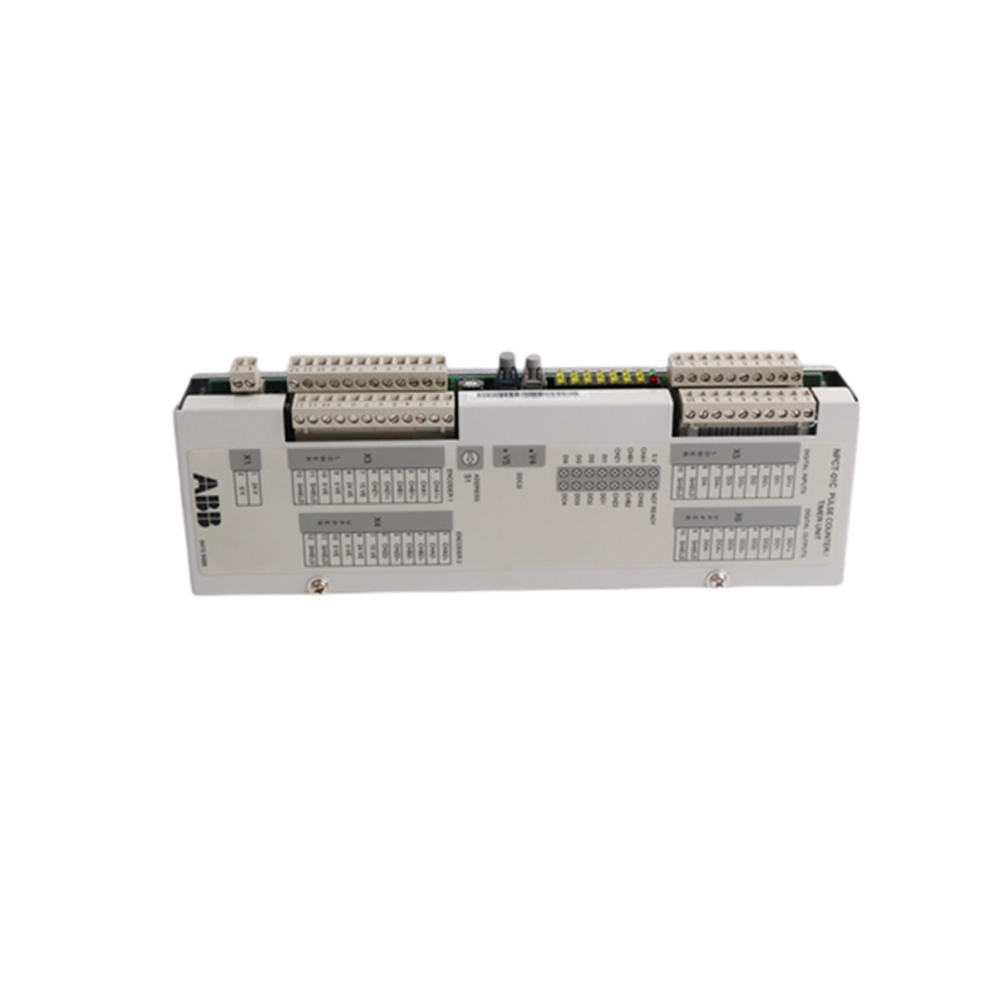
ABB 64009486 NPCT-01C; PULSE COUNT/TIMER

Product basic information

Model: NPCT-01C

Type: Pulse Counting/Timer Module

Function: Used for pulse counting and timing control in industrial scenarios, may be compatible with ABB transmission systems or automation equipment.

Country of Origin: Finland (FI)

Customs code: 90329000

Ordering information:

Minimum order quantity: 1 piece

Sales unit: piece

Non customized products, support direct ordering.

physical property

Weight: 0.92 kg

Size: The specific size is not explicitly listed, only the “Frame Size” is mentioned. Please refer to the product manual or contact the supplier for information.

Technology and Classification

Technical functions:

Pulse counting: It can accumulate the number of input pulses and is used to monitor the number of device operations (such as motor start stop times).

Timed control: supports setting timed logic to trigger output actions (such as delayed start and timed stop).

Industry classification:

UNSPSC codes: 39120000 (industrial automation components), 39122004 (industrial control modules).

Environmental compliance: Not within the scope of WEEE Directive control (Product Not in WEEE Scope).

Application scenarios

Category:

Drives → Spares and Consumables → Parts.

Typical applications:

Pulse signal statistics for industrial automation production lines (such as encoder pulse counting).

Timing control of mechanical equipment (such as monitoring the running time of motors and triggering periodic tasks).

Product Overview

ABB 64009486 NPCT-01C is a pulse counting/timer module specifically designed for industrial automation applications. It can accurately count pulse signals and perform corresponding operations according to the set time logic, playing an important role in industrial production process control, equipment operation status monitoring, and other aspects. It is an indispensable key component in industrial automation systems.

Technical parameters

Input characteristics

Input voltage range: This module supports an input voltage of 24V DC, which is a common DC voltage specification that makes it easy to match with the power systems of many industrial equipment. Whether in independent small control systems or large and complex automated production lines, it can be stably connected to the power supply to ensure the normal operation of the module.

Number of input channels: Equipped with 2 input channels, these two channels can simultaneously collect and process pulse signals from different sources. For example, in an automation scenario involving multiple devices working together, one channel can be used to collect pulse signals generated by the main device to monitor its working status, while the other channel can be used to collect pulse signals from auxiliary devices, achieving more comprehensive monitoring of the entire system.

Output characteristics

Output type: using relay output method. Relay output has strong load driving capability and can directly control various external actuators, such as relays that can easily control the start and stop of motors, the opening and closing of valves, etc. This feature enables NPCT-01C to efficiently convert counting or timing results into actual control actions in industrial control, driving equipment to operate according to predetermined logic.

Timing and Counting Accuracy

Timing accuracy: Its timing accuracy can reach ± 0.1% of the set value plus 1ms. This high-precision timing capability is crucial in industrial applications with strict time requirements. For example, in the chemical production process, certain reactions require precise control of reaction time. NPCT-01C can ensure that relevant operations are triggered accurately according to the set time, ensuring the smooth progress of chemical reactions and the stability of product quality.

Counting accuracy: In terms of pulse counting, this module has extremely high accuracy and can reliably accumulate the number of input pulses without missing or miscalculating. In the scenario of motor speed monitoring, NPCT-01C can accurately calculate the motor speed by counting the pulses generated by the motor rotation, providing accurate data support for the evaluation of the equipment’s operating status.

Adaptability to work environment

Working temperature range: It can operate normally within the temperature range of -20 ° C to+70 ° C. This broad temperature adaptability makes it suitable for industrial sites with various environmental temperatures. Whether it is mechanical equipment operating outdoors in cold regions or control systems near industrial kilns in high-temperature environments, NPCT-01C can operate stably to ensure the continuous operation of the system.

Storage temperature range: The storage temperature range is -40 ° C to+85 ° C. Even under extreme storage conditions, the module can maintain good performance and can be put into use at any time when the environmental conditions are suitable, with strong environmental tolerance.

Physical characteristics

Size: The external dimensions are 41 x 264 x 94 mm. This compact design allows for flexible installation within limited control cabinet space without taking up too much space resources, making it particularly suitable for modern factories that pursue efficient use of space.

Weight: The net weight of the product is about 1kg. The relatively light weight facilitates the installation, handling, and maintenance of the equipment, reducing the difficulty and labor intensity of manual operation.

Functional Features

Accurate pulse counting function

Capable of accurately counting various types of pulse signals, including square waves, sine waves, and other shaped pulse signals. On automated production lines, it can be used to count the quantity of products. For example, in the packaging production line, precise control of the quantity of packaged products is achieved by counting the pulses generated by the products passing through the detection points, ensuring that the quantity of each batch of products is accurate and error free.

Flexible timing function

Users can flexibly set the timing according to their actual needs through programming or setting relevant parameters. There are various timing modes, which can achieve single timing and trigger an action once the set time is reached; It can also achieve periodic timing, triggering corresponding operations in a loop according to the set time interval. In the maintenance and upkeep of industrial equipment, periodic scheduled tasks can be set, and the self inspection program of the equipment can be started regularly to promptly detect potential faults and hidden dangers.

Reliable system integration capability

The module was designed with full consideration for compatibility with other industrial equipment and systems, and can seamlessly integrate with ABB’s various automation control systems and third-party equipment. It can easily connect to mainstream control systems such as PLC (Programmable Logic Controller) and DCS (Distributed Control System), and interact and collaborate with other devices through standard communication interfaces and protocols. In a large-scale industrial automation project, NPCT-01C can work together with PLC to complete complex production process control tasks, improving the operational efficiency and reliability of the entire system.

Complete self diagnostic function

Equipped with a self diagnostic mechanism, capable of real-time monitoring of one’s own work status. Once abnormalities are detected, such as abnormal input signals, output relay faults, internal circuit overheating, etc., the module will promptly issue alarm messages through indicator lights or communication interfaces to notify operators for maintenance and handling. This feature greatly improves the maintainability of the equipment, reduces production interruption time caused by module failures, and lowers the production losses of the enterprise.

Application Fields

Manufacturing industry

In the field of automobile manufacturing, it is used for automated control of production lines. For example, in the assembly process of automotive parts, by counting the pulses generated by the actions of the assembly robot, the assembly quantity and sequence of parts can be accurately controlled to ensure assembly quality. Meanwhile, by utilizing the timing function, the running rhythm of the equipment can be controlled, thereby improving the overall efficiency of the production line.

In the electronic manufacturing industry, it is possible to control the component mounting equipment on the electronic product production line. Monitor the number of actions of the mounting head through pulse counting to ensure that each component can be accurately mounted on the circuit board; Utilize the timing function to control the preheating, welding and other process time of the equipment, ensuring the production quality of electronic products.

Energy industry

In the field of power generation, NPCT-01C can be used to monitor the operating status of generators. By counting the pulses generated by the rotation of the generator, the speed of the generator is calculated, and the operation of the generator is monitored in real time. At the same time, the timing function can be used to control the regular inspection and maintenance tasks of power generation equipment, ensuring the stability and reliability of power supply.

In the petrochemical industry, it is used for controlling the chemical production process. For example, in the process of chemical reactions, by setting precise timing, controlling the addition time of raw materials and reaction time, the smooth progress of chemical reactions and the stability of product quality can be ensured. At the same time, the pulse counting function is used to monitor the material conveying equipment on the production line and count the amount of material conveyed.

Transportation and Communications

In the field of rail transit, it can be used for train operation control systems. By counting the pulses generated by the rotation of the train wheels, the precise measurement of the train’s travel distance and speed provides important data support for the automatic driving and safe operation of the train. At the same time, the timing function is used to control the signal light switching, door opening and closing operations of the train, ensuring the safety and efficiency of train operation.

In the logistics and transportation industry, it is used for controlling automated warehousing systems. Monitor the operation frequency of cargo handling equipment through pulse counting and calculate the amount of cargo handling; Utilize timing function to control the operation time of warehouse lighting, ventilation and other equipment, achieving energy-saving management.

ABB NPBA-82 PROFIBUS adapter module for sale - Xingchuang Ronghe

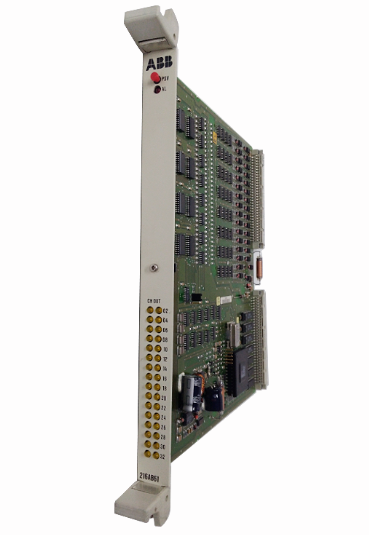
ABB HESG324013R0101 216AB61 BINARY OUTPUT * NCS1704

Module Overview

Model and positioning:

Model: HESG324013R0101, belonging to 216AB61 binary output module, used for REG216/REG216 Classic protection system.

Function: Provides 32 binary outputs for controlling relays or signal indications, supports short circuit protection and status indicator light display.

Technical Parameter

Number of output channels: 32, supporting independent control.

Output type: transistor output, supporting short circuit protection and overload protection.

Load capacity

Maximum continuous current: 5 A (DC/AC).

Maximum impulse current (0.5 seconds): 10 A.

Voltage range

DC:24-250 V

-AC:24-240 V

Isolation characteristics: Electrical isolation, isolation voltage ≥ 1 kV AC, to prevent interference and fault crosstalk.

Status indication: The front-end LED indicator displays the output status (lit when activated).

Response time: Typical response time ≤ 30 ms, ensuring fast action.

Short circuit protection: automatic current limiting and shutdown, and can automatically recover after the fault is cleared.

Application scenarios

Protection system interface:

Connect to the parallel bus (B448C) of REG216/REG216 Classic for outputting trip signals, alarm signals, or controlling external devices such as circuit breakers and contactors.

Industrial automation:

Drive trip relays in generator and transformer protection, or serve as signal extension modules in distributed control systems.

Redundant system:

Supports redundant configuration, enhances system reliability, and is suitable for power systems with high availability requirements.

Hardware and Installation

Physical characteristics:

Size: Meets the 19 inch rack installation standard and occupies 1 rack unit (1U).

Terminal type: Removable screw terminal, supporting 4 mm ² wire connection.

Installation method:

Insert the REG216 system rack and communicate with the processor unit (such as 216VC62a) through a parallel bus, supporting hot plugging (power off operation required).

compatibility:

Used in conjunction with input modules (such as 216GW62), processor modules (216VC624), and power modules (216NG6x) of the REG216 series.

Can be configured with

Logical control:

Support configuring output logic through software (such as AND/OR/NOT gates), which can be linked with protection functions (such as overcurrent protection triggering trip output).

Diagnosis and Monitoring:

Built in self-monitoring function to detect output short circuits, overloads, and power failures.

Real time monitoring of output status through HMI or communication interface, supporting event recording and fault code reporting.

Communication protocol:

Compatible with SPA and IEC 60870-5-103 protocols, it can remotely control the output status through Modbus or LON bus.

Ordering and Accessories

Ordering information:

Model: HESG324013R0101 (216AB61 module).

Supporting system: REG216/REG216 Classic protection system, requiring a rack (such as 216MB66) and power module (216NG6x).

Accessories:

System cable (IK61): used for connecting modules, with a length of 2.5 meters or 4 meters to choose from.

Redundant power module: supports dual power input to enhance system power supply reliability.

ABB 216AB61 HESG324013R100 HESG216881/B Power conversion module - 雄霸工业

ABB 5SHX1060H0003 Reverse Conducting Integrated Gate

​Product Overview

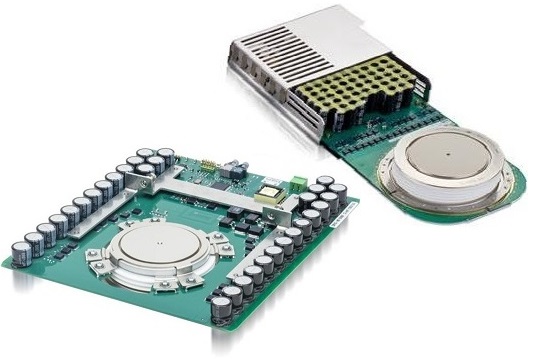
ABB 5SHX1060H0003 is a Reverse Conducting Integrated Gate Commutated Thyristor (RC-IGCT). It combines the high voltage withstand capability of thyristors and the gate controllability of transistors, occupying an important position in the field of high-power power electronics. This type of device is mainly used in industrial equipment that requires precise control of high current and high voltage, and can efficiently achieve the conversion and control of electrical energy.

Structure and Working Principle

Structural features: Its structure is similar to traditional gate turn off thyristors (GTOs), but has been optimized and improved. In 5SHX1060H0003, the gate turn off current is designed to be greater than the anode current. This unique design allows for the complete elimination of minority carriers injected from the lower PN junction, significantly accelerating the turn off time. In addition, compared to GTO, its unit size is smaller, the gate connection is more robust, and the inductance between the gate drive circuit and the drive circuit connection is greatly reduced. These structural advantages lay the foundation for its high-performance performance.

Working principle: In the conductive state, a suitable trigger signal is applied through the gate to make the thyristor conductive, allowing current to flow from the anode to the cathode. When it is necessary to turn off, a reverse signal is applied to the gate, and its special structure is used to achieve fast turn off. The reverse conduction characteristic allows current to conduct in reverse under specific conditions, which simplifies the design and reduces the use of external components in some circuit topologies.

Technical parameters

Current parameters: capable of carrying large currents, its rated on state average current and peak current parameters ensure stable transmission and control of large currents in high-power applications. For example, in high-power motor drive systems, it can meet the high current requirements during motor start-up and operation.

Switching frequency: The typical switching frequency is within a certain range (such as around 500 Hz), but unlike GTO, its upper limit switching frequency is mainly limited by the heat loss during operation and the system’s heat dissipation capacity. In practical applications, when the system has good heat dissipation, its switching frequency can even reach a high level in a short period of time (such as a 40kHz pulse burst), which provides the possibility for some applications that require high switching speed.

Working temperature range: It has a wide working temperature range, such as from -40 ℃ to 150 ℃. This allows it to work normally under different environmental conditions, whether it is outdoor equipment in cold regions or industrial plants in high-temperature environments, it can operate stably.

Integrated Gate-Commutated Thyristors | Iconopower

Advantages

Efficient switch performance: Fast switch speed, especially turn off speed, can effectively reduce switch losses and improve the overall efficiency of the system. In application scenarios with frequent switching, such as high-frequency inverters, this efficient switching performance can significantly reduce energy waste.

Simplified circuit design: The reverse conducting structure reduces the use of external diodes and other components, making the circuit layout more compact and reducing circuit complexity and cost. For example, in some inverter designs, using 5SHX1060H0003 can reduce the area of the circuit board and lower the complexity of connections between components.

High reliability: Optimized structure and advanced manufacturing technology enable it to have high reliability and operate stably for a long time under harsh working conditions. This is of great significance for some applications that require extremely high reliability of equipment, such as key node equipment in power systems, which can reduce equipment failures and maintenance costs.

Application Fields

Industrial frequency conversion speed regulation: used in the main circuit of the frequency converter in industrial motor drive systems. By precisely controlling the power supply frequency and voltage of the motor, efficient speed regulation of the motor can be achieved, meeting the speed regulation needs in different industrial production processes. It is widely used in the drive of equipment such as fans, water pumps, compressors, etc., achieving the goals of energy conservation and precise control.

Power system: In high-voltage direct current transmission (HVDC) systems, it can be used in the converter of the converter station to achieve efficient conversion between alternating current and direct current. Meanwhile, in the reactive power compensation device of the power system, the reactive power can also be adjusted by controlling its conduction and shutdown to maintain the stability of the grid voltage.

Rail transit: plays an important role in the traction system of subway, high-speed rail and other rail transit systems. By controlling the driving current and voltage of the motor, the smooth start, acceleration, deceleration, and braking of the train are achieved, ensuring the efficient operation and safety of rail transit.

New energy power generation: used in the inverter part of wind power and solar photovoltaic power generation systems. Convert unstable direct current into alternating current that meets the requirements of the power grid, achieving grid connected power generation of new energy. For example, in centralized inverters for large wind farms, 5SHX1060H0003 can achieve efficient conversion and control of large-scale electrical energy.

ABB 5SHX1060H0003 3BHB020538R0001 IGCT模块 - 雄霸工业

ABB Advant Controller 31 Series 07 KT 97/96/95 Basic

Product Overview

location:

The basic unit of the ABB Advant Controller 31 series intelligent distributed automation system supports independent operation or serves as a bus master/slave, suitable for industrial automation control scenarios.

Model classification:

07 KT 97: Standard model, supports up to 480 kB of user programs and 256 kB of user data, equipped with CS31 system bus, optional communication modules such as ARCNET, PROFIBUS-DP, Ethernet, etc.

07 KT 96/95: Simplified performance model with fewer digital input/output channels, no analog input or only supports basic functions (such as 07 KT 95 with only 4 analog inputs).

Hardware specifications and functions

1. Core hardware parameters

Parameters: 07 KT 97 07 KT 96 07 KT 95

Digital input: 24 channels (3 groups, 8 channels per group, electrically isolated) 24 channels (3 groups, 8 channels per group, electrically isolated) 12 channels (2 groups, 6 channels per group, electrically isolated)

Digital output: 16 transistor outputs (2 groups, 8 channels per group, electrically isolated) 16 transistor outputs (2 groups, 8 channels per group, electrically isolated) 8 transistor outputs (1 group, electrically isolated)

Analog input: 8 channels (configurable as voltage, current, Pt100, etc., supporting differential input) -4 channels (only supporting voltage and current input)

Analog output: 4 channels (configurable as voltage and current output) -2 channels (current output)

Communication interfaces: COM1/COM2 (RS-232), CS31 system bus, optional ARCNET/PROFIBUS-DP/Ethernet COM1/COM2 (RS-232), CS31 system bus COM1/COM2 (RS-232), CS31 system bus

Storage and Expansion: SmartMedia Card (up to 8 MB), Supports CS31 Bus Expansion SmartMedia Card (up to 2 MB) SmartMedia: Card (up to 2 MB)

Power supply: 24 V DC 24 V DC 24 V DC

2. Key functions

Input/output flexibility:

Analog input supports multiple signal types (0-10 V, 4-20 mA, Pt100, etc.), and some models can be configured as digital inputs.

The digital output has short-circuit/overload protection and supports demagnetization of inductive loads.

Communication ability:

Standard RS-232 interface (COM1/COM2), supporting Modbus protocol for programming and data transmission.

Optional communication modules such as ARCNET, PROFIBUS-DP, CANopen, Ethernet, etc. are available to adapt to different industrial network architectures.

Data storage and backup:

Built in Flash EPROM to store programs and data, supporting SmartMedia card backup of user programs, firmware upgrades, and data storage.

Lithium battery (07 LE 90) backup RAM data and real-time clock, with a lifespan of approximately 5 years (25 ° C).

High speed counter:

Integrated high-speed hardware counter, supporting 7 working modes, with a maximum counting frequency of 50 kHz, used for position or speed monitoring.

Communication Protocol and Interface

1. CS31 system bus

Function: Used to expand distributed I/O modules, supporting up to 31 remote modules, with an expansion capability of 992 digital inputs/outputs and 224 analog inputs/outputs.

Connection: Connected through twisted pair cables, with a 120 Ω terminal resistor added at the end of the bus, supporting ring or linear topologies.

2. Optional communication module

ARCNET:

Based on the token passing protocol, it supports coaxial cables (RG-62/U) with a transmission rate of 2.5 Mbit/s, a maximum length of 300 meters per segment, and a maximum of 255 nodes.

PROFIBUS-DP:

Compliant with EN 50170 standard, supports RS-485, transmission rates ranging from 9.6 kbit/s to 12 Mbit/s, with a maximum of 126 nodes (via repeaters).

Ethernet:

Supports TCP/IP, UDP/IP, Modbus TCP, 10/100 BASE-TX interface, connected via RJ45, supports SNMP network management.

CANopen:

Based on CAN bus, supporting a transmission rate of 1 Mbit/s and up to 127 slave stations, suitable for distributed motion control scenarios.

​Installation and maintenance

Installation method:

Supports DIN rail installation or wall screw fixation, with dimensions of 240 × 140 × 85 mm and a weight of 1.6 kg.

A SmartMedia card slot space needs to be reserved (with a 30mm clearance on the right side).

Maintenance points:

Regularly check the status of the lithium battery (replace it when the red LED is on).

The communication module needs to be matched with bus terminal resistors to ensure EMC compatibility.

Monitor I/O status, fault codes, and real-time clock through HMI or programming software (such as 907 AC 1131).

Application scenarios

Industrial automation: logic control and data acquisition in production line control, mechanical processing, and process automation.

Distributed system: As a master or slave, it connects to industrial networks such as ARCNET and PROFIBUS to achieve device linkage.

Motion control: Utilizing high-speed counters and CANopen modules to support servo motor or encoder feedback.

Building automation: Integrate into SCADA system through Modbus or Ethernet interface to monitor HVAC, power and other equipment.

Model comparison and ordering information

07 KT 97 R200 standard type, without built-in communication module GJR5 2530 00 R0200

07 KT 97 R0220 with built-in PROFIBUS-DP module GJR5 2530 00 R0220

07 KT 97 R0260 with built-in ARCNET module GJR5 2530 00 R0260

07 KT 96 R0100 No analog input, 16 digital outputs GJR5 2529 00 R0100

07 KT 95 R0100 4-channel analog input, 8-channel digital output GJR5 2528 00 R0100

Accessories: System cable (07 SK 90/91/92), lithium battery (07 LE 90), SmartMedia card (07 MC 90).

Summarize

The ABB 07 KT 97/96/95 series basic unit is a highly flexible industrial controller, suitable for small and medium-sized automation systems through rich I/O configuration and communication expansion capabilities. Its modular design and multi protocol support enable it to perform well in distributed control, motion monitoring, and remote communication scenarios. When combined with ABB programming software and bus systems, it can achieve efficient industrial automation solutions.

C310Wall-/Pipe-mount Universal Process Controller

Product overview

location:

A highly versatile single loop controller with an IP66/NEMA 4X wall/pipe mounting enclosure, suitable for process control in harsh environments, without the need for expensive instrument panels, and can be directly installed near equipment.

Core functions:

Support PID control, Ramp/Soak program settings, multiple input/output types, with Modbus communication function, suitable for temperature, pressure, flow and other parameter control in industrial processes.

Key functional characteristics

1. Input/output capability

Universal input (3-channel):

Supports signals such as thermocouple (THC), thermistor (RTD), millivolt, current (4-20mA), voltage, etc., with an accuracy of ± 0.1%, and built-in cold junction compensation (CJC).

Input impedance: millivolts/thermocouple>10M Ω, voltage 500k Ω, current 10 Ω.

Control output:

Analog output: 0-20mA, load ≤ 750 Ω, isolated 1kV AC.

Logic output: 12V DC (driving solid-state relay SSR), load ≤ 400 Ω.

Relay output: 3 SPDT relays (5A/120-240V AC), configurable for timed proportional control, valve drive, or alarm.

Auxiliary output:

Retransmission output (0-20mA), configurable as process variable, setpoint, or position feedback.

Two digital inputs (such as remote set point, valve position feedback).

2. Control and Programming

PID control: Supports P, PI, and PID modes, with built-in Autotune function.

Slope/Insulation Procedure:

9 programs, each with 30 segments, supporting segment event control of relay actions, suitable for scenarios such as heat treatment and temperature curve control.

Hot/Cold Control Strategy: Implement dual output control for heating/cooling through analog output and relay combination.

3. Communication and Integration

Interface: RS485 Modbus RTU protocol, 4-wire system, baud rate 1.2-9.6kbps, supports SCADA and PLC system integration.

Function: It can remotely transmit process data, set parameters, read status, and is compatible with Modbus function codes (such as reading registers and writing set values).

4. Environment and Protection

Protection level: IP66/NEMA 4X, dustproof and waterproof, suitable for humid, dusty or corrosive environments.

Working temperature: -10 ° C to 55 ° C (14 ° F to 131 ° F), humidity 0-95% (non condensing).

Electromagnetic compatibility (EMC): compliant with IEC 61326 standard, resistant to radio frequency interference (RF) and voltage spikes (>2kV).

Specification parameters

Display: 2 x 6-digit red LED, 0.56-inch (14mm) seven segment display, display range -9999 to+9999.

Power supply: 115V or 230V AC (± 15%), 50/60Hz, power consumption<10VA, supports brief power outage protection (<60ms without impact).

Accuracy: Measurement error ± 0.1% reading or ± 5 μ V, linearization error ± 0.1 ° C (typical value).

Size and weight: 160 x 250 x 107mm (height x width x depth), weight 2kg, supports wall or pipe installation (accessory 4600/0138).

Certification: CE, CSA/FM Class 1 Div.2 (hazardous area certification).

Application scenarios

Industrial process control: temperature and pressure closed-loop control in chemical, pharmaceutical, and food processing.

Heating, Ventilation, and Air Conditioning (HVAC): Valve control, heating/cooling system regulation.

Machinery and equipment: Slope heating/insulation control for heat treatment furnaces and reaction vessels.

Distributed system: Integrated into SCADA system through Modbus to achieve remote monitoring and data acquisition.

Ordering Information

Model example:

C310/01 1 3/STD

01: RS485 Modbus Communication

1: 115V AC power supply (with polarized plug)

3: CSA/FM Class 1 Div.2 certification

STD: Factory Standard Configuration

Optional accessories: Pipe Installation Kit (4600/0138), Custom Programming Service (CUS).

Summarize

ABB C310 is a compact, high protection process controller that is suitable for industrial scenarios that require on-site installation and remote monitoring, thanks to its universal input-output, flexible PID control, and Modbus communication capabilities. Its slope/insulation function and multi relay configuration make it perform well in complex process control, while the IP66 protection level ensures reliability in harsh environments.

ABB REF610 feeder protection relay Fault recording

 Fault recording function

1. Fault record types and storage

Event record:

Up to 100 events can be recorded, including protection phase start/trip, digital input status changes, communication anomalies, etc. Each event contains a timestamp (accurate to milliseconds), event code, and relevant parameter values (such as fault current, phase imbalance, etc.).

Events are sorted by priority, with the highest priority being internal relay failure (IRF), followed by trip events, and finally start/alarm events.

Fault Record (FR):

Record detailed data of the last 5 faults, including three-phase current, ground current, thermal level, triggering stage, and duration at the time of the fault, and support reading through parameters V1-V24.

The data is stored in non-volatile memory (EEPROM), retained after power failure, and can be cleared through Master Reset.

2. Trigger and Query

Trigger condition:

Internal protection stage actions (such as overcurrent, ground fault), external digital input triggering, manual triggering (via SPA parameter M1).

Support setting trigger thresholds (such as current exceeding the set value) and edge triggers (rising/falling edge).

Query method:

Read event codes and data through HMI menu or serial communication (SPA/Modbus, etc.).

Support filtering by time sequence or event type, with fault codes corresponding to specific fault types (such as IRF code 4 indicating output relay PO1 fault).

3. Fault diagnosis and alarm

Internal Relay Failure (IRF):

When a permanent fault is detected (such as program memory error, hardware failure), the green LED flashes, the LCD displays a fault code (such as 30 indicating program memory failure), and all outputs are locked.

Warning:

Non fatal faults (such as low battery level, abnormal communication module), yellow LED activation, LCD display warning code (such as 1 indicating low battery), relay continues to operate but some functions may be limited.

External instructions:

Send fault warnings through signal output (SO2) or communication interface, supporting remote monitoring.

Communication function

1. Communication interface and protocol

Front end interface:

Infrared interface: supports wireless or cable connection (IrDA) ®  Standard), only used for SPA bus protocol, with a fixed baud rate of 9.6 kbps, used for local parameter configuration and data reading.

Backend interface (optional module):

Fiber optic (plastic/glass): Supports SPA bus, IEC 60870-5-103 protocol, anti electromagnetic interference, suitable for long-distance communication.

RS-485: Supports Modbus RTU/ASCII, DNP 3.0 protocols, can connect up to 32 nodes, and has a bus length of up to 1200 meters.

DNP 3.0 module: dedicated to DNP 3.0 protocol, supports 2-wire or 4-wire half duplex communication, suitable for smart grid systems.

2. Supported communication protocols

SPA bus:

ABB specific protocol, used for local parameter settings and firmware upgrades, supports password protection (SPA password V160 is required).

IEC 60870-5-103:

Compliant with power system communication standards, used for transmitting measurement values, status data, and event records, supporting cyclic queries (GI) and emergency reporting.

Modbus RTU/ASCII:

Industrial universal protocol, supporting function codes 01-04, 05-06, 15-16, etc., readable and writable registers (such as HR/IR) and coils (DI/CO).

DNP 3.0:

Supports event grading (Class 1-3) and non sold reporting, suitable for remote terminal unit (RTU) communication, configurable scaling factor and dead zone.

3. Data transmission and configuration

Parameter Mapping:

Analog quantities (such as current, heat level) and digital quantities (such as output status, DI signal) are mapped to Modbus registers (such as HR404 corresponding to L1 phase current).

User defined registers (UDRs) can be associated with any register, facilitating custom data mapping.

Communication parameters:

Baud rate: 9.6/4.8 kbps (SPA/IEC 103), configurable to 2.4/1.2/0.3 kbps (Modbus).

Parity check: none/odd/even, data bits: 7/8 bits, stop bits: 1/2 bits.

Network topology:

Supports Loop or Star topologies, fiber optic modules require terminal resistors (120 Ω) and bias resistors to be configured.

4. Time synchronization and remote control

Time synchronization:

Synchronize real-time clock with an accuracy of ± 2.5 ms (second pulse) through digital input (minute pulse/second pulse) or communication protocol (such as DNP 3.0).

Remote control:

Remote modification of protection parameters, triggering tests, resetting counters, or clearing event records through Modbus or SPA protocols.

Support remote tripping and reclosing control through communication modules.

Collaborative application of fault recording and communication functions

Remote fault diagnosis:

Fault events are uploaded in real-time to the monitoring system through the communication interface, and support reading fault codes and data (such as V168 warning codes and V169 IRF codes) from registers through Modbus function codes 03/04.

Disturbance Recorder:

When a fault is triggered, it automatically records the analog signals (such as current waveforms) and digital signals before and after the fault, and supports downloading them to a PC for analysis through a communication interface (COMTRADE format).

Firmware Upgrade and Configuration Management:

Upgrade relay firmware remotely through communication interface, or batch configure multiple device parameters through SPA bus to improve maintenance efficiency.

Key parameters and limitations

Fault record capacity: 100 events+5 detailed fault records (FR)

Communication baud rate range: SPA/Modbus: 0.3-9.6 kbps; IEC 103: 9.6 kbps; DNP 3.0: configurable up to 38.4 kbps

Maximum number of nodes: RS-485/DNP 3.0: 32; Fiber optic ring network: no explicit restrictions (depending on topology)

Data transmission delay: Typical response time of 20-100 ms (Modbus), disturbance record download time depends on the amount of data

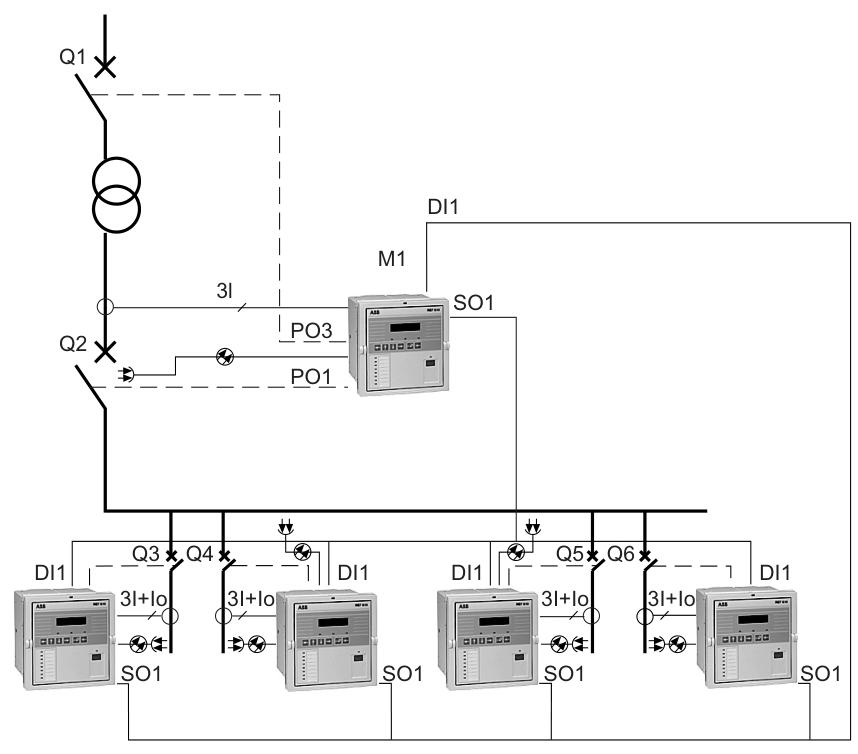
ABB REF610 Feeder Protection Relay

product overview

Purpose: REF610 is a multifunctional feeder protection relay mainly used for incoming and outgoing line protection in medium voltage distribution substations. It can also be used as backup protection for motors, transformers, and generators, and is suitable for industrial and utility applications.

Core functions: It has multiple protection functions such as overcurrent protection, ground fault protection, thermal protection, phase failure protection, circuit breaker failure protection, arc protection, automatic reclosing, etc. It supports real-time data monitoring, fault recording, and communication functions.

Technical Characteristics

Protection function:

Overcurrent protection: includes low setting stage (I>), high setting stage (I>>), and instantaneous stage (I>>>), supports definite time and inverse time (IDMT) characteristics, and can adapt to different fault scenarios.

Ground fault protection: Non directional, divided into low setting value (I0>) and high setting value (I0>>) stages, supporting IDMT characteristics.

Thermal protection: Simulate cable thermal overload and achieve overload warning and tripping by calculating the thermal capacity (θ>).

Arc protection: Detecting arcs through optional light sensors, supporting single relay or multi relay linkage, and quickly tripping.

Automatic Recloser (AR): Supports 1-3 reclosures and can be configured with different dead time and reclosing sequences.

Measurement and Communication:

It can measure parameters such as three-phase current, grounding current, and phase imbalance with an accuracy of ± 3%.

Supports multiple communication protocols, including SPA bus IEC 60870-5-103、Modbus RTU/ASCII、DNP 3.0, Supports fiber optic or RS-485 interfaces.

Hardware and Interface:

Input/Output: 4 current inputs (supporting 1A/5A rated current), 2-5 digital inputs, 3 power outputs (PO), and 2-5 signal outputs (SO).

Communication module: Optional plastic fiber optic, glass fiber optic, RS-485 and other modules, supporting arc protection input.

Human Machine Interface (HMI): Equipped with an LCD display and navigation buttons, supporting multilingual password protection.

Specification parameters

rated voltage

Auxiliary voltage: AC 100-240V or DC 24-250V (different models are optional)

Rated current

Phase current: 1A or 5A; Grounding current: 0.2A/1A/5A (optional)

Working temperature: -10 ° C to+55 ° C (long-term), short-term can reach -40 ° C to+70 ° C

Protection level: Front IP54, Rear IP20

Communication speed

SPA/Modbus:9.6/4.8 kbps; IEC 103:9.6 kbps

Dimensions and Weight: Width 177mm, Height 177mm, Depth 149.3mm; Weight Approximately 3.5kg

Application scenarios

Power system: feeder protection for medium voltage distribution substations, including incoming, outgoing, and busbar protection.

Industrial automation: Overload and fault protection for motors, transformers, and generators, suitable for fields such as chemical, steel, and manufacturing.

Arc protection scenario: Arc detection and rapid tripping in air insulated metal armored switchgear to ensure the safety of personnel and equipment.

Smart grid: supports remote monitoring and communication, and can be integrated into substation automation systems (SCADA).

Installation and maintenance

Installation method: Supports semi embedded, wall mounted, or 19 inch rack installation, ensuring good ventilation and electromagnetic compatibility.

Maintenance points:

Regularly check the input/output wiring and communication module status.

Perform preventive maintenance (such as battery replacement and functional testing) every 5 years.

Configure parameters and read fault records through HMI or dedicated software (Relay Setting Tool).

Ordering Information

Model example: REF610C55HCNP01 (including RS-485 communication module, 5A phase current input, English interface).

Optional accessories: fiber optic communication module, arc light sensor, installation kit, front communication cable, etc.

Safety and Compliance

Certification: Compliant with IEC 60255, EN 55011, EMC 2004/108/EC and other standards, passed tests such as dielectric, surge, EMC, etc.

Safety Warning: Internal high voltage danger, requires installation by professional electricians to ensure reliable grounding and avoid static electricity damage to components.

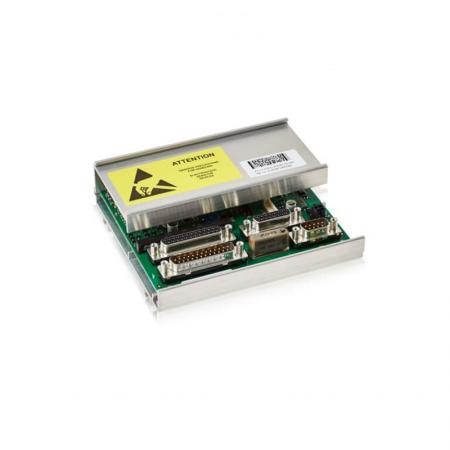
ABB 3HAC022286-001 Serial measurement unit DSQC 633

Product Overview

ABB 3HAC022286-001 Serial Measurement Unit DSQC 633 is a high-precision measurement device designed specifically for the industrial automation field, especially for robot control systems. It achieves real-time monitoring and feedback of robot motion status through precise collection and processing of sensor data, effectively improving the accuracy, stability, and safety of robot operation. It is widely used in automated production lines and complex industrial operation scenarios that require high precision.

Core functions

Multi type data collection: can connect multiple sensors, such as encoders, tilt sensors, etc., to collect data on robot joint angles, positions, velocities, etc., providing comprehensive information for robot motion control.

High precision data processing: Equipped with advanced algorithms, the collected data is filtered, calibrated, and analyzed to ensure the accuracy and reliability of the output data, meeting the requirements of high-precision operations.

Real time data transmission: The measurement data is transmitted to the robot controller in a stable and fast manner through a serial communication interface, achieving real-time data interaction and ensuring the dynamic response capability of the robot.

Fault diagnosis and warning: It has self diagnostic function, monitors its own working status in real time, and can issue warning signals in a timely manner when abnormalities occur, which facilitates maintenance personnel to quickly locate and solve problems, reducing downtime.

Working principle

DSQC 633 is connected to various sensors through a serial communication interface. The sensors convert the physical motion parameters of the robot (such as angle and displacement) into electrical signals and transmit them to the measurement unit. The signal conditioning circuit inside the measurement unit amplifies, filters, and preprocesses the original signal to eliminate interference and noise; Next, the analog-to-digital converter converts the analog signal into a digital signal, which is then analyzed and calculated by a microprocessor using specific algorithms to obtain accurate measurement results. Finally, the measurement unit transmits the processed data in real-time to the robot controller according to the established communication protocol. The controller adjusts the robot’s motion trajectory and posture based on this data to achieve precise control.

Key advantages

High precision measurement: With extremely small measurement errors, it can meet the precision requirements of applications such as precision manufacturing, ensuring the quality of product processing.

High reliability: Using high-quality components and mature designs, it has excellent anti-interference ability, adapts to complex industrial environments, and reduces failure rates.

Flexible adaptation: Supports multiple sensors and communication protocols, compatible with different models of robots and control systems, facilitating system integration and upgrading.

Easy to maintain: Modular design and intuitive fault diagnosis function enable maintenance personnel to quickly identify and replace faulty components, reducing maintenance difficulty and costs.

Precautions

Installation environment: It should be installed in a dry, well ventilated and non corrosive gas environment, avoiding high temperature, high humidity and strong electromagnetic interference, to prevent affecting measurement accuracy and equipment life.

Wiring specifications: Strictly follow the instructions for wiring to ensure a secure connection and avoid equipment damage or abnormal data transmission caused by wiring errors.

Regular calibration: To ensure measurement accuracy, the measuring unit needs to be calibrated regularly, and the calibration cycle can be determined according to the actual frequency of use and environment.

Power off operation: When installing, disassembling, or maintaining equipment, be sure to cut off the power supply to prevent electric shock and equipment damage.

Similar model supplement

DSQC 634: Similar in functionality to DSQC 633, but with upgraded communication interface types and data processing capabilities, suitable for large automated production lines with higher requirements for data transmission speed and compatibility.

DSQC 632: focuses on basic measurement functions, with relatively low prices, suitable for small and medium-sized enterprises or simple automation application scenarios that are cost sensitive and do not require extremely high measurement accuracy.

DSQC633 3HAC022286-001 Serial measurement unit ABB | saulcontrol

ABB DSQC332A Digital I/O Module

Product Overview

ABB DSQC332A is an advanced digital input/output module designed specifically for industrial automation systems, playing a critical role in signal interaction and control in various automation scenarios. Its design purpose is to provide reliable digital signal input and output functions for industrial equipment, ensuring efficient and accurate data transmission and instruction execution between devices, thereby improving the operational performance and stability of the entire automation system. Whether in complex production lines or process control systems that require strict control accuracy, DSQC332A can provide strong support for the smooth implementation of automated operations based on its own characteristics.

Brand background

ABB, as a global giant in the fields of electrical and automation technology, has a glorious history of over 130 years. In the long process of development, ABB has continuously invested in research and development resources, constantly innovated, and accumulated a profound technical foundation. Our business scope covers over 100 countries worldwide, serving numerous core areas such as energy, industry, transportation, and infrastructure. By relentlessly pursuing quality and steadfastly adhering to innovation, ABB has established an outstanding brand image, and its products and services are highly trusted by customers worldwide. The DSQC332A digital input/output module is a typical representative of ABB’s advanced technology and reliable quality, demonstrating the brand’s leading position and professional level in the field of industrial automation.

Specification parameters

product type:Industrial I/O modules

brand:ABB

model:DSQC332A

Channel:8 of them

Output channel:8 of them

working voltage :24V DC

Rated current value:0.5A per channel

Working temperature range:-25 ° C to+60 ° C

Storage Temperature Range:-40 ° C to+75 ° C

humidity:≤75%

communication protocol:Profibus DP

weight:0.25kg

External dimensions:Length 120mm x Width 90mm x Height 50mm

protection grade:IP20

authentication:Having international certifications such as UL, CE, CSA, etc

Core functions

Digital signal input and output: The module is equipped with 8 input channels and 8 output channels, which can accurately collect digital signals from external sensors, such as equipment operation status signals, position detection signals, etc., and output digital instructions issued by the control system to corresponding actuators, such as motor drivers, solenoid valves, etc., to achieve effective linkage and automation control between devices.

Data transmission and communication: Supports Profibus DP communication protocol, which is known for its high-speed and reliable data transmission characteristics, ensuring that DSQC332A can seamlessly interface and efficiently interact with other industrial automation equipment, such as programmable logic controllers (PLCs), industrial computers, etc., to ensure the overall coordinated operation of the system.

Working principle

In the input stage, when the external sensor generates a digital signal change, the input channel of DSQC332A will sense this change and convert it into an identifiable electrical signal inside the module. After undergoing internal circuit conditioning, amplification, and logical judgment, these signals are transmitted to the control system through the Profibus DP communication interface according to a specific communication protocol. In terms of output, the instructions issued by the control system are transmitted to DSQC332A through the Profibus DP communication link. The module parses the received instructions and then drives the circuit of the output channel to output corresponding digital signals to control the action of external actuators, thus completing the signal input and output loop in the entire automation control process.

Key advantages

High reliability: The module adopts high-quality electronic components and advanced manufacturing processes, fully considering the strictness of the industrial environment in its design. It has excellent anti-interference ability and can effectively resist adverse factors such as electromagnetic interference and power fluctuations, ensuring stable and reliable operation in complex industrial scenarios and greatly reducing the risk of system shutdown caused by module failures.

Strong compatibility: With support for the Profibus DP communication protocol, it can be easily integrated into various mainstream industrial automation system architectures. Whether it is upgrading existing systems or building new automation projects, it can achieve good compatibility with different brands and types of equipment, providing great convenience for system integrators and users.

Easy installation: The compact exterior design takes up less space, making it easy to install within limited control cabinet space. At the same time, standardized interfaces and wiring methods simplify the installation process, reduce installation difficulty, effectively shorten project implementation cycles, and improve engineering construction efficiency.

Stable performance: With a wide operating temperature range and humidity tolerance, DSQC332A can adapt to various harsh industrial environments, from cold northern factories to hot and humid southern workshops, maintaining stable performance and ensuring the continuity and consistency of automated production.

Precautions

Installation environment: It is necessary to install the module in a dry, well ventilated place, away from high temperature, high humidity, and strong electromagnetic radiation areas. High temperature environment may accelerate component aging, high humidity can easily cause short circuit faults, and strong electromagnetic interference may lead to signal transmission errors, affecting the normal operation of the module.

Wiring operation: Strictly follow the wiring diagram in the product manual to ensure that the wiring is firm and correct, and to avoid false or incorrect connections. Wiring errors may not only cause the module to malfunction, but also damage the module or other equipment, leading to safety accidents.

Power adaptation: Provide stable and compliant 24V DC power supply for the module to prevent voltage fluctuations beyond the allowable range. Unstable power supply may cause abnormal module operation and even damage internal circuits, so it is recommended to equip with high-quality power stabilizer devices.

Regular maintenance: Regularly inspect and maintain the module, including visual inspection (to check for physical damage, corrosion, etc.), functional testing (to verify whether the input and output signals are normal), etc. Timely clean the dust on the surface of the module, maintain good heat dissipation, ensure that the module is in the best working condition for a long time, and extend its service life.

Similar model supplement

DSQC332: As the basic version of DSQC332A, it is similar to DSQC332A in core functions and application scenarios, but DSQC332A has been optimized and upgraded in certain performance indicators such as anti-interference ability and communication speed. DSQC332 may be more suitable for small automation projects that are cost sensitive and have relatively low performance requirements.

DSQC652: Also a digital I/O module under ABB, DSQC652 has more input and output channels (usually 16 inputs and 16 outputs), suitable for complex automation systems that require processing large amounts of digital signals. Compared with DSQC332A, it has significant advantages in terms of channel quantity and processing capability, but may be relatively large in terms of volume and power consumption. Users need to choose based on factors such as the number of signal points required for the actual project, system space, and power consumption limitations.

ABB DSQC 328 3HAB 7229-1 Digital I/O Module

Search for products

Back to Top
Product has been added to your cart