
Call us 24/7uaedcs@163.com
Welcome to the official website of CNIACS Automation Technology Co., Ltd!
Call us 24/7uaedcs@163.com

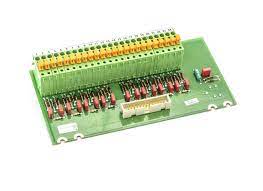
Xycom 96574-001 module circuit board 96529-001 8503

Product Overview

The 96574-001 module circuit board of Xycom and its related 96529-001 and 8503 PCB PWA programmable circuit boards are key components used for various control, monitoring, and data processing tasks in the field of industrial automation. These circuit boards, with their advanced design and reliable performance, are widely used in various complex industrial environments, providing strong support for the stable operation and efficient control of industrial systems.

Brand background

Xycom is renowned in the field of industrial automation and has long been committed to providing high-quality industrial computers, control modules, and related solutions to global customers. Over the years, through continuous technological innovation and product optimization, Xycom has established a good reputation in multiple industries such as automation, aerospace, and manufacturing. Its products are known for their excellent reliability, powerful functionality, and outstanding compatibility, and are a trusted brand by many industrial enterprises.

​Specification parameters

96574-001 module: Although comprehensive and detailed official specifications have not yet been obtained, it is speculated from its application scenarios that it may have multiple interface types for connecting other devices to achieve data exchange, and can operate stably within a specific voltage range (such as common industrial 24V DC voltage) to adapt to the power supply conditions of industrial sites.

96529-001: Although the specific parameters are not fully clear, there is a high probability of compatibility design with 96574-001 in terms of electrical characteristics, size specifications, etc. For example, it may have matching installation holes for joint installation in the equipment, and cooperate with 96574-001 in signal processing capabilities, such as having certain signal amplification and conversion capabilities to meet the signal requirements of the overall system.

8503 PCB PWA Programmable: As a programmable circuit board, it may support multiple programming languages or protocols for functional customization. From common similar products, it can be inferred that it may have storage units of a certain capacity (ranging from tens of KB to several MB) for storing programs and data, as well as high-speed data processing capabilities that can respond to and process external input instructions and data in a short period of time.

Core functions

96574-001 module: The main functions may focus on data acquisition and preliminary processing, such as collecting analog or digital signals from sensors and other devices, and performing simple preprocessing operations such as filtering and amplification on these signals. Then, the processed data is transmitted to other core components in the system for further analysis and decision-making.

96529-001: It is highly likely to be responsible for the execution of specific functions, such as in an automated production line control system, it may specifically control the action of a certain actuator, such as controlling the start stop, forward and reverse rotation, and speed adjustment of motors, to ensure the orderly operation of the production line.

8503 PCB PWA Programmable: With its programmable features, it can flexibly configure the control logic of the system. Users can set the flow of data, processing methods, and collaborative working modes between devices through programming according to actual application needs, greatly improving the adaptability and scalability of the system.

Working principle

96574-001 module: When external sensors or other devices transmit signals, the input interface on the module introduces the signals. Subsequently, the internal circuit processes the signal according to the preset logic, such as converting the analog signal to a digital signal through an analog-to-digital conversion circuit, amplifying and filtering the signal using components such as operational amplifiers, and finally transmitting the processed signal to subsequent modules through an output interface.

96529-001: This circuit board receives control instructions from other modules (such as 96574-001 module or system controller), which are transmitted to the internal control chip through the interface circuit. The control chip controls the connected actuator through the driving circuit based on the instruction content, such as sending control signals to the motor driver to achieve precise control of the motor and other equipment.

8503 PCB PWA Programmable: Users download the pre written program to the storage unit of the circuit board through programming software. When the system is running, the circuit board reads the program from the storage unit and processes the input data according to the logic set by the program. For example, based on input temperature, pressure, and other data, through algorithmic calculations in the program, corresponding control signals are output to the executing device to maintain the stable operation of the system.

Key advantages

High reliability: Designed and manufactured according to industrial standards, it can operate stably for a long time in harsh industrial environments such as high temperature, humidity, and strong electromagnetic interference, reducing equipment downtime and ensuring the continuity of industrial production.

Flexibility: The programmable features of the 8503 PCB PWA and the collaborative working mode between various circuit boards enable the entire system to be flexibly configured and adjusted according to different application scenarios and requirements, meeting diverse industrial control needs.

Strong compatibility: These circuit board cards from Xycom often have good compatibility and can be connected and communicated with various brands and models of industrial equipment, making them easy to integrate into existing complex industrial systems and reducing the difficulty of system upgrades and renovations.

Precautions

Installation environment: It is necessary to install the circuit board in a dry, well ventilated, and suitable temperature environment, avoiding installation in places with a large amount of dust, water vapor, or corrosive gases to prevent damage to the circuit board due to environmental factors.

Static electricity protection: When installing and maintaining circuit boards, operators need to wear protective equipment such as anti-static wristbands to avoid damage to precision electronic components on the circuit board caused by human static electricity.

Programming specifications: For the 8503 PCB PWA programmable circuit board, the programming process must strictly follow the programming specifications and manual requirements to ensure the accuracy and stability of the program and avoid system failures caused by programming errors.

Similar model supplement

Xycom XVME-560: This is a VMEbus PCB circuit board commonly used for data acquisition and processing tasks, playing an important role in industrial automation control systems with high data transmission rates and processing capabilities.

Xycom 82029 BC 82027-001-E: A PCB circuit board product belonging to Xycom, which may have similarities with 96574-001 in certain specific functions or application scenarios, such as signal processing, equipment control, etc., and can be used as an alternative in some scenarios.

Application scenarios

Industrial automation production line: used to control the operation of various equipment on the production line, such as controlling the movement of robots, the start stop and speed adjustment of conveyor belts, the workflow of processing equipment, etc., to achieve automation and intelligence of the production process.

Smart Factory: In smart factories, these circuit boards can be used for equipment status monitoring, data acquisition and analysis, and optimization control of production processes. For example, by collecting equipment operation data, analyzing the health status of the equipment, predicting faults in advance, and improving the production efficiency and product quality of the factory.

Energy management system: In the energy production and distribution system, it can be used to monitor and control the operation of energy equipment, such as power generation equipment, transmission equipment in the power system, refining equipment in the petrochemical industry, etc., to achieve efficient utilization and rational distribution of energy.

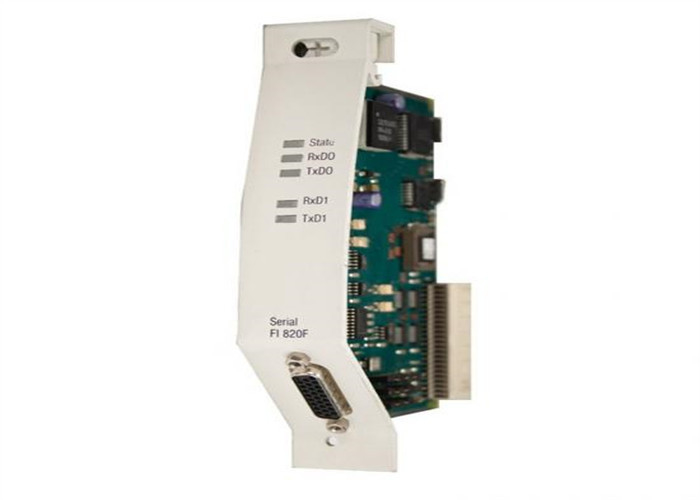
ABB 3BDH000031R1 FI 820F Fieldbus Module Serial

Product overview

ABB 3BDH000031R1 FI 820F is a fieldbus serial module designed specifically for industrial automation systems, and is an extension module for ABB AC 800M series controllers. Its core function is to achieve data exchange between controllers and field devices (such as sensors, actuators, and smart meters) through serial communication protocols (such as Modbus RTU, RS-232/RS-485), supporting the conversion of serial data into a format recognizable by industrial networks. It is a key component in building distributed control systems (DCS).

Technical Parameter

Communication protocol: Supports Modbus RTU, RS-232/RS-485, compatible with ASCII and RTU modes, with a maximum baud rate of 115.2 kbps.

Interface type: 2 serial interfaces (DB9 pin, configurable as RS-232 or RS-485), supporting full duplex/half duplex modes.

Electrical isolation: Channel to channel electrical isolation (2500V AC), resistant to electromagnetic interference (EMI) and radio frequency interference (RFI).

Data transmission: Supports point-to-point and multi drop topologies, connecting up to 32 slave devices.

Configuration tool: Use ABB Control Builder M software for parameter configuration, supporting GSD file import.

Physical specifications

Dimensions: 100mm (width) x 150mm (height) x 30mm (depth)

Weight: Approximately 0.2kg

Working temperature: -40 ° C~+70 ° C (industrial grade wide temperature design), humidity ≤ 95% RH (no condensation).

Protection level: IP20 (to be installed inside the control cabinet), in compliance with EN 61131-2 standard.

Core functions

Multi protocol conversion:

As a Modbus RTU slave or master, it enables protocol conversion between AC 800M controllers and third-party devices such as frequency converters and flow meters, supporting data mapping and format conversion (such as integers, floating-point numbers, ASCII strings).

Flexible configuration:

Each interface can be independently configured as RS-232 or RS-485, supporting different baud rates, data bits, stop bits, and parity methods (such as odd parity, even parity, and no parity).

Diagnosis and redundancy:

Built in LED status indicator lights (power, communication, error), real-time display of module operation status; Support redundant power input (optional) to improve system reliability.

Data caching and filtering:

Built in data buffer, supporting burst data caching and traffic control to avoid data loss; Configurable data filtering rules, only transmitting key parameters.

Working principle

Signal reception and analysis:

The module receives serial data from field devices through the RS-232/RS-485 interface, parses data frames according to a preset protocol (such as Modbus RTU), and extracts valid information (such as register addresses and data values).

Protocol conversion and forwarding:

Convert the parsed serial data into an industrial network data format recognizable by the AC 800M controller (such as ABB’s Control Network protocol), and transmit it to the controller for processing through the backplane bus.

Control instruction issuance:

Receive command data from the controller, package it in serial communication format (such as Modbus function code), and send it to the field device through the interface to achieve remote control (such as frequency converter start stop, parameter adjustment).

Key advantages

High compatibility:

Supports mainstream serial protocols, compatible with over 1000 third-party devices, reducing system integration complexity.

Reliability design:

Electrical isolation and wide temperature design, suitable for harsh industrial environments such as high temperature, high humidity, and strong electromagnetic interference.

Efficient data processing:

The high-speed processor supports real-time data transmission with a response time of ≤ 10ms, meeting real-time control requirements.

Easy to maintain:

Plug and play design, supports hot plugging (requires power-off operation), and module replacement does not require system reconfiguration.

Precautions

Installation and wiring:

Standard DIN Rail to be installed inside the control cabinet to ensure good ventilation; The RS-485 bus requires the use of shielded twisted pair cables with a terminal connected to a 120 Ω resistor.

Distinguish between RS-232 (full duplex) and RS-485 (half duplex) wiring methods to avoid module damage caused by polarity reversal.

Parameter configuration:

Use Control Builder M software to configure parameters such as slave address and baud rate to ensure consistency with the on-site equipment; Avoid multiple device address conflicts.

Troubleshooting:

When there is a communication failure, priority should be given to checking the physical connection (such as cable damage or loose terminals), followed by locating the problem through module indicator lights and software diagnostic tools (such as ABB diagnostic interface).

Similar model supplement

FI 820E 

Supports EIA-422 protocol, 4-wire full duplex communication, suitable for long-distance transmission (up to 1200 meters).  

Distributed control system, scenarios with large equipment spacing.

FI 830F 

Add USB interface, support local data storage and firmware upgrade, compatible with Modbus TCP protocol.

Scenarios requiring local data recording or remote firmware updates.

FI 810F 

Single channel design, lower cost, suitable for simple serial communication requirements.  

Small automation systems, such as single machine equipment control.

Application scenarios

manufacturing

Connect PLC with intelligent instruments (such as temperature controllers and pressure transmitters), collect process parameters in real-time and upload them to SCADA system.

In the automotive production line, control robots communicate with welding guns, fixtures, and other equipment through Modbus RTU protocol to achieve precise motion coordination.

Energy and Electricity:

In a photovoltaic power station, the operational data of the inverter (such as voltage, current, and power) is collected and summarized to the central controller through the RS-485 bus.

In the substation, connect smart meters and relay protection devices to achieve remote monitoring and fault diagnosis of power parameters.

Process control:

In the chemical reaction kettle, the opening of the regulating valve is controlled through Modbus protocol to regulate the material flow rate and achieve closed-loop control.

In sewage treatment plants, water quality analyzers (such as pH meters and flow meters) are connected to monitor treatment process parameters in real-time and adjust the operation status of dosing pumps.

Building automation:

In intelligent buildings, the serial data of integrated elevator controllers and air conditioning units is converted into BACnet protocol through FI 820F and connected to the building management system (BMS).

3BDH000031R1 ABB FI 820F Fieldbus Module Serial Communication Module

ABB SPHSS13 Hydraulic Servo Module

Product overview

ABB SPHHS13 is a high-performance hydraulic servo module designed specifically for industrial hydraulic control systems, belonging to ABB’s rich industrial automation product line. It is mainly suitable for Harmony Rack systems and plays a key role in many industrial scenarios. For example, in terms of turbine control, it can accurately regulate the opening of the steam valve of the turbine, effectively control the speed and output power of the turbine, and ensure stable power output; In wind turbine control, the pitch angle can be precisely adjusted based on environmental factors such as wind speed to achieve efficient utilization of wind energy. In addition, among various industrial automation equipment that require strict precision in position, speed, and torque control, SPHHS13 can also demonstrate its capabilities, providing strong support for the stable operation and precise control of the equipment.

Specification parameters

Physical specifications: The module size is exquisite, with a length of 297.18mm, a height of 35.56mm, a width of 175.26mm, and a weight of approximately 0.272kg or 0.28kg. This compact design enables it to flexibly adapt to various spatial conditions during equipment installation and layout, greatly reducing the occupation of internal space of the equipment and reducing the overall load of the equipment, which is conducive to efficient operation and convenient maintenance of the equipment.

Electrical parameters: The rated input voltage has good compatibility, generally 24V DC, and some data shows that it also supports 48V DC, with a power consumption of 25W. This electrical parameter design not only meets the power requirements for stable and efficient operation of the module itself, but also works within a reasonable energy consumption range, meeting the dual requirements of energy conservation and stable operation in industrial production.

Environmental adaptability parameters: The working and storage temperature ranges from -40 ° C to+85 ° C, demonstrating strong temperature adaptability. It can operate stably in both harsh outdoor environments and high-temperature industrial workshops. The protection level reaches IP67, with excellent dustproof and waterproof performance, which can effectively resist the erosion of external factors such as dust and water vapor, adapt to various harsh and complex industrial environments, ensure reliable operation under extreme working conditions, and maintain stable system operation.

Core functions

Redundant design ensures reliability: Equipped with redundant servo coils, this design is a key manifestation of its high reliability. During normal operation, two servo coils work together. When one coil fails due to electrical short circuit, overheating, or other reasons, the other coil can quickly and seamlessly take over the work, ensuring uninterrupted system control signals, maintaining stable operation of the hydraulic system, effectively avoiding system shutdown caused by key component failures, greatly improving the reliability and fault tolerance of the system, ensuring the continuity of industrial production, and reducing economic losses caused by equipment failures.

Multi sensor support: compatible with AC and DC linear variable differential transformers (LVDT). LVDT, as a high-precision displacement sensor, is commonly used in industrial production to accurately measure the position changes of mechanical components. SPHSS13 can adapt to different types of LVDTs and flexibly select the most suitable sensor for precise measurement and control based on actual measurement scenarios and accuracy requirements, providing rich choices for accurate measurement and control, meeting diverse measurement and control needs in complex industrial environments, and ensuring precise monitoring and control of hydraulic systems.

Flexible control mode: It has two control modes: proportional integral (PI) and pure proportional (P). In PI control mode, the module can effectively eliminate system static errors through proportional and integral calculations of system deviations, making the control process more precise and stable. It is particularly suitable for scenarios that require extremely high control accuracy and long-term stable operation, such as hydraulic control systems for precision machine tools. The pure proportional (P) control mode has an extremely fast response speed and can quickly adjust the control quantity according to changes in the system input signal. It plays a key role in situations where response speed is demanding and sudden changes need to be quickly responded to, such as hydraulic control of high-speed stamping equipment. It can quickly and accurately adjust the control strategy according to actual working conditions.

Working principle

Signal input and processing: External control signals, such as command signals from the automation control system, as well as real-time status signals of the hydraulic system detected by various sensors (such as position signals fed back by LVDT sensors, pressure signals transmitted by pressure sensors, etc.), are input together into the SPHHS13 module. The signal conditioning circuit inside the module will preprocess these input signals, such as filtering to remove noise interference from the signal, amplifying the signal amplitude to an appropriate range, ensuring the accuracy and stability of the signal, and providing reliable data basis for subsequent precise control operations.

Control operation and decision-making: The conditioned signal is transmitted to the microprocessor in the module core. The microprocessor performs complex operations on input signals based on preset control algorithms and the currently selected control mode (PI or P mode). For example, in PI control mode, the microprocessor continuously calculates the deviation between the actual state and the target state of the system, responds quickly to the deviation through a proportional term, adjusts the control quantity, and accumulates the deviation over a period of time through an integral term to eliminate system static errors and comprehensively obtain accurate control instructions to achieve precise control of the hydraulic system.

Signal output and execution: The control instructions generated by the microprocessor are output in the form of electrical signals to the servo valve drive circuit. The driving circuit amplifies the weak control signal and converts it into a strong electrical signal sufficient to drive the servo valve action. Servo valves accurately adjust the flow rate and direction of hydraulic oil based on received signals, thereby controlling the action of hydraulic actuators (such as hydraulic cylinders, hydraulic motors, etc.), achieving precise control of parameters such as pressure, flow rate, and position of the hydraulic system, and enabling industrial equipment to operate according to expected goals and accuracy.

Precautions

Installation environment: It must be installed in a dry and well ventilated place, away from water sources, steam, and corrosive gases, to prevent the module from experiencing a decrease in electrical performance or hardware damage due to moisture and corrosion. At the same time, it is necessary to avoid strong electromagnetic interference sources, such as large motors, frequency converters, and other equipment. If it cannot be avoided, effective electromagnetic shielding measures should be taken, such as using metal shielding covers to shield the module to ensure its normal operation and avoid electromagnetic interference.

Electrical connection: Strictly follow the product manual for electrical wiring, ensure the correct polarity of the power supply, and ensure that the input and output signal cables are firmly connected and well shielded. Use cables that meet the specifications, and the cross-sectional area of the cables should be able to meet the current transmission requirements, avoiding problems such as heating and excessive voltage drop caused by thin cables. For communication cables, it is necessary to follow the wiring specifications of relevant communication protocols. For example, PROFIBUS communication cables should use shielded twisted pair cables, and the terminals should be correctly connected to 120 Ω terminal resistors to ensure stable and reliable communication.

Parameter setting: When using or changing application scenarios for the first time, professional technicians should carefully set module parameters based on actual working conditions, using ABB’s matching programming software or debugging tools, such as control mode selection, sensor type configuration, control parameter (proportional coefficient, integration time, etc.) adjustment, etc. Incorrect parameter settings may lead to unstable system operation, decreased control accuracy, and even equipment damage. After the setup is completed, comprehensive debugging and testing are required to ensure that the module works properly and meets actual production needs.

Maintenance: Regularly inspect the appearance of the module to check for abnormal conditions such as dust accumulation, loose components, and damaged cables. If any are found, they should be cleaned, tightened, or replaced in a timely manner. Every certain period (such as six months or one year, depending on the actual usage environment and frequency), professional testing equipment is used to test the electrical performance of the module, including the accuracy of input and output signals, power stability, etc., in order to timely detect potential faults and hidden dangers. When a module malfunctions, it is necessary to first consult the fault code manual, analyze the cause of the fault, and avoid blind disassembly and repair. If it cannot be resolved by oneself, it is necessary to contact ABB’s professional after-sales technical support personnel for repair and treatment.

Similar model supplement

SPHSS12

Fewer channels, more compact size, and relatively lower price

Suitable for small industrial equipment with less demand for control channels, limited equipment space, and tight budgets, such as local hydraulic control units for small hydraulic machine tools and simple automated production lines

SPHSS15

It has higher control accuracy, supports more types of sensor access, and has richer functions, but the cost is relatively high

Mainly used in high-end industrial fields with extremely high requirements for control accuracy and functional diversity, such as ultra precision hydraulic control of semiconductor manufacturing equipment, microfluidic hydraulic control in high-end medical device production, etc

SPHSS13A

On the basis of SPHHSS13, the heat dissipation design has been optimized to adapt to working environments with higher temperatures

Suitable for industrial scenarios with high ambient temperatures, such as high-temperature workshops in steel smelters and hydraulic control systems around furnaces in glass manufacturing enterprises, to ensure stable operation in high-temperature environments

ABB CB801 3BSE042245R1 PROFIBUS DP panel

Product Overview

ABB CB801 3BSE042245R1 is a PROFIBUS DP communication panel designed specifically for industrial automation systems, used to connect operator panels (such as Panel 800 series) to the PROFIBUS DP bus. Its core function is to connect to the PROFIBUS network as a slave, support real-time data exchange, and be suitable for industrial scenarios that require efficient communication, such as manufacturing production lines, process control equipment, etc.

Technical parameters

Communication protocol: PROFIBUS DP V0 (compliant with EN 50170 standard), supports slave mode, adjustable baud rate from 9.6 kbps to 12 Mbps.

Interface type: 1 x PROFIBUS DP interface (9-pin D-sub, compliant with IEC 61158 standard), supporting shielded twisted pair connections.

Electrical isolation: Channel to channel electrical isolation, isolation voltage ≥ 500V AC, anti electromagnetic interference (EMI) and radio frequency interference (RFI).

Data transmission: Supports periodic data (process data) and non periodic data (parameter configuration) transmission, with a maximum input/output data size of 244 bytes.

Configuration tool: Use ABB Panel Builder 800 software for parameter configuration, supporting GSD file import.

Physical specifications

Size: Approximately 100mm (width) x 150mm (height) x 30mm (depth)

Weight: Approximately 0.2kg

Working temperature: -20 ° C~+60 ° C (industrial grade wide temperature design).

Protection level: IP20 (indoor installation), to be used in conjunction with panel protective casing.

​Core functions

PROFIBUS DP slave integration:

As a PROFIBUS DP slave, it can communicate with the master station (such as ABB AC800M PLC, third-party PROFIBUS master station) to exchange real-time equipment status, control instructions, and other data.

Support device address (station number) 0-126, set through panel dip switch or software.

Data mapping and real-time performance:

Support input/output data mapping, which can correspond the registers of the panel (such as variables and alarm status) with the PROFIBUS data area, achieving fast data exchange.

Real time response time ≤ 10ms, suitable for scenarios with high real-time requirements (such as motion control, fast process adjustment).

Diagnosis and maintenance:

Built in LED indicator lights (such as power, communication status, error alarms) facilitate quick on-site diagnosis of communication faults.

Support firmware upgrade, remotely updated through Panel Builder 800 software or PROFIBUS master station.

Installation and wiring

Installation method:

Directly insert into the expansion slot of the Panel 800 series operator panel, fix with screws, and support hot plugging (power-off operation required).

Wiring requirements:

PROFIBUS cables require shielded twisted pair cables with a wire diameter of ≥ 0.25mm ², and the terminal needs to be connected to a 120 Ω resistor.

Following the PROFIBUS wiring specification, pins 2/3 of the A/B line correspond to the interface, and the shielding layer is reliably grounded.

Configuration steps:

Select “PROFIBUS DP” as the communication protocol in Panel Builder 800, configure the slave address and data area length.

Import the GSD file of CB801 and map input/output variables to PROFIBUS addresses.

Add slave devices to the PROFIBUS master station, match baud rates and configuration parameters.

Application scenarios

Manufacturing automation:

Connect Panel 800 panel to PLC (such as ABB AC500) to achieve real-time monitoring and parameter adjustment of production line equipment, such as monitoring the status of robotic arms and sending control instructions in automotive assembly lines.

Process control industry:

In the chemical and food industries, as a human-machine interface, it is connected to the PROFIBUS network to monitor the temperature and valves of the reactor

ABB 57120001-P DSAI 130 Analog Input Board

Product overview

Model and positioning:

Model: DSAI 130, product ID 57120001-P, belongs to Analog Input Board, used for signal acquisition in industrial control systems.

Function: Provides 16 channel differential analog input, supports voltage (± 10V) and current (± 20mA) signals, with an accuracy of 0.025%, suitable for industrial scenarios that require high reliability and precision.

Applicable system:

Only applicable as spare parts for Safeguard safety controllers, MasterPiece 2×0 controllers, or scenarios with common mode voltage (CMV)>50V.

For standard process controllers (such as MP200/1, AC410/AC450/AC460) with CMV ≤ 50V, an upgraded version of DSAI 130A (3BSE018292R1) is required.

Technical Parameter

Input channel: 16 channels, differential input, supporting voltage/current signal switching.

Signal range:

Voltage: ± 10V

Current: ± 20mA

Accuracy: 0.025% FS (full-scale error), ensuring high-precision data acquisition.

Isolation characteristics: Electrical isolation between channels, suitable for high common mode voltage environments (CMV>50V).

Communication and Interface: Compatible with ABB Safeguard and MasterPiece controllers, requiring a controller hardware license (HW License).

Physical specifications

Dimensions: 236.7mm (width) x 327.6mm (depth) x 14.4mm (height)

-Weight: 0.52kg

Environmental compatibility: Compliant with RoHS directive (exemption clauses: 2011/65/EU Article 2 (4) (c), (e), (f), (j))

-WEEE classification: Small equipment (external dimensions ≤ 50cm)

Spare parts kit: Supports multiple kit models (such as 3BNP000028R1, 3BSE010195R1, etc.), including input modules with different configurations.

Core functions

High precision analog signal acquisition:

Supports 16 channel differential input and can simultaneously collect multiple voltage or current signals, suitable for data acquisition of sensors such as pressure and temperature transmitters.

Differential input design suppresses common mode interference, improves signal stability, and is suitable for complex electromagnetic environments in industrial sites.

System compatibility:

Specially designed for ABB Safeguard safety controllers and MasterPiece 2×0 as spare parts replacement or system expansion.

It is necessary to match the hardware license of the controller to ensure that the software driver and function authorization are normal.

Fault diagnosis and protection:

Built in overvoltage protection and channel diagnostic functions can detect signal abnormalities (such as wire breakage and short circuit) and report faults through the controller.

Application scenarios

Safety critical systems:

The Safeguard safety controller is used in high-risk industries such as chemical and petroleum industries to monitor key process parameters (such as pressure and flow) and ensure compliance with safety standards.

High common mode voltage environment:

Suitable for industrial scenarios with CMV>50V (such as high-voltage power systems, large motor drive systems), directly collecting analog signals in high noise environments.

**Legacy system upgrade * *:

As a spare part for MasterPiece 2×0 controller, it supports maintenance and expansion of old systems, extending the system lifecycle.

Precautions

Selection restrictions:

Not suitable for low common mode voltage scenarios (CMV ≤ 50V) of standard process controllers (such as AC410), DSAI 130A model needs to be used instead.

When ordering, the hardware license number (HW License) of the controller must be specified to ensure compatibility.

Installation and maintenance:

It needs to be installed by professional technicians to ensure correct grounding and avoid electromagnetic interference affecting accuracy

ABB 57120001-P DSAI 130 Analog Input Board original new | 6G Controls

ABB 086329-003 ECS BOARD Digital Input Module

Product overview

ABB 086329-003 is a digital input module designed specifically for industrial automation systems, belonging to the ECS (Electronic Control System) series of ABB’s industrial control product family. Its core function is to convert the switch signals of external devices (such as buttons, sensors, relay contacts, etc.) into digital signals recognizable by the system, achieving real-time monitoring and data acquisition of industrial equipment status. This module is widely used in manufacturing, energy, process control and other fields, and is one of the fundamental components for building automation control systems.

Brand background

As a global leader in industrial automation, ABB’s digital input modules rely on over a century of accumulated electrical and automation technology, possessing high reliability, high precision, and strong compatibility. ABB’s ECS series products are known for their modular design and standardized interfaces, supporting seamless integration with ABB’s PLCs (such as the AC500 series), DCS systems, and third-party controllers, meeting diverse control needs from small and medium-sized equipment to large production lines.

Specification parameters

Number of input channels: 16

Input signal type: dry contact: no voltage contact

-Wet contact: DC 24V signal

Voltage range: DC 12-24V

Input impedance: ≥ 10k Ω)

Isolation characteristics: Electrical isolation between channels, isolation voltage ≥ 500V AC, resistance to electromagnetic interference (EMI) and radio frequency interference (RFI)

Response time: 0.1-50ms

Communication interface: Supports Modbus RTU/ASCII, Profibus DP, EtherNet/IP

Working temperature: -20 ° C~+60 ° C

Protection level: IP20 (indoor installation), optional IP67 protective shell

Physical dimensions: Standard rail installation: 100mm (width) x 150mm (height) x 120mm (depth)

Weight: Approximately 0.3kg

Core functions

Multi type signal acquisition:

Supports dry contacts (such as buttons and limit switches) and wet contacts (such as 24V DC sensors) input, compatible with mechanical contacts and electronic signals, and adaptable to various industrial equipment.

Built in filtering function, can set the debounce time (such as 1-50ms) to eliminate false signals caused by mechanical contact shaking or electromagnetic interference.

Real time status monitoring:

Each channel is equipped with LED indicator lights, which display the input status (on/off) in real time for on-site debugging and troubleshooting.

Support the “change detection” function, which only triggers data updates when the input status changes, reducing ineffective communication load.

System integration and communication:

Connect to Profibus or Ethernet network through bus adapter (such as ABB PP512) to transmit digital signals in real-time to PLC or upper computer.

Support redundant communication configuration to improve system reliability (such as dual bus connection).

Fault diagnosis and protection:

Built in overvoltage protection (such as surge suppression) to prevent transient voltage damage to the module;

Support channel disconnection detection and report fault codes (such as “channel open circuit” and “short circuit”) through the communication interface.

Working principle

Signal input and conditioning:

The external switch signal is connected to the module through the terminal block, and the dry contact signal directly detects the on/off of the contact. The wet contact signal is converted into a logic level (such as 24V → 5V) after being divided by a resistor. The conditioned signal is electrically isolated through a optocoupler to avoid external interference affecting the internal circuit.

Analog to digital conversion and encoding:

The isolated signal is converted into a digital quantity (0/1) by an analog-to-digital converter (ADC) and transmitted to the microprocessor through an internal bus. After filtering and deblurring the signal, the microprocessor encodes it into data frames according to the communication protocol (such as Modbus).

Data transmission and interaction:

The encoded data is transmitted to the controller (such as PLC) through a communication interface. The controller parses the data and updates the input mapping table for logical operations or status display. At the same time, the module can receive configuration instructions from the controller (such as filtering time, input type) to dynamically adjust parameters.

Key advantages

High reliability design:

Optoelectronic isolation technology ensures that channels do not interfere with each other, and the anti-interference ability meets the IEC 61000-6-2 standard;

Wide temperature working range and industrial grade component selection, suitable for harsh environments such as vibration, dust, electromagnetic interference, etc.

Flexible scalability:

Support hot swapping, modules can be replaced without shutting down;

Modular design can be combined with other ABB I/O modules (such as digital outputs and analog inputs) to build customized control systems.

Efficient integration capability:

Standardized communication protocols reduce integration difficulty and support plug and play functionality;

Compatible with ABB Control Builder software, it can quickly configure input parameters and diagnostic functions.

Cost optimization:

16 channel high-density design reduces cabinet space occupation;

Long lifecycle and low maintenance cost, suitable for large-scale deployment.

Precautions

Installation and wiring:

Ensure that the input signal type is consistent with the module configuration (dry contact/wet contact) to avoid damaging the module due to strong electrical connections;

Use shielded twisted pair cables to connect sensors to reduce electromagnetic interference, and the cable length should not exceed 50 meters (DC signal).

Parameter configuration:

Set the filtering time based on the sensor response speed (such as 0.1ms for high-speed pulse signals and 10ms for mechanical contacts);

When enabling the “channel redundancy” function, it is necessary to configure dual input signals in parallel to improve reliability.

Environmental requirements:

Avoid installing near strong electromagnetic sources (such as frequency converters and motors), and add metal shielding if necessary;

Long term high temperature environment requires good ventilation of the cabinet to avoid module overheating.

Maintenance suggestion:

Regularly check whether the terminal connections are loose and clean the surface dust of the module;

Regularly read fault logs using ABB diagnostic tools to detect channel anomalies in advance.

Similar model supplement

086328-002:

8-channel digital input module, smaller in size (50mm width), suitable for small control systems

Small machine tools, laboratory equipment, distributed I/O nodes

086330-001:

32 channel high-density module, supporting redundant power input

Large production lines, data centers, redundant control systems

086329-004:

Supports AC 110-230V input, compatible with AC signals (such as relay contacts)

Traditional relay control system, mixed voltage environment

086329-005:

Intrinsic safety type (Ex ia), suitable for flammable and explosive environments (such as chemical and petroleum industries)

Monitoring of equipment status in hazardous areas (such as explosion-proof sensors)

Application scenarios

manufacturing

Automobile production line: Monitor the limit switch and fixture positioning signal of the robotic arm to ensure assembly accuracy;

Electronic equipment manufacturing: Collecting vacuum adsorption status and component missing detection signals of SMT equipment to improve the assembly yield.

Process control industry:

Chemical reaction kettle: monitoring liquid level switch, temperature alarm contact, real-time feedback of process status;

Food packaging line: detect the presence of packaging materials sensors, complete sealing signals, and control the start and stop of the production line.

Energy and Infrastructure:

Power plant: Collect the opening and closing status of circuit breakers, generator speed switch signals, and connect them to the SCADA system;

Wastewater treatment plant: Monitor valve switch status and pump operation signals to achieve automated process control.

Warehouse logistics:

Automated three-dimensional warehouse: detecting shelf space sensors, conveyor belt deviation switches, optimizing cargo sorting logic;

AGV navigation system: receives collision detection signals from laser radar and triggers emergency parking control.

ABB 086349-002 Industrial Control Circuit Board

Product Overview

ABB 086349-002 industrial control circuit board is a key hub in industrial automation control systems, just like the human nervous system, responsible for accurately processing and transmitting various control signals, ensuring the stable and efficient operation of the entire industrial production process. It can work collaboratively with various industrial equipment, playing an important role in precise control of equipment and system status monitoring in complex environments such as industrial automation production lines and process control systems.

Technical parameters

(1) Electrical parameters

Working voltage: Supports 220V AC voltage input, which is a common industrial standard voltage, making it easy to connect to most industrial power supply systems. Whether it is independently operated small industrial equipment or complex power supply networks in large factories, it can stably obtain electrical energy to ensure the normal operation of the control board.

Output frequency: With an output frequency of up to 60KHZ, a higher output frequency means that the control board can quickly respond to control instructions and perform precise high-frequency control of the equipment. In some industrial scenarios that require extremely high control speed, such as real-time control of high-speed automated mechanical equipment, it can ensure accurate and smooth operation of the equipment, avoiding production errors or equipment failures caused by control delays.

(2) Physical parameters

Size specifications: Although exact and unified information on specific dimensions has not been obtained yet, it is speculated from its application scenarios and the general situation of similar industrial control boards that its design will fully consider the limited space layout inside the industrial control cabinet, and most likely adopt compact and standardized external dimensions to facilitate flexible installation in various industrial equipment. For example, it may be similar in size to common industrial control boards, with length, width, and height within a certain standard range, making it convenient to combine and assemble with other equipment modules, improving the integration and space utilization of industrial control systems.

Weight: Due to the lack of clear data, referring to similar products, its weight should be relatively moderate, which can ensure that the control board has a certain stability after installation, will not cause shaking and affect performance during equipment operation due to being too light, and will not impose too much burden on equipment installation and maintenance due to being too heavy, making it convenient for technical personnel to carry, install, and perform subsequent maintenance operations.

(3) Environmental parameters

Working temperature range: capable of stable operation within the temperature range of -10 ° C to+50 ° C, this wide temperature design makes it suitable for industrial sites with various environmental temperatures. Whether it is outdoor industrial facilities in cold regions or factory workshops in high-temperature environments, such as steel smelters, glass manufacturing plants, etc., they can operate normally to ensure that industrial control systems are not affected by environmental temperature changes and continue to work stably.

Protection level: Although no exact protection level identification has been found, considering its industrial application properties, it is speculated to have a certain level of protection capability, such as possibly reaching IP20 or above protection level. This means that it can effectively prevent dust from entering the interior of the control board, providing certain protection for the internal precision circuits, reducing the probability of circuit short circuits, poor contacts, and other faults caused by dust accumulation, and improving the reliability and service life of the control board in industrial environments.

Functional characteristics

(1) Signal processing function

Input signal processing: This control board can efficiently receive input signals from various sensors, transmitters, and other devices, which may include electrical signals converted from various physical quantities such as temperature, pressure, flow rate, and position. The control board will perform a series of processing operations such as filtering, amplification, and analog-to-digital conversion on these input signals to remove noise interference from the signals and convert them into digital signal forms suitable for internal circuit processing. For example, in the chemical production process, the weak electrical signal from the temperature sensor is input to the 086349-002 control board. The control board will first filter it to remove the clutter caused by electromagnetic interference in the industrial environment, and then amplify it to achieve an appropriate amplitude range. Finally, the analog signal is converted into a digital signal through an analog-to-digital converter for accurate analysis and processing in the future.

Output signal control: Based on the calculation results and control logic of the internal program, the control board can accurately output corresponding control signals for driving various actuators, such as motors, valves, relays, and other equipment. The types of output signals are diverse, including analog signals (such as 0-10V DC voltage signals, 4-20mA current signals) and digital signals (such as high and low level signals), which can meet the control needs of different types of actuators. On the automated assembly line, the control board can output digital signals to control the start and stop of the motor based on the detection results of the products, achieving precise sorting and conveying of the products; In intelligent warehousing systems, the speed and steering of electric forklifts are controlled by outputting analog signals to ensure safe and efficient cargo handling.

(2) Data transmission function

Internal data transmission: Within the control board, high-speed and stable data transmission can be achieved between various functional modules. Through advanced internal bus architectures such as high-speed SPI bus, I2C bus, etc., fast data exchange between modules such as microprocessors, storage chips, and input/output interface chips is achieved to ensure the processing and response speed of various signals on the control board. This efficient internal data transmission mechanism enables the control board to quickly perform data operations and processing when facing complex industrial control tasks, output control instructions in a timely manner, and ensure the continuity and stability of the industrial production process.

External data communication: Supports multiple standard external communication protocols, such as Modbus RTU/ASCII, Profibus DP, Ethernet/IP, etc., facilitating data communication and information exchange with other industrial devices. With the help of these communication protocols, the 086349-002 control board can easily connect with PLC, upper computer, human-machine interface (HMI) and other devices to achieve remote monitoring, parameter setting, fault diagnosis and other functions. In large-scale industrial automation projects, the control board can communicate with the PLC through Modbus protocol, upload real-time operating data of on-site equipment to the PLC, and receive control instructions sent by the PLC to achieve remote centralized control of on-site equipment; Connected to the upper computer through Ethernet/IP protocol, the upper computer operator can view the real-time operation status of the equipment, make remote parameter adjustments, and improve the intelligent management level of industrial production.

(3) Redundancy and reliability design

Redundancy function: With redundant attribute identification, it can achieve controller redundancy path design. This means that in the case of physical configuration redundancy, two network adapter cards can be connected to network ports on two communication modules, such as Net2 ports on two ACMs or two NCMs, or Net1 or Net2 ports on two CMs for specific application scenarios. Redundancy design greatly improves the reliability of the system. When one of the communication paths fails, the system can automatically switch to the backup path, ensuring uninterrupted data communication between the control board and other devices, thereby ensuring the continuous and stable operation of the industrial production process and avoiding production stagnation and economic losses caused by communication interruptions.

Reliability guarantee: In terms of hardware design, high-quality electronic components are selected and rigorously screened and tested to ensure their stability and reliability in complex industrial environments. At the same time, adopting multi-layer circuit board design, optimizing circuit layout, reducing electromagnetic interference, and improving the anti-interference ability of the control board. In terms of software, it is equipped with a comprehensive self checking program and fault diagnosis function, which can monitor the working status of the control board in real time. Once abnormalities are detected, such as hardware failures, communication errors, etc., timely alarm prompts can be given, and corresponding protective measures can be taken, such as automatic switching to backup equipment, saving current working data, etc., to minimize the impact of faults on industrial production and improve the reliability and availability of the entire industrial control system.

Working principle

(1) Signal input processing flow

When various sensors, transmitters, and other devices convert the collected physical quantity signals into electrical signals, these signals first enter the input interface circuit of the 086349-002 control board. The input interface circuit will perform preliminary preprocessing based on the type of signal (analog signal or digital signal). For analog signals, filtering, amplification, and other operations will be performed through signal conditioning circuits to improve the quality and stability of the signal. Next, the conditioned analog signal will enter an analog-to-digital converter (ADC) to convert it into a digital signal. The digital signal is then transmitted to the microprocessor on the control board, which analyzes, calculates, and processes the input digital signal according to preset programs and algorithms, and determines the current operating status of the industrial equipment.

(2) Control decision-making and signal output

After processing the input signal, the microprocessor will make corresponding control decisions based on the internal stored control logic and preset parameters. For example, in a temperature control system, if the microprocessor analyzes the input temperature signal and finds that the actual temperature is lower than the set temperature, it will calculate the required heating power based on the control algorithm and generate the corresponding control signal. These control signals will be transmitted to the output interface circuit, which converts the control signals into appropriate forms based on the type of signal and the requirements of the target actuator. For example, for motor control, PWM (Pulse Width Modulation) signals may be output to adjust the motor speed; For valve control, analog voltage or current signals may be output to control the opening of the valve. Ultimately, these control signals drive the actions of the executing mechanism, achieving precise control of industrial equipment and enabling the industrial production process to proceed according to expected goals.

(3) Principles of Communication and Data Interaction

When communicating with external devices, the 086349-002 control board establishes connections with other devices through its supported communication interfaces (such as RS-485, Ethernet, etc.) and communication protocols (such as Modbus, Profibus, etc.). When data needs to be sent, the control board packages and encapsulates the internally processed data according to the corresponding communication protocol format, and then sends it out through the communication interface. For example, when sending device operation data to the PLC, the control board will organize the data into the frame format specified by the Modbus protocol and transmit it to the PLC through the RS-485 interface. When receiving data from external devices, the control board parses the received data frames according to the communication protocol, extracts valid data, and transmits it to the microprocessor for subsequent processing. For example, when the upper computer sends new control parameters to the control board, the control board receives the data frame through the communication interface, parses it according to the corresponding protocol, and passes the parsed parameters to the microprocessor. The microprocessor adjusts the control strategy based on the new parameters to achieve remote control and parameter optimization of industrial equipment.

ABB 086345-504 digital output module

Product Overview

The ABB 086345-504 digital output module is designed specifically for industrial automation applications and is a key component for achieving precise control in industrial control systems. It can convert the digital signals emitted by the control system into corresponding electrical outputs, which are used to drive various industrial equipment and play an indispensable role in manufacturing and process control systems, helping enterprises achieve efficient and stable automated production.

Specification parameters

Electrical parameters

Voltage rating: Supports DC voltage input of 12-24V DC, which allows it to better adapt to different industrial power systems. Whether it is small automation equipment using 12V DC power supply or large industrial production lines using 24V DC power supply, it can operate stably.

Current rating: The current carrying capacity of each channel is 0.5A, which is sufficient to drive common industrial loads such as small relays, indicator lights, solenoid valves, etc., ensuring reliable driving signals for external devices in various application scenarios.

Physical parameters

Dimensions (length x width x height): Approximately 110 x 60 x 140 mm (with slight differences in data, this is a common size). The compact exterior design allows for easy installation within limited control cabinet space without taking up too much space resources, making it particularly suitable for industrial control systems with high spatial layout requirements.

Weight: Approximately 0.15kg. The lighter weight facilitates handling and operation during equipment installation and maintenance, reducing the difficulty of manual operation and minimizing installation inconvenience caused by module weight.

Communication and environmental parameters

Communication Interface: Equipped with RS-485 communication interface, this interface has good anti-interference ability and long-distance transmission characteristics, which can easily communicate data with other devices such as PLC (Programmable Logic Controller), upper computer, etc., realizing remote monitoring and control functions, and facilitating the integration of digital output modules into complex automation control systems.

Protection level: reaching IP20 protection level, it can effectively prevent dust from entering the interior of the module, provide certain protection for the internal circuit, and also resist a certain degree of slight splashing water. It is suitable for use in general industrial environments and ensures stable operation in common industrial production environments.

Working temperature range: The working temperature range is -20 ° C to+70 ° C, which allows it to not only work normally in industrial facilities in cold regions, but also operate continuously and stably in hot environments, adapting to temperature changes in different regions and industrial scenarios.

Core functions

Digital signal output

This module can accurately convert the digital signals sent by the control system into corresponding electrical output states, achieving switch control of external devices. For example, in an automated production line, the control instructions sent by the PLC can be used to control the start and stop of the motor, the opening and closing of valves, and other operations through the 086345-504 module, ensuring that the production process follows the predetermined logical sequence.

Multi channel control

It has 8 output channels, each of which can be independently controlled and can simultaneously drive multiple external devices, greatly improving control efficiency. In an industrial scenario where multiple actuators need to be controlled simultaneously, such as an automated packaging production line, different channels can control the sealing device, material conveying device, label pasting device, etc. of the packaging machine separately, achieving collaborative control of the entire packaging process and improving production efficiency and product quality.

Signal isolation and protection

Internally, electrical isolation technology is used to effectively isolate the internal circuits of the module from external load circuits, preventing interference signals from external circuits from entering the control system. At the same time, it also avoids damage to the module and control system caused by external load short circuits, overloads, and other faults, improving the stability and reliability of the system. For example, when an external solenoid valve experiences a short circuit fault, the signal isolation function ensures that the fault will not affect the normal operation of control systems such as modules and PLCs, reducing the risk of system failure.

Working principle

When the control system sends digital signal commands to the ABB 086345-504 digital output module, the module first receives these commands through the communication interface. The internal microprocessor parses and processes instructions, determines the output channels that need to be controlled, and the corresponding output states (high or low). Then, the microprocessor controls the conduction and cutoff of the power output devices (such as transistors, relays, etc.) of the corresponding channels through the driving circuit, thereby generating corresponding voltage signals at the output terminal to drive external devices to operate. Throughout the entire process, the signal isolation circuit always plays a role in ensuring electrical isolation between internal and external circuits, ensuring the stable operation of the system.

Key advantages

High reliability

By using high-quality electronic components and advanced manufacturing processes, and undergoing strict quality inspection processes, the module has excellent reliability. Whether in long-term continuous industrial production environments or frequent start stop application scenarios, it can stably output control signals, reduce equipment failure downtime, improve production efficiency, and reduce maintenance costs and production losses for enterprises.

​Easy to integrate

The design of this module fully considers compatibility with existing industrial control systems and can be easily integrated with automation equipment such as ABB and other brands’ PLCs and DCS (distributed control systems). Through the standard RS-485 communication interface and unified electrical interface specifications, simple hardware connections and software configurations are required during the system integration process to quickly integrate it into complex automation control systems, shortening the project development cycle and debugging time.

Strong flexibility

8 independent output channels and support for 12-24V DC voltage range make it highly adaptable in different industrial application scenarios. Users can flexibly configure the output function of each channel according to their actual needs, meeting various control task requirements from simple to complex. For example, in different types of industrial production lines, the equipment connected to each channel can be flexibly adjusted according to the requirements of the production process, achieving diversified control logic.

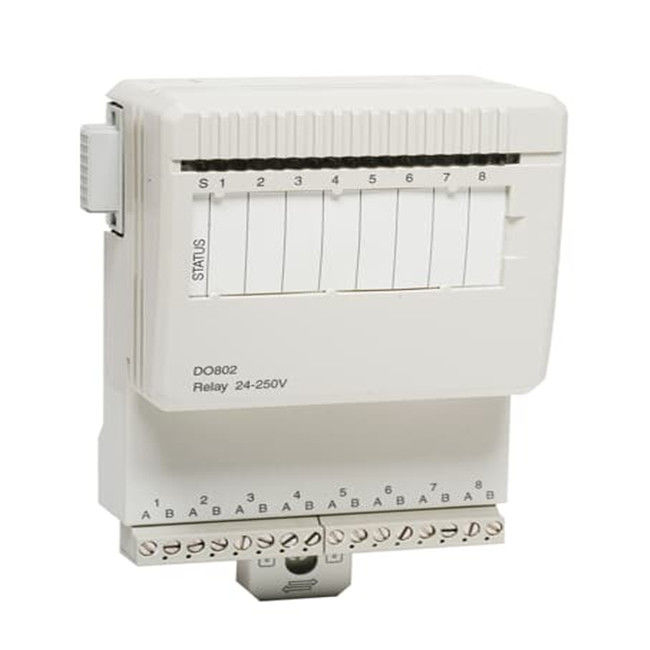
DO802 3BSE022364R1 ABB Digital Output Module

ABB PFCL201C 10KN Tension Controller

ABB PFCL201C 10KN Tension Controller

Product overview

The ABB PFCL201C 10KN tension controller is a high-precision tension control device designed specifically for industrial coil processing scenarios. It is mainly used to control the tension stability of coils (such as paper, film, metal strip, etc.) during the production process. Its core function is to ensure that the coil maintains a constant tension during the unwinding, rewinding, printing, coating and other process steps by monitoring and adjusting the tension in real time, avoiding problems such as stretching deformation, wrinkles or breakage.

Model analysis:

PFCL201C: Product series model, representing ABB’s tension controller product line;

10KN: The maximum tension control range is 10 kilonewtons (approximately 1000 kilograms of force), suitable for medium to high tension demand scenarios.

Brand background

As a global leader in industrial automation, ABB’s tension control products are widely used in industries such as papermaking, packaging, printing, and metal processing. With a century of technological accumulation, ABB tension controllers are renowned for their high precision, reliability, and flexible adaptability. They support seamless integration with ABB transmission systems (such as ACS880 frequency converters), PLCs (such as AC500 series), and SCADA systems, forming a complete automation solution.

Specification parameters

Parameter category details

Tension control range 0-10 kN

Measurement accuracy ± 0.5% FS, ensuring stable tension control

Input signal supports tension sensor signal, input type: 4-20mA/0-10V DC

Output signal analog output: 4-20mA/0-10V DC

Communication interfaces Modbus RTU/ASCII, Profibus DP, EtherNet/IP, supporting remote monitoring and parameter adjustment

Working voltage 24V DC (± 15%), power consumption ≤ 20W

Working temperature -10 ° C~+50 ° C

Protection level IP20, optional IP54 protection kit

Physical size standard guide rail installation size: 100mm (width) x 150mm (height) x 120mm (depth)

Core functions

Tension closed-loop control:

Real time collection of coil tension data through tension sensors, compared with the set value, outputs adjustment signals to the actuator (such as motor driver), forming a closed-loop control loop to ensure constant tension.

Support PID control algorithm, which can automatically optimize proportional, integral, and derivative parameters to meet different material and process requirements.

Multi mode switching:

Manual mode: directly set output values, suitable for equipment debugging or emergency intervention;

Automatic mode: Automatically calculate tension requirements based on parameters such as coil diameter and line speed, and dynamically adjust output;

Roll diameter calculation: Automatically calculate the remaining diameter of the coil through encoder signals or tension feedback to compensate for tension changes.

Fault diagnosis and protection:

Built in overload protection, sensor disconnection detection, over temperature alarm and other functions, supporting fault code display and historical record query, making it easy to quickly locate problems.

Human computer interaction:

Equipped with an LCD display screen or operation panel, it supports real-time display of parameters such as tension value, roll diameter, and operating status, and supports one click saving/restoring of parameters.

Working principle

Tension detection:

Tension sensors (such as rollers or cantilever beams installed in the coil path) convert mechanical tension into electrical signals (such as 4-20mA) and transmit them to the analog input module of PFCL201C.

Signal processing:

The controller filters, amplifies, and analog-to-digital converts the input signal, compares it with the preset tension value, and calculates the required adjustment amount through PID algorithm.

Perform adjustment:

The controller outputs analog signals (such as 4-20mA) to the frequency converter or servo driver to adjust the motor torque or speed, thereby changing the tension of the coil. For example:

When unwinding, if the tension is insufficient, increase the motor torque;

When winding, if the tension is too high, the motor speed will be reduced.

Key advantages

High precision control:

± 0.5% measurement accuracy and fast response capability (response time ≤ 50ms), suitable for high-end materials sensitive to tension (such as lithium battery separators, optical films).

Flexible compatibility:

Supports multiple sensor types and communication protocols, seamlessly integrates with ABB and third-party devices;

Adapt to different roll widths (such as 100-3000mm) and materials (such as plastic, metal, fiber).

Energy saving and efficient:

When used in conjunction with ABB frequency converters, it can achieve a “torque control mode” to avoid energy loss in traditional mechanical braking and improve system energy efficiency.

Easy to integrate:

Guide rail installation design and standardized communication interface, supporting plug and play, shortening project debugging cycle.

precautions

Installation requirements:

The tension sensor needs to be installed at the tension detection point of the coil (such as near the floating roller) to ensure that the direction of force is consistent with the axis of the sensor;

The signal cable between the controller and the sensor needs to be shielded and kept away from the power cable to reduce electromagnetic interference.

Parameter settings:

The zero and full-scale values of the sensor need to be calibrated for the first use;

According to the material and process requirements of the coil, set the PID parameters reasonably (such as increasing the integration time for high inertia coils).

Maintenance and upkeep:

Regularly clean the heat dissipation holes of the controller to avoid dust accumulation affecting heat dissipation;

Check the sensor installation firmware and cable connections every 12 months to ensure signal stability.

Similar model supplement

PFCL101C 5KN: Maximum tension of 5kN, smaller volume, lower cost

PFCL301C 20KN: Maximum tension 20kN, supports redundant design and high-speed communication (such as EtherCAT)

PFCL201D: Supports DC power supply (10-30V DC) and explosion-proof design

Application scenarios

Paper making and printing:

Control the tension of paper in the paper copying machine and printing machine to avoid paper breakage or overprinting deviation, and improve the yield of finished products.

Packaging industry:

The tension control of plastic film and aluminum foil in bag making machines and slitting machines ensures that the bag shape is neat and the sealing quality is stable.

Metal processing:

Constant tension control of steel and copper strips in rolling, longitudinal cutting, and coating production lines to reduce material tensile deformation.

In the field of new energy:

The tension control of processes such as coating of lithium battery electrodes and slitting of separators ensures the uniformity of material thickness and battery consistency.

Textiles and non-woven fabrics:

Tension control of yarns and non-woven fabrics in textile machinery to avoid wrinkling or breakage of fabrics and improve fabric quality.

ABB PFCL201C 10KN - ABB/瑞士 - 深圳长欣自动化设备有限公司

ABB 3HAC17484-otational ac motor M8

​product overview

Model analysis:

3HAC17484: A prefix for ABB robots or industrial motors, commonly used in ABB servo motors or AC induction motor products.

M8: represents the motor series, power level, or compatible model.

Product positioning:

Belonging to the category of Rotating AC Motor, it can be used in industrial robots, automated production lines, precision machinery drives, and other scenarios, and has the characteristics of high precision and high reliability.

Brand background

As a leading global manufacturer of industrial motors, ABB’s motor products include AC induction motors, servo motors, DC motors, etc., which are widely used in fields such as robots, machine tools, and conveyor systems.

Technical advantages: high efficiency and energy saving, low noise, long lifespan, supporting multiple control protocols (such as Profinet, EtherNet/IP), compatible with ABB and third-party control systems.

Conventional specification parameters

Parameter category: Typical value

Power range: possibly 0.1-5kW

Voltage/Frequency: Three phase 380-480V AC, 50/60Hz

Speed: The maximum speed can reach 3000-6000 RPM

Protection level: IP54/IP65

Insulation grade: F grade (temperature resistance 155 ° C)

Interface: Supports encoder feedback (such as EnDat 2.2, SSI), brake interface

Cooling method: self cooling or forced air cooling

Core functions

High precision drive:

Suitable for scenarios that require precise position control and speed adjustment, such as robot joint drive and precision machining machine tools.

Efficient and energy-saving:

Adopting permanent magnet synchronous or induction motor technology, the efficiency level can reach IE3/IE4, which meets energy efficiency standards.

Flexible control:

Support vector control (VC), direct torque control (DTC), compatible with ABB frequency converters (such as ACS880 series).

Reliability design:

High protection level, wear-resistant bearings, moisture-proof insulation treatment, suitable for harsh industrial environments.

Working principle

Electromagnetic induction principle:

The stator winding is fed with three-phase AC power to generate a rotating magnetic field, and the rotor conductor cuts the magnetic field lines to generate induced current, driving the rotor to rotate.

Control method:

By adjusting the power frequency and voltage through a frequency converter, precise control of motor speed and torque can be achieved.

Key advantages

High dynamic response: suitable for fast start stop and high-speed motion scenarios (such as robot grasping actions).

Low maintenance requirements: maintenance free design, long lifecycle, and reduced downtime costs.

Compact design: small size, high power density, saving installation space.

Strong compatibility: compatible with ABB robot controllers (such as IRC5) and third-party automation systems.

Application scenarios

Industrial robot:

As a robot joint motor, it is used for axis drive of IRB series robots to achieve precise motion control.

automatic production line:

Drive conveyor belts, sorting equipment, packaging machinery, etc., supporting high-speed and continuous operation.

Precision machining equipment:

CNC machine tools, printing machines, and textile machinery require high speed accuracy and stability.

In the field of new energy:

Wind power variable pitch system, electric vehicle test bench, etc., to meet high reliability requirements.

precautions

Installation and wiring:

Ensure the coaxiality between the motor shaft and the load to avoid mechanical vibration;

Wiring must comply with EMC standards and shield cables to reduce interference.

Environmental requirements:

Working temperature: -10 ° C~+40 ° C (if exceeded, forced cooling is required);

Humidity: ≤ 90% RH (no condensation).

3HAC17484-8108 ABB Rotary AC Motor M8 - Shenzhen Changxin

Search for products

Back to Top
Product has been added to your cart