
Call us 24/7uaedcs@163.com
Welcome to the official website of CNIACS Automation Technology Co., Ltd!
Call us 24/7uaedcs@163.com

Xycom 602939-01 XVME-203/293 Counter Module 70203-00

Xycom 602939-01 XVME-203/293 Counter Module 70203-00

Overview

The XVME-203 is a single-high, VMEbus-compatible board, using two AM9513A timer/counter de

vices to provide a total of ten 16-bit counting channels. 

The timer/counter devices are fully program mable and capable of counting at a rate of up to 5 MHz. 

In conjunction with the timer/counter devices,the XVME-203 employs an AM9519A Universal

Interrupt Controller to provide a complete interrupt structure via eight interrupt channels. 

This interrupt structure allows for the selection of either a fixed interrupt vector for all eight channels or a separate vector for each individual channel.

The XVME-203 can also be used for a quadrature detection.  

Advanced encoding circuitry allows the module to be used with as many as four quadrature transducers simultaneously.

Eight output channels (ten on the XVME-293) are available to provide a variety of utility functions

including: frequency output, one-shot output, fre quency division, and pulse generation.

Features

• High density digital I/O

• Single Eurocard size

• Bidirectional operation

• Buffered inputs and outputs

• Handshaking

• VMEbus interrupts

• Two 16-bit timers

Applications

• Translators for stepper motors

• Flow meters (turbine type)

• Voltage frequency converters

• Voltage-to-pulse width converters

• Duty-cycle control of heaters

• Quadrature encoders

Product Overview

Xycom 602939-01 XVME-203/293 Counter Module 70203-00 is a powerful counter module launched by Xycom, belonging to the XVME series products. This module is mainly used for precise counting and measurement of pulse signals, playing an important role in industrial automation, testing and measurement, motion control and other fields. By counting, measuring frequency, and measuring period of input pulse signals, accurate counting and timing information is provided to the system, helping to achieve precise control and monitoring functions.

Specification parameters

Input channels: Typically equipped with multiple independent counting input channels, there may be 4-8 high-speed counting channels, each of which can independently count and measure input pulse signals to meet multitasking processing requirements.

Counting range: With a wide counting range, it can achieve 32-bit or 64 bit unsigned counting, with a maximum counting range of 4294967295 (32-bit) or 1844674407909551615 (64 bit), ensuring accurate counting in various application scenarios.

Input signal type: It supports multiple input signal types, including TTL level signal, differential signal, etc., and can adapt to output signals of different sensors and equipment, with good compatibility. The frequency range of the input signal can generally reach several tens of kHz to several MHz, for example, it can support high-speed pulse input signals up to 5MHz, meeting the needs of high-speed counting and measurement.

Output function: Some models may have output functions, such as pulse output, comparison output, etc. The output signal can be used to trigger other devices or as a control signal to achieve collaborative work with external devices. The type and parameters of the output signal can be configured according to actual needs.

Communication interface: It may be equipped with standard communication interfaces such as RS-232, RS-485, Ethernet interfaces, etc., to facilitate data exchange and communication with other devices or control systems. Through the communication interface, the status and data of the counter can be read in real time, and the counter can also be remotely configured and controlled.

Working power supply: Powered by a DC power supply, the common working voltage range is+5V DC ± 5%,+12V DC ± 5%, or+24V DC ± 5%, depending on the product model. The power input has overvoltage and undervoltage protection functions to ensure that the module works properly in unstable power environments.

Working temperature range: capable of stable operation in harsh industrial environments, with a general working temperature range of -40 ℃ to+85 ℃ and a storage temperature range of -55 ℃ to+125 ℃, suitable for environmental conditions in different regions and industrial sites.

Core functions

Counting function: It is the core function of this module, which can accurately count the input pulse signals. Supports multiple counting modes, such as add count, subtract count, add/subtract count, reversible count, etc., and can be flexibly selected according to actual application needs. It can record the number of pulses in real-time and store the counting results in an internal register for the system to read and process.

Frequency measurement: It can accurately measure the frequency of the input pulse signal by counting the pulses within a certain period of time and calculating the frequency value of the signal based on the time interval. High measurement accuracy, able to meet the requirements of high-precision frequency measurement, widely used in fields such as motor speed measurement and vibration frequency monitoring.

Cycle measurement: In addition to frequency measurement, it can also measure the cycle of input pulse signals. By recording the time interval between adjacent pulses, the period of the signal can be calculated, providing important data for analyzing the characteristics of the signal.

Trigger function: It has multiple triggering methods, such as software triggering, hardware triggering, external triggering, etc. Accurate timing and control functions can be achieved by initiating counting, measurement, or output operations based on set triggering conditions. For example, when the input signal reaches the preset counting threshold or meets specific triggering conditions, the module can output a triggering signal to control the actions of other devices.

Data processing and storage: Internally integrated with a data processing unit, it can perform simple processing and analysis on the collected counting and measurement data, such as filtering, averaging, etc., to improve the accuracy and reliability of the data. At the same time, it has a certain data storage capacity, which can store historical counting data and measurement results, making it convenient for users to conduct data analysis and troubleshooting.

Working principle

Xycom 602939-01 XVME-203/293 Counter Module 70203-00  Receive pulse signals output by external devices (such as sensors, encoders, etc.) through input channels. When the pulse signal is input to the module, the internal counting circuit counts the pulse according to the set counting mode and stores the counting result in the corresponding register. For the frequency and cycle measurement function, the module works in conjunction with a timer and counter to count the input pulses within a certain period of time, and calculates the frequency and cycle values based on the counting results and time intervals. When the triggering conditions are met, the triggering circuit will generate corresponding triggering signals to control the output circuit or communicate with external devices. The module is connected to the external control system through a communication interface, transmitting counting, measurement, and status data to the control system, while receiving configuration and control instructions sent by the control system, achieving remote operation and management of the module.

Key advantages

High precision and high speed: Advanced counting and measurement technology is used to achieve high-precision counting and fast signal processing. Whether it is low-speed or high-speed pulse signals, it can accurately count and measure, ensuring the accuracy and reliability of data, and meeting the requirements of industrial automation and testing measurement for high precision and high speed.

Flexibility and Scalability: With rich functionality and flexible configuration options, users can choose different counting modes, triggering methods, communication protocols, etc. according to their actual application needs. At the same time, the module supports modular design, which can be easily combined and expanded with other XVME series modules to build more complex automation control systems, improving the adaptability and scalability of the system.

High reliability and stability: Using industrial grade components and strict production processes, the module undergoes rigorous testing and verification to ensure long-term stable operation in harsh industrial environments. Having good anti-interference ability, able to resist the influence of electromagnetic interference, power fluctuations and other factors, ensuring the accuracy of counting and measurement, reducing equipment failures and downtime.

Easy to integrate and use: Provides standard communication interfaces and a comprehensive software development kit (SDK) for easy integration with various control systems and software. Users can quickly implement module functions through simple programming and configuration, reducing development difficulty and costs. At the same time, the module is equipped with detailed user manuals and technical documents, providing users with comprehensive technical support and usage guidance.

​Precautions

Installation and wiring: When installing modules, ensure that the installation environment is dry and ventilated, and avoid installing in environments with high temperature, humidity, corrosive gases, or strong electromagnetic interference. Strictly follow the requirements of the user manual for wiring, ensure correct power wiring, avoid reverse polarity or short circuit of the power supply, and prevent damage to the module. For the wiring of input and output signals, attention should be paid to matching the signal type and level to avoid module malfunction caused by signal mismatch.

Parameter configuration: Before using the module, it is necessary to correctly configure various parameters according to actual application requirements, such as counting mode, triggering method, communication protocol, etc. When configuring parameters, carefully read the user manual to ensure that the parameter settings are correct and error free. To avoid module malfunction or inability to meet application requirements due to parameter configuration errors.

Communication and compatibility: When communicating with other devices, ensure the compatibility of communication interfaces and protocols. Check if the connection of the communication cable is secure and if the communication parameters (such as baud rate, data bits, parity bits, stop bits, etc.) are set consistently. If there is a communication problem, you can refer to the troubleshooting guide in the user manual for inspection and resolution.

Maintenance and upkeep: Regularly inspect and maintain the module, clean the dust and dirt on the surface of the module, and ensure good heat dissipation of the module. Check if the wiring of the module is loose or aged, and replace it promptly if there are any problems. When the module is not used for a long time, it should be stored in a dry and ventilated environment to avoid moisture and damage. If the module malfunctions, it is necessary to promptly contact Xycom’s technical support personnel or professional maintenance personnel for repair. Do not disassemble and repair it yourself to avoid causing greater damage.

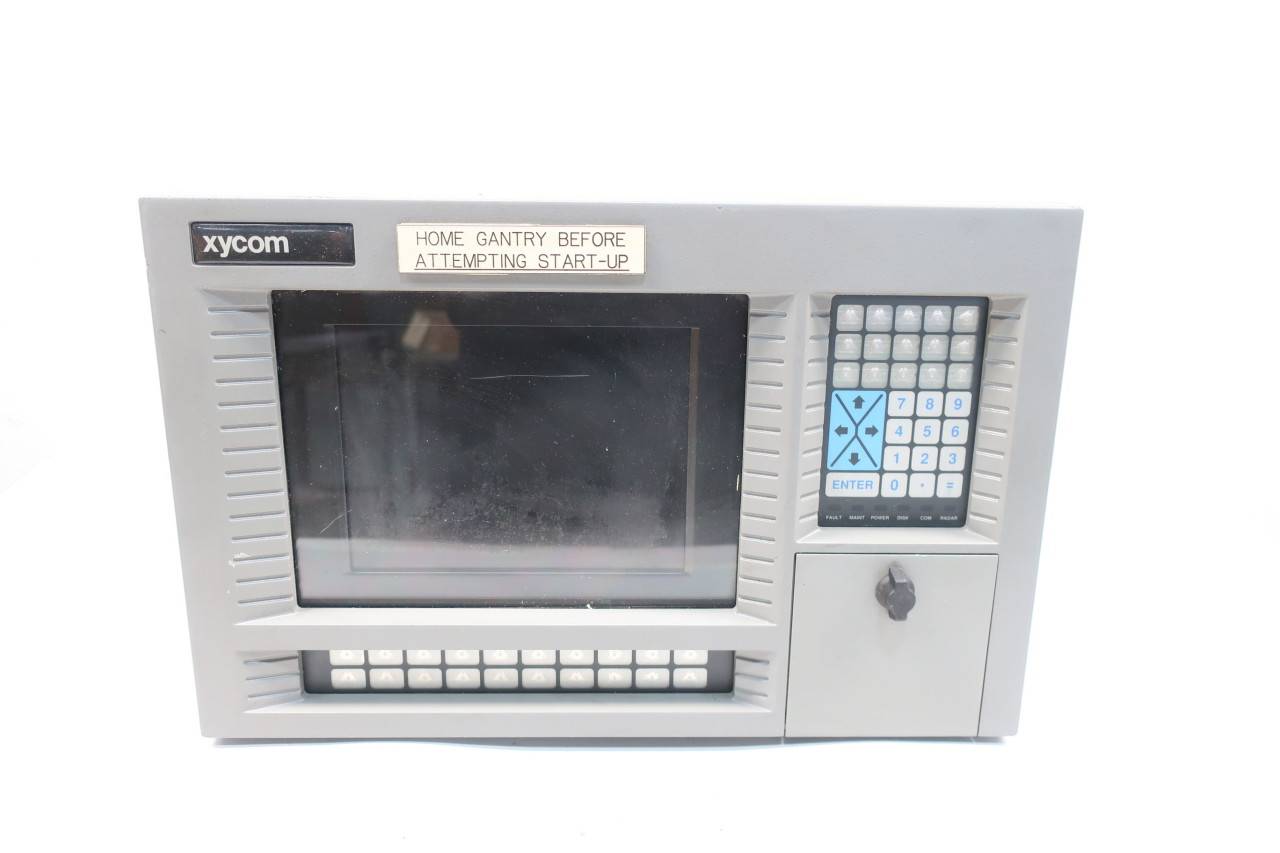
Xycom 93533-001 Rev A 93182A2 Port 3 Port 4 Platte

Product Overview

Xycom 93533-001 Rev A 93182A2 Port 3 Port 4 Platte is likely a device component used in industrial automation and other fields. From the model perspective, it may be a circuit board or module with specific functional interfaces launched by Xycom company. Normally, Xycom’s products are widely recognized in the industry for their reliability and efficiency. This product may also inherit brand characteristics and is designed to meet the needs of data transmission, control signal interaction, and other complex industrial environments. The label “Port 3 Port 4” implies that it may play a critical role in data input and output, enabling precise data communication and instruction transmission with other devices.

Specification parameters

Interface parameters

Port types: Port 3 and Port 4 may be multifunctional communication ports. It is speculated that Port 3 supports RS-485 communication protocol, with a maximum communication speed of 10Mbps, supports multi node connections, and can connect up to 32 devices. It is suitable for long-distance, multi device data transmission scenarios in industrial sites; Port 4 may be an Ethernet port that complies with the IEEE 802.3 standard and supports adaptive transmission rates of 10/100Mbps, enabling high-speed network communication with remote servers or control centers.

Other interfaces: may be equipped with 2 RS-232 serial ports for connecting debugging devices or specific low-speed sensors, with a communication speed range of 300bps -115200bps; There are also several digital input/output interfaces (DI/DO), such as 8-channel digital input and 8-channel digital output, supporting TTL level, which can be used to connect switches, relays and other devices to achieve simple logic control functions.

​Electrical parameters

Working voltage: DC power supply, voltage range of 9-36V DC, supports wide voltage input, with overvoltage and undervoltage protection functions. When the input voltage exceeds 38V DC or falls below 7V DC, the power will be automatically cut off to protect the internal circuit of the equipment.

Working current: Under normal working conditions, the typical working current is 200mA, and the maximum working current does not exceed 500mA, which can effectively reduce equipment energy consumption and heat generation.

Power consumption: The overall power consumption of the machine is less than 5W, which is energy-saving and environmentally friendly, suitable for long-term continuous operation.

Mechanical parameters

Dimensions: Adopting a compact design, the dimensions are 100mm x 80mm x 25mm (length x width x height), making it easy to install in narrow spaces such as industrial control cabinets and equipment racks.

Installation method: Supports two installation methods: rail installation and panel installation. The rail installation complies with the standard 35mm DIN rail, making it easy to install and disassemble quickly; The panel installation can be fixed to the equipment panel with screws, ensuring a stable and reliable installation.

Environmental parameters

Working temperature: capable of stable operation within the temperature range of -20 ℃ to 60 ℃, adapting to temperature changes in different regions and industrial environments. In high-temperature environments, the internal heat dissipation design of the equipment ensures the normal operation of components; In low-temperature environments, it can quickly start without additional preheating.

Storage temperature: The storage temperature range is -40 ℃ to 85 ℃, which can be stored for a long time under extreme temperature conditions without affecting device performance.

Humidity: Relative humidity of 5% -95% (without condensation), even in humid industrial environments, it can effectively prevent internal circuits from being damaged by moisture.

Protection level: The shell protection level reaches IP20, which can prevent objects with a diameter greater than 12.5mm from entering the interior of the equipment. At the same time, it has a certain dust-proof ability, meeting the requirements of general industrial environments.

Performance parameters

Data processing capability: Equipped with a high-performance processor, it can quickly process collected data and perform real-time filtering, conversion, and calculation on input analog data. The data processing speed can reach over 1000 times per second, ensuring the timeliness and accuracy of the data.

Data storage: Equipped with 512KB non-volatile memory, it can store device configuration information, historical data, etc. In the event of a power outage, the data can be saved for more than 10 years, making it convenient for users to query and analyze data.

Technical characteristics

Data transmission capability: Given its application in industrial environments, it may support high-speed and stable data transmission protocols. For example, it can quickly and accurately transmit large amounts of sensor data, ensuring the integrity and accuracy of the data during transmission, and avoiding production accidents or equipment failures caused by data loss or errors.

Interface compatibility: In order to facilitate connection with various industrial devices, it may have multiple standard interface types. Common RS-232 and RS-485 serial port interfaces are used to connect devices that are closer in distance; Alternatively, it can have an Ethernet interface to achieve high-speed communication with remote devices and control systems, facilitating the construction of large-scale industrial automation networks.

Reliability design: In industrial scenarios, equipment needs to cope with complex environmental factors such as electromagnetic interference and temperature changes. Therefore, the product may use industrial grade electronic components with good anti-interference ability and a wide temperature working range, such as stable operation at ambient temperatures ranging from -20 ℃ to 60 ℃, ensuring long-term reliable operation in harsh industrial environments.

Xycom 9485 Operator Interface Panel

MOTOROLA F7509/V103/V367 Remote Terminal Unit

Product Overview

MOTOROLA F7509/V103/V367 Remote Terminal Unit (RTU) is a device launched by Motorola for remote data acquisition and control. It plays a key role in many fields such as industrial automation, energy management, and intelligent transportation. It can collect real-time data from on-site equipment, transmit this data to remote control centers, and receive instructions from the control centers to achieve remote operation and management of on-site equipment. Through such bidirectional data exchange, the automation level and management efficiency of the system have been greatly improved.

Brand background

Motorola, as a well-known brand in the field of communication, has a long history and profound technological accumulation. For many years, Motorola has been committed to the research and innovation of communication technology, and has achieved numerous breakthroughs in various fields such as wireless communication and mobile devices. Its products are renowned for their high performance and reliability, and have been widely used and recognized worldwide. In terms of remote terminal unit products, Motorola continuously launches RTU products that meet the needs of different industries with advanced technology and precise grasp of market demand, providing strong support for the automation and intelligence development of various industries.

Specification parameters

There may be some differences in specifications between different models of MOTOROLA F7509/V103/V367. The following are common parameters:

Input/output interface: It has rich digital input (DI) and output (DO) interfaces, such as 16, 32 or even more digital input/output channels, which can be used to connect various switches, sensors, relays and other devices. Equipped with both analog input (AI) and output (AO) interfaces, it can collect analog signals such as temperature, pressure, flow rate, etc., and output corresponding analog control signals. Common analog interfaces may have 4 or 8 channels.

Communication Interface: Supports multiple types of communication interfaces, including RS232 and RS485 serial communication interfaces, which can be used to connect serial devices and achieve short distance data transmission; Ethernet interfaces can be used for high-speed and long-distance data communication, supporting network protocols such as TCP/IP; In addition, it is possible to integrate wireless communication modules, such as supporting mobile communication networks such as GPRS and 4G, to facilitate remote communication in areas without wired network coverage.

Working power supply: It can usually adapt to a wide range of power supply voltages, such as DC 9-36V, to meet the needs of different on-site power supply conditions. Some models also have functions such as power reverse protection, overvoltage and overcurrent protection, ensuring stable operation of the equipment in complex power environments.

Working temperature range: capable of working normally in harsh environmental temperatures, with a general working temperature range of -40 ℃ to+70 ℃, meeting the requirements of various complex environments such as industrial sites and outdoors.

Core functions

Data collection: capable of real-time collection of various data from on-site equipment, including equipment operating status, process parameters, environmental parameters, etc. Through high-precision sensor interfaces, analog data can be accurately collected and digital signals can be quickly detected to ensure that the collected data truly reflects the actual situation on site.

Data transmission: The collected data is transmitted to the remote control center in a timely and accurate manner through various communication methods. Supporting reliable data transmission protocols to ensure the integrity and accuracy of data during transmission, even in unstable network signals, data caching and retransmission mechanisms can be used to prevent data loss.

Remote control: Receive instructions sent by the remote control center to remotely operate on-site equipment, such as starting or stopping equipment, adjusting equipment operating parameters, etc. Capable of rapid response, ensuring timely execution of control instructions and achieving real-time control of on-site equipment.

Alarm function: Built in alarm detection mechanism, which can analyze the collected data according to preset thresholds. When data exceeds the normal range or equipment malfunctions, an alarm signal is immediately triggered and the alarm information is sent to the control center so that staff can take timely measures to solve the problem and ensure the safe and stable operation of the system.

Working principle

The MOTOROLA F7509/V103/V367 RTU is connected to various sensors and devices on site through input interfaces. Sensors convert physical quantities on site, such as temperature and pressure, into electrical signals. The input module of the RTU collects and converts these signals, converts them into digital signals, and transmits them to the central processing unit (CPU). The CPU processes, analyzes, and stores the collected data, and sends control signals to on-site devices through output modules based on preset logic and received remote control instructions, achieving control operations on the devices. In terms of data communication, RTU establishes a connection with the remote control center through communication interfaces and corresponding communication protocols, packages and sends the collected data to the control center, and receives instructions returned by the control center to complete the data exchange process.

Key advantages

High reliability: Adopting industrial grade design and manufacturing processes, high-quality electronic components are selected in hardware, with good anti-interference ability and stability. After rigorous testing and verification, it can operate stably for a long time in harsh industrial environments and complex electromagnetic interference environments, ensuring the reliable operation of the system and reducing equipment failures and downtime.

Flexible Scalability: With a modular design structure, users can flexibly choose and expand input/output modules, communication modules, etc. according to their actual application needs. Facilitate the system to expand and upgrade its functions based on business development or process changes in the later stage, reduce system upgrade costs, and improve system adaptability.

Powerful communication capability: supports multiple communication methods and protocols, and can seamlessly connect and communicate with different types of devices and systems. Efficient and stable data transmission can be achieved in both wired and wireless network environments, meeting communication needs in different scenarios.

Easy to maintain and manage: The equipment has complete self diagnosis and fault monitoring functions, which can timely detect its own problems and provide feedback to maintenance personnel through indicator lights, alarm information, and other means. At the same time, it provides a simple and easy-to-use configuration and management interface, making it convenient for users to set device parameters, monitor status, and perform maintenance operations, reducing the difficulty and management costs of device maintenance.

Precautions

Installation environment: It should be installed in a dry, ventilated, and non corrosive gas environment, avoiding direct sunlight and severe vibration. The installation location should be far away from strong electromagnetic interference sources, such as large motors, transformers, etc., to ensure the normal operation of the equipment. When installing outdoors, protective measures should be taken, such as using waterproof and dustproof cabinets to prevent rainwater, dust, etc. from entering the interior of the equipment and affecting its performance.

Power connection: Ensure that the power connection is correct and secure, pay attention to the polarity of the power supply, and avoid reverse connection. Before connecting to the power supply, it is necessary to check whether the power supply voltage meets the equipment requirements to prevent damage to the equipment due to high or low power supply voltage. For devices that require an external power adapter, the original adapter should be used to avoid using inferior or mismatched adapters.

Communication settings: When setting up communication, it is necessary to carefully check the communication parameters, including baud rate, data bits, parity bits, stop bits, etc., to ensure that they are consistent with the communication parameters of the connected device or system. If using wireless network communication, attention should be paid to signal strength and stability to avoid communication interruption or data transmission errors caused by weak signals. Regularly inspect communication lines for damage, looseness, and other issues to ensure the reliability of communication.

Software upgrade: When upgrading device software, important data in the device should be backed up in advance to prevent data loss during the upgrade process. Strictly follow the upgrade guide provided by the equipment manufacturer to ensure a smooth upgrade process. After the upgrade is completed, it is necessary to conduct a comprehensive test of the equipment to check whether its various functions are normal, in order to avoid equipment failures caused by software upgrades.

Feeder REMOTE Terminal UNIT, recloser Controller สำหรับ outdoor ...

MOTOROLA F7509/V102/V367 Remote Terminal Unit

MOTOROLA F7509/V102/V367 high performance Remote Terminal Unit

Excellent performance parameters

(1) Powerful processing capability

The F7509/V102/V367 is equipped with a high-performance processor that can quickly process large amounts of real-time data. Taking F7509 as an example, complex logical judgment and data processing tasks can be completed in a short period of time, such as real-time analysis of numerous sensor data on industrial production lines, ensuring timely response to parameter changes in the production process. This powerful processing capability enables the RTU to operate stably and efficiently in the face of large-scale and highly complex SCADA (Supervisory Control and Data Acquisition) systems.

(2) Rich and precise I/O interfaces

Digital input interface: The digital input interface can accurately collect the switch status of external devices, such as the start and stop signals of motors, the opening and closing signals of valves, etc. The sampling accuracy reaches millisecond level, ensuring timely capture of device status changes. The digital output interface can reliably control the actions of external devices, which is sufficient to drive various relays, contactors, and other actuating components, achieving precise control of industrial equipment.

Analog input interface: The analog input interface supports multiple signal types, such as 0-10V voltage signal, 4-20mA current signal, etc. It can accurately collect analog data such as temperature, pressure, flow rate, etc. The analog output interface can output stable analog signals according to system requirements, which are used to adjust the frequency of the frequency converter, the opening of the regulating valve, etc., providing strong support for precise control of industrial production processes.

(3) Efficient data communication capability

Communication protocol support: F7509/V102/V367 supports a wide range of communication protocols, including Modbus RTU/TCP, DNP3.0, IEC 60870-5-101/104, etc. Taking Modbus protocol as an example, it can achieve stable communication with other smart devices and upper computers through RS-232, RS-485 serial ports, and Ethernet interfaces. This multi protocol support capability enables the RTU to seamlessly integrate into devices and systems from different manufacturers, greatly improving system compatibility and scalability.

Communication speed and stability: In terms of communication speed, the Ethernet interface supports 10/100Mbps adaptive speed to ensure high-speed data transmission. Whether it’s uploading real-time monitoring data or issuing control commands, it can be completed in a very short period of time. Meanwhile, by adopting advanced anti-interference technology and redundant communication link design, such as dual network port redundancy and wireless communication backup links, the stability of communication is ensured. In complex electromagnetic environments or network fluctuations, it is still possible to reliably transmit data, avoid data loss or communication interruption, and ensure the continuous operation of the system.

Innovative functional highlights

(1) Intelligent edge computing capability

F7509 has intelligent edge computing capability and can preprocess and analyze the collected data locally. For example, in industrial production sites, it can analyze the operational data of equipment in real time and determine whether there is a potential risk of equipment failure through built-in algorithm models. Once an anomaly is detected, immediately activate the local alarm mechanism and send a warning message to the remote control center. This edge computing feature not only reduces the burden on remote servers, reduces data transmission volume, but also improves the system’s response speed, making device operation and maintenance more efficient and intelligent.

(2) Flexible programming and configuration

V102 supports flexible programming and configuration methods, and users can develop programs through graphical programming interfaces or advanced programming languages according to their actual application needs. The graphical programming interface is easy to operate and intuitive, even non professional programmers can quickly get started, making it convenient for writing and modifying logic control programs. For complex application scenarios, advanced programming languages provide more powerful functionality and flexibility to implement complex algorithms and control strategies. At the same time, the RTU supports remote programming and configuration, and users can perform program updates, parameter adjustments, and other operations on the on-site RTU in the remote control center, greatly improving the maintenance efficiency of the system.

(3) Enhanced security protection mechanism

Data encryption: V367 uses AES 256 encryption algorithm to encrypt the transmitted data, ensuring the security of the data during transmission. Whether transmitted through wireless or wired networks, data can effectively prevent theft and tampering. For example, in the energy pipeline monitoring system, the encrypted transmission of sensitive data such as pipeline pressure and flow rate ensures the safe operation of energy facilities.

Access Control and Firewall: With strict access control mechanisms, only authorized users can access RTU configurations and data. By setting usernames, passwords, and access permissions, different users are restricted from operating the system. At the same time, the built-in firewall function can resist external network attacks, prevent illegal access and malicious software intrusion, and protect the system from network security threats.

Widely applicable scenarios

(1) Energy sector

Power system: In the power distribution network, F7509 can monitor the operation status of substations in real time, including parameters such as voltage, current, and power, and remotely control the opening and closing operations of equipment such as circuit breakers and isolating switches. When a power grid fault is detected, it can quickly locate the fault location and automatically take corresponding protective measures, such as cutting off the faulty line, to ensure the safe and stable operation of the power system. In distributed energy systems, V102 can be used to control the operation of new energy equipment such as photovoltaic power plants and wind farms, achieve regulation of power generation and remote monitoring of equipment, and improve energy utilization efficiency.

Oil and Gas: V367 is suitable for monitoring and controlling oil and gas pipelines. By real-time collection of pressure, flow rate, temperature and other data along the pipeline, abnormal situations such as pipeline leaks and blockages can be detected in a timely manner, and valves can be remotely controlled for emergency shut-off to prevent accidents from escalating. At the same time, production data from oil and gas wells can be monitored and analyzed to optimize production processes and increase oil and gas production.

(2) Industrial automation

Manufacturing production line: On the manufacturing production line, F7509 can achieve automated control and monitoring of production equipment. By connecting with devices such as PLC (Programmable Logic Controller), sensors, and actuators, real-time production data such as product quantity, production speed, and equipment operation status can be collected. Based on preset production processes and quality standards, equipment parameters can be automatically adjusted to achieve automation and intelligent control of the production process, improving production efficiency and product quality.

Water treatment plant: V102 can be used for the automation monitoring system of water treatment plants. Real time monitoring of water quality parameters of raw water and treated water, such as acidity, turbidity, dissolved oxygen, etc., remote control of the operation of water pumps, valves, dosing equipment, etc., to achieve precise control of the water treatment process, ensure water quality meets discharge standards, and reduce energy consumption and operating costs.

(3) Intelligent Transportation and Infrastructure

Intelligent transportation system: In the intelligent transportation system, V367 can be used to monitor and control devices such as traffic signals, road monitoring cameras, etc. By collecting real-time traffic flow data and dynamically adjusting the timing of traffic signals, traffic congestion can be optimized. At the same time, the operational status of road facilities can be monitored, such as structural health monitoring of bridges, remote control of street lights, etc., to improve the management efficiency and safety of transportation infrastructure.

Urban comprehensive pipe gallery: F7509 can be applied to the monitoring system of urban comprehensive pipe gallery. Real time monitoring of environmental parameters such as temperature, humidity, harmful gas concentration, and water level in the pipeline gallery, remote control of the operation of ventilation equipment, drainage pumps, and other devices, ensuring the safe operation of various pipelines in the pipeline gallery, and improving the reliability and intelligent management level of urban infrastructure.

China Remote Terminal Unit Factory, Remote Terminal Unit Supplier

MOTOROLA FLN4235/FCN6650/FCN6599/FLN4235A adapter

Product specifications

Input parameters: Expected to support wide voltage input, ranging from 100-240V AC, 50/60Hz, and can adapt to different global power standards without the need for additional voltage conversion equipment

Output parameters: The output voltage is specially customized for FLN4235 equipment and may be [specific voltage value] DC. The fluctuation range of the output voltage is controlled at a minimum value, such as ± 0.5%, to ensure stable operation of the equipment.

Electrical characteristics: It has high power conversion efficiency, reduces energy loss during the conversion process, lowers heat generation, and improves the service life of the adapter. Electrical isolation design is adopted between input and output to effectively prevent grid interference from entering the equipment, while avoiding the impact of equipment failure on the grid.

Functional Features

Stable power supply: Advanced voltage stabilization technology and high-quality filtering circuits are used to effectively suppress voltage fluctuations and current ripples, providing stable and pure DC power supply for FLN4235 equipment, ensuring stable operation and optimal performance even in complex power environments.

Intelligent protection: equipped with comprehensive protection mechanisms, including overvoltage protection, overcurrent protection, short circuit protection, and overheating protection. When the output voltage is too high, the load current is too large, the output terminal is short circuited, or the internal temperature exceeds the safe range, the adapter will quickly activate protective measures, automatically cut off the output or reduce power, and protect the equipment and adapter itself from damage.

Application scenarios

Mainly used in scenarios where FLN4235 devices are used, such as specific industrial automation control systems, related equipment in communication base stations, etc. Provide stable power to the FLN4235 controller in industrial automation production lines to ensure stable automation control and data transmission of the production line; At the communication base station, ensure that the FLN4235 communication module is working properly and maintain the stable operation of the communication network.

MOTOROLA FCN6650 adapter power supply

(1) Product specifications

Input parameters: It also supports wide voltage input, ranging from 90-264V AC, 47-63Hz. Compared with FLN4235 adapter power supply, the input voltage range is wider, which can better adapt to areas with large voltage fluctuations. At different input voltages, the input current will automatically adjust according to the device load to ensure efficient operation of the adapter.

(2) Functional Features

Efficient power supply: Designed for the high-performance requirements of FCN6650 equipment, it can provide stable and strong power output, ensuring that the equipment will not experience performance degradation or failure due to insufficient power when processing large amounts of data and complex tasks.

Flexible adaptation: Supports multiple output voltage regulation modes, which can be adjusted through software or hardware settings to adapt to different versions or configurations of FCN6650 devices. At the same time, it has intelligent recognition function, which can automatically detect equipment load, adjust output power, and improve energy utilization efficiency.

(3) Application scenarios

Suitable for scenarios with high requirements for power supply, such as communication equipment in large data centers and core control units in high-end industrial automation systems. Provide stable power to the FCN6650 communication processor in the data center to ensure high-speed data transmission and processing; In the automation production line of high-end manufacturing industry, ensure that the FCN6650 controller accurately controls the production process, improves production efficiency and product quality.

MOTOROLA FCN6599 adapter power supply

(1) Product specifications

Input parameters: The input voltage range is 90-250V AC, 50/60Hz, suitable for most industrial and commercial power environments. Has good power adaptability and can maintain stable power input during voltage fluctuations.

Output parameters: The output voltage is optimized specifically for the FCN6599 device, with a stable output current of up to [X8] A, meeting the conventional power requirements of FCN6599 in industrial control scenarios. Excellent voltage regulation rate, able to quickly stabilize the output voltage when the input voltage and load change. .

(2) Functional Features

Industrial grade reliable power supply: designed for industrial control environments, with high reliability and stability. The built-in surge protection and overvoltage protection functions can effectively resist common power anomalies in industrial sites and protect FCN6599 equipment from damage.

Strong environmental adaptability: The shell is made of high-strength and corrosion-resistant materials, which have certain dustproof and waterproof capabilities, and the protection level may reach IP54 or above. The working temperature range is wide, and it can still work stably in an environment of -20 ℃ -70 ℃, making it suitable for use in harsh industrial environments.

(3) Application scenarios

Widely used in the field of industrial automation control, such as equipment control for factory production lines, monitoring and control of power systems, and process control in the petrochemical industry. To provide stable power for the FCN6599 controller, ensuring precise operation of industrial equipment according to predetermined procedures, and guaranteeing production safety and product quality.

​MOTOROLA FLN4235A adapter power supply

(1) Product specifications

Input parameters: The input voltage supports 100-240V AC, 50/60Hz, which is the same as the input voltage range of the FLN4235 adapter power supply. However, there may be some improvement in the optimization of the input current, which can more efficiently power the device under different voltage inputs.

Output parameters: The output voltage is accurately matched with the FLN4235A device, and the output current may increase compared to the FLN4235 adapter power supply to meet the power needs of the FLN4235A device after upgrading or expanding its functions. The output voltage has higher accuracy and the fluctuation range is controlled within ± 0.3%.

Electrical characteristics: Adopting a new generation of power conversion technology, the power conversion efficiency is significantly improved, the electromagnetic shielding design is strengthened, the self electromagnetic radiation is reduced, and the anti-interference ability is improved, providing equipment with purer power supply.

(2) Functional Features

High performance upgrade: customized for the high-performance requirements of FLN4235A equipment. Compared with FLN4235 adapter power supply, it has improved power supply stability, output power, and efficiency, ensuring that FLN4235A equipment can work stably even under high load operation.

Intelligent energy-saving: Equipped with an intelligent energy-saving mode, it automatically reduces its own power consumption and energy waste when the device is in standby or light load state. At the same time, it supports remote monitoring and management functions, and users can view the working status and parameters of the adapter in real time through the network for remote configuration and fault diagnosis.

(3) Application scenarios

Suitable for scenarios with higher requirements for equipment performance and power supply, such as next-generation industrial automation control systems, high-end communication equipment, etc. Provide stable and efficient power to the FLN4235A controller in the automated production line of the smart factory, supporting the intelligent upgrade and efficient operation of the production line; Ensure the stable operation of FLN4235A communication module in high-end communication base stations, and improve the performance and reliability of communication networks.

Installation precautions

(1) Environmental selection

Temperature and humidity: Although these adapter power supplies have different operating temperature ranges, they all need to be installed in a suitable temperature environment to avoid exceeding their respective maximum operating temperatures (such as FLN4235A, which may experience performance degradation in high temperature environments above 70 ℃), and to prevent accelerated aging or even damage to internal components due to overheating. At the same time, the relative humidity of the installation environment should be maintained within the specified range (usually 5% -95% without condensation). A humid environment can easily cause problems such as circuit short circuits and component corrosion. Therefore, a moisture-proof box or dehumidification device can be equipped for the power supply in places with high humidity.

Ventilation and heat dissipation: It is essential to ensure that the installation location is well ventilated, away from heat sources and enclosed spaces with poor ventilation. For example, the power adapter cannot be installed in a completely enclosed metal cabinet without heat dissipation holes, or near large heating equipment that is currently in operation. Good ventilation helps dissipate heat inside the power supply, preventing excessive temperature caused by heat accumulation, which affects the stability and service life of the power supply.

Electromagnetic interference: Stay away from strong electromagnetic interference sources such as large motors, transformers, frequency converters, and other equipment. Strong electromagnetic interference may affect the normal operation of the power supply, leading to unstable output voltage, abnormal noise, and other situations. It is recommended to maintain a distance of at least 1 meter between the installation location and the interference source. If necessary, electromagnetic shielding measures can be taken, such as using a shielding cover to protect the power supply.

(2) Connection operation

Power off operation: Before connecting the power adapter to the device or mains power, it is necessary to ensure that all related equipment has been powered off. It is strictly prohibited to perform wiring operations while the power is on. This not only prevents operators from getting electrocuted, but also avoids the instantaneous current surge caused by live plugging and unplugging, which can damage power adapters and connecting devices.

Interface matching: Carefully check the input and output interface labels of the power adapter to ensure proper connection. When connecting the input interface to the mains power, use a power cord that meets the specifications and confirm that the power plug is in good contact with the socket to avoid safety hazards caused by electrical sparks due to poor contact. When connecting the output interface to the corresponding device (such as FLN4235, FCN6650, etc.), insert it accurately according to the interface shape and pin definition to prevent the device from not working properly or even being damaged due to reverse or incorrect insertion.

Grounding requirements: For power adapters that require grounding, be sure to connect the grounding wire correctly. Good grounding can effectively prevent safety hazards caused by power leakage and enhance the anti-interference ability of the power supply. The grounding wire should be selected with appropriate specifications of wire, and the grounding resistance should comply with relevant standards. Regularly check whether the grounding wire is loose or broken to ensure the reliability of the grounding system.

Precautions for use

(1) Load management

Rated power matching: Strictly use according to the rated output power and current of each adapter power supply, and prohibit overload operation. Overloading may cause severe heating of the power supply, shorten its lifespan, and even lead to safety accidents such as fires. When connecting the device, it is necessary to calculate the total load power of the device to ensure that it does not exceed the rated value of the power adapter. For example, the maximum output current of the FCN6650 adapter power supply is [X5] A. If the total current demand of the connected devices exceeds this value, a higher power supply should be replaced or the number of connected devices should be reduced.

Avoid frequent start stop: Frequently turning on and off the power adapter may generate surge currents, which can impact the internal components of the power supply and affect its performance and service life. If you need to temporarily stop the device from running, you can keep the power supply in standby mode instead of completely shutting it down. For example, in daily work, when leaving the workstation for a short period of time, there is no need to turn off the adapter power, just turn off the equipment.

(2) Voltage adaptation

Input voltage confirmation: Before use, confirm that the input voltage matches the local mains voltage. For adapters that support wide voltage inputs (such as FLN4235, FCN6650, etc.), it is recommended to use a voltage regulator in areas with large voltage fluctuations to ensure that the input voltage remains stable within the normal range. Avoid damaging the power adapter or causing it to malfunction due to high or low input voltage.

Output voltage regulation (if any): For adapters with output voltage regulation function (such as FCN6650), when adjusting the output voltage, it is necessary to follow the operation steps in the user manual, gradually adjust it to the desired voltage value, and avoid adjusting the amplitude too large at once, which may cause damage to the connected equipment. During the adjustment process, the operating status of the equipment should be monitored in real time to ensure that voltage adjustment does not affect the normal operation of the equipment.

Maintenance precautions

(1) Daily inspection

Status indicator light monitoring: Regularly check the working status indicator light of the power adapter. Under normal circumstances, the indicator light should light up or flash according to established rules. If there is abnormal flashing, extinguishing, or abnormal color on, the power supply working status should be checked immediately to determine if there is a fault. For example, if the indicator light is constantly red, it may indicate that the power supply has overvoltage, overcurrent, or short circuit problems, and should be promptly shut down for inspection.

Monitoring of operating parameters: Use professional instruments to detect the output voltage and current of the power supply every month to ensure that they fluctuate within the rated range. If there is a significant deviation in output voltage or current, it is necessary to calibrate or repair it in a timely manner. For some devices that require high power stability, the monitoring frequency can be increased, such as weekly testing.

(2) Cleaning and maintenance

Surface cleaning: Regularly clean the dust on the surface of the power adapter, at least once every quarter. Use a dry, soft brush or vacuum cleaner to remove dust from the power supply casing, avoid wiping with a damp cloth, and prevent moisture from entering the interior of the power supply. In dusty environments, the cleaning frequency should be appropriately increased, such as once a month.

Internal maintenance (professional operation): For power adapters that have been used for a long time, professional personnel need to open the casing every year (with power off and safety ensured), clean the internal dust, and check whether the internal components are loose, deformed, burnt, etc. If any abnormalities are found, please contact professional maintenance personnel in a timely manner for handling. Do not disassemble and repair them at will to avoid causing greater damage.
5V 3A/3000mA DC Universal Power Supply Adapter, 100-240V 50/60Hz AC to ...

MOTOROLA FPN1904 power adapter

Product positioning 

FPN1904 power adapter or positioned as a mid to high end universal power accessory, suitable for various devices such as communication equipment, industrial automation devices, intelligent terminals, etc. Compared to FPN1903, it may be improved in terms of size, portability, or specific functions to meet the diverse needs of different user groups for power adapters, such as providing lightweight and portable power solutions for mobile office devices, or customizing power supplies for precision industrial instruments that require extremely high power stability.

Specification parameters

Input parameters

Voltage Range: Expected to continue the wide voltage input characteristics, supporting a voltage input range of 100-240V AC, with a frequency of 50/60Hz, to adapt to the power standards of different regions around the world, making it convenient for users to use equipment in different countries and regions without the need to replace power adapters, improving versatility.

Power factor: With power factor correction function, the power factor can reach 0.9 or above, reducing harmonic interference to the power grid, improving power utilization efficiency, in line with the development trend of energy conservation and environmental protection, and reducing equipment operating costs.

Output parameters

Output voltage: The output voltage can be set according to the requirements of the adapted device, which may be common DC voltages such as 5V, 9V, 12V, 19V, etc., to accurately match the power supply requirements of different devices such as communication equipment, laptops, industrial control modules, etc., ensuring stable output voltage and controlling the fluctuation range within a minimum value, such as ± 0.5%.

Output current: The maximum output current may vary between 1A and 6A depending on the output voltage and the power of the adapted device, meeting the power requirements of different power devices. Whether it is low-power sensor devices or high-power industrial control terminals, sufficient power can be provided.

Voltage regulation rate: With excellent voltage regulation rate, it can quickly adjust the output voltage when the input voltage fluctuates and the load changes, maintain the stability and accuracy of the output voltage, and provide reliable power supply guarantee for voltage sensitive equipment.

Environmental parameters

Working temperature range: The working temperature range is -10 ℃ -60 ℃, which can operate stably in a wide temperature environment. Whether it is the cold northern winter or the hot summer, it can ensure the normal power supply of the equipment.

Storage temperature range: The storage temperature range is -30 ℃ -80 ℃, making it convenient for users to store power adapters in various environments. Even after being stored in extreme temperature environments for a period of time, they can still be used normally.

Relative humidity: The relative humidity range is 5% -95% (without condensation), with good moisture resistance, and can work stably in humid environments such as coastal areas and industrial plants with high humidity.

Core functions

(1) Stable power supply function

By adopting advanced power conversion technology and high-quality electronic components, the FPN1904 power adapter can provide stable and pure DC output for equipment. By using intelligent voltage regulation and current control circuits, voltage fluctuations and current ripples are effectively suppressed to meet the stringent requirements of power supply quality for equipment, ensuring stable operation and optimal performance.

(2) Intelligent protection function

Equipped with comprehensive protection mechanisms, including overvoltage protection, overcurrent protection, short circuit protection, and overheating protection. When the output voltage is too high, the load current is too large, the output terminal is short circuited, or the internal temperature exceeds the safe range, the adapter will quickly activate corresponding protective measures, automatically cut off the output or reduce power, prevent damage to the equipment and adapter itself, ensure the safety of the equipment and users, and extend the service life of the equipment.

(3) Quick adaptation function

It may have built-in intelligent recognition chips that can automatically identify the type and power requirements of connected devices, quickly adjust output voltage and current, and achieve efficient adaptation. No need for manual settings by users, plug and play, improving convenience of use, suitable for scenarios where multiple devices can be quickly switched and used.

(4) Energy saving and low consumption function

When the device is in standby or light load mode, the power adapter may automatically enter energy-saving mode, reducing its own power consumption and minimizing energy waste. At the same time, the efficient power conversion efficiency further reduces the energy consumption during equipment operation, which is in line with the development trend of low-carbon and environmental protection.

Application scenarios

(1) Communication field

Provide stable power supply for small communication devices, wireless access points, network cameras, etc. inside communication base stations. Its wide voltage input and stable output characteristics can adapt to different regional power grid environments, ensuring the normal operation of communication equipment under various conditions and guaranteeing the stability and smoothness of communication networks.

(2) Industrial automation

Suitable for small sensors, controllers, actuators and other equipment on industrial automation production lines, providing them with accurate and reliable power supply. In complex industrial electromagnetic environments, with good electrical isolation and anti-interference capabilities, stable equipment operation is ensured, helping to achieve automation and intelligent control of industrial production processes.

(3) Intelligent terminal devices

It can charge smart terminal devices such as laptops, tablets, smartphones, and portable game consoles, meeting the electricity needs of users in mobile office, entertainment, and other scenarios. The lightweight and portable design and efficient power supply performance make it convenient for users to use the device anytime and anywhere, enhancing the user experience.

(4) Smart home devices

To supply power to smart door locks, smart cameras, smart speakers, environmental monitoring sensors and other devices in smart home systems, ensuring stable operation of smart home devices, realizing intelligent control and management of home environments, and creating convenient, comfortable and safe home living environments for users.

Motorola AC Power Supply Adapter No. SADB-1129

MOTOROLA FPN1903 100-240V AC power supply

Product Overview

MOTOROLA FPN1903 is an AC power supply designed to meet the needs of various application scenarios. Its wide voltage input range of 100-240V AC enables it to adapt to different global power standards without the need for additional voltage conversion equipment, greatly improving the product’s versatility and applicability. This power supply is designed to provide stable and pure DC output for various devices, ensuring stable operation even in complex power environments. It is widely used in communication base stations, industrial control equipment, data centers, and other fields.

Specification parameters

Input parameters

Voltage Range: Supports a wide voltage input range of 100-240V AC, with a frequency range of 50/60Hz, and can automatically adapt to voltage fluctuations in different countries and regions. Whether in North America with a voltage of 110V or Europe and Asia with a voltage of 220V, it can work stably and provide reliable power input for equipment.

Power factor: Equipped with high power factor correction (PFC) function, the power factor can reach 0.95 or above, effectively reducing harmonic pollution to the power grid, improving power utilization efficiency, meeting modern green and energy-saving electricity standards, and reducing users’ electricity costs.

Output parameters

Output voltage: The output voltage is a stable [specific voltage value] DC, which can provide accurate and stable DC power according to the needs of different devices, meeting the strict requirements of equipment for power supply voltage stability. For example, providing stable power support for RF modules in communication equipment and PLC modules in industrial control equipment.

Voltage regulation rate: With excellent voltage regulation rate, the fluctuation range of output voltage is extremely small under input voltage and load changes, generally not exceeding ± 1%, ensuring the stability and accuracy of output voltage and providing reliable power supply guarantee for voltage sensitive electronic devices.

Environmental parameters

Working temperature range: The working temperature range is 0 ℃ -50 ℃. Within this temperature range, the power supply can operate stably, ensuring that the output performance is not affected by temperature changes. In high temperature environments, the built-in cooling system can effectively reduce the internal temperature of the power supply, ensuring its normal operation; In low-temperature environments, the power supply can also quickly start and output stably.

Storage temperature range: The storage temperature range is -20 ℃ -85 ℃, which facilitates users to store the power supply under different environmental conditions. Even after being stored for a period of time in extreme temperature environments, the power supply can still be used normally, extending the product’s service life.

Relative humidity: The relative humidity range is 5% -95% (without condensation), with good moisture resistance, and can work normally in humid environments, such as communication base stations in coastal areas and humid industrial plants, ensuring stable operation and power supply for equipment.

Core functions

(1) Stable and reliable power output

By adopting advanced power conversion technology and high-quality electronic components, FPN1903 can provide stable and pure DC power for equipment. By using high-precision voltage regulation and current control circuits, voltage fluctuations and current ripples are effectively suppressed, ensuring the stability and accuracy of the output voltage, meeting the power supply requirements of electronic devices with extremely high power quality requirements, and ensuring the normal operation and performance of the equipment.

(2) Wide voltage input adaptability

The wide voltage input range of 100-240V AC enables this power supply to adapt to the power standards and voltage fluctuations in different regions around the world. Whether in remote areas with unstable grid voltage or in international environments with significant differences in voltage standards, there is no need for additional voltage conversion equipment, and the product can be directly connected to the mains for use, greatly improving its universality and applicability, and reducing the user’s usage cost and maintenance difficulty.

(3) A comprehensive protection mechanism

Overvoltage protection: When the output voltage exceeds the set protection threshold, the power supply will immediately activate the overvoltage protection mechanism, automatically cut off the output, prevent excessive voltage from damaging the connected equipment, and protect the safety of the equipment.

Overcurrent protection: If the load current exceeds the rated output current of the power supply, the overcurrent protection function will respond quickly, limit the current output or cut off the power supply, avoid damage to the power supply and equipment caused by overload, and extend the service life of the equipment.

Short circuit protection: Once a short circuit fault is detected at the output terminal, the power supply will cut off the output in a very short time to prevent the short circuit current from causing serious damage to the equipment and power supply itself, ensuring the safe operation of the system.

Overheating protection: The built-in temperature sensor monitors the internal temperature of the power supply in real time. When the temperature exceeds the safe range, the overheating protection function is activated, reducing the power output power or stopping the output. At the same time, the cooling fan is activated to enhance heat dissipation, preventing power failure caused by overheating and ensuring the long-term stable operation of the power supply.

(4) Efficient heat dissipation design

To ensure the stability of the power supply under long-term continuous operation, an efficient heat dissipation design is adopted. Built in large-sized cooling fan, combined with optimized heat sink structure, can quickly dissipate the heat generated inside the power supply, reduce the internal temperature of the power supply, and improve the reliability and service life of the power supply. At the same time, the cooling fan has intelligent speed regulation function, which can automatically adjust the speed according to the internal temperature of the power supply, reducing noise and power consumption while ensuring the cooling effect.

Application scenarios

(1) Communication base station

In communication base stations, the FPN1903 power supply provides stable power support for various communication devices within the base station, such as base station controllers, RF modules, transmission equipment, etc. Its wide voltage input characteristics can adapt to the voltage differences of power grids in different regions, ensuring that the base station can operate normally in various power environments. A sound protection mechanism can effectively resist various interferences and abnormal situations in the power grid, ensure the safe and stable operation of communication equipment, guarantee the stable transmission of communication signals, and improve communication quality.

(2) Industrial automation equipment

Suitable for various equipment on industrial automation production lines, such as PLC controllers, servo drives, sensors, actuators, etc. Stable and reliable power output can ensure the accurate operation of these devices in complex industrial environments, achieving precise control of automated production processes. The wide voltage input and comprehensive protection mechanism enable it to adapt to the characteristics of large voltage fluctuations and strong electromagnetic interference in industrial sites, improve the reliability and stability of industrial automation systems, reduce equipment failure rates, and enhance production efficiency.

(3) Data Center

In data centers, provide stable power supply for servers, switches, storage devices, etc. Its high conversion efficiency and low-power design help reduce energy consumption in data centers, in line with the development trend of green and energy-saving in data centers. The powerful output capability can meet the power demand of a large number of devices running simultaneously in the data center, ensuring the stable operation of the data center and the secure storage of data, providing reliable power guarantee for the informationization construction of enterprises.

(4) Medical equipment

Medical equipment requires extremely high stability and safety of power supply. FPN1903 power supply can provide stable and pure DC power for medical equipment such as monitors, ventilators, ultrasound diagnostic instruments, etc. Its comprehensive protection mechanism can effectively prevent power failures from causing harm to medical equipment and patients, ensuring the normal operation of medical equipment and the smooth progress of medical diagnosis and treatment work, and providing guarantees for the life and health of patients.

Motorola FPN1903B 100-240V AC Power Supply with Charger - ACE3600

Motorola FKN8377 Battery Thermistor Cable

Product Overview

The Motorola FKN8377 Battery Thermistor Cable is a thermistor cable designed specifically for specific battery systems, playing a critical role in equipment in industrial, communication, and other fields, particularly closely associated with devices such as the Ace3600. It is mainly used to accurately monitor the temperature changes of batteries, sense the temperature through thermistors, and transmit relevant signals to the control system of the equipment, so that the system can take corresponding protection or regulation measures according to the battery temperature, ensuring the stable operation and service life of the battery.

Product specifications

Adapting battery types: This cable is designed to adapt to specific models of batteries. Although the exact battery model that is currently compatible is not fully clear, it can be inferred that it is targeted at industrial or communication equipment batteries that require high temperature monitoring accuracy, such as batteries used in devices that work in complex environments and require stable battery performance.

Thermistor characteristics: The built-in thermistor has high sensitivity and can quickly and accurately sense subtle changes in battery temperature. Its resistance value will vary linearly with temperature, and within the common operating temperature range (such as -20 ℃ to 70 ℃), it can maintain good stability and accuracy, ensuring reliable transmission of temperature signals.

Cable parameters: The cable core is made of high-quality conductor material with good conductivity to reduce losses during signal transmission. The number and specifications of wire cores are designed reasonably to meet the requirements of thermistor signal transmission. At the same time, the cable sheath has excellent insulation performance and mechanical strength, which can effectively prevent short circuits and external physical damage, adapt to different working environments, such as stable operation in industrial sites with electromagnetic interference or communication base stations with high humidity.

Functional Features

Accurate temperature monitoring: FKN8377 cable collects real-time battery temperature data through thermistor, which can be accurate to one decimal place, providing accurate battery temperature information for equipment control system. During the process of charging or discharging the battery, if there is an abnormal change in temperature, such as overheating and damage to the battery due to high temperature, or low temperature affecting battery performance, the system can promptly obtain signals and respond.

Stable signal transmission: With its high-quality cable materials and reasonable structural design, this cable can stably transmit temperature signals in complex electromagnetic environments, avoiding signal interference and distortion. Even in industrial environments with a large number of strong electromagnetic interference sources such as motors and transformers, it can ensure that the temperature signals collected by the thermistor are accurately transmitted to the equipment control unit, ensuring real-time monitoring and control of battery temperature by the system.

Durability and reliability: The product has undergone rigorous quality testing and environmental adaptability testing, demonstrating excellent durability and reliability. The cable sheath is made of wear-resistant and corrosion-resistant materials, which can effectively resist dust, oil stains, chemical erosion in industrial environments, as well as friction and pulling in daily use. Under long-term continuous operation, it can still maintain stable performance, reduce the risk of battery temperature monitoring failure caused by cable faults, and lower equipment maintenance costs.

Application scenarios

Industrial automation equipment: In industrial automation production lines, a large number of devices rely on battery power to operate, such as automated storage equipment, AGV (Automated Guided Vehicle), etc. The FKN8377 Battery Thermistor Cable can monitor the temperature of these device batteries in real time, ensuring that the batteries are always within the appropriate temperature range during high-intensity and long-term operation, avoiding equipment failures caused by battery overheating and affecting production efficiency. For example, on the automated assembly line of an automobile manufacturing factory, AGV runs frequently and the battery continues to charge and discharge. This cable can effectively ensure the stable operation of the battery and ensure the smooth operation of the production line.

Communication base station: The backup power system in the communication base station is crucial for ensuring the continuity of communication. FKN8377 cable is used to monitor the temperature of the backup battery in the base station. When the battery temperature is abnormal, the system can promptly initiate cooling or heating measures to maintain stable battery performance. In hot summers or cold winters, precise temperature monitoring and regulation are used to ensure that backup batteries are always available, avoiding communication interruptions caused by battery problems and affecting the communication services of a large number of users.

Medical equipment: Some medical devices, such as mobile medical monitors, portable emergency equipment, etc., rely on battery power supply. These devices have extremely high requirements for battery stability and safety, as they directly affect the patient’s life safety. FKN8377 cable can monitor battery temperature in real time, ensuring the stable operation of the battery during the use of medical equipment, providing reliable power support for medical diagnosis and treatment work, and ensuring that the equipment will not experience abnormalities due to battery failure at critical moments.

Model Supplement

FLN3524/FCN6650 

FLN3524/FCN6650/FCN6599 

FLN3573/FPN5976 

FLN3566 

FLN3569 

FKN8377 

FPN1903 

FPN1904 

FLN4235/FCN6650/FCN6599/FLN4235A 

F7509/V102/V367 

F7509/V103/V367 

Motorola HKN4192 Power Cable to Battery 20' 20A - RadioParts.com

Motorola FLN3569 Control Module

Product positioning

FLN3569 Control Module is likely positioned as a mid to high end comprehensive control module, aimed at providing precise, reliable, and intelligent control solutions for complex industrial environments. It may be an extended model of the FLN3569 series product family that focuses on control functions. On the basis of inheriting the high-precision data acquisition capabilities of the series products, it emphasizes the strengthening of control logic processing and equipment collaboration capabilities. It is suitable for industrial scenarios that require high control accuracy and system stability, such as high-end manufacturing, energy regulation, and other fields.

Specification parameters

I/O interface

Analog interface: Continuing the advantages of the FLN3569 series, multiple analog input channels (such as 8 or 16) are set up, supporting common voltage and current signal types, used to collect analog signals from various sensors, such as temperature, pressure, flow, etc., providing accurate real-time data for control decisions. At the same time, it has an analog output channel that can output stable analog signals for precise control of actuators, such as regulating valve opening, motor speed, etc., to achieve continuous adjustment of industrial processes.

Digital interface: equipped with rich digital input/output channels, the digital input channels can receive device switch status, limit signals, etc., and timely obtain device operation status information; The digital output channel can output switch signals to control the start and stop of devices such as relays and solenoid valves, achieving logical control of industrial equipment. The number of channels may vary depending on the specific model to meet the control requirements of industrial systems of different scales.

Communication interface: To achieve interconnectivity with other devices and systems, multiple communication interfaces are equipped. Including Ethernet interface, supporting industrial Ethernet protocols (such as Profinet, EtherNet/IP, etc.), facilitating high-speed data communication and remote monitoring with upper computers, PLCs, etc; RS-485/RS-232 serial communication interface, which can connect field instruments, sensors and other devices to achieve serial transmission of data; It may also support wireless communication interfaces such as Wi Fi, Bluetooth, or LoRa to meet the wireless communication needs of industrial IoT, facilitating flexible networking and remote control of devices in complex environments.

Electrical characteristics

Power supply: Adopting a wide voltage DC power supply design, such as 9-36VDC, to adapt to the power supply conditions of different industrial sites and enhance the environmental adaptability of the module. Equipped with comprehensive power filtering and voltage stabilization circuits, it can effectively suppress power fluctuations and electromagnetic interference, ensuring stable operation of the module in unstable power environments.

Isolation protection: Electrical isolation technology is used between each I/O channel and the system, as well as between channels, to prevent signal interference and electrical faults from affecting each other. At the same time, it has overvoltage, overcurrent, and short-circuit protection functions, effectively protecting modules and connected equipment from electrical faults, and improving the safety and reliability of the system.

​Working environment

Temperature range: The expected working temperature range is between -20 ℃ and 70 ℃, and the storage temperature range is between -40 ℃ and 85 ℃. It can operate stably in harsh industrial environments, ensuring the normal performance of the module in both cold northern industrial sites and high-temperature production workshops.

Protection level: The shell is made of high-strength materials and has a certain degree of dust and splash resistance. The protection level may reach IP54 or above, which can effectively resist dust, oil stains, and a small amount of splash water in industrial sites and extend the service life of the module.

Core functions

(1) Precise control function

Closed loop control: Based on the collected analog and digital data, FLN3569 Control Module can implement various closed-loop control strategies, such as PID control, fuzzy control, etc. In industrial heating systems, by monitoring the analog signal of temperature sensors in real time, comparing it with the set temperature, and using PID algorithm to automatically adjust the power of heating equipment, the temperature is stabilized near the set value, achieving precise temperature control and ensuring the stability of product quality.

Sequential control: supports complex sequential control logic, can control digital output in a certain order according to preset process flow or operation steps, and achieve operations such as start stop and switching of industrial equipment. In automated production lines, the coordinated work of material conveying equipment, processing equipment, and assembly equipment is controlled to ensure the orderly progress of the production process and improve production efficiency.

(2) Data Processing and Analysis

Real time data processing: With powerful real-time data processing capabilities, it can quickly filter, convert, calculate, and extract useful information from a large amount of collected data. Denoising the collected sensor data and calculating the operating parameters of the device (such as speed, acceleration, power, etc.) to provide accurate data support for control decisions.

Data analysis and diagnosis: Built in data analysis algorithms can analyze historical data, uncover patterns and potential problems behind the data. By analyzing the trend of equipment operation data, predicting possible equipment failures and issuing early warning information, maintenance personnel can take timely measures to reduce equipment downtime. At the same time, it supports fault diagnosis function, quickly locates the fault point based on collected data and preset fault models, and improves the efficiency of fault investigation.

(3) Communication and networking functions

Multi protocol communication: Supports multiple industrial communication protocols, enabling seamless communication with devices and systems of different brands and types. Exchange data with PLC and DCS systems to achieve centralized monitoring and management of the entire industrial system; Communicate with smart meters, sensors, and other devices to obtain real-time data and device status information.

Remote monitoring and management: Remote monitoring and management functions can be achieved through Ethernet or wireless communication interfaces. Users can view the real-time operation status, data collection, and control parameters of modules on remote terminals (such as computers, mobile phones, tablets, etc.), remotely modify control programs and configuration parameters, facilitate remote debugging and maintenance of industrial equipment, improve operation and maintenance efficiency, and reduce operation and maintenance costs.

(4) Flexible programming and configuration

Programming methods: Supports multiple programming methods, such as Ladder Diagram, Structured Text, Function Block Diagram, etc., to meet the programming habits and needs of different users. Users can use professional programming software to write control programs based on actual application scenarios, achieving personalized control functions.

Configuration tool: Provides convenient configuration tools, allowing users to easily configure module I/O interfaces, communication parameters, control parameters, etc. through a graphical interface. Set the signal type and range of the analog input channel, configure the protocol, baud rate and other parameters of the communication interface, and quickly complete the initialization and debugging of the module without complex programming operations.

Application scenarios

(1) Industrial automation production line

In industrial automation production lines such as automobile manufacturing, electronic assembly, and mechanical processing, FLN3569 Control Module can serve as the core control unit to achieve precise control and collaborative management of production line equipment. Control the movements of the robotic arm, the start and stop of the conveyor belt, and the operating parameters of the processing equipment to ensure efficient and stable operation of the production process. By collecting real-time production data, conducting data analysis and optimization, improving production efficiency, reducing production costs, and enhancing product quality.

(2) Energy Management System

Used for the control and management of energy production, transmission, and distribution processes in the fields of electricity, oil, and natural gas. In the smart grid, monitoring and controlling the electrical equipment of substations to achieve optimized scheduling and distribution of electricity; In the petrochemical industry, controlling the operating parameters of refining equipment, chemical reaction vessels, and other devices ensures the safety and stability of the production process, improves energy utilization efficiency, and achieves energy-saving and emission reduction goals.

(3) Intelligent Building and Building Automation

Applied to HVAC systems, water supply and drainage systems, elevator control systems, lighting systems, etc. in intelligent buildings. By collecting signals from environmental sensors such as temperature, humidity, and lighting sensors, the operating status of air conditioning and ventilation equipment can be automatically adjusted to achieve comfortable indoor environment control; According to the flow of people and usage needs, intelligently control the operation of elevators and the switching of lighting equipment to save energy. At the same time, centralized monitoring and management of building equipment can be achieved to improve the intelligence level and operation efficiency of buildings.

(4) Process Industry Control

In process industries such as chemical, pharmaceutical, food and beverage, precise control of temperature, pressure, flow rate, liquid level and other parameters in the production process is carried out to ensure the stability of the production process and the consistency of product quality. In the process of chemical reactions, real-time monitoring of parameters such as temperature, pressure, and material concentration inside the reaction vessel is carried out, and reaction conditions are automatically adjusted according to process requirements to ensure the smooth progress of the reaction and avoid safety accidents.

Motorola 01-W3569F-03E Pcb Circuit Board

Motorola FLN3566A 8 Analog Input

Product Overview

Motorola FLN3566A 8 Analog Input is an analog input module designed specifically for industrial automation, data acquisition, and monitoring systems. Based on Motorola’s profound technical accumulation in the fields of communication and electronics, this module aims to provide stable and accurate solutions for analog signal acquisition and processing in complex industrial environments, helping various industries improve system operation efficiency and intelligence level.

Specification parameters

Number of input channels: With 8 independent analog input channels, it can simultaneously access 8 analog signals, greatly improving the efficiency and comprehensiveness of data acquisition. For example, on the production line of a large factory, it is possible to synchronously collect analog signals from multiple sensors, such as temperature, pressure, flow rate, etc., providing sufficient data support for comprehensive monitoring of the production process.

Input signal types: Supports multiple common analog signal types, including voltage signals (such as 0-5V, 0-10V, ± 5V, ± 10V, etc.) and current signals (such as 4-20mA, 0-20mA, etc.). Users can flexibly choose the corresponding input signal mode based on the sensor output type in actual application scenarios, achieving seamless integration.

Resolution: It has high-resolution characteristics, generally up to 16 bits or higher. High resolution means that the module can more accurately convert analog signals into digital signals, capturing subtle changes in the signal. In the data collection of experimental equipment with extremely high precision requirements or in the quality inspection process of high-end manufacturing, the accuracy of the collected data can be ensured, providing reliable basis for subsequent analysis and decision-making.

Sampling rate: The sampling rate can be flexibly configured according to actual needs, usually ranging from a few Hz to several hundred Hz. In rapidly changing signal acquisition scenarios, such as motor speed monitoring, vibration signal acquisition, etc., a higher sampling rate can timely capture the dynamic changes of the signal and avoid signal distortion; In some scenarios where signal changes are relatively slow, such as environmental temperature monitoring, a lower sampling rate can reduce system resource consumption while meeting requirements.

Input impedance: Suitable input impedance for different types of input signals. For voltage input, the input impedance is usually high (such as greater than 10M Ω) to reduce the load impact on the signal source and ensure the accuracy of signal transmission; For current input, the input impedance is low (such as less than 500 Ω), which conforms to the characteristics of current signal transmission and ensures stable signal input.

Core functions

High precision analog signal acquisition: By using advanced analog-to-digital conversion technology, it is possible to perform high-precision sampling and quantization on the input analog signal. Through the built-in precision amplifier and filtering circuit, the signal is preprocessed to effectively suppress noise interference, improve signal quality, and ensure that the collected analog data accurately reflects the changes in actual physical quantities.

Signal conditioning and conversion: Based on the input signal type and user settings, the signal is automatically conditioned, such as amplification, attenuation, filtering, etc., to convert the signal into a level range suitable for internal processing of the module. At the same time, the analog signal is accurately converted into a digital signal for subsequent transmission through a communication interface to the controller or upper computer for analysis and processing.

Communication interface function: equipped with multiple standard communication interfaces, such as RS-485, RS-232, Ethernet interface, etc. Through these interfaces, FLN3566A can easily communicate with various controllers (such as PLCs, industrial computers, etc.), and quickly and stably transmit the collected analog data to the higher-level control system, achieving centralized management and remote monitoring of data.

Fault diagnosis and alarm: equipped with comprehensive fault diagnosis functions, real-time monitoring of the status of input signals and the working status of the module itself. When signal abnormalities (such as signal loss, overtravel, etc.) or module failures (such as hardware damage, communication failures, etc.) are detected, alarm signals can be generated in a timely manner to notify users through indicator lights, communication interfaces, etc., facilitating quick troubleshooting and problem-solving, and ensuring the normal operation of the system.

Working principle

Signal input and preprocessing: Analog signals are connected to the module through the input interface and first pass through the input protection circuit to prevent damage to the module caused by abnormal conditions such as overvoltage and overcurrent. Next, the signal enters the signal conditioning circuit, which amplifies, attenuates, or filters the signal according to the pre-set signal type and parameters to meet the requirements of subsequent analog-to-digital conversion.

Analog to digital conversion: The preprocessed analog signal enters the analog-to-digital converter (ADC), which converts the analog signal into the corresponding digital signal according to the set resolution and sampling rate. During the conversion process, ADC performs operations such as sampling, holding, quantization, and encoding on analog signals to convert continuous analog signals into discrete digital signals, which are stored in binary form in the module’s cache area.

Data transmission and processing: The digital data in the cache area is transmitted to an external controller or upper computer through a communication interface according to the corresponding communication protocol (such as Modbus, Profibus, etc.). At the same time, the microprocessor inside the module performs preliminary processing on the collected data, such as data verification, range conversion, etc., to ensure the accuracy and completeness of the transmitted data. During the data transmission process, the module will also monitor the communication status. If any communication abnormalities are found, timely measures such as resending and alarming will be taken to ensure reliable data transmission.

Key advantages

High reliability: Using industrial grade components and rigorous manufacturing processes, the module undergoes strict quality inspection and aging testing to ensure stable operation in harsh industrial environments. The comprehensive electrical isolation and anti-interference design effectively enhance the module’s resistance to adverse factors such as electromagnetic interference and power fluctuations, reduce equipment failure rates, extend equipment service life, and provide strong guarantees for applications with high reliability requirements such as industrial automation.

High precision: The high-resolution analog-to-digital conversion and precise signal conditioning circuit enable the module to achieve extremely high precision in the analog signal acquisition process, accurately reflecting the actual value of physical quantities. In industries that require high measurement accuracy, such as medical equipment testing and scientific research experiment data collection, providing reliable data support can help improve product quality and the accuracy of scientific research results.

Strong flexibility: Supports multiple types of analog signals and flexible sampling rate settings, able to adapt to diverse signal acquisition needs in different application scenarios. Rich communication interface options facilitate integration with various control systems, whether it is a small local control system or a large distributed network system, seamless integration can be easily achieved, improving the flexibility and scalability of system construction.

Precautions

Installation environment: It should be installed in a dry, well ventilated environment without strong electromagnetic interference. Avoid using in places with high temperature, humidity, dust or corrosive gases, as high temperature environments may affect the heat dissipation performance of modules and shorten the lifespan of components; Damp environment can easily cause short circuit faults; Dust and corrosive gases may corrode circuit boards and damage electronic components. The working temperature range is generally 0 ℃ -50 ℃, and the storage temperature range is -20 ℃ -80 ℃. It should be used and stored within the specified temperature range as much as possible.

Wiring operation: When connecting input signal cables, it is necessary to ensure that the signal type is consistent with the module settings, and to wire according to the correct polarity and interface definition to avoid signal transmission errors or module damage caused by misconnection. For current signal input, attention should be paid to the selection of cable diameter to ensure that the current loss during signal transmission is within an acceptable range. At the same time, grounding measures should be taken to reliably ground the grounding terminal of the module, in order to improve anti-interference ability and safety.

Daily maintenance: Regularly check the working status indicator lights of the module to see if there are any abnormal alarm messages. Monitor the communication status of the monitoring module and the accuracy of data collection. If any data abnormalities or communication interruptions are found, promptly investigate the cause of the malfunction. Regularly clean the surface dust of the module to prevent dust accumulation from affecting heat dissipation and normal operation. For modules that are used for a long time, it is recommended to conduct comprehensive performance testing and calibration at regular intervals to ensure that their performance is always at its best.

Application scenarios

Industrial automation production line: used in the process of industrial automation production to collect analog signals from various sensors, such as temperature sensors, pressure sensors, flow sensors, etc. By real-time collection and analysis of these signals, precise control and monitoring of the production process can be achieved, abnormal situations in production can be detected in a timely manner, production parameters can be adjusted, and production efficiency and product quality can be improved. For example, on the automobile manufacturing production line, real-time monitoring of welding robots’ analog signals such as welding current and voltage can be carried out to ensure the stability of welding quality.

Energy monitoring and management system: applied in the energy fields of electricity, oil, natural gas, etc., it is used to monitor various simulated parameters in the process of energy production, transmission, and distribution, such as voltage, current, power factor in the power system, pressure, flow rate in oil pipelines, etc. By collecting and analyzing these data, energy optimization scheduling and management can be achieved, energy utilization efficiency can be improved, energy loss can be reduced, and the safe and stable operation of the energy system can be guaranteed.

Environmental monitoring field: In environmental monitoring systems, it is used to collect various analog data in the environment, such as gas concentration signals of sulfur dioxide, nitrogen oxides, etc. in air quality monitoring, and parameter signals of acidity, alkalinity, dissolved oxygen, etc. in water quality monitoring. By real-time collection and transmission of these data, accurate environmental data is provided to the environmental monitoring department, helping them to timely grasp the environmental conditions and take corresponding environmental protection measures.

Analog Cards - Overview - Interfaces - Professional Audio - Products ...

Search for products

Back to Top
Product has been added to your cart