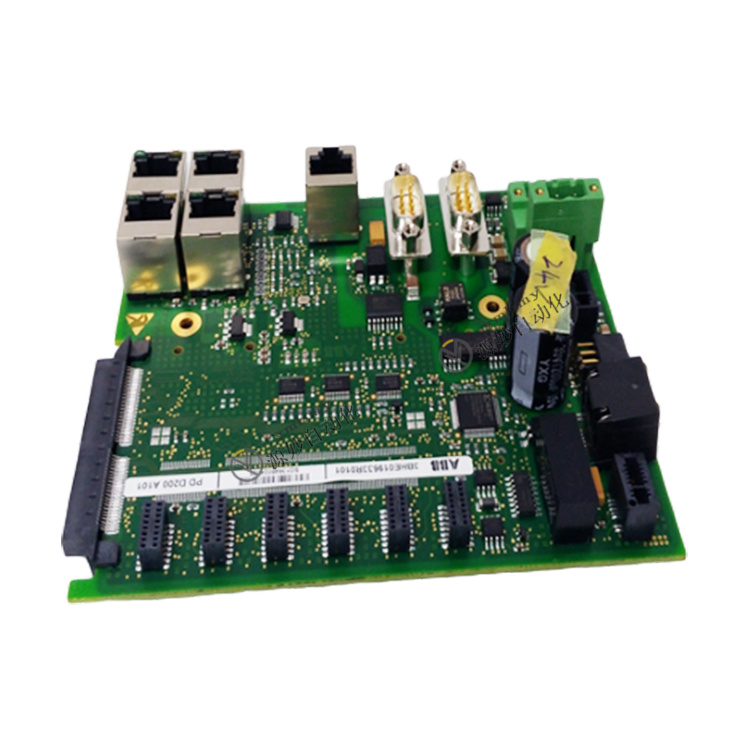
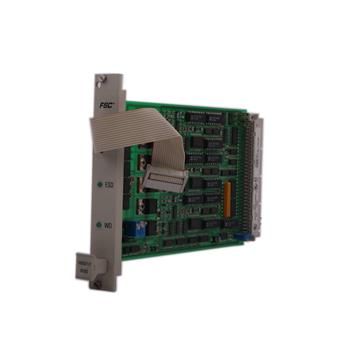
ABB PDD500A101 is a high-performance module designed for industrial automation systems, providing precise control and monitoring functions, suitable for various application fields such as process control and factory automation.
Characteristic
Powerful communication function
Multiple communication interfaces: Equipped with Ethernet, Modbus, Profibus, CAN and other communication interfaces, it can efficiently exchange data and communicate with other devices, sensors, controllers and monitoring systems, achieving interconnection and intercommunication between different devices.
Supports multiple communication protocols: Supports communication protocols such as Modbus TCP/IP, Profibus DP, etc., ensuring seamless integration with existing systems, facilitating remote monitoring and control, and making it easy to use in different industrial network environments.
Reliable Performance
Wide voltage input range: The input voltage range is generally 200-240V AC, which can adapt to different power supply environments and improve the stability and adaptability of the module.
High reliability design: Using high-quality materials and manufacturing processes, it has dual power supply and processor redundancy functions to ensure continuous operation and system stability in industrial environments, effectively reducing system failure risks and downtime.
Wide working temperature range: The working temperature range is -40 ℃ -85 ℃, which can work stably in harsh industrial environments, such as high-temperature smelting workshops, cold outdoor mines, etc.
Good protection level: The protection level reaches IP67, providing strong dust and water intrusion protection, and can operate normally even in dusty, humid, or water splashed environments.
Diverse functions
Multiple module types: including digital input modules, communication modules, frequency converters, etc., to meet different functional requirements in industrial automation systems. For example, digital input modules can receive digital signals from external devices and provide input data for control systems.
Programmable: Some PDD500A101 modules have programmable functions, allowing users to configure and program according to specific application requirements, achieve customized communication logic and data processing, and improve the flexibility and applicability of the module.
Compact design: The product is compact in size, such as 15cm × 10cm × 5cm, with a weight of approximately 2.5kg, making it easy to install and integrate into existing equipment and systems, saving space and being easy to maintain.
Application area
Industrial automation: On the production line of the manufacturing industry, it can be used to control robots, automated production line equipment, etc., to achieve automated control and monitoring of the production process, improve production efficiency and product quality.
Energy industry: For example, in power plants, substations and other places, it is used to monitor and control the operation status of power equipment, achieve stable operation and efficient management of the power system.
Process control: In process control systems in industries such as chemical, petroleum, and natural gas, various process parameters such as temperature, pressure, and flow can be precisely controlled and monitored to ensure the safety and stability of the production process.
Building automation: used for the control and management of lighting systems, air conditioning systems, elevator systems, etc. in intelligent buildings, to achieve energy-saving and intelligent operation of buildings.
The ABB PDD200A101 industrial control module is a key equipment carefully crafted by ABB for the field of industrial automation. It plays the role of the central nervous system in industrial systems, aiming to efficiently coordinate and accurately control various industrial equipment and systems, ensuring the stable and efficient operation of industrial production processes. This module, with its advanced technological architecture and reliable performance, is widely used in various complex industrial environments, from industrial automation production lines to large-scale process control systems, providing core support for industrial enterprises to achieve intelligent and automated production.
Performance parameters
I/O interface configuration: It has a rich variety of I/O interface types to meet the connection needs of different industrial equipment and systems. Common interfaces include digital input/output (DI/DO) interfaces, analog input/output (AI/AO) interfaces, and communication interfaces. Capable of quickly collecting switch status signals from external devices and outputting control signals to drive digital actuators such as relays and contactors. The analog I/O interface has high-precision signal conversion capability, which can convert the analog signals collected by sensors (such as temperature, pressure, flow rate, etc.) into digital signals for module processing. At the same time, it can also convert the digital signals processed by the module into analog outputs for precise control of analog execution devices such as regulating valves and frequency converters. In terms of communication interfaces, it supports multiple industrial communication protocols such as RS-485, RS-232, Ethernet, as well as common industrial fieldbus protocols such as PROFIBUS, MODBUS, etc., facilitating high-speed and stable data exchange and communication with the upper computer, other control modules, and on-site intelligent devices.
Working voltage and power consumption: Standard industrial DC voltage is used for power supply, with a working voltage range of generally 24V DC ± 5%. This wide voltage range design enables it to adapt to different power supply conditions in industrial sites, enhancing the versatility and stability of the equipment. In terms of power consumption, the module has undergone careful circuit design and optimization, with low power consumption. For example, under normal working conditions, it effectively reduces the energy consumption of industrial systems, while also reducing equipment heating, improving equipment reliability and service life.
Functional Features
Precise control function: With powerful processor performance and advanced control algorithms, it can achieve high-precision control of industrial equipment. Whether it is small adjustments to motor speed, precise control of valve opening, or multi parameter collaborative control of complex production processes, PDD200A101 can achieve extremely high control accuracy.
Data collection and processing capability: Real time collection of various sensor data connected to the module, such as signals from temperature sensors, pressure sensors, position sensors, etc. Perform preprocessing operations such as filtering, amplification, and analog-to-digital conversion on the collected data to remove noise interference and improve the accuracy and reliability of the data. Then, the processed data is uploaded to the upper computer or other control systems in a specific format and protocol, providing accurate data basis for monitoring, analysis, and optimization of the production process. At the same time, the module also has certain data storage and local analysis capabilities, which can store and analyze historical data, explore the potential value behind the data, and provide strong support for production decisions.
System communication and coordination function: With rich communication interfaces and support for multiple industrial communication protocols, PDD200A101 can efficiently communicate with other devices in industrial control systems. Interact with the upper computer for data, receive control strategies and parameter settings, and provide feedback on equipment operation status and real-time data to achieve centralized monitoring and management of the entire industrial system. Communicate with lower level devices such as smart meters and on-site actuators to achieve distributed control and management of on-site equipment, ensuring that all parts of the industrial system work together to form an organic whole. For example, on an automated production line, this module can communicate in real-time with robot control systems, conveyor control systems, etc. through communication networks, coordinate the actions of various equipment, and achieve efficient operation of the production process.
Fault diagnosis and alarm function: Built in comprehensive self detection and fault diagnosis mechanism, continuously monitoring its own working status and the operation of connected devices. Once anomalies are detected, such as hardware failures, signal loss, data errors, etc., they can be quickly located and analyzed, and alarm signals can be issued in a timely manner. The alarm information can be uploaded to the upper computer through the communication interface, and the module itself will also issue local alarms through indicator lights or buzzers, reminding operators to take timely measures to avoid the expansion of faults and ensure the continuity and safety of industrial production. For example, when a sensor signal is detected to be abnormal, the module can immediately determine the location of the fault and present the fault information to the operator in an intuitive way, making it convenient for them to quickly carry out maintenance and processing.
Flexible Scalability: A certain amount of expansion interfaces and resources are reserved in hardware design, and users can easily add functional modules according to actual needs, such as adding communication interfaces, expanding digital I/O channels, adding analog input/output modules, etc., to achieve customized expansion of module functions. In addition, the module also supports software upgrades. Users can update the system software and applications of the module through ABB’s official upgrade program to obtain new functions and performance optimizations, meeting the constantly changing industrial production needs and system upgrade requirements.
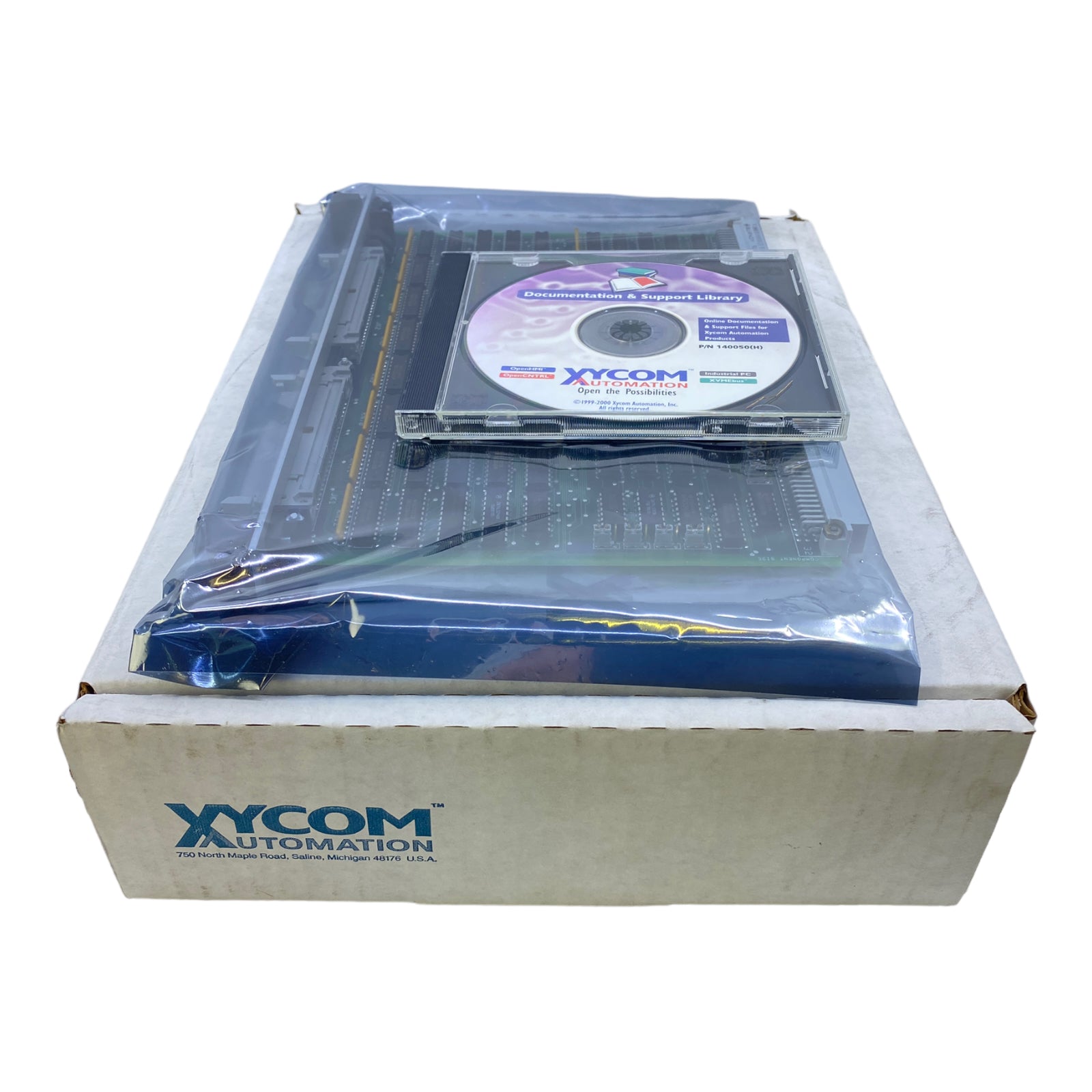
Xycom 86863BA Control Card 86864-003/B is a high-performance control card specially designed for industrial control environments. It plays a key role in industrial automation, process monitoring, and control systems for complex mechanical equipment, aiming to provide precise, efficient, and stable control signals and data processing support for various industrial applications, helping industrial production processes achieve automated and intelligent operation, improving production efficiency and quality, and ensuring the reliability and safety of the production process.
Specification parameters
Interface type: Equipped with a variety of interfaces, including standard industrial communication interfaces such as RS-485, RS-232, etc., used for data transmission and communication with various external devices, achieving remote control and monitoring; Simultaneously equipped with a high-speed data bus interface, it can quickly and stably exchange data with the main control system, ensuring efficient data transmission.
Processing capability: Equipped with high-performance processor chips, it has powerful data computation and logic processing capabilities, can quickly respond to system instructions, process complex control algorithms and large amounts of data in real time, and ensure the timeliness and accuracy of control decisions. Its computing speed can meet the high real-time requirements of industrial environments.
Storage capacity: Having sufficient memory and flash storage space. Memory is used to temporarily store running programs and data, ensuring smooth system operation; Flash memory is used to store system programs, configuration files, and important historical data. Even in the event of a power outage, the data will not be lost, making it convenient for the system to quickly restore its working state after restarting, and providing data support for subsequent data analysis and troubleshooting.
Working voltage:It is powered by standard industrial DC voltage, with a typical working voltage range of 24V DC ± 5%. This wide voltage range design enables it to adapt to different power supply conditions in industrial sites, enhancing the versatility and stability of the equipment.
Size specifications: The design fully considers the installation space limitations of industrial equipment, and the overall size is compact and reasonable, making it easy to integrate into various industrial control cabinets or equipment. At the same time, its mechanical structure is sturdy and durable, capable of withstanding physical factors such as vibration and impact in industrial environments.
Core functions
Control instruction execution: Receive control instructions from the upper control system, parse and process the instructions, accurately output corresponding control signals, drive various actuators such as motors, valves, relays, etc., and achieve precise control of industrial equipment. Whether it’s simple start stop operations or complex tasks such as speed adjustment and position control, they can all be accurately completed.
Data collection and processing: Real time collection of various sensor data connected to the card, such as signals from temperature sensors, pressure sensors, position sensors, etc. Perform preprocessing operations such as filtering, amplification, and analog-to-digital conversion on the collected data to remove noise interference and improve the accuracy and reliability of the data. Then, the processed data is uploaded to the upper computer in a specific format and protocol, providing data basis for monitoring, analyzing, and optimizing the production process.
System communication and coordination: Through its rich communication interfaces, it efficiently communicates with other devices in the industrial control system. Interact with the upper computer for data, receive control strategies and parameter settings, and provide feedback on equipment operation status and real-time data; Communicate with lower level devices such as smart meters and on-site actuators to achieve distributed control and management of on-site equipment, ensuring that all parts of the industrial system work together to form an organic whole.
Fault diagnosis and alarm: Built in comprehensive self detection and fault diagnosis mechanism, continuously monitoring its own working status and the operation of connected devices. Once anomalies are detected, such as hardware failures, signal loss, data errors, etc., they can be quickly located and analyzed, and alarm signals can be issued in a timely manner. The alarm information can be uploaded to the upper computer through the communication interface, and the control card itself will also issue local alarms through indicator lights or buzzers, reminding operators to take timely measures to avoid the expansion of faults and ensure the continuity and safety of industrial production.
Working principle
Instruction reception and processing flow: When the upper computer sends control instructions, the instructions are transmitted to the 86863BA control card through the communication interface. The control card first verifies the instructions to ensure their integrity and correctness. After passing the verification, the instruction is sent to the processor for parsing. The processor calls the corresponding control algorithm and program module based on the type and content of the instruction, generating specific control signal sequences. These control signals are amplified by the driving circuit and output to external execution devices to achieve control operations on the devices.
Data collection and upload mechanism: Various sensors are connected to the input channels of the control card, and the sensors convert the detected physical quantities into electrical signals for output. The input circuit of the control card performs preliminary conditioning on these signals, such as filtering, level conversion, etc., and then converts the analog signals into digital signals through an analog-to-digital converter (ADC). The digital signal is stored in the data buffer area, waiting for further processing by the processor. The processor analyzes, calculates, and packages the data in the cache area according to the set sampling frequency and data processing algorithm, and finally uploads the processed data to the upper computer through the communication interface.
Communication and coordination working mode: During the communication process, the control card interacts with other devices based on different communication protocols, such as MODBUS, PROFIBUS, etc. When communicating with the upper computer, the control card follows the communication instructions of the upper computer, uploads equipment status data on time, and receives new control strategies; When communicating with the lower level machine, the control card acts as the master station, actively polling various slave devices, collecting data, and issuing control commands. Through this master-slave communication architecture, the information flow and collaborative work of the entire industrial control system are achieved.
Key advantages
High reliability: Using industrial grade electronic components and advanced circuit design, it has undergone strict quality inspection and environmental testing, and can operate stably in harsh industrial environments. Having good anti electromagnetic interference ability, effectively resisting strong electromagnetic noise in industrial sites, ensuring the accuracy of data transmission and control signals; At the same time, it can still work reliably under extreme environmental conditions such as high temperature, low temperature, humidity, and high dust, reducing equipment failures and downtime, and ensuring the continuous and stable operation of industrial production.
Excellent control accuracy: With powerful processor performance and precise control algorithms, high-precision control of industrial equipment can be achieved. Whether it is the small adjustment of motor speed or the precise control of valve opening, it can achieve extremely high control accuracy, meet the demanding industrial application scenarios of production processes, help improve product quality and production efficiency, and reduce scrap rates.
Powerful compatibility: Supports multiple industrial communication protocols and interface standards, and can seamlessly integrate with different brands and types of industrial equipment. Whether it is the upgrade and renovation of traditional industrial control systems or the construction of complex industrial automation projects, they can easily adapt to the system architecture, facilitate user equipment selection and system construction, and reduce system integration costs and technical difficulties.
Flexible Scalability: A certain amount of expansion interfaces and resources are reserved in hardware design, and users can easily add functional modules according to actual needs, such as adding communication interfaces, expanding digital I/O channels, adding analog input/output modules, etc., to achieve customized expansion of control card functions to meet the constantly changing industrial production needs and system upgrade requirements.
Precautions
Installation environment requirements: During installation, a dry, well ventilated, and suitable temperature and humidity environment should be selected, avoiding installation in places with direct sunlight, high temperature, humidity, or corrosive gases. At the same time, it is necessary to stay away from strong electromagnetic interference sources such as large motors, transformers, etc. to ensure the normal operation of the control card. The installation position should be stable to prevent damage to the control card due to vibration or collision.
Wiring specification operation: When wiring the control card to external devices, it is necessary to strictly follow the wiring diagram and specifications in the product manual. Correctly distinguish between input and output interfaces, ensure firm wiring and good contact, avoid loose or virtual connections, and avoid affecting signal transmission and equipment operation. At the same time, attention should be paid to the shielding and grounding treatment of signal cables to reduce signal interference and improve the system’s anti-interference ability.
Power supply guarantee: Providing stable and compliant power supply for the control card is the key to ensuring its normal operation. Use reliable power modules to ensure that the power supply voltage is stable within the specified working range, avoiding excessive power fluctuations or momentary power outages. Before connecting the power supply, carefully check whether the power connection is correct and whether the power polarity is consistent to prevent damage to the control card due to power connection.
Maintenance and upkeep points: Regularly clean the control card, gently wipe the surface dust with a clean, soft damp cloth, and avoid using corrosive cleaning agents. Regularly check the connection cables of the control card for aging or damage, and replace them promptly if there are any issues. Pay attention to the operating status of the control card, and use the device’s built-in diagnostic function or upper computer monitoring software to monitor the device’s working parameters and alarm information in real time. If any abnormalities are found, timely troubleshooting and repair should be carried out to ensure that the control card is always in good working condition.
Similar model supplement
Xycom 86862BA: This model has some similarities in functionality with 86863BA, but there are differences in the number of interfaces and layout. 86862BA may have fewer communication interfaces or different types of I/O interface configurations, making it suitable for industrial applications with relatively simple interface requirements and smaller system scales. While meeting basic control functions, it can provide users with more cost-effective solutions.
Xycom 86865BA: Compared to 86863BA, 86865BA may have further improvements in processing power and storage capacity. It may be equipped with a higher performance processor, with larger memory and flash storage space, capable of handling more complex control tasks and storing more historical data. In some industrial control fields that require extremely high data processing speed and storage capacity, such as central control of large automated production lines and optimization control of complex process flows, 86865BA can better leverage its advantages.
The Xycom XVME-240 digital I/O card is a high-performance data exchange device designed specifically for industrial applications. Developed based on the VME bus architecture, it can achieve efficient input and output of digital signals in industrial control systems. In industrial automation production lines, process control, mechanical equipment monitoring and other scenarios, it plays a key role in connecting control hosts and external devices. By accurately processing digital signals, it ensures the stable operation of various links in the industrial system and provides reliable data transmission and instruction interaction support for industrial automation control.
Brand background
Xycom has been deeply involved in the field of industrial automation for many years, and has become an important participant in the global industrial control industry with its profound technical accumulation and rich industry experience. The brand always upholds the spirit of innovation, constantly explores cutting-edge technologies, and integrates them into product development. Its products are known for their high reliability, high performance, and excellent environmental adaptability, and are widely used in industrial projects worldwide, winning the trust of many industry customers and continuously contributing to the development of industrial automation.
Specification parameters
I/O channel: It has 32 digital input channels and 32 digital output channels, which can simultaneously process a large number of digital signals and meet the signal interaction requirements of complex industrial systems.
Signal standard: The input signal supports multiple common industrial digital signal standards, such as TTL level signals; The output signal is also compatible with industrial standards and can stably drive various digital devices, such as relays, indicator lights, etc.
Isolation feature: Both input and output channels have electrical isolation function, and the isolation voltage can usually reach 500Vrms or above, effectively preventing signal interference and electrical noise, ensuring the accuracy of signal transmission and the safety of equipment operation.
Data transmission rate: Based on the high-speed data transmission capability of VME bus, the data transmission rate is fast, which can achieve real-time and fast processing of digital signals, meeting the strict requirements of industrial control systems for real-time performance.
Working voltage: Standard DC power supply is usually used, with a working voltage range of+5V ± 5% to ensure stable operation in industrial environments.
Core functions
Digital signal input: Real time collection of digital signal status from external devices, such as device start stop status, sensor trigger signals, etc., and conversion of these signals into digital quantities for transmission to the VME bus system for analysis and processing by the control host.
Digital signal output: According to the instructions of the control host, digital signals are output to external devices to achieve control of the equipment, such as controlling the start and stop of motors, opening and closing valves, and accurately executing the control logic of industrial control systems.
Signal isolation and protection: Through electrical isolation design, effectively isolate electrical interference between external equipment and internal systems, prevent abnormal situations such as overvoltage and overcurrent from causing damage to the system, and improve the stability and reliability of the system.
Status monitoring and feedback: It has channel status monitoring function, which can monitor the signal status of each I/O channel in real time and feedback the status information to the control host, making it easy for operators to timely understand the equipment operation status, diagnose and handle faults.
Working principle
Signal input process: When the digital signal from an external device is connected to the input channel of XVME-240, it first undergoes signal conditioning through an input buffer circuit to enhance signal stability and driving capability. Then, the signal enters the isolation circuit and is electrically isolated through photoelectric coupling or other isolation techniques to eliminate external interference. The isolated signal is converted into a digital logic level and transmitted to the internal data buffer register, waiting for the control host to read it through the VME bus.
Signal output process: The control host sends output instructions and data to the internal registers of XVME-240 through the VME bus. After processing, the data is transmitted to the output buffer circuit for signal driving and level conversion. The converted signal is then isolated by an isolation circuit and finally output to external devices to control the operating status of the equipment. Throughout the process, the logic control circuit inside the card coordinates the work of various parts to ensure accurate transmission and processing of signals.
Key advantages
High reliability: Using industrial grade electronic components and rigorous circuit design, after strict quality inspection and environmental testing, it can operate stably in harsh industrial environments such as high temperature, humidity, strong electromagnetic interference, etc., reducing equipment failures and downtime.
Powerful signal processing capabilities: With abundant I/O channels and high-speed data transmission capabilities, it can meet the digital signal processing needs of large-scale industrial control systems. Whether it is simple switch control or complex logic control scenarios, it can be easily handled.
Excellent isolation performance: The efficient electrical isolation design effectively improves the system’s anti-interference ability, ensures the accuracy of signal transmission and equipment safety, and reduces the risk of system failure caused by signal interference.
Good compatibility: Based on the VME bus standard design, it has good compatibility with other VME bus devices and systems, making it easy to integrate and expand in industrial control systems, and can flexibly adapt to different industrial application scenarios and system architectures.
Precautions
Installation environment: When installing, it is necessary to choose a dry, well ventilated, and suitable temperature environment, and avoid installing in places with high temperature, humidity, dust, or strong electromagnetic interference. At the same time, ensure that the installation position is stable to prevent equipment damage caused by vibration.
Wiring operation: When wiring I/O signals, it is necessary to strictly follow the wiring diagram and specifications in the product manual to ensure correct and secure wiring. Pay attention to distinguishing between input and output channels to avoid equipment damage or system failure caused by misconnection. At the same time, it is necessary to properly shield and ground the signal cables to reduce signal interference.
Power requirements: Provide stable and compliant power supply for the equipment to avoid damage caused by excessive voltage fluctuations or abnormal power supply. Before connecting the power supply, carefully check if the power connection is correct and ensure that the power polarity is correct.
Maintenance: Regularly clean the equipment to remove dust and dirt from the surface. Regularly check whether the connecting cables of the equipment are loose or damaged, and replace problematic cables in a timely manner. At the same time, pay attention to the operating status of the equipment and promptly troubleshoot and handle any abnormalities.
Similar model supplement
Xycom XVME-232: Also a digital I/O card product of Xycom, compared to XVME-240, XVME-232 may have fewer I/O channels, such as 16 inputs and 16 outputs. In some industrial application scenarios with low I/O channel requirements and small system scales, XVME-232 is a more cost-effective choice.
Xycom XVME-245: This model is similar in functional features to XVME-240, but there are differences in certain details. For example, XVME-245 may have further improvements in parameters such as signal isolation voltage and data transmission rate, making it suitable for industrial control scenarios that require higher signal processing performance.
Xycom 9450 PC/AT Computer Operator Interface HMI Screen Display Keyboard Control It is a human-machine interaction device specially designed for industrial environments. It integrates the computing power of computers with convenient operation interfaces and keyboard control functions, providing operators with intuitive and efficient control and data interaction methods in industrial automation, production process monitoring and other scenarios. It is an indispensable part of industrial control systems, which can help enterprises improve production efficiency and ensure the stable operation of production processes.
Brand background
Xycom has long been renowned in the field of industrial automation, relying on its profound technological accumulation and rich industry experience to develop and produce various advanced industrial control products. The brand always adheres to innovative concepts, closely follows the development trend of industrial technology, and continuously launches new products that meet market demand. In the global industrial automation market, Xycom occupies an important position, and its products are widely used in industrial projects around the world, winning high recognition from the industry for their high quality and reliability.
Specification parameters
Screen display: Usually equipped with a 14 inch high-resolution SVGA color display, it can clearly present various complex graphics and text information, providing operators with a good visual experience. In addition, you can also choose to pre install a Windows compatible resistive thin film touch screen, which allows you to easily select objects on the screen by directly touching the screen, making the operation simple.
Hardware performance: Equipped with Intel ® Celeron ® The 433 MHz processor has powerful computing power and can quickly process various types of data. In terms of memory, it supports up to 256 MB of DRAM, which can meet the operational needs of various industrial applications. At the same time, it is equipped with an integrated AGP video controller and 4 MB video memory to ensure smooth and clear graphics display.
Interface and Slot: Equipped with onboard PCI 10/100 baseband Ethernet interface, it facilitates network communication with other devices and enables fast data transmission and sharing. In addition, the device is equipped with a removable PC device module, which includes 5 available ISA backplane slots, including 2 full-length slots, 2 3/4 length slots, and 1 and a half length slots, for easy hardware expansion according to actual needs in the future.
Input control: Equipped with a programmable keyboard, it has 20 function keys and 32 data input keys, and the key codes can be customized according to actual usage scenarios. At the same time, the keyboard has the function of re marking, which is convenient for operators to recognize and operate. In addition, the front panel of the device is equipped with status indicator lights and diagnostic functions, which facilitate real-time monitoring of the device’s operating status.
Installation specifications: The front panel adopts NEMA 4/4X/12 sealing design, which can effectively prevent dust, water, and oil stains, and adapt to harsh industrial environments. The device supports 19 inch EIA rack or panel installation, which is flexible and can be selected according to different industrial site layouts.
Core functions
Human computer interaction operation: Through screen display and keyboard control, operators can easily input instructions, view equipment operating status, process data, and other information. Whether it is starting, stopping equipment, or adjusting production parameters, it can be quickly completed through an intuitive operation interface. For example, on an automated production line, operators can easily set parameters such as product production quantity and speed using this equipment.
Data monitoring and display: capable of real-time collection, processing, and display of various types of data in industrial systems, such as analog data such as temperature, pressure, flow rate, as well as digital information such as equipment operation status and fault alarms. By presenting clear and intuitive charts, numbers, and other forms to operators, they can timely grasp key information in the production process in order to make accurate decisions.
System control function: As the operating terminal of industrial control systems, it can remotely control various connected devices and systems. Operators can send control commands through the interface to achieve precise control of the entire production process by adjusting the motor speed, controlling the opening and closing of valves, and other operations.
Program loading and running: The device comes pre installed with operating systems such as MS-DOS, Windows 95, 98, NT, or 2000, which can run various industrial applications to meet the diverse needs of different users. Users can load and run custom control programs on the equipment based on actual production processes to achieve automated control and optimization of the production process.
Working principle
Data input: Operators input commands or data through the keyboard, which is first received by the keyboard interface circuit, encoded and processed, and then transmitted to the central processing unit (CPU) of the device. For touch screen operation, when a finger touches the screen, the resistive film on the screen surface will generate voltage changes. The touch screen controller converts this change into coordinate information, which is also transmitted to the CPU.
Data processing and display: The CPU analyzes and processes the received data, reads relevant data from the device’s memory or external storage device according to preset program logic, and transmits the processing results to the video controller. The video controller converts data into image signals and presents them to the operator through a display. For example, when the operator queries the real-time temperature of the device, the CPU reads the data from the storage address corresponding to the temperature sensor, and after processing, the temperature value is displayed on the screen by the video controller.
Control instruction output: If the operator inputs a control instruction, such as starting a certain device, the CPU will process the instruction and send the control signal to the executing mechanism in the industrial control system through the corresponding interface circuit, such as relays, contactors, etc., to achieve control of the device. At the same time, the device will provide feedback on the execution results to the CPU and display them on the screen for the operator to confirm.
Network communication: Devices can communicate with other devices or systems through the onboard Ethernet interface. When data interaction with the upper computer is required, the device packages the locally collected data into network packets and sends them out through Ethernet; At the same time, it can also receive instructions and data sent by the upper computer and process them accordingly.
Key advantages
Durable and sturdy: The front panel adopts a sealed design with a protection level of NEMA 4/4X/12, which can effectively resist the erosion of dust, liquids, and corrosive substances. It can operate stably in harsh industrial environments such as high temperature, humidity, and high dust, greatly improving the reliability and service life of the equipment.
Flexible interaction mode: It supports both traditional keyboard input and touch screen operation, providing operators with diverse interaction options. Whether it requires precise data input or quick interface operations, it can be easily achieved, improving the convenience and efficiency of operations.
Powerful expansion capability: The rich slot design allows the device to flexibly expand hardware functions according to actual needs. Users can add expansion modules such as data acquisition cards and communication cards to meet the constantly changing industrial control needs and reduce system upgrade costs.
Good compatibility: Pre installed with various common operating systems, it can be well compatible with various industrial software and hardware devices. Whether integrating with existing industrial control systems or building new systems, it can quickly adapt and improve the integration and versatility of the system.
Precautions
Installation environment: It should be installed in a dry and well ventilated place, and the ambient temperature and humidity should meet the working requirements of the equipment. Avoid installing near strong electromagnetic interference sources to avoid affecting the normal operation of the equipment. During installation, ensure that the equipment is stable and avoid damage caused by vibration or collision.
Operation and use: Before using the equipment, the operator should carefully read the operation manual and familiarize themselves with the various functions and operation methods of the equipment. Avoid excessive force during operation, which may damage the keyboard or touch screen. At the same time, do not arbitrarily change the system settings and programs of the device to avoid system failures.
Maintenance: Regularly clean the equipment, use a clean and soft damp cloth to wipe the screen and housing, and avoid using corrosive cleaning agents. Regularly check whether the connecting cables of the equipment are loose or damaged, and replace them in a timely manner if there are any problems. In addition, regular software updates and system maintenance should be carried out on the equipment to ensure the stability and security of its performance.
Similar model supplement
Xycom PM9450: Similar in functionality to 9450, but with differences in some details. For example, PM9450 may have different choices in power specifications, and in certain application scenarios, its power adaptability may be stronger. In some industrial environments that require extremely high power stability, PM9450 may be a more suitable choice.
Xycom’s other series of HMI devices: Xycom also has other series of HMI devices, some models of which differ in screen size, resolution, processor performance, and other aspects. For example, some models may be equipped with larger screens, suitable for scenarios that require displaying a large amount of information; Some models use higher performance processors, which perform better in processing complex data and graphics. Users can choose according to their specific application needs and budget.
Brand and Model: This module is produced by XYCOM company and has the model XCME-540, sometimes also marked as XVME-540.
Product type: It belongs to the analog input/output module, mainly used to implement the input and output functions of analog signals in industrial control systems.
Bus type: Adopting the VMEBUS bus standard, it has high-speed data transmission capability and good compatibility, and can easily connect and communicate with other VME bus devices.
Brand background
XYCOM has long been renowned in the field of industrial automation and has been committed to researching and producing various advanced industrial control products for many years. It has profound technical accumulation and rich industry experience, and is highly praised for providing high-quality and highly reliable products. The brand has always adhered to the spirit of innovation, closely followed the trend of industrial technology development, and continuously launched new products that meet market demand. It occupies an important position in the global industrial automation market, and its products are widely used in industrial projects around the world.
Specification parameters
Input channel: Equipped with 32 single ended input or 16 differential input channels, this flexible input configuration can adapt to various types of signal sources, accurately collecting both single ended and differential signals.
Output channels: There are 4 output channels available, and the output signal can be flexibly configured in voltage or current form according to actual needs, making it easy to seamlessly connect with various actuators and other analog devices.
Signal type: The input signal can receive common voltage signals, such as ± 10V, ± 5V, etc., as well as current signals, such as 4-20mA; the output signal also supports voltage and current output, meeting the requirements of different application scenarios for signal types.
Resolution: With a resolution of up to 12 bits or more, the module can achieve extremely high accuracy in sampling and quantization of input analog signals, as well as outputting analog signals, ensuring the accuracy and reliability of signal conversion.
Sampling rate: Supports high sampling rates, can quickly collect and process input signals, respond to system control instructions in a timely manner, and meet the high real-time requirements of industrial control scenarios.
Core functions
Analog signal acquisition: Through its configured input channels, it accurately collects various analog signals in the industrial production process, such as voltage signals output by temperature sensors, current signals output by pressure transmitters, etc., and converts these analog signals into digital signals, which are transmitted to the control system for subsequent analysis and processing.
Analog signal output: According to the instructions issued by the control system, the processed digital signal is converted into corresponding analog voltage or current signal output, which is used to drive various actuators, such as regulating valves, frequency converters, etc., to achieve precise control of industrial production processes.
Signal conditioning: The module has signal conditioning functions internally, which can perform preprocessing operations such as filtering and amplification on the collected raw analog signals, remove noise interference from the signals, improve signal quality, ensure the stability and accuracy of the input signals, and provide a good foundation for subsequent signal conversion and processing.
Performance characteristics
Input characteristics: It usually has 32 single ended inputs or 16 differential input channels, and can flexibly choose input methods to adapt to different signal sources and application scenarios. Capable of receiving various types of analog signals, such as voltage signals (commonly ranging from ± 10V, ± 5V, etc.) and current signals (such as 4-20mA), and converting them into digital signals for control system processing.
Output characteristics: Equipped with 4 output channels, the output signal can be configured in voltage or current form, making it easy to connect with various actuators or other analog devices. High output accuracy, able to meet the requirements of most industrial control applications for signal output accuracy.
Resolution: With high resolution, it can accurately sample and quantize input analog signals, as well as accurately output analog signals, generally up to 12 bits or higher, ensuring the accuracy and reliability of signal conversion.
Sampling rate: Supports high sampling rates, can quickly sample and process input signals, respond to system control requirements in a timely manner, and meet industrial control scenarios with high real-time requirements.
Application area
Industrial automation: widely used in various industrial automation production lines, such as automobile manufacturing, electronic equipment production, food and beverage processing, etc., for monitoring and controlling various analog parameters in the production process, such as temperature, pressure, flow rate, liquid level, etc.
Process control: In the fields of chemical, petroleum, power and other process control, it is used to collect and control analog signals in the process flow, achieve precise adjustment and optimization of the production process, and ensure the safe, stable and efficient operation of the production process.
Testing and Measurement: It can be used in various testing equipment and measurement systems to achieve high-precision acquisition and output control of analog signals, providing accurate data support for testing and measurement work.
Precautions
Installation environment: It should be installed in a dry, well ventilated environment with temperature and humidity that meets the requirements for module operation. Avoid installing in places with high temperature, humidity, dust or strong electromagnetic interference to ensure the normal operation of the module and extend its service life.
Wiring specifications: When wiring input and output signals, it is necessary to strictly follow the wiring diagram and specifications in the product manual to ensure that the wiring is firm and correct, and to avoid module damage or system failure caused by wiring errors. At the same time, attention should be paid to the shielding and grounding of signal cables to reduce signal interference.
Power requirements: Ensure that the module is provided with a stable power supply that meets the specifications, and the voltage fluctuation of the power supply should be within the allowable range to avoid damage to the module caused by abnormal power supply. Before connecting the power supply, it is necessary to carefully check whether the power connection is correct.
Similar model supplement
XYCOM XVME-566: It is also an analog input module launched by XYCOM, which has a sampling rate of 100kHz and performs more outstandingly in high-speed signal acquisition. Compared to XCME-540, it has more advantages in application scenarios that require extremely high sampling rates, such as high-frequency vibration monitoring and rapid change of physical quantity measurement.
XYCOM 70542-001: This model is also an analog input/output module, which may differ from XCME-540 in terms of the number of output channels. Users can choose a more suitable model based on their specific requirements for the number of input/output channels in their project, as well as their emphasis on other performance indicators of the module
The XYCOM 9460 touch screen is considered one of the best human-machine interaction devices in the industrial field. It is designed by renowned industrial automation equipment manufacturer XYCOM to cope with complex and demanding industrial environments. Whether it is the efficient operation of industrial automation assembly lines, the ultimate pursuit of precision in the field of process control, or the humanized requirements of various mechanical equipment operation interfaces, this touch screen can be perfectly adapted.
Product Features
Durable and sturdy: Using high-quality materials and a sturdy shell design, it can adapt to harsh industrial environments such as high and low temperatures, humidity, dust, vibration, etc., ensuring stable operation in industrial production processes.
High reliability: Equipped with highly reliable electronic components and circuit designs, the average time between failures is long, reducing production interruptions caused by equipment failures and lowering maintenance costs.
Sensitive touch operation: Equipped with a sensitive touch screen, supporting multiple touch operation methods such as single touch, multi touch, sliding, zooming, etc., it can accurately recognize user operation instructions, respond quickly, and provide a smooth operation experience.
Clear Display: High resolution LCD screens are commonly used to provide clear and vivid image and text display effects, even in strong or backlit environments, making it easy for operators to view the device’s operating status and parameter information.
Multiple interfaces: Provides rich interface options, such as COM port, USB port, Ethernet port, etc., to facilitate connection and data transmission with other industrial equipment, controllers, computers, etc., achieving system integration and expansion.
Technical Parameter
Screen size: The common size is 10 inches, but there are also other sizes to choose from to meet the needs of different users.
Resolution: Generally has a high resolution, such as 800 × 600 pixels or higher, which can clearly display various graphics, images, and text information.
Brightness: It has a high brightness, usually above 300cd/m ², ensuring clear display under different ambient light conditions.
Contrast: The contrast ratio is relatively high, usually above 500:1, which can present vivid image effects and make it easier for operators to distinguish different display contents.
Working temperature: The working temperature range is wide, generally from -20 ℃ to 60 ℃, which can adapt to different industrial environment temperature requirements.
Software support
Driver: Provides touch screen drivers for operating systems such as Windows 95, Windows NT, OS/2, ensuring that the touch screen can function properly under different operating systems.
Development Tools: Provides developers with corresponding development tools and software interfaces, facilitating customized development according to actual needs and achieving seamless integration with industrial control systems.
Application scenarios
Industrial automation production line center: In the automotive manufacturing automation production line, workers can monitor the operating status of various workstation equipment in real time through the XYCOM 9460 touch screen, such as the motion trajectory of robot arms, component assembly progress, etc. Once an abnormality is detected, the device parameters can be adjusted immediately on the touch screen to ensure that the production line does not stop, greatly improving production efficiency and product quality.
The intelligent brain of process control: In the production process of chemical enterprises, it is necessary to accurately control many key parameters such as reaction temperature, pressure, flow rate, etc. The XYCOM 9460 touch screen presents these parameters in intuitive chart form, allowing operators to remotely control the operation of various valves and pumps through touch operation, ensuring the safety, stability, and efficiency of chemical production processes.
A thoughtful assistant for mechanical equipment: installed on the operation panel of large CNC machine tools, the XYCOM 9460 touch screen simplifies complex operation instructions into icons and touch operation processes. Operators only need to tap the screen to complete operations such as tool replacement and machining parameter setting, reducing the operating threshold and improving the efficiency and machining accuracy of the machine tool.
Xycom is a well-known manufacturer of industrial automation equipment, specializing in providing various high-performance industrial control modules and systems. Its products are widely used in aerospace, defense, industrial automation and other fields.
Analog (analog quantity)
In industrial control, analog quantity refers to continuously changing physical quantities such as voltage, current, temperature, pressure, etc. The analog module is used to convert these analog signals into digital signals for processing by a computer or controller, or to convert digital signals into analog signals for controlling analog actuators.
CDA
Compact Disc Archive: It has applications in data storage and backup, but is not very common in this context.
Component Data Architecture: Component Data Architecture is used to define and manage the data exchange and storage methods between various components in a system.
XVME
XVME usually refers to a module form in Xycom’s VME bus series products. VME (Versa Module Eurocard) is a bus standard widely used in industrial control and data acquisition systems, with advantages such as high-speed data transmission, high reliability, and modularity.
VME(Versa Module Eurocard)
Bus standard: VME bus defines a set of hardware interfaces and communication protocols, allowing various modules (such as CPU modules, I/O modules, storage modules, etc.) to be connected and communicate through the bus, achieving flexible configuration and expansion of the system.
Application areas: commonly used in industrial automation control systems, aerospace electronic equipment, medical equipment, testing and measuring instruments, and other fields that require high reliability and performance.
TI DSP(Texas Instruments Digital Signal Processor)
Texas Instruments Digital Signal Processor: TI is a well-known semiconductor manufacturer whose DSP products have a wide range of applications in the field of digital signal processing. DSP is specifically designed for fast processing of digital signals, such as audio, video, image processing, and the implementation of various real-time control algorithms.
Function in the system: In industrial control and automation systems, TI DSP can be used to implement complex control algorithms, data filtering, spectrum analysis, and other functions, improving system performance and response speed.
SCSI(Small Computer System Interface)
Small Computer System Interface: SCSI is an interface standard used to connect computers and external devices, such as hard drives, tape drives, optical drives, and other storage devices, as well as scanners, printers, and other peripheral devices.
Features and advantages: The SCSI interface has the advantages of high-speed data transmission capability, support for multiple device connections, and strong scalability, which can meet the needs of industrial control systems for large amounts of data storage and fast data access.
I/O module
Function: It is a module used in industrial control systems to implement input and output functions. The input module is used to collect signals from external devices, such as analog signals from sensors, switch signals, etc., and convert them into digital signals that can be recognized by computers or controllers; The output module is used to convert digital signals from computers or controllers into corresponding control signals, such as driving motors, valves, indicator lights, and other actuators.
Types: including analog input module, analog output module, switch input module, switch output module, etc., to meet different industrial control needs.
Sequence
In industrial control, “sequence” usually refers to a sequence of operations or control sequences. For example, in an automated production line, the start, stop, and operation steps of each device need to be carried out in a certain order to ensure the normal operation of the system and the smooth progress of the production process.
RS232 card board
Communication interface standard: RS232 is a commonly used serial communication interface standard used to achieve close range data transmission between computers and external devices. It defines specifications for data formats, electrical characteristics, communication protocols, and other aspects, enabling reliable transmission of data at lower rates.
Application scenarios: RS232 communication boards are commonly used to connect devices with RS232 interfaces, such as PLCs (programmable logic controllers), frequency converters, sensors, printers, etc., to achieve communication and data exchange between devices. They are widely used in industrial automation control systems for device configuration, monitoring, and data acquisition.
ALSTOM MCGG62N1CB0753F auxiliary transmission relay is a key component in industrial electrical control systems, mainly used in power systems and industrial automation scenarios. It can accurately receive, process, and convert circuit signals, and ensure the stable and efficient operation of various electrical equipment and systems by controlling the on/off of circuits. Its compact design makes it easy to integrate into various control cabinets or equipment, and it can also work reliably in complex electromagnetic environments.
Brand background
ALSTOM is a globally renowned multinational corporation with remarkable achievements in various fields such as energy and rail transportation. The company has a profound technical foundation and rich industry experience, and its research and manufacturing products are known for their excellent performance and high reliability. In the field of relay manufacturing, ALSTOM relies on its advanced scientific research capabilities and strict production standards to constantly innovate. MCGG62N1CB0753F is a typical representative of its many high-quality relay products, reflecting ALSTOM’s profound understanding and exquisite craftsmanship in industrial electrical control technology.
Core functions
Signal conversion and control: It can convert weak control signals into powerful driving capabilities, achieving indirect control of high-power equipment. For example, receiving low-level signals from PLCs in automation systems to control the start, stop, and direction of operation of high-power equipment such as motors.
Circuit protection: In the power system, it can monitor circuit parameters in real time, such as overcurrent, undervoltage, overvoltage and other abnormal situations. Once a fault signal is detected, quickly cut off the circuit to prevent the fault from expanding, protect electrical equipment from damage, and improve the safety and stability of the power system.
Logic control: In conjunction with other relays, contactors, and other components, complex logic control circuits are constructed to meet the diverse control process requirements in industrial automation production. For example, implementing logical functions such as sequential startup and loop operation of devices.
Working principle
This relay operates based on the principle of electromagnetic induction. When the rated working voltage is applied to both ends of the coil, a current is generated inside the coil, which in turn forms a magnetic field that magnetizes the iron core and generates attraction. This suction overcomes the reaction force of the contact spring, attracting the moving contact to the stationary contact and achieving circuit conduction. When the coil loses power, the magnetic field disappears, the iron core loses magnetism, the contact spring pulls the moving contact back to its initial position, and the circuit is disconnected. Through this electromagnetic conversion mechanism, relays achieve on/off control of circuits and accurately execute various control commands.
Key advantages
High reliability: The manufacturing process is exquisite, high-quality materials are selected, and it has excellent impact and vibration resistance. It can operate stably for a long time in harsh industrial environments (such as high temperature, high humidity, strong electromagnetic interference, etc.), reducing equipment maintenance frequency and lowering operating costs.
Fast response: From receiving control signals to completing contact actions, the response time is extremely short, usually in milliseconds, meeting the requirements of applications with strict real-time requirements, such as fast control in high-speed automated production lines and rapid removal of power system faults.
High control accuracy: The detection and processing accuracy of signals is extremely high, which can accurately control the timing and status of circuit on/off, ensure the accuracy and stability of equipment operation, and avoid equipment failures or production quality problems caused by control errors.
Precautions
Installation environment: It should be installed in a dry, well ventilated place without severe vibration and impact. The ambient temperature and humidity should comply with the product’s specified range to prevent environmental factors from affecting the performance and service life of the relay. For example, high ambient temperature may cause the coil to overheat and reduce insulation performance; Excessive humidity may cause contact corrosion.
Wiring specifications: Strictly follow the product manual for wiring operations to ensure that the wiring is firm and correct. Avoid excessive contact resistance caused by loose wiring, which can lead to heating and even fire hazards; At the same time, attention should be paid to distinguishing the wiring terminals with different functions to prevent misconnection from causing relay misoperation or damage.
Load matching: Based on the actual load type (resistive, inductive, capacitive, etc.) and size, choose the appropriate relay model to ensure that the contact capacity can meet the load requirements. For inductive loads, due to the generation of back electromotive force at the moment of switching, it may cause damage to the relay contacts. If necessary, surge suppression circuits should be added.
The Xycom Automation XT1502T Pro Face is a device in the Xycom Automation series under PRO-FACE that focuses on the field of industrial automation. With reliable performance and advanced technology, it plays an important role in industrial control, data processing, and other areas. This product is designed to meet the complex and demanding application requirements of industrial sites, aiming to provide stable and efficient automation solutions for industrial users, helping enterprises improve production efficiency and optimize production processes.
Brand background
PRO-FACE has a profound technical accumulation and a good market reputation in the industrial automation industry. For many years, we have been committed to the research and development, production, and sales of industrial human-machine interfaces (HMI), industrial computers, and automation control systems. Its Xycom Automation series products are renowned for their high quality and reliability, and are widely used in various industries such as energy, manufacturing, transportation, and chemical engineering. They provide numerous excellent automation products and comprehensive services for global industrial users, making them a trusted brand in the field of industrial automation.
Specification parameters
(1) Processor performance
The Xycom Automation XT1502T Pro Face may be equipped with a high-performance processor to meet the needs of large-scale data processing and complex instruction execution in industrial automation control processes. Although the specific model is not clear, based on the performance characteristics of products in the same series, its processor has high computing speed and multitasking capability, which can quickly respond to control signals from industrial equipment, ensuring real-time and stability of the production process. When processing tasks such as real-time data collected by industrial sensors and control algorithm calculations, it can be efficiently completed, avoiding delays or lagging, and ensuring the smooth progress of industrial production.
(2) Memory and Storage
Memory: Equipped with memory capacity suitable for industrial applications, it can support multitasking parallel processing. Ensure the smoothness of the system when running industrial control software, data acquisition programs, and communicating with other devices. Appropriate memory configuration helps to quickly cache and process data, improve overall device efficiency, and ensure timely completion of data exchange and processing in various aspects of industrial automation systems.
Storage: It has a certain storage capacity and is used to store important information such as system programs, user configuration files, and historical data in industrial production processes. The storage medium may use industrial grade hard drives or solid-state drives to ensure the security and stability of data storage. Industrial grade storage devices can adapt to harsh environments such as vibration and high temperatures in industrial sites, effectively prevent data loss, and can quickly read and write data, meeting the needs of industrial production for data storage and access.
(3) Interface configuration
Network interface: It has Ethernet interface and supports industrial network communication protocols such as Modbus, Profibus, Ethernet/IP, etc. Through Ethernet interface, Xycom Automation XT1502T Pro Face can perform high-speed data exchange with other devices and upper computer systems in industrial networks, achieving remote monitoring and control functions. For example, in industrial production, managers can remotely view the operating status of equipment and issue control instructions through the network, improving the efficiency and convenience of production management.
Serial port: Equipped with multiple serial ports such as RS-232, RS-485, etc., used to connect various industrial sensors, instruments, and actuators. These serial ports enable stable communication between devices, facilitating the collection of sensor data and sending control signals to actuators. In automated production lines, temperature sensors, pressure sensors, etc. can be connected through serial ports to obtain real-time key parameters during the production process, and to precisely control the equipment according to preset programs.
Other interfaces: It may also have a USB interface for convenient data backup and exchange with external storage devices, or for connecting to printers to print production reports, etc. In addition, there may be other dedicated interfaces used to meet the needs of specific industrial application scenarios, such as connecting specific industrial equipment or modules to further expand the functionality of the equipment.
(4) Physical characteristics and environmental adaptability
Appearance design: Adopting a compact and sturdy chassis design, it can effectively save installation space and is suitable for environments with limited space in industrial sites. The chassis material is sturdy and durable, with good resistance to mechanical collisions and vibrations, which can protect internal electronic components from damage and ensure the stability of equipment in industrial production processes.
Protection level: With a certain level of protection, it can prevent dust, water, and oil pollution, and adapt to the complex and changing environment of industrial sites. Whether in dusty workshops, humid production areas, or places with oil spills, it can operate normally, reduce the risk of equipment failure caused by environmental factors, and improve the reliability and service life of equipment.
Temperature adaptation range: It can work stably within a wide temperature range and can adapt to high or low temperature environmental conditions in industrial sites. Both high-temperature furnace workshops and cold outdoor industrial facilities will not affect the normal operation of equipment, ensuring the continuity of industrial production.
Core functions
(1) Industrial automation control
Equipment monitoring and management: As an important component of industrial automation systems, Xycom Automation XT1502T Pro Face can monitor the real-time operation status of industrial equipment, such as start stop, operating speed, working parameters, etc. By connecting various sensors and actuators, remote control and management of equipment can be achieved. For example, on automated production lines, precise control of equipment such as robotic arms, conveyors, and processing machines can be achieved to ensure efficient and orderly production processes, improve production efficiency, and enhance product quality.
Production process optimization: Optimize and manage industrial production processes based on preset production processes and procedures. By collecting and analyzing production data, adjusting the operating parameters of equipment in real time, and coordinating the work sequence and rhythm between various production processes. When abnormal situations occur during the production process, such as equipment failures, material shortages, etc., timely response can be made, production strategies can be automatically adjusted, production continuity can be ensured, and production costs can be reduced.
(2) Data collection and processing
Multi source data collection: Utilizing rich interface resources, it is possible to simultaneously collect data from different types of sensors and devices, including analog data (such as temperature, pressure, flow rate, etc.), digital data (such as device switch status, counter values, etc.), and pulse data (such as encoder pulse signals). By using high-speed data acquisition modules, the accuracy and real-time performance of data collection are ensured, providing a reliable data foundation for subsequent data processing and analysis.
Data analysis and decision support: Conduct in-depth analysis and processing of collected data, using data processing algorithms and models to extract key information and feature parameters. Through data analysis, functions such as equipment failure prediction, production quality monitoring, and energy consumption analysis are achieved to provide decision support for enterprise production management. For example, by analyzing equipment operation data, potential equipment failures can be identified in advance, preventive maintenance can be arranged, and equipment downtime can be reduced; By analyzing production quality data, identify key factors that affect product quality, optimize production processes, and improve product qualification rates.
(3) Communication and Networking
Industrial network communication: Supports multiple industrial communication protocols, enabling seamless communication and integration with industrial equipment and control systems produced by different manufacturers. Easy access to network architectures such as industrial Ethernet and industrial fieldbus, enabling data sharing and collaborative work between devices. In industrial automation systems, data exchange is carried out with other controllers, human-machine interfaces, upper computer systems, etc., to construct a complete industrial automation communication network.
Remote monitoring and operation: With the help of network communication functions, remote monitoring and operation can be achieved. Operators can remotely monitor the industrial production process by monitoring the equipment’s operating status, production data, alarm information, etc. in real time through a remote monitoring center or mobile terminal. Technicians can also perform software upgrades, parameter adjustments, fault diagnosis, and repair operations on equipment through remote connections, reducing on-site maintenance workload, improving equipment maintenance efficiency, and lowering the operation and maintenance costs of enterprises.
Working principle
In industrial control systems, the Xycom Automation XT1502T Pro Face first receives data signals from sensors and equipment on the industrial site through various interfaces. After being conditioned and converted by the interface circuit, these signals are transmitted to the processor for processing. The processor analyzes and performs operations on input data based on pre written control programs and algorithms, generating corresponding control instructions. Control instructions are transmitted to the actuator through the output interface to achieve control of industrial equipment.
In terms of data processing, the collected data will first be stored in memory for preliminary processing, and then stored in storage devices such as hard drives as needed. At the same time, the equipment interacts with other devices in the industrial network through network interfaces, receives control instructions from the upper computer, uploads equipment operating status and production data to the upper computer, and achieves collaborative work of the entire industrial automation system. In addition, through the human-computer interaction interface, operators can set parameters, control operations, and view status of the equipment, achieving manual intervention and management of industrial production processes.
Key advantages
(1) High reliability
Hardware quality assurance: Industrial grade components and rigorous manufacturing processes are used, and strict testing and quality verification are carried out. High quality products are selected from processors, memory, storage devices, and various interface chips to ensure long-term stable operation of devices in harsh industrial environments. The sturdy chassis design and good protective performance effectively resist the influence of external environmental factors on the equipment, reduce equipment failure rate, and ensure the continuity of industrial production.
Software stability: The operating system and industrial control software have been optimized and rigorously tested to have good stability and compatibility. It can run stably for a long time and is not prone to problems such as crashes and crashes. At the same time, the software supports regular updates and maintenance, timely fixing vulnerabilities, improving performance, and ensuring that the device always maintains an efficient and reliable working state.
(2) Powerful features and performance
Efficient data processing capability: With high-performance processors and reasonable memory and storage configurations, it has powerful data processing capabilities. Capable of quickly processing large amounts of data generated in industrial production processes, whether it is real-time data collection, complex algorithm operations, or data storage and retrieval, all can be efficiently completed, meeting the requirements of industrial automation for data processing speed and accuracy.
Rich functional integration: It integrates various functions such as industrial automation control, data acquisition and processing, communication and networking, etc., and can achieve complex industrial automation applications without the need for additional equipment configuration. Rich interface and protocol support enable it to flexibly connect various industrial equipment, meet the needs of different industrial scenarios, and improve the integration and overall performance of the system.
(3) Flexible scalability and compatibility
Hardware scalability: Adopting a modular design concept, the hardware structure has good scalability. Users can easily add or replace functional modules according to their actual application needs, such as adding communication interface modules, expanding storage capacity, upgrading processor modules, etc., to adapt to constantly changing industrial control requirements, protect user investments, and extend equipment service life.
Software compatibility and customized development: The operating system and software platform have good compatibility, supporting various industrial automation software, programming environments, and development tools, making it convenient for users to conduct secondary development and system integration. At the same time, PRO-FACE can provide customized software services for users, developing personalized industrial control software and applications based on specific production processes, management processes, and business needs of enterprises, achieving refined management and intelligent control of industrial production.
Precautions
(1) Installation and use
Installation environment requirements: When installing Xycom Automation XT1502T Pro Face, a well ventilated, dry, and non strong electromagnetic interference environment should be selected, avoiding direct sunlight and high temperature, high humidity environments. The installation position should be stable to prevent equipment damage caused by vibration or collision. At the same time, it is necessary to ensure sufficient installation space for equipment cooling and daily maintenance.
Correct wiring and connection: Strictly follow the requirements of the product manual for wiring and equipment connection, carefully check the interface type and pin definition, and correctly connect the power line, signal line, and communication line. Incorrect wiring may cause equipment damage, system failure, or data transmission errors. When connecting to the network, it is important to ensure a stable network connection, configure the correct network parameters, and avoid affecting the normal use of devices due to network issues.
(2) Daily maintenance
Regular cleaning: Regularly clean the casing and interfaces of the equipment, gently wipe them with a clean soft cloth, avoid using corrosive cleaning agents, and prevent damage to the surface of the equipment. At the same time, it is necessary to regularly clean the internal dust, especially the dust on the cooling fan and radiator, to maintain good heat dissipation performance of the equipment and extend its service life.
Software updates: Regularly monitor the official updates of the operating system, drivers, and industrial applications released by PRO-FACE, install patches and upgrade versions in a timely manner, fix software vulnerabilities, and improve software performance and stability. Before conducting software updates, it is necessary to do a good job of data backup to prevent data loss caused by problems during the software update process.
(3) Safe operation
Follow operating procedures: Operators should strictly follow the operating procedures and safety regulations of the equipment when using it, and should not arbitrarily change system parameters and settings to avoid equipment failures or safety accidents caused by misoperation. Before performing important operations, carefully confirm the accuracy of the operation instructions and take corresponding safety precautions.
Data security: To ensure the security of industrial production data, necessary security measures should be taken, such as setting strong password protection for device login permissions and regularly changing passwords; Install firewalls and antivirus software to monitor and protect network communication, preventing data leaks and malicious software attacks.