
Call us 24/7uaedcs@163.com
Welcome to the official website of CNIACS Automation Technology Co., Ltd!
Call us 24/7uaedcs@163.com

HIMA F8650X Central module

Central module with two clock-synchronized microprocessors

Microprocessors:INTEL 386EX, 32 bits

Clock frequency:25 MHz

Memory per microprocessor

Operating System:Flash-EPROM 1 MB

User program:Flash-EPROM 1 MB

Data:SRAM 1 MB

Interfaces Diagnostic display Shutdown on fault:Two serial interfaces RS 485 with electric isolation

Four digit matrix display with selectable information Safety-related watchdog with output 24 V,

loadable up to 500 mA, short-circuit proof Two European standard PCBs,one PCB for the diagnostic display

For the serial interface only the bus station no. 1-31 can be set.

Within an Ethernet network the bus station no. can be set from 1 to 99. Therefore the switches S1-6/7 must be set in addition to the switches S1-1/2/3/4/5.

The number of the communication partners within a network is still limited to 64.

This enhanced setting of the bus station no. is only possible from operating system BS41q/51q V7.0-8 (05.31) of the central module.

​Applications with the communication module F 8627X:– connection of the central module to a PADT (ELOP II TCP)– connection to other communication partners within an Ethernet network (safeethernet, Modbus TCP)

The communication runs from the central module via the backplane bus to the communication module F 8627X and from the Ethernet ports of the F 8627X into the Ethernet network and vice versa. 

Special features of the central module:– Self-education: from operating system BS41q/51q V7.0-8 (05.31)– ELOP II TCP: from operating system BS41q/51q V7.0-8 (05.31)

Further informations about the bus station no., ELOP II TCP, loading of operating systems and application programs (self-education) et al. corresponding to the central module you will find in the data sheet of the F8627X as well as the operating system manual of H41q/H51q and the safety manual of H41q/H51q

Diagnostic display of the central module– Four digit alphanumerical display,– two LEDs for the general display of errors (CPU for the central modules, IO for the testable

input/output modules),– two toggle switches to request detailed error information,– push-button ACK resets the error indication; in failure stop ACK behaves like restarting the system.

For further information on the diagnostic display and lists of error codes, refer to the documen tation “Functions of the operational system BS 41q/51q” (also on ELOP II CD).

Notes for start-up and maintenance– Lifetime of the buffer battery (without voltage feeding):

1000 days at TA = 25 °C

200 days at TA = 60 ° C– It is recommended to change the buffer battery (CPU in operation) at the latest after 6

years, or with display BATI within three months

(Lithium battery, e.g. type CR 2477N, HIMA part no. 44 0000018)– Check the bus station no. and transmission rate at switch S1 for correct settings– Important: When upgrading an F 8650 to an F 8650X module the fan concept has also to be changed!

Specification parameters

Processor: Adopting a dual core ARM Cortex-A9 processor, some data shows that there is also an Intel 386 ex (32-bit) processor with dual clock synchronization, with a clock frequency of 25MHz. This high-performance processor configuration ensures excellent performance and reliability in complex industrial environments, meeting the computational requirements of various complex control tasks.

Memory: Equipped with 2GB of RAM and 8GB of Flash, there are also data indicating that each microprocessor has 1MB of Flash EPROM (for shared space between the operating system and user programs) and 1MB of SRAM. Adequate memory space provides a guarantee for storing critical programs and data, ensuring efficient operation even under high load conditions.

Communication port: It has rich communication interfaces, including Ethernet, USB, RS 232, and RS485. These communication ports support multiple communication protocols, facilitating seamless integration with various control systems, promoting efficient data exchange, improving system response speed, and meeting the connection requirements of different industrial network architectures.

Working temperature: The working temperature range is -20 ° C to 60 ° C. Its sturdy design enables it to withstand harsh environmental conditions, whether it is a high-temperature industrial production site or a cold outdoor environment, ensuring stable operation of the equipment and reducing the risk of failure caused by changes in environmental temperature.

Power supply: 24V DC power supply is used, and some mentioned working data is 5V/2A. The stable power input ensures that the module continues to work stably under various working conditions, ensuring the reliable operation of the entire control system.

Size and weight: The size is approximately 4cm x 18.5cm x 12.7cm (1.6in x 7.3in x 5in), with a weight of 0.32kg (0.7lb). The lightweight design and reasonable size make it easy to install and layout in various control cabinets, saving space without affecting their performance.

Key Features

High performance processing capability: With powerful processor configuration, it can quickly process large amounts of complex data and control instructions, meet the strict requirements for real-time and accuracy in industrial automation, and ensure the efficient and stable operation of the production process.

Redundant architecture: By adopting redundant design, the reliability of the system has been improved. When some components fail, redundant parts can take over the work in a timely manner, ensuring the uninterrupted operation of the system, greatly reducing the risk of production interruption caused by system failures, and improving the continuity and stability of production.

Integrated safety function: certified to SIL 3/Cat. 4 safety level, following the IEC 61508 international safety standard, with multiple safety mechanisms built-in, such as safety related watchdogs that can output signals in a timely manner for safe shutdown in case of faults, effectively preventing accidents and providing reliable safety protection for industrial production.

Flexible communication options: Rich communication interfaces and widely supported communication protocols enable convenient communication with devices and systems of different brands and types, facilitating the construction of complex industrial automation networks and achieving interconnectivity and collaborative work between devices.

Easy to configure and maintain: With intuitive programming functions and user-friendly interface, engineers and technicians can quickly configure and troubleshoot the system without extensive training, reducing the difficulty and cost of system maintenance and improving maintenance efficiency.
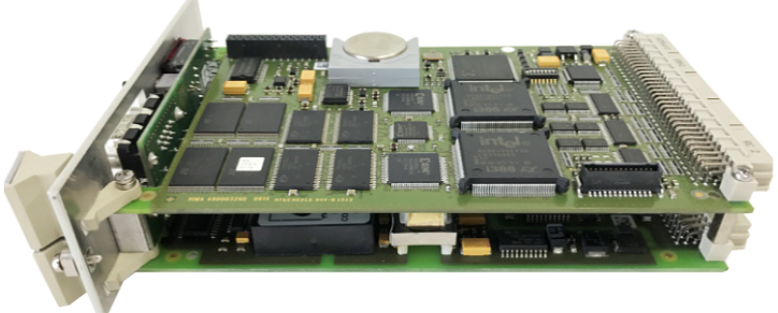
HIMA CPU F8650X Central Module F-8650X - 雄霸工业

ABB PM864AK01 Classic System 800xA hardware selector

The CPU board contains the microprocessor and RAM memory, a real-time clock, LED indicators, INIT push button, and a CompactFlash interface.

The base plate of the PM864A controller has two RJ45 Ethernet ports(CN1, CN2) for connection to the Control Network, and two RJ45 serial ports (COM3, COM4). One of the serial ports (COM3) is an RS-232C port with modem control signals, whereas the other port(COM4) is isolated and used for the connection of a configuration tool. The controller supports CPU redundancy for higher availability(CPU, CEX-Bus, communication interfaces and S800 I/O).

Simple DIN rail attachment / detachment procedures, using the unique slide & lock mechanism. All base plates are provided with a unique Ethernet address which provides every CPU with a hardware identity. The address can be found on the Ethernet address label attached to the TP830 base plate.

Features and benefits

Reliability and simple fault diagnosis procedures

Modularity, allowing for step-by-step expansion

IP20 Class protection without the requirement for enclosures

The controller can be configured with 800xA control builder

The controller has full EMC certification

Sectioned CEX-Bus using a pair of BC810

Hardware based on standards for optimum communication connectivity (Ethernet, PROFIBUS DP, etc.)

Built-in redundant Ethernet Communication ports

Power supply and power consumption

Power input: 24V DC (19.2-30V DC).

Power consumption: The typical value is 287mA (+24V), and the maximum value is 487mA; the typical value of power consumption is 6.9W, and the maximum value is 11.4W.

Work environment

Temperature: The operating temperature is+5 to+55 ° C (+41 to+131 ° F), the storage temperature is -40 to+70 ° C (-40 to+158 ° F), and the temperature change rate is 3 ° C/minute (in accordance with IEC/EN 61131-2).

Altitude: 2000 meters (compliant with IEC/EN 61131-2).

Pollution level: Level 2 (compliant with IEC/EN 61131-2).

Corrosion protection: G3 level in accordance with ISA 71.04.

Relative humidity: 5% to 95%, no condensation.

Noise emission:<55dB.

Vibration: amplitude 0.0375mm when 10<f<50Hz, acceleration 0.5g when 50<f<50Hz, acceleration 0.2g when 5<f<500Hz.

Isolation voltage: The rated isolation voltage is 500V A.C., and the dielectric test voltage is 50V.

Protection level: IP20 (compliant with EN 60529, IEC 529).

Electromagnetic compatibility: The emission and immunity comply with EN 61000-6-4 and EN 61000-6-2.

Certification: Possessing the CE mark, complying with electrical safety standards EN 50178, IEC 61131-2, UL 508, suitable for hazardous locations (UL 60079-15), certified by classification societies (ABS, BV, DNV-GL, LR), and complying with the WEEE Directive (Directive/2012/19/EU).

Size and weight

Width: 196mm (7.3 inches).

Height: 119mm (4.7 inches).

Depth: 135mm (5.3 inches).

Weight: 1200g (2.6 pounds).

ABB 3BSE048845R1 CI868K01 IEC 61850 Interface

Belonging series and purpose

ABB 3BSE048845R1 CI868K01 belongs to the ABB AC 800M controller series. As a high-performance communication interface module, it is designed specifically for complex fieldbus and industrial Ethernet communication in industrial automation systems. It can support multi protocol integration and high-speed data exchange, playing a key role in the efficient operation of industrial automation systems.

Core functions

(1) Multi protocol communication capability

Support multiple mainstream industrial protocols

Profinet: Suitable for real-time communication with high requirements for automation scenarios, it can achieve microsecond level synchronization and meet the stringent requirements for real-time data transmission in motion control scenarios such as servo systems.

Ethernet/IP: an industrial protocol based on Ethernet, with good compatibility with Rockwell systems, making it convenient for devices of different brands to work together in the same industrial network.

Modbus TCP: The Ethernet version of the Modbus protocol, which can be used for device networking and is widely used for interconnection of various industrial devices, facilitating data sharing and interaction between devices.

Partial models support OPC UA: As an industrial IoT standard, OPC UA enables secure data exchange and facilitates device integration with industrial cloud platforms, such as ABB Ability ™, Realize remote device monitoring and data analysis, promote the integration of industrial Internet of Things (IIoT) data collection and cloud platforms, and facilitate the digital transformation of factories.

Flexible master-slave mode: This interface can serve as both a master and slave station, connecting various devices such as PLC, DCS systems, intelligent instruments, and robots, greatly expanding the networking flexibility of industrial automation systems.

(2) High speed data exchange

High performance processor ensures real-time transmission: Equipped with a high-performance processor, it supports real-time data transmission with data transmission latency as low as microseconds, suitable for control systems that require extremely high response speed, such as motion control, process automation, and other fields, ensuring that the system can quickly and accurately respond to various signals.

Data mapping and protocol conversion: It can achieve data mapping and protocol conversion functions, convert and map data formats of different protocol devices, enable seamless communication between devices using different protocols, eliminate communication barriers caused by protocol differences between devices, and improve the compatibility and collaborative work ability of the entire industrial automation system.

(3) System Integration and Configuration

Convenient software configuration method: ABB Control Builder M software can be used to configure, diagnose, and upgrade its parameters and firmware. The software has a user-friendly interface, and engineers can easily and quickly set up various modules, reducing the difficulty of system integration and maintenance.

Redundant configuration enhances reliability: Supports redundant configuration, for example, dual Ethernet interfaces can adopt hot standby mode. When one interface fails, the other interface can immediately take over communication tasks, ensuring the continuity of system communication, effectively improving system reliability, and reducing the risk of system downtime caused by single point failures. At the same time, some models support Profinet ring topology (with switches), further enhancing the reliability and fault tolerance of the network.

Technical parameters

(1) Communication Protocol

Supports Profinet IO, Ethernet/IP, Modbus TCP, and optional OPC UA protocol for some models to meet diverse communication needs in different industrial scenarios.

(2) Interface type

Physical interface: equipped with 2 RJ45 Ethernet interfaces, supporting redundant configuration, ensuring stable communication while facilitating device connection and networking.

Electrical interface: Complies with IEEE 802.3 standard, supports adaptive transmission rates of 10/100/1000 Mbps, and can automatically adjust transmission speed according to network environment to ensure optimal communication performance.

(3) Data transmission rate

The Ethernet transmission rate is adaptive to 10/100/1000 Mbps, which can flexibly adapt to different network bandwidth requirements. Whether it is a conventional monitoring scenario with low data transmission rate requirements, or a high-definition video surveillance scenario with high demand for large data transmission, robot trajectory data transmission, etc., it can provide stable and reliable transmission services.

(4) Power supply

Powered by a DC 24V (± 10%) power supply, with a power consumption of approximately 8-12 watts, it has good power adaptability and can operate stably within a certain range of voltage fluctuations.

(5) Working temperature

The working temperature range is -40 ° C to+70 ° C, with an industrial wide temperature design that can adapt to various harsh industrial environments such as steel smelting and mining.

(6) Protection level

The protection level is IP20, suitable for installation in control cabinets, and can provide basic dust protection for modules, ensuring normal operation in a relatively stable environment inside the control cabinet.

(7) Certification standards

Through CE, UL, CSA, Profinet conformity certification, and OPC UA compliance certification, the product quality and performance meet international standards, providing strong guarantees for its widespread application worldwide.

(8) Redundant support

Supporting dual Ethernet interface redundancy and Profinet ring topology (requiring switch cooperation), effectively improving the reliability and fault tolerance of the system. In terms of configuration tools, ABB Control Builder M software can be used for configuration and supports GSDML files (for Profinet slave configuration), making it convenient for users to set parameters and integrate the system.

3BSE048845R1 | ABB | CI868K01 IEC61850-Ed1 (Edition 1) Communication ...

Product features and advantages

(1) High performance and real-time performance

Gigabit Ethernet support: Supports Gigabit Ethernet, which can meet the needs of large data transmission, such as in high-definition video surveillance, robot trajectory data and other large data transmission scenarios, ensuring fast and stable data transmission, avoiding data lag or loss.

Hard real-time communication: Through protocols such as Profinet, microsecond level synchronization can be achieved, which is particularly suitable for motion control fields that require extremely high time synchronization accuracy, such as precision machining equipment with multi axis linkage. It can ensure precise coordination of each axis motion, improve machining accuracy and product quality.

(2) High reliability design

Hardware redundancy: Dual network ports support link aggregation or redundancy switching functions. When one of the links fails, the system can automatically switch to the backup link to avoid communication interruption caused by a single point of failure, ensuring the continuous and stable operation of industrial automation systems.

Electrical isolation: Built in isolation module, isolation voltage ≥ 2500 VRMS, with strong anti electromagnetic interference (EMI) capability, can effectively resist the impact of complex electromagnetic interference on communication signals in industrial environments, ensuring the accuracy and stability of data transmission.

Watchdog mechanism: Equipped with a watchdog mechanism, it can monitor the real-time running status of software. When the software encounters abnormalities or crashes, it can automatically reset and restore the communication link, reducing the system failure time caused by software failures and improving the reliability and stability of the system.

(3) Flexibility and ease of use

Plug and play: Supports automatic topology recognition (Profinet), which can automatically recognize the network topology structure when devices are connected to the network, reduce manual configuration time, improve system deployment efficiency, and reduce project implementation difficulty.

Visual diagnosis: The module is equipped with status indicator lights (PWR, LINK, ACT, ERR), which can display real-time power, link, data transmission, and fault status. Engineers can quickly determine the working status of modules through indicator lights, identify and solve problems in a timely manner, and reduce maintenance difficulty and costs.

Online upgrade: Supports firmware online upgrade, which can complete firmware updates without downtime, reducing production interruption time caused by system maintenance, lowering maintenance costs, and facilitating users to obtain the latest features and performance optimizations in a timely manner.

(4) Industrial Internet of Things Integration

Native OPC UA protocol support: Native support for OPC UA protocol, which can be directly integrated with industrial cloud platforms such as ABB Ability ™) Docking to achieve remote monitoring and data analysis of equipment. By real-time collection and analysis of equipment operation data, potential faults and hidden dangers can be discovered in a timely manner, maintenance can be carried out in advance, equipment utilization can be improved, and equipment operation and maintenance costs can be reduced.

IT/OT Fusion Architecture Support: Supporting IT/OT Fusion Architecture helps promote digital transformation of factories, break down barriers between information technology (IT) and operational technology (OT), achieve comprehensive integration and sharing of enterprise production and operation data, and provide data support for intelligent decision-making of enterprises.

Model Supplement

ABB PM864AK01-eA

ABB 3BHB003154R0101

ABB 3BHB004027R0101

ABB 3BHE039203R0101

ABB TK802F

ABB DSRF197K01

ABB TK457V050

ABB 81EU01E-E

ABB DSPC454

ABB DSDX453

ABB PDD205A1121

ABB PDD205A0121

ABB UCD224A103

ABB GDD471A001

ABB PFEA113-20

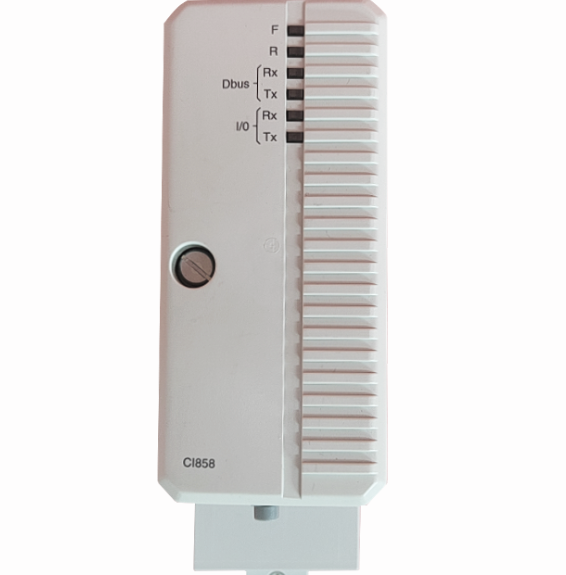
ABB CI858K01 3BSE018135R1驱动总线接口模块 - 雄霸工业

ABB 5SHY35L4520 Asymmetric Integrated Gate

ABB 5SHY35L4520 is an asymmetric integrated gate commutated thyristor with unique performance characteristics, widely used in the industrial field

Product characteristics

Superior switch performance: It has a high non buffering turn off rating and can withstand high voltages without the need for additional buffering circuits during the turn off process, effectively reducing circuit complexity and cost; Optimization for intermediate frequency applications, suitable for circuits in specific frequency ranges, can improve system efficiency.

Strong anti-interference ability: With high electromagnetic anti-interference ability, it can operate stably in complex electromagnetic environments, reduce the impact of external interference on device performance, and ensure reliable operation of equipment.

Convenient control interface: adopting a simple control interface with status feedback, it facilitates users to control and monitor the device in real time, and can timely understand the working status of the device, which is convenient for system debugging and troubleshooting.

Good power adaptability: Supports AC or DC power supply, and can work normally in different power environments, enhancing the product’s versatility and application flexibility.

Device Overview

Type: Asymmetric Integrated Gate Commutated Thyristor (AS-IGCT).

Model: 5SHY 35L4520.

characteristic:

High non buffering shutdown rated value.

Optimized for mid frequency applications.

High electromagnetic anti-interference ability.

Simple control interface with status feedback.

Supports AC or DC power supply.

Electrical parameters

Blocking characteristics

Repetitive off state peak voltage: V ₍ DRM ₎, 4500 V

Permanent DC voltage (100 FIT failure rate): V ₍ DC ₎, 2800 V

Reverse voltage: V ₍ RRM ₎, 17 V

Repetitive off state peak current: I ₍ DRM ₎, 50 mA

On state characteristics

Maximum average on state current (IT (AV) M): 1700 A (half sine wave, TC=85 ° C, double-sided cooling).

Maximum on state effective current (IT (RMS)): 2670 A.

Non repetitive surge on state peak current:

When tp=3 ms: 50 × 10 ³ A.

When tp=10 ms: 32 × 10 ³ A.

When tp=30 ms: 20.5 × 10 ³ A.

On state voltage (VT): When IT=4000 A and Tj=125 ° C, the typical value is 2.35 V and the maximum value is 2.7 V.

Threshold voltage (V ₍ T0 ₎): 1.4 V (Tj=125 ° C).

Slope resistance (rT): 0.325 m Ω.

Switch performance

Activate features

Critical on state current rise rate (diT/dt (cr)): maximum value of 1000 A/μ s.

Opening delay time (td (on)): maximum value of 3.5 μ s.

State feedback activation delay time (td (on) SF): maximum value of 7 μ s.

Rise time (tr): maximum value of 1 μ s.

Single activation energy (Eon): maximum value of 1.5 J.

​Off characteristic

Maximum controllable turn off current (ITGQM): 4000 A.

Turn off delay time (td (off)): maximum value of 7 μ s.

State feedback shutdown delay time (td (off) SF): maximum value of 7 μ s.

Single turn off energy (Eoff): typical value 19.5 J, maximum value 22 J.

Gate Unit data

Power supply parameters

Gate unit voltage (VGin RMS): 28-40 V (AC square wave or DC).

Minimum starting current (Igin Min): 2 A.

Maximum power consumption (Pgin Max): 130 W.

Internal current limit (Igin Max): 8 A.

Light controlled input/output

Minimum conduction time (ton): 40 μ s.

Minimum turn off time (toff): 40 μ s.

Optical input power (Pon CS): -15 to -1 dBm.

Optical noise power (Poff CS): maximum value -45 dBm.

Thermal characteristics

Temperature range (Tvj): -25 to 125 ° C.

Storage temperature (Tstg): -25 to 60 ° C.

Environmental operating temperature (Ta): -25 to 50 ° C.

Thermal resistance to shell (Rth (j-c)): maximum value of 8.5 K/kW (double-sided cooling).

Shell to radiator thermal resistance (Rth (c-h)): maximum value of 3 K/kW (double-sided cooling).

Other information

Transient impedance model: Z th (j-c) (t)=∑ i=1nR i (1-e − t/τ i)

On state voltage characteristic model: calculation formulas for two temperatures, 25 ° C and 125 ° C.

precautions

All maximum rated values are critical parameters, exceeding which may damage the device.

The gate unit is not electrically isolated from the power circuit, and safety precautions should be taken during operation.

Fiber optic cables must not be plugged or unplugged when there is light present.

ABB UNS0119A-P V101 3BHE029153R0101 processor module

Product Overview

The ABB UNS0119A-P V101 3BHE029153R0101 processor module is a core component that plays a critical role in the field of industrial automation and control systems. Its product number 3BHE029153R0101 serves as a unique identifier, facilitating precise product positioning, procurement processes, and orderly inventory management.

Brand background

ABB, as a globally renowned leader in electrical and automation technology, has a deep technological foundation and extensive market influence in the industrial sector. For a long time, ABB has been committed to providing advanced technology solutions for various industries worldwide, covering key areas such as energy, industrial automation, transportation, and more. With its persistent pursuit of technological innovation and strict control over product quality, ABB’s products have won high trust from customers worldwide. The UNS0119A-P V101 processor module is a concentrated reflection of ABB’s technological strength and brand reputation, carrying ABB’s years of research and development experience and engineering practice wisdom in the field of industrial control.

Core functions

Data processing and computation: The ABB UNS0119A-P V101 processor module has powerful data processing capabilities and can quickly and accurately compute and analyze massive amounts of data from industrial sites. In the industrial production process, sensors continuously collect various real-time data, such as equipment temperature, pressure, speed, flow rate, etc. The processor module can efficiently process these data in a short period of time and quickly generate corresponding decision instructions based on preset algorithms and logical rules. For example, in a chemical production process, it can adjust reaction conditions in real time based on data such as temperature, pressure, and material composition inside the reactor, ensuring efficient chemical reactions and stable product quality.

Equipment control and coordination: After connecting with external devices through its rich interfaces, this processor module becomes the “command center” of the entire industrial control system. Taking an automated production line as an example, it can accurately control key parameters such as the start, stop, speed adjustment, and action sequence of each device on the production line. On the automated assembly line of automobile manufacturing factories, it can collaboratively control the precise grasping of robotic arms, precise positioning of components, and efficient operation of conveying equipment, ensuring the efficient and precise assembly process, greatly improving production efficiency and product quality consistency.

Communication and Network Integration: With its advanced communication interface and protocol support, this processor module can seamlessly communicate and deeply integrate with various devices and systems within the factory. On the one hand, it can perform high-speed data exchange with circuit boards of different functional modules within the same industrial equipment, achieving collaborative work between various components within the equipment; On the other hand, through network interfaces such as Ethernet, it can easily connect to the upper control system of the factory, such as the production management system (MES), enterprise resource planning system (ERP), etc., and upload the real-time operation data of on-site equipment to the management layer, providing accurate data support for production decisions. At the same time, it can also receive control instructions from the upper system, achieving remote monitoring and optimization adjustment of the production process.

Working principle

When the ABB UNS0119A-P V101 processor module is connected to an industrial control system, it first receives signals from various sensors, field devices, and other communication nodes through its input interface. These signals may be digital signals, such as the on/off status of switch values; It could also be an analog signal, such as a continuously changing physical quantity signal collected by a sensor. For analog signals, high-precision analog-to-digital conversion circuits are integrated inside the module to quickly convert them into digital signals for subsequent processing by the central processing unit (CPU).

After receiving the digital signal, the CPU performs complex operations, logical judgments, and data analysis on the data based on pre written and stored program code and algorithms in the internal memory. For example, in an intelligent power monitoring system, the CPU compares and analyzes real-time collected data such as grid voltage, current, power factor, etc. with preset standard values, and calculates whether adjustment and control of power equipment are needed based on the analysis results.

The control instructions generated after processing by the CPU will be sent to the corresponding execution devices through the output interface of the processor module. If it is to control the operation of the motor, the control command will drive the motor controller to accurately adjust parameters such as motor speed, steering, and torque; If the opening degree of the valve is controlled, the instruction will accurately control the opening degree of the valve through the executing mechanism, thereby achieving precise control and optimized management of the entire industrial process.

Precautions

Installation environment requirements: To ensure the normal operation and long-term stability of the ABB UNS0119A-P V101 processor module, it should be installed in a dry, well ventilated, and suitable temperature environment. Avoid installing in damp places, as damp environments may cause short circuits on circuit boards and damage internal electronic components; Good ventilation conditions help modules dissipate heat in a timely manner during operation, preventing performance degradation or even malfunctions caused by high temperatures. At the same time, it is necessary to stay away from strong magnetic and electric field sources, such as large motors, transformers, high-frequency equipment, etc., to avoid interference from magnetic and electric fields, which can affect the accuracy of data transmission and the normal operation of processors.

Electrostatic protection measures: During the installation and maintenance of processor modules, operators must strictly implement electrostatic protection measures. The human body is prone to accumulating static electricity in daily activities. When in contact with modules, static electricity may be released instantly, generating high voltage that can penetrate sensitive electronic components on the module, causing irreparable damage. Therefore, operators should wear anti-static wristbands and ensure that the wristbands are well grounded before touching the module. At the same time, the operation process should be carried out on an anti-static workbench, and the tools used should also have anti-static performance. In addition, anti-static packaging materials should be used during the storage and transportation of modules to avoid damage caused by static electricity.

Power adaptation and connection: Strictly follow the electrical parameter requirements of the processor module to select the appropriate power supply equipment. Ensure that the output voltage, current, and other parameters of the power supply are accurately matched with the rated values of the module. Excessive or insufficient voltage may cause irreversible damage to the module. When connecting the power supply, be sure to carefully check the polarity of the power supply to ensure that the positive and negative poles are connected correctly, in order to avoid burning out the module due to connection. In order to further improve the stability and reliability of the power supply, it is recommended to add a voltage stabilizing filter device at the input end of the power supply to effectively suppress power fluctuations and clutter interference, and provide stable and pure power supply for the processor module.

ABB UNS0119A-P,V101 module – Changxin Automation

Xycom 99212A-001 PC board

Basic information

Product number: 99221A-001, this is the unique identifier for this PC board, used for product identification, procurement, and inventory management.

Brand: XYCOM Automation, which has a certain reputation in the field of industrial automation and focuses on providing high-performance control and automation solutions for various industrial applications.

Application area 

Industrial automation control: can be used on the production line of factories to precisely control various equipment and processes, such as controlling the movement of robots, the speed and sequence of production lines, etc., to ensure the stability and efficiency of the production process.

Mechanical equipment control: Used in various types of mechanical equipment, such as CNC machine tools, injection molding machines, printing machines, etc., to control the operating parameters, operating modes, and fault diagnosis of the equipment, improving its performance and reliability.

Process automation: In process automation systems in industries such as chemical, petroleum, and power, it can be used to monitor and control process parameters such as temperature, pressure, and flow rate, achieving automated adjustment and optimization of production processes.

Characteristics and advantages

High reliability: Using high-quality materials and advanced manufacturing processes, it can operate stably in harsh industrial environments, with characteristics such as anti-interference, anti vibration, and high temperature resistance, reducing the probability of failures and lowering maintenance costs.

Rich interfaces: Equipped with various types of interfaces, such as digital input/output interfaces, analog input/output interfaces, serial ports, Ethernet ports, etc., it can easily connect and communicate with other devices, achieving system integration and expansion.

Flexibility and Scalability: Supports multiple programming languages and communication protocols, allows for flexible programming and configuration according to different application requirements, and can increase functionality by adding extension modules to meet project needs of different scales and complexities.

Core functions

Data processing and computation: The Xycom 99221A-001 PC board has powerful data processing capabilities and can quickly and accurately compute and analyze data from various sensors, controllers, and other devices. In the industrial production process, a large amount of real-time data is constantly generated, such as the quantity of products on the production line, the operating status parameters of equipment, etc. This PC board can process these data in a timely manner and generate corresponding control instructions based on preset algorithms and logic to ensure the smooth progress of the production process.

Device control: After connecting with external devices through its rich interfaces, the device can be precisely controlled. Taking industrial robots as an example, this PC board can control the robot’s motion sequence, trajectory, speed and other parameters, enabling it to complete various complex operations such as handling, assembly, welding and other tasks according to the requirements of production processes. In an automated production line, it can also coordinate the work rhythm between various equipment to achieve efficient operation of the production line.

Communication function: With its multiple communication interfaces, it can communicate stably and reliably with other devices or systems. On the one hand, it can communicate with circuit boards of different functional modules within the same industrial equipment, achieving collaborative work within the equipment; On the other hand, through interfaces such as Ethernet ports, it is possible to exchange data with the factory’s upper control system, other production equipment, and the enterprise’s information management system, achieving information integration and sharing throughout the entire production workshop and even the enterprise, providing data support for production management and decision-making

Precautions

Installation environment: To ensure the normal operation of Xycom 99221A-001 PC board, it should be installed in a dry and well ventilated environment. Avoid installing in damp places to prevent the circuit board from being short circuited due to moisture and damaging electronic components; Good ventilation conditions help dissipate heat and prevent performance degradation or even malfunctions of PC boards due to high temperatures. At the same time, it is necessary to stay away from strong magnetic field sources, such as large motors, transformers, etc., to avoid interference from magnetic fields, which can affect the accuracy of data transmission and processing.

Electrostatic protection: During the installation and maintenance of PC boards, operators need to take electrostatic protection measures. The human body is prone to accumulating static electricity in daily activities. When in contact with a PC board, static electricity may be released instantly, and the high voltage generated may break down sensitive electronic components on the circuit board. Therefore, operators should wear anti-static wristbands and operate on anti-static workbenches. At the same time, the tools used should also have anti-static properties to reduce the risk of static electricity causing damage to the PC board.

Power supply adaptation: Strictly follow the electrical parameter requirements of the PC board and select the appropriate power supply equipment. Ensure that the output voltage, current, and other parameters of the power supply match the rated values of the PC board. Excessive or insufficient voltage may cause irreversible damage to the PC board. When connecting the power supply, pay attention to the correct connection of the positive and negative poles to avoid burning the circuit board due to the connection. In addition, to prevent the impact of power fluctuations on the PC board, it is possible to consider adding a voltage stabilizing filter device at the power input end to ensure the stability of the power supply.

Similar model supplement

Xycom 99213-001 has certain similarities in functionality and application scenarios with 99212A 001. The same applies to the field of industrial automation control, but there may be differences in certain parameters or interface configurations. For example, the number or type of interfaces may be adjusted according to specific application requirements. In some projects that require a high number of interfaces or have special requirements for specific interface types, 99213-001 may be chosen. In terms of data processing capabilities, optimizations may have been made for certain types of data operations to meet the data processing needs of specific industrial production processes.

Xycom 99266-001: This model also belongs to the PC board product series of XYCOM Automation company. Compared to 99212A -001, it may have different size specifications, which gives it an advantage in some application scenarios with special requirements for equipment space layout. In terms of functional characteristics, 99266-001 may have better support for certain specific industrial communication protocols, or have been enhanced in anti-interference performance for specific industrial environments. For example, in places such as steel plants and substations where electromagnetic interference is particularly severe, 99266-001 may exhibit better adaptability.

XYCOM 70600-001 PC BOARD 70600001 - SB Industrial Supply, Inc.

Xycom 144365-001 motherboard

Product Overview

The Xycom 144365-001 motherboard is a key circuit board product developed by XYCOM for industrial and professional applications. This motherboard is designed with full consideration of the strict requirements for stability, reliability, high-performance computing, and data processing in complex working environments. It can serve as a core component to provide a stable and efficient operating foundation for various industrial equipment, automation systems, and professional computing platforms, helping the system achieve precise control and smooth data exchange, ensuring the stable operation of the entire system.

Brand background

XYCOM, as a leader in the fields of industrial automation and embedded systems, has long held an important position in the market due to its profound technological accumulation and precise understanding of industry demands. The company has always been committed to providing cutting-edge control and computing solutions to global customers, with products covering a wide range of key industries such as industrial automation, process control, transportation, and energy management. With its advanced technology research and development capabilities, strict quality control system, and comprehensive customer service network, Xycom 144365-001 motherboard has won high recognition and trust from global users. It is a reflection of the brand’s strength and professional spirit.

Specification parameters

Processor adaptation: This motherboard can adapt to various high-performance processors. Although the specific processor models may vary due to application scenarios and customer customization needs, it can provide powerful computing power to the system as a whole, easily handle complex data processing tasks in industrial scenarios, ensure smooth system operation, and respond promptly.

Memory performance: The motherboard is equipped with high-performance memory slots, supporting multiple specifications of memory modules, and can flexibly expand memory capacity according to actual needs to meet the requirements of different applications for data storage and fast reading. The high-speed memory read and write speed ensures that the processor can quickly obtain the required data when executing tasks, improving the overall performance of the system.

Interface details:

Serial interface: It has multiple RS-232/RS-485 serial ports, which provide convenience for connecting various serial devices such as industrial sensors, smart meters, serial communication modules, etc., facilitating data transmission and instruction interaction between devices.

USB interface: Multiple USB 2.0 or higher version interfaces are set up, which can be used to connect external storage devices, keyboards, mice, printers and other general-purpose devices, greatly expanding the functional application range of the motherboard and improving the usability of the system.

Network interface: Integrated with 10/100/1000Mbps Ethernet interface, it ensures stable and high-speed network connection, meets the needs of rapid transmission of large amounts of data between devices and devices, as well as between devices and the cloud in industrial IoT environments, and realizes functions such as remote monitoring, data collection, and remote control.

Other interfaces: may also have parallel ports for connecting specific industrial equipment or high-speed data transmission; Video output ports, such as VGA, HDMI, etc., are convenient for connecting to displays, enabling visual display of system status and data; PS/2 interface, capable of connecting traditional keyboards and mice, ensuring convenient operation in various environments; Audio interface, used to achieve functions such as voice communication or audio prompts.

Size and Construction: In terms of size design, the motherboard fully considers the compactness of the internal space of industrial equipment, adopts reasonable external dimensions, and can adapt to the installation needs of various industrial chassis and equipment. Its shell and internal structure are made of sturdy and durable materials, with good anti vibration and anti impact performance, which can effectively resist common mechanical stresses in industrial environments, ensuring stable operation of the motherboard under harsh working conditions and reducing the risk of failure caused by physical damage.

Power requirements: The motherboard supports a wide range of power input, typically 9-30 Volt regulated DC input, which enables it to adapt to different industrial power environments. In addition, external AC power supplies can be flexibly selected according to actual application scenarios to meet diverse power supply needs and ensure that the equipment can operate continuously and stably under different power conditions.

Precautions

Installation environment requirements: The motherboard should be installed in a dry, well ventilated, and suitable temperature environment. Avoid using in environments with high temperatures (exceeding the specified working temperature range), high humidity (relative humidity exceeding the allowable range), or high dust, as these harsh environments may cause damage, short circuits, or performance degradation of electronic components on the motherboard, thereby affecting its normal operation and service life.

Key points for power connection: When connecting the power supply, it is necessary to ensure that the voltage range and specifications of the input power supply are completely matched with the requirements of the motherboard. Carefully check the positive and negative polarity of the power supply to avoid reverse connection, otherwise it may instantly burn sensitive components on the motherboard, causing irreversible damage. If using an external AC power supply, it is necessary to strictly select the appropriate model and connect it according to the correct wiring method to ensure the stability and safety of the power supply.

Interface Usage Specification: When connecting external devices to the motherboard interface, carefully confirm whether the type and specifications of the device interface are consistent with those of the motherboard interface to ensure a matching connection. It is strictly prohibited to forcefully plug or unplug interface devices to avoid damaging the physical structure of the interface, resulting in poor contact or data transmission failures. During the operation of the device, try to minimize frequent plugging and unplugging of interface devices, as this may cause momentary current surges or data transmission errors, affecting the normal operation of the device and even damaging the device and motherboard.

Attention to installation of expansion modules: If expansion modules such as PCI cards, PCI Express cards, etc. need to be installed, the device power must be turned off before operation to prevent the risk of electric shock and short circuit. During the installation process, it is necessary to strictly follow the instructions in the product manual, correctly align the slot position, smoothly insert the expansion module, and ensure that it is firmly fixed. If installed improperly, it may cause the system to not recognize the expansion module, resulting in compatibility issues, and even damaging the motherboard slot or the expansion module itself.

System maintenance suggestion: Regular comprehensive inspection and maintenance of devices installed with this motherboard are key to ensuring its long-term stable operation. Daily maintenance work includes cleaning the dust on the surface and inside of the equipment to prevent dust accumulation from affecting heat dissipation and electrical performance; Check if the interface connection is loose, and if there is any looseness, promptly re plug and fix it; Regularly update system software, install the latest operating system patches and application upgrade packages to improve system security and stability, and fix potential software vulnerabilities.

昱显科技_昱芯动 显智慧_瑞芯微主板_工控主板/主机开发定制_智能硬件解决方案设计公司

XYCOM 70400-001 T3065-4 XVME-400 Board

Product Overview

XYCOM 70400-001 T3065-4 XVME-400 Board is a widely used circuit board product in industrial automation and related fields. It is designed to meet the high-performance computing and control requirements in complex industrial environments, and can run various critical tasks stably and reliably, providing core support for the efficient operation of industrial systems.

PRODUCT MODEL

70400-001: It may be a specific product number for this circuit board, used to distinguish different versions, configurations, or production batches, and contains some basic information about the product, such as series, functional characteristics, etc.

T3065-4: It may represent certain specific technical specifications, parameters, or functional features of the circuit board, such as its interface type, transmission rate, supported protocols, etc.

XVME-400: It is the main model identification of the circuit board, indicating that it belongs to the XVME series of products, usually with specific architecture and functions, suitable for specific application scenarios, such as industrial control, data acquisition, automation systems, etc.

Application area 

Industrial automation: used to control various equipment on the production line, such as robots, conveyors, machining centers, etc., to achieve automated production processes, improve production efficiency and quality.

Process control: In industries such as chemical, petroleum, and power, it is used to monitor and control various parameters in the production process, such as temperature, pressure, flow rate, etc., to ensure the stable operation and safety of the production process.

Transportation: It can be applied in fields such as traffic signal control, railway transportation systems, and intelligent traffic management to optimize and manage traffic flow.

Energy management: In the field of energy production and distribution, it is used to monitor and manage power systems, energy networks, etc., to improve energy utilization efficiency and reliability.

Specification parameters

Processor related: High performance processors are used, and the specific models and parameters may vary slightly depending on the product batch, but overall they can provide powerful computing capabilities to meet the complex data processing needs in industrial scenarios and ensure efficient system operation.

Memory and storage: It has sufficient memory capacity, supports high-speed data read and write, and can quickly respond to system instructions. In terms of storage, multiple storage interfaces are provided to adapt to different types and capacities of storage devices, meeting the diverse needs of users for data storage.

Interface configuration: It has rich interfaces, including multiple RS-232 serial ports, which can be used to connect various serial devices such as sensors, controllers, etc; Equipped with multiple USB 2.0 compatible ports for easy access to external devices, enabling data transfer and expansion; Configure 10/100 Ethernet interface to ensure stable and high-speed network connection, meeting the communication needs of industrial networks; At the same time, it also has parallel ports, video ports, PS/2 mouse and keyboard ports, and audio ports, providing convenience for the comprehensive application of the system.

Size and appearance: The product is designed to be compact and reasonable in size, and can adapt to the installation space requirements of various industrial equipment. Its external structure is sturdy and durable, and can effectively resist adverse factors such as vibration and impact in industrial environments, ensuring stable operation under harsh conditions.

Power requirements: Supports 9-30 Volt regulated DC input, can adapt to different power environments, and can also be optionally equipped with an external AC power supply to meet diverse power supply needs and ensure continuous and stable operation of the equipment.

Core functions

Data processing and computation: With powerful processor and memory architecture, it can efficiently process large amounts of data collected from industrial sites, perform real-time computation and analysis, and provide accurate data support for industrial control decisions.

Equipment control and communication: Seamless connection with various industrial equipment through rich interfaces, precise control of equipment operation status, and fast and reliable transmission of equipment data, achieving collaborative work and system integration between devices.

System Expansion: Provides a half length PCI expansion slot and two PCMCIA card slots to facilitate users in expanding system functions according to actual needs, such as adding PCI cards with specific functions or using PCMCIA devices, enhancing system adaptability and flexibility.

Storage Management: Utilizing CompactFlash ™  Type I/II slots serve as system memory storage for operating systems and applications, ensuring stable storage and fast reading of system data, improving system startup speed and operational efficiency.

Precautions

Installation environment: It should be installed in a dry, well ventilated, and suitable temperature environment, avoiding use in high temperature, high humidity, or dusty environments to prevent damage to the circuit board, affecting its performance and lifespan.

Power connection: Ensure that the power input meets the voltage range and specifications specified by the product. When connecting the power supply, pay attention to the positive and negative polarity to avoid reverse connection and equipment damage. When using an external AC power supply, choose the appropriate model and connect it according to the correct wiring method.

Interface usage: When connecting external devices to the interface, ensure that the device interface matches the circuit board interface to avoid interface damage caused by forced plugging and unplugging. During device operation, try to avoid frequent plugging and unplugging of interface devices to prevent data transmission errors or device failures.

Expansion module installation: If you need to install an expansion module, such as a PCI card or PCMCIA device, you must first turn off the device power and install it correctly according to the product manual to avoid system recognition or compatibility issues caused by improper installation.

System maintenance: Regularly inspect and maintain the equipment, clean the dust on the surface of the equipment, and check whether the interface connections are loose. In terms of system software, timely updates of operating system and application patches are necessary to improve system security and stability.

XYCOM模块VME总线XVME-400(2024全+境/派+送/直+达)_技术研讨_仪器仪表技术文献_阿仪网

Xycom Automation # 9450-2480016010000 Interface Monitor Model

Product Overview

Xycom Automation # 9450-2480016010000 Interface Monitor is a professional equipment designed specifically for industrial automation systems, data communication network monitoring, and other scenarios. It aims to provide reliable and accurate interface status monitoring and data transmission analysis functions for various complex systems. Xycom Automation, with its profound technical accumulation in the field of industrial automation control and keen insight into market demand, has created this high-performance interface monitor. It plays a key role in industries such as industrial production, intelligent transportation, and energy management. It can monitor important parameters such as interface connection status, data flow, and signal quality in real time, helping operation and maintenance personnel discover and solve potential problems in the system operation process in a timely manner, and ensuring the stable and efficient operation of the system.

Technical specifications

Supporting interface types: compatible with RS-232/422/485 serial port, Ethernet interface (IEEE 802.3 standard), and CAN bus interface, capable of monitoring various communication key indicators.

Monitoring parameter range: Data traffic monitoring covers Kbps to Gbps levels, capable of detecting quality parameters such as signal voltage amplitude and noise interference, and adapting to different scene requirements.

Display and output: Equipped with a display screen to display monitoring data, with USB or Ethernet data output interfaces, supporting CSV, XML and other formats for export.

Work environment requirements: working temperature of -40 ℃ to+85 ℃, humidity of 5% to 95%, no condensation, seismic resistance, and adaptability to complex industrial environments.

Functional Features

Real time monitoring and warning: 24/7 monitoring, and in case of abnormalities, warning can be given through sound, screen display, SMS/email, etc. to reduce system downtime.

Data analysis and report generation: Analyze historical data to predict load, identify interference sources, and automatically generate reports including interface status, traffic, and quality assessment.

Multi interface synchronous monitoring: supports synchronous monitoring of multiple types of interfaces, helping large systems quickly locate faults.

Remote monitoring and management: Supports remote access, allowing users to view data, modify parameters, diagnose equipment, and improve operational efficiency.

Application scenarios

Industrial automation production line: monitoring the interface between the controller and the executing mechanism to ensure the transmission of production instructions.

Intelligent transportation system: Monitor system interfaces such as vehicle networking and parking management to improve traffic management efficiency.

Energy management system: Monitor communication interfaces of energy equipment to ensure data transmission and energy security.

Data center network monitoring: Monitor core switch interfaces to ensure network stability and data transmission.

9450 Industrial PCs

XYCOM 70560-001 AIN XVME-560, VMEbus module card

Product Overview

Xycom 70560-001 AIN XVME-560 is a high-performance VMEbus analog input module card specially designed for industrial automation, data acquisition and monitoring fields. As a senior brand in the fields of automation control and industrial electronics, Xycom has launched this product with years of accumulated technical strength and profound insight into market demand. Its design purpose is to provide accurate and stable analog signal acquisition and conversion functions for various complex systems, which can be widely applied in various scenarios such as industrial production, energy monitoring, intelligent transportation, etc., meeting the strict requirements of different industries for accurate data acquisition and processing.

Specification parameters

Working voltage: Suitable for common industrial standard voltages, such as+5V DC for digital circuit parts, providing stable power supply for chips and logic circuits, ensuring stable operation of data processing and transmission; ± 12V DC is used in analog signal processing circuits to ensure precise amplification, conditioning, and other operations of analog signals. This multi voltage adaptation design can adapt to the power supply architecture of different devices and systems, ensuring reliable operation of the module in various industrial power environments.

Interface type: Equipped with standard VMEbus interface, following the VME (Versa Module Europa) bus specification, capable of high-speed and reliable data communication with other modules within the VME system (such as controller modules, data storage modules, etc.), with data transmission rates reaching tens of MB/s or even higher, meeting the system’s demand for fast interaction of large amounts of data. At the same time, it has multiple analog input channel interfaces, such as 16 single ended or 8 differential analog input channels, which can flexibly connect various analog signal sources, such as voltage or current signals output by sensors (temperature sensors, pressure sensors, flow sensors, etc.).

Size specifications: Adopting a compact exterior design, the dimensions are approximately 233.35mm (9.2 inches) in length and 160mm (6.3 inches) in width. This size fits the limited installation space inside industrial control cabinets and various equipment, making it easy to integrate and install, and helping to improve the overall integration and compactness of the equipment.

Layer number of circuit boards: Use multi-layer circuit board design, such as 6 or 8 layers. Through careful layout, the inner layer is used for power distribution, grounding planes, and critical signal routing, while the outer layer is used to connect various components and interfaces. Multi layer design greatly enhances the stability of signal transmission, reduces signal interference and crosstalk, and ensures accurate and error free transmission and processing of both analog and digital signals in complex electromagnetic environments.

Circuit board material: The substrate is made of high-quality FR-4 material, which has excellent electrical insulation performance and can effectively prevent circuit short circuits; High mechanical strength enables it to withstand vibrations and impacts in industrial environments; Excellent stability ensures that the performance of the circuit board is not affected within a large temperature range (such as -40 ℃ to+85 ℃) and humidity range (5% -95% non condensing). The electronic components on the board are all high-quality products from well-known brands, ensuring the overall performance and reliability of the module from the source.

Analog input range: Supports multiple analog input signal ranges, commonly including ± 10V, ± 5V, ± 2.5V, 0-10V, etc. It can be flexibly configured according to the range of sensor output signals in actual application scenarios. For example, in a temperature measurement system, if the output signal range of the thermocouple sensor used is 0-5V, the input range of the module can be set to 0-10V to adapt to the sensor signal.

Resolution: Possessing high resolution, such as 16 bits or higher. High resolution means that modules can more accurately distinguish subtle changes in analog signals and provide richer data details when converting analog signals into digital signals. In pressure monitoring applications, a 16 bit resolution can accurately reduce pressure changes to smaller scales, providing powerful data support for precise control of the production process.

Sampling rate: It has a fast sampling rate, such as up to 100kS/s (sampling 100000 samples per second) or even higher. A high sampling rate enables the module to quickly capture changes in analog signals, making it suitable for scenarios that require high monitoring of signal dynamic changes, such as motor operation status monitoring, where rapid fluctuations in motor current and voltage signals can be collected in a timely manner, providing real-time data for fault diagnosis.

Precautions

Installation environment: It should be installed in a dry, well ventilated, and suitable temperature environment (generally recommended working temperature range is -40 ℃ to+85 ℃), avoiding installation in damp, high temperature, high dust, or corrosive gas environments. A humid environment may cause short circuits in circuit boards, high temperatures can affect the performance of electronic components, and high dust and corrosive gases can corrode circuit boards, all of which may affect the performance and service life of modules.

Electrostatic protection: During the installation, disassembly, and maintenance of modules, operators must wear anti-static wristbands and other protective equipment to prevent damage to sensitive electronic components on the module caused by human static electricity. Static electricity may instantly penetrate chips or other electronic components, causing module failure.

Power connection: Ensure that the power connection is correct and error free, carefully check the polarity and magnitude of the input voltage, and ensure that it matches the rated voltage requirements of the module. Incorrect power connections may cause module burnout or malfunction. Before connecting the power supply, a multimeter or other tools should be used to measure the power supply voltage, and after confirming that it is correct, the connection can be made.

Signal cable connection: When connecting analog signal cables, attention should be paid to the length and quality of the cables. Long cables may cause signal attenuation and affect acquisition accuracy. It is generally recommended that the cable length does not exceed the specified value (such as 30 meters). At the same time, to ensure a secure cable connection and avoid looseness or poor contact, cable fixing devices can be used to fix the cables.

Software configuration: When configuring modules, it is necessary to strictly follow the requirements of the product manual to avoid abnormal data collection or module malfunction caused by incorrect parameter settings. After changing the configuration parameters, testing should be carried out in a timely manner. The accuracy of the collected data can be checked by collecting known standard signals to ensure the normal operation of the system.

Calibration and maintenance: Regularly calibrate the module, use a standard signal source to input known signals, compare the data collected by the module with the standard value, calibrate the deviation, and ensure that the collection accuracy always meets the requirements. At the same time, regularly check the hardware status of the module, such as observing whether there are any damaged components or loose solder joints on the circuit board, and promptly identify and solve potential problems.

Similar model supplement

Xycom XVME-556: It is also Xycom’s VMEbus analog input module, which has similar functions to XVME-560, including analog signal acquisition and conversion. However, the number of analog input channels for XVME-556 may be relatively small, such as only 8 single ended or 4 differential input channels, making it suitable for simple application scenarios with low channel requirements. In terms of resolution, XVME-556 may have a 12 bit resolution, which is lower than XVME-560’s 16 bit resolution and is more suitable for situations where accuracy requirements are relatively low.

Xycom XVME-562: This model overlaps with XVME-560 in terms of functionality and supports multi-channel analog input. However, XVME-562 may have different sampling rates, such as a maximum sampling rate of 50kS/s, which is lower than XVME-560’s 100kS/s, making it suitable for scenarios that do not require high real-time monitoring of signal changes. In addition, XVME-562 may be slightly less flexible in terms of input range, with relatively fewer types of input ranges available.

XYCOM XVME-653 single-slot VMEbus Pentium processor module Guaranteed ...

Search for products

Back to Top
Product has been added to your cart