
Call us 24/7uaedcs@163.com
Welcome to the official website of CNIACS Automation Technology Co., Ltd!
Call us 24/7uaedcs@163.com

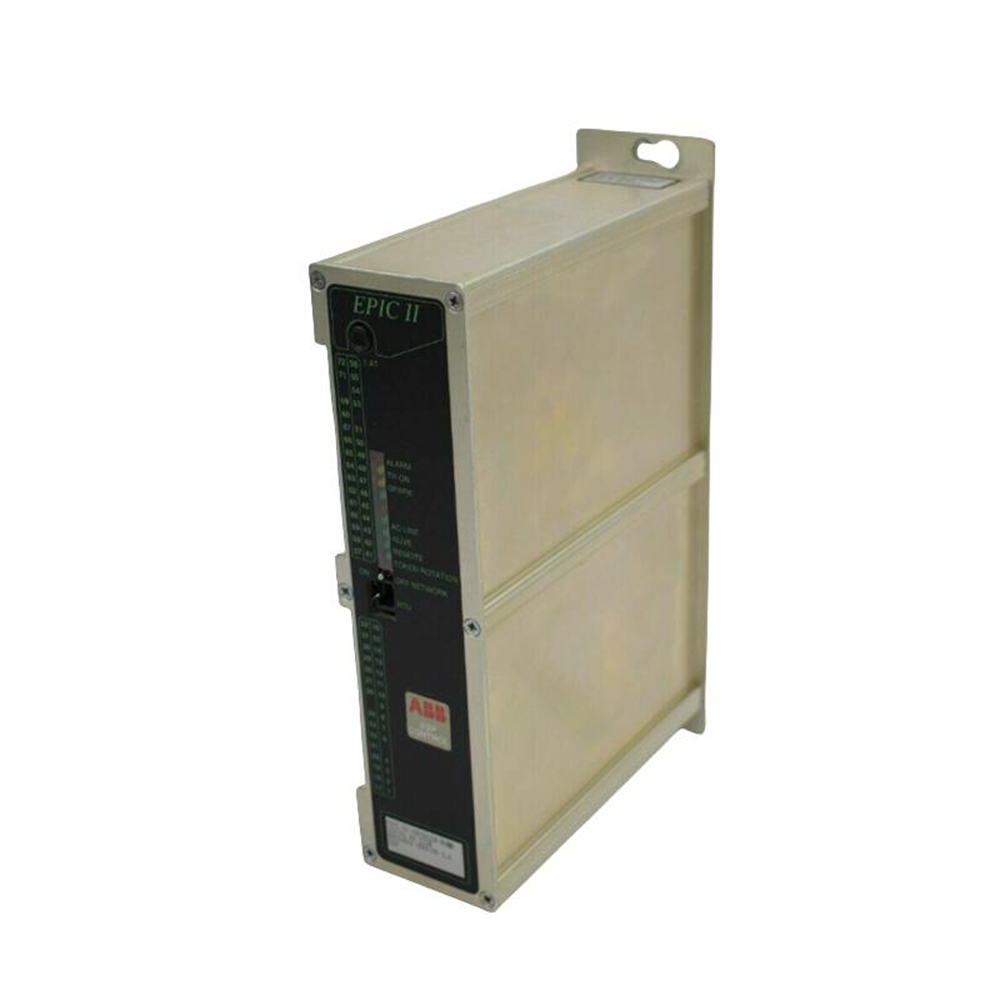
ABB TET106 11355-0-6050000 Industrial Control Module

product overview

The ABB TET106 11355-0-6050000 industrial control module is a core control device designed specifically for complex industrial automation scenarios. It plays a key role in industrial control systems, mainly used to achieve precise monitoring and control of industrial production processes. This module is capable of efficiently collecting various types of sensor data, processing and analyzing it through advanced algorithms and logic programs, and outputting precise control instructions to drive the execution mechanism, ensuring stable and efficient operation of industrial production processes. It is an indispensable component for achieving industrial automation and intelligence.

Specification parameters

(1) Electrical parameters

Working voltage: Supports a wide range of DC voltage input, usually 24VDC ± 15%, which can adapt to common voltage fluctuations in industrial sites, ensure stable module operation, and reduce the risk of faults caused by unstable voltage.

Signal input and output range: It has rich analog and digital input and output channels. Analog input supports multiple standard signal types, such as 4-20mA, ± 10V, etc; Analog output can provide stable current or voltage signals for precise control of actuators. The digital input/output channel can reliably process switch signals and achieve functions such as equipment start stop and status monitoring.

(2) Communication parameters

Communication interface: equipped with various communication interfaces such as Ethernet interface and RS485 serial port. The Ethernet interface supports high-speed data transmission, making it convenient to connect with the upper computer, other intelligent devices, or industrial networks for remote monitoring and data exchange; RS485 serial port is suitable for communication with traditional industrial equipment, enhancing the compatibility and applicability of the module.

Communication Protocol: Supports multiple mainstream industrial communication protocols, such as Modbus TCP, Profibus DP, EtherNet/IP, etc. Through these protocols, the TET106 module can seamlessly integrate with PLC, DCS systems, and other industrial automation equipment to build a flexible and efficient industrial automation network, achieving fast and stable data transmission and sharing.

(3) Physical parameters

Installation method: Supports standard DIN rail installation, the installation process is simple and fast. Simply insert the module into the rail and fix it, and the installation can be completed. It can also be fixed on the installation plane with screws, making it convenient for on-site installation and later maintenance.

Environmental adaptability: The working temperature range is usually -40 ℃ -+70 ℃, and the relative humidity range is 5% -95% (without condensation). It has excellent resistance to vibration, impact, and electromagnetic interference, and can adapt to harsh industrial environments such as high temperature, humidity, high dust, and complex electromagnetic environments, ensuring stable operation under various working conditions.

Core functions

(1) Accurate data collection and processing

The TET106 module has high-precision data acquisition capabilities, which can quickly and accurately obtain analog and digital signals from various sensors, such as temperature, pressure, flow rate, equipment operating status, and other data. Built in high-performance processors and advanced data processing algorithms can perform preprocessing such as filtering, calibration, and linearization on the collected data, effectively removing noise interference, improving data accuracy and reliability, and providing a solid data foundation for subsequent control decisions.

(2) Powerful logic control and algorithm execution

Supports multiple programming languages, including Ladder Diagram, Structured Text, Function Block Diagram, etc., making it convenient for engineers to write complex control logic programs according to different industrial control requirements. The module is capable of performing basic logical and arithmetic operations, as well as advanced algorithms such as PID control, fuzzy control, and adaptive control, to achieve precise adjustment and optimization of industrial production processes and meet diverse process control requirements.

(3) Efficient communication and network integration

With rich communication interfaces and extensive protocol support, the TET106 module can easily integrate into various industrial automation network architectures. It can communicate in real-time with the upper computer monitoring system, upload the collected data and equipment operation status to the monitoring center, and facilitate remote monitoring and management of the production process by operators; At the same time, it can also receive control instructions and parameter adjustment information issued by the upper computer, achieving remote control and program updates. In addition, it can also interact and collaborate with other control modules and intelligent devices to build a complete industrial automation control system.

(4) Comprehensive fault diagnosis and self-protection

Equipped with an advanced fault diagnosis system, it can monitor the real-time operation status of internal circuits, communication connections, input/output channels, and external devices of the module. Once a fault is detected, such as sensor failure, communication interruption, overload, short circuit, etc., the module will immediately trigger an alarm mechanism, feedback fault information through LED indicator flashing, communication interface output fault code, etc., to facilitate maintenance personnel to quickly locate and troubleshoot the fault. At the same time, it has self-protection function and automatically takes protective measures in case of faults, such as cutting off dangerous outputs, switching to backup working mode, etc., to prevent the expansion of faults and ensure the safe and stable operation of industrial production.

5、 Working principle

When the ABB TET106 11355-0-6050000 industrial control module operates in an industrial control system, it first receives analog and digital signals from industrial field sensors through input interfaces. The analog signal is amplified, filtered, and processed by the front-end signal conditioning circuit, and then converted into a digital signal by an A/D converter; Digital signals are directly subjected to level conversion and isolation processing, and then these signals are transmitted to the central processing unit (CPU) inside the module.

The CPU performs logical operations and algorithm processing on input signals based on pre written and stored control programs in the module memory, generating corresponding control instructions. After processing, these control instructions are transmitted to the executing mechanism through output interfaces, such as regulating valves, motor drivers, relays, etc., to control the operating status of the equipment and achieve regulation of the industrial production process.

Throughout the entire operation, the communication module is responsible for data exchange with external devices. On the one hand, the collected data and module operation status information are packaged according to the selected communication protocol and uploaded to the upper computer monitoring system or other network devices through the communication interface; On the other hand, it receives control instructions and parameter adjustment information from the upper computer or other devices, and transmits them to the CPU for processing. At the same time, the fault diagnosis module continuously monitors the operating status of each part of the module, and once any abnormalities are detected, the corresponding fault handling mechanism is immediately triggered.

Key advantages

(1) High reliability and stability

By using high-quality electronic components and advanced manufacturing processes, and undergoing strict quality inspection and aging testing, the module ensures stability and reliability during long-term continuous operation. Electrical isolation design, anti-interference measures, and comprehensive self-protection functions enable it to effectively resist the adverse effects of complex electromagnetic environments and voltage fluctuations in industrial sites, reduce failure rates, minimize downtime, and ensure the continuity and stability of industrial production.

(2) High flexibility and scalability

Supporting multiple programming languages and communication protocols, users can flexibly customize the functions and communication methods of modules according to different industrial application scenarios and control requirements. The modular design concept makes system expansion more convenient. By adding expansion modules, it is easy to increase the number of input and output channels or expand other functions, meeting the needs of industrial production scale expansion and process upgrading.

(3) Efficient, user-friendly, and easy to maintain

With a friendly programming interface and intuitive operation mode, it reduces the threshold for use, allowing even less experienced engineers to quickly get started. Rich diagnostic information and status indication functions can help maintenance personnel quickly locate the fault point and shorten the troubleshooting time. In addition, modular structural design facilitates rapid replacement of faulty modules, reduces maintenance workload and costs, and improves equipment availability.

(4) Wide industry applicability

With powerful functions and excellent performance, ABB TET106 11355-0-6050000 industrial control module is suitable for many industrial fields such as power, chemical, metallurgy, manufacturing, food and beverage, pharmaceuticals, etc. Whether it is large and complex industrial automation systems or small automation control equipment, reliable and efficient control solutions can be provided to meet the diverse industrial control needs of different industries.

Precautions

(1) Installation environment requirements

When installing the TET106 module, it should be ensured that the installation environment meets its specified requirements for temperature, humidity, dust prevention, electromagnetic interference prevention, etc. Avoid installing modules in environments with high temperature, humidity, corrosive gases, or strong electromagnetic interference. If unavoidable, effective protective measures should be taken, such as installing heat dissipation devices, electromagnetic shielding equipment, etc., to ensure the normal operation of the module.

(2) Wiring standard operation

Strictly follow the wiring diagram provided in the product manual to connect the power and signal lines, ensuring correct wiring and accurate polarity. Different types of signals (such as analog, digital, and power lines) should be wired separately to avoid signal interference. After the wiring is completed, carefully check whether the wiring terminals are secure to prevent loose connections that may cause poor contact or short circuits.

(3) Programming and Parameter Setting

Before programming and parameter setting, it is necessary to fully understand the industrial control requirements and the functional characteristics of the module, to ensure that the control program logic written is correct and the parameter settings are reasonable. When modifying programs and parameters, it is important to make backups to prevent data loss. When downloading programs and updating parameters, ensure that the module is in a safe state to avoid module failures or production accidents caused by improper operation.

(4) Daily operation and maintenance

During the operation of the module, regularly check the status of the LED indicator lights, communication connections, and device operating parameters to promptly detect and handle any abnormalities. Clean the module according to the prescribed maintenance cycle, remove surface dust, check for loose electrical connections, and ensure that the module is always in good operating condition. At the same time, properly store the module’s user manual, programming files, and other related materials for troubleshooting and technical support when needed.
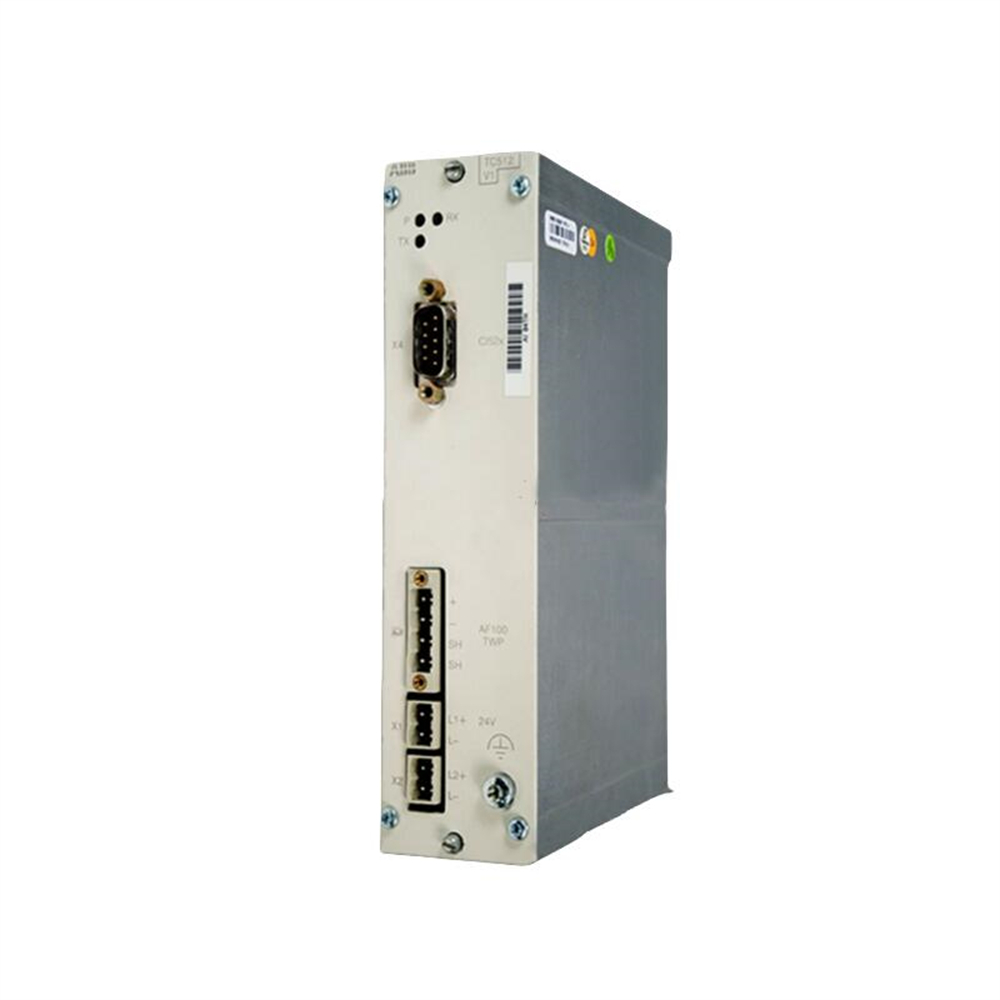
ABB TET106 11355-0-6050000 Isolated amplifier module Reasonable price ...

ABB IMASI23 module

product overview

The ABB IMASI23 module is an analog input module designed specifically for industrial automation systems, responsible for critical data acquisition tasks in industrial control systems. It can convert analog signals from various sensors on site, such as temperature, pressure, flow rate, liquid level, and other physical quantities, into digital signals and transmit them to the control system, providing accurate data basis for precise control and decision-making of the system. It is an indispensable basic component for achieving precise control of industrial automation.

Specification parameters

(1) Channel parameters

Number of channels: Equipped with 8 analog input channels, it can simultaneously access 8 different analog signals, suitable for small and medium-sized industrial automation data acquisition scenarios, meeting diverse monitoring needs.

Signal type: Supports multiple standard analog signal inputs, including 4-20mA current signals, ± 10V voltage signals, etc. 4-20mA current signal is commonly used for long-distance signal transmission in industrial sites, with strong anti-interference ability; The ± 10V voltage signal is suitable for situations where high signal accuracy is required and the transmission distance is close.

(2) Electrical parameters

Input accuracy: With high input accuracy, usually up to ± 0.1% FS (full range), it can accurately collect analog signals, effectively reduce measurement errors, ensure the accuracy of collected data, and provide reliable data support for industrial control.

Input impedance: For current input, the input impedance is generally less than 250 Ω; For voltage input, the input impedance is greater than 10M Ω. A reasonable input impedance design can ensure that the signal is not distorted during transmission and ensure the stability of signal acquisition.

Isolation characteristics: Electrical isolation design is adopted between channels and between channels and systems, with an isolation voltage of up to 500V AC, effectively preventing signal interference and electrical faults from affecting each other, improving the reliability of module operation and system safety.

(3) Physical parameters

Size specifications: Adopting a compact design, the external dimensions are approximately [length x width x height, such as 80mm x 50mm x 40mm (depending on the actual product)], making it easy to install in control cabinets, distribution boxes and other equipment with limited space, saving installation space and improving system integration.

Installation method: Supports standard DIN rail installation, the installation process is simple and fast. Simply insert the module into the guide rail and secure it, and the installation can be completed. It can also be fixed to the installation plane with screws, making it convenient for on-site installation and later maintenance.

Environmental adaptability: The working temperature range is generally -25 ℃ to+60 ℃, and the relative humidity range is 5% -95% (without condensation). It has good resistance to vibration, impact, and electromagnetic interference, and can operate stably in harsh industrial sites such as high temperature, humidity, high dust, and complex electromagnetic environments.

Introduction

This section explains the inputs, control logic, communication, and connections for the IMASI23 module.

The ASI module interfaces 16 analog inputs to a Harmony controller.

The Har mony controller communicates with its I/O modules over the I/O expander bus (Fig. 1-1). Each I/O module on the bus has a unique address set by its address dipswitch (S1)

Module Description

The ASI module consists of a single printed circuit board that occupies one slot in a module mounting unit (MMU).

Two cap tive latches on the module front panel secure it to the module mounting unit.

The ASI module has three card edge connectors for external signals and power: P1, P2 and P3. P1 connects to the supply voltages. P2 connects the module to the I/O expander bus, over which it communicates with the controller.

Connector P3 carries the inputs from the termination cable plugged into the termination unit (TU). The terminal blocks for field wiring are on the termination unit.

A single dipswitch on the module sets its address or selects onboard tests. Jumpers configure the type of analog input signals.

Functional Operation

The ASI module is an intelligent module with an onboard microcontroller and memory.

It interfaces to a controller over the I/O expander bus.

An onboard microcontroller allows the ASI module to perform the input channel processing.

This allows the controller to do other tasks. Input processing tasks include error compensation, adjustments, and conversion to engineering units.

Each channel provides underrange, overrange, and open input detection.

Onboard circuitry detects either open field wires or a disconnected termination unit cable. Open input detection is provided for millivolt, thermocouple, RTD, 1 to 5 VDC, and 4 to 20 milliampere input types and can detect any combination of  open input wires.

Figure 2-1 shows a block diagram of the IMASI23 module.

Isolated A/D Converter

Each input channel has an A/D converter (delta-sigma type).

Isolation is done by DC/DC converters (one per channel) and optocouplers on the digital serial line of the A/D converter.

Each channel accepts voltage and resistance inputs. Resis tance measurements are made by digitizing the voltage drop created across the input resistance source.

A precision constant current source supplies the current used to measure the input.

Cold Junction Reference

The ASI module measures the cold junction RTDs on the termination unit of the analog input module. 

This results in an accurate reading of the ambient temperature at the field wire termination area.

This value can be used by the ASI module to compensate for voltages generated from the bimetal

connections made by terminating the field wires (thermocouple wires) onto the terminal blocks of the termination unit.

The block address of the cold junction reference used by ther mocouple inputs on the ASI module is contained in FC 215, specification S3.

Each analog input module configured for a thermocouple input requires a cold junction reference. 

Each analog input module can only have one reference which can be used by up to 16 thermocouple inputs.

The exception to this is when one of the inputs is used as a remote cold junction reference.

Refer to Section 4 for more information

Digital Input Multiplexer (MUX)

Once isolated, digitized, and buffered, the input signal is sent to the microcontroller by a digital multiplexer. 

All the inputs, including the references and cold junction input, are multi plexed as shown in Figure 2-1.

Microcontroller and Memory

The onboard microcontroller coordinates ASI functions.

The main functions are:

• Channel and cold junction reference switching.

• Programming A/D converters.

• Reading the A/D converters and applying all necessary cor

rection factors.

• Interfacing to switch and LEDs (used for diagnostic mode).

• Background integrity checking.

• Reading and writing expander bus data through dual port

RAM (DPRAM)

Switch Settings

The ASI module has one eight-position dipswitch to select the I/O module address on the I/O expander bus.

This switch also selects built-in diagnostics for stand alone testing LED Indicators

The ASI module has two LED indicators, one red and one green, which show the operating status. The LEDs will:

• Flash red on power-up.

• Remain off (both LEDs) after passing onboard diagnostics until the ASI module is configured by the controller.

• Show solid green after the controlling controller downloads configuration data.

• Show solid green during normal running.

• Blink green when the controller that configured the ASI module enters configure mode from execute mode.

• Blink green if I/O expander bus communication is lost (if the controller is removed).

• Show solid red if a fatal failure of the ASI module occurs.

For example, if power up diagnostics fail.

• Show solid red for a power fail interrupt (PFI).

I/O Expander Bus

The I/O expander bus is a high-speed, synchronous, parallel bus. It provides a path between controllers and I/O modules.

The controller sends control functions to the ASI module, and the ASI module provides input data to the controller.

The P2 card edge of the ASI module and controller connect to the bus.

The I/O expander bus is parallel signal lines located on the module mounting unit backplane.

A 12-position dipshunt placed in a socket on the MMU backplane connects the bus between the controller and I/O modules.

Cable assemblies can extend the bus to eight module mounting units.

A controller and its I/O modules form a subsystem within a Harmony control unit (HCU). 

The I/O expander bus between control and I/O subsystems must be separated.

Leaving a dipshunt socket empty or not connecting the module mounting units with cables separates them

I/O Expander Bus Interface

The ASI module communicates with the controller through a shared memory interface connected to the I/O expander bus.

The ASI module constantly updates the shared memory device (dual port RAM) with the current values of the inputs.

The controller can read these values at any time, even if the ASI module is simultaneously writing to the dual port RAM.

The ASI module uses a custom gate array for the I/O expander bus interface. An integrated circuit holds all the control logic and communication protocol. This integrated circuit provides these functions:

• Address comparison and detection.

• Message decoding and translation.

• Data line filtering of bus signals.

• Onboard bus drivers.

• Expander bus watchdog.

A dual port RAM stores data that can be accessed at the same time by the controller and the I/O module’s microcontroller.

Data Values

For all inputs, channel values are adjusted based on the factory calibration. Thermocouple inputs receive cold junction reference compensation. Lead wire resistance adjustments are performed when necessary (for cold junction reference only).

The ASI module provides values to the controller over the I/O expander bus. These values are in engineering units.

The ASI module sends a status indication to the controller for each input channel. This status indicates any hardware errors and channel configuration errors detected by the ASI module.

Termination Units

The IMASI23 module uses one NTAI06 termination unit to connect to field signals. An NKAS01 or NKAS11 cable connects the termination unit to the ASI module through its P3 connector.

The termination unit contains RTDs used for cold junction compensation of thermocouple inputs. They also contain the circuitry needed to convert 4 to 20 milliampere field signals into the 1 to 5 VDC needed to input to the analog input module.

The system power supply is protected from short circuits by fuses on the NTAI06 termination unit.

Function Codes

NOTE: Refer to Appendix C for function code specification changes required when replacing an IMASI03 module with an IMASI23 module.

FCs 215 and 216 in the controller configure the ASI module and identify the active analog inputs. One FC 215 is required for each ASI module.

One FC 216 is required for each input channel used on the ASI module.

These function codes specify the I/O expander bus address of the ASI module and the channel number on the module connected to a specific analog input signal.

The type of the input and the zero and span in engineering units must also be specified to ensure proper scaling and corrections for calibration, cold junction compensation, and nonlinearity correction.

Add FC 215 and 216 to the controller to configure the ASI module. Set FC 217 in the controller to calibrate the ASI module or to set the user gain and offset values.

Refer to the Composer Function Code Application Manual for more information.

IMASI23 ABB Analog Input Module,TC,MV,RTD.

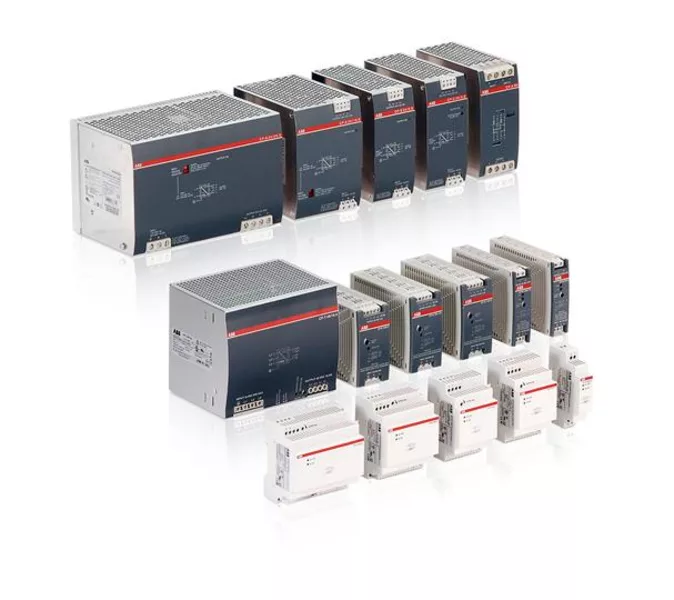
ABB CP-E 24/1.25 Power supply

ABB CP-E 24/1.25 Power supply

Product Overview

ABB CP-E 24/1.25 Power Supply is a power supply designed specifically for industrial automation control systems, playing a key role as the “energy heart” of the entire automation system. It can convert input AC power into stable DC power, providing reliable power supply for various industrial automation equipment such as PLC (Programmable Logic Controller), sensors, actuators, etc. This power supply, with its stable performance, efficient conversion efficiency, and excellent protection capabilities, ensures the continuous and stable operation of industrial equipment in complex industrial environments, effectively reducing the risk of equipment failure caused by power issues, and improving the continuity and stability of industrial production.

Features

Rated output voltage 24 V DC

Output voltage adjustable via front‑face rotary potentiometer “OUTPUT Adjust”

Rated output current 1.25 A

Rated output power 30 W

Wide range input 100‑240 V AC (85‑264 V AC, 90‑375 V DC)

Typical efficiency of 86 %

Low power dissipation and low heating

Free convection cooling (no forced cooling with ventilators)

Ambient temperature range during operation ‑40…+70 °C

Open‑circuit, overload and short‑circuit stable

Integrated input fuse

Redundancy unit CP‑RUD offering true redundancy, available as accessory

Signalling output “DC OK” (Transistor) for output voltage OK

LEDs for status indication

Application

The primary switch mode power supply offers two voltage input ranges.

This enables the supply with AC or DC. Furthermore it is equipped with two generous capacitors, which ensure mains buffering of at least  30 ms (at 230 V AC).

That is why the devices can be used worldwide also in high fluctuating networks and battery‑powered plants

Operating mode

By means of the potentiometer „OUTPUT Adjust“ the output voltage can be adjusted within a range of  24 to 28 V DC.

Thus, the power supply can be optimally adapted to the application, e.g. compensating the voltage drop caused by a long line length.

The green LED „OUTPUT OK“ is lightening during operation.

Installatio

Mounting

The switch mode power supply can be snapped on a DIN rail according to IEC/EN 60715 as shown in the accompanying picture.

For that the device is set with its mounting rail slide on the upper edge of the mounting rail and locked by lifting it downwards.

Demounting

Remove the switch mode power supply as shown in the accompanying picture. For that the latching lever is pulled downwards by means of the screwdriver.

Alternatively you can press the unlock button to release the device.

Then in both cases the device can be unhinged from the mounting rail edge and removed.

Mounting position

The devices have to be mounted horizontally with the input terminals on the bottom. In order to ensure a sufficient convection, the minimum distance to other modules should not be less than 25 mm in vertical and horizontal direction.

Electrical connection

Connect the input terminals L and N.

The protective earth conductor PE must be connected.

The installation must be executed acc. to EN 60950, provide a suitable disconnecting device (e. g. line protection switch) in the supply line.

The input side is protected by an internal input fuse.

Rate the lines for the maximum output current (considering the short‑circuit current) or provide a

separate fuse protection.

We recommend to choose the cable section as large as possible in order to

minimize voltage drops. Observe the polarity.

The device is overload, short‑circuit and open‑circuit proof.

The secondary side of the power supply unit is electrically isolated from the input and internally not

earthed (SELV) and can therefore be earthed by the user according to the needs with L+ or L‑ (PELV).

Safety instructions and warnings

The device must be installed by qualified persons only and in accordance with the specific national

regulations (e.g., VDE, etc.). The devices are maintenance‑free chassis‑mounted units.

Disconnect system from supply network!

Before any installation, maintenance or modification work: Disconnect the system from the supply

network and protect against switching on.

Before start of operation:

Attention! Improper installation/operation may impair safety and cause operational difficulties or

destruction of the unit. Before operation the following must be ensured:

Connect to main according to the specific national regulations.

Power supply cables and unit must be sufficiently fused. A disconnecting device has to be provided

for the power supply to disengage unit and supply cables from supply mains if required.

The protective earth conductor must be connected to the terminal PE (Protection class I)

The secondary side of the power supply unit is not earthed and can be earthed by the user according

to the needs with L+ or L‑.

Rate the output lines for the output current of the power supply and connect them with the correct

polarity.

In order to ensure sufficient air‑cooling the distance to other devices has to be considered.

In operation:

Do not modify the installation (primary and secondary side)! High current! Risk of electric arcs and

electric shocks (danger to life)!

Risk of burns: Depending on the operation conditions the enclosure can become very hot.

The internal fuse is not user‑replaceable. If the internal fuse blows, most probably the device is

defective. In this case, an examination of the switch mode power supply by the manufacturer is

necessary.

Attention! High voltage! Danger to life!

The power supplies contain components with high stored energy and circuits with high voltage!

Do not introduce any objects into the unit, and do not open the unit.

With some units of this range the output is capable of providing hazardous energy. Ensure that the service personnel is protected against

inadvertent contact with parts carrying energy

Working principle

The operation of ABB CP-E 24/1.25 Power supply is based on the principle of switch mode power supply. Firstly, the input AC voltage is converted into a DC voltage through a rectifier circuit, which is filtered to remove impurities and obtain a smoother DC signal.

Then, the DC voltage is chopped into a high-frequency pulse signal through a high-frequency switch circuit, and the duty cycle of the high-frequency pulse signal can be adjusted based on the feedback signal of the output voltage. By using a high-frequency transformer for voltage conversion, the voltage is adjusted to the required 24V DC voltage level.

Next, the high-frequency pulse signal is converted into a stable DC 24V output through rectification and filtering circuits. Throughout the process, the output voltage is monitored in real-time through a feedback circuit. When a change in the output voltage is detected, the feedback signal is transmitted to the control circuit, which adjusts the working state of the high-frequency switch circuit based on the feedback signal, thereby achieving precise adjustment and stable control of the output voltage.

At the same time, the built-in protection circuit of the power supply will monitor input and output current, voltage, internal temperature and other parameters in real time. Once an abnormal situation is detected, the corresponding protection mechanism will be triggered immediately to ensure the safety of the power supply and connected devices.

Key advantages

(1) High reliability

By using high-quality electronic components and rigorous manufacturing processes, and undergoing rigorous quality testing and aging tests, the power supply ensures stability and reliability during long-term operation. The powerful electrical protection function and excellent environmental adaptability enable it to effectively resist the adverse effects of complex electromagnetic interference, voltage fluctuations, mechanical vibrations, and other factors in industrial sites, reduce failure rates, minimize downtime, and ensure the continuity of industrial production.

(2) Efficient and energy-saving

Higher power conversion efficiency can effectively reduce energy consumption, which is in line with the trend of industrial energy-saving development. While supplying power to industrial equipment, it reduces energy loss, lowers operating costs, saves electricity expenses for enterprises, and reduces heat generation, lowering the investment and operating costs of heat dissipation equipment.

(3) Easy installation

The compact design and flexible installation method enable the power supply to be easily installed in various industrial control cabinets, equipment chassis, and other space limited environments. The standard DIN rail installation method and screw fixation method facilitate on-site installation and later maintenance, allowing for quick replacement of faulty power supplies and improving equipment maintenance efficiency.

(4) Wide applicability

The wide range of input voltage and frequency, stable output characteristics, and good compatibility make it suitable for various industrial automation scenarios and different brands of equipment. Whether it is a small automated production line or a large and complex industrial control system, it can provide stable and reliable power support for equipment, meeting the diverse needs of different industries and users.

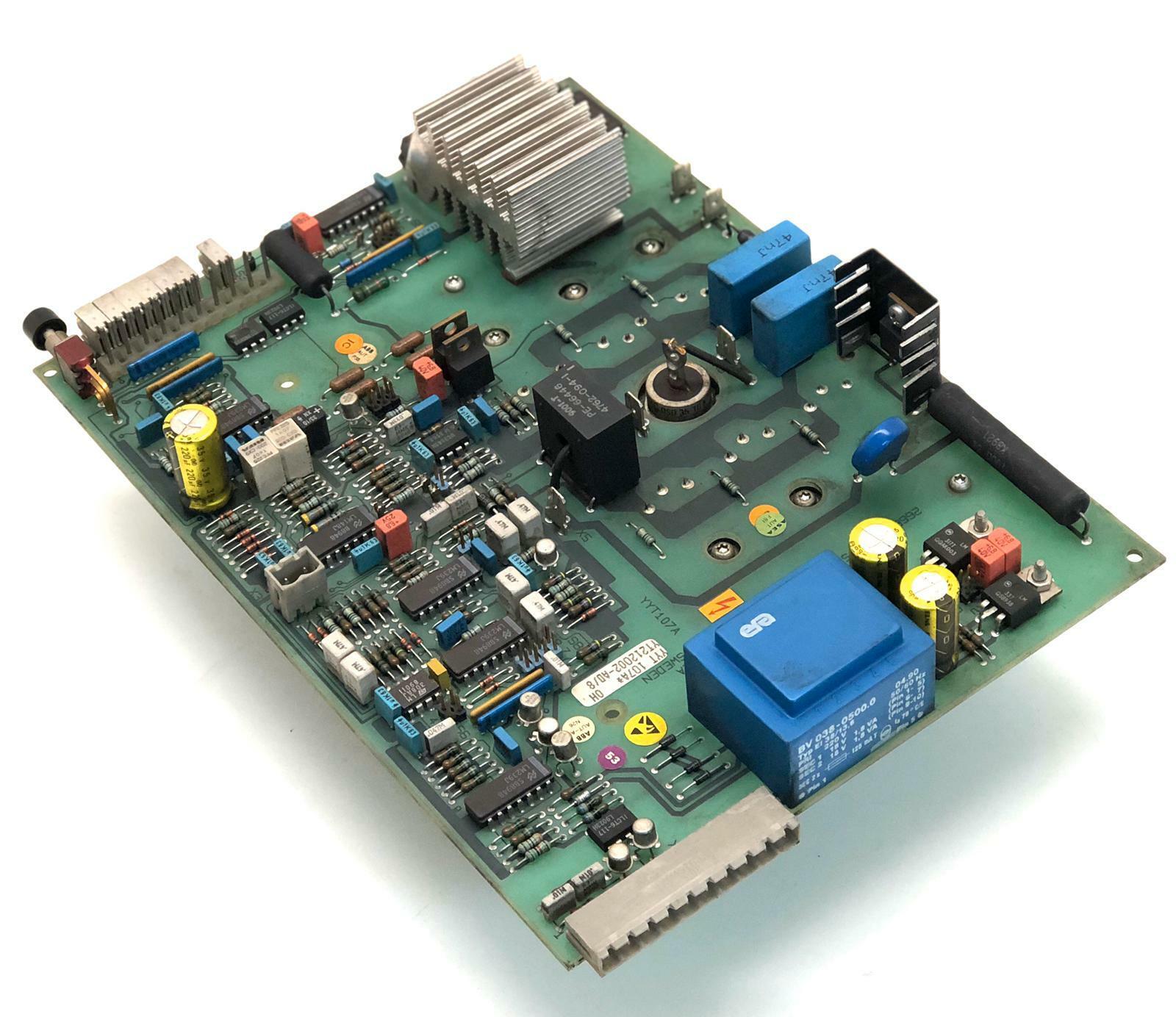
ABB YYT107A YT212002AD PLC module

Product Overview

The ABB YYT107A YT212002AD PLC module is a core equipment designed specifically for industrial automation control systems, responsible for key tasks such as data processing, logic control, and equipment coordination in automated production processes. It can receive signals from various sensors, perform internal logic operations and program processing, output control instructions to drive actuators, thereby achieving automation control of industrial equipment, ensuring efficient, stable, and precise operation of the production process. It is widely applicable to various industrial scenarios, from simple single machine control to complex production line integration, and can play an important role.

Core functions

(1) Logic control function

Supports multiple programming languages, such as Ladder Diagram, Structured Text, Function Block Diagram, etc. Users can choose the appropriate language to write control programs according to their own needs and programming habits. The module is capable of performing basic logical operations (AND, OR, NOT, etc.), arithmetic operations, as well as complex sequential control and conditional judgment, to achieve logical control of various equipment in the industrial production process, ensuring that the production process runs in the predetermined order and conditions.

(2) Data processing and computation

Capable of powerful data processing and computation, capable of filtering, converting, and calculating collected digital and analog data. For example, linearizing analog data, converting engineering quantities, counting and timing digital data, providing accurate data support for control decisions, and achieving precise control of industrial process parameters.

(3) Communication and networking functions

Through rich communication interfaces and supported multiple communication protocols, it can communicate with upper computer monitoring systems, other PLC modules, touch screens, sensors and other devices. Realize real-time uploading and downloading of data, facilitate remote monitoring and management of industrial production processes by operators, and collaborate with other devices to build a distributed industrial automation control system, improving the intelligence and integration level of the system.

(4) Fault diagnosis and alarm

Built in comprehensive fault diagnosis system, capable of real-time monitoring of the operating status of internal circuits, I/O channels, communication connections, and other parts of the module. Once a fault is detected, such as abnormal input signals, communication interruptions, module overheating, etc., an alarm mechanism is immediately triggered. Fault information is fed back through LED indicator lights flashing, communication interface output fault codes, etc., which facilitates maintenance personnel to quickly locate and troubleshoot faults, ensuring the continuity of industrial production.

Working principle

After the ABB YYT107A YT212002AD PLC module is connected to the industrial automation control system, it first collects digital and analog signals from on-site sensors through the input interface. Digital signals are directly subjected to level conversion and isolation processing, while analog signals are converted into digital signals through A/D converters, and then these signals are transmitted to the central processing unit (CPU) inside the module.

The CPU performs logical operations and data processing on input signals based on control programs pre written by the user and stored in memory, generating corresponding control instructions. After processing, these control instructions are transmitted to actuators such as relays, solenoid valves, motor drivers, etc. through output interfaces to control the operating status of equipment and achieve regulation of industrial production processes.

Throughout the entire operation, the communication module is responsible for data exchange with external devices. On the one hand, the collected data and module operation status information are packaged according to the selected communication protocol and uploaded to the upper computer monitoring system or other network devices through the communication interface; On the other hand, it receives control instructions and parameter adjustment information from the upper computer or other devices, and transmits them to the CPU for processing. At the same time, the fault diagnosis module continuously monitors the operating status of each part of the module. Once an abnormality is detected, it immediately triggers an alarm and corresponding fault handling mechanisms.

Key advantages

(1) High reliability and stability

By using high-quality electronic components and advanced manufacturing processes, and undergoing strict quality inspection and aging testing, the module is ensured to be stable and reliable during long-term operation. Electrical isolation design and a comprehensive fault diagnosis mechanism enable it to effectively resist complex electromagnetic interference and environmental factors in industrial sites, reduce failure rates, minimize downtime, and ensure the continuity of industrial production.

(2) Powerful flexibility and scalability

Rich I/O point configuration and support for multiple programming languages enable users to flexibly customize control functions according to different industrial control needs. The modular design concept facilitates system expansion, allowing for easy increase in I/O points or expansion of other functions by adding expansion modules, meeting the needs of industrial production scale expansion and process upgrades.

(3) Efficient and user-friendly

The friendly programming interface and intuitive operation method lower the threshold for use, allowing even beginners to quickly get started. At the same time, comprehensive documentation and technical support facilitate users in program development, debugging, and maintenance, improving work efficiency.

(4) Wide compatibility

Supporting multiple industrial communication protocols and interfaces, it can seamlessly integrate with different brands and types of industrial automation equipment, facilitating the construction of diverse industrial automation control systems and meeting the application needs of different industries.

Precautions

(1) Installation environment requirements

When installing, a dry, well ventilated, and suitable temperature environment should be selected to avoid installation in places with high temperature, humidity, corrosive gases, or strong electromagnetic interference. If it is impossible to avoid harsh environments, effective protective measures should be taken, such as installing heat dissipation devices, electromagnetic shielding equipment, etc., to ensure the normal operation of the module.

(2) Wiring standard operation

Strictly follow the wiring diagram in the product manual to connect the power and signal lines, ensuring correct wiring and accurate polarity. Different types of signals (such as analog, digital, and power lines) should be wired separately to avoid signal interference. After the wiring is completed, carefully check whether the wiring terminals are secure to prevent loose connections that may cause poor contact or short circuits.

(3) Programming and Maintenance

Before programming and parameter setting, it is necessary to fully understand the industrial control requirements and the functional characteristics of the module, to ensure that the control program logic written is correct and the parameter settings are reasonable. Regularly maintain the module, including cleaning surface dust, checking electrical connections, backing up program data, etc., to ensure that the module is always in good operating condition.

Application scenarios

(1) Manufacturing automation production line

In automated production lines in industries such as automobile manufacturing and electronic equipment manufacturing, it is used to control the movement of robotic arms, the operation of conveyor belts, and the start stop of equipment, achieving automation and intelligence in the production process. By precise logical control and data processing, the processing accuracy and production efficiency of the product are ensured, and labor costs are reduced.

(2) Power system monitoring and control

In power plants, substations and other electrical facilities, it is used to monitor and control the operating status of electrical equipment, such as the speed, voltage, current of generators, and the opening and closing operation of circuit breakers. Realize automated monitoring and protection of the power system, and improve the reliability and stability of power supply.

(3) Automation of chemical production processes

In chemical production, precise control of key process parameters such as temperature, pressure, and flow rate of reaction vessels is necessary to ensure that chemical reactions occur under safe and stable conditions. At the same time, controlling the material conveying, mixing, separation and other links in the chemical production process can improve production efficiency, reduce production costs and safety risks.

(4) Intelligent Buildings and Building Automation

In intelligent building systems, it is used to control equipment such as elevator operation, lighting systems, air conditioning systems, security systems, etc. Realize automated management and energy-saving control of building equipment, providing users with a comfortable, convenient, and safe environment.

ABB+YYT107A - Runsheng Automation

ABB YPK112A – Advanced Industrial Control Module

Product Overview

The ABB YPK112A Advanced Industrial Control Module is a core control device designed specifically for complex industrial automation systems, aimed at meeting the strict requirements for precise control, efficient communication, and reliable operation in industrial production processes. This module can serve as the “brain” of industrial control systems, responsible for collecting and processing various industrial field signals, executing complex control algorithms and logic programs, and outputting precise control instructions to achieve automated control and optimization of production equipment and process flow, thereby improving the efficiency, quality, and safety of industrial production.

Specification parameters

(1) Electrical parameters

Working voltage: Supports a wide range of DC voltage input, usually 24VDC ± 15%, which can adapt to common voltage fluctuations in industrial sites and ensure stable operation of the module.

Signal input and output capability: It has rich analog and digital input and output channels. Analog input supports multiple standard signals, such as 4-20mA, ± 10V, etc; Analog output can provide stable current or voltage signals for precise control of actuators. The digital input/output channel can reliably process switch signals and achieve functions such as equipment start stop and status monitoring.

(2) Communication parameters

Communication interface: equipped with various communication interfaces such as Ethernet interface and RS485 serial port. The Ethernet interface supports high-speed data transmission, making it easy to connect with the upper computer, other intelligent devices, or industrial networks; RS485 serial port is suitable for communication with traditional industrial equipment, enhancing module compatibility.

Communication Protocol: Supports multiple mainstream industrial communication protocols, such as Modbus TCP, Profibus DP, EtherNet/IP, etc. Through these protocols, the YPK112A module can seamlessly integrate with PLC, DCS systems, and other industrial automation equipment, achieving fast and stable data exchange.

(3) Physical parameters

Installation method: Supports standard DIN rail installation, with a simple and fast installation process. Simply insert the module into the rail and secure it to complete the installation, making it easy to install and maintain on site.

Environmental adaptability: The working temperature range is usually -40 ℃ -+70 ℃, and the relative humidity range is 5% -95% (without condensation). It has good resistance to vibration, impact, and electromagnetic interference, and can adapt to harsh industrial environments such as high temperature, humidity, high dust, and complex electromagnetic environments.

Core functions

(1) Accurate data collection and processing

The YPK112A module has high-precision data acquisition capabilities, which can quickly and accurately obtain analog and digital signals from various sensors, such as temperature, pressure, flow rate, equipment operating status, and other data. Equipped with a high-performance processor and advanced data processing algorithms, it can perform preprocessing such as filtering, calibration, and linearization on the collected data, remove noise interference, improve data accuracy and reliability, and provide a solid data foundation for subsequent control decisions.

(2) Powerful logic control and algorithm execution

Supports multiple programming languages, including Ladder Diagram, Structured Text, Function Block Diagram, etc., making it convenient for engineers to write complex control logic programs according to different industrial control requirements. The module is capable of performing basic logical and arithmetic operations, as well as advanced algorithms such as PID control, fuzzy control, and adaptive control, to achieve precise adjustment and optimization of industrial production processes and meet diverse process control requirements.

(3) Efficient communication and network integration

With rich communication interfaces and extensive protocol support, the YPK112A module can easily integrate into various industrial automation network architectures. It can communicate in real-time with the upper computer monitoring system, upload the collected data and equipment operation status to the monitoring center, and facilitate remote monitoring and management of the production process by operators; At the same time, it can also receive control instructions and parameter adjustment information issued by the upper computer, achieving remote control and program updates. In addition, it can also interact and collaborate with other control modules and intelligent devices to build a complete industrial automation control system.

(4) Comprehensive fault diagnosis and self-protection

Equipped with an advanced fault diagnosis system, it can monitor the real-time operation status of internal circuits, communication connections, input/output channels, and external devices of the module. Once a fault is detected, such as sensor failure, communication interruption, overload, short circuit, etc., the module will immediately trigger an alarm mechanism, feedback fault information through LED indicator flashing, communication interface output fault code, etc., to facilitate maintenance personnel to quickly locate and troubleshoot the fault. At the same time, it has self-protection function and automatically takes protective measures in case of faults, such as cutting off dangerous outputs, switching to backup working mode, etc., to prevent the expansion of faults and ensure the safe and stable operation of industrial production.

Working principle

When the ABB YPK112A advanced industrial control module operates in an industrial control system, it first receives analog and digital signals from industrial field sensors through input interfaces. The analog signal is amplified, filtered, and processed by the front-end signal conditioning circuit, and then converted into a digital signal by an A/D converter; Digital signals are directly subjected to level conversion and isolation processing, and then these signals are transmitted to the central processing unit (CPU) inside the module.

The CPU performs logical operations and algorithm processing on input signals based on pre written and stored control programs in the module memory, generating corresponding control instructions. After processing, these control instructions are transmitted to the executing mechanism through output interfaces, such as regulating valves, motor drivers, relays, etc., to control the operating status of the equipment and achieve regulation of the industrial production process.

Throughout the entire operation, the communication module is responsible for data exchange with external devices. On the one hand, the collected data and module operation status information are packaged according to the selected communication protocol and uploaded to the upper computer monitoring system or other network devices through the communication interface; On the other hand, it receives control instructions and parameter adjustment information from the upper computer or other devices, and transmits them to the CPU for processing. At the same time, the fault diagnosis module continuously monitors the operating status of each part of the module, and once any abnormalities are detected, the corresponding fault handling mechanism is immediately triggered.

Key advantages

(1) High reliability and stability

By using high-quality electronic components and advanced manufacturing processes, and undergoing strict quality inspection and aging testing, the module ensures stability and reliability during long-term continuous operation. Electrical isolation design, anti-interference measures, and comprehensive self-protection functions enable it to effectively resist the adverse effects of complex electromagnetic environments and voltage fluctuations in industrial sites, reduce failure rates, minimize downtime, and ensure the continuity and stability of industrial production.

(2) High flexibility and scalability

Supporting multiple programming languages and communication protocols, users can flexibly customize the functions and communication methods of modules according to different industrial application scenarios and control requirements. The modular design concept makes system expansion more convenient. By adding expansion modules, it is easy to increase the number of input and output channels or expand other functions, meeting the needs of industrial production scale expansion and process upgrading.

(3) Efficient, user-friendly, and easy to maintain

With a friendly programming interface and intuitive operation mode, it reduces the threshold for use, allowing even less experienced engineers to quickly get started. Rich diagnostic information and status indication functions can help maintenance personnel quickly locate the fault point and shorten the troubleshooting time. In addition, modular structural design facilitates rapid replacement of faulty modules, reduces maintenance workload and costs, and improves equipment availability.

(4) Wide industry applicability

With powerful functions and excellent performance, ABB YPK112A advanced industrial control module is suitable for many industrial fields such as power, chemical, metallurgical, manufacturing, food and beverage, pharmaceutical, etc. Whether it is large and complex industrial automation systems or small automation control equipment, reliable and efficient control solutions can be provided to meet the diverse industrial control needs of different industries.

Precautions

(1) Installation environment requirements

When installing the YPK112A module, it should be ensured that the installation environment meets its specified requirements for temperature, humidity, dust prevention, electromagnetic interference prevention, etc. Avoid installing modules in environments with high temperature, humidity, corrosive gases, or strong electromagnetic interference. If unavoidable, effective protective measures should be taken, such as installing heat dissipation devices, electromagnetic shielding equipment, etc., to ensure the normal operation of the module.

(2) Wiring standard operation

Strictly follow the wiring diagram provided in the product manual to connect the power and signal lines, ensuring correct wiring and accurate polarity. Different types of signals (such as analog, digital, and power lines) should be wired separately to avoid signal interference. After the wiring is completed, carefully check whether the wiring terminals are secure to prevent loose connections that may cause poor contact or short circuits.

(3) Programming and Parameter Setting

Before programming and parameter setting, it is necessary to fully understand the industrial control requirements and the functional characteristics of the module, to ensure that the control program logic written is correct and the parameter settings are reasonable. When modifying programs and parameters, it is important to make backups to prevent data loss. When downloading programs and updating parameters, ensure that the module is in a safe state to avoid module failures or production accidents caused by improper operation.

(4) Daily operation and maintenance

During the operation of the module, regularly check the status of the LED indicator lights, communication connections, and device operating parameters to promptly detect and handle any abnormalities. Clean the module according to the prescribed maintenance cycle, remove surface dust, check for loose electrical connections, and ensure that the module is always in good operating condition. At the same time, properly store the module’s user manual, programming files, and other related materials for troubleshooting and technical support when needed.
Application scenarios

(1) Power system automation

In power plants, it is used to control the operating parameters of the generator set, such as speed, voltage, frequency, etc., to ensure stable and efficient power generation process. In substations, remote control and status monitoring of power equipment such as circuit breakers and isolation switches can be achieved, as well as real-time acquisition and adjustment of parameters such as voltage, current, and power of the power system, ensuring the reliability of power supply and power quality.

(2) Chemical production process control

In chemical production, precise control of key process parameters such as temperature, pressure, and flow rate of the reaction vessel ensures that chemical reactions occur under optimal conditions, improving product quality and production efficiency. At the same time, automation control is carried out on material transportation, mixing, separation, distillation and other links in the chemical production process to achieve safe, stable and efficient operation of the production process and reduce manual operation risks.

(3) Intelligent manufacturing in the metallurgical industry

Applied to metallurgical production lines to achieve automated control of production processes such as blast furnace ironmaking, converter steelmaking, and continuous casting and rolling. By precisely controlling parameters such as temperature, speed, and tension, the quality and production efficiency of metal products can be improved, energy consumption and raw material waste can be reduced, and the metallurgical industry can be promoted towards intelligent and green development.

(4) Manufacturing automation production line

In automated production lines such as automobile manufacturing and electronic equipment manufacturing, controlling the collaborative work of robotic arms, conveyor belts, processing equipment, testing equipment, etc., achieves automation and intelligence of product assembly, processing, testing and other processes. Improve production accuracy and efficiency, reduce production costs, and meet large-scale, high-quality production needs.

(5) Food, Beverage, and Pharmaceutical Industries

In the food, beverage, and pharmaceutical industries, strict control of temperature, humidity, pressure, cleanliness, and other parameters during the production process is implemented to ensure that products meet quality and hygiene standards. Real time monitoring and control of the operating status of production equipment, achieving automation and standardization of the production process, ensuring product quality and safety, and improving production efficiency.

ABB Advance Optima AO2000 - Tundra

ABB YB560100-EA S3 Industrial Control Module

ABB YB560100-EA S3 Industrial Control Module

Brand background

ABB, as a global giant in the field of industrial automation, has always been at the forefront of the industry with a century of technological accumulation and innovative strength. Its products are widely used in key fields such as power, industry, and transportation. In the research and manufacturing of industrial control modules, ABB continuously launches high-performance and high reliability products with profound industry insights and leading technology, leading the trend of industrial automation development and gaining the trust of global users.

Product Overview

The ABB YB560100-EA S3 industrial control module is a core control device designed specifically for complex industrial automation scenarios, responsible for key tasks such as signal processing, logical operations, and equipment control in industrial control systems. It can accurately collect various sensor data, and after being processed by internal complex algorithms and logic programs, output control signals to drive the execution mechanism, ensuring stable, efficient, and precise operation of industrial production processes. It is an important cornerstone for achieving intelligent control of industrial automation.

Specification parameters

Signal input and output range: Supports a wide range of signal types, including analog signals (such as ± 10V, 4-20mA) and digital signals (switch signals); The output signal also has the ability to output analog and digital signals, which can accurately control various industrial equipment.

​Communication parameters

Communication interface: equipped with various communication interfaces such as Ethernet interface, RS485/RS232 serial port, etc., to meet the connection requirements between different devices.

Communication Protocol: Supports mainstream industrial communication protocols such as Modbus TCP, Profibus DP, EtherNet/IP, and can seamlessly integrate with control systems such as PLC, DCS, and other intelligent devices to achieve high-speed and stable data transmission and interaction.

Core functions

(1) Accurate data collection and processing

The module has high-precision analog and digital acquisition functions, which can quickly and accurately obtain physical quantity data such as temperature, pressure, flow rate transmitted by sensors, as well as digital signals of equipment status. Internally integrated high-performance processors and dedicated algorithms perform preprocessing such as filtering, calibration, and computation on collected data to remove noise interference, improve data accuracy, and provide reliable basis for control decisions.

(2) Powerful logic control and computation

Supports multiple programming languages, such as ladder diagram, structured text, etc. Users can flexibly write complex control logic programs according to their actual needs. The module can perform basic logical operations such as AND, OR, and NOT, as well as advanced control algorithms such as PID regulation and fuzzy control, to achieve precise control of industrial production processes and meet the diverse needs of different process flows.

(3) Real time communication and remote monitoring

Through rich communication interfaces and protocols, the module can establish real-time communication connections with devices such as upper computers and touch screens, and upload collected data and device status information to the monitoring system in real time. Operators can remotely monitor the operation of industrial sites. At the same time, the upper computer can also remotely issue control instructions through communication links to adjust module parameters and update programs, improving the intelligent management level of industrial automation systems.

(4) Fault diagnosis and self-protection

Built in comprehensive fault diagnosis system, which can monitor the internal circuit, communication connection, and external device status of the module in real time. Once a fault is detected, such as sensor disconnection, communication interruption, overload, etc., an alarm mechanism is immediately triggered and fault information is fed back through LED indicator lights and communication interfaces. At the same time, the module has self-protection function, which automatically takes protective measures in the event of a fault, such as cutting off output, switching backup channels, etc., to prevent the fault from expanding and ensure equipment and production safety.

Working principle

When industrial production is running, the YB560100-EA S3 industrial control module first collects analog and digital signals from sensors and devices through input interfaces. Analog signal is converted into digital signal by A/D conversion module, and transmitted to central processing unit (CPU) together with digital signal. The CPU performs logical operations and control algorithm processing on input signals based on user pre written control programs, generating corresponding control instructions.

Control instructions are transmitted to the executing mechanism through output interfaces, such as regulating valves, motor drivers, etc., to drive equipment actions and achieve control over industrial production processes. Throughout the process, the communication module is responsible for data interaction with other devices, uploading collected data to the monitoring system, and receiving and executing instructions issued by the upper computer. At the same time, the fault diagnosis module continuously monitors the operating status of each part to ensure stable and reliable operation of the module.

Key advantages

(1) High reliability and stability

Adopting high-quality electronic components and advanced manufacturing processes, the module undergoes strict quality inspection and aging testing to ensure long-term stable operation. Electrical isolation design and multiple protection mechanisms effectively resist the effects of electromagnetic interference and voltage fluctuations in industrial sites, reduce failure rates, minimize downtime, and ensure industrial production continuity.

(2) High flexibility and scalability

Supporting multiple programming languages and communication protocols, users can freely customize control functions and communication methods according to different application scenarios. Modular design facilitates system expansion, allowing for flexible increase in the number and functionality of input and output channels by adding expansion modules, meeting the needs of industrial production scale expansion and process upgrading.

(3) Efficient, user-friendly, and easy to maintain

A friendly programming interface and intuitive operation method reduce the threshold for use and shorten the learning and development cycle for engineers. Rich diagnostic information and status indicators facilitate quick location and resolution of faults. The modular structure makes maintenance more convenient, allowing for quick replacement of faulty modules in case of malfunctions, reducing maintenance time and costs.

(4) Wide industry applicability

With powerful functions and excellent performance, it is suitable for many industrial fields such as power, chemical, metallurgy, manufacturing, etc. Whether it is large and complex industrial control systems or small automation equipment, it can provide reliable and efficient control solutions.

Precautions

(1) Installation environment requirements

Ensure that the environmental temperature, humidity, dust, and other conditions meet the requirements for module use during installation, and avoid installation in environments with strong electromagnetic interference, high temperature, humidity, and corrosive gases. If unavoidable, measures such as shielding, heat dissipation, and protection should be taken to ensure the normal operation of the module.

(2) Wiring standard operation

Strictly follow the wiring diagram in the product manual to connect the power and signal lines, ensuring correct polarity and secure connection. Separate wiring for different types of signals (such as analog and digital) to avoid signal interference. After wiring is completed, carefully check to prevent short circuits, open circuits, and other issues.

(3) Programming and Parameter Setting

Before programming and setting parameters, fully understand the industrial control requirements and module functional characteristics to ensure correct program logic and reasonable parameter settings. When modifying programs and parameters, make backups to prevent data loss. Ensure that the module is in a secure state when downloading programs and updating parameters.

(4) Daily operation and maintenance

Regularly check the status of module indicator lights, communication connections, and device operation to promptly detect any abnormalities. Clean and tighten the wiring terminals of the module according to the prescribed cycle for maintenance work. Save the module user manual and related materials for troubleshooting and technical support.

ABB XO16N1-B20 XO16N1-C3.0 digital logic module

Product Overview

The ABB XO16N1-B20 and XO16N1-C3.0 digital logic modules are key components designed specifically for industrial automation control systems, mainly used to implement logical processing and output control of digital signals. They can receive digital signals from controllers or other devices, process the signals through internal preset logic programs, and output the processed results in the form of digital signals to control the operation of various actuators, such as relays, solenoid valves, indicator lights, etc., ensuring that industrial production processes are executed accurately according to predetermined logical sequences and control requirements.

Specification parameters

(1) Number of channels

Both modules are equipped with 16 digital output channels, which can simultaneously control 16 different devices or actuators, meeting the demand for digital output points in small and medium-sized industrial automation projects. Both simple production line control and complex equipment logic control can provide sufficient output channel resources.

(2) Electrical parameters

Voltage Range: XO16N1-B20 and XO16N1-C3.0 typically support a working voltage of DC 24V, adapting to common industrial DC power standards and ensuring power compatibility with most industrial control systems.

Output current: Each channel can provide a certain driving current, for example, the output current of a single channel can reach 0.5A or higher, which can directly drive some small relays, indicator lights and other loads. The specific output current capability may vary among different versions or models.

Isolation feature: It has electrical isolation function, effectively preventing external electrical interference from affecting the internal circuit of the module, and improving the stability and reliability of the module’s operation. At the same time, it can also prevent module failures from causing damage to other devices, ensuring the safe operation of the entire control system.

(3) Physical characteristics

Size and Installation: Adopting a compact design with a small volume, it is easy to install in various control cabinets or equipment chassis. The standard DIN rail installation method is usually supported. Simply insert the module into the rail and fix it in place to complete the installation. The operation is simple and fast, saving installation space and time.

Environmental adaptability: It can work stably within a certain temperature and humidity range, with a working temperature range of -25 ℃ to+60 ℃ and a relative humidity range of 5% -95% (without condensation). This wide range of environmental adaptability makes it suitable for various industrial site environments, including harsh workplaces such as high temperature and humidity.

Core functions

(1) Digital Logic Processing

The module is equipped with rich logical operation functions, which can perform basic logical operations such as AND, OR, NOR, XOR on input digital signals, as well as complex temporal logic processing. Users can customize the logic program of modules through programming software according to their actual industrial control needs, achieving diversified control logic and meeting the requirements of different production processes.

(2) Stable signal output

Capable of outputting stable and reliable digital signals to ensure accurate control of actuators. Whether it is continuously outputting high-level or low-level signals, or switching signals according to specific timing, it can ensure the stability and accuracy of the signal, avoid equipment misoperation caused by signal fluctuations, and ensure the stable operation of industrial production processes.

(3) Status monitoring and feedback

Equipped with status monitoring function, it can monitor the working status of each output channel in real time and display it intuitively through LED indicator lights. When a channel malfunctions or is abnormal, the corresponding LED indicator light will light up or flash in a specific way, making it convenient for operators to quickly locate the fault point. Meanwhile, some models of modules also support feedback of channel status information to the control system, facilitating remote monitoring and fault diagnosis.

(4) Communication function

Supports multiple communication protocols, such as Modbus RTU, Profibus DP, etc., and can communicate with main controllers such as PLC and DCS (Distributed Control System). Through communication connections, the main controller can read the working status of modules in real time, modify logical program parameters, achieve remote control and centralized management of modules, and improve the intelligence and management efficiency of industrial automation systems.

Working principle

When the digital logic module is connected to the industrial automation control system, it first receives digital signals from the main controller or other devices. These signals enter the internal circuit through the input interface of the module, undergo signal conditioning and isolation processing, and are transmitted to the logic operation unit. The logical operation unit performs corresponding logical operation processing on the input signal according to the logic program pre programmed by the user.

The processed result is transmitted to the output driving unit, which controls the corresponding output channel based on the operation result to output a high-level or low-level signal, thereby driving the action of the external actuator. At the same time, the status monitoring circuit monitors the working status of each output channel in real time and feeds back the status information to the display unit (LED indicator light) and communication unit, so that operators can view and control the system for remote monitoring.

Key advantages

(1) High reliability

By using high-quality electronic components and advanced manufacturing processes, and undergoing strict quality inspection and testing, the module ensures long-term stable operation in complex industrial environments. The electrical isolation design and improved fault protection mechanism effectively enhance the anti-interference ability and reliability of the module, reduce equipment failure rate, and decrease maintenance costs and downtime.

(2) Strong flexibility

Users can flexibly customize the logic program of modules according to different industrial control needs, achieving diversified control functions. Rich communication protocol support enables integration with multiple main controllers and devices, facilitating system expansion and upgrading, and meeting the personalized needs of different industrial automation projects.

(3) Easy to use

The standard DIN rail installation method and intuitive LED indicator design make module installation, debugging, and maintenance easier. At the same time, the supporting programming software has a user-friendly interface, rich functions, and sample programs, which even experienced engineers can quickly get started and shorten the project development cycle.

(4) High cost-effectiveness

While providing high performance and reliability, with a reasonable price positioning, it can provide cost-effective digital logic control solutions for enterprises, helping them reduce the procurement cost of automation equipment while ensuring production efficiency and product quality.

Precautions

(1) Installation and wiring

When installing modules, it is important to ensure that the installation environment meets the requirements for module use and avoid installing in harsh environments such as high temperature, humidity, and strong electromagnetic interference. During the wiring process, strictly follow the wiring diagram in the product manual to ensure the correct connection of power and signal lines, and avoid module damage or system failure caused by wiring errors.

(2) Programming and Configuration

When using programming software to write logic programs and configure parameters for modules, it is important to carefully verify the accuracy and completeness of the program. Before downloading the program, it is best to conduct a simulation test to ensure that the program can achieve the expected control functions. Meanwhile, pay attention to saving the programming files for future modifications and maintenance.

(3) Operation and maintenance

During the operation of the module, regularly check the status of the LED indicator lights and promptly detect any abnormal situations. According to the recommendations in the product manual, perform regular maintenance on the module, such as cleaning the surface dust and checking for loose electrical connections. When a module malfunctions, do not disassemble it randomly. First, disconnect the power supply, refer to the fault diagnosis manual for troubleshooting and handling, and contact professional technicians for repair if necessary.

XO16N1 1SBP260105R1001 ABB Digital Output Module

ABB XM06B5- Advanced Industrial Control Module

Module Overview

ABB XM06B5 is an advanced industrial control module that plays a key role in industrial automation control systems. It is mainly used for precise acquisition and output control of analog signals, providing fine adjustment and efficient management for industrial production processes. It can be seamlessly integrated into various complex automation systems. As one of the core components of the system, it undertakes important tasks such as signal conversion, transmission, and control instruction execution, greatly enhancing the monitoring and control capabilities of industrial control systems for various analog related equipment, ensuring the stable and efficient operation of industrial production processes.

Functional Features

Rich analog channels

This module is equipped with 4 analog input channels and 2 analog output channels. The input channel has strong compatibility and supports multiple common signal types such as ± 10VDC, ± 20mA, 4-20mA, etc. This allows it to easily connect with various sensors and transmitters such as temperature sensors, pressure sensors, flow sensors, etc., accurately collecting analog signals from industrial sites and providing accurate data basis for control systems. The output channel can stably output signals such as ± 0-10VDC, 0-20mA DC, 4-20mA DC, etc., which can effectively control actuators such as regulating valves and frequency converters, and achieve precise adjustment of key parameters such as flow rate, pressure, and speed in industrial production processes.

Efficient communication capability

The XM06B5 module adopts the Profibus DP bus communication protocol, which has high recognition and wide application range in the field of industrial communication. Through this protocol, the module can communicate quickly and reliably with ABB’s PLC (Programmable Logic Controller) or other devices that support Profibus DP. Its communication rate can be flexibly selected between 9.6kbit/s and 12kbit/s according to the requirements of actual application scenarios. Whether it is a high-speed production line with extremely high real-time data transmission requirements or a large-scale industrial project with strict communication stability requirements, it can meet the communication needs and ensure efficient data interaction and collaborative work between devices in the system.

Intuitive status indication

The front-end of the module is equipped with LED indicator lights, which can display the signal status in real-time and intuitively. Operators can quickly determine the working condition of each channel by observing the on/off and flashing status of LED lights, such as whether the analog input signal is collected normally and whether the analog output signal is accurately output. During the equipment debugging phase, it can help engineers quickly locate problems and shorten the debugging cycle; In the daily production operation and equipment inspection process, it is also convenient for staff to timely discover potential faults and hidden dangers, improve equipment maintenance efficiency, and ensure the continuity of industrial production.

Reliable electrical isolation

Both input and output are filtered and current isolated through optocouplers. This electrical isolation design can effectively prevent external interference signals from entering the control system through input and output channels, improving the anti-interference ability and stability of the module and the entire control system. In industrial environments, there are often a large number of adverse factors such as electromagnetic interference and power fluctuations. Electrical isolation measures can ensure that modules can still work accurately and reliably in harsh environments, ensuring accurate acquisition and output of analog signals and avoiding control errors or equipment failures caused by interference.

Technical parameters

Analog input parameters

Voltage input range: Supports a wide voltage input range of ± 10VDC, which can adapt to voltage signals output by different types of sensors, ensuring accurate measurement and acquisition of various industrial field voltage signals.

Current input range: covering common current input ranges such as ± 20mA and 4-20mA, it can be perfectly adapted to numerous sensors and transmitters based on current signal transmission, providing reliable current signal data for control systems.

Input accuracy: With high input accuracy, such as up to ± 0.1% FS (full range), it can accurately collect analog signals, reduce measurement errors, and provide guarantees for precise control of industrial production processes.

Input impedance: The input channel has high input impedance characteristics, such as greater than 1M Ω, which can effectively reduce the impact on the output signal of the front-end sensor or transmitter, ensuring the accuracy and stability of signal transmission.

Analog output parameters

Voltage output range: capable of outputting voltage signals of ± 0-10VDC, used to drive actuators that require voltage signal control, meeting the voltage control signal requirements of different industrial equipment.

Current output range: capable of outputting current signals such as 0-20mA DC, 4-20mA DC, etc., suitable for controlling some actuator components that are sensitive to current signals, such as certain types of regulating valves, frequency converters, etc.

Output accuracy: The output accuracy is also high, reaching ± 0.2% FS (full range), ensuring the accuracy of the output signal, achieving precise control of industrial equipment, and ensuring stable operation of the production process according to predetermined parameters.

Load capacity: The output channel has a certain load capacity, for example, when outputting voltage, it can drive a load resistance of not less than 500 Ω; When outputting current, the load resistance can be driven between 0-500 Ω, which can meet the driving requirements of most industrial field actuators.

physical property

Size specifications: Typically, a compact design concept is adopted to accommodate different installation space requirements. The common external dimensions may be 80mm in length, 50mm in width, and 40mm in height (with slight differences in different versions). This compact size facilitates installation and layout in equipment such as control cabinets and distribution boxes with limited space, effectively saving installation space and improving equipment integration.

Installation method: Supports standard DIN rail installation, making the installation process simple and fast. Simply clamp the module onto the DIN rail and secure it with the matching fixing device to complete the installation, greatly improving the efficiency of on-site installation and facilitating later maintenance and replacement.

Electrical connection

Adopting a terminal design that is easy to wire, the layout of the terminals is reasonable, and the identification is clear. The operator can easily connect the control line to the terminal and ensure the firmness of the electrical connection by tightening screws and other methods. This design can effectively reduce signal transmission failures caused by loose wiring, poor contact, and other issues, ensuring stable transmission of analog signals and improving the reliability of the entire control system.

Application Fields

Manufacturing Production Process Control

Accurate process control is crucial in manufacturing industries such as chemical, pharmaceutical, and food and beverage. The XM06B5 module can collect sensor signals such as temperature, pressure, and flow through analog input channels, and monitor key parameters in the production process in real time. For example, in the process of chemical reactions, temperature sensor signals are collected and processed by modules to output control signals to regulating valves, accurately adjusting the temperature of the reaction kettle to ensure that the chemical reaction proceeds under optimal conditions, improving product quality and production efficiency, while ensuring the safety of the production process. In the pharmaceutical industry’s drug production process, this module can be used to control the filling volume of the filling machine. By collecting weight sensor signals and outputting control signals to adjust the speed of the filling pump, high-precision drug filling can be achieved, meeting the strict requirements for dosage accuracy in drug production.

Power system monitoring and regulation

In power facilities such as substations and power plants, the XM06B5 module is used to monitor the operating parameters of the power system and make corresponding adjustments and controls. Collect analog signals from voltage transformers and current transformers through analog input channels, obtain parameters such as voltage, current, and power factor of the power system, and transmit this information to the control system. When abnormal voltage or current is detected, the control system can adjust the power system by adjusting transformer taps, switching capacitor banks, and other methods based on the control signals output by the module, to maintain stable operation of the power system, ensure power quality, and reduce damage to electrical equipment caused by power fluctuations.

Intelligent Building Environment Control

This module plays an important role in intelligent building control systems. Connect temperature sensors, humidity sensors, air quality sensors, etc. through analog input channels to collect environmental parameters inside the building. For example, based on the collected indoor temperature signals, the module outputs control signals to the air conditioning unit to adjust the cooling or heating power of the air conditioner, so as to maintain the indoor temperature within a comfortable range. At the same time, the working status of the humidifier or dehumidifier can be controlled based on the humidity sensor signal to adjust the indoor humidity. In addition, the fan speed of the fresh air system can be controlled based on the air quality sensor signal, and the fresh air volume can be adjusted to provide a comfortable and healthy indoor environment for personnel in the building, achieving efficient energy-saving and comfortable management of intelligent buildings.

In summary, the ABB XM06B5 advanced industrial control module plays an indispensable role in the field of industrial automation due to its excellent functional characteristics, reliable technical performance, and wide applicability. It provides solid and powerful support for achieving intelligence, efficiency, and precision in industrial production and is a key component of industrial automation control systems.

ABB XM06B5 ANALOG INPUT OUTPUT EXTENSION MODULE {XM06B5-H11.0 ...

ABB XI16E1 I/O Expansion Module Digital

Module Overview

XI16E1 is a digital input/output expansion module launched by ABB, which plays an extremely important role in industrial automation control systems. It is mainly used to expand the digital input/output channels of control systems, thereby enhancing the system’s control and monitoring capabilities for external devices.

This module can effectively expand the input/output capabilities of ABB programmable logic controllers (PLCs) by connecting additional digital signals to the PLC, allowing the PLC to control more devices and participate in more complex processes, greatly enhancing the applicability and functionality of the control system.

Functional Features

Rich I/O channels: Provides 16 digital input channels and 16 digital output channels, making it possible for control systems to access a large number of digital signals and meet the needs of digital input and output in various complex working conditions. Whether it is monitoring the status of numerous switches, sensor signals, or controlling various actuators, relays, and other devices, it can be easily handled.

Flexible output types: Supports both receiver and source output types, allowing the module to adapt well to different circuit designs and device connections. For example, in some device connection scenarios that require different levels of driving, this feature can ensure stable and reliable signal transmission and control between modules and devices.

Convenient communication protocol: Connect to ABB PLC using Modbus RTU protocol. As a widely used and mature communication protocol, Modbus RTU protocol has strong universality and high stability. Through this protocol, the XI16E1 module can efficiently and accurately exchange data with the PLC, facilitating seamless integration and collaborative work in industrial environments where different brands and models of equipment are mixed.

Status monitoring function: Equipped with LED indicator lights for quick status checks, operators can intuitively and quickly understand the working status of each channel through the LED lights, such as whether the signal is input normally and whether the output is effective. This can greatly improve work efficiency and quickly locate the problem during equipment debugging, daily inspections, and troubleshooting.

Technical parameters

input parameter

Voltage range: usually 0-24VDC, can adapt to common industrial digital signal level standards, ensuring accurate acquisition of signals from various front-end devices such as sensors and switches.

Input current: for example 5mA, while ensuring reliable signal transmission, minimize the power consumption impact on front-end devices and improve the energy utilization efficiency of the entire system.

Output parameters: Capable of stably outputting digital signals that meet industrial standards, driving various loads such as relays, solenoid valves, and other actuating components. The output capability can meet the driving requirements of common industrial equipment.

Physical characteristics: It generally adopts a compact design with small dimensions, such as common module external dimensions of 50mm in length, 50mm in width, and 30mm in height (different versions may have slight differences), making it easy to install and layout in environments with limited space such as control cabinets and equipment chassis, effectively saving installation space.

Electrical connection: Adopting a terminal design that is easy to wire, it facilitates the connection and fixation of control lines, ensuring the firmness and reliability of electrical connections, and reducing signal transmission failures caused by loose wiring and other issues.

Application Fields

The XI16E1 ABB I/O expansion module is widely used in various industrial automation control systems.

Manufacturing production line: In automated production lines such as automobile manufacturing and electronic equipment manufacturing, it is used to monitor sensor signals at various stages of the production line, such as position sensors, proximity switches, etc., to obtain equipment operation status information; At the same time, according to the control instructions of the PLC, various actuators such as motor start stop and mechanical arm movements are controlled through digital output channels to achieve automated operation and precise control of the production line.

Power system monitoring: In power facilities such as substations and distribution rooms, it is used to collect digital information such as the opening and closing status of various switchgear and the action signals of relay protection devices, and transmit this information to PLC or monitoring systems, so that operators can grasp the real-time operation status of the power system. At the same time, according to the system control strategy, some devices can be remotely controlled through digital output channels, such as controlling the opening and closing of switches, starting backup power, etc.

Intelligent building control system: used to monitor the status of various equipment in the building, such as lighting switch status, door and window sensor signals, air conditioning unit operation status, and other digital information. According to preset control logic, it realizes automatic control of lighting systems, air conditioning systems, access control systems and other equipment through digital output channels, achieving energy-saving, comfortable and convenient building management goals.

XI16E1 Exention Module - Digital Input | ABB | WIAutomation

ABB V4550220-010 controller module

Product Overview

The ABB V4550220-010 controller module is a key equipment that plays a central role in industrial automation control systems. It provides stable and efficient control support for various industrial production processes with advanced design concepts and excellent manufacturing processes. This module serves as the “brain” of the automation system, responsible for receiving, processing, and sending various control signals, coordinating the collaborative work of different devices in the system, and ensuring that the entire industrial process can operate accurately according to predetermined programs and parameters. Whether in small automated production lines or large complex industrial production facilities, the V4550220-010 controller module can play an important role in ensuring the reliability and stability of the production process.

Specification parameters

(1) Processing ability

V4550220-010 is equipped with a high-performance processor with powerful computing capabilities, capable of quickly processing large amounts of complex control instructions and real-time data. Its computing speed can reach [X] MIPS (millions of instructions per second), which can collect, analyze sensor data and output control signals to actuators in a very short time, ensuring that the system responds quickly to various changes in the production process. At the same time, the module is equipped with a large capacity of memory, including [X] MB of random access memory (RAM) for temporary storage and fast read/write of data, and [X] MB of flash memory for storing system programs and important configuration parameters, ensuring the efficiency and stability of data processing during system operation.

(2) Communication interface

To achieve seamless connection and data interaction with other devices in the automation system, the V4550220-010 controller module is equipped with a variety of communication interfaces. It has multiple Ethernet interfaces and supports industrial Ethernet protocols such as Profinet, EtherNet/IP, etc. It can transmit data at high rates (usually 100Mbps or 1Gbps) to meet the large data communication needs between the upper computer, human-machine interface (HMI), other controllers, and smart devices. In addition, the module is equipped with RS485 and RS232 serial ports, which are used to connect some traditional industrial equipment or perform on-site debugging work, facilitating the establishment of communication links with different types of devices, and expanding the compatibility and application scope of the system.

(3) Input/Output (I/O) Characteristics

In terms of I/O, the controller module can flexibly configure multiple types of I/O channels to adapt to the control requirements of different industrial scenarios. It supports digital input and output, can process switch signals, accurately determine the operating status of equipment, and control the start and stop of equipment. Digital input channels typically have high anti-interference capabilities and can operate stably in complex electromagnetic environments, ensuring the accuracy of input signals; The digital output channel can provide sufficient driving capability to directly control actuators such as relays and contactors. At the same time, the module also supports analog input and output, which can accurately measure and control continuously changing physical quantities such as temperature, pressure, and flow rate. Analog input channels generally have high-precision A/D (analog/digital) conversion functions, which can convert analog signals into digital signals for controller processing; The analog output channel outputs precise analog control signals through D/A (digital/analog) conversion, achieving precise adjustment of the actuator.

(4) Physical characteristics

From a physical perspective, the V4550220-010 controller module is designed to be compact with dimensions of [length X width X height], making it easy to install in various control cabinets or equipment cases, saving space. Its shell is made of sturdy and durable materials, with good impact and vibration resistance, which can effectively cope with common mechanical vibrations and collisions in industrial sites. In addition, the module also has excellent anti electromagnetic interference capability, which can operate stably in strong electromagnetic environments, avoiding data errors or control abnormalities caused by electromagnetic interference. In terms of working temperature range, the module can operate normally in ambient temperatures ranging from -10 ° C to+60 ° C, with a humidity adaptation range of 5% to 95% (without condensation), and can adapt to environmental conditions in different industrial sites.

Core functions

(1) Real time control

One of the core functions of the V4550220-010 controller module is to achieve real-time control of industrial production processes. It can analyze and process the collected on-site data in real-time according to preset control algorithms and logic, and output control signals in a timely manner based on the processing results, accurately adjusting various parameters in the production process, such as motor speed, valve opening, temperature setting values, etc. Through this real-time control mechanism, it ensures that the production process always operates at its optimal state, improving product quality and production efficiency. For example, in chemical production, the controller module can adjust the feed rate and reaction conditions in real time based on parameters such as temperature and pressure inside the reaction vessel, ensuring the stability and safety of the chemical reaction.

(2) Data collection and processing

The module has powerful data collection capabilities and can collect various types of data from on-site sensors in real time through its rich I/O interfaces, including equipment operating status, process parameters, etc. After high-speed processing, the collected data can be used for real-time control decision-making and stored in internal memory, providing data support for subsequent data analysis and report generation. At the same time, the module can also preprocess the collected data, such as filtering, linearization, etc., to remove noise interference and improve the accuracy and reliability of the data. In the automation monitoring system of the power industry, V4550220-010 can collect real-time voltage, current, power and other data of power equipment, analyze and process them, timely discover equipment faults and hidden dangers, and ensure the safe and stable operation of the power system.

(3) System Integration and Communication Management

As the core component of the automation system, the V4550220-010 controller module plays a crucial role in system integration. It can seamlessly integrate with various brands and types of industrial equipment, and through its rich communication interfaces and supported multiple communication protocols, it can achieve communication with the upper computer HMI、 Efficient data communication and collaborative work between other controllers and on-site devices. The module is responsible for managing the communication process of the entire system, ensuring accurate and timely transmission of data between different devices, and avoiding data conflicts and losses. In large-scale manufacturing automation production lines, this controller module can connect various equipment on the production line into an organic whole, achieve automation control and information management of the production process, and improve the overall operational efficiency and management level of the production line.

(4) Fault diagnosis and self recovery

The V4550220-010 controller module is equipped with comprehensive fault diagnosis functions, which can monitor the real-time operation status of itself and connected devices. Once a fault is detected, the module can quickly locate and diagnose the fault, and notify the operator in a timely manner through indicator lights, alarm messages, and other means. At the same time, the module also has a certain degree of self recovery capability, which can automatically attempt to restore normal operation in certain non serious fault situations, reducing production interruption time caused by faults. For example, when a brief interruption is detected in a communication link, the module can automatically attempt to reconnect to ensure the continuity of system communication. This fault diagnosis and self recovery function greatly improves the reliability and stability of the automation system, and reduces maintenance costs.

Working principle

The operation of the ABB V4550220-010 controller module is based on advanced microprocessor technology and automation control principles. During the operation of the system, the module first collects various signals from on-site sensors in real time through its input interface, including digital signals (such as switch status) and analog signals (such as temperature, pressure, etc.). For digital signals, the module performs level conversion and isolation processing through digital input circuits, and then directly sends them to the microprocessor for processing; For analog signals, they are first converted into digital signals through the A/D converter in the analog input channel, and then transmitted to the microprocessor.

The microprocessor analyzes and calculates the collected data based on preset control algorithms and logic programs, and generates corresponding control decisions. These control decisions are output in the form of digital signals, which are converted into control signals that can drive on-site actuators (such as motors, valves, etc.) through digital output circuits and D/A converters in analog output channels (if they are analog control signals), thereby achieving precise control of the production process.

In terms of communication, the communication interface circuit of the module is responsible for data exchange with external devices. When receiving communication requests from the upper computer or other devices, the communication interface circuit transmits data to the microprocessor, which parses and processes the data according to the communication protocol and returns corresponding response data as needed. Meanwhile, the microprocessor is also responsible for managing the data transmission and coordination between various functional units within the module, ensuring the efficient operation of the entire module.

In addition, the built-in fault diagnosis circuit of the module will monitor the working status of various parts such as the microprocessor, memory, I/O interface, and communication circuit in real time. Once an abnormality is detected in a certain part, the fault diagnosis circuit will immediately trigger an alarm mechanism and feedback the fault information to the microprocessor for corresponding fault handling and recording.

precautions

(1) Installation environment requirements

When installing the V4550220-010 controller module, it is necessary to strictly follow its requirements for the installation environment. The module should be installed in a dry, well ventilated, and suitable temperature environment, avoiding installation in environments with high temperature, high humidity, strong electromagnetic interference, or corrosive gases. If it is impossible to avoid installation in harsh environments, corresponding protective measures should be taken, such as installing heat dissipation devices, electromagnetic shielding covers, and using corrosion-resistant installation materials, to ensure that the module can operate normally and stably. At the same time, the installation location should be convenient for operators to perform daily maintenance and repairs, ensuring that modules can be easily operated and debugged when needed.

(2) Wiring specifications

Correct wiring is the key to ensuring the normal operation of the controller module. When performing wiring operations, be sure to carefully read the product manual and strictly follow the wiring diagram for wiring. Ensure that all types of cables such as power lines and signal lines are securely connected to avoid looseness, short circuits, or open circuits. For different types of interfaces, corresponding specifications of cables and connectors should be used, and attention should be paid to the polarity and connection sequence of the cables. After the wiring is completed, a careful inspection should be carried out to ensure the correctness and reliability of the wiring. During on-site debugging and operation, if wiring problems are found, the machine should be stopped in a timely manner for handling to avoid module damage or system failure caused by wiring errors.

(3) Software configuration and upgrade

The software configuration of the V4550220-010 controller module is crucial for its functionality and performance. When configuring software, operators should have certain professional knowledge, correctly set module parameters and load appropriate control programs according to actual industrial production needs and control logic. Meanwhile, with the continuous development of technology and product updates, ABB may release a software upgrade version for this module. Users should pay attention to the software update information officially released by ABB, and if necessary, upgrade the module software according to the prescribed upgrade process to obtain new features, fix known software vulnerabilities, and improve module performance and stability. But before upgrading the software, it is necessary to do a good job of data backup to prevent data loss caused by accidents during the upgrade process.

(4) Daily maintenance and upkeep

To ensure the long-term stable operation of the controller module, regular daily maintenance and upkeep work is required. Regularly inspect the appearance of the module for damage, deformation, or corrosion, check the status of the indicator lights for normal operation, and determine whether the module is working properly. Regularly clean the dust and debris on the surface of the module to maintain good heat dissipation. At the same time, the diagnostic function of the module can be used to detect its internal hardware and software, timely identify potential problems, and handle them. In addition, regular inspections and maintenance should be carried out on the devices and cables connected to the modules to ensure the normal operation of the entire automation system.

ABB V4550220-0100 ESP Control Module Reasonable price - SAUL ELECTRIC

Search for products

Back to Top
Product has been added to your cart