Output power: 3-81MW, capable of meeting the power requirements of industrial applications of different scales, suitable for both small equipment and large industrial installations.
Output voltage: up to 13kV, covering various commonly used voltage levels such as 3.3kV, 5.2kV, 6.6kV, etc., suitable for motors with different voltage requirements.
Output frequency: The standard range is 15-90Hz, and can support 0-15Hz and 90-300Hz under special requirements to meet the speed regulation needs of different devices.
Input voltage: 3 to 13.8kV ± 10% when active front-end without transformer (AFE Txless); When there is a transformer, it is 3-650kV and can adapt to various power supply networks.
Input frequency: 50 or 60Hz ± 5%, compatible with common grid frequencies.
Auxiliary voltage: three-phase voltage is 400V, 440V, 480V or 600V; single-phase voltage is 110V, 230V, with a frequency of 50/60Hz, providing stable power for internal circuits and auxiliary equipment.
power quality
Line side converter: Provides two configurations: DFE 12 to 36 pulse and AFE IGBT 6 pulse, effectively controlling input current harmonics and reducing interference with the power grid.
Load side inverter: using 3- or 5-level voltage source inverter (VSI) and IGBT technology to ensure stable output waveform, reduce motor losses and noise.
VFD system efficiency: up to 99%, reducing energy waste, improving energy utilization efficiency, and lowering operating costs.
Power factor: greater than 0.96 in DFE configuration and 1 in AFE configuration, improving grid utilization and reducing reactive power loss.
Input harmonics: comply with IEEE 519 standard, limit harmonic content, and ensure the quality of power supply in the grid.
Energy storage: The DC link adopts self-healing and long-life thin film capacitors, which can effectively store and release energy, stabilize the DC bus voltage, and improve the dynamic response performance of the system.
VFD control
Operation mode: Supports four quadrant operation, can achieve forward and reverse rotation of the motor and energy feedback, suitable for application scenarios that require frequent braking and energy recovery.
Control mode: Equipped with magnetic flux vector control mode, it can choose to operate without encoder or with encoder, suitable for induction motors and synchronous motors (optional), achieving high-precision speed and torque control.
Analog input/output: The standard configuration includes 3 inputs and 3 outputs, with a signal range of ± 10Vdc or 4-20mA, and can be connected to various analog sensors and actuators.
Digital Input/Output: Provides 6 inputs and 6 outputs for connecting digital devices to achieve logic control and status feedback.
Speed regulation: The speed regulation accuracy is less than 0.5% without an encoder and less than 0.1% with an encoder, meeting the requirements of high-precision speed regulation.
LAN interface: The standard configuration includes Profinet, Modbus, Ethercat, IEC68150, and optional Profibus, DeviceNet, EGD, etc., which facilitates communication with the upper control system and enables remote monitoring and control.
Protection function: It has overcurrent, current limiting, overvoltage and undervoltage protection, as well as motor stalling protection to ensure the safe operation of the equipment under abnormal conditions.
Environment and shell
Shell protection level: The standard is IP31, with optional IP33, IP44, etc. Other protection levels can be customized as needed to adapt to different installation environments, such as indoor, outdoor, and places with dust or liquid splashes.
Environmental temperature/altitude: The working environment temperature is 0-45 º C and the altitude is below 1000m; When used at higher altitudes, the rating needs to be reduced to ensure the normal operation of the equipment.
Insulation coordination: The pollution level is 2 (compliant with EN 61800-5-1 and EN 50178 standards), ensuring electrical insulation performance in different polluted environments.
Power range: Supports 24-60Vdc, 48-150Vdc, 130-250Vdc or 100-250Vac, 50/60Hz. The fluctuation range of power supply voltage is ± 20% in DC and -20% to+10% in AC, with ripple not exceeding 12%. The power outage withstand time is 50ms
Load capacity: Different load ports (such as P125, P126, P127) can withstand different powers, generally up to<3W dc or<8VA ac, and the maximum load can reach<5W dc or<12VA ac (depending on the port).
(2) Protection setting range
Phase overcurrent protection (taking P126 as an example)
Setting range I>: No or Yes can be selected, the current setting range is 0.1 In -25 In, and the accuracy is 0.01 In
Delay type: DT or IDMT (including multiple curves such as IEC-STI, IEC_SI, etc.).
High sensitivity current setting (Cortec code P12-C-XX): Ie>range 0.002 Ien-1 Ien, accuracy 0.001 Ien, etc. (different sensitivities correspond to different ranges and accuracies).
Delay type, trip delay TMS、 The reset characteristics and other settings are similar to phase overcurrent protection.
Sensitivity angle (0 ° -359 °, accuracy 1 °) and trip zone (10 ° -170 °, accuracy 1 °) can be set.
Installation Guide
Installation environment requirements: The equipment should be installed in a dry, well ventilated environment, avoiding high temperature, high humidity, and strong electromagnetic interference areas. The recommended ambient temperature is within [specific temperature range], and the relative humidity should not exceed [specific humidity value].
Installation steps
Install the wiring board firmly onto the DIN rail, ensuring a secure installation and avoiding looseness.
Secure the interface unit and I/O module to the wiring board with bolts, paying attention to the correct installation direction and tightening the bolts to the specified torque.
Connect all on-site data wiring to ensure correct and secure connections, and avoid issues such as virtual connections and short circuits. When wiring, refer to the wiring diagram for operation.
Grounding requirements: The equipment casing must be reliably grounded, and the grounding resistance should be less than [specific resistance value] to ensure the safe operation and anti-interference ability of the equipment.
Operation Guide
Power on process: After checking the equipment wiring and installation, connect the auxiliary power supply, and the power indicator light should light up normally. Wait for the device self-test to complete. If any abnormalities are found during the self-test process, the corresponding fault indicator light will light up.
Human machine interface operation: Parameter settings, status monitoring, and other operations can be performed through the human machine interface. Voltage and other parameters can be set in the Configuration/General menu options, such as setting the voltage to 2Vpn+Vr (depending on actual needs).
Common operation examples: To set the phase current protection threshold, enter the corresponding protection setting menu, select the threshold type (such as fixed time limit, inverse time limit, etc.), set the setting value and other related parameters (such as trip delay, etc.).
Maintenance and upkeep
Daily inspection: Check the appearance of the equipment daily for any damage or deformation, ensure the status of the indicator lights is normal, and check for any abnormal sounds or odors. Regularly check whether the wiring is loose, and tighten it promptly if there is any looseness.
Regular maintenance: Conduct comprehensive maintenance every [specific time period], including cleaning the surface and internal dust of the equipment, and checking whether the components on the circuit board are damaged or show signs of aging. Perform functional testing on the equipment, such as phase current protection testing, phase voltage protection testing, etc., to ensure that all functions of the equipment are normal.
Troubleshooting and handling: If the equipment malfunctions, troubleshooting can be carried out based on the fault indicator light and human-machine interface prompt information. If an overcurrent fault occurs, check whether the load is overloaded and whether the protection setting value is reasonable. The common faults and their solutions are as follows:
Power failure: Check if the power input is normal, if the fuse is blown, and if the power module is damaged.
Communication failure: Check if the communication line connection is normal and if the communication protocol settings are correct.
Protection action: Analyze the reasons for the protection action, such as overcurrent, overvoltage, etc., and reset the protection after troubleshooting.
Precautions
It is strictly prohibited to perform dangerous operations such as plugging and unplugging modules while the equipment is running, in order to avoid equipment damage or electric shock to personnel.
When setting parameters, be careful to avoid incorrect settings that may cause abnormal device operation. After modifying important parameters, necessary testing and verification are required.
Equipment maintenance should be carried out by professionals. Non professionals are not allowed to disassemble the equipment without authorization to avoid irreparable damage.
Product positioning and core advantages
positioning
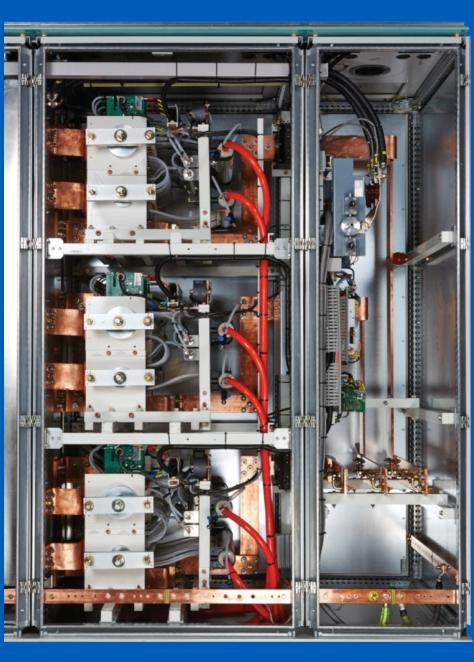
MV7000 is a water-cooled medium voltage inverter launched by GE, suitable for power conversion scenarios in the fields of oil and gas, ships, heavy industry, etc. It supports 3-81MW power output, with a maximum output voltage of 13kV, high reliability, high power density, and flexible configuration capability.
Core advantages
Leading power density: Using pressure bonded IGBT (PPI) technology, only 18 IGBTs can achieve 15MW output, with a power density of 1.5MVA/m ³ and compact equipment size (such as MV7306-3L with a width of only 4400mm).
High reliability: With a cumulative operation of over 14 million hours and an installed capacity of over 15GW, it supports N+1 redundancy design and can continuously conduct in case of faults, reducing downtime.
Flexible configuration: Provides two rectifier configurations: diode front end (DFE) and active front end (AFE), supporting 12/24/36 pulse harmonic control and complying with IEEE 519 standard without the need for additional filters.
Energy saving and efficient: Four quadrant operation supports energy feedback to the power grid, and the common DC bus system can recover braking energy. In AFE mode, the power factor reaches 1, and the system efficiency is as high as 99%.
Key technical characteristics
hardware design
Modular structure: The inverter cabinet adopts double-sided cooled IGBT modules, and the control hardware supports drawer style installation, making maintenance convenient (forward access design).
Transformer free design: AFE configuration does not require an input transformer, saving costs and space, and improving efficiency.
Cooling system: Integrated water cooling system, supporting redundant pump configuration, suitable for harsh environments such as ships and high vibration scenarios.
control and protection
Vector control: Equipped with Power Electronics Controller (PECe) as standard, it supports flux vector control. The speed adjustment accuracy is less than 0.5% without an encoder and less than 0.1% with an encoder.
Protection function: It has overcurrent, overvoltage, undervoltage, and motor stalling protection, supports voltage drop ride through of the power grid (continuous operation at a minimum of 70% rated voltage), and enables rapid start-up of rotating loads.
Communication protocol: Standard interfaces such as Profinet, Modbus, Ethercat, etc., supporting remote monitoring (Visor Connect system).
Harmonics and Energy Efficiency
Low harmonic: DFE configuration supports 12/24/36 pulse rectification, AFE configuration can achieve sine wave input, with harmonic content lower than IEEE 519 standard.
Energy recovery: During four quadrant operation, energy can be fed back to the grid, reducing cable losses and supporting reactive power compensation.
Application scenarios and industry adaptation
major industries
Oil and gas: liquefied natural gas (eLNG) trains, injection compressors, multiphase pumps, pipeline compressors.
Heavy industry: metal rolling mill, testing bench, water pump, mine hoist, wind turbine, STATCOM (Static Var Compensator).
Typical applications
High precision control scenarios: such as steel rolling flatness control and precise power supply for offshore oil and gas exploration.
Energy saving scenario: Variable frequency speed regulation of water pumps and fans, replacing traditional mechanical couplings, with an energy-saving rate of over 30%.
Renewable energy: frequency conversion of wind farm inverters and energy storage systems.
The MV7306P21 frequency converter is specially designed for complex industrial environments and is a highly integrated power control equipment. Its design purpose is to provide precise speed control for various motors while achieving significant energy-saving effects. Through advanced power electronics technology and intelligent control algorithms, this frequency converter can accurately adjust the output voltage and frequency to meet the operational needs of the motor under different working conditions. It is widely used in various fields such as energy, manufacturing, mining, and chemical engineering, and is a key equipment to ensure stable system operation, improve production efficiency, and reduce energy consumption.
The technical document of ABB Procontic CS31 intelligent distributed automation system introduces the hardware composition of the system (such as central processing unit 07 KR/KT series, input/output module, high-speed counter module, etc.), communication characteristics (RS485 bus, MODBUS protocol, etc.), module functions (analog input/output, digital input/output, high-speed counting, etc.) and technical parameters (working temperature, power supply voltage, resolution, etc.), as well as system installation, programming, diagnosis and application scenarios, demonstrating the modularity, high compatibility and reliability of the system in industrial automation.
Core architecture and hardware composition of the system
Central Processing Unit (CPU)
07 KR/KT series: Supports different program storage capacities (such as 07 KR 31 with 2K word EEPROM, 07 KT 92/93 with 14K FLASH EPROM), integrated high-speed counter (10-50kHz), real-time clock, and multiple communication interfaces (RS232/RS485).
UCZA/UCZB/PCZB series: suitable for complex control scenarios, supporting larger program storage (8-16K instructions) and extended bus connections.
Input output module
Binary input module (ICSI series): Supports 8/16 channels, 24VDC/AC input, with optional isolated and non isolated types, and adjustable input delay of 2-32ms.
Analog input module (ICSE/ICST series): 8/12 bit resolution, supports voltage (0-10V), current (4-20mA), temperature (PT100) input, temperature measurement range -50 ° C~+300 ° C.
Analog output module (ICSA series): 4-channel 12 bit output, supporting signals such as ± 10V and 0-20mA, with a load resistance of ≤ 500 Ω.
Special function module
High speed counter (ICSF 08 D1): Supports 3-channel 50kHz counting, can be configured as incremental encoder mode or independent counter, with 7 outputs for threshold triggering.
Bus Unit (NCB/NCBR)
Precautions for system installation and debugging
Hardware installation requirements
environmental condition
Temperature/Humidity: The working temperature is between 0 ° C and 55 ° C (storage temperature is between -40 ° C and 75 ° C), and the humidity should be below 95% (without condensation).
Protection level: The module defaults to IP20, and some modules (such as IP65 type) support outdoor or dusty environments. When installing, it is necessary to ensure that the protection level matches the scene requirements.
Installation location:
Keep a distance of at least 10cm away from strong electromagnetic interference sources such as motors and frequency converters.
Vertically installed in the control cabinet, ensuring good ventilation and avoiding direct sunlight.
Use DIN rails (35mm) or screws to secure the module firmly without vibration.
Module Layout
Install by functional partition: power module CPU、 Partition arrangement of input and output modules for easy heat dissipation and maintenance.
Reserved expansion space: Reserve empty slots for later module additions based on system expansion requirements.
Electrical Connection Specification
power connection
Voltage compatibility: Confirm the module power type (24VDC/120VAC/230VAC) to avoid damage caused by misconnection.
Grounding requirements:
The system grounding needs to be independent and reliable, with a grounding resistance of ≤ 10 Ω, using a star shaped grounding method.
The analog signal needs to be separately shielded and grounded, and the shielding layer should be connected to the grounding terminal of the control cabinet at one end.
Anti reverse polarity protection: The power polarity must be correct, and some modules support reverse polarity protection (such as central units), but it is still necessary to avoid misoperation.
Bus connection (RS485)
Topology structure: Adopting a bus topology, a 120 Ω terminal resistor is required at the end, and star connections are prohibited.
Cable requirements: Use shielded twisted pair cables (AWG24~AWG18) with a length of ≤ 500 meters. If the length exceeds 500 meters, a bus amplifier (NCB/NCBR) should be added.
Address setting: Each module sets a unique address (0-31) through DIP switches to avoid address conflicts.
Signal wiring
Input signal:
Digital input: Distinguish between active and passive signals to ensure voltage matching (24VDC/AC).
Analog input: The current signal needs to be connected in series with a 250 Ω resistor, and the voltage signal should avoid long wires being exposed.
Output signal:
The transistor output avoids directly driving large inductive loads and requires parallel freewheeling diodes.
The output contact capacity of the relay is limited (such as 2A/250VAC), and external contactors are required for large loads.
Parameter configuration and programming
Module initialization
Configure module parameters, including input delay, filtering time, analog range, etc., through TCZ handheld terminal or PC software (such as 907 PC 331).
The analog module needs to be calibrated: before the first use, the zero point and full range should be calibrated through software to ensure accuracy (such as ICSE 08 B5 supporting ± 0.3% full range error).
Address and Protocol Settings
The central unit serves as the master station, and the remote module serves as the slave station. The address of the slave station is set through DIP switches.
Communication protocol selection: Supports MODBUS RTU, PROFIBUS-DP, etc., and must be consistent with the protocol of the upper computer or PLC.
Program Download and Testing
Back up the original configuration before downloading the program to avoid overwriting critical data.
Segmented testing: First test the functionality of a single module (such as input point disconnection, output start stop), and then adjust the system logic in conjunction.
Debugging and troubleshooting
Check before powering on
Confirm that all wiring is secure, without short circuits or looseness, and that the power supply voltage meets the module labeling.
Disconnect the load, power on without load first, and observe the status of the module indicator lights (such as power light, running light, fault light).
Indicator light diagnosis
Normal state: The power light (green) is always on, the running light (green) is flashing, and the no fault light (red) is on.
Common faults:
Red fault light on: Check for power supply, bus connection, or internal module errors (such as overload, short circuit).
ABB 3BSE020510R1 DO801 Digital Output 24V 16 ch is a digital output module designed specifically for industrial automation control systems. This module has 16 digital output channels and can output 24V DC signals. It is mainly used to convert the digital signals of the control system into actual electrical signals, drive external devices such as relays, solenoid valves, indicator lights, etc., and achieve switch control of various equipment in the industrial production process. It is an important component of industrial automation systems to achieve precise control and efficient operation.
Core features
(1) Stable and reliable output performance
The DO801 module adopts high-quality electronic components and advanced circuit design to ensure the stability and reliability of the output signal. Under 24V DC output conditions, it can provide stable driving capability for external devices, ensuring the accuracy of output signals even in complex environments such as electromagnetic interference and voltage fluctuations in industrial sites, effectively avoiding equipment misoperation caused by unstable signals, and ensuring the safe and stable operation of industrial production.
(2) Powerful driving ability
Each output channel has strong driving capability and can directly drive various types of loads. It can easily drive relays, solenoid valves, and other devices with a rated voltage of 24V without the need for additional driving circuits, simplifying system design and reducing costs. At the same time, the module also has a short-circuit protection function, which can quickly cut off the output when a short circuit occurs in the output channel, preventing module damage and equipment failure caused by the short circuit, and improving the safety and reliability of the system.
(3) Flexible configuration and control
Supports multiple control methods and can be remotely configured and controlled through control systems such as PLC and DCS. Users can flexibly set the working mode of each output channel according to actual production needs, such as normally open, normally closed, pulse output, etc. In addition, the module also supports group control function, which can divide 16 output channels into different groups to achieve centralized control of multiple devices, improving the flexibility and efficiency of control.
(4) Good compatibility
This module has good compatibility with ABB’s various control systems and can be seamlessly integrated into ABB Ability ™ System 800xA ® Waiting in the automation system. At the same time, it also supports communication with other brands of PLC, DCS and other control systems. Through standard communication protocols such as Profibus DP, Modbus TCP, etc., data exchange and control instruction transmission are achieved, making it convenient for users to build diversified industrial automation systems.
Technical parameters
(1) Electrical parameters
Working voltage: 24VDC ± 15%, wide voltage input range enables it to adapt to common voltage fluctuations in industrial sites, ensuring stable operation of the module.
Output voltage: 24VDC, providing stable driving voltage for external devices.
Isolation voltage: The isolation voltage between channels and between channels and systems can reach 500V AC, effectively preventing signal interference and electrical faults from affecting each other, and improving the safety and reliability of the system.
(2) Channel parameters
Number of channels: 16 digital output channels, capable of controlling 16 external devices simultaneously.
Output type: transistor output, with advantages such as fast response speed and long lifespan.
(3) Physical parameters
Size specifications: Adopting a compact design, the external dimensions are approximately [length x width x height, such as 100mm x 80mm x 50mm (subject to actual product)], making it easy to install in control cabinets or equipment cases with limited space, saving installation space.
Installation method: Supports standard DIN rail installation, with a simple and convenient installation process. Simply insert the module into the rail and secure it, or fix it to the installation plane with screws, suitable for different installation scenarios.
Environmental adaptability: The working temperature range is generally -25 ℃ to+60 ℃, and the relative humidity range is 5% -95% (without condensation). It has good resistance to vibration, impact, and electromagnetic interference, and can operate stably in harsh industrial sites.
(4) Communication parameters
Communication interface: equipped with RS485, Profibus DP and other communication interfaces, convenient for communication connection with control systems such as PLC and DCS.
Communication Protocol: Supports multiple industrial communication protocols, such as Profibus DP, Modbus RTU, etc., enabling data exchange and collaborative work between different devices.
Working principle
When the industrial automation control system is running, when the PLC, DCS and other control systems issue digital control instructions, the instructions are transmitted to the ABB 3BSE020510R1 DO801 digital output module through the communication interface. After the module receives the instruction, the internal microprocessor parses and processes the instruction, and controls the corresponding output channel according to the instruction requirements.
For channels that require high-level (24V) output, the microprocessor controls the transistor to conduct, connecting the channel to a 24V power supply, thereby outputting a 24V DC signal to drive external devices to operate; For channels that require outputting a low level (0V), the microprocessor controls the transistor to turn off, disconnecting the channel from the 24V power supply and outputting a 0V signal, causing the external device to stop working.
During the entire process, the diagnostic circuit inside the module monitors the working status of each output channel in real time. Once abnormal conditions such as short circuit and overload are detected, the protection mechanism is immediately triggered to cut off the output of the corresponding channel, and the fault information is fed back to the control system through the communication interface for timely troubleshooting and handling.
Key advantages
(1) Improve production efficiency
Fast response time and stable and reliable output performance can achieve timely and accurate control of industrial equipment, reduce equipment start stop time, and improve the continuity and efficiency of the production process. At the same time, flexible configuration and control methods can quickly adjust control strategies according to changes in production processes, meet different production needs, and further improve production efficiency.
(2) Reduce maintenance costs
The powerful driving capability and short-circuit protection function effectively reduce the damage caused to the module by external device failures, extending the service life of the module. Modular design makes troubleshooting and replacement more convenient and efficient. When a channel fails, only the corresponding module needs to be replaced, without the need for large-scale maintenance of the entire system, reducing maintenance workload and costs.
(3) Enhance system flexibility
Good compatibility and support for multiple communication protocols enable the DO801 module to easily integrate into different industrial automation system architectures and integrate with various brands of control systems and devices. Users can choose appropriate communication methods and control strategies according to their actual needs, and build flexible and versatile industrial automation systems to meet the needs of different industries and production scenarios.
(4) Ensure system security
The high isolation voltage and comprehensive protection mechanism effectively prevent the occurrence and propagation of electrical faults, ensuring the safety of operators and equipment. At the same time, stable and reliable output performance can avoid equipment misoperation caused by unstable signals, reduce the probability of production accidents, and provide reliable safety guarantees for industrial production.
Precautions
(1) Installation environment requirements
When installing, a dry, well ventilated, and suitable temperature environment should be selected to avoid installation in places with high temperature, humidity, corrosive gases, or strong electromagnetic interference. If it is impossible to avoid harsh environments, effective protective measures should be taken, such as installing heat dissipation devices, electromagnetic shielding equipment, ventilation equipment, etc., to ensure the normal operation of the module.
(2) Wiring standard operation
Strictly follow the wiring diagram in the product manual to connect the power and signal lines, ensuring correct wiring and accurate polarity. Different types of cables (such as power lines, signal lines, and grounding wires) should be wired separately to avoid signal interference. After the wiring is completed, carefully check whether the wiring terminals are secure to prevent loose connections that may cause poor contact or short circuits.
(3) Usage and maintenance
During use, avoid prolonged overload operation of the module to prevent equipment damage caused by overheating or overcurrent. Regularly check the working status of the module, observe whether the indicator light is on normally, and whether there is any abnormal heating, odor, or noise. According to the recommendations in the product manual, regularly clean the module, remove surface dust, check for loose electrical connections, and ensure that it is always in good working condition. If a module malfunction is found, the power should be immediately cut off and repaired by professional technicians. Do not disassemble it yourself to avoid personal injury or further damage to the equipment.
The EI 813F Ethernet Module, with the part number 3BDH000022R1, is a product of ABB. It is designed to provide reliable 10BaseT communication for industrial systems.
Product Basics
Type: Ethernet Module. This classifies it as a device that enables network connectivity within industrial setups, allowing for the transfer of data between different components in an industrial network.
Manufacturer: ABB, a well – known and respected name in the field of industrial automation and power technology. ABB products are recognized globally for their quality, reliability, and innovative features.
Product Origin: Sweden. ABB’s manufacturing facilities in Sweden adhere to high – quality standards, ensuring that the EI 813F module meets strict requirements for performance and durability.
Communication Features
10BaseT Communication: The module supports 10BaseT communication, which is a standard for Ethernet local – area networks (LANs). 10BaseT uses unshielded twisted – pair (UTP) cables, typically Category 3 or higher, for data transmission. The “10” in 10BaseT represents the data transfer rate of 10 Mbps (megabits per second), making it suitable for various industrial applications where this data rate can meet the requirements of real – time data transfer, such as monitoring and controlling industrial processes.
Twisted – Pair Connections: It specifically supports twisted – pair connections. Twisted – pair cables are cost – effective and provide a reasonable level of noise immunity. The twisting of the wire pairs helps to reduce electromagnetic interference (EMI) and crosstalk, ensuring stable data transmission in industrial environments that may be filled with electrical noise from machinery and other equipment.
Compatibility
Compatible Modules: The EI 813F is designed to be used in conjunction with PM 802F or PM 803F from ABB. This compatibility allows for seamless integration within an industrial control system. For example, when used with these compatible modules, the EI 813F can facilitate communication between different parts of a control system, such as between a programmable logic controller (PLC) and other devices in the network.
Software Requirements: A software version of V 7.1 SP 2 A or higher is mandatory for the proper functioning of the EI 813F module. This software ensures that the module can communicate effectively with other components in the network, manage data transfer, and perform any necessary configuration or diagnostic functions.
Physical Attributes
Product Net Depth/Length: The module has a net depth/length of 125 mm. This compact size makes it easy to install in various industrial enclosures and control panels, saving valuable space in industrial setups where space may be at a premium.
WEEE Category: It falls into WEEE category 5, which is defined as small equipment with no external dimension more than 50 cm. This categorization is important for environmental and recycling purposes, as it helps in proper disposal and recycling of the module at the end of its useful life.
ABB, as a leading global enterprise in the field of industrial automation, has profound technical expertise and rich industry experience in the manufacturing of electrical equipment and the provision of automation solutions. For many years, ABB has always adhered to the spirit of innovation, committed to creating high-quality and high-performance products for many industries such as power, manufacturing, and energy. In the field of power supply modules, ABB continuously launches reliable and efficient products with its precise grasp of industrial demand and advanced technological research and development capabilities. The ABB IEPAS01 power supply module is an outstanding achievement in this field, providing solid power guarantee for the stable operation of industrial automation systems.
Product Overview
The ABB IEPAS01 power supply module is a key component designed specifically for industrial automation control systems, playing an important role as the “heart of power” in the entire industrial system. It can convert input AC power into stable DC power, providing safe and reliable power support for various industrial automation equipment such as PLC (Programmable Logic Controller), sensors, actuators, communication modules, etc. This module, with its stable performance, efficient conversion efficiency, excellent protection capabilities, and convenient installation and maintenance design, effectively ensures the continuous and stable operation of industrial equipment in complex and changing industrial environments, reduces equipment failures and production interruptions caused by power issues, and improves the continuity and efficiency of industrial production.
Core Features
(1) Stable and reliable power output
The IEPAS01 power supply module adopts advanced power conversion technology and high-quality electronic components, with excellent voltage regulation performance. In the case of input voltage fluctuations or load changes, the internal intelligent voltage regulator circuit and feedback adjustment mechanism can quickly and accurately adjust the output voltage, maintain the stability of the output DC voltage, and ensure the provision of pure and stable power to connected devices. Even under harsh power supply conditions such as voltage surges and surges commonly found in industrial sites, the output voltage accuracy can be guaranteed within a very small error range (such as ± 1%), effectively avoiding damage to equipment caused by voltage instability and improving equipment reliability and service life.
(2) Efficient and energy-saving power conversion
This module utilizes efficient switching power supply technology, significantly improving power conversion efficiency, with a conversion efficiency of over 85%. In the process of converting input AC electrical energy into DC electrical energy, energy loss is minimized to the greatest extent possible, while reducing operating costs, minimizing self heating, and reducing the investment and operational burden of heat dissipation equipment. Efficient power conversion not only conforms to the trend of industrial energy-saving development, but also helps to improve the energy utilization efficiency of the entire industrial automation system, achieving green and sustainable industrial production.
(3) Powerful electrical protection function
Built in comprehensive electrical protection mechanisms, including overcurrent protection, overvoltage protection, short circuit protection, and overheating protection. When the output current exceeds the rated value, the output voltage rises abnormally, the load experiences a short circuit fault, or the internal temperature of the module is too high, the protection function will respond quickly, automatically cutting off the power supply or taking corresponding current limiting, voltage reducing and other protective measures to prevent damage to the module and connecting equipment due to electrical faults, effectively ensuring the safe operation of industrial systems. At the same time, the module also has good electrical isolation performance, with an isolation voltage of over 1500V AC between input and output, which can effectively resist external electromagnetic interference and electrical noise, improving the system’s anti-interference ability and stability.
(4) Convenient and flexible installation and maintenance
The design fully considers the installation requirements of industrial sites, adopting a compact and modular structural design with a small volume and external dimensions of approximately [length x width x height, such as 100mm x 80mm x 50mm (specific to actual products)], making it easy to install in various space limited equipment such as control cabinets and distribution boxes, saving installation space. Supports standard DIN rail installation methods, simply clip the module into the rail and fix it, and it can be quickly installed. It can also be fixed on the installation plane with screws, and the installation methods are flexible and diverse, adapting to different installation scenarios. In addition, modular design makes later maintenance more convenient. When a module fails, there is no need to disassemble the entire system on a large scale. Simply replace the faulty module quickly to restore system operation, greatly reducing maintenance time, lowering maintenance costs, and improving equipment availability and production efficiency.
(5) Good adaptability to the environment
It has excellent environmental adaptability, with a working temperature range of -25 ℃ -+60 ℃ and a relative humidity range of 5% -95% (non condensing). It can operate stably in harsh industrial environments such as high temperature, low temperature, humidity, and high dust. At the same time, it has certain anti vibration and anti impact capabilities, which can effectively cope with mechanical vibrations and collisions in industrial sites, ensuring continuous and reliable operation under complex industrial conditions. In addition, the outer shell of the module is made of high-quality flame-retardant materials, which have good fire resistance and improve the safety of use.
Technical parameters
Electrical parameters
Input voltage: Supports a wide range of AC voltage input, usually 85-264V AC, which can adapt to voltage fluctuations in different regions and industrial sites. Whether it is remote areas with low voltage or industrial production areas with certain voltage fluctuations, it can ensure normal operation.
Input frequency: The input frequency range is generally 47-63Hz, which is compatible with common industrial power grid frequency standards and meets the usage needs of most regions around the world.
Output voltage: Fixed output DC voltage, commonly specified as 24VDC, which is a standard voltage commonly used in the field of industrial automation and can provide suitable power for many industrial equipment.
Communication parameters
Some models of IEPAS01 power supply modules may be equipped with communication interfaces (such as RS485, Modbus, etc.) that support remote monitoring and management functions. Through the communication interface, the working status of the module can be monitored in real time (such as output voltage, current, temperature and other parameters), and the working mode and parameters of the module can be remotely set to achieve intelligent power management and improve the operation and management efficiency of industrial automation systems.
Precautions
(1) Installation environment requirements
When installing, a dry, well ventilated, and suitable temperature environment should be selected to avoid installation in places with high temperature, humidity, corrosive gases, or strong electromagnetic interference. If it is impossible to avoid harsh environments, effective protective measures should be taken, such as installing heat dissipation devices, electromagnetic shielding equipment, ventilation equipment, etc., to ensure the normal operation of the module. At the same time, sufficient space should be reserved in the installation location for heat dissipation and later maintenance operations.
(2) Wiring standard operation
Strictly follow the wiring diagram in the product manual to connect the power cord, ensuring that the live, neutral, and ground wires of the input power cord are correctly connected and have accurate polarity. When connecting the output terminal to the load device, attention should be paid to the rated voltage and current of the load to ensure that they do not exceed the rated output parameters of the power supply module. Different types of cables (such as input power lines and output signal lines) should be wired separately to avoid signal interference. After the wiring is completed, carefully check whether the wiring terminals are secure to prevent safety hazards such as poor contact, heating, and even fire caused by looseness.
(3) Usage and maintenance
During use, avoid prolonged overload operation of the power supply module to prevent equipment damage caused by overheating or overcurrent. Regularly check the working status of the module, observe whether the indicator light is on normally, and whether there is any abnormal heating, odor, or noise. According to the recommendations in the product manual, regularly clean the module, remove surface dust, check for loose electrical connections, and ensure that it is always in good working condition. If a malfunction is found in the power supply module, the power should be immediately cut off and repaired by professional technicians. Do not disassemble it yourself to avoid personal injury or further damage to the equipment.
The AI845 Analog Input Module for single or redundant applications.
The module has 8 channels.
Each channel can be either a voltage or current input when MTU TU844 or TU845 is used, when other MTUs are used al channels become voltage or current inputs.
The voltage and current input is able to withstand an overvoltage or undervoltage of at least 11 V d.c. The input resistance for voltageinput is greater than 10 M ohm and the input resistance for current
input is 250 ohm.
The module distributes the external HART compatible transmitter supply to each channel.
This adds a simple connection to distribute the supply to 2-wire or 3-wire transmitters.
The transmitter power is supervised and current limited.
Features and benefits
8 channels for 0 .20 mA, 4 .20 mA, 0 .5 V or 1 .5 V d.c., single ended unipolar inputs
Single or redundant operation
1 group of 8 channels isolated from ground
12 Bit resolution
Current limited transmitter supply per channel
Advanced on-board diagnostics
HART pass-through communication
ABB Ability ™ System 800xA ® Multi functional, integrating distributed control system (DCS), electrical control system, safety system, and promoting collaboration, can effectively improve engineering efficiency, operator performance, and asset utilization. The system has high integration, and its architecture integrates the control layer and information layer. The control layer covers on-site control devices such as controllers, I/O modules, and fieldbus networks, mainly responsible for executing control logic; The information layer includes operator workstations, engineer workstations, historical servers, etc., responsible for data processing, operator interface presentation, and system configuration.
Introduction to AI845 module
AI845, as a key analog input module under ABB, is widely used in the field of industrial automation. It can accurately collect various analog signals, such as temperature, pressure, and flow sensor output signals, and convert them into digital signals for subsequent processing by the control system. In terms of performance, the AI845 module has high resolution and can accurately distinguish subtle changes in input signals, ensuring measurement accuracy. At the same time, it also has excellent anti-interference ability and can operate stably and reliably in complex industrial electromagnetic environments, ensuring the authenticity and effectiveness of the collected data.
Adaptability of AI845 in 800xA system
1 System architecture compatibility
From a system architecture perspective, the AI845 module is perfectly compatible with the control layer architecture of the 800xA system. It can easily connect to the Field Control Station (FCS) and work in conjunction with other controllers and I/O modules. In practical project applications, the AI845 module can quickly and accurately collect on-site simulated signals according to FCS instructions, and timely feedback the processed data to the controller, providing strong support for the stable operation of the entire control system. For example, in the chemical production process, the AI845 module can real-time collect simulated signals such as temperature and pressure inside the reaction kettle, and transmit them to FCS for analysis and processing, thereby achieving precise control of the production process.
2 Communication Compatibility
In terms of communication, the AI845 module supports multiple communication protocols and is highly compatible with the communication requirements of the 800xA system. It can achieve efficient data exchange with other devices in the system through communication interfaces such as Ethernet and serial interfaces (such as RS-232, RS-485). This powerful communication compatibility enables the AI845 module to be flexibly applied in different industrial scenarios. Taking the oil and gas pipeline transportation project as an example, the AI845 module can communicate with the server in the remote monitoring center through Ethernet, and transmit simulated data such as pressure and flow collected along the pipeline in real time, facilitating remote monitoring and management by staff.
AI845 application cases in different industries
1 Chemical Industry
In chemical production, the control accuracy of temperature, pressure and other parameters in the reaction process is extremely high. A large chemical enterprise has adopted ABB Ability ™ System 800xA ®, And paired with AI845 module. The AI845 module is responsible for collecting simulated signals of temperature, pressure, flow rate, and other key equipment such as reaction vessels and distillation towers. Through its high resolution and stable performance, these signals are accurately transmitted to the 800xA system for analysis and processing. Based on these precise data, the control system can adjust production parameters in a timely manner, ensuring that chemical reactions proceed under optimal conditions, effectively improving product quality and production efficiency, while reducing energy consumption and production costs.
2 Power industry
Monitoring the operational status of various equipment is crucial in power plants. The application of AI845 module in the power industry is mainly reflected in the parameter acquisition of equipment such as generators and transformers. For example, it can collect analog signals such as winding temperature, output voltage, and current of the generator, as well as signals such as oil temperature and oil level of the transformer. After these signals are transmitted to the 800xA system through the AI845 module, the staff can grasp the real-time operation status of the equipment, timely discover potential faults and hidden dangers, take maintenance measures in advance, greatly improve the reliability and stability of the power system, and ensure the continuous and stable supply of electricity.
Selection precautions
1 Channel Quantity Requirements
When selecting AI845 modules, the first step is to clarify the required number of analog input channels in the actual project. The number of analog signals varies in different industrial scenarios. For example, in a small automated production line, only a few analog input channels may be needed to collect temperature and pressure signals from key equipment; In large-scale chemical joint ventures, involving numerous production processes and equipment, the demand for analog input channels may reach hundreds or thousands. Therefore, accurately selecting the number of AI845 modules based on specific project requirements can not only meet system functional requirements, but also avoid resource waste and reduce costs.
2 Signal type and range matching
The types and ranges of analog signals output by different sensors vary. The AI845 module supports multiple signal types, such as voltage signals (such as 0-5V, 0-10V, etc.), current signals (such as 4-20mA), etc. When selecting, it is necessary to ensure that the AI845 module can adapt to the signal types output by on-site sensors, and its input signal range should cover the maximum and minimum values of the sensor output signal. For example, if a pressure sensor with an output of 4-20mA current signal is used on site, the selected AI845 module must be able to accurately collect current signals within this range, otherwise it may result in inaccurate signal collection and affect the normal operation of the control system.
3 System Expansion Requirements
Considering the potential expansion needs of the project in the future, a certain amount of expansion space should be reserved when selecting the AI845 module. With the development of enterprises and the improvement of production processes, it may be necessary to add new analog signal acquisition points. If the system expansion is not fully considered during the initial selection, there may be module compatibility issues in the later stage, or a large-scale transformation of the entire control system may be required, which will bring high costs and time costs. Therefore, choosing AI845 modules with good scalability can provide convenience for future system upgrades and expansions.
ABB, as a leading enterprise in the global industrial automation field, occupies an important position in the electrical and automation fields with its profound technological accumulation and innovative spirit. Its products are known for their high reliability and performance, and are widely used in many industries such as power, manufacturing, and robotics. In the research and development of industrial control modules, ABB has always been guided by meeting customer needs and continuously launching advanced products. The 3HAC4776-1/1 industrial control module is its excellent achievement in this field, providing strong support for the industrial automation process.
Product Overview
The ABB 3HAC4776-1/1 industrial control module is a core component designed specifically for industrial automation control systems, playing a critical role in robot control systems. It can accurately process and transmit various control signals, achieve precise control of robot motion trajectory and action logic, and is also suitable for monitoring and regulating equipment in other industrial automation scenarios, ensuring efficient, stable, and precise operation of industrial production processes. It is an important foundation for industrial automation systems to achieve intelligent control.
core features
(1) High precision control capability
The 3HAC4776-1/1 module has excellent high-precision control characteristics and can accurately adjust the motion parameters of robots or other industrial equipment. Through advanced algorithms and fast data processing capabilities, precise control of parameters such as position, velocity, and acceleration can be achieved, with control accuracy reaching the micrometer level, meeting the high precision requirements of industrial production such as precision machining and assembly, effectively improving product quality and production efficiency.
(2) Powerful compatibility and scalability
This module supports multiple communication protocols, such as EtherNet/IP, Profinet, etc., and can seamlessly connect with different brands of PLCs, robot controllers, sensors, and actuators, with strong compatibility. At the same time, adopting a modular design with good scalability, users can flexibly add or reduce functional modules according to actual production needs, facilitating system upgrades and transformations, and adapting to constantly changing industrial production scenarios.
(3) Efficient data processing and transmission
Built in high-performance processor, capable of quickly processing large amounts of control data and sensor feedback information. Fast data transmission rate and low latency ensure timely and accurate issuance of control instructions to executing devices, while providing real-time feedback on device operation status to the control system, achieving real-time monitoring and efficient collaborative operation of industrial automation systems.
(4) Comprehensive fault diagnosis and protection mechanism
The module is equipped with an intelligent fault diagnosis system that can monitor its own operating status and the working condition of connected devices in real time. Once a fault is detected, such as communication interruption, overload, sensor abnormality, etc., the alarm mechanism is immediately triggered, and detailed fault information is output through LED indicator lights and communication interfaces, making it convenient for maintenance personnel to quickly locate and troubleshoot the fault. In addition, it also has functions such as overvoltage protection and overcurrent protection, effectively preventing module and connected equipment from being damaged due to electrical abnormalities, and improving the reliability and stability of the system.
Technical Parameter
(1) Electrical parameters
Working voltage: Supports a wide range of DC voltage input, usually 24VDC ± 15%, which can adapt to common voltage fluctuations in industrial sites and ensure stable operation of the module.
Signal processing capability: able to quickly process analog and digital signals, with analog input and output accuracy up to ± 0.1% FS (full scale), and digital input and output response time short, ensuring the accuracy and timeliness of signal processing.
(2) Communication parameters
Communication interface: Equipped with various communication interfaces such as Ethernet interface and RS485 serial port, it is convenient to connect and transmit data with different devices.
Communication Protocol: Supports multiple industrial communication protocols such as EtherNet/IP, Profinet, Modbus TCP, etc., enabling efficient communication and collaborative work with different brands and types of industrial automation equipment.
(3) Physical parameters
Size specifications: Adopting a compact design, the external dimensions are approximately [length x width x height, such as 150mm x 100mm x 50mm (subject to actual product)], making it easy to install in control cabinets or equipment cases with limited space, saving installation space and improving system integration.
Installation method: Supports two installation methods: standard DIN rail installation and screw fixed installation. The installation process is simple and fast, convenient for on-site installation and later maintenance.
Environmental adaptability: The working temperature range is generally from -25 ℃ to+60 ℃, and the relative humidity range is 5% -95% (without condensation). It has good resistance to vibration, impact, and electromagnetic interference, and can operate stably in harsh industrial environments.
Working principle
During the operation of industrial automation systems, the 3HAC4776-1/1 industrial control module first receives analog and digital signals from sensors through input interfaces, such as robot position information feedback from position sensors and pressure data detected by pressure sensors. The analog signal is amplified, filtered, and processed by the front-end signal conditioning circuit, and then converted into a digital signal by an A/D converter; Digital signals are directly subjected to level conversion and isolation processing, and then these signals are transmitted to the central processing unit (CPU) inside the module.
The CPU performs logical operations and algorithm processing on input signals based on pre written and stored control programs in the module memory, generating corresponding control instructions. After processing, these control instructions are transmitted to the executing mechanism through the output interface, such as the servo motor driver and regulating valve of the robot, to control the operating status of the equipment and achieve regulation of the industrial production process.
Throughout the entire operation, the communication module is responsible for data exchange with external devices. On the one hand, the collected data and module operation status information are packaged according to the selected communication protocol and uploaded to the upper computer monitoring system or other network devices through the communication interface; On the other hand, it receives control instructions and parameter adjustment information from the upper computer or other devices, and transmits them to the CPU for processing. At the same time, the fault diagnosis module continuously monitors the operating status of each part of the module, and once any abnormalities are detected, the corresponding fault handling mechanism is immediately triggered.
Key advantages
(1) Improve production accuracy and efficiency
High precision control capability makes industrial production processes more precise, reduces waste rates, and improves product quality. Fast data processing and transmission capabilities ensure timely device response, effectively improve production efficiency, and reduce production costs.
(2) Reduce the difficulty of system integration
The strong compatibility and rich communication protocol support enable this module to easily integrate into different industrial automation systems without the need for complex interface conversion and protocol adaptation, greatly reducing the difficulty and cost of system integration and accelerating project implementation progress.
(3) Reduce maintenance costs and downtime
A comprehensive fault diagnosis and protection mechanism can quickly locate the fault point and reduce troubleshooting time. Modular design facilitates the replacement of faulty modules, shortens equipment maintenance time, reduces maintenance costs, minimizes downtime caused by equipment failures, and ensures the continuity of industrial production.
(4) Adapt to diverse industrial demands
The flexible scalability and customizable control functions enable it to meet the diverse needs of different industries and production processes. Whether it is simple single machine control or complex production line automation systems, it can provide reliable control solutions.
precautions
(1) Installation environment requirements
When installing, a dry, well ventilated, and suitable temperature environment should be selected to avoid installation in places with high temperature, humidity, corrosive gases, or strong electromagnetic interference. If it is impossible to avoid harsh environments, effective protective measures should be taken, such as installing heat dissipation devices, electromagnetic shielding equipment, etc., to ensure the normal operation of the module.
(2) Wiring standard operation
Strictly follow the wiring diagram in the product manual to connect the power and signal lines, ensuring correct wiring and accurate polarity. Different types of signals (such as analog, digital, and power lines) should be wired separately to avoid signal interference. After the wiring is completed, carefully check whether the wiring terminals are secure to prevent loose connections that may cause poor contact or short circuits.
(3) Programming and Parameter Setting
Before programming and parameter setting, it is necessary to fully understand the industrial control requirements and the functional characteristics of the module, to ensure that the control program logic written is correct and the parameter settings are reasonable. When modifying programs and parameters, it is important to make backups to prevent data loss. When downloading programs and updating parameters, ensure that the module is in a safe state to avoid module failures or production accidents caused by improper operation.
(4) Usage and maintenance
During use, avoid long-term overload operation of the module, regularly check the working status and connecting cables of the module, and observe whether the LED indicator light is normal. According to the recommendations in the product manual, regularly clean the module, remove surface dust, check for loose electrical connections, and ensure that the module is always in good working condition. At the same time, properly store the module’s user manual, programming files, and other related materials for troubleshooting and technical support when needed.
ABB DSTF620 HESN119033P1 is a high-performance connector designed specifically for industrial process automation systems, which plays a critical role in signal transmission and equipment connection in industrial control systems. It can achieve stable connections between various industrial equipment such as sensors, actuators, controllers, etc., ensuring accurate and fast transmission of analog and digital signals. It is an important basic component for building efficient and stable industrial automation systems. Whether it is a complex large-scale industrial production line or a precise small-scale industrial control system, this connector can perfectly adapt to different application scenarios with its excellent performance and flexible configuration, helping industrial production achieve intelligent and automated upgrades.
Core Features
(1) Powerful compatibility and flexible configuration
DSTF620 HESN119033P1 supports multiple signal types, including common 4-20mA current signals, ± 10V voltage signals and other analog signals, as well as various digital signals, and can be compatible with different brands and models of industrial equipment. At the same time, it has highly flexible configuration capabilities. Users can personalize signal channels through software or hardware settings, including channel activation/deactivation, signal type selection, range adjustment, etc., to meet diverse industrial control needs and easily cope with complex and ever-changing industrial production scenarios.
(2) Excellent signal transmission performance
Using high-quality conductive materials and advanced manufacturing processes, combined with optimized circuit design, to ensure low loss and no distortion of signals during transmission. Its internal circuit has strong anti-interference ability, which can effectively resist common electromagnetic interference, power fluctuations and other interference factors in industrial sites. Even in complex electromagnetic environments, it can ensure stable transmission of analog and digital signals, provide accurate and reliable data for control systems, and ensure precise operation of industrial equipment.
(3) Convenient and efficient installation and maintenance
The design fully considers the installation requirements of industrial sites, adopts a compact structure and standardized installation method, supports rail installation, and can be quickly and conveniently installed in control cabinets or equipment chassis, saving installation space. The modular design concept makes maintenance extremely convenient in the later stage. When a module fails, there is no need to disassemble the entire system on a large scale. Simply replace the faulty module to complete the repair, greatly reducing maintenance time, lowering maintenance costs, and improving equipment operation efficiency and usability.
(4) Comprehensive diagnostic and protective functions
Built in intelligent diagnostic system that can monitor the working status and signal transmission of connectors in real time. Once abnormal conditions such as signal loss, short circuit, overload, etc. are detected, the alarm mechanism is immediately triggered, and detailed fault information is output through LED indicator lights or communication interfaces to help maintenance personnel quickly locate and eliminate faults. In addition, it is equipped with multiple protection functions such as overvoltage protection and overcurrent protection, effectively preventing equipment damage caused by external electrical abnormalities and ensuring the safe and stable operation of industrial automation systems in all aspects.
Technical parameters
(1) Electrical parameters
Working voltage: Supports wide range DC voltage input, usually 24VDC ± 15%, adapts to common voltage fluctuations in industrial sites, and ensures stable operation.
Power consumption: During normal operation, the power consumption is low, effectively reducing system energy consumption, reducing heat dissipation requirements, and improving energy utilization efficiency.
Signal processing accuracy: The accuracy of the analog input channel can reach ± 0.05% FS (full range), which is further improved compared to DSTF610; The response time for digital input and output is extremely short, enabling fast signal processing and transmission.
(2) Physical parameters
Size specifications: The external design is compact, with specific dimensions of approximately [length x width x height, such as 120mm x 90mm x 60mm (actual subject to product)], making it easy to install and deploy in industrial environments with limited space.
Installation method: Supports standard DIN rail installation and can also be fixed to a flat surface with screws. The installation method is flexible and adaptable to different installation scenarios.
Environmental adaptability: The working temperature range is -40 ℃ -+70 ℃, and the relative humidity range is 5% -95% (without condensation). It has excellent resistance to vibration, impact, and electromagnetic interference, and can operate stably in harsh industrial environments such as high temperature, low temperature, humidity, and high dust.
(3) Communication parameters
Communication interface: Equipped with various communication interfaces such as RS485, Profibus DP, EtherCAT, etc., among which the EtherCAT interface supports high-speed data transmission, meeting the high real-time requirements of industrial automation systems.
Communication Protocol: Supports various industrial communication protocols such as Modbus TCP, Profibus DP, EtherNet/IP, etc. It can seamlessly integrate with various control systems and intelligent devices such as PLC and DCS, achieving efficient data exchange and system collaboration.
Working principle
During the operation of industrial automation systems, analog or digital signals collected by various sensors are transmitted to the ABB DSTF620 HESN119033P1 industrial process connector. For analog signals, the connector first preprocesses them through internal signal conditioning circuits such as filtering and amplification, and then converts them into digital signals through high-precision A/D converters; Digital signals are directly subjected to level conversion and isolation processing.
The processed signal undergoes logical operations and allocation within the connector based on pre configured parameters. With the help of communication interfaces, signals are transmitted in the corresponding communication protocol format to control systems such as PLC and DCS, providing data support for control decisions. At the same time, the control instructions issued by the control system are also transmitted to the connector through the communication interface. The connector converts the instructions into corresponding signals and outputs them to the actuator, achieving precise control of industrial equipment.
Throughout the entire process, the built-in diagnostic module continuously monitors the signal transmission and the working status of various parts of the connector. Once an abnormality is detected, protection and alarm mechanisms are immediately activated to ensure stable system operation.
Key advantages
(1) Higher reliability and stability
Compared with similar products, DSTF620 HESN119033P1 significantly reduces the probability of system failure caused by connection problems, effectively improves the overall reliability and stability of industrial automation systems, and ensures continuous and stable industrial production due to better signal transmission performance, comprehensive diagnostic protection functions, and excellent environmental adaptability.
(2) Stronger system flexibility and scalability
Rich signal type support, flexible configuration methods, and diverse communication interfaces and protocols enable it to easily adapt to different industrial automation system architectures and production process changes. Whether it’s adding new devices or upgrading the system, it can quickly adjust configurations, achieve flexible system expansion, and meet the constantly developing production needs of enterprises.
(3) Significantly reduce operation and maintenance costs
The convenient installation method and modular design greatly shorten the time for equipment installation, debugging, and troubleshooting, reducing maintenance workload. At the same time, low failure rate and long service life reduce the frequency of spare parts replacement, effectively reduce the operation and maintenance costs of enterprises, and improve the return on investment of equipment.
(4) Efficiently promote system integration
Strong communication capabilities and extensive protocol compatibility enable seamless integration with different brands and types of industrial automation equipment, enabling the rapid construction of complex industrial automation systems, promoting efficient collaboration between devices, improving production efficiency, and helping enterprises achieve intelligent production transformation.
Precautions
(1) Installation environment requirements
When installing, it is necessary to choose a dry, well ventilated, and suitable temperature environment, and avoid installing in places with high temperature, humidity, corrosive gases, or strong electromagnetic interference. If it is impossible to avoid harsh environments, effective protective measures must be taken, such as installing heat dissipation devices, electromagnetic shielding equipment, ventilation equipment, etc., to ensure the normal operation of the connector.
(2) Wiring standard operation
Strictly follow the wiring diagram in the product manual to connect the signal and power lines, ensuring correct wiring and accurate polarity. Different types of signals should be wired separately to prevent signal interference, and at the same time, it is necessary to ensure that the wiring terminals are firm to avoid problems such as poor contact and short circuits caused by looseness.
(3) Usage and maintenance
During use, avoid overloading the connector for a long time, regularly check the working status and connecting cables, and observe whether the LED indicator light is normal. According to the product manual recommendations, regular cleaning and maintenance should be carried out, surface dust should be cleaned in a timely manner, and electrical connections should be checked for looseness. Properly store relevant information for troubleshooting and technical support.
ABB DSTF610 Terminal is a terminal component designed specifically for industrial automation systems, playing a critical role in signal connection and distribution in industrial control systems. It can efficiently and reliably connect various automation equipment, such as sensors, actuators, controllers, etc., to achieve stable signal transmission and interaction, and is an important basic component to ensure the stable operation of industrial automation systems. Whether building new industrial automation systems or upgrading existing systems, DSTF610 Terminal can perfectly adapt to different application scenarios with its flexible configuration and powerful functions, helping industrial production achieve efficient and precise automation control.
Core Features
(1) High compatibility and flexible configuration
DSTF610 Terminal supports multiple types of signal access, including analog signals (such as 4-20mA current signals, ± 10V voltage signals) and digital signals, and is compatible with sensors, actuators, and other devices of different brands and models. At the same time, it has a flexible configuration method, and users can customize signal channels through software or hardware settings according to actual needs, such as channel activation and deactivation, signal type selection, range setting, etc., to meet diverse industrial automation control needs.
(2) Reliable signal transmission and processing
Using high-quality electrical components and advanced signal processing technology to ensure the accuracy and stability of signals during transmission. The internal circuit has excellent anti-interference ability, which can effectively resist common electromagnetic interference, power fluctuations and other interference factors in industrial sites, reducing signal distortion and bit error rate. In addition, preprocessing such as filtering, amplification, and isolation can be applied to the input signal to improve signal quality and provide reliable data support for subsequent control decisions.
(3) Convenient installation and maintenance
The design fully considers the installation requirements of industrial sites, adopts a compact structure and standardized installation method, supports rail installation, and can be quickly and conveniently installed in control cabinets or equipment chassis, saving installation space. At the same time, its modular design facilitates later maintenance. When a module fails, there is no need to disassemble the entire system on a large scale. Only the faulty module needs to be replaced, greatly reducing maintenance time, lowering maintenance costs, and improving equipment availability.
(4) Comprehensive diagnostic and protective functions
Built in intelligent diagnostic system that can monitor the working status and signal transmission of the terminal in real time. Once abnormalities are detected, such as signal loss, short circuit, overload, etc., the alarm mechanism is immediately triggered, and fault information is output through LED indicator lights or communication interfaces, making it convenient for maintenance personnel to quickly locate and troubleshoot the fault. In addition, it also has functions such as overvoltage protection and overcurrent protection, effectively preventing equipment damage caused by external electrical abnormalities and ensuring the safe operation of the system.
Technical parameters
(1) Electrical parameters
Working voltage: Supports a wide range of DC voltage input, typically 24VDC ± 15%, which can adapt to common voltage fluctuations in industrial sites and ensure stable operation.
Power consumption: Under normal working conditions, the power consumption is low, effectively reducing system energy consumption and reducing heat dissipation burden.
Signal processing capability: The accuracy of analog input channels can reach ± 0.1% FS (full range), and the response time of digital input and output is short, which can quickly and accurately process various signals.
(2) Physical parameters
Size specifications: The external dimensions are compact and easy to install in industrial environments with limited space. The specific dimensions are approximately [length x width x height, such as 100mm x 80mm x 50mm (subject to actual product)].
Installation method: Supports standard DIN rail installation, and can also be fixed on the installation plane with screws, making installation flexible and convenient.
Environmental adaptability: The working temperature range is generally from -25 ℃ to+60 ℃, and the relative humidity range is 5% -95% (without condensation). It has good resistance to vibration, impact, and electromagnetic interference, and can operate stably in harsh industrial sites.
(3) Communication parameters
Communication interface: equipped with RS485, Profibus DP and other communication interfaces, convenient for communication connection with control systems such as PLC and DCS.
Communication Protocol: Supports multiple industrial communication protocols, enabling data exchange and collaborative work with different automation devices, achieving system integration and expansion.
Working principle
During the operation of industrial automation systems, analog or digital signals collected by various sensors are transmitted to the ABB DSTF610 Terminal. For analog signals, the terminal first preprocesses them through internal signal conditioning circuits such as filtering and amplification, and then converts them into digital signals through an A/D converter; Digital signals are directly subjected to level conversion and isolation processing.
The processed signal undergoes logical operations and allocation within the terminal based on pre configured parameters. Through communication interfaces, signals are transmitted to control systems such as PLC and DCS in a specific communication protocol format, providing data basis for control decisions. At the same time, the control instructions issued by the control system are also transmitted to the terminal through the communication interface, and the terminal then converts the instructions into corresponding signals and outputs them to the actuator to achieve control of industrial equipment.
Throughout the entire process, the diagnostic module continuously monitors the signal transmission and the working status of various parts of the terminal. Once any abnormalities are detected, corresponding protection and alarm measures are immediately taken to ensure the stable operation of the system.
Key advantages
(1) Improve system reliability
The high compatibility and reliable signal transmission processing capability reduce system failures caused by equipment incompatibility and signal instability. The comprehensive diagnostic and protection functions further reduce the risk of equipment damage, effectively improving the overall reliability and stability of industrial automation systems.
(2) Enhance system flexibility
The flexible configuration method and rich communication functions enable DSTF610 Terminal to easily adapt to different industrial automation application scenarios and system architecture changes, making it convenient for users to adjust system configuration according to production needs and meet diverse production process requirements.
(3) Reduce operation and maintenance costs
The convenient installation and maintenance design greatly shortens the equipment installation and troubleshooting time. The modular structure reduces maintenance workload and spare parts costs, improves equipment maintainability, and reduces the operation and maintenance costs of enterprises.
(4) Promote system integration
Supporting multiple communication protocols and interfaces, it can seamlessly integrate with different brands and types of automation equipment, facilitating the construction of complex industrial automation systems, achieving collaborative work between devices, and improving production efficiency.
Precautions
(1) Installation environment requirements
When installing, a dry, well ventilated, and suitable temperature environment should be selected to avoid installation in places with high temperature, humidity, corrosive gases, or strong electromagnetic interference. If it is impossible to avoid harsh environments, effective protective measures should be taken, such as installing heat dissipation devices, electromagnetic shielding equipment, etc.
(2) Wiring standard operation
Strictly follow the wiring diagram in the product manual to connect the signal and power lines, ensuring correct wiring and accurate polarity. Different types of signals should be wired separately to avoid signal interference, while ensuring that the wiring terminals are secure and prevent loosening.
(3) Usage and maintenance
During use, avoid long-term overload operation of the terminal, regularly check the working status and connecting cables of the terminal, and observe whether the LED indicator light is normal. According to the recommendations in the product manual, regularly clean and maintain the terminal, and keep relevant information for troubleshooting and technical support.