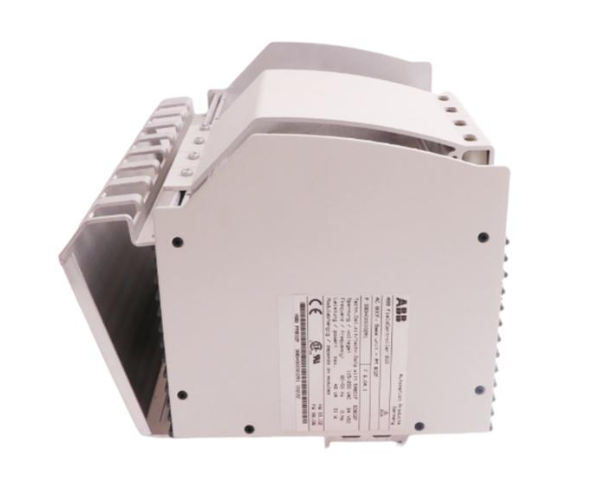
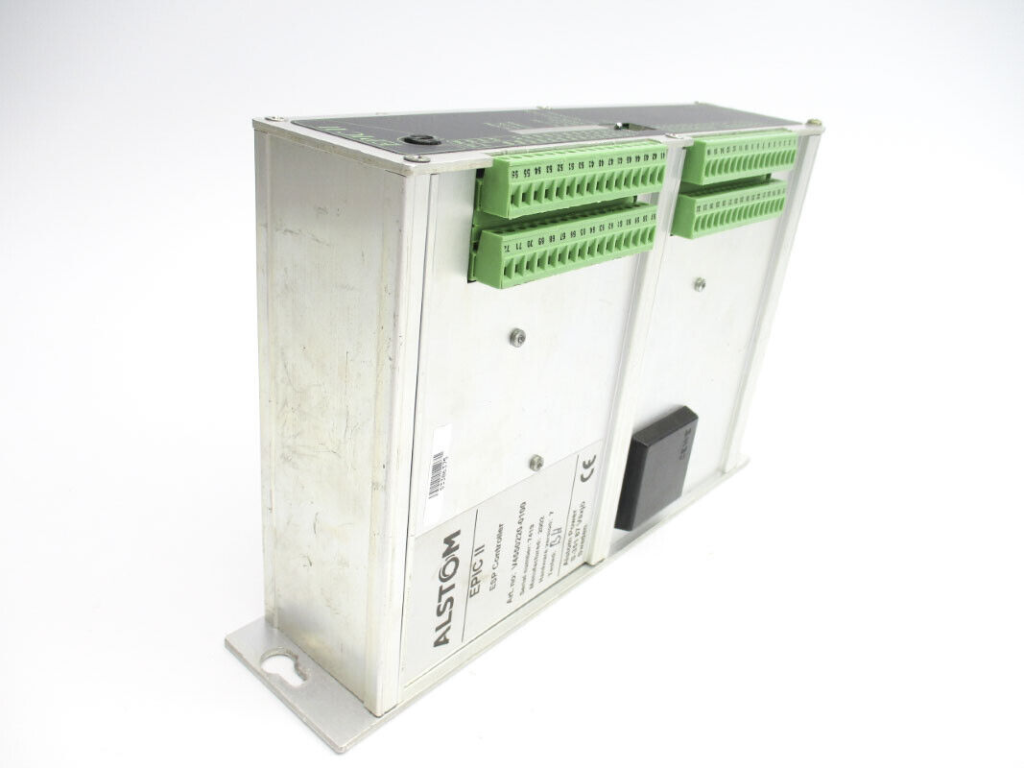
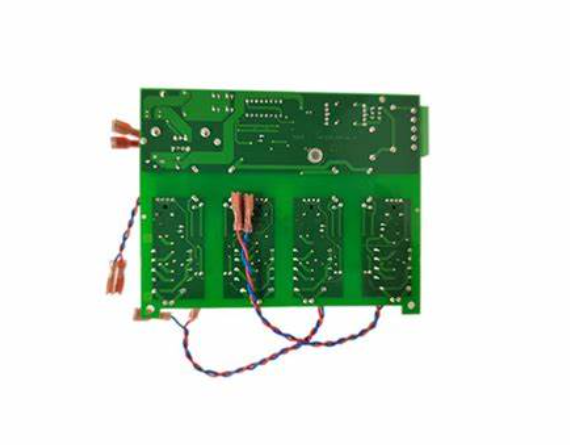
The ABB PM802F 3BDH0000002R1 controller is a high-performance core controller designed specifically for industrial automation control systems. It integrates advanced hardware architecture and intelligent control algorithms, with powerful data processing, logical operations, and precise control capabilities. This controller is capable of real-time monitoring and regulation of various parameters in industrial production processes, ensuring stable and efficient operation of the production process. With its flexible configuration, reliable performance, and good compatibility, it can be widely used in multiple industries such as power, chemical, manufacturing, and energy. It is suitable for various automation control scenarios ranging from simple to complex, and is a key equipment for achieving industrial automation and intelligent upgrading.
Product positioning and core features
positioning
ABB AC800F is a modular field controller, released in 2000, designed specifically for process automation. It supports multiple fieldbus protocols and is suitable for small and medium-sized control systems, especially for engineering companies to use with third-party human-machine monitoring software.
core features
Redundancy design: Supports fully redundant configurations such as controllers, system buses, power supplies, I/O modules, and fieldbuses to improve system safety and availability, and avoid production downtime.
Multi protocol compatibility: integrates multiple communication protocols such as PROFIBUS, FOUNDATION Fieldbus, MODBUS, HART, CAN Bus, etc., and can support multiple bus types simultaneously.
Modular architecture: The CPU motherboard can expand power modules, Ethernet modules, fieldbus modules, etc., and a single controller can support up to about 1000 I/O points.
Engineering tool integration: Use the Unified Toolkit (CBF) to complete design, debugging, maintenance, and diagnosis, supporting FDT/DTM technology and built-in web servers for remote diagnosis.
Technical Parameter
Processor: 32-bit RISC processor, supporting high-speed bit processing.
Memory: 4 MB SRAM or 16 MB DRAM (with battery backup), 4 MB Flash EPROM.
Working environment: Temperature: 0-60 ° C; Protection level: IP20.
Size: 239 × 202 × 164 mm (width × height × depth), supporting DIN rail installation.
Power input: 120/230 V AC or 24 V DC (redundant power module supports dual input); Power consumption: Maximum 30 VA.
Certification: CSA-UL, CE, NAMUR certification.
module configuration
Power module
SA801F/SA811F: 115-230 V AC input, output 3.3 V/5 V DC, supports overcurrent protection and power fault signal monitoring.
SD802F/SD812F: 24 V DC redundant input, supports automatic switching and 20ms power-off hold.
Fieldbus modules: FI810F (CAN), FI820F (serial port, supporting MODBUS and other protocols), FI830F (PROFIBUS DP V1, supporting 12 Mbps rate).
Battery module: AM801F/AM811F, used for memory backup.
Other modules
Serial interface module: EL820F, supports RS485/422/232, MODBUS master/slave mode.
Attachments: Communication cables (such as TK821F, TK831F), diagnostic cables (TK890F/TK891F), terminal blocks (TB870F), etc.
Features and advantages
High security
By adopting a fully redundant design (controller, bus, power supply, etc.), the system reliability is improved and downtime is reduced, making it suitable for industrial scenarios that require high continuity.
Flexibility and Scalability
Support hybrid bus configuration (running PROFIBUS and FOUNDATION Fieldbus simultaneously as the same controller).
Modular design allows for on-site or control room installation, adapting to distributed control systems (DCS) and remote monitoring requirements.
Efficient Engineering Tools
Complete full lifecycle management using a single toolkit (CBF), supporting device parameter configuration and asset optimization.
Built in web server, supporting remote diagnosis and status monitoring.
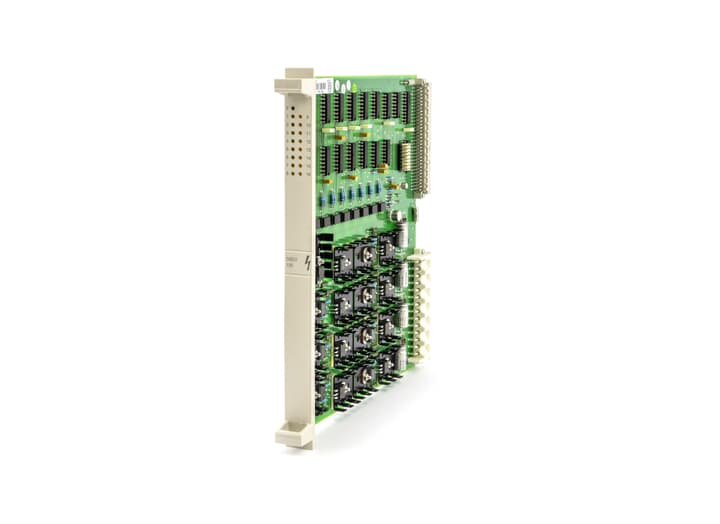
ABB is a leading global enterprise in the field of electrical and automation technology, with business covering multiple key areas such as power, industrial automation, motion control, robotics and discrete automation, and energy. Since its establishment in 1891, ABB has always been driven by innovation, providing efficient and reliable solutions to global customers with advanced technology, excellent product quality, and a comprehensive service system. ABB has accumulated profound technical expertise in the manufacturing of industrial automation control equipment, and its products are widely used in industrial production, infrastructure construction and other projects around the world. The REP57160001-KX DSDO 131 digital output unit is one of its high-quality products in the field of automation control, reflecting the brand’s unremitting pursuit of technological innovation and product reliability.
Product Overview
The ABB REP57160001-KX DSDO 131 digital output unit is a core component designed specifically for industrial automation control systems. It is mainly used to convert digital signals from control systems into drive signals that can be received by external devices, achieving precise control of various actuators. This digital output unit adopts a modular design, with the characteristics of compact structure, powerful functions, and high stability. It can be seamlessly integrated with ABB and other brands’ PLC, DCS and other control systems, and is widely used in multiple industries such as power, chemical, manufacturing, transportation, etc. It plays a key role in industrial automation production processes and can effectively improve the automation level and control accuracy of the production process.
Specification parameters
Number of channels: 16 digital output channels, capable of controlling 16 external devices simultaneously, meeting control requirements in various industrial scenarios
Output signal type
Support dry contact output, capable of reliably controlling the on/off of relays, contactors, and other equipment; It can also output a 24V DC level signal to directly drive low-voltage devices such as small solenoid valves and indicator lights
Output current: The maximum output current of a single channel can reach 2A, which can drive high-power load devices; Isolation between channels to avoid signal interference and ensure stable system operation
Isolation voltage: The isolation voltage between channels and between channels and the common terminal can reach up to 500V AC, with good electrical isolation performance, effectively preventing electrical interference and equipment damage
Working voltage: The power supply voltage is 24V DC (± 10%), which can adapt to a certain range of voltage fluctuations and ensure normal operation even in unstable power supply environments
Communication interface: Supports various industrial communication protocols such as PROFIBUS DP and Modbus RTU, and can perform high-speed and stable data communication with control systems through standard RS485 interfaces; Remote monitoring and parameter setting can also be achieved through Ethernet interface (supported by some models)
Working temperature range: -20 ℃ -60 ℃, suitable for temperature conditions in most industrial environments; Can maintain stable working performance in high or low temperature environments
Protection level: IP20 protection level, which can prevent dust from entering the interior of the equipment; If you need to use it in more harsh environments, you can choose models with higher protection levels
Working principle
After the control system issues digital control commands, the commands are transmitted to the DSDO 131 digital output unit through the communication interface. The microprocessor inside the unit parses and processes the received instructions, and controls the corresponding output channels according to the instruction requirements. For the dry contact output channel, the microprocessor controls the on/off of the relay coil to achieve the closure and disconnection of the dry contact; For the level signal output channel, the corresponding high-level or low-level signal is output through the internal electronic switch circuit. During the process of outputting signals, the isolation circuit inside the unit ensures electrical isolation between each output channel and between channels and the common terminal, preventing signal interference and electrical faults. At the same time, the fault diagnosis circuit monitors the current, voltage and other parameters of the output channel in real time. Once an abnormal situation is detected, the fault information is immediately fed back to the microprocessor. The microprocessor takes corresponding protective measures according to the preset fault handling program and sends the fault information to the control system through the communication interface, achieving safe protection and stable operation of the entire system.
Key advantages
(1) High reliability and stability
Using high-quality electronic components and advanced manufacturing processes, rigorous quality inspection and testing are carried out to ensure that the REP57160001-KX DSDO 131 digital output unit has excellent reliability and stability. In harsh industrial environments such as high temperature, high humidity, and strong electromagnetic interference, it can still operate stably for a long time, effectively reducing equipment failure rates, minimizing production downtime caused by equipment failures, ensuring the continuity and stability of industrial production, and providing strong guarantees for the production efficiency of enterprises.
(2) Powerful compatibility and scalability
Supports multiple industrial communication protocols and is seamlessly compatible with mainstream control systems such as PLC and DCS in the market, making it convenient for users to flexibly choose between different automation control projects. At the same time, modular design enables the digital output unit to have good scalability, and users can flexibly adjust the input and output points of the system by increasing or decreasing the number of modules according to actual needs, meeting the control requirements of industrial projects of different scales. Whether it is a small automated production line or a large complex industrial control system, it can be easily handled, reducing the cost of system upgrades and transformations for enterprises.
(3) Efficient and convenient maintainability
Equipped with comprehensive fault diagnosis and display functions, when equipment malfunctions, the fault point can be quickly located through indicator lights or communication interfaces, greatly reducing the time for troubleshooting. At the same time, the modular structure design makes the replacement of faulty modules more convenient, without the need for professional tools and complex operating procedures, allowing for quick disassembly and installation of modules, reducing equipment maintenance time and labor costs. In addition, it supports online programming and parameter settings, allowing users to adjust device functions and update programs without interrupting system operation, improving equipment maintenance efficiency and flexibility of use.
Precautions
(1) Installation requirements
When installing, a dry, well ventilated environment without severe vibration should be selected, away from high temperature, humidity, dust, and strong electromagnetic interference sources. Strictly follow the installation steps in the product manual to ensure that the digital output unit is securely installed on the standard guide rail or mounting plate of the control cabinet. During the installation process, avoid colliding or squeezing the equipment to prevent damage to internal components. At the same time, ensure that the installation location of the equipment is easy to operate and maintain, and reserve sufficient space for wiring and heat dissipation.
(2) Electrical connection
Before making electrical connections, be sure to cut off all power sources to ensure safe operation. Connect the power supply, communication lines, and output signal lines correctly according to the wiring diagram, paying attention to distinguishing the connection ports and polarities of different cables to prevent equipment damage or system failure caused by incorrect connections. Use cables that meet the specifications, and take proper measures to secure and protect the cables to prevent them from being pulled or worn by external forces. For communication cables, shielded wires should be used and the shielding layer should be properly grounded to reduce the impact of electromagnetic interference on communication quality.
(3) Programming and Debugging
During the programming and debugging process, it is necessary to use ABB’s official designated programming software and tools, and follow relevant programming specifications and standards. Before writing a program, carefully read the product manual to understand the functions and operating methods of the digital output unit. Thoroughly test and validate the written program to ensure the correctness of the control logic. During the debugging process, gradually check whether the various functions of the device are normal, such as whether the output signal is accurate, whether the communication is stable, etc. If any problems are found, they should be promptly investigated and resolved to ensure that the equipment can operate normally.
(4) Daily maintenance
Regularly inspect and maintain the digital output unit, checking the appearance of the equipment for damage, loose wiring, and normal display of indicator lights. Timely clean the dust on the surface of the equipment to ensure good heat dissipation. Regularly check the working status and operating parameters of the equipment, such as output current, voltage, etc., and promptly handle any abnormalities found. According to the requirements of the product manual, regularly calibrate and maintain the equipment to extend its service life and ensure its stable operation.
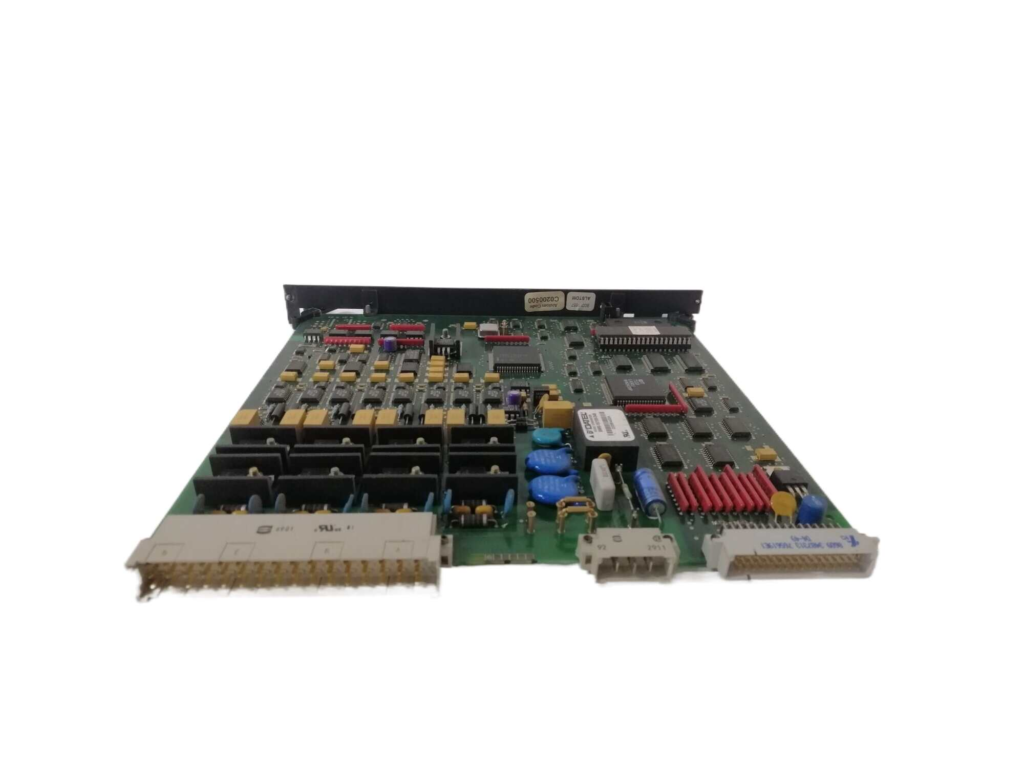
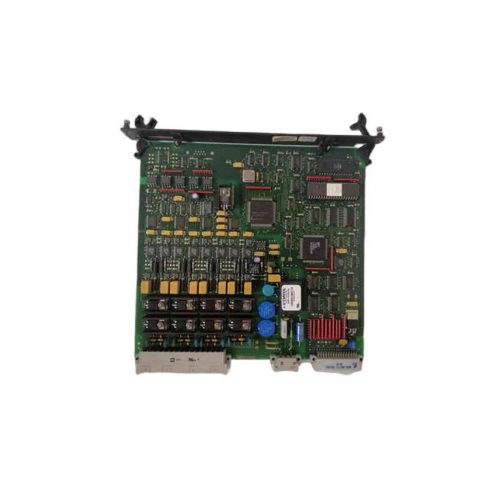
Alstom AL132, AL132A, and STO0982E01 industrial module cards are core components developed specifically for industrial automation control systems, playing a critical role in monitoring, control, and data exchange of industrial equipment. These module cards adopt advanced hardware architecture and intelligent algorithms, with powerful data processing capabilities, precise control functions, and stable communication performance. They can adapt to complex and changing industrial environments, meet the needs of efficient operation and precise control of equipment in different industrial scenarios, and help enterprises achieve automation and intelligent upgrading of production processes.
Working principle
In the data acquisition stage, the industrial module card is connected to various sensors through input channels, and converts analog signals into digital signals (analog sensors) or directly reads digital signals (digital sensors) according to the sensor signal type and communication protocol, and temporarily stores them in the module card memory. Entering the data processing stage, the processor in the module card analyzes, calculates, and makes logical judgments on the collected data based on preset control programs and algorithms, such as executing PID control algorithms to adjust equipment parameters and perform fault diagnosis logic judgments. In the control output stage, based on the data processing results, control commands are sent to actuators (such as motor drivers and solenoid valves) through output channels to drive actuator actions and achieve device control. In addition, the module card interacts with external devices and systems through communication interfaces, uploads processed data, and receives external instructions to achieve remote monitoring and control functions, forming a complete automation control loop.
Key advantages
(1) High reliability and stability
Using industrial grade high-quality components and advanced manufacturing processes, after strict quality testing and environmental testing, AL132, AL132A, STO0982E01 industrial module cards have excellent reliability and stability. In harsh industrial environments such as high temperature, high humidity, and strong electromagnetic interference, it can still operate stably for a long time, effectively reducing equipment failure rates, minimizing production downtime, and ensuring industrial production continuity.
(2) Flexible scalability
The functions and parameters of the module card can be flexibly adjusted through programming and configuration to adapt to different industrial application scenarios and control requirements. Support modular expansion, users can add or replace functional modules according to their actual needs, such as adding communication modules, input/output modules, etc., to facilitate system upgrading and transformation, reduce enterprise equipment update costs, and enable the system to flexibly expand with the development of the enterprise and changes in production needs.
(3) Efficient and energy-saving
Advanced control algorithms and optimized hardware design enable module cards to achieve precise control while effectively reducing device energy consumption. By adjusting the operating parameters of the equipment reasonably, we can avoid excessive operation and energy waste, save operating costs for enterprises, conform to the trend of green industry development, and help enterprises achieve sustainable development.
Precautions
(1) Installation requirements
Choose a dry, well ventilated environment without severe vibration during installation, and stay away from high temperatures, humidity, dust, and strong electromagnetic interference sources. Strictly follow the steps in the product manual to ensure that the module card is correctly inserted into the control cabinet card slot and securely fixed, and that all connecting cables are properly connected and in good contact. During the installation process, live operation is strictly prohibited to prevent static electricity or instantaneous current from damaging the module card.
(2) Electrical connection
Before electrical connection, be sure to cut off the power supply to ensure safety. Connect the power supply, communication lines, and input/output signal lines correctly according to the wiring diagram. Pay attention to distinguishing the cable connection ports and polarities to prevent module card damage or equipment failure caused by incorrect connections. Use cables that meet the specifications, and secure and protect the cables to avoid wear and tear.
(3) Programming and Maintenance
Programming uses Alstom’s official designated software and tools, following programming specifications and standards, and fully testing and verifying the written program to ensure correct control logic. Daily maintenance: Regularly check the operation status of module cards, communication connections, and interface firmness, clean surface dust in a timely manner, and check heat dissipation. If software upgrade is required, backup important data in advance and strictly follow the official upgrade guide to prevent system failure caused by improper operation.
Application scenarios
(1) Power industry
In thermal power plants, it is used to control key equipment such as boiler combustion systems and turbine control systems, monitor and adjust operating parameters in real time, improve power generation efficiency, reduce energy consumption and pollutant emissions; In wind power plants, precise control of the wind turbine pitch system and yaw system adjusts the wind turbine attitude according to wind speed and direction, maximizing wind energy capture; In solar power generation systems, monitor and control the operation status of photovoltaic arrays, achieve maximum power point tracking, and ensure stable power output.
(2) Manufacturing industry
Realize precise control and collaborative operation of automated equipment in production lines such as automobile manufacturing, electronic equipment manufacturing, and mechanical processing. Controlling the motion trajectory of the robotic arm to achieve precise assembly of components; Adjust the machining parameters of CNC machine tools to ensure machining accuracy and efficiency; Control the material conveying system of the production line to achieve orderly transportation and distribution of materials, and improve the automation level and production efficiency of the production line.
(3) Transportation field
In urban rail transit systems such as subways and light rails, it is used for train traction control systems and braking control systems to ensure the safe and stable operation of trains; At the station, control automatic ticket vending machines, turnstiles, ventilation and air conditioning systems and other equipment to enhance passenger travel experience and station operation management efficiency. In railway transportation, it is applied to railway signal control systems and locomotive control to ensure safe and efficient railway transportation.
(4) Other industrial sectors
In the metallurgical industry, controlling the operation of equipment in production processes such as blast furnace ironmaking and steel rolling, optimizing production processes through monitoring and adjusting process parameters, and improving product quality and output; In the building materials industry, automation control of production processes such as cement production and glass manufacturing is implemented to ensure stable production and meet product quality standards; In the water treatment industry, monitoring and controlling the water treatment equipment of sewage treatment plants and waterworks ensures that water quality meets standards and water supply is stable.
The Alstom AB121 controller module is a high-performance core component developed specifically to meet the needs of complex industrial automation control. It integrates advanced hardware technology and intelligent control algorithms, with powerful data processing, precise control, and stable communication capabilities. This module can efficiently monitor and precisely regulate the operating status of industrial equipment in real time, ensuring the stable and efficient operation of the production process. The AB121 controller module, with its flexible configuration and wide compatibility, can seamlessly integrate with various industrial equipment and systems, and is widely used in many industries such as power, manufacturing, transportation, and energy. It is a key equipment for achieving industrial automation and intelligent upgrading.
Working principle
In the data acquisition stage, the AB121 controller module is connected to various sensors through input channels, and converts analog signals into digital signals (for analog sensors) or directly reads digital signals (for digital sensors) according to the signal type and communication protocol of the sensors, and temporarily stores them in the module’s memory. Entering the data processing stage, the microprocessor within the module analyzes, calculates, and makes logical judgments on the collected data based on preset control programs and algorithms, such as executing PID control algorithms to adjust equipment parameters and perform fault diagnosis logic judgments. In the control output stage, based on the data processing results, control instructions are sent to actuators (such as motor drivers, solenoid valves, etc.) through output channels to drive actuator actions and achieve device control. At the same time, the module interacts with external devices and systems through communication interfaces, uploads processed data, and receives external instructions to achieve remote monitoring and control functions, thus forming a complete automation control loop.
Key advantages
(1) High reliability
Using industrial grade high-quality components and advanced manufacturing processes, the AB121 controller module has excellent reliability and stability after strict quality testing and environmental testing. In harsh industrial environments such as high temperature, high humidity, and strong electromagnetic interference, it can still operate stably for a long time, effectively reducing equipment failure rates and minimizing production downtime caused by failures, providing strong guarantees for the continuity of industrial production.
(2) Flexibility and Scalability
The functions and parameters of the module can be flexibly adjusted through programming and configuration to adapt to different industrial application scenarios and control requirements. Support modular expansion, users can add or replace functional modules according to actual needs, such as adding communication modules, input/output modules, etc., to facilitate system upgrades and renovations, reduce equipment update costs for enterprises, and enable the system to flexibly expand with the development of enterprises and changes in production needs.
(3) Efficient and energy-saving
Advanced control algorithms and optimized hardware design enable the AB121 controller module to achieve precise control while effectively reducing device energy consumption. By adjusting the operating parameters of the equipment reasonably, we can avoid excessive operation and energy waste, save operating costs for enterprises, conform to the trend of green industry development, and help enterprises achieve sustainable development.
Precautions
(1) Installation requirements
When installing, it is necessary to choose a dry, well ventilated environment without severe vibration, away from high temperature, humidity, dust, and strong electromagnetic interference sources. Strictly follow the installation steps in the product manual to ensure that the module is securely installed, and that all connecting cables are correctly connected and in good contact. Avoid live operation during installation to prevent static electricity or instantaneous current from damaging the module.
(2) Electrical connection
Before making electrical connections, be sure to cut off the power supply to ensure safety. Connect the power supply, communication lines, input/output signal lines, etc. correctly according to the wiring diagram, and pay attention to distinguishing the connection ports and polarities of different types of cables to prevent module damage or equipment failure caused by incorrect connections. Use cables that meet the specifications and take appropriate measures to secure and protect them, avoiding cable wear and pulling.
(3) Programming and Maintenance
Programming requires the use of programming software and tools officially designated by Alstom, following programming specifications and standards, conducting thorough testing and verification of the written program, and ensuring that the control logic is correct and error free. In daily maintenance, regularly check the operation status of the module, communication connections, and the firmness of each interface, clean the surface dust of the module in a timely manner, and check the heat dissipation situation. If software upgrade is required, backup important data in advance and strictly follow the official upgrade guide to prevent system failure caused by improper operation.
Application scenarios
(1) Power industry
In thermal power plants, it is used to control key equipment such as boiler combustion systems and turbine control systems. By monitoring and adjusting various operating parameters in real time, it improves power generation efficiency, reduces energy consumption and pollutant emissions; In wind power plants, precise control of the wind turbine pitch system and yaw system is achieved, and the wind turbine attitude is automatically adjusted according to wind speed and direction to maximize wind energy capture and ensure power generation stability; In solar power generation systems, monitoring and controlling the operation status of photovoltaic arrays to achieve maximum power point tracking, improve solar energy conversion efficiency, and ensure stable power output.
(2) Manufacturing industry
Realize precise control and collaborative operation of automation equipment in manufacturing production lines such as automobile manufacturing, electronic equipment manufacturing, and mechanical processing. For example, controlling the motion trajectory of a robotic arm to achieve precise assembly of components; Control the machining parameters of CNC machine tools to ensure machining accuracy and efficiency; Control the material conveying system of the production line to achieve orderly transportation and distribution of materials, and improve the overall automation level and production efficiency of the production line.
(3) Transportation field
In urban rail transit systems such as subways and light rails, traction control systems and braking control systems are used to ensure the safe and stable operation of trains; At the station, control and monitor equipment such as automatic ticket vending machines, turnstiles, ventilation and air conditioning systems to enhance passengers’ travel experience and the operational management efficiency of the station. Meanwhile, in railway transportation, it can be applied to railway signal control systems, locomotive control, and other aspects to ensure the safety and efficiency of railway transportation.
(4) Other industrial sectors
In the metallurgical industry, equipment used to control the operation of production processes such as blast furnace ironmaking and steel rolling is optimized through real-time monitoring and adjustment of process parameters to improve product quality and output; In the building materials industry, automation control is implemented for cement production, glass manufacturing, and other production processes to ensure stable production processes and product quality meets standards; In the water treatment industry, monitoring and controlling the water treatment equipment of sewage treatment plants and water supply plants to ensure water quality meets standards and stable water supply.
The Alstom AS111-1 control board is a core component designed specifically for industrial automation control requirements. It integrates advanced hardware architecture and intelligent control algorithms, with powerful data processing and precise control capabilities. It can efficiently monitor and adjust the operating status of industrial equipment, ensuring the stability and efficiency of the production process. This control board can seamlessly integrate with various industrial equipment and systems, and is widely used in industries such as power, manufacturing, and transportation. It is an important support for achieving industrial automation and intelligent upgrading.
Specification parameters
Power parameters: Supports DC 24V or AC 220V power supply, with ± 10% voltage fluctuation adaptability, ensuring stable operation in unstable power grid environments
Communication interface: equipped with Ethernet interface, supporting Modbus TCP, Profinet and other protocols; Equipped with RS485 and RS232 interfaces, compatible with Modbus RTU and Profibus DP protocols, facilitating communication with PLC, DCS systems, and other devices
input/output channel
Analog input: 8-12 channels, precision 12-14 bits, used for collecting temperature, pressure and other signals; Analog output: 4-6 channels, used for controlling valves and motors; Digital input/output: 16-24 channels each, to achieve device start stop and status monitoring
Working environment: Working temperature range of -20 ℃ -60 ℃, relative humidity of 5% -95% (non condensing), with good anti vibration and anti electromagnetic interference performance
Protection level: standard IP20 protection, preventing dust from entering; Some special models can reach IP45, suitable for harsh environments
Core functions
(1) Precise control and adjustment
The AS111-1 control board is equipped with a high-performance processor and professional control algorithms, which can accurately control industrial equipment based on preset programs and real-time data collection. In the power system, the power, voltage, and frequency of the generator set can be precisely adjusted to ensure stable power output; In the manufacturing industry, precise control of the speed and feed rate of mechanical processing equipment can improve product processing accuracy and production efficiency.
(2) Data collection and processing
Having efficient data collection capabilities, it can obtain real-time analog and digital data from various sensors. After pre-processing such as filtering, amplification, and conversion within the board, the collected data is subjected to deep analysis and calculation. For example, conducting trend analysis on temperature and vibration data of equipment operation to predict equipment failures in advance; Conduct statistical analysis on production data to provide strong basis for production decision-making.
(3) Communication and Networking
Rich communication interfaces and extensive protocol support enable the AS111-1 control board to communicate stably with devices and systems of different manufacturers and types, achieving data sharing and collaborative operations. The collected data can be uploaded to the upper computer of the monitoring center for real-time monitoring of equipment status by operators; Simultaneously receiving instructions from the upper computer, flexibly adjusting equipment operating parameters, acting as nodes in the industrial network, and building distributed control systems with other modules and intelligent devices to achieve intelligent management of industrial systems.
(4) Fault diagnosis and protection
Built in comprehensive fault diagnosis mechanism, real-time monitoring of the operation status of the control board itself and the controlled equipment, and timely detection of potential faults. When overcurrent, overvoltage, equipment abnormalities, and other situations occur, an alarm signal is quickly issued, and protective measures such as cutting off power and stopping equipment operation are automatically taken to prevent the fault from expanding and ensure the safety of equipment and personnel. At the same time, detailed records of the time, type, and related data of the fault occurrence are kept for maintenance personnel to quickly locate and troubleshoot.
Working principle
In the data acquisition stage, the AS111-1 control board is connected to various sensors through input channels. Based on the sensor signal type and communication protocol, it converts analog signals into digital signals (analog sensors) or directly reads digital signals (digital sensors), which are temporarily stored in the board’s memory. Entering the data processing stage, the onboard processor analyzes, calculates, and makes logical judgments on the collected data based on preset control programs and algorithms, such as executing PID control algorithms to adjust equipment parameters, conducting fault diagnosis logic judgments, etc. In the control output stage, based on the data processing results, control commands are sent to actuators (such as motor drivers and solenoid valves) through output channels to drive actuator actions and achieve device control. In addition, the control board interacts with external devices and systems through communication interfaces, uploads processed data, and receives external instructions to achieve remote monitoring and control.
Key advantages
(1) High reliability
By using industrial grade high-quality components and advanced manufacturing processes, and undergoing strict quality testing and environmental testing, the AS111-1 control board has excellent reliability and stability. Even in harsh industrial environments such as high temperature, high humidity, and strong electromagnetic interference, it can operate stably for a long time, significantly reducing equipment failure rates, minimizing production downtime, and ensuring industrial production continuity.
(2) Flexible scalability
The functions and parameters of the control board can be flexibly adjusted through programming and configuration to adapt to different industrial application scenarios and control requirements. Support modular expansion, users can add or replace communication modules, input/output modules, etc. according to actual needs, which facilitates system upgrades and reduces the cost of equipment updates for enterprises.
(3) Energy saving and efficient
Advanced control algorithms and optimized hardware design enable the AS111-1 control board to achieve precise control while effectively reducing equipment energy consumption. By adjusting equipment operating parameters reasonably, energy waste can be avoided, helping enterprises save operating costs, and aligning with the concept of green industrial development.
Precautions
(1) Installation requirements
When installing, it is necessary to choose a dry, well ventilated environment without severe vibration, away from high temperature, humidity, dust, and strong electromagnetic interference sources. Strictly follow the steps in the product manual to ensure that the control board is securely installed, and that all connecting cables are correctly connected and in good contact. Live operation is strictly prohibited during installation to prevent static electricity or instantaneous current from damaging the control board.
(2) Electrical connection
Before making electrical connections, be sure to cut off the power supply to ensure safe operation. Accurately connect the power supply, communication lines, and input/output signal lines according to the wiring diagram, pay attention to distinguishing the cable connection ports and polarities, and avoid connecting them incorrectly, which may cause damage to the control board or equipment failure. Use cables that meet the specifications and ensure proper cable fixation and protection to prevent wear and tear.
(3) Programming and Maintenance
Programming requires the use of officially designated software and tools from Alstom, following programming specifications and standards, conducting thorough testing and verification of the written program to ensure correct control logic. In daily maintenance, regularly check the operation status, communication connections, and interface firmness of the control board, clean the surface dust of the board in a timely manner, and check the heat dissipation situation. If software upgrade is required, backup important data in advance and strictly follow the official guidelines to avoid system failures caused by improper operation.
Alstom, as a well-known enterprise in the global industrial field, has profound technological accumulation and rich practical experience in multiple key areas such as rail transit, energy and power, and industrial automation. Since its establishment, Alstom has been committed to driving industry development through innovative technology, winning the trust of global customers with high-quality and highly reliable products. Its products are widely used in important infrastructure projects around the world, playing an important role in ensuring efficient and stable operation of industrial production. The Alstom AH116-2 controller board control module is a reflection of the brand’s technical strength and innovative spirit, providing a reliable solution for the industrial control field.
Product Overview
The Alstom AH116-2 controller board control module is a core component designed specifically for industrial automation control systems. It has powerful data processing and control capabilities, which can accurately monitor and adjust the operating status of industrial equipment, ensuring the stability and efficiency of the production process. This module adopts advanced hardware architecture and intelligent control algorithms, which can seamlessly integrate with various industrial equipment and systems. It is widely used in multiple industries such as power, manufacturing, and transportation, and is a key equipment for achieving industrial automation and intelligence.
Specification parameters
Power supply voltage: Supports DC 24V or AC 220V, with a certain voltage fluctuation adaptability range (such as ± 10%), ensuring stable operation in unstable power grid environments
Communication interface: equipped with Ethernet interface, supporting industrial communication protocols such as Modbus TCP and Profinet; It may also have RS485 and RS232 interfaces, support protocols such as Modbus RTU and Profibus DP, and facilitate data exchange with control systems such as PLC, DCS, and other devices
Input/output channel
Analog input: It is expected to have 8-16 channels with an accuracy of 12-16 bits, which can be used to collect analog signals such as temperature, pressure, flow rate, etc; Analog output: 4-8 channels, used to control valve opening, motor speed, etc; Digital input/output: 16-32 channels each, used for equipment start stop control, status monitoring, etc
Working temperature range: -20 ℃ -60 ℃, suitable for temperature changes in most industrial environments
Protection level: IP20 standard protection, can prevent dust from entering and protect internal circuits; Some special models may offer higher protection levels, such as IP45, to adapt to more harsh environments
Size and weight: The size may comply with standard industrial control module specifications, making it easy to install in the control cabinet; Moderate weight, easy to install and transport
Core functions
(1) Precise control and adjustment
The AH116-2 controller board control module is equipped with a high-performance microprocessor and advanced control algorithms, which can accurately control industrial equipment based on preset programs and real-time collected data. In the power system, the output power, voltage, and frequency of the generator set can be precisely adjusted to ensure stable power supply; In manufacturing production lines, it is possible to accurately control the motion trajectory of robotic arms, the speed and feed rate of processing equipment, and improve product processing accuracy and production efficiency.
(2) Data collection and processing
Having strong data collection capabilities, it can real-time collect analog and digital data from various sensors. After preprocessing such as filtering, amplification, and conversion within the module, the collected data is subjected to deep analysis and calculation. For example, conducting trend analysis on collected temperature, pressure, and other data to predict possible equipment failures; Statistical analysis of production output, quality, and other data during the production process to provide a basis for production decision-making.
(3) Communication and networking functions
Rich communication interfaces and extensive protocol support enable the AH116-2 control module to communicate stably with different manufacturers, types of devices, and systems, achieving data sharing and collaborative work. The collected data can be uploaded to the upper computer system of the monitoring center for operators to monitor the real-time operation status of the equipment; At the same time, receive control instructions issued by the upper computer and adjust the operating parameters of the equipment. In large industrial networks, it can serve as a node to form a distributed control system with other control modules and intelligent devices, achieving intelligent management of the entire industrial system.
(4) Fault diagnosis and protection
Built in comprehensive fault diagnosis mechanism, capable of real-time monitoring of the operating status of the module itself and the controlled equipment, and timely detection of potential faults. When abnormal situations are detected, such as overcurrent, overvoltage, equipment failure, etc., alarm signals are quickly issued and corresponding protective measures are taken, such as cutting off power, stopping equipment operation, etc., to prevent the fault from expanding and ensure the safety of equipment and personnel. At the same time, the module can record information such as the time, type, and relevant data of the fault occurrence, which facilitates maintenance personnel to quickly locate and troubleshoot the fault.
Working principle
In the data acquisition stage, the AH116-2 controller board control module is connected to various sensors through input channels. Based on the signal type and communication protocol of the sensors, it converts analog signals into digital signals (for analog sensors) or directly reads digital signals (for digital sensors), and temporarily stores them in the module’s memory. Entering the data processing stage, the microprocessor within the module analyzes, calculates, and makes logical judgments on the collected data based on preset control programs and algorithms, such as executing PID control algorithms to adjust equipment parameters and perform fault diagnosis logic judgments. In the control output stage, based on the data processing results, control instructions are sent to actuators (such as motor drivers, solenoid valves, etc.) through output channels to drive actuator actions and achieve device control. At the same time, the module interacts with external devices and systems through communication interfaces, uploads processed data, and receives external instructions to achieve remote monitoring and control functions.
Key advantages
(1) High reliability
Using industrial grade high-quality components and advanced manufacturing processes, the AH116-2 controller board control module has excellent reliability and stability after strict quality inspection and environmental testing. In harsh industrial environments such as high temperature, high humidity, and strong electromagnetic interference, it can still operate stably for a long time, effectively reducing equipment failure rates, minimizing production downtime caused by failures, and ensuring the continuity of industrial production.
(2) Flexibility and Scalability
The functions and parameters of the module can be flexibly adjusted through programming and configuration to adapt to different industrial application scenarios and control requirements. At the same time, it supports modular expansion, and users can add or replace functional modules according to their actual needs, such as adding communication modules, input and output modules, etc., which facilitates system upgrades and renovations and reduces the cost of equipment updates for enterprises.
(3) Efficient and energy-saving
Advanced control algorithms and optimized hardware design enable the AH116-2 controller board control module to achieve precise control while effectively reducing equipment energy consumption. By adjusting the operating parameters of the equipment reasonably, we can avoid excessive operation and energy waste, save operating costs for enterprises, and conform to the trend of green industry development.
Precautions
(1) Installation requirements
When installing, it is necessary to choose a dry, well ventilated environment without severe vibration, away from high temperature, humidity, dust, and strong electromagnetic interference sources. Strictly follow the installation steps in the product manual to ensure that the module is securely installed, and that all connecting cables are correctly connected and in good contact. Avoid live operation during installation to prevent static electricity or instantaneous current from damaging the module.
(2) Electrical connection
Before making electrical connections, be sure to cut off the power supply to ensure safety. Connect the power supply, communication lines, input/output signal lines, etc. correctly according to the wiring diagram, and pay attention to distinguishing the connection ports and polarities of different types of cables to prevent module damage or equipment failure caused by incorrect connections. Use cables that meet the specifications and take appropriate measures to secure and protect them, avoiding cable wear and pulling.
(3) Programming and Maintenance
Programming requires the use of programming software and tools officially designated by Alstom, following programming specifications and standards, conducting thorough testing and verification of the written program, and ensuring that the control logic is correct and error free. In daily maintenance, regularly check the operation status of the module, communication connections, and the firmness of each interface, clean the surface dust of the module in a timely manner, and check the heat dissipation situation. If software upgrade is required, backup important data in advance and strictly follow the official upgrade guide to prevent system failure caused by improper operation.
ALSTOM V4555724-0100 is a high-performance control module launched by Alstom, designed specifically for industrial automation scenarios with high reliability and precision control requirements. The module integrates advanced signal processing, real-time control, and communication capabilities, supporting precise control of complex industrial systems. It has strong anti-interference ability and wide environmental adaptability, and is suitable for fields such as power, manufacturing, and rail transit that require extremely high stability.
Specification parameters
Power supply voltage: Supports DC 24V or AC 220V (± 10% fluctuation range), compatible with industrial standard power supply systems.
Communication interface: Standard Ethernet (Profinet/Modbus TCP), RS485/RS232, supporting protocols such as PROFIBUS and CANopen.
Input/output channels: Analog input: 8-16 channels (12-16 bit precision)
Analog output: 4-8 channels (12 bit precision)
Digital input/output: 16-32 channels (24VDC/relay type)
Working temperature: -20 ° C~+60 ° C (industrial grade wide temperature design)
Protection level: IP20 (standard), optional IP45 (dustproof and moisture-proof)
Certification: CE, UL, ISO 9001, compliant with IEC 61850 (Electricity Industry Standard)
Core functions
Multi dimensional control capability
Accurate signal output: Supports analog (such as 4-20mA, 0-10V) and digital (switch signal) output, with a control accuracy of ± 0.1%, suitable for motor speed regulation, valve regulation and other scenarios.
Real time closed-loop control: Built in PID algorithm, which can automatically adjust the output based on feedback signals to ensure stable equipment operating parameters (such as temperature, pressure, speed).
data acquisition and processing
High speed acquisition of sensor data (such as temperature, vibration, current), supporting filtering and noise reduction processing, with a response time of less than 10ms.
Built in data caching and preprocessing functions, capable of locally storing historical data, supporting abnormal data tagging and alarm triggering.
Communication and Integration
Support multi protocol industrial networks, seamlessly integrate with PLC and SCADA systems, and achieve remote monitoring and parameter adjustment.
Support API interface development for easy integration with third-party software such as energy management systems and production execution systems.
Fault diagnosis and protection
Built in self diagnostic function, real-time monitoring of module voltage, temperature, and communication status, supporting overcurrent, overvoltage, and overheating protection.
Automatically trigger safety outputs (such as emergency stop signals) when there is a malfunction, and report the fault code through the communication interface.
Performance characteristics
Precise control capability: With advanced design and precise manufacturing processes, this module can output extremely accurate control signals to ensure that industrial equipment operates accurately according to preset parameters. In production processes that require extremely high control accuracy, such as photolithography in semiconductor manufacturing and precision grinding in high-end mechanical processing, V4555724-0100 can effectively reduce product defect rates and improve product quality.
High stability: Faced with complex and ever-changing industrial environments, ALSTOM V4555724-0100 exhibits strong stability. It can adapt to a wide range of voltage fluctuations. Under the standard operating voltage of 220V, even if there is a certain degree of voltage fluctuation, the module can still maintain stable operation, and the output frequency is stable at 50kHz, ensuring that the equipment operation is not affected by voltage instability interference.
Durable and sturdy: The module adopts high-quality materials and a sturdy structural design, which can withstand harsh working conditions such as high temperature, humidity, and vibration. In industries with harsh environments such as metallurgy and mining, it is possible to work stably for a long time, reduce downtime caused by equipment failures, and improve production efficiency.
Application scenarios
Power industry: In the automation control system of power plants, ALSTOM V4555724-0100 is responsible for precise monitoring and control of the operating parameters of various power generation equipment, such as turbines and generators. By adjusting the operating status of equipment in real-time, stable power output is ensured, power generation efficiency is improved, and the safe and reliable operation of the power grid is guaranteed.
Manufacturing industry: In production lines such as automobile manufacturing and electronic equipment manufacturing, this module is used to control the operation of automated production equipment, achieving precise control of processes such as material handling, parts processing, and product assembly. Assist enterprises in achieving efficient and flexible production modes, and enhance their market competitiveness.
Transportation: In urban rail transit systems, ALSTOM V4555724-0100 can be used to control key equipment such as train speed, door opening and closing, ventilation systems, etc. Ensure the safety and comfort of train operation, and provide efficient and convenient travel services for passengers.
Product advantages
International standard certification: ALSTOM V4555724-0100 strictly follows relevant international standards for design and production, and has passed multiple authoritative certifications. This not only ensures the quality and safety of the product, but also enables it to be widely used in different industrial environments worldwide.
Convenient installation and maintenance: The module adopts a modular design concept, with a simple and clear installation process and detailed installation instructions. Even non professionals can quickly get started. At the same time, modular design facilitates the replacement and maintenance of components in the event of equipment failure, greatly reducing equipment downtime and lowering maintenance costs.
Customized services: Based on the special needs of different customers, ALSTOM can provide customized processing solutions for V4555724-0100. Whether it’s functional adjustments, interface adaptation, or performance optimization in special environments, we can tailor the most suitable solutions for customers to meet diverse industrial application needs.
ALSTOM, as a globally renowned industrial enterprise, has been deeply rooted and developed in various fields such as rail transit and energy and power since its establishment in France in 1928. It is known for its innovative technology and excellent quality. In the field of industrial control, Alstom continuously launches high-performance products with its profound technical accumulation and rich industry experience. The ALSTOM KCEU142 control module is an important member of its industrial control product line, continuing the brand’s pursuit of reliability and efficiency.
Product Overview
The ALSTOM KCEU142 (model KCEU14201F51PEB) control module is a core component designed specifically for complex industrial control systems. It integrates advanced control technology and reliable hardware design, enabling precise and stable control of industrial equipment, effectively improving the automation level and operational efficiency of the system. This module can be widely applied in multiple fields such as energy generation, industrial automation production lines, and rail transit, playing a key role in ensuring the safe and stable operation of equipment and optimizing production processes.
Specification parameters
Due to the lack of detailed official information, it is difficult to provide comprehensive and accurate specifications and parameters. But from the common parameter dimensions of industrial control modules, it can be inferred that:
Power parameters: It may be compatible with commonly used industrial DC or AC power sources, such as DC 24V or AC 220V, to meet the power supply needs in different industrial environments, with a certain range of voltage fluctuation adaptation, ensuring normal operation even in unstable power grids.
Communication interface: In order to achieve interconnection with other devices and systems, it is expected to be equipped with common communication interfaces such as Ethernet interface, RS485, RS232, etc., supporting industrial communication protocols such as MODBUS and PROFIBUS, facilitating data exchange and collaborative work with control systems such as PLC and DCS.
Input/output channels: Depending on their control function requirements, a certain number of analog input/output channels and digital input/output channels may be configured. The analog channel is used to process signals with continuous changes in temperature, pressure, flow rate, etc., while the digital channel is used to control switch signals such as start stop and status monitoring of equipment. For example, there may be 8-16 analog input channels with an accuracy of 12-16 bits; There may be 16-32 channels for digital input and output.
Working environment: To adapt to complex industrial environments, the working temperature range may be between -20 ℃ -60 ℃, and the relative humidity range is 5% -95% (non condensing). It has good anti vibration, anti impact, and anti electromagnetic interference capabilities, meeting the harsh use conditions of industrial sites.
Core functions
(1) Precise control function
The KCEU142 control module, with its built-in high-performance microprocessor and advanced control algorithms, is capable of precise control of industrial equipment based on preset programs and real-time collected data. In the field of energy generation, the speed and power output parameters of the generator set can be precisely adjusted to ensure stable and efficient power generation process; In industrial automation production lines, it is possible to accurately control the motion trajectory of robotic arms and the operating speed of production equipment, achieving high-precision production operations.
(2) Data collection and processing
Having strong data collection capabilities, it can real-time collect analog and digital data from various sensors, such as temperature sensors, pressure sensors, position sensors, etc. After preprocessing such as filtering, amplification, and conversion within the module, the collected data is subjected to deep analysis and calculation to extract valuable information and provide accurate basis for control decisions. For example, in the chemical production process, real-time data such as temperature, pressure, and liquid level of the reaction kettle are collected to analyze and judge the reaction process, adjust control parameters in a timely manner, and ensure production safety and product quality.
(3) Communication and networking functions
By utilizing rich communication interfaces and protocol support, the KCEU142 control module can stably communicate with devices and systems of different manufacturers and types, achieving data sharing and collaborative work. The collected data can be uploaded to the upper computer system of the monitoring center for operators to monitor the real-time operation status of the equipment; At the same time, receive control instructions issued by the upper computer and adjust the operating parameters of the equipment. In large industrial networks, it can serve as a node to form a distributed control system with other control modules and intelligent devices, achieving intelligent management of the entire industrial system.
(4) Fault diagnosis and protection
Built in comprehensive fault diagnosis mechanism, capable of real-time monitoring of the operating status of the module itself and the controlled equipment, and timely detection of potential faults. When abnormal situations are detected, such as overcurrent, overvoltage, equipment failure, etc., alarm signals are quickly issued and corresponding protective measures are taken, such as cutting off power, stopping equipment operation, etc., to prevent the fault from expanding and ensure the safety of equipment and personnel. At the same time, the module can record information such as the time, type, and relevant data of the fault occurrence, which facilitates maintenance personnel to quickly locate and troubleshoot the fault.
Working principle
During the data acquisition phase, the KCEU142 control module is connected to various sensors through input channels. Based on the signal type and communication protocol of the sensors, it converts analog signals into digital signals (for analog sensors) or directly reads digital signals (for digital sensors), and temporarily stores them in the module’s memory. Entering the data processing stage, the microprocessor within the module analyzes, calculates, and makes logical judgments on the collected data based on preset control programs and algorithms, such as executing PID control algorithms to adjust equipment parameters and perform fault diagnosis logic judgments. In the control output stage, based on the data processing results, control instructions are sent to actuators (such as motor drivers, solenoid valves, etc.) through output channels to drive actuator actions and achieve device control. At the same time, the module interacts with external devices and systems through communication interfaces, uploads processed data, and receives external instructions to achieve remote monitoring and control functions.
Key advantages
(1) High reliability
Using industrial grade high-quality components and advanced manufacturing processes, the KCEU142 control module has undergone rigorous quality testing and environmental testing, demonstrating excellent reliability and stability. In harsh industrial environments such as high temperature, high humidity, and strong electromagnetic interference, it can still operate stably for a long time, effectively reducing equipment failure rates, minimizing production downtime caused by failures, and ensuring the continuity of industrial production.
(2) Flexibility and Scalability
The functions and parameters of the module can be flexibly adjusted through programming and configuration to adapt to different industrial application scenarios and control requirements. At the same time, it supports modular expansion, and users can add or replace functional modules according to their actual needs, such as adding communication modules, input and output modules, etc., which facilitates system upgrades and renovations and reduces the cost of equipment updates for enterprises.
(3) Efficient and energy-saving
Advanced control algorithms and optimized hardware design enable the KCEU142 control module to achieve precise control while effectively reducing equipment energy consumption. By adjusting the operating parameters of the equipment reasonably, we can avoid excessive operation and energy waste, save operating costs for enterprises, and conform to the trend of green industry development.
Precautions
(1) Installation requirements
When installing, it is necessary to choose a dry, well ventilated environment without severe vibration, away from high temperature, humidity, dust, and strong electromagnetic interference sources. Strictly follow the installation steps in the product manual to ensure that the module is securely installed, and that all connecting cables are correctly connected and in good contact. Avoid live operation during installation to prevent static electricity or instantaneous current from damaging the module.
(2) Electrical connection
Before making electrical connections, be sure to cut off the power supply to ensure safety. Connect the power supply, communication lines, input/output signal lines, etc. correctly according to the wiring diagram, and pay attention to distinguishing the connection ports and polarities of different types of cables to prevent module damage or equipment failure caused by incorrect connections. Use cables that meet the specifications and take appropriate measures to secure and protect them, avoiding cable wear and pulling.
(3) Programming and Maintenance
Programming requires the use of programming software and tools officially designated by Alstom, following programming specifications and standards, conducting thorough testing and verification of the written program, and ensuring that the control logic is correct and error free. In daily maintenance, regularly check the operation status of the module, communication connections, and the firmness of each interface, clean the surface dust of the module in a timely manner, and check the heat dissipation situation. If software upgrade is required, backup important data in advance and strictly follow the official upgrade guide to prevent system failure caused by improper operation.
The ALSTOM MMLG01 module is a module launched by Alstom that has important application value in industrial control and other fields. It is ingeniously designed to operate stably in complex system environments, providing critical support for effective control and monitoring of various devices. This module has multiple functional characteristics and can meet the needs of equipment status monitoring, signal transmission, and control in different scenarios. It is an indispensable and important component in the process of industrial automation.
Brand background
ALSTOM was founded in France in 1928 and as a publicly traded company, it has a wide global influence. Alstom initially focused on the supply of rail transit infrastructure equipment, with products and services covering a wide range of fields from high-speed trains, subway trains, monorails, trams to turnkey systems, maintenance services, infrastructure, signaling, and digital transportation. In the long-term development process, Alstom has continuously innovated and expanded its business scope, establishing a good brand image in the global industrial field with advanced technology and reliable product quality. Its mission is to design and provide innovative and environmentally friendly solutions, support carbon neutrality in the transportation sector, adopt a “climate and energy transition strategy”, and strive for energy-efficient electrical railway solutions, promote the transition to sustainable mobility solutions, and achieve operational decarbonization. Under this brand philosophy, Alstom’s MMLG01 module also inherits the company’s high standards for technological innovation and quality control.
Core functions
Equipment status monitoring: The MMLG01 module is capable of real-time monitoring of the operational status of devices connected to it. It can collect various operational data of devices, such as temperature, vibration, current and other parameters, and integrate and analyze these data to determine whether the device is in normal operation. Once an abnormal device status is detected, the module can quickly issue a warning signal to notify relevant personnel to handle it, avoiding further expansion of equipment failures and ensuring the stable operation of the entire production system. For example, in large-scale mechanical equipment on industrial production lines, the MMLG01 module can constantly monitor the operating parameters of its key parts and detect potential fault hazards in advance.
Signal transmission and conversion: It has efficient signal transmission function and can accurately transmit the collected device signals to the control system without error. At the same time, it can also convert and process signals according to the requirements of the control system. For example, converting analog signals into digital signals so that the control system can better recognize and process these signals, achieving precise control of the equipment. In some highly automated factories, a large number of sensor signals are transmitted and converted through the MMLG01 module, and then used by the control system to precisely control the production process.
Control instruction execution: Receive control instructions from the control system and accurately convert these instructions into actual control actions. Whether it’s starting, stopping, or adjusting the operating parameters of the device, the MMLG01 module can quickly respond and execute. For example, in a motor control system, it can accurately control the motor’s speed, direction, and other operating states based on received instructions, ensuring that the motor runs stably according to production requirements.
Working principle
The MMLG01 module implements various functions through its internal circuit structure and program algorithms. Firstly, its input port is connected to various sensors and other devices for collecting operational status data of the equipment. After entering the module, these data will go through signal conditioning circuits to amplify, filter, and preprocess the signal to improve its quality and stability. Next, the preprocessed signal is transmitted to the microprocessor, which analyzes and processes the signal based on the built-in program algorithm. If it is a device status monitoring function, the microprocessor will compare the analysis results with the preset normal parameter range to determine whether the device is normal; For signal transmission and conversion functions, the microprocessor will convert the signal according to the corresponding protocol and algorithm, and transmit the processed signal to the control system or other devices through the output port. In terms of receiving control instructions, after the communication interface of the module receives instructions from the control system, the microprocessor interprets the instruction content and controls the relevant execution circuit to output corresponding control signals, driving external devices to perform corresponding actions.
Key advantages
High reliability: Alstom, as a well-known brand, strictly adheres to high-quality standards in the product manufacturing process. The MMLG01 module adopts high-quality electronic components and advanced manufacturing processes, and undergoes strict quality inspection processes to ensure that the module has extremely high reliability during long-term operation. In some industrial scenarios that require extremely high stability of equipment operation, such as power production, chemical production, etc., its high reliability advantage is particularly prominent, which can effectively reduce production interruptions caused by module failures.
Strong compatibility: This module was designed with full consideration for compatibility with devices from different manufacturers. It can seamlessly connect with various types of sensors, actuators, and control systems, making it convenient for users to integrate applications in existing industrial systems. Whether it is traditional industrial control systems or emerging intelligent factory automation systems, the MMLG01 module can adapt well, reducing the cost and difficulty of user system upgrades and transformations.
High functional integration: Integrating multiple functions such as device status monitoring, signal transmission and conversion, and control instruction execution into one module, compared to the combination of multiple separate functional modules, not only saves device space, but also reduces the complexity of the connection lines between modules, reducing the probability of faults occurring. At the same time, high functional integration also facilitates centralized management and maintenance by users, improving the overall operational efficiency of the system.
Precautions
Installation environment: When installing the MMLG01 module, a dry, well ventilated, and suitable temperature environment should be selected. Avoid installing modules in damp, high temperature, high dust, or areas with strong electromagnetic interference, as these harsh environments may affect the normal operation of the module and shorten its service life. For example, in some chemical workshops, if there are a large amount of corrosive gases and dust, special protection measures need to be taken for the installation location or a more suitable installation environment needs to be selected.
Power supply adaptation: It is essential to ensure that the power supply provided to the module meets its specifications, such as the MMLG01R1AA0001E model which requires a power supply voltage of 220V. Using a power supply that does not meet the requirements may result in module damage or abnormal operation. At the same time, attention should be paid to the stability of the power supply to avoid significant voltage fluctuations. It is recommended to consider using devices such as voltage regulators to ensure the quality of the power supply.
Maintenance: Regularly inspect and maintain the module. Although the module has high reliability, potential problems may arise after long-term operation. Check whether the connecting wires are loose, whether there is dust accumulation on the surface of the module, etc. Clean the dust in a timely manner and tighten the loose wires to ensure that the module is always in good operating condition. At the same time, pay attention to the running logs of the module (if any), and analyze the running data to detect potential faults in advance.
ALSTOM V4561983-0100 High Performance Relay Module
ALSTOM V4561983-0100, as a high-performance relay module, plays a key role in numerous electronic device systems, providing solid guarantees for the stable operation and precise control of circuits.
Functional characteristics
MB Drive
This module can accurately output corresponding control signals based on input signals or pre-set conditions of the program. Through this method, it is easy to achieve switch operation and detailed adjustment of the circuit. For example, in complex power distribution systems, it can accurately control the on/off and current size of the circuit according to the electricity demand at different times, ensuring efficient and stable power supply.
Efficient fault diagnosis
V4561983-0100 has powerful fault detection capabilities. It constantly monitors the operation status of the circuit, and once a fault occurs in the circuit, it can quickly capture abnormal situations and immediately output corresponding alarm signals. At the same time, it can automatically execute a series of pre-set protective measures to prevent the fault from further expanding and protect the safety of the entire circuit system and related equipment. For example, in industrial automation production lines, if the power supply circuit of a motor experiences overload or short circuit faults, the relay module can react instantly, cut off the faulty circuit, prevent the motor from burning out, and ensure the overall safety of the production line.
Rich communication interfaces
Modules are usually equipped with multiple interfaces for communication with external devices, commonly including serial ports, USB, and Ethernet interfaces. These rich interface types enable it to easily connect with various devices, achieving remote control and data transmission functions. With the help of serial communication, it can stably exchange data with some traditional industrial controllers; Through the USB interface, it can quickly connect with computers and other devices, facilitating parameter settings and data reading; The Ethernet interface provides the possibility for remote monitoring and management. In the smart grid system, operation and maintenance personnel can remotely obtain the circuit data monitored by the relay module through the network and control it remotely, greatly improving work efficiency and management convenience.
Module independence and upgradability
All modules are isolated from each other, which not only enhances the stability and reliability of the system, but also effectively avoids signal interference between modules. Moreover, each module is carefully designed with hot swappable functionality, which means that modules can be replaced or upgraded without shutting down during system operation, greatly improving the convenience of system maintenance. At the same time, it also supports comprehensive on-site upgrades and can flexibly adjust configurations according to actual needs to adapt to constantly changing application scenarios. For example, in the renovation project of a power substation, the V4561983-0100 relay module can be upgraded to meet new power monitoring and control requirements without affecting the normal operation of the substation.
Powerful digital input capability
A single module has 14 digital input ports, and the entire system can support up to 196 digital inputs. Such powerful digital input capabilities enable it to simultaneously collect and process a large number of digital signals, making it suitable for complex application scenarios that monitor and control multiple device states. For example, in large-scale automated factories, it is necessary to collect and process numerous sensor signals, switch states, etc. in real time. With its rich digital input ports, this relay module can easily meet this large-scale signal acquisition demand and provide strong support for the automation production of the factory.
Multiple communication protocols supported
Supports multiple communication protocols such as IEC 61850, DNP 3.0, Modbus, IEC 60870, etc. This enables seamless communication with different manufacturers and types of equipment, enabling better interconnection and collaborative work between devices when building large and complex power systems or industrial automation networks. For example, in a smart grid project that includes multiple branded devices, the V4561983-0100 relay module can interact with other manufacturers’ smart meters, protection devices, etc. through supported communication protocols to achieve unified monitoring and management of the entire power grid system.
Real time monitoring and display function
Equipped with a large backlit LCD screen, it can display various parameters and operating status information of the circuit in real time, such as current, voltage, temperature, etc. Operators can intuitively obtain these key data through the screen and timely understand the operation of the circuit. At the same time, it can also monitor up to 6 sleeve taps in real time, accurately grasp the operating status of transformers and other equipment, and provide important guarantees for the safe and stable operation of equipment. In a power substation, operation and maintenance personnel can quickly determine whether the power equipment is operating normally by observing the LCD screen of the module, identify potential problems in a timely manner, and take corresponding measures.
Flexible simulation type configuration
It can flexibly configure multiple simulation types and accurately measure and process different types of simulation signals according to the needs of actual application scenarios. Whether it is conventional analog signals such as voltage and current, or some special analog signals, precise monitoring and control can be achieved through flexible configuration to meet diverse application needs. For example, in the industrial production process, for the monitoring and control of some special process parameters, the relay module can achieve accurate measurement and adjustment of these parameters by configuring corresponding simulation types, ensuring the stability of the production process and the reliability of product quality.
Application Fields
Power System
In power plants, it is used to monitor and control various electrical parameters of the generator set, ensuring the stable operation of the generator. At the same time, in the substation, protection and monitoring of power transmission lines can be achieved, and timely detection and handling of overcurrent, overvoltage, undervoltage and other faults in the lines can be carried out to ensure reliable power transmission. For example, when a short circuit fault occurs in a transmission line, the V4561983-0100 relay module can quickly cut off the faulty line, prevent the accident from escalating, and ensure the safe and stable operation of the entire power system.
Industrial Automation
Widely used in various industrial automation production lines to centrally control and monitor equipment such as motors, valves, sensors, etc. on the production line. By real-time collection and analysis of equipment operating status, automation control and optimization of the production process can be achieved, improving production efficiency and product quality. For example, on the automobile manufacturing production line, this relay module can control the actions of robots, monitor the operating status of equipment, and ensure the efficient and orderly operation of the production line.
Transportation
In the field of rail transit, it is used for the control system of trains such as subways and light rails, as well as the power monitoring system of stations. It can monitor the power supply system of the train, control the door switches, lighting system, etc., ensuring the safe operation of the train and the comfortable experience of passengers. At the airport, the power supply system, baggage transfer system, etc. can be monitored and controlled to ensure the normal operation of airport facilities. For example, in the baggage transfer system at the airport, the relay module can monitor the operation status of the transfer equipment in real time, and promptly alarm and take corresponding control measures when a fault occurs, ensuring the smooth transfer of baggage.
Intelligent Building
As an important component of intelligent building control systems, it is used for intelligent management of lighting systems, air conditioning systems, elevator systems, etc. inside buildings. By centralized control and monitoring of various devices, the rational utilization of building energy and efficient operation of equipment can be achieved, improving the intelligence level and comfort of buildings. For example, in large commercial buildings, this relay module can automatically control the start and stop of lighting and air conditioning according to the activity of personnel and environmental parameters in different areas, achieving the goal of energy conservation and consumption reduction.