
Call us 24/7uaedcs@163.com
Welcome to the official website of CNIACS Automation Technology Co., Ltd!
Call us 24/7uaedcs@163.com

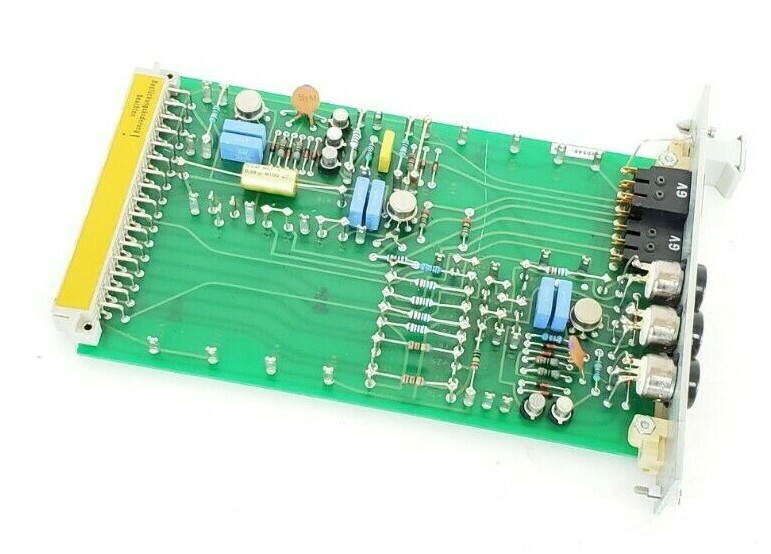
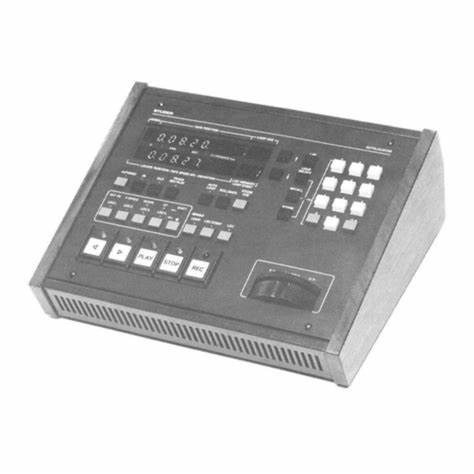
STUDER communicator A8600 controller

Product overview

The STUDER communicator A8600 controller is a core controller designed by STUDER specifically for communication and control of precision machining equipment. It undertakes key tasks such as data communication, instruction processing, and equipment coordination during the operation of precision machining equipment, and is the central brain that ensures the efficient and precise operation of the equipment. By stable communication with various components of the machine tool and external systems, the A8600 controller can achieve precise control of the machining process, ensuring that machining accuracy and production efficiency reach industry-leading levels.

Specification parameters

Communication Interface: Equipped with a variety of communication interfaces, including Ethernet interfaces, supporting high-speed and stable data transmission, making it easy to connect with factory networks and computer systems for remote monitoring and program transmission; Serial communication interfaces such as RS-232 and RS-485 can reliably communicate with various sensors and actuators, meeting the communication needs between different devices; In addition, it may also have a USB interface for quick storage and transfer of data, such as backup of processing parameters, import and export of program files, etc.

Control accuracy: Based on advanced algorithms and high-precision hardware design, the A8600 controller can achieve control accuracy at the micrometer or even nanometer level, ensuring that the moving parts of the machine tool can operate accurately according to preset instructions in precision grinding, milling and other machining processes, meeting the processing requirements of complex precision parts.

Data processing capability: Equipped with a high-performance processor and large capacity memory, it has powerful data processing capabilities and can quickly process large amounts of processing instructions, sensor data, and communication information, ensuring that the device can maintain stable and accurate control during high-speed operation.

Adaptability to working environment: It has good adaptability to working environment, can operate stably within a certain temperature and humidity range, and can resist the influence of electromagnetic interference, dust and other factors in industrial environment, ensuring reliable operation in harsh production workshop environment. Its working temperature range is generally around 0 ℃ -45 ℃, and the relative humidity range is 20% -80% (without condensation).

Core functions

Equipment communication and coordination: As the core hub of equipment communication, the A8600 controller can achieve efficient communication between various components of the machine tool, ensuring collaborative work between the spindle, feed axis, grinding wheel dresser, and other components. At the same time, it can also communicate with external systems such as computer-aided design/manufacturing (CAD/CAM) systems and production management systems, receive processing instructions, production plans, and other information, and provide feedback on equipment operation status to external systems, achieving automation and information-based management of production processes.

Process control: During the machining process, the A8600 controller can accurately control the motion trajectory, speed, feed rate, and other parameters of the machine tool according to preset machining parameters and process requirements. By monitoring sensor data in real-time, such as position sensors, force sensors, etc., the machining process can be dynamically adjusted to ensure machining accuracy and surface quality. For example, in grinding, the feed rate of the grinding wheel can be adjusted in real time according to the size changes of the workpiece to ensure the consistency of the machining dimensions.

Fault diagnosis and alarm: Equipped with an intelligent fault diagnosis system, it can monitor the operating status of equipment in real time and provide early warning and diagnosis for possible faults. Once a fault is detected, such as motor overload, sensor abnormality, communication interruption, etc., the A8600 controller will immediately issue an audible and visual alarm signal and display detailed fault information on the operation interface, helping maintenance personnel quickly locate the cause of the fault, shorten equipment downtime, and improve production efficiency.

Working principle

The A8600 controller receives processing instructions, parameter settings, and other information from external systems through a communication interface, and stores this information in internal memory. The processor inside the controller parses and processes this information, generating corresponding control signals. These control signals are transmitted through drive circuits to various actuators of the machine tool, such as servo motors, hydraulic valves, etc., to control the movement and actions of the machine tool. At the same time, sensors provide feedback on the operating status of various components of the machine tool, such as position, speed, temperature, etc., to the A8600 controller. The controller performs real-time analysis and comparison of feedback information, compares it with preset parameters, and adjusts the control signal in a timely manner if there is a deviation, so as to restore the operating state of the machine tool to the correct parameter range, thereby achieving closed-loop control and ensuring the accuracy and stability of the machining process.

FEATURES AND BENEFITS

• Four independent, high current switching regulators

• Adjustable 1.0 A/±1.5% always-on asynchronous buck

regulator with an integrated 150 mΩ MOSFET (SW1)

▫ Employs PFM to deliver 3.3 V/40 µA while drawing less

than 50 µA from VIN of 12 V

▫ Operates down to at least 3.6 VIN

• Adjustable 1.5 A/±1.5% asynchronous buck regulator with

an integrated 120 mΩ high-side MOSFET (SW2)

• Adjustable 2.0 A/±1.5% asynchronous buck regulator with

an integrated 110 mΩ MOSFET (SW3)

• Adjustable ±1.5% synchronous buck controller with

integrated gate drivers and current sensing (SW4)

• Fixed 425 kHz, interleaved PWM switching frequency

• EN/SYNC input for PWM frequency scaling

• Adjustable soft-start time for each switching regulator

• All switching regulators provide pre-bias startup with zero

reverse current

• All switching regulators have overvoltage protection

• External compensation for all switching regulators

Precautions

Installation and wiring: When installing the A8600 controller, it is necessary to strictly follow the requirements of the product manual to ensure a stable installation position and correct wiring. Pay attention to the standardization of electrical connections to avoid equipment damage or communication failures caused by wiring errors. At the same time, grounding protection should be implemented to prevent electromagnetic interference from affecting the controller.

Environmental requirements: Ensure that the working environment of the controller meets its specified temperature, humidity, dust prevention, and other requirements. Avoid installing the controller in environments with high temperature, humidity, corrosive gases, or strong electromagnetic interference to avoid affecting its performance and service life. Regularly clean the controller to prevent dust accumulation from affecting heat dissipation and normal operation.

Software management: Timely follow the official software update information released by STUDER, upgrade the software of the controller according to the correct process to obtain new features and performance optimization. Before upgrading software, it is essential to backup important programs and data to prevent data loss. At the same time, it is important to ensure the use of genuine software to avoid compatibility issues and security risks caused by the use of pirated software.

Maintenance and upkeep: Regularly inspect and maintain the A8600 controller, check whether the interface connections are secure, and whether the cooling fan is operating normally. For controllers that have malfunctioned, they should be repaired by professional maintenance personnel to avoid unauthorized disassembly and repair by non professionals, in order to prevent greater damage.
Siemens 6FC5403-0AA2-1AA1 Industrial Operating Interface

Brand background

Siemens, as a global giant in industrial manufacturing and automation, has a history of over a hundred years and has always been renowned for innovative technology and excellent quality. In many fields such as industrial automation, energy, and healthcare, Siemens has launched a series of industry influential products and solutions with its profound technological accumulation and continuous research and development investment, which is an important force in promoting global industrial development.

Product Overview

Siemens 6FC5403-0AA2-1AA1 Industrial Operating Interface is a high-performance interface designed by Siemens specifically for industrial environments, playing a crucial role in industrial automation control systems. It builds an efficient and convenient interaction bridge between operators and industrial equipment, enabling real-time monitoring of equipment operation status, parameter settings, program control, and greatly improving the intelligence and convenience level of industrial production.

Specification parameters

Display specifications: Adopting high-quality display screens with clear and delicate display effects, it can intuitively display rich industrial data and operation interfaces. The screen size has been carefully designed to meet the needs of information display and facilitate operation on industrial sites. High resolution ensures clear display of text, images, and other content, making it convenient for operators to read information.

Communication interface: equipped with multiple standard communication interfaces, such as Ethernet interface, RS-485 interface, USB interface, etc. Ethernet interface can achieve high-speed and stable data transmission, facilitating network communication with other industrial equipment and control systems, and realizing data sharing and collaborative control; The RS-485 interface is suitable for long-distance, multi device serial communication scenarios, enhancing device compatibility and scalability; The USB interface facilitates the connection of external storage devices, enabling fast data import and export, such as program backup, parameter configuration file transfer, etc.

Working environment: With excellent environmental adaptability, it can work stably within a wide temperature range and adapt to the temperature conditions of different industrial sites. At the same time, it has certain dust-proof and moisture-proof capabilities, which can effectively resist the influence of dust, moisture and other factors in industrial environments on equipment, ensuring reliable operation in harsh industrial environments.

Core functions

Real time monitoring and operation: Operators can view the operating parameters of industrial equipment in real time through this interface, such as temperature, pressure, speed, current, etc., to timely grasp the operating status of the equipment. At the same time, it is possible to remotely operate the device, such as starting, stopping, adjusting operating parameters, etc., which improves the convenience and flexibility of operation.

Program editing and management: Supports the editing, debugging, and downloading functions of industrial control programs. Operators can directly write and modify control programs on the operating interface, test and optimize the programs through built-in debugging tools, and then download the programs to industrial equipment to achieve precise control of the production process.

Fault diagnosis and alarm: Equipped with a powerful fault diagnosis system, it can monitor abnormal situations during equipment operation in real time. Once a fault is detected, the operation interface will immediately emit an audible and visual alarm signal and display detailed fault information, such as fault type, location, possible cause, etc., to help maintenance personnel quickly locate and troubleshoot the fault and reduce equipment downtime.

Working principle

Siemens 6FC5403-0AA2-1AA1 Industrial Operating Interface  Establish a connection with the control system of industrial equipment through a communication interface to receive operational data and status information from the equipment. These data are analyzed and processed by the internal data processing unit of the operation interface, and displayed on the screen in intuitive graphics, charts, or text form. When the operator performs operations on the operation interface, the input instructions are also encoded by the data processing unit and transmitted to the device control system through the communication interface, thereby achieving control of the device. At the same time, the fault diagnosis module continuously analyzes equipment data and triggers an alarm mechanism immediately upon discovering any abnormalities.

Key advantages

High reliability and stability: Adhering to Siemens’ consistent high-quality standards, we use high-quality electronic components and advanced manufacturing processes. Through rigorous testing and verification, we ensure that the operating interface runs stably in long-term, high-intensity industrial applications, reducing equipment failure rates.

Powerful compatibility: Rich communication interfaces and standardized communication protocols enable seamless connection with various brands and models of industrial equipment, making it convenient for users to integrate and use in different industrial automation systems, reducing system integration costs and difficulties.

User friendly design: The user interface design is simple, intuitive, in line with ergonomic principles, and easy for operators to learn and use. Providing multiple language interface options to meet the usage needs of users in different regions, improving the convenience and efficiency of operations.

Precautions

Installation and wiring: When installing the operation interface, it is necessary to strictly follow the requirements of the product manual to ensure a firm installation and correct wiring. Avoid equipment damage or communication failures caused by improper installation. At the same time, attention should be paid to electrical safety, and wiring operations should be carried out after disconnecting the power supply.

Daily maintenance: Regularly clean the operating interface, wipe the screen and casing with clean and soft cloth to prevent dust, oil stains, and other factors from affecting the display effect and normal operation of the equipment. Regularly check whether the communication connection is stable, and promptly deal with any looseness or poor contact.

Software update: In order to obtain better performance and new features, as well as fix possible vulnerabilities, it is necessary to promptly pay attention to the software update information released by Siemens and follow the instructions for software upgrade operations. Before upgrading, be sure to back up important data and programs to prevent data loss.

Similar model supplement

Siemens has also launched a series of industrial interface models with similar functions to 6FC5403-0AA2-1AA1, such as 6FC5403-0AA2-1AB1, 6FC5403-0AA2-1AC1, etc. These similar models maintain consistency in basic functions, but there are differences in certain features. For example, some models may differ in display screen size, resolution, communication interface type, and quantity. Users can compare the characteristics of each model comprehensively based on specific industrial application requirements, budget, and other factors, and choose the most suitable product.

Application scenarios

In the field of CNC machine tools, it plays a key role in the operation and control of CNC machine tools. Operators can set machining parameters, write machining programs, and monitor the operating status of the machine tool through this interface, achieving precise machining of complex parts and improving machining accuracy and production efficiency.

Automated production line: widely used in various automated production lines for controlling and monitoring the operation of production lines. To achieve optimized management of the production process, coordinate the collaborative work between various production equipment, ensure efficient and stable operation of the production line, and facilitate the statistics and analysis of production data, providing strong support for production management.

Industrial robot control: As the operating terminal of industrial robots, operators can set and adjust the robot’s motion trajectory and action parameters through it, monitor the robot’s working status in real time, achieve precise control of industrial robots, and improve the flexibility and efficiency of robot applications in industrial production.

6FC5403-0AA20-1AA1西门子数控系统SINUMERIK 手持终端 HT 8带手轮

ALSTOM MV7306P24 Timing Module Control Board 

Product Overview

ALSTOM MV7306P24 Timing Module Control Board is a carefully crafted control board designed by Alstom for specific electrical systems. Its core mission is to provide high-precision timing control, ensuring that the connected equipment operates in an orderly manner according to the predetermined time sequence. Whether it is equipment collaboration in complex industrial processes or signal control scenarios that require strict time accuracy, it can play a precise role and is a key component to ensure efficient and stable operation of the system.

Specification parameters

Working voltage: Referring to common standards for similar products and electrical equipment, the MV7306P24 Timing Module Control Board is highly likely to operate in the 24-48V DC voltage range to ensure stable operation of the control board in different electrical environments and avoid affecting timing control accuracy and overall equipment performance due to voltage fluctuations.

Time control accuracy: In terms of time control accuracy, this control board is expected to achieve millisecond level precision control, which can meet the extremely high requirements for time accuracy in application scenarios such as railway signal systems and automated production lines, ensuring that equipment actions are executed accurately in a very short period of time.

Core functions

Precise timing adjustment: Like a precise time controller, MV7306P24 can finely control the running time of the device. Users can flexibly set different delay times according to their actual needs to ensure that the device executes corresponding actions at the correct and error free time, meeting complex and changing time control requirements.

Equipment operation sequence control: This control board can orderly control the start, stop, and operation status switching of multiple devices in a preset time sequence, achieving efficient collaborative work between devices and avoiding system failures or low efficiency problems caused by uncoordinated device actions.

Working principle

The MV7306P24 Timing Module Control Board integrates high-precision clock circuits and complex logic control units internally. The clock circuit continuously and stably generates accurate time signals, which are transmitted to the logic control unit as time references. The logic control unit analyzes and processes the time signal based on a pre-set time program and external input control instructions. When specific time conditions are met, the logic control unit will output corresponding control signals to drive the connected devices to perform corresponding operations, thereby achieving precise timing control function.

Key advantages

High reliability: Alstom follows strict quality standards in product development and manufacturing processes. The MV7306P24 uses high-quality electronic components and advanced manufacturing processes, greatly improving the reliability and stability of the control board, reducing the probability of failure, and ensuring long-term stable operation of the system.

Excellent accuracy: Millisecond level time control accuracy makes it stand out in application fields that require almost strict time accuracy, providing solid guarantees for the precise operation of the system and effectively improving the overall system’s operational efficiency and safety.

Precautions

Installation environment: MV7306P24 should be installed in a dry, well ventilated environment without strong electromagnetic interference. A humid environment may cause short circuits and damage to electronic components, while strong electromagnetic interference may affect the clock accuracy and signal transmission stability of the control board.

Voltage matching: It is necessary to ensure that the operating voltage connected strictly complies with the 24-48V DC range specified by the control board. Excessive or insufficient voltage may cause irreversible damage to the control board and shorten its service life.

Application scenarios

Railway Signal System: In the field of railway transportation, the safe and efficient operation of trains highly relies on precise signal control. The MV7306P24 Timing Module Control Board ensures that railway signal equipment operates strictly in an accurate time sequence, achieving precise signal switching and precise control of train entry and exit times, providing strong support for the safety and efficiency of railway transportation.

Automated production line: In modern automated production lines, numerous devices need to work together, requiring extremely high synchronization of equipment operation time. MV7306P24 can accurately control the start and stop time of each device, ensuring smooth operation of the production line and improving production efficiency and product quality.

Amazon.com: Gopayia Power Module Control Board 3316348900 Replacement ...

ALSTOM MV7306P23 timing module control board

Product overview

ALSTOM MV7306P23 timing module control board is a highly integrated power control device designed specifically for complex and demanding industrial environments. It occupies a key position in industrial automation systems, shouldering the responsibility of accurately regulating the running time of various motors, thereby ensuring the stability and efficiency of the entire industrial production process.

Brand background

ALSTOM, as a globally renowned giant enterprise in the fields of power and rail transportation, has profound technological accumulation and rich industry experience. For a long time, ALSTOM has been focusing on technological innovation and product research and development in core business areas such as energy management and rail transit. With advanced technology, reliable product quality, and excellent service, it has won a high reputation worldwide. The MV7306P23 timing module control board is a high-quality product carefully crafted by ALSTOM based on its strong research and development capabilities to meet industrial control needs, fully demonstrating its technological advantages and innovation capabilities in the field of industrial control.

Specification parameters

Power Input: Supports multiple types of power inputs, including 24-60 Vdc, 48-150 Vdc, 130-250 Vdc, or 100-250 Vac, 50/60Hz. During DC input, the fluctuation range of the power supply voltage is ± 20%; When communicating input, the fluctuation range is -20% to+10%, and the ripple does not exceed 12%. The power-off withstand time is 50ms.

Load capacity: Different load ports (such as P125, P126, P127) have different power bearing capacities, generally up to<3Wdc or<8Vaac, and the maximum load can reach<5Wdc or<12Vaac (depending on the port).

Delay and settings: It has multiple delay types, such as DT or IDMT (including various curves such as IEC-STI, IEC_SI, etc.). The tripping delay time is 0-150s, with an accuracy of up to 0.01s. The TMS (time multiplier setting) range is 0.025-1.5, with an accuracy of 0.025. The reset feature is also DT or IDMT, RTMS (reset time multiplier setting) 0.025-1.5, accuracy 0.025, Treset (return time) 0.00s-100s, accuracy 0.01s.

Monitoring function: It has the function of monitoring the fundamental frequency of zero sequence current and zero sequence voltage. The minimum operating zero sequence voltage varies under different conditions, with 1V when Uen is 57-130V and 3V when Uen is 220-480V. The high sensitivity current setting (Cortec code P12-C-xx) is ie>range 0.002Ien-1 Ien, accuracy 0.001Ien, etc. (different sensitivities correspond to different ranges and accuracies).

Other settings: Sensitivity angle (0 ° -359 °, accuracy 1 °) and trip zone (10 ° -170 °, accuracy 1 °) can be set. Through the human-machine interface, parameter settings, status monitoring, and other operations can be conveniently performed. For example, the voltage can be set according to actual needs in the configuration/general menu options, such as setting it to 2 VPN+VR.

Core functions

Accurate control of motor running time: The core function is to accurately control the running time of various motors, ensuring that the motors can operate strictly according to the pre-set time series under different working conditions. Accurate control can be achieved during the start-up, acceleration, stable operation, and deceleration stages of the motor.

Voltage and frequency regulation: With advanced power electronics technology and intelligent control algorithms, the output voltage and frequency can be accurately adjusted according to the operating requirements of the motor under different working conditions, ensuring efficient and stable operation of the motor.

Working principle

The MV7306P23 timing module control board uses a microprocessor as the core control unit, which converts and stabilizes the input power supply to provide stable working power for the entire control board. The sensors inside the control board collect real-time parameters related to the operation of the motor, such as current, voltage, speed, etc., and transmit these parameters to the microprocessor. The microprocessor analyzes and processes the collected parameters based on preset control algorithms and time programs, and outputs precise control signals to control the conduction and shutdown of power devices through driving circuits, thereby achieving accurate control of motor operating time, voltage, and frequency.

Key advantages

High precision control: With advanced technology and algorithms, high-precision control of motor running time can be achieved, with a tripping delay time accuracy of up to 0.01s, ensuring the accuracy of the production process and effectively improving product quality and production efficiency.

Wide power supply adaptability range: Supports multiple power input types and has strong adaptability to power supply voltage fluctuations. It can work stably in complex and changing industrial power supply environments, reducing the requirements for power supply systems and improving the universality and reliability of equipment.

Rich functional configuration: With multiple delay types, monitoring functions, and flexible parameter setting options, it can meet diverse control needs in different industrial scenarios and has strong adaptability and flexibility.

Precautions

​Installation environment: It should be installed in a dry, well ventilated environment without strong electromagnetic interference to avoid environmental factors affecting the normal operation of the control board. It is recommended to control the working temperature range within the specified range of the product to prevent damage to electronic components caused by excessively high or low temperatures.

Power connection: It is necessary to strictly follow the specifications and parameters for power connection to ensure the stability and correctness of power input. Prevent incorrect operations such as high or low power supply voltage, reversed polarity, etc., to avoid damaging the control board.

Parameter setting: When setting parameters, it is necessary to make reasonable settings based on the actual application scenario and motor characteristics to avoid abnormal motor operation or control board failure caused by improper parameter settings. For unfamiliar parameters, refer to the product manual or consult professional technicians.

Similar model supplement

ALSTOM may also have other control board models with similar functions, such as MV7306P22. These similar models have certain similarities in basic functions with MV7306P23 and are all used for motor operation control. However, there may be differences in specific specifications, functional details, and applicable scenarios. For example, some models may differ in terms of power input range, load capacity, or delay accuracy. Users can compare the characteristics of each model comprehensively based on their actual needs and budget, and choose the most suitable product

Application scenarios

Manufacturing industry: In automated production lines, it can be used to control the start and stop time of conveyor belt motors, ensuring seamless connection between products in various processing links, greatly improving production efficiency and product quality. For example, in automobile manufacturing production lines, precise control of motor running time ensures accurate transmission and assembly of components.

Mining industry: Motors in mine ventilation systems need to be switched at specific times to maintain underground air quality. MV7306P23 can stably and reliably achieve this function, ensuring the safety of the mining operation environment.

In the field of chemical engineering, the timed operation of the reactor stirring motor plays a decisive role in the progress and effectiveness of chemical reactions. This control board can accurately control the running time of the motor according to different stages of chemical reactions, ensuring the smooth progress of chemical reactions and stable product quality.

In the field of energy: In power generation equipment, motors need to adjust their speed in real time according to changes in grid load. The MV7306P23 timing module control board can accurately control the starting, acceleration, stable operation, and deceleration stages of the motor according to a preset time program, ensuring the stability and efficiency of the power generation process and improving energy utilization efficiency.

AMAT 0021-26609 SHUTTER DISK,A101,TTN, Center pin, BLU

​Product Overview

The SHUTTER DISK (shutter disc), A101, TTN, Center pin (center pin), and BLU related components corresponding to AMAT 0021-26609 play a key role in semiconductor manufacturing equipment, working together to ensure precise operation and process stability of the equipment. As an important mechanical control component, the shutter disc can effectively control the transmission path and flow rate of materials or gases; The central sales play a key role in the structural stability and component positioning of the equipment; Identification such as A101, TTN, and BLU may be associated with specific technical parameters, production batches, or application scenarios, further refining the product’s functionality and adaptability.

Structure and Material

SHUTTER DISK: Shutter discs are typically made of high-strength, high-temperature resistant, and chemically stable materials, such as special alloys or ceramic materials. Its surface is finely processed to ensure flatness and smoothness, in order to reduce resistance and residue during material or gas transmission. The unique disc-shaped structure design, combined with precise driving devices, can achieve fast and accurate opening and closing actions, thereby precisely controlling the on/off and flow of substances.

Center pin: The center pin is generally made of high hardness and high strength metal materials, which undergo strict heat treatment processes to enhance its wear resistance and toughness. Its cylindrical structure design has extremely high precision in coordination with other components of the equipment. During the operation of the equipment, it can stably support and position relevant components, ensuring accurate relative positions between each component and preventing component displacement caused by vibration or external forces, which may affect the normal operation and process accuracy of the equipment.

A101, TTN, BLU related labels: These labels may contain detailed information about the product. A101 may represent specific product specifications, performance parameters, or design versions; TTN may be related to production batches, test numbers, or logistics tracking; BLU may correspond to the color coding, application area, or some special function of the product. Through these markings, users can have a more accurate understanding of product features, making installation, maintenance, and management easier.

Performance characteristics

High precision control: With its precise structural design and efficient driving system, the shutter disc can achieve micrometer or even nanometer level opening and closing precision control, ensuring precise and error free control of material or gas transmission in high-precision processes such as semiconductor manufacturing, meeting the strict requirements of complex processes for material flow rate.

High reliability and stability: Whether it is the shutter disc, center pin or other related components, they have undergone strict quality inspection and performance testing, and have excellent wear and corrosion resistance. In harsh semiconductor manufacturing environments such as high temperature, high vacuum, and strong acidity and alkalinity, stable performance can still be maintained, reducing equipment failure frequency and extending equipment service life.

Good compatibility: This series of components has been carefully designed to be compatible with various models of AMAT equipment and other brands of semiconductor manufacturing equipment. During the process of equipment upgrade, modification, or maintenance, there is no need to make large-scale changes to the overall equipment, and it can be installed and used smoothly, reducing the cost and time cost of equipment modification for users.

Application scenarios

Semiconductor chip manufacturing: In key process steps such as photolithography, etching, and deposition in chip manufacturing, the shutter disk can accurately control the transfer of photoresist, etching gas, deposition materials, and other substances, ensuring the precise formation of chip patterns and uniform deposition of thin films; The central sales provide stable support and positioning for precision components of lithography machines, etching machines, and other equipment, ensuring high-precision execution of processes, thereby improving the yield and performance of chips.

Flat panel display manufacturing: In the production process of flat panel displays, such as liquid crystal displays (LCD) and organic light-emitting diode displays (OLED), this series of components can be used to control the transportation of raw materials and the precise operation of processing equipment, helping to achieve performance indicators such as high resolution, high contrast, and color accuracy of the display screen, and enhancing the market competitiveness of the product.

Solar cell manufacturing: In the production process of solar cells, components such as shutter discs and center pins can effectively control the material transfer and equipment operation accuracy during the battery manufacturing process, which helps to improve the photoelectric conversion efficiency of solar cells, reduce production costs, and promote the development of the solar industry.

106mm O/d 304 Stainless Steel Sanitary Tri Clamp Ferrule End Cap ...

AMAT/Applied Materials 0041-75950 Reactor

Part Number:0041 – 75950

Product Type: Chemical Vapor Deposition (CVD)

AMAT 0041-75950 is a chemical vapor deposition (CVD) reactor designed specifically for thin film deposition, capable of temperature controlled heating or cooling. It is mainly used to deposit conformal and uniform thin films on various substrates. The reactor consists of a reaction chamber sealed inside a vacuum container, which enables precise thermal control and efficient material transfer.

Key parameters

Temperature range: The working temperature range is from room temperature to 1000 ° C, which enables it to deposit various thin film materials and adapt to the temperature requirements of different processes.

Sedimentary materials: There are abundant thin film materials that can be deposited, including silicon nitride, silicon dioxide, aluminum nitride, etc. These materials have a wide range of applications in industries such as semiconductors and optoelectronics. For example, silicon nitride thin films have good chemical stability and insulation properties, and are commonly used as passivation layers in semiconductor devices; Silicon dioxide thin film can be used as an insulating medium in integrated circuit manufacturing; Aluminum nitride film has high thermal conductivity and good electrical insulation, making it suitable for heat dissipation in power devices.

Structural and functional design

Temperature control chamber: The reaction chamber is designed for precise thermal control, while also having heating and cooling functions to achieve optimal thin film deposition results. Accurate temperature control is crucial for the quality and performance of thin films, ensuring that key indicators such as uniformity and crystallinity meet the requirements.

Gas control system: During the deposition process, the gas control unit delivers precise amounts of gas to the reaction chamber, ensuring precise control of the film quality. Different thin film deposition processes require different types and flow rates of gases. This system can accurately adjust the gas supply according to preset parameters to ensure that the chemical composition and structure of the thin film meet expectations.

Sedimentary source: The sedimentary source provides a controllable material supply to the reaction chamber, where the material is deposited onto the substrate. By precisely controlling the output of the deposition source, the growth rate and thickness uniformity of the thin film can be controlled.

Multi functional heating sensor: The reactor is equipped with magnetic sensors for heating or cooling, which can use various heating methods such as electron bombardment and induction heating. These heating methods can be selected according to different process requirements, providing greater process flexibility.

Multiple material compatibility: This reactor is designed for depositing thin films on a wide range of substrates, including silicon, sapphire, quartz, and glass. Different substrate materials have different physical and chemical properties, and this reactor can adapt to these differences to achieve high-quality thin film deposition.

Operational and application advantages

User friendly design: The reactor has an intuitive computer interface and provides both automation and manual operation options, making it convenient for users to choose according to their actual needs. Both experienced engineers and novice operators can quickly get started and improve work efficiency.

Precise control: It can precisely control temperature, gas flow rate, and deposition rate, making it very suitable for a wide range of applications in industries such as semiconductors, optoelectronics, and optomechanics. Accurate process control is the key to achieving high-performance chip manufacturing in semiconductor manufacturing; In the field of optoelectronics, precise control of optical thin films can improve the performance of optoelectronic devices.

Durable mechanical design: The use of durable materials and sturdy mechanical design ensures the safe and reliable operation of the equipment. In industrial production environments, equipment needs to operate stably for a long time, and the design of this reactor can meet this requirement, reducing equipment failures and maintenance costs.

ABB LT8978bV1 HIEE320639R0001 Analog I/O Unit

Brand background

ABB, as a leading global enterprise in the fields of power and automation technology, has over a century of development history and has accumulated profound technical expertise and rich experience in the research and development, manufacturing, and application of industrial automation products. ABB always adheres to innovative concepts and continuously launches advanced products and solutions that meet market demands. Its products are known for their high quality, high reliability, and advanced technology, and are widely used in various industries around the world. ABB’s strong research and development capabilities, strict quality control system, and comprehensive after-sales service network in the field of industrial automation provide solid guarantees for the excellent performance of the LT8978bV1 HIEE320639R0001 analog I/O unit, making it a trustworthy industrial automation product.

Product Overview

The ABB LT8978bV1 HIEE320639R0001 analog I/O unit is a key component in industrial automation control systems, focusing on the acquisition, processing, and output of analog signals. In the industrial production process, a large number of physical quantities such as temperature, pressure, flow rate, liquid level, etc. are presented in the form of analog signals. This analog I/O unit can accurately convert these continuously changing analog signals into digital signals, transmit them to the control system for analysis and processing, and also convert the digital signals output by the control system into analog signals to drive the actuator, achieving precise adjustment and control of the industrial production process, ensuring stable and efficient operation of the production process, and is an important bridge connecting the industrial site with the automation control system.

Core functions

Signal Processing and Calibration

Equipped with advanced signal processing algorithms, it can filter, linearize, compensate, and convert the collected analog signals to eliminate noise interference and improve signal quality and measurement accuracy. At the same time, it supports automatic calibration function and can regularly calibrate the input and output channels to ensure measurement accuracy and stability during long-term operation, reducing production deviations and quality problems caused by signal errors.

Communication and System Integration

The rich communication interfaces and support for multiple industrial communication protocols enable this analog I/O unit to seamlessly integrate with different brands and types of industrial control systems. Through the communication interface, the collected analog signal data can be uploaded in real time to the control system, while receiving control instructions and parameter configuration information issued by the control system, achieving remote monitoring, parameter adjustment, and equipment management, facilitating the construction of intelligent and integrated industrial automation systems, and improving production management efficiency.

Fault diagnosis and protection

Equipped with comprehensive fault diagnosis functions, it can monitor the working status of analog I/O units in real time, including power status, channel faults, communication abnormalities, etc. When a fault is detected, an alarm signal can be immediately issued and the fault information can be transmitted to the control system through a communication interface, making it convenient for operators to quickly locate and troubleshoot the fault. In addition, it also has protection functions such as overvoltage, overcurrent, and short circuit, effectively protecting the safety of modules and connected devices, reducing the risk of equipment damage, and improving the reliability and availability of the system.

Working principle

In the process of analog signal input, the analog signal output by the external sensor is first connected to the input channel of the analog I/O unit. The signal conditioning circuit processes the signal according to the type of input signal, such as I/V conversion of the current signal, signal amplification and cold end compensation of the thermistor and thermocouple signals, etc., to convert the signal into a unified standard voltage signal. Next, the A/D converter samples and quantizes the standard voltage signal, converts it into a digital signal, and stores it in the registers inside the module. The control system sends read instructions through communication interfaces, retrieves digital signal data from registers, and performs subsequent analysis and processing.

For analog signal output, the control system sends the digital signal that needs to be output to the analog I/O unit through the communication interface, and the digital signal is stored in the output register. The D/A converter converts digital signals into corresponding analog voltage signals, which are then power amplified by a signal amplification circuit and converted into analog current or voltage signals that can drive the actuator. These signals are transmitted to external execution devices through output channels to achieve device control. Throughout the entire working process, the fault diagnosis circuit continuously monitors the working status of the module. Once an abnormality is detected, it immediately triggers an alarm and protection mechanism.

Key advantages

(1) High precision and high reliability

By using high-precision A/D and D/A converters as well as high-quality electronic components, combined with advanced signal processing technology, we ensure the high precision of analog signal acquisition and output, meeting the strict requirements of industrial production for measurement and control accuracy. At the same time, after strict quality inspection and reliability testing, it has excellent anti-interference ability and environmental adaptability, and can operate stably and reliably even in harsh industrial environments, reducing equipment failures and maintenance costs, and ensuring the continuity of industrial production.

(2) Flexible signal compatibility

Supporting the input and output of multiple types of analog signals, it can adapt to the vast majority of industrial sensors and actuators on the market without the need for additional signal conversion equipment, reducing system integration costs and complexity. Users can flexibly configure the signal types and range of input and output channels according to their actual application needs, improving the universality and applicability of the product and meeting the diverse needs of different industrial scenarios.

(3) Convenient installation and maintenance

The two installation methods of rail installation and panel installation, as well as the wiring design of screw terminal blocks, make the installation process of analog I/O units simple and fast, which can greatly shorten the equipment installation and debugging time. At the same time, the module has self diagnostic function and clear fault indication, which facilitates operators to quickly locate and troubleshoot faults. Remote monitoring and parameter configuration can be achieved through communication interfaces, reducing on-site maintenance workload, improving equipment maintenance efficiency, and reducing operation and maintenance costs.

(4) Powerful system integration capability

Rich communication interfaces and support for multiple industrial communication protocols enable it to easily integrate into different industrial automation control systems, whether it is traditional PLC control systems or advanced DCS and SCADA systems, seamless integration can be achieved. It can work together with other automation equipment to build a complete industrial automation solution, achieve automation and intelligent management of the production process, and improve the production efficiency and competitiveness of enterprises.

Precautions

(1) Installation precautions

Before installation, it is necessary to cut off all power sources to prevent the risk of electric shock and equipment damage.

Choose a location with good ventilation, dryness, no severe vibration, and far from strong electromagnetic interference sources to install the module. Avoid installation in environments with high temperature, humidity, corrosive gases or dust to prevent affecting module performance and service life.

Strictly follow the installation instructions for wiring, ensure that the input and output cables are firmly connected, correctly distinguish signal polarity, and avoid reverse connections. Use cables of appropriate specifications and take proper measures to secure and protect them to prevent abnormal signal transmission caused by cable pulling or wear.

When using guide rail installation, ensure that the guide rail is firmly installed, correctly clip the module into the guide rail and lock it; When using panel installation, use appropriate screws to secure the module to ensure smooth installation and avoid problems such as module looseness and poor contact caused by unstable installation.

(2) Precautions for use

Ensure that the voltage, current, and other parameters of the input signal are within the rated operating range of the module. It is strictly prohibited to connect signals that exceed the rated value to prevent damage to the module. If the input signal is unstable or abnormal, suitable protective devices such as fuses, surge protectors, etc. need to be installed in the input circuit.

Avoid frequent plugging and unplugging of module wiring terminals to prevent loose or oxidized terminals, which may affect the quality of signal transmission. If you need to replace the wiring, you must first disconnect the power supply and wait for the module to be completely powered off before proceeding with the operation.

Regularly check the working status of the module and observe the display of the indicator lights. If the indicator light is abnormal (such as flashing, constantly on, or off), or if the module has abnormal signal acquisition or unstable output, it should be stopped immediately for inspection. Refer to the module fault diagnosis guide, gradually investigate the cause of the fault, and contact professional technicians for repair if necessary.

During the operation of the module, it is forbidden to subject it to severe vibrations, collisions, or external forces to prevent internal components from loosening or being damaged, which may affect the normal operation of the module.

(3) Maintenance precautions

Regularly clean the surface dust and dirt of the module, keep it clean, and prevent dust accumulation from affecting heat dissipation and electrical performance. When cleaning, use a dry, soft brush or compressed air, avoid using damp cloths or corrosive cleaning agents to prevent damage to the module housing and internal circuits.

Regularly check the wiring terminals to ensure that the wiring is secure, free from looseness or oxidation. If loose terminals are found, use appropriate tools to tighten them; If the terminal oxidizes, use sandpaper or specialized cleaning agents for cleaning treatment to ensure good electrical connection performance of the wiring.

Regularly perform performance testing and calibration on modules based on their usage frequency and working environment to ensure that all parameters and indicators meet the requirements. According to the module service life and enterprise equipment update plan, timely module replacement and upgrading are carried out to ensure the performance and reliability of industrial automation systems.

Similar model supplement

(1) ABB UFC533BE101 Analog I/O Module

The UFC533BE101 analog I/O module and LT8978bV1 HIEE320639R0001 have similarities in functionality and are both used for analog signal processing. However, UFC533BE101 has a relatively small number of input and output channels, making it suitable for small automation control systems with low channel requirements. In terms of accuracy, the analog input-output accuracy of UFC533BE101 is slightly lower than that of LT8978bV1 HIEE320639R0001. In application scenarios that require extremely high measurement and control accuracy, LT8978bV1 HIEE320639R0001 has more advantages. In addition, the communication interface and protocol support of UFC533BE101 are relatively single, and the system integration flexibility is not as good as LT8978bV1 HIEE320639R0001.

(2) Siemens 6ES7331-7KF02-0AB0 Analog Input Module

Siemens 6ES7331-7KF02-0AB0 is an analog input module for Siemens S7-300 series PLC, mainly focusing on analog signal acquisition function. Compared with LT8978bV1 HIEE320639R0001, 6ES7331-7KF02-0AB0 has better compatibility and convenience when integrated with Siemens PLC systems, but may require more setup and debugging work when integrated with other brands of control systems. In terms of signal processing accuracy and channel quantity, each has its own characteristics. 6ES7331-7KF02-0AB0 has 8 analog input channels, while the channel quantity of LT8978bV1 HIEE320639R0001 can vary depending on the specific model. In addition, 6ES7331-7KF02-0AB0 is closely integrated with Siemens programming software in terms of software programming and functional configuration, making it more user-friendly for users familiar with Siemens programming environment; LT8978bV1 HIEE320639R0001 has a wider range of communication compatibility and functional flexibility.

(3) Schneider TM2AMI4LT Analog Input Module

The Schneider TM2AMI4LT analog input module is mainly used for analog signal acquisition. Compared with LT8978bV1 HIEE320639R0001, its function is relatively simple and does not have the ability to output analog signals. TM2AMI4LT has certain advantages in analog signal processing, such as high-precision A/D conversion, signal filtering, etc., but in terms of functional integrity and system integration capability, LT8978bV1 HIEE30639R0001 is superior. In terms of application scenarios, TM2AMI4LT is suitable for simple industrial control scenarios that only require analog signal acquisition, while LT8978bV1 HIEE320639R0001 is more suitable for complex industrial automation systems that require simultaneous analog signal acquisition and output control.

할인 ABB LT8978BV1 다목적 아날로그 입력/출력 장치 제조업체 공급업체 - SUMSET

ABB ARC093AV1 Industrial Control High Frequency Module

Product Overview

ABB ARC093AV1 Industrial Control High Frequency Module is a high-performance module developed specifically for the field of industrial automation control. In industrial automation systems, stable processing and precise control of high-frequency signals are crucial for efficient equipment operation and improved production quality. This module, with advanced technology and excellent performance, can achieve fast processing, transmission, and control of high-frequency signals, providing reliable support for various high-frequency application scenarios in industrial production. Its core function is to perform high-frequency modulation, amplification, and other processing on input electrical signals, and output high-frequency signals that meet industrial control requirements, thereby achieving precise control of equipment such as motor drives, high-frequency heating, and wireless communication. It is an essential key component in industrial automation control systems.

​Specification parameters

working voltage 

Input voltage range: AC 220V ± 10%, 50/60Hz; supports wide voltage input design to ensure stable operation in voltage fluctuation environments

-20 ℃ -+70 ℃, suitable for various harsh industrial environments such as high and low temperatures

Storage Temperature Range

-40 ℃ -+85 ℃, ensuring that the performance of the module is not affected in non working state

relative humidity

5% -95% (non condensing), with good moisture resistance

protection grade

IP20, Can prevent dust and solid foreign objects with a diameter greater than 12.5mm from entering, suitable for general industrial sites

communication interface

Equipped with RS-485 and Ethernet interfaces, supporting communication protocols such as Modbus RTU and Profinet, facilitating data exchange and remote control with control systems such as PLC and DCS

Installation method

Support rail installation and panel installation, screw terminal block design for quick wiring, easy installation, saving debugging time

Core functions

(1) High frequency signal processing and output

The ARC093AV1 module is capable of high-frequency modulation, amplification, filtering, and other processing of input electrical signals, converting them into high-frequency signal outputs that meet industrial control requirements. Through advanced internal signal processing circuits and algorithms, precise control of output signal parameters such as frequency, amplitude, and phase can be achieved, providing stable and accurate high-frequency driving signals for industrial equipment, ensuring the efficiency and stability of equipment operation. For example, in a high-frequency motor drive system, this module can output high-frequency signals of specific frequencies to control the motor to achieve high-speed and precise operation.

(2) Flexible parameter configuration and adjustment

Support flexible configuration and adjustment of output frequency, power, phase and other parameters through software or hardware. Users can quickly adjust module parameters and achieve personalized control solutions based on different industrial application scenarios and equipment requirements. Through the accompanying control software, the real-time monitoring of the operating status and parameters of the module is also possible, facilitating remote debugging and optimization, and improving the flexibility and adaptability of industrial production.

(3) Electrical isolation and protection

Adopting electrical isolation technology to achieve electrical isolation between input and output, effectively isolating the impact of external electromagnetic interference, voltage fluctuations, and other factors on modules and control systems. At the same time, the module has multiple protection functions such as overvoltage, overcurrent, and overheating. When abnormal situations occur, it can quickly cut off the output and issue alarm signals to protect the safety of the module itself and connected devices, reduce the risk of equipment damage, and improve the reliability and stability of the system.

(4) Communication and integration functions

The rich communication interfaces and support for multiple industrial communication protocols enable the ARC093AV1 module to easily integrate with industrial control systems such as PLC and DCS. Through the communication interface, the module can receive control instructions from the control system, enabling remote control and parameter setting; At the same time, real-time uploading of its own operating status, fault information, and other data to the control system facilitates centralized monitoring and management by operators, achieving intelligent and automated industrial production.

Working principle

The working principle of ARC093AV1 industrial control high-frequency module is based on high-frequency signal processing technology. After the input electrical signal enters the module, it first goes through a filtering circuit to remove clutter and interference from the signal, ensuring the purity of the input signal. Then, the signal enters the high-frequency modulation circuit and undergoes frequency, phase, and other modulation processing according to the set parameters, converting it into a high-frequency signal. The modulated high-frequency signal enters the power amplification circuit and is amplified by the power amplifier to meet the power requirements of industrial equipment.

The amplified high-frequency signal is further optimized through an output filtering circuit to remove harmonic and other interference components, ensuring the quality of the output signal. During the entire signal processing process, the control circuit inside the module monitors various parameters of the signal in real time and adjusts them according to the set values and feedback signals to ensure the stability and accuracy of the output signal. At the same time, the electrical isolation circuit isolates the input and output to prevent external interference from affecting the module and control system. The communication interface circuit is responsible for data exchange with external control systems, achieving remote control and status monitoring of modules.

Key advantages

(1) High performance and high precision

Having excellent high-frequency signal processing capabilities, it can achieve fast and accurate output of high-frequency signals, with high frequency accuracy and phase accuracy, meeting the strict requirements of industrial automation for high-precision control. In fields such as semiconductor manufacturing and precision machining that require extremely high precision, the accuracy and stability of equipment operation can be ensured, improving product quality and production efficiency.

(2) High reliability and stability

By using high-quality electronic components and advanced manufacturing processes, and undergoing rigorous quality testing and reliability testing, it can operate stably in harsh industrial environments. The electrical isolation and multiple protection functions effectively enhance the anti-interference ability and safety of the module, reduce the probability of equipment failure, lower maintenance costs, and ensure the continuity of industrial production.

(3) Flexible adaptability

Supports multiple installation methods and flexible parameter configuration, and can be customized according to different industrial application scenarios and equipment requirements. Rich communication interfaces and support for multiple communication protocols enable it to easily integrate into different industrial automation control systems, achieve collaborative work with other devices, and provide users with flexible solutions.

(4) Convenient maintenance and management

Remote monitoring and parameter setting can be achieved through communication interfaces, making it convenient for operators to manage and maintain modules. The module has a comprehensive fault diagnosis function, which can quickly locate the fault point and issue alarm signals, shorten the time for fault investigation and repair, and improve the availability and operation efficiency of the equipment.

Precautions

(1) Installation precautions

Before installation, ensure that the system is powered off to prevent electric shock accidents and module damage.

Choose a location with good ventilation, dryness, no severe vibration, and far from strong electromagnetic interference sources to install the module, avoiding adverse environments such as high temperature, humidity, and dust that can affect the module’s performance and service life.

Strictly follow the installation instructions for wiring, ensure that the input and output cables are firmly connected, distinguish the positive and negative poles of the signal, and avoid reverse connection. Use cables of appropriate specifications and take measures to secure and protect them to prevent abnormal signal transmission caused by cable pulling or wear.

When using guide rail installation, ensure that the guide rail is firmly installed, correctly clip the module into the guide rail and lock it; When using panel installation, use appropriate screws to secure the module to ensure smooth installation and avoid problems such as module looseness and poor contact caused by unstable installation.

(2) Precautions for use

Ensure that the input voltage is within the rated operating voltage range of the module, and it is strictly prohibited to connect voltages exceeding the rated value to prevent damage to the module. If the voltage is unstable, a suitable voltage regulator should be installed in the input circuit.

Avoid frequent adjustment of module parameters to prevent abnormal module operation caused by improper parameter settings. If parameters need to be adjusted, they should be done while the equipment is in a shutdown state and strictly follow the operation manual.

Regularly check the working status of the module and observe the display of the indicator lights. If the indicator light is abnormal (such as flashing, constantly on, or off), or if the module has abnormal signal output or unstable equipment operation, the machine should be stopped immediately for inspection. Refer to the module fault diagnosis guide, gradually investigate the cause of the fault, and contact professional technicians for repair if necessary.

During the operation of the module, it is forbidden to subject it to severe vibrations, collisions, or external forces to prevent internal components from loosening or being damaged, which may affect the normal operation of the module.

(3) Maintenance precautions

Regularly clean the surface dust and dirt of the module, keep it clean, and prevent dust accumulation from affecting heat dissipation and electrical performance. When cleaning, use a dry, soft brush or compressed air, avoid using damp cloths or corrosive cleaning agents to prevent damage to the module housing and internal circuits.

Regularly check the wiring terminals to ensure that the wiring is secure, free from looseness or oxidation. If loose terminals are found, use appropriate tools to tighten them; If the terminal oxidizes, use sandpaper or specialized cleaning agents for cleaning treatment to ensure good electrical connection performance of the wiring.

Regularly perform performance testing and calibration on modules based on their usage frequency and working environment to ensure that all parameters and indicators meet the requirements. According to the module service life and enterprise equipment update plan, timely module replacement and upgrading are carried out to ensure the performance and reliability of industrial automation systems.

Application scenarios

(1) High frequency motor drive

The application of high-frequency motors is becoming increasingly widespread in equipment such as CNC machine tools, textile machinery, and printing machinery. The ARC093AV1 industrial control high-frequency module can serve as the driving core for high-frequency motors. By outputting precise high-frequency signals, it controls the motor to achieve high-speed and precise operation, improving the machining accuracy and production efficiency of the equipment. For example, in CNC machine tools, high-frequency motor drive can achieve high-speed rotation and precise feed of cutting tools, improving the machining quality and surface smoothness of parts.

(2) High frequency heating

High frequency heating technology has been widely used in industries such as metal heat treatment, plastic welding, and food processing. The ARC093AV1 module is capable of outputting high-frequency signals of specific frequencies and powers, driving the induction coil to generate a high-frequency magnetic field, which generates eddy currents inside the heated object and generates heat, achieving fast and efficient heating. In metal heat treatment, local heating, quenching, annealing and other treatments can be carried out on metal parts to improve the performance of metal materials; In plastic welding, it is possible to achieve fast and secure welding of plastic components.

(3) Wireless communication

In the field of industrial wireless communication, such as wireless sensor networks, industrial Internet of Things, etc., ARC093AV1 module can be used for the transmission and reception of high-frequency signals. By modulating and amplifying high-frequency signals, long-distance and high-speed data transmission is achieved, providing reliable support for wireless communication between industrial equipment. For example, in industrial production sites, wireless sensors transmit the collected data in the form of high-frequency signals to the monitoring center through the ARC093AV1 module, achieving real-time monitoring and remote control of the production process.

(4) In the field of new energy

ARC093AV1 module also plays an important role in fields such as new energy generation and electric vehicle charging. In the process of energy conversion and grid connection in new energy generation, such as wind power and solar power, high-frequency signals need to be processed and controlled to achieve efficient conversion and stable output of electrical energy. In the field of electric vehicle charging, this module can be used for controlling high-frequency charging stations, achieving fast and safe charging, improving charging efficiency and equipment compatibility.

GDC801B102 3BHE051592R0102 ABB励磁系统模块 - 厦门雄霸

ABB UAC318AE HIEE300744R0001 Industrial Digital I/O Module

Product Overview

The ABB UAC318AE HIEE300744R0001 industrial digital I/O module is a core device designed specifically for industrial automation scenarios. It plays the role of the “nerve center” in industrial control systems, responsible for achieving efficient interaction of digital signals between external devices and control systems. It can accurately collect binary status signals from external devices such as sensors and switches, and output control system instructions in digital signal form to actuators such as relays and solenoid valves, thereby achieving precise control and monitoring of industrial production processes, ensuring stable and efficient operation of the production process. This module, with its excellent performance, reliable quality, and high adaptability, is widely used in various industrial environments, providing solid support for industrial automation upgrades.

Specification parameters

working voltage 

24V DC (operating voltage fluctuation range: ± 15%), ensuring stable operation in industrial environments with unstable voltage

signal type

Input signal: standard 24V DC digital signal, compatible with most industrial sensors; Output signal: 24V DC digital signal, supporting relay isolation output, ensuring the stability and reliability of the output signal

Working temperature range

-25 ℃~+70 ℃, suitable for various harsh industrial environments such as high-temperature workshops and cold outdoor environments

Storage Temperature Range

-40 ℃~+85 ℃, ensuring stable performance of the module in non working conditions

relative humidity

5% -95% (non condensing), with good moisture resistance

protection grade

IP20, Can prevent dust and solid foreign objects with a diameter greater than 12.5mm from entering, suitable for general industrial sites

Installation method

Support rail installation and panel installation, screw terminal block design for quick wiring, easy installation, saving debugging time

communication interface

Equipped with communication interface types such as RS-485 and Ethernet, supporting communication protocols such as Modbus RTU and Profinet, facilitating data communication and integration with control systems such as PLC and DCS

Working principle

When an external device generates a digital signal (such as a high-level signal when a switch is closed), the signal is transmitted to the input terminal of the module through a connecting cable. The optoelectronic isolation devices inside the module first electrically isolate the input signal to prevent interference signals from entering the internal circuit. The isolated signal is subjected to signal conditioning circuits for amplification, shaping, and other processing to meet the input requirements of the internal digital circuit of the module. The processed signal is transmitted to the digital signal processing unit, which samples and encodes the signal, converts it into a digital quantity, and stores it in the input data register. When the control system issues a read instruction, the module transmits the digital signal in the register to the control system through the data bus, and the control system executes the corresponding control logic based on the received signal status.

For the output process, when the control system generates control instructions, the instructions are transmitted in digital signal form through the data bus to the output data register of the module. The signal in the output data register is also processed by the digital signal processing unit and transmitted to the output driver. The output driver amplifies the signal to meet the driving requirements of external loads. The amplified signal is isolated by a photoelectric isolation device and transmitted to the external execution device through the output terminal to control the device to perform the corresponding action. Throughout the entire working process, the state monitoring circuit continuously monitors the working status of the input/output channels and internal circuits of the module. Once any abnormalities are detected, the alarm mechanism is immediately triggered.

Key advantages

(1) High reliability and stability

By using high-quality electronic components and advanced manufacturing processes, and undergoing strict quality inspection and reliability testing, the UAC318AE HIEE300744R0001 module can operate stably in harsh industrial environments. Multiple protection mechanisms such as electrical isolation and overvoltage/overcurrent protection effectively resist external interference and electrical faults, ensuring long-term reliable operation of modules, reducing equipment maintenance costs and production downtime losses, and providing strong guarantees for the continuity of industrial production.

(2) Fast response and efficient processing

The extremely short input-output response time enables the module to quickly capture external signal changes and output control instructions in a timely manner, meeting the strict requirements of industrial automation for real-time and fast response. In scenarios such as high-speed automated production lines and real-time power monitoring systems, this module can accurately and timely execute control tasks, effectively improving production efficiency and system control accuracy.

(3) Flexible configuration and convenient installation

Supporting multiple installation methods and flexible parameter configuration, users can choose rail installation or panel installation methods based on actual industrial application scenarios and equipment layouts to quickly complete module installation. Through software or communication interfaces, it is easy to configure and adjust parameters such as input and output channel functions, signal filtering time, alarm thresholds, etc., to meet diverse industrial control needs and improve system construction and debugging efficiency.

(4) Wide compatibility and scalability

The 24V DC working voltage and support for multiple industrial standard signals enable the module to be compatible with the vast majority of industrial sensors, actuators, and control systems on the market, facilitating system integration and upgrading. At the same time, modules have good scalability and can easily increase the number of modules or be combined with other functional modules according to production scale expansion or process change requirements, building more complex and powerful industrial automation systems and reserving sufficient space for the future development of enterprises.

Precautions

(1) Installation precautions

Before installation, it is necessary to ensure that the system is powered off to prevent electric shock accidents and module damage.

Choose a location with good ventilation, dryness, no severe vibration, and far from strong electromagnetic interference sources to install the module, avoiding adverse environments such as high temperature, humidity, and dust that can affect the module’s performance and service life.

Strictly follow the installation instructions for wiring, ensure that the input and output cables are firmly connected, distinguish the positive and negative poles of the signal, and avoid reverse connection. When wiring, use cables of appropriate specifications and take measures to secure and protect them to prevent abnormal signal transmission caused by cable pulling and wear.

When using guide rail installation, ensure that the guide rail is firmly installed, correctly clip the module into the guide rail and lock it; When using panel installation, use appropriate screws to secure the module to ensure smooth installation and avoid problems such as module looseness and poor contact caused by unstable installation.

(2) Precautions for use

Ensure that the voltage, current, and other parameters of the input signal are within the rated operating range of the module. It is strictly prohibited to connect signals that exceed the rated value to prevent damage to the module. If the input signal is unstable or abnormal, suitable protective devices (such as fuses, surge protectors) need to be installed in the input circuit.

Avoid frequent plugging and unplugging of module wiring terminals to prevent loose or oxidized terminals, which may affect the quality of signal transmission. If you need to replace the wiring, you must first disconnect the power supply and wait for the module to be completely powered off before proceeding with the operation.

Regularly check the working status of the module and observe the display of the indicator lights. If the indicator light is abnormal (such as flashing, constantly on, or off), or if there are signal transmission abnormalities or control failures in the module, the machine should be stopped immediately for inspection. Refer to the module fault diagnosis guide, gradually investigate the cause of the fault, and contact professional technicians for repair if necessary.

During the operation of the module, it is forbidden to subject it to severe vibrations, collisions, or external forces to prevent internal components from loosening or being damaged, which may affect the normal operation of the module.

(3) Maintenance precautions

Regularly clean the surface dust and dirt of the module, keep it clean, and prevent dust accumulation from affecting heat dissipation and electrical performance. When cleaning, use a dry, soft brush or compressed air, avoid using damp cloths or corrosive cleaning agents to prevent damage to the module housing and internal circuits.

Regularly check the wiring terminals to ensure that the wiring is secure, free from looseness or oxidation. If loose terminals are found, use appropriate tools to tighten them; If the terminal oxidizes, use sandpaper or specialized cleaning agents for cleaning treatment to ensure good electrical connection performance of the wiring.

Regularly perform performance testing and calibration on modules based on their usage frequency and working environment to ensure that all parameters and indicators meet the requirements. According to the module service life and enterprise equipment update plan, timely module replacement and upgrading are carried out to ensure the performance and reliability of industrial automation systems.

​Similar model supplement

(1) ABB UFC092BE01 HIEE300910R0001 Binary Input Module

Compared with UAC318AE HIEE300744R0001, UFC092BE01 HIEE300910R0001 focuses on binary signal input, with excellent input channel performance and fast response speed, suitable for application scenarios mainly focused on signal acquisition, such as industrial equipment status monitoring systems. And UAC318AE HIEE300744R0001 has bidirectional input-output function, which is more advantageous in comprehensive automation systems that require simultaneous signal acquisition and control output. In addition, UAC318AE HIEE300744R0001 has richer communication interface and protocol support, and higher system integration flexibility.

(2) Siemens 6ES7132-4BD32-0AA0 Digital Input/Output Module

Siemens 6ES7132-4BD32-0AA0 is a component of the Siemens ET 200 distributed I/O system, which has natural advantages when integrated with Siemens PLC systems. It has good communication stability and compatibility, and software programming and debugging are relatively convenient in the Siemens automation ecosystem. However, when integrating with non Siemens branded equipment, there may be issues such as communication protocol conversion. In contrast, UAC318AE HIEE300744R0001 has stronger compatibility with multiple brands of equipment and communication protocols, making it easier to apply in the construction of open industrial automation systems.

(3) Schneider TM2AMI4LT Analog Input Module

Schneider TM2AMI4LT is mainly used for analog signal acquisition, complementing the digital processing function of UAC318AE HIEE300744R0001. In practical industrial projects, the two may be used in conjunction. For example, in chemical production process control, TM2AMI4LT collects analog parameters such as temperature and pressure, while UAC318AE HIEE300744R0001 is responsible for processing digital signals such as equipment start stop and valve switch. UAC318AE HIEE300744R0001 excels in the speed, reliability, and output driving capability of digital signal processing, making it suitable for scenarios with high requirements for digital logic control.

ABB Digital I O Module AI801 Analog Input Module 3BSE020512R1 Voltage 10V

ABB UFC092BE01 HIEE300910R0001 Binary Input Module

Product overview

The ABB UFC092BE01 HIEE300910R0001 binary input module is a key equipment for signal acquisition and transmission in industrial automation systems. It is mainly used to convert binary status signals of external devices (such as switch on/off, sensor triggering, etc.) into digital signals that the system can recognize and process, providing accurate input information for automation control systems. This module plays an important role in the field of industrial automation due to its excellent performance and reliability, ensuring the stable and efficient operation of industrial production processes. Its design closely revolves around the needs of industrial automation, with high integration and stability, able to adapt to complex and changing industrial environments, and is a powerful guarantee for the reliable operation of industrial automation systems.

Specification parameters

working voltage 

24V direct current (DC), the working voltage range usually fluctuates around ± 15% of the rated value and can still operate stably

Input Signal Type

Standard binary signal, high level (usually ≥ 15V DC) represents logic “1”, low level (usually ≤ 5V DC) represents logic “0”

isolation method

Optoelectronic isolation, with an isolation voltage of ≥ 500V AC, effectively prevents external interference signals from entering the system and ensures stable operation of the system

response time

Ultra fast response, less than 1 millisecond, ensuring that the system can capture external signal changes in a timely manner

Working temperature range

-25 ° C to+85 ° C, suitable for industrial application scenarios in different temperature environments

Storage Temperature Range

-40 ° C to+100 ° C, ensuring stable performance of the module when not in operation

relative humidity

5% -95% (non condensing), with a certain degree of moisture resistance

protection grade

IP20, Prevent solid foreign objects with a diameter greater than 12.5mm from entering, suitable for general industrial environments

Installation method

Using screw terminal blocks for easy wiring and installation, supporting rail or panel installation

Working principle

When an external device generates a binary status signal (such as a switch closed or open), the signal is transmitted to the input terminal of the UFC092BE01 HIEE300910R0001 binary input module through a connecting cable. The photoelectric isolation device inside the module electrically isolates the input signal to prevent external interference signals from entering the internal circuit of the module. The isolated signal is processed by a signal conditioning circuit, which amplifies and shapes the signal to meet the input requirements of the internal digital circuit of the module.

The processed signal is transmitted to the digital signal processing unit, which performs sampling, encoding, and other operations on the signal, converting it into a digital signal (logical “0” or “1”). The digital signal is then stored in the registers inside the module, waiting for the connected controller or other device to read it through the data bus. When the controller issues a read instruction, the module transmits the digital signal in the register to the controller through the data bus. The controller executes the corresponding control logic based on the received signal status to control the industrial equipment.

Throughout the entire working process, the status monitoring circuit of the module continuously monitors the signal status of the input channel and the working status of the module itself. Once an abnormality is detected, the alarm mechanism is immediately triggered to notify the operator through flashing indicator lights or sending alarm information to the communication interface.

Core functions

Efficient signal conversion and transmission

The module quickly converts the collected external binary signals into digital signals that the system can recognize, and efficiently transmits them to the connected controller or other devices through the internal data bus. By adopting high-speed data processing technology, low latency and high accuracy are ensured during signal conversion and transmission, enabling the control system to respond promptly to external signal changes and achieve precise control of industrial equipment.

Electrical isolation protection

The application of optoelectronic isolation technology enables electrical isolation between input channels and internal circuits of the system, effectively isolating threats such as high voltage, high current, and electromagnetic interference that may be caused by external devices, protecting modules and control systems from electrical faults, and improving the safety and reliability of the system. Even if external devices fail, it will not cause damage to the control system, reducing system maintenance costs and downtime risks.

​Status monitoring and diagnosis

The module has a status monitoring function, which can monitor the signal status of each input channel in real time and provide feedback to the operator through indicator lights or communication interfaces. When abnormal input signals (such as signal loss, signal errors, etc.) or module malfunctions are detected, an alarm signal can be issued in a timely manner, which facilitates operators to quickly locate the fault point, conduct troubleshooting and repair, shorten system downtime, and improve equipment availability.

Precautions

(1) Installation precautions

Before installation, please ensure that the system is powered off to avoid electric shock accidents or module damage during installation.

Choose a suitable installation location to ensure that the module is installed in a well ventilated, dry, and vibration free area, avoiding installation in high temperature, humid, and strong electromagnetic interference environments to ensure normal heat dissipation and stable operation of the module.

Follow the installation instructions of the module for correct wiring, ensuring that the input signal line is firmly connected to avoid loosening or poor contact that may cause abnormal signal transmission. When wiring, pay attention to distinguishing the positive and negative poles of the input signal to avoid reverse connection.

When using guide rail installation, ensure that the guide rail is firmly installed and correctly clip the module into the guide rail; When using panel installation, use appropriate screws to secure the module to the panel to ensure a smooth installation.

(2) Precautions for use

Ensure that the voltage and current of the input signal are within the rated operating range of the module, avoid connecting voltage signals that are too high or too low, and prevent damage to the module. If there may be excessive voltage or current in the input signal, appropriate protective devices such as fuses, overvoltage protectors, etc. should be installed in the input circuit.

Avoid frequent plugging and unplugging of module wiring terminals to prevent loose or damaged terminals, which may affect signal transmission. If you need to replace the wiring, you should first disconnect the power supply before proceeding with the operation.

Regularly check the working status of the module, observe the display of the indicator lights, and ensure the normal operation of the module. If abnormal indicator lights or module malfunctions are found, the machine should be stopped and checked in a timely manner, and the troubleshooting guide should be followed for handling.

During the operation of the module, avoid severe vibrations or collisions to prevent damage to the electronic components inside the module.

(3) Maintenance precautions

Regularly clean the dust and dirt on the surface of the module, maintain its cleanliness, and prevent dust accumulation from affecting the module’s heat dissipation and electrical performance. When cleaning, dry and soft tools should be used, and wet cloths or corrosive cleaning agents should be avoided.

Regularly check the wiring terminals of the module to ensure that the wiring is secure and free from looseness, oxidation, and other phenomena. If loose or oxidized terminals are found, they should be tightened or cleaned in a timely manner.

Regularly replace and upgrade modules based on their lifespan and usage to ensure system performance and reliability. When replacing a module, the configuration data of the module should be backed up first to ensure that the new module can work properly after installation.

Similar model supplement

(1) ABB UFC091AE01 HIEE3009R0001 Binary Input Module

This model is functionally similar to UFC092BE01 HIEE300910R0001 and is also used for binary signal acquisition in industrial automation systems. However, the number of input channels for UFC091AE01 HIEE3009R0001 may be relatively small, making it suitable for small automation control systems with low input channel requirements. In terms of working voltage and response time, the two are relatively close, but UFC091AE01 HIEE3009R0001 may be slightly inferior in electrical isolation performance and protection level. Therefore, in scenarios with high requirements for electrical safety and environmental adaptability, UFC092BE01 HIEE3009R0001 has more advantages. However, the cost of UFC091AE01 HIEE3009R0001 is relatively low, making it a more economical choice for users with limited budgets and less complex functional requirements.

(2) Siemens 6ES7321-1BL00-0AA0 Digital Input Module

Siemens 6ES7321-1BL00-0AA0 is a digital input module for Siemens S7-300 series PLC, which is also widely used in the field of industrial automation. Compared with ABB UFC092BE01 HIEE300910R0001, the communication protocol of 6ES7321-1BL00-0AA0 is mainly suitable for Siemens PLC systems, and has better compatibility and convenience when integrated with Siemens PLC. However, when integrated with other brands of control systems, more setup and debugging work may be required. In terms of input channel quantity and electrical parameters, each has its own characteristics. The input channel quantity of 6ES7321-1BL00-0AA0 is 16, while the input channel quantity of UFC092BE01 HIEE3009100R0001 can vary depending on the specific model. In addition, 6ES7321-1BL00-0AA0 is closely integrated with Siemens programming software in terms of software programming and functional configuration, making it more user-friendly for users familiar with Siemens programming environment; UFC092BE01 HIEE300910R0001 has a wider range of communication protocol support and excels in system integration flexibility.

(3) Schneider TM2AMI4LT Analog Input Module

The Schneider TM2AMI4LT analog input module has different functions from ABB UFC092BE01 HIEE300910R0001. TM2AMI4LT is mainly used to collect analog signals (such as voltage, current, etc.), while UFC092BE01 HIEE300910R0001 focuses on the acquisition of binary digital signals. However, in industrial automation systems, the two may be used in conjunction in different application scenarios. For example, on an automated production line that requires simultaneous monitoring of equipment status (binary signals) and process parameters (analog signals), both modules may be used simultaneously. Compared with UFC092BE01 HIEE300910R0001, TM2AMI4LT has more professional technology and functions in analog signal processing, such as high-precision A/D conversion, signal filtering, etc; UFC092BE01 HIEE300910R0001 excels in the speed and reliability of binary signal acquisition. When choosing, users should clarify whether they need to collect digital or analog signals, or both, based on specific application requirements, in order to select the appropriate module.

ABB UF C092 BE01 HIEE300910R0001 UNITROL 5000 Digital Input Interface ...

Search for products

Back to Top
Product has been added to your cart