
Call us 24/7uaedcs@163.com
Welcome to the official website of CNIACS Automation Technology Co., Ltd!
Call us 24/7uaedcs@163.com

ABB 086349-002 Industrial Control Circuit Board

Product Overview

ABB 086349-002 industrial control circuit board is a key hub in industrial automation control systems, just like the human nervous system, responsible for accurately processing and transmitting various control signals, ensuring the stable and efficient operation of the entire industrial production process. It can work collaboratively with various industrial equipment, playing an important role in precise control of equipment and system status monitoring in complex environments such as industrial automation production lines and process control systems.

Technical parameters

(1) Electrical parameters

Working voltage: Supports 220V AC voltage input, which is a common industrial standard voltage, making it easy to connect to most industrial power supply systems. Whether it is independently operated small industrial equipment or complex power supply networks in large factories, it can stably obtain electrical energy to ensure the normal operation of the control board.

Output frequency: With an output frequency of up to 60KHZ, a higher output frequency means that the control board can quickly respond to control instructions and perform precise high-frequency control of the equipment. In some industrial scenarios that require extremely high control speed, such as real-time control of high-speed automated mechanical equipment, it can ensure accurate and smooth operation of the equipment, avoiding production errors or equipment failures caused by control delays.

(2) Physical parameters

Size specifications: Although exact and unified information on specific dimensions has not been obtained yet, it is speculated from its application scenarios and the general situation of similar industrial control boards that its design will fully consider the limited space layout inside the industrial control cabinet, and most likely adopt compact and standardized external dimensions to facilitate flexible installation in various industrial equipment. For example, it may be similar in size to common industrial control boards, with length, width, and height within a certain standard range, making it convenient to combine and assemble with other equipment modules, improving the integration and space utilization of industrial control systems.

Weight: Due to the lack of clear data, referring to similar products, its weight should be relatively moderate, which can ensure that the control board has a certain stability after installation, will not cause shaking and affect performance during equipment operation due to being too light, and will not impose too much burden on equipment installation and maintenance due to being too heavy, making it convenient for technical personnel to carry, install, and perform subsequent maintenance operations.

(3) Environmental parameters

Working temperature range: capable of stable operation within the temperature range of -10 ° C to+50 ° C, this wide temperature design makes it suitable for industrial sites with various environmental temperatures. Whether it is outdoor industrial facilities in cold regions or factory workshops in high-temperature environments, such as steel smelters, glass manufacturing plants, etc., they can operate normally to ensure that industrial control systems are not affected by environmental temperature changes and continue to work stably.

Protection level: Although no exact protection level identification has been found, considering its industrial application properties, it is speculated to have a certain level of protection capability, such as possibly reaching IP20 or above protection level. This means that it can effectively prevent dust from entering the interior of the control board, providing certain protection for the internal precision circuits, reducing the probability of circuit short circuits, poor contacts, and other faults caused by dust accumulation, and improving the reliability and service life of the control board in industrial environments.

Functional characteristics

(1) Signal processing function

Input signal processing: This control board can efficiently receive input signals from various sensors, transmitters, and other devices, which may include electrical signals converted from various physical quantities such as temperature, pressure, flow rate, and position. The control board will perform a series of processing operations such as filtering, amplification, and analog-to-digital conversion on these input signals to remove noise interference from the signals and convert them into digital signal forms suitable for internal circuit processing. For example, in the chemical production process, the weak electrical signal from the temperature sensor is input to the 086349-002 control board. The control board will first filter it to remove the clutter caused by electromagnetic interference in the industrial environment, and then amplify it to achieve an appropriate amplitude range. Finally, the analog signal is converted into a digital signal through an analog-to-digital converter for accurate analysis and processing in the future.

Output signal control: Based on the calculation results and control logic of the internal program, the control board can accurately output corresponding control signals for driving various actuators, such as motors, valves, relays, and other equipment. The types of output signals are diverse, including analog signals (such as 0-10V DC voltage signals, 4-20mA current signals) and digital signals (such as high and low level signals), which can meet the control needs of different types of actuators. On the automated assembly line, the control board can output digital signals to control the start and stop of the motor based on the detection results of the products, achieving precise sorting and conveying of the products; In intelligent warehousing systems, the speed and steering of electric forklifts are controlled by outputting analog signals to ensure safe and efficient cargo handling.

(2) Data transmission function

Internal data transmission: Within the control board, high-speed and stable data transmission can be achieved between various functional modules. Through advanced internal bus architectures such as high-speed SPI bus, I2C bus, etc., fast data exchange between modules such as microprocessors, storage chips, and input/output interface chips is achieved to ensure the processing and response speed of various signals on the control board. This efficient internal data transmission mechanism enables the control board to quickly perform data operations and processing when facing complex industrial control tasks, output control instructions in a timely manner, and ensure the continuity and stability of the industrial production process.

External data communication: Supports multiple standard external communication protocols, such as Modbus RTU/ASCII, Profibus DP, Ethernet/IP, etc., facilitating data communication and information exchange with other industrial devices. With the help of these communication protocols, the 086349-002 control board can easily connect with PLC, upper computer, human-machine interface (HMI) and other devices to achieve remote monitoring, parameter setting, fault diagnosis and other functions. In large-scale industrial automation projects, the control board can communicate with the PLC through Modbus protocol, upload real-time operating data of on-site equipment to the PLC, and receive control instructions sent by the PLC to achieve remote centralized control of on-site equipment; Connected to the upper computer through Ethernet/IP protocol, the upper computer operator can view the real-time operation status of the equipment, make remote parameter adjustments, and improve the intelligent management level of industrial production.

(3) Redundancy and reliability design

Redundancy function: With redundant attribute identification, it can achieve controller redundancy path design. This means that in the case of physical configuration redundancy, two network adapter cards can be connected to network ports on two communication modules, such as Net2 ports on two ACMs or two NCMs, or Net1 or Net2 ports on two CMs for specific application scenarios. Redundancy design greatly improves the reliability of the system. When one of the communication paths fails, the system can automatically switch to the backup path, ensuring uninterrupted data communication between the control board and other devices, thereby ensuring the continuous and stable operation of the industrial production process and avoiding production stagnation and economic losses caused by communication interruptions.

Reliability guarantee: In terms of hardware design, high-quality electronic components are selected and rigorously screened and tested to ensure their stability and reliability in complex industrial environments. At the same time, adopting multi-layer circuit board design, optimizing circuit layout, reducing electromagnetic interference, and improving the anti-interference ability of the control board. In terms of software, it is equipped with a comprehensive self checking program and fault diagnosis function, which can monitor the working status of the control board in real time. Once abnormalities are detected, such as hardware failures, communication errors, etc., timely alarm prompts can be given, and corresponding protective measures can be taken, such as automatic switching to backup equipment, saving current working data, etc., to minimize the impact of faults on industrial production and improve the reliability and availability of the entire industrial control system.

Working principle

(1) Signal input processing flow

When various sensors, transmitters, and other devices convert the collected physical quantity signals into electrical signals, these signals first enter the input interface circuit of the 086349-002 control board. The input interface circuit will perform preliminary preprocessing based on the type of signal (analog signal or digital signal). For analog signals, filtering, amplification, and other operations will be performed through signal conditioning circuits to improve the quality and stability of the signal. Next, the conditioned analog signal will enter an analog-to-digital converter (ADC) to convert it into a digital signal. The digital signal is then transmitted to the microprocessor on the control board, which analyzes, calculates, and processes the input digital signal according to preset programs and algorithms, and determines the current operating status of the industrial equipment.

(2) Control decision-making and signal output

After processing the input signal, the microprocessor will make corresponding control decisions based on the internal stored control logic and preset parameters. For example, in a temperature control system, if the microprocessor analyzes the input temperature signal and finds that the actual temperature is lower than the set temperature, it will calculate the required heating power based on the control algorithm and generate the corresponding control signal. These control signals will be transmitted to the output interface circuit, which converts the control signals into appropriate forms based on the type of signal and the requirements of the target actuator. For example, for motor control, PWM (Pulse Width Modulation) signals may be output to adjust the motor speed; For valve control, analog voltage or current signals may be output to control the opening of the valve. Ultimately, these control signals drive the actions of the executing mechanism, achieving precise control of industrial equipment and enabling the industrial production process to proceed according to expected goals.

(3) Principles of Communication and Data Interaction

When communicating with external devices, the 086349-002 control board establishes connections with other devices through its supported communication interfaces (such as RS-485, Ethernet, etc.) and communication protocols (such as Modbus, Profibus, etc.). When data needs to be sent, the control board packages and encapsulates the internally processed data according to the corresponding communication protocol format, and then sends it out through the communication interface. For example, when sending device operation data to the PLC, the control board will organize the data into the frame format specified by the Modbus protocol and transmit it to the PLC through the RS-485 interface. When receiving data from external devices, the control board parses the received data frames according to the communication protocol, extracts valid data, and transmits it to the microprocessor for subsequent processing. For example, when the upper computer sends new control parameters to the control board, the control board receives the data frame through the communication interface, parses it according to the corresponding protocol, and passes the parsed parameters to the microprocessor. The microprocessor adjusts the control strategy based on the new parameters to achieve remote control and parameter optimization of industrial equipment.

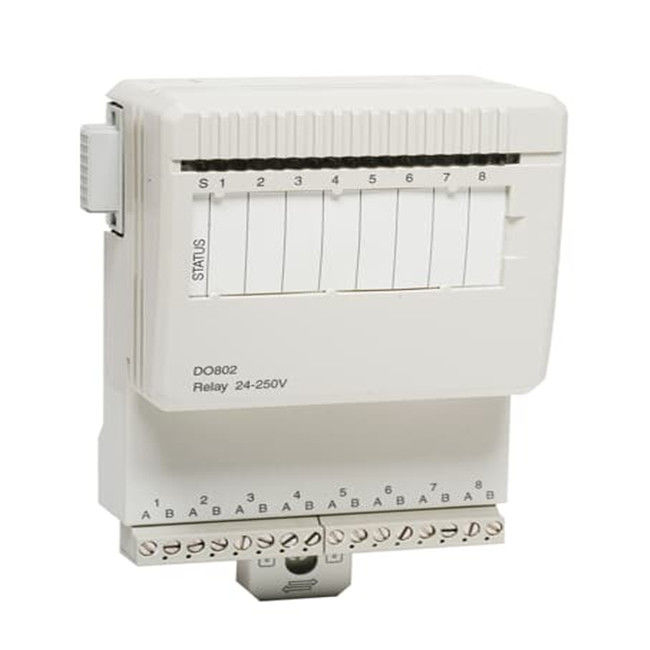
ABB 086345-504 digital output module

Product Overview

The ABB 086345-504 digital output module is designed specifically for industrial automation applications and is a key component for achieving precise control in industrial control systems. It can convert the digital signals emitted by the control system into corresponding electrical outputs, which are used to drive various industrial equipment and play an indispensable role in manufacturing and process control systems, helping enterprises achieve efficient and stable automated production.

Specification parameters

Electrical parameters

Voltage rating: Supports DC voltage input of 12-24V DC, which allows it to better adapt to different industrial power systems. Whether it is small automation equipment using 12V DC power supply or large industrial production lines using 24V DC power supply, it can operate stably.

Current rating: The current carrying capacity of each channel is 0.5A, which is sufficient to drive common industrial loads such as small relays, indicator lights, solenoid valves, etc., ensuring reliable driving signals for external devices in various application scenarios.

Physical parameters

Dimensions (length x width x height): Approximately 110 x 60 x 140 mm (with slight differences in data, this is a common size). The compact exterior design allows for easy installation within limited control cabinet space without taking up too much space resources, making it particularly suitable for industrial control systems with high spatial layout requirements.

Weight: Approximately 0.15kg. The lighter weight facilitates handling and operation during equipment installation and maintenance, reducing the difficulty of manual operation and minimizing installation inconvenience caused by module weight.

Communication and environmental parameters

Communication Interface: Equipped with RS-485 communication interface, this interface has good anti-interference ability and long-distance transmission characteristics, which can easily communicate data with other devices such as PLC (Programmable Logic Controller), upper computer, etc., realizing remote monitoring and control functions, and facilitating the integration of digital output modules into complex automation control systems.

Protection level: reaching IP20 protection level, it can effectively prevent dust from entering the interior of the module, provide certain protection for the internal circuit, and also resist a certain degree of slight splashing water. It is suitable for use in general industrial environments and ensures stable operation in common industrial production environments.

Working temperature range: The working temperature range is -20 ° C to+70 ° C, which allows it to not only work normally in industrial facilities in cold regions, but also operate continuously and stably in hot environments, adapting to temperature changes in different regions and industrial scenarios.

Core functions

Digital signal output

This module can accurately convert the digital signals sent by the control system into corresponding electrical output states, achieving switch control of external devices. For example, in an automated production line, the control instructions sent by the PLC can be used to control the start and stop of the motor, the opening and closing of valves, and other operations through the 086345-504 module, ensuring that the production process follows the predetermined logical sequence.

Multi channel control

It has 8 output channels, each of which can be independently controlled and can simultaneously drive multiple external devices, greatly improving control efficiency. In an industrial scenario where multiple actuators need to be controlled simultaneously, such as an automated packaging production line, different channels can control the sealing device, material conveying device, label pasting device, etc. of the packaging machine separately, achieving collaborative control of the entire packaging process and improving production efficiency and product quality.

Signal isolation and protection

Internally, electrical isolation technology is used to effectively isolate the internal circuits of the module from external load circuits, preventing interference signals from external circuits from entering the control system. At the same time, it also avoids damage to the module and control system caused by external load short circuits, overloads, and other faults, improving the stability and reliability of the system. For example, when an external solenoid valve experiences a short circuit fault, the signal isolation function ensures that the fault will not affect the normal operation of control systems such as modules and PLCs, reducing the risk of system failure.

Working principle

When the control system sends digital signal commands to the ABB 086345-504 digital output module, the module first receives these commands through the communication interface. The internal microprocessor parses and processes instructions, determines the output channels that need to be controlled, and the corresponding output states (high or low). Then, the microprocessor controls the conduction and cutoff of the power output devices (such as transistors, relays, etc.) of the corresponding channels through the driving circuit, thereby generating corresponding voltage signals at the output terminal to drive external devices to operate. Throughout the entire process, the signal isolation circuit always plays a role in ensuring electrical isolation between internal and external circuits, ensuring the stable operation of the system.

Key advantages

High reliability

By using high-quality electronic components and advanced manufacturing processes, and undergoing strict quality inspection processes, the module has excellent reliability. Whether in long-term continuous industrial production environments or frequent start stop application scenarios, it can stably output control signals, reduce equipment failure downtime, improve production efficiency, and reduce maintenance costs and production losses for enterprises.

​Easy to integrate

The design of this module fully considers compatibility with existing industrial control systems and can be easily integrated with automation equipment such as ABB and other brands’ PLCs and DCS (distributed control systems). Through the standard RS-485 communication interface and unified electrical interface specifications, simple hardware connections and software configurations are required during the system integration process to quickly integrate it into complex automation control systems, shortening the project development cycle and debugging time.

Strong flexibility

8 independent output channels and support for 12-24V DC voltage range make it highly adaptable in different industrial application scenarios. Users can flexibly configure the output function of each channel according to their actual needs, meeting various control task requirements from simple to complex. For example, in different types of industrial production lines, the equipment connected to each channel can be flexibly adjusted according to the requirements of the production process, achieving diversified control logic.

DO802 3BSE022364R1 ABB Digital Output Module

ABB PFCL201C 10KN Tension Controller

ABB PFCL201C 10KN Tension Controller

Product overview

The ABB PFCL201C 10KN tension controller is a high-precision tension control device designed specifically for industrial coil processing scenarios. It is mainly used to control the tension stability of coils (such as paper, film, metal strip, etc.) during the production process. Its core function is to ensure that the coil maintains a constant tension during the unwinding, rewinding, printing, coating and other process steps by monitoring and adjusting the tension in real time, avoiding problems such as stretching deformation, wrinkles or breakage.

Model analysis:

PFCL201C: Product series model, representing ABB’s tension controller product line;

10KN: The maximum tension control range is 10 kilonewtons (approximately 1000 kilograms of force), suitable for medium to high tension demand scenarios.

Brand background

As a global leader in industrial automation, ABB’s tension control products are widely used in industries such as papermaking, packaging, printing, and metal processing. With a century of technological accumulation, ABB tension controllers are renowned for their high precision, reliability, and flexible adaptability. They support seamless integration with ABB transmission systems (such as ACS880 frequency converters), PLCs (such as AC500 series), and SCADA systems, forming a complete automation solution.

Specification parameters

Parameter category details

Tension control range 0-10 kN

Measurement accuracy ± 0.5% FS, ensuring stable tension control

Input signal supports tension sensor signal, input type: 4-20mA/0-10V DC

Output signal analog output: 4-20mA/0-10V DC

Communication interfaces Modbus RTU/ASCII, Profibus DP, EtherNet/IP, supporting remote monitoring and parameter adjustment

Working voltage 24V DC (± 15%), power consumption ≤ 20W

Working temperature -10 ° C~+50 ° C

Protection level IP20, optional IP54 protection kit

Physical size standard guide rail installation size: 100mm (width) x 150mm (height) x 120mm (depth)

Core functions

Tension closed-loop control:

Real time collection of coil tension data through tension sensors, compared with the set value, outputs adjustment signals to the actuator (such as motor driver), forming a closed-loop control loop to ensure constant tension.

Support PID control algorithm, which can automatically optimize proportional, integral, and derivative parameters to meet different material and process requirements.

Multi mode switching:

Manual mode: directly set output values, suitable for equipment debugging or emergency intervention;

Automatic mode: Automatically calculate tension requirements based on parameters such as coil diameter and line speed, and dynamically adjust output;

Roll diameter calculation: Automatically calculate the remaining diameter of the coil through encoder signals or tension feedback to compensate for tension changes.

Fault diagnosis and protection:

Built in overload protection, sensor disconnection detection, over temperature alarm and other functions, supporting fault code display and historical record query, making it easy to quickly locate problems.

Human computer interaction:

Equipped with an LCD display screen or operation panel, it supports real-time display of parameters such as tension value, roll diameter, and operating status, and supports one click saving/restoring of parameters.

Working principle

Tension detection:

Tension sensors (such as rollers or cantilever beams installed in the coil path) convert mechanical tension into electrical signals (such as 4-20mA) and transmit them to the analog input module of PFCL201C.

Signal processing:

The controller filters, amplifies, and analog-to-digital converts the input signal, compares it with the preset tension value, and calculates the required adjustment amount through PID algorithm.

Perform adjustment:

The controller outputs analog signals (such as 4-20mA) to the frequency converter or servo driver to adjust the motor torque or speed, thereby changing the tension of the coil. For example:

When unwinding, if the tension is insufficient, increase the motor torque;

When winding, if the tension is too high, the motor speed will be reduced.

Key advantages

High precision control:

± 0.5% measurement accuracy and fast response capability (response time ≤ 50ms), suitable for high-end materials sensitive to tension (such as lithium battery separators, optical films).

Flexible compatibility:

Supports multiple sensor types and communication protocols, seamlessly integrates with ABB and third-party devices;

Adapt to different roll widths (such as 100-3000mm) and materials (such as plastic, metal, fiber).

Energy saving and efficient:

When used in conjunction with ABB frequency converters, it can achieve a “torque control mode” to avoid energy loss in traditional mechanical braking and improve system energy efficiency.

Easy to integrate:

Guide rail installation design and standardized communication interface, supporting plug and play, shortening project debugging cycle.

precautions

Installation requirements:

The tension sensor needs to be installed at the tension detection point of the coil (such as near the floating roller) to ensure that the direction of force is consistent with the axis of the sensor;

The signal cable between the controller and the sensor needs to be shielded and kept away from the power cable to reduce electromagnetic interference.

Parameter settings:

The zero and full-scale values of the sensor need to be calibrated for the first use;

According to the material and process requirements of the coil, set the PID parameters reasonably (such as increasing the integration time for high inertia coils).

Maintenance and upkeep:

Regularly clean the heat dissipation holes of the controller to avoid dust accumulation affecting heat dissipation;

Check the sensor installation firmware and cable connections every 12 months to ensure signal stability.

Similar model supplement

PFCL101C 5KN: Maximum tension of 5kN, smaller volume, lower cost

PFCL301C 20KN: Maximum tension 20kN, supports redundant design and high-speed communication (such as EtherCAT)

PFCL201D: Supports DC power supply (10-30V DC) and explosion-proof design

Application scenarios

Paper making and printing:

Control the tension of paper in the paper copying machine and printing machine to avoid paper breakage or overprinting deviation, and improve the yield of finished products.

Packaging industry:

The tension control of plastic film and aluminum foil in bag making machines and slitting machines ensures that the bag shape is neat and the sealing quality is stable.

Metal processing:

Constant tension control of steel and copper strips in rolling, longitudinal cutting, and coating production lines to reduce material tensile deformation.

In the field of new energy:

The tension control of processes such as coating of lithium battery electrodes and slitting of separators ensures the uniformity of material thickness and battery consistency.

Textiles and non-woven fabrics:

Tension control of yarns and non-woven fabrics in textile machinery to avoid wrinkling or breakage of fabrics and improve fabric quality.

ABB PFCL201C 10KN - ABB/瑞士 - 深圳长欣自动化设备有限公司

ABB 3HAC17484-otational ac motor M8

​product overview

Model analysis:

3HAC17484: A prefix for ABB robots or industrial motors, commonly used in ABB servo motors or AC induction motor products.

M8: represents the motor series, power level, or compatible model.

Product positioning:

Belonging to the category of Rotating AC Motor, it can be used in industrial robots, automated production lines, precision machinery drives, and other scenarios, and has the characteristics of high precision and high reliability.

Brand background

As a leading global manufacturer of industrial motors, ABB’s motor products include AC induction motors, servo motors, DC motors, etc., which are widely used in fields such as robots, machine tools, and conveyor systems.

Technical advantages: high efficiency and energy saving, low noise, long lifespan, supporting multiple control protocols (such as Profinet, EtherNet/IP), compatible with ABB and third-party control systems.

Conventional specification parameters

Parameter category: Typical value

Power range: possibly 0.1-5kW

Voltage/Frequency: Three phase 380-480V AC, 50/60Hz

Speed: The maximum speed can reach 3000-6000 RPM

Protection level: IP54/IP65

Insulation grade: F grade (temperature resistance 155 ° C)

Interface: Supports encoder feedback (such as EnDat 2.2, SSI), brake interface

Cooling method: self cooling or forced air cooling

Core functions

High precision drive:

Suitable for scenarios that require precise position control and speed adjustment, such as robot joint drive and precision machining machine tools.

Efficient and energy-saving:

Adopting permanent magnet synchronous or induction motor technology, the efficiency level can reach IE3/IE4, which meets energy efficiency standards.

Flexible control:

Support vector control (VC), direct torque control (DTC), compatible with ABB frequency converters (such as ACS880 series).

Reliability design:

High protection level, wear-resistant bearings, moisture-proof insulation treatment, suitable for harsh industrial environments.

Working principle

Electromagnetic induction principle:

The stator winding is fed with three-phase AC power to generate a rotating magnetic field, and the rotor conductor cuts the magnetic field lines to generate induced current, driving the rotor to rotate.

Control method:

By adjusting the power frequency and voltage through a frequency converter, precise control of motor speed and torque can be achieved.

Key advantages

High dynamic response: suitable for fast start stop and high-speed motion scenarios (such as robot grasping actions).

Low maintenance requirements: maintenance free design, long lifecycle, and reduced downtime costs.

Compact design: small size, high power density, saving installation space.

Strong compatibility: compatible with ABB robot controllers (such as IRC5) and third-party automation systems.

Application scenarios

Industrial robot:

As a robot joint motor, it is used for axis drive of IRB series robots to achieve precise motion control.

automatic production line:

Drive conveyor belts, sorting equipment, packaging machinery, etc., supporting high-speed and continuous operation.

Precision machining equipment:

CNC machine tools, printing machines, and textile machinery require high speed accuracy and stability.

In the field of new energy:

Wind power variable pitch system, electric vehicle test bench, etc., to meet high reliability requirements.

precautions

Installation and wiring:

Ensure the coaxiality between the motor shaft and the load to avoid mechanical vibration;

Wiring must comply with EMC standards and shield cables to reduce interference.

Environmental requirements:

Working temperature: -10 ° C~+40 ° C (if exceeded, forced cooling is required);

Humidity: ≤ 90% RH (no condensation).

3HAC17484-8108 ABB Rotary AC Motor M8 - Shenzhen Changxin

ABB 5SHY3545L0009 High Voltage Converter Board

​Product Overview

ABB 5SHY3545L0009 high-voltage converter board, with high model recognition, belongs to the ABB Power Electronics series products. From the perspective of functional definition, it is mainly used in scenarios such as high-voltage direct current (HVDC) transmission systems, undertaking the key task of converting direct current to alternating current, and is an important component in the power electronics conversion process. Its design revolves around high-power and high-voltage applications, striving for stable operation in complex power environments and ensuring the efficiency and accuracy of power conversion.

Brand background

ABB, as a leading global enterprise in the fields of power and automation technology, has a profound technical accumulation and excellent brand reputation in electrical equipment manufacturing and other areas. The company has a long history and continuously promotes technological innovation in the industry. Its products are widely used in many fields such as energy, industry, transportation, and infrastructure. With continuous investment in research and development, ABB is at the forefront of power electronics technology in the world. Its various products, such as 5SHY3545L0009 high-voltage conversion board, follow strict quality standards and are known for their reliability, efficiency, and innovation, earning the trust of customers worldwide.

Specification parameters

Voltage parameters: The high-voltage conversion board can withstand a high voltage level and can handle 6kV voltage in common application scenarios. This high voltage bearing capacity makes it suitable for many high-voltage power systems, whether it is the converter station of high-voltage transmission lines or the front-end power conversion of some industrial production equipment that requires high supply voltage, it can play a stable role.

Current parameters: It can carry a current of up to 4500A, and its strong current carrying capacity ensures stable transmission and conversion of large currents in high-power applications, meeting the power needs of high-power equipment, such as the drive power conversion link of large industrial motors.

Power parameters: The power can reach 27MW, reflecting the powerful processing capability of the conversion board in the power conversion process. It can ensure conversion efficiency, reduce energy loss, and achieve efficient conversion of electrical energy forms under high-power operation.

Switching frequency: The switching frequency is 2kHz, which gives it an advantage in fast switching control between AC and DC power. It can more accurately adjust the frequency and waveform of the output power, improving the quality of power conversion.

Physical specifications: In terms of size, some data shows that its specifications are 24 x 9.1 x 2.5 cm, which is relatively compact overall and easy to install and layout in limited spaces of various devices; In terms of weight, it is about 0.16kg. The lightweight design not only facilitates transportation, but also reduces the difficulty of manual operation during equipment installation and later maintenance. In addition, there are other materials mentioning different size data such as 39 * 42 * 10 (unit not specified, speculated as mm), and the specific size specifications may vary due to production batches or customized requirements for different applications.

Protection level and environmental parameters: The protection level reaches IP67, with excellent dust and water resistance, and can adapt to harsh industrial environments, such as outdoor humid environments or dusty factory workshops; The working temperature range is -40 ° C to+85 ° C, and it can maintain normal operation within the range of extreme cold to high temperature, ensuring stable operation in different regions, seasons, and industrial scenarios.

Core functions

Electric energy conversion function: The core task is to achieve efficient conversion between direct current and alternating current. In high-voltage direct current transmission systems, the alternating current generated at the power generation end can be converted into direct current for long-distance transmission, reducing transmission losses; At the power consumption end, it can also convert direct current back to alternating current for use by various electrical equipment. In industrial production, for some equipment that requires specific AC/DC power sources, this conversion board can also accurately achieve the conversion of power types.

Power regulation function: It can adjust the converted power parameters to a certain extent, such as adjusting the amplitude and frequency of the output voltage, to adapt to the input requirements of different electrical equipment. By finely regulating parameters such as voltage and frequency, the stable operation of electrical equipment is ensured, avoiding equipment failures or reduced operating efficiency caused by mismatched power parameters.

Communication and control functions: Support communication with external control systems, receive control instructions, and achieve precise control of the conversion process. According to system requirements, the working status of the conversion board can be flexibly adjusted, such as starting, stopping, and adjusting conversion efficiency. At the same time, it can also provide feedback on its own working status information to the control system, which facilitates real-time monitoring of equipment operation by maintenance personnel.

Working principle

Its working principle is based on the characteristics of power electronic devices and related circuit topology structures. Internally integrated with key power electronic devices such as Insulated Gate Bipolar Transistors (IGCT). In the process of converting AC power to DC power, the first step is to use rectifier circuits and the unidirectional conduction characteristics of devices such as IGCT to organize the positive and negative half cycles of AC power and convert it into unidirectional DC power. When converting direct current to alternating current, the fast switching characteristics of devices such as IGCT are utilized through an inverter circuit to invert the direct current into standard alternating current output according to the set frequency and waveform requirements. Throughout the entire process, the control circuit plays an important role by accurately controlling the on and off time of devices such as IGCT based on external input control signals, thereby achieving precise regulation of the power conversion process and ensuring the stability and accuracy of the output power.

Key advantages

High efficiency: In the process of power conversion, advanced circuit design and high-quality power electronic devices have achieved high conversion efficiency, reducing energy loss during the conversion process. This not only reduces energy waste, but for enterprises, long-term operation can also save a lot of electricity costs, which is in line with the development trend of energy conservation and emission reduction in the current increasingly tense energy situation.

High reliability: The product design and manufacturing follow strict quality standards, from the selection of components to the overall circuit layout, all of which are carefully considered and tested. High protection level, strong adaptability to harsh environments, and may also be equipped with various protection circuits internally, such as overvoltage protection, overcurrent protection, etc., effectively avoiding equipment damage caused by abnormal situations, ensuring long-term stable operation of equipment, reducing maintenance frequency and downtime, and improving the overall reliability of the production system.

High precision control: With advanced control algorithms and sensitive sensors, high-precision adjustment and control of power parameters can be achieved. In some application scenarios that require extremely high power quality, such as precision electronic equipment manufacturing, medical equipment power supply, etc., the stability and accuracy of the output power can be ensured, meeting the strict requirements of these devices for power supply, and avoiding the impact of power fluctuations on the normal operation of equipment or even damage to equipment.

Easy to install and maintain: The compact size and reasonable structural design make it more convenient during equipment installation, and can adapt to the spatial layout of various devices. At the same time, the comprehensive fault diagnosis and status monitoring functions make it convenient for operation and maintenance personnel to quickly locate and solve problems, reduce maintenance difficulty, and improve maintenance efficiency. Even non professional maintenance personnel can troubleshoot and handle common problems after simple training.

Precautions

Installation environment requirements: Although it has a high level of protection and a wide range of working temperatures, it is still advisable to choose a dry and well ventilated environment during installation, avoiding installation in areas with strong electromagnetic interference to prevent electromagnetic interference from affecting the normal operation of the conversion board. At the same time, ensure that the installation position is stable and avoid loosening of internal circuit connections due to vibration or shaking.

Electrical connection specifications: When making electrical connections, it is necessary to strictly follow the requirements of the product manual to ensure correct and secure wiring. Different voltage levels and functions of circuits should be clearly distinguished to prevent electrical faults such as short circuits and open circuits. For high-voltage line connections, additional protective measures need to be taken, such as using insulated gloves, insulated tools, etc., to ensure the safety of operators.

Maintenance points: Regularly clean the conversion board to prevent dust accumulation from affecting heat dissipation and electrical performance. Inspect the equipment at regular intervals and check the working status of each component. If any abnormal sounds, odors, or high temperatures are found, the machine should be stopped in a timely manner to troubleshoot. Before carrying out maintenance operations, be sure to cut off the power and wait for sufficient time to ensure that the energy storage components such as capacitors have discharged completely, in order to avoid the risk of electric shock.

Similar model supplement

5SHY3540L0009: It belongs to the ABB related series of products, and is also used for power conversion in terms of functionality. From the comparison of parameters, its current carrying capacity may be slightly lower than 5SHY3545L0009, for example, it may be suitable for some power conversion scenarios with relatively small current requirements and power requirements within a certain range, such as local power conversion links in small industrial production lines. It may have a cost advantage compared to 5SHY3545L0009, and is more suitable for projects with limited budgets and small power demand scales.

5SHY4045L0009: This model may have differences in voltage processing capabilities compared to 5SHY3545L0009, and may be able to adapt to higher voltage level application scenarios, such as specific conversion requirements for some ultra-high voltage direct current transmission systems. There may also be an improvement in power processing capability, which can meet the power conversion needs of larger and higher power equipment. However, the size and cost may increase accordingly, making it suitable for large-scale power engineering projects with extremely high requirements for power conversion, large equipment scale, and relatively low cost sensitivity.

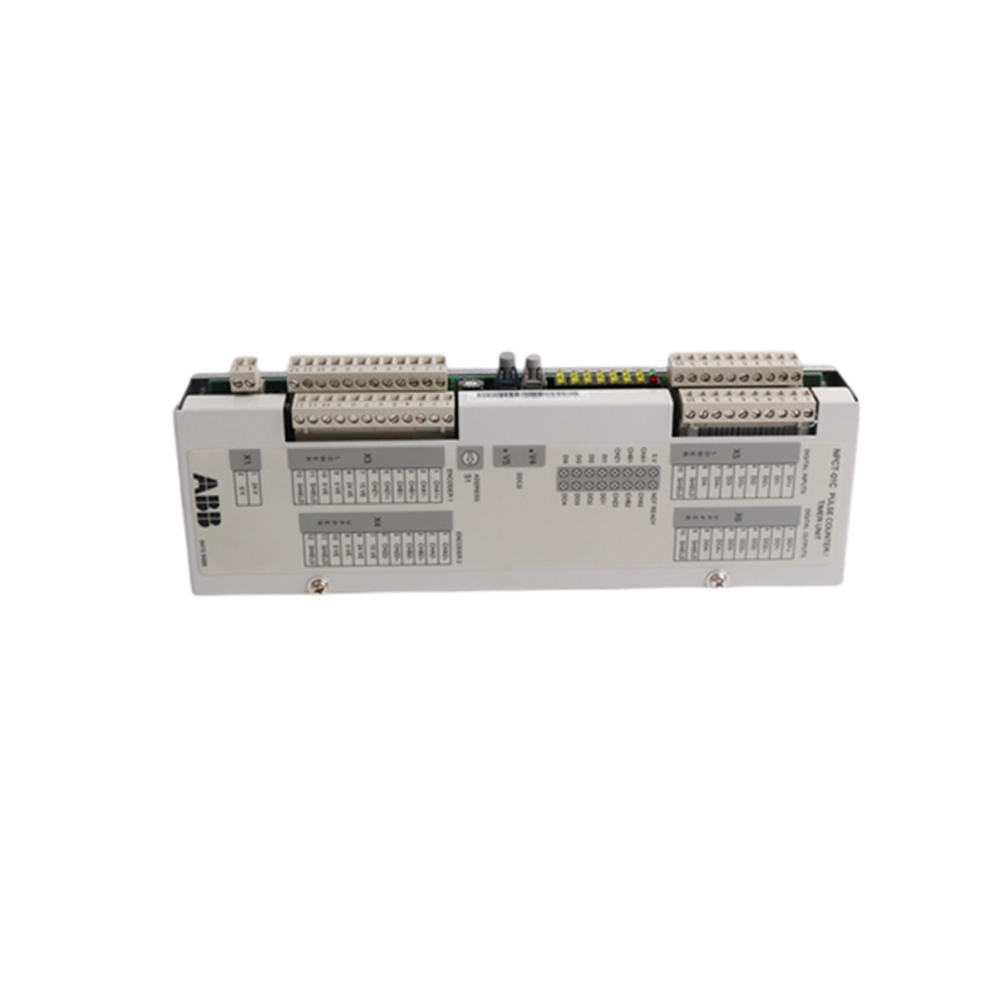
ABB 64009486 NPCT-01C; PULSE COUNT/TIMER

Product basic information

Model: NPCT-01C

Type: Pulse Counting/Timer Module

Function: Used for pulse counting and timing control in industrial scenarios, may be compatible with ABB transmission systems or automation equipment.

Country of Origin: Finland (FI)

Customs code: 90329000

Ordering information:

Minimum order quantity: 1 piece

Sales unit: piece

Non customized products, support direct ordering.

physical property

Weight: 0.92 kg

Size: The specific size is not explicitly listed, only the “Frame Size” is mentioned. Please refer to the product manual or contact the supplier for information.

Technology and Classification

Technical functions:

Pulse counting: It can accumulate the number of input pulses and is used to monitor the number of device operations (such as motor start stop times).

Timed control: supports setting timed logic to trigger output actions (such as delayed start and timed stop).

Industry classification:

UNSPSC codes: 39120000 (industrial automation components), 39122004 (industrial control modules).

Environmental compliance: Not within the scope of WEEE Directive control (Product Not in WEEE Scope).

Application scenarios

Category:

Drives → Spares and Consumables → Parts.

Typical applications:

Pulse signal statistics for industrial automation production lines (such as encoder pulse counting).

Timing control of mechanical equipment (such as monitoring the running time of motors and triggering periodic tasks).

Product Overview

ABB 64009486 NPCT-01C is a pulse counting/timer module specifically designed for industrial automation applications. It can accurately count pulse signals and perform corresponding operations according to the set time logic, playing an important role in industrial production process control, equipment operation status monitoring, and other aspects. It is an indispensable key component in industrial automation systems.

Technical parameters

Input characteristics

Input voltage range: This module supports an input voltage of 24V DC, which is a common DC voltage specification that makes it easy to match with the power systems of many industrial equipment. Whether in independent small control systems or large and complex automated production lines, it can be stably connected to the power supply to ensure the normal operation of the module.

Number of input channels: Equipped with 2 input channels, these two channels can simultaneously collect and process pulse signals from different sources. For example, in an automation scenario involving multiple devices working together, one channel can be used to collect pulse signals generated by the main device to monitor its working status, while the other channel can be used to collect pulse signals from auxiliary devices, achieving more comprehensive monitoring of the entire system.

Output characteristics

Output type: using relay output method. Relay output has strong load driving capability and can directly control various external actuators, such as relays that can easily control the start and stop of motors, the opening and closing of valves, etc. This feature enables NPCT-01C to efficiently convert counting or timing results into actual control actions in industrial control, driving equipment to operate according to predetermined logic.

Timing and Counting Accuracy

Timing accuracy: Its timing accuracy can reach ± 0.1% of the set value plus 1ms. This high-precision timing capability is crucial in industrial applications with strict time requirements. For example, in the chemical production process, certain reactions require precise control of reaction time. NPCT-01C can ensure that relevant operations are triggered accurately according to the set time, ensuring the smooth progress of chemical reactions and the stability of product quality.

Counting accuracy: In terms of pulse counting, this module has extremely high accuracy and can reliably accumulate the number of input pulses without missing or miscalculating. In the scenario of motor speed monitoring, NPCT-01C can accurately calculate the motor speed by counting the pulses generated by the motor rotation, providing accurate data support for the evaluation of the equipment’s operating status.

Adaptability to work environment

Working temperature range: It can operate normally within the temperature range of -20 ° C to+70 ° C. This broad temperature adaptability makes it suitable for industrial sites with various environmental temperatures. Whether it is mechanical equipment operating outdoors in cold regions or control systems near industrial kilns in high-temperature environments, NPCT-01C can operate stably to ensure the continuous operation of the system.

Storage temperature range: The storage temperature range is -40 ° C to+85 ° C. Even under extreme storage conditions, the module can maintain good performance and can be put into use at any time when the environmental conditions are suitable, with strong environmental tolerance.

Physical characteristics

Size: The external dimensions are 41 x 264 x 94 mm. This compact design allows for flexible installation within limited control cabinet space without taking up too much space resources, making it particularly suitable for modern factories that pursue efficient use of space.

Weight: The net weight of the product is about 1kg. The relatively light weight facilitates the installation, handling, and maintenance of the equipment, reducing the difficulty and labor intensity of manual operation.

Functional Features

Accurate pulse counting function

Capable of accurately counting various types of pulse signals, including square waves, sine waves, and other shaped pulse signals. On automated production lines, it can be used to count the quantity of products. For example, in the packaging production line, precise control of the quantity of packaged products is achieved by counting the pulses generated by the products passing through the detection points, ensuring that the quantity of each batch of products is accurate and error free.

Flexible timing function

Users can flexibly set the timing according to their actual needs through programming or setting relevant parameters. There are various timing modes, which can achieve single timing and trigger an action once the set time is reached; It can also achieve periodic timing, triggering corresponding operations in a loop according to the set time interval. In the maintenance and upkeep of industrial equipment, periodic scheduled tasks can be set, and the self inspection program of the equipment can be started regularly to promptly detect potential faults and hidden dangers.

Reliable system integration capability

The module was designed with full consideration for compatibility with other industrial equipment and systems, and can seamlessly integrate with ABB’s various automation control systems and third-party equipment. It can easily connect to mainstream control systems such as PLC (Programmable Logic Controller) and DCS (Distributed Control System), and interact and collaborate with other devices through standard communication interfaces and protocols. In a large-scale industrial automation project, NPCT-01C can work together with PLC to complete complex production process control tasks, improving the operational efficiency and reliability of the entire system.

Complete self diagnostic function

Equipped with a self diagnostic mechanism, capable of real-time monitoring of one’s own work status. Once abnormalities are detected, such as abnormal input signals, output relay faults, internal circuit overheating, etc., the module will promptly issue alarm messages through indicator lights or communication interfaces to notify operators for maintenance and handling. This feature greatly improves the maintainability of the equipment, reduces production interruption time caused by module failures, and lowers the production losses of the enterprise.

Application Fields

Manufacturing industry

In the field of automobile manufacturing, it is used for automated control of production lines. For example, in the assembly process of automotive parts, by counting the pulses generated by the actions of the assembly robot, the assembly quantity and sequence of parts can be accurately controlled to ensure assembly quality. Meanwhile, by utilizing the timing function, the running rhythm of the equipment can be controlled, thereby improving the overall efficiency of the production line.

In the electronic manufacturing industry, it is possible to control the component mounting equipment on the electronic product production line. Monitor the number of actions of the mounting head through pulse counting to ensure that each component can be accurately mounted on the circuit board; Utilize the timing function to control the preheating, welding and other process time of the equipment, ensuring the production quality of electronic products.

Energy industry

In the field of power generation, NPCT-01C can be used to monitor the operating status of generators. By counting the pulses generated by the rotation of the generator, the speed of the generator is calculated, and the operation of the generator is monitored in real time. At the same time, the timing function can be used to control the regular inspection and maintenance tasks of power generation equipment, ensuring the stability and reliability of power supply.

In the petrochemical industry, it is used for controlling the chemical production process. For example, in the process of chemical reactions, by setting precise timing, controlling the addition time of raw materials and reaction time, the smooth progress of chemical reactions and the stability of product quality can be ensured. At the same time, the pulse counting function is used to monitor the material conveying equipment on the production line and count the amount of material conveyed.

Transportation and Communications

In the field of rail transit, it can be used for train operation control systems. By counting the pulses generated by the rotation of the train wheels, the precise measurement of the train’s travel distance and speed provides important data support for the automatic driving and safe operation of the train. At the same time, the timing function is used to control the signal light switching, door opening and closing operations of the train, ensuring the safety and efficiency of train operation.

In the logistics and transportation industry, it is used for controlling automated warehousing systems. Monitor the operation frequency of cargo handling equipment through pulse counting and calculate the amount of cargo handling; Utilize timing function to control the operation time of warehouse lighting, ventilation and other equipment, achieving energy-saving management.

ABB NPBA-82 PROFIBUS adapter module for sale - Xingchuang Ronghe

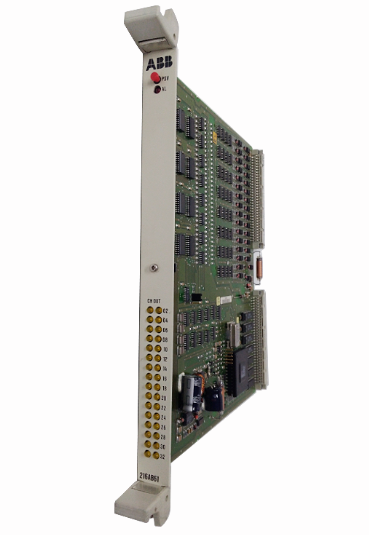
ABB HESG324013R0101 216AB61 BINARY OUTPUT * NCS1704

Module Overview

Model and positioning:

Model: HESG324013R0101, belonging to 216AB61 binary output module, used for REG216/REG216 Classic protection system.

Function: Provides 32 binary outputs for controlling relays or signal indications, supports short circuit protection and status indicator light display.

Technical Parameter

Number of output channels: 32, supporting independent control.

Output type: transistor output, supporting short circuit protection and overload protection.

Load capacity

Maximum continuous current: 5 A (DC/AC).

Maximum impulse current (0.5 seconds): 10 A.

Voltage range

DC:24-250 V

-AC:24-240 V

Isolation characteristics: Electrical isolation, isolation voltage ≥ 1 kV AC, to prevent interference and fault crosstalk.

Status indication: The front-end LED indicator displays the output status (lit when activated).

Response time: Typical response time ≤ 30 ms, ensuring fast action.

Short circuit protection: automatic current limiting and shutdown, and can automatically recover after the fault is cleared.

Application scenarios

Protection system interface:

Connect to the parallel bus (B448C) of REG216/REG216 Classic for outputting trip signals, alarm signals, or controlling external devices such as circuit breakers and contactors.

Industrial automation:

Drive trip relays in generator and transformer protection, or serve as signal extension modules in distributed control systems.

Redundant system:

Supports redundant configuration, enhances system reliability, and is suitable for power systems with high availability requirements.

Hardware and Installation

Physical characteristics:

Size: Meets the 19 inch rack installation standard and occupies 1 rack unit (1U).

Terminal type: Removable screw terminal, supporting 4 mm ² wire connection.

Installation method:

Insert the REG216 system rack and communicate with the processor unit (such as 216VC62a) through a parallel bus, supporting hot plugging (power off operation required).

compatibility:

Used in conjunction with input modules (such as 216GW62), processor modules (216VC624), and power modules (216NG6x) of the REG216 series.

Can be configured with

Logical control:

Support configuring output logic through software (such as AND/OR/NOT gates), which can be linked with protection functions (such as overcurrent protection triggering trip output).

Diagnosis and Monitoring:

Built in self-monitoring function to detect output short circuits, overloads, and power failures.

Real time monitoring of output status through HMI or communication interface, supporting event recording and fault code reporting.

Communication protocol:

Compatible with SPA and IEC 60870-5-103 protocols, it can remotely control the output status through Modbus or LON bus.

Ordering and Accessories

Ordering information:

Model: HESG324013R0101 (216AB61 module).

Supporting system: REG216/REG216 Classic protection system, requiring a rack (such as 216MB66) and power module (216NG6x).

Accessories:

System cable (IK61): used for connecting modules, with a length of 2.5 meters or 4 meters to choose from.

Redundant power module: supports dual power input to enhance system power supply reliability.

ABB 216AB61 HESG324013R100 HESG216881/B Power conversion module - 雄霸工业

ABB 5SHX1060H0003 Reverse Conducting Integrated Gate

​Product Overview

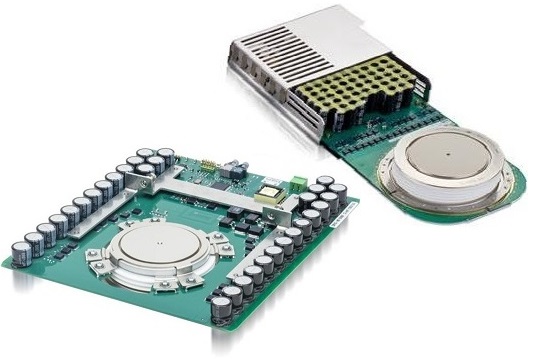
ABB 5SHX1060H0003 is a Reverse Conducting Integrated Gate Commutated Thyristor (RC-IGCT). It combines the high voltage withstand capability of thyristors and the gate controllability of transistors, occupying an important position in the field of high-power power electronics. This type of device is mainly used in industrial equipment that requires precise control of high current and high voltage, and can efficiently achieve the conversion and control of electrical energy.

Structure and Working Principle

Structural features: Its structure is similar to traditional gate turn off thyristors (GTOs), but has been optimized and improved. In 5SHX1060H0003, the gate turn off current is designed to be greater than the anode current. This unique design allows for the complete elimination of minority carriers injected from the lower PN junction, significantly accelerating the turn off time. In addition, compared to GTO, its unit size is smaller, the gate connection is more robust, and the inductance between the gate drive circuit and the drive circuit connection is greatly reduced. These structural advantages lay the foundation for its high-performance performance.

Working principle: In the conductive state, a suitable trigger signal is applied through the gate to make the thyristor conductive, allowing current to flow from the anode to the cathode. When it is necessary to turn off, a reverse signal is applied to the gate, and its special structure is used to achieve fast turn off. The reverse conduction characteristic allows current to conduct in reverse under specific conditions, which simplifies the design and reduces the use of external components in some circuit topologies.

Technical parameters

Current parameters: capable of carrying large currents, its rated on state average current and peak current parameters ensure stable transmission and control of large currents in high-power applications. For example, in high-power motor drive systems, it can meet the high current requirements during motor start-up and operation.

Switching frequency: The typical switching frequency is within a certain range (such as around 500 Hz), but unlike GTO, its upper limit switching frequency is mainly limited by the heat loss during operation and the system’s heat dissipation capacity. In practical applications, when the system has good heat dissipation, its switching frequency can even reach a high level in a short period of time (such as a 40kHz pulse burst), which provides the possibility for some applications that require high switching speed.

Working temperature range: It has a wide working temperature range, such as from -40 ℃ to 150 ℃. This allows it to work normally under different environmental conditions, whether it is outdoor equipment in cold regions or industrial plants in high-temperature environments, it can operate stably.

Integrated Gate-Commutated Thyristors | Iconopower

Advantages

Efficient switch performance: Fast switch speed, especially turn off speed, can effectively reduce switch losses and improve the overall efficiency of the system. In application scenarios with frequent switching, such as high-frequency inverters, this efficient switching performance can significantly reduce energy waste.

Simplified circuit design: The reverse conducting structure reduces the use of external diodes and other components, making the circuit layout more compact and reducing circuit complexity and cost. For example, in some inverter designs, using 5SHX1060H0003 can reduce the area of the circuit board and lower the complexity of connections between components.

High reliability: Optimized structure and advanced manufacturing technology enable it to have high reliability and operate stably for a long time under harsh working conditions. This is of great significance for some applications that require extremely high reliability of equipment, such as key node equipment in power systems, which can reduce equipment failures and maintenance costs.

Application Fields

Industrial frequency conversion speed regulation: used in the main circuit of the frequency converter in industrial motor drive systems. By precisely controlling the power supply frequency and voltage of the motor, efficient speed regulation of the motor can be achieved, meeting the speed regulation needs in different industrial production processes. It is widely used in the drive of equipment such as fans, water pumps, compressors, etc., achieving the goals of energy conservation and precise control.

Power system: In high-voltage direct current transmission (HVDC) systems, it can be used in the converter of the converter station to achieve efficient conversion between alternating current and direct current. Meanwhile, in the reactive power compensation device of the power system, the reactive power can also be adjusted by controlling its conduction and shutdown to maintain the stability of the grid voltage.

Rail transit: plays an important role in the traction system of subway, high-speed rail and other rail transit systems. By controlling the driving current and voltage of the motor, the smooth start, acceleration, deceleration, and braking of the train are achieved, ensuring the efficient operation and safety of rail transit.

New energy power generation: used in the inverter part of wind power and solar photovoltaic power generation systems. Convert unstable direct current into alternating current that meets the requirements of the power grid, achieving grid connected power generation of new energy. For example, in centralized inverters for large wind farms, 5SHX1060H0003 can achieve efficient conversion and control of large-scale electrical energy.

ABB 5SHX1060H0003 3BHB020538R0001 IGCT模块 - 雄霸工业

ABB Advant Controller 31 Series 07 KT 97/96/95 Basic

Product Overview

location:

The basic unit of the ABB Advant Controller 31 series intelligent distributed automation system supports independent operation or serves as a bus master/slave, suitable for industrial automation control scenarios.

Model classification:

07 KT 97: Standard model, supports up to 480 kB of user programs and 256 kB of user data, equipped with CS31 system bus, optional communication modules such as ARCNET, PROFIBUS-DP, Ethernet, etc.

07 KT 96/95: Simplified performance model with fewer digital input/output channels, no analog input or only supports basic functions (such as 07 KT 95 with only 4 analog inputs).

Hardware specifications and functions

1. Core hardware parameters

Parameters: 07 KT 97 07 KT 96 07 KT 95

Digital input: 24 channels (3 groups, 8 channels per group, electrically isolated) 24 channels (3 groups, 8 channels per group, electrically isolated) 12 channels (2 groups, 6 channels per group, electrically isolated)

Digital output: 16 transistor outputs (2 groups, 8 channels per group, electrically isolated) 16 transistor outputs (2 groups, 8 channels per group, electrically isolated) 8 transistor outputs (1 group, electrically isolated)

Analog input: 8 channels (configurable as voltage, current, Pt100, etc., supporting differential input) -4 channels (only supporting voltage and current input)

Analog output: 4 channels (configurable as voltage and current output) -2 channels (current output)

Communication interfaces: COM1/COM2 (RS-232), CS31 system bus, optional ARCNET/PROFIBUS-DP/Ethernet COM1/COM2 (RS-232), CS31 system bus COM1/COM2 (RS-232), CS31 system bus

Storage and Expansion: SmartMedia Card (up to 8 MB), Supports CS31 Bus Expansion SmartMedia Card (up to 2 MB) SmartMedia: Card (up to 2 MB)

Power supply: 24 V DC 24 V DC 24 V DC

2. Key functions

Input/output flexibility:

Analog input supports multiple signal types (0-10 V, 4-20 mA, Pt100, etc.), and some models can be configured as digital inputs.

The digital output has short-circuit/overload protection and supports demagnetization of inductive loads.

Communication ability:

Standard RS-232 interface (COM1/COM2), supporting Modbus protocol for programming and data transmission.

Optional communication modules such as ARCNET, PROFIBUS-DP, CANopen, Ethernet, etc. are available to adapt to different industrial network architectures.

Data storage and backup:

Built in Flash EPROM to store programs and data, supporting SmartMedia card backup of user programs, firmware upgrades, and data storage.

Lithium battery (07 LE 90) backup RAM data and real-time clock, with a lifespan of approximately 5 years (25 ° C).

High speed counter:

Integrated high-speed hardware counter, supporting 7 working modes, with a maximum counting frequency of 50 kHz, used for position or speed monitoring.

Communication Protocol and Interface

1. CS31 system bus

Function: Used to expand distributed I/O modules, supporting up to 31 remote modules, with an expansion capability of 992 digital inputs/outputs and 224 analog inputs/outputs.

Connection: Connected through twisted pair cables, with a 120 Ω terminal resistor added at the end of the bus, supporting ring or linear topologies.

2. Optional communication module

ARCNET:

Based on the token passing protocol, it supports coaxial cables (RG-62/U) with a transmission rate of 2.5 Mbit/s, a maximum length of 300 meters per segment, and a maximum of 255 nodes.

PROFIBUS-DP:

Compliant with EN 50170 standard, supports RS-485, transmission rates ranging from 9.6 kbit/s to 12 Mbit/s, with a maximum of 126 nodes (via repeaters).

Ethernet:

Supports TCP/IP, UDP/IP, Modbus TCP, 10/100 BASE-TX interface, connected via RJ45, supports SNMP network management.

CANopen:

Based on CAN bus, supporting a transmission rate of 1 Mbit/s and up to 127 slave stations, suitable for distributed motion control scenarios.

​Installation and maintenance

Installation method:

Supports DIN rail installation or wall screw fixation, with dimensions of 240 × 140 × 85 mm and a weight of 1.6 kg.

A SmartMedia card slot space needs to be reserved (with a 30mm clearance on the right side).

Maintenance points:

Regularly check the status of the lithium battery (replace it when the red LED is on).

The communication module needs to be matched with bus terminal resistors to ensure EMC compatibility.

Monitor I/O status, fault codes, and real-time clock through HMI or programming software (such as 907 AC 1131).

Application scenarios

Industrial automation: logic control and data acquisition in production line control, mechanical processing, and process automation.

Distributed system: As a master or slave, it connects to industrial networks such as ARCNET and PROFIBUS to achieve device linkage.

Motion control: Utilizing high-speed counters and CANopen modules to support servo motor or encoder feedback.

Building automation: Integrate into SCADA system through Modbus or Ethernet interface to monitor HVAC, power and other equipment.

Model comparison and ordering information

07 KT 97 R200 standard type, without built-in communication module GJR5 2530 00 R0200

07 KT 97 R0220 with built-in PROFIBUS-DP module GJR5 2530 00 R0220

07 KT 97 R0260 with built-in ARCNET module GJR5 2530 00 R0260

07 KT 96 R0100 No analog input, 16 digital outputs GJR5 2529 00 R0100

07 KT 95 R0100 4-channel analog input, 8-channel digital output GJR5 2528 00 R0100

Accessories: System cable (07 SK 90/91/92), lithium battery (07 LE 90), SmartMedia card (07 MC 90).

Summarize

The ABB 07 KT 97/96/95 series basic unit is a highly flexible industrial controller, suitable for small and medium-sized automation systems through rich I/O configuration and communication expansion capabilities. Its modular design and multi protocol support enable it to perform well in distributed control, motion monitoring, and remote communication scenarios. When combined with ABB programming software and bus systems, it can achieve efficient industrial automation solutions.

C310Wall-/Pipe-mount Universal Process Controller

Product overview

location:

A highly versatile single loop controller with an IP66/NEMA 4X wall/pipe mounting enclosure, suitable for process control in harsh environments, without the need for expensive instrument panels, and can be directly installed near equipment.

Core functions:

Support PID control, Ramp/Soak program settings, multiple input/output types, with Modbus communication function, suitable for temperature, pressure, flow and other parameter control in industrial processes.

Key functional characteristics

1. Input/output capability

Universal input (3-channel):

Supports signals such as thermocouple (THC), thermistor (RTD), millivolt, current (4-20mA), voltage, etc., with an accuracy of ± 0.1%, and built-in cold junction compensation (CJC).

Input impedance: millivolts/thermocouple>10M Ω, voltage 500k Ω, current 10 Ω.

Control output:

Analog output: 0-20mA, load ≤ 750 Ω, isolated 1kV AC.

Logic output: 12V DC (driving solid-state relay SSR), load ≤ 400 Ω.

Relay output: 3 SPDT relays (5A/120-240V AC), configurable for timed proportional control, valve drive, or alarm.

Auxiliary output:

Retransmission output (0-20mA), configurable as process variable, setpoint, or position feedback.

Two digital inputs (such as remote set point, valve position feedback).

2. Control and Programming

PID control: Supports P, PI, and PID modes, with built-in Autotune function.

Slope/Insulation Procedure:

9 programs, each with 30 segments, supporting segment event control of relay actions, suitable for scenarios such as heat treatment and temperature curve control.

Hot/Cold Control Strategy: Implement dual output control for heating/cooling through analog output and relay combination.

3. Communication and Integration

Interface: RS485 Modbus RTU protocol, 4-wire system, baud rate 1.2-9.6kbps, supports SCADA and PLC system integration.

Function: It can remotely transmit process data, set parameters, read status, and is compatible with Modbus function codes (such as reading registers and writing set values).

4. Environment and Protection

Protection level: IP66/NEMA 4X, dustproof and waterproof, suitable for humid, dusty or corrosive environments.

Working temperature: -10 ° C to 55 ° C (14 ° F to 131 ° F), humidity 0-95% (non condensing).

Electromagnetic compatibility (EMC): compliant with IEC 61326 standard, resistant to radio frequency interference (RF) and voltage spikes (>2kV).

Specification parameters

Display: 2 x 6-digit red LED, 0.56-inch (14mm) seven segment display, display range -9999 to+9999.

Power supply: 115V or 230V AC (± 15%), 50/60Hz, power consumption<10VA, supports brief power outage protection (<60ms without impact).

Accuracy: Measurement error ± 0.1% reading or ± 5 μ V, linearization error ± 0.1 ° C (typical value).

Size and weight: 160 x 250 x 107mm (height x width x depth), weight 2kg, supports wall or pipe installation (accessory 4600/0138).

Certification: CE, CSA/FM Class 1 Div.2 (hazardous area certification).

Application scenarios

Industrial process control: temperature and pressure closed-loop control in chemical, pharmaceutical, and food processing.

Heating, Ventilation, and Air Conditioning (HVAC): Valve control, heating/cooling system regulation.

Machinery and equipment: Slope heating/insulation control for heat treatment furnaces and reaction vessels.

Distributed system: Integrated into SCADA system through Modbus to achieve remote monitoring and data acquisition.

Ordering Information

Model example:

C310/01 1 3/STD

01: RS485 Modbus Communication

1: 115V AC power supply (with polarized plug)

3: CSA/FM Class 1 Div.2 certification

STD: Factory Standard Configuration

Optional accessories: Pipe Installation Kit (4600/0138), Custom Programming Service (CUS).

Summarize

ABB C310 is a compact, high protection process controller that is suitable for industrial scenarios that require on-site installation and remote monitoring, thanks to its universal input-output, flexible PID control, and Modbus communication capabilities. Its slope/insulation function and multi relay configuration make it perform well in complex process control, while the IP66 protection level ensures reliability in harsh environments.

Search for products

Back to Top
Product has been added to your cart