
Call us 24/7uaedcs@163.com
Welcome to the official website of CNIACS Automation Technology Co., Ltd!
Call us 24/7uaedcs@163.com

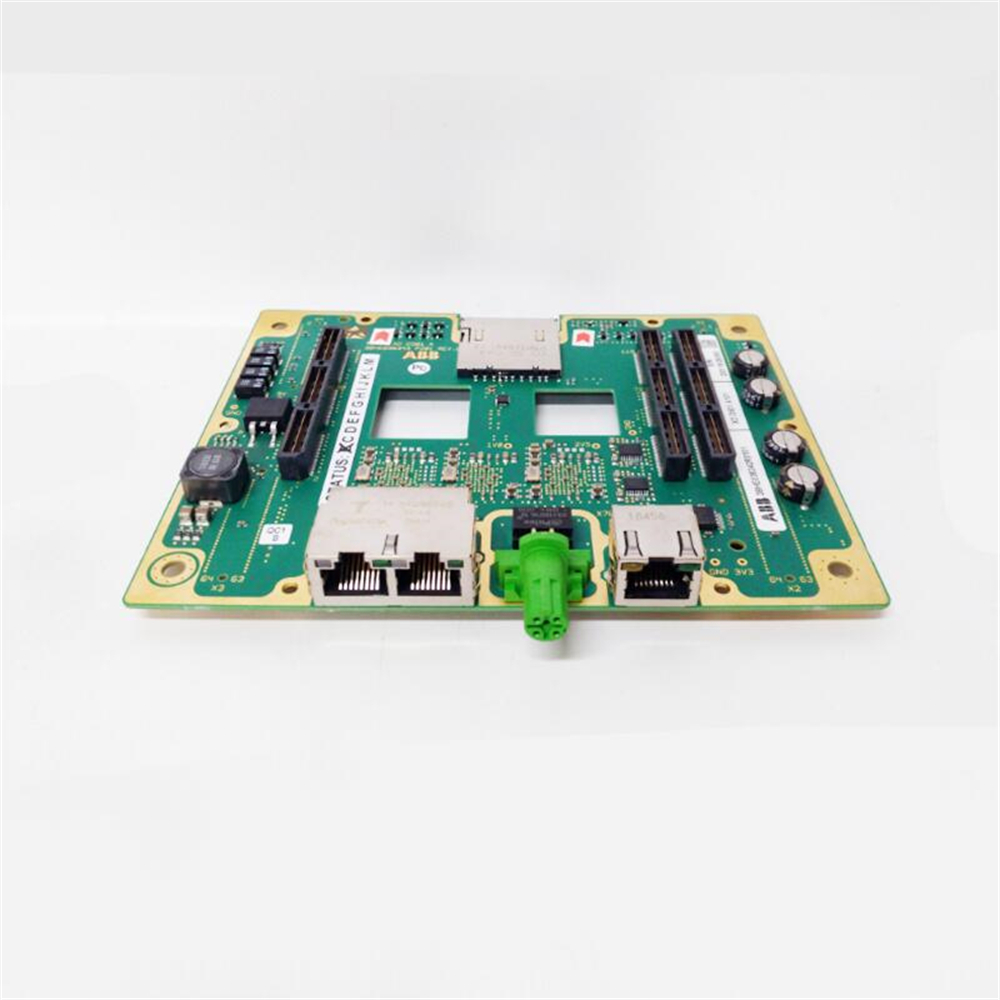
ALSTOM DFI-150-0003- Limelight Diagnostic Board

Product overview

ALSTOM DFI-150-0003 Limelight Diagnostic Board is a high-performance flame detector circuit board designed specifically for industrial environments. Its core task is to accurately detect flames during welding, cutting, and various combustion processes, and to undertake the responsibility of safety monitoring. With advanced technology and reliable performance, it has become a key component in ensuring stable equipment operation and improving production efficiency in many industrial production processes.

Brand background

ALSTOM, as a leading global supplier of energy and transportation solutions, has an outstanding reputation in the industry. Over the years, with profound technological accumulation and a spirit of continuous innovation, ALSTOM’s products have widely penetrated into multiple important fields such as power, railway, and industry. Its strict control over quality and precise insight into customer needs make every product synonymous with reliability and advancement. The DFI-150-0003 Limelight diagnostic board is a typical representative of this brand philosophy.

Specification parameters

Electrical parameters

Rated voltage: 220V, suitable for common industrial power supply standards.

Rated current: 15A, meeting the current requirements for stable operation of the equipment.

Frequency: 50/60Hz, compatible with power frequencies in different regions.

Input voltage range: Supports DC working voltage and has certain voltage adaptability.

Isolation voltage: up to 2500Vrms, effectively ensuring circuit safety and preventing electrical faults from interfering.

Overvoltage protection: ± 30V, capable of handling instantaneous voltage fluctuations and protecting internal circuit components.

Static current: ≤ 5mA, with extremely low energy consumption in standby and other static states.

Dynamic current: ≤ 25mA, stable current during operation to ensure efficient operation of the equipment.

Physical and environmental parameters

Protection level: Available in IP66 or IP20 ratings. IP66 rating can achieve dust, water, and strong water spray prevention, suitable for extremely harsh industrial environments; The IP20 rating provides basic dust protection and is suitable for places with relatively good environments.

Working temperature range: -20 ℃ to+70 ℃, can work stably in cold or high temperature industrial scenarios.

Size: Typically 172mm x 95mm x 142mm, the compact design makes it easy to install inside various devices.

Interface and signal parameters

Output signal type: equipped with multiple switch output and analog output interfaces, convenient for connecting with different types of control systems. Simultaneously supporting RS485 communication ports to achieve efficient data transmission and communication.

Interface type: Provides digital or analog interfaces, which can be flexibly customized according to actual application needs to meet diverse device connection requirements.

Signal type: Supports infrared, ultraviolet, ion current, visible light, and multi band flame signal input, greatly improving the accuracy and comprehensiveness of flame detection.

Response time: less than 1 second, able to quickly capture changes in flame state and provide timely feedback information.

Core functions

Flame detection: Utilizing advanced sensor technology to accurately identify multiple flame signals. Both weak welding flames and high-temperature combustion flames can be quickly and accurately detected, providing reliable basis for subsequent control and decision-making.

Fault diagnosis: Built in powerful self diagnostic program, constantly monitoring its own working status. Once internal circuit faults or signal abnormalities are detected, clear alarm signals should be immediately issued to help maintenance personnel quickly locate the fault point and shorten equipment downtime.

Process control: Real time feedback of detected flame status information to the control system in the form of digital or analog signals. The control system adjusts the operating parameters of the equipment accordingly, such as adjusting the fuel supply of the burner, controlling the power of the cutting equipment, etc., in order to achieve precise control of the industrial production process, improve product quality and production efficiency.

Digital display: Equipped with an intuitive digital display screen, it presents real-time key parameters of the flame, such as flame intensity, combustion stability, etc. Operators do not need complex instrument detection, and can quickly understand the flame status through the display screen, which facilitates equipment debugging, maintenance, and daily monitoring.

​Working principle

The DFI-150-0003 Limelight diagnostic board receives signals such as infrared, ultraviolet, ion current, and visible light generated by flames through specific sensors. After being preliminarily amplified by a preamplifier, these signals are transmitted to the signal processing circuit. The signal processing circuit uses complex algorithms to analyze, filter, and extract features from signals, in order to distinguish between real flame signals and environmental interference signals. Once the flame signal is confirmed to be valid, the diagnostic board will generate corresponding control signals and status information based on preset rules and algorithms. On the one hand, this information is transmitted to the external control system through the output interface for device operation control; On the other hand, it is visually presented on a digital display screen, making it convenient for operators to monitor in real-time. At the same time, the self diagnostic module will continuously check the hardware and software operation status of the diagnostic board itself to ensure the reliability of the entire system.

Key advantages

High sensitivity and anti-interference: Advanced signal processing technology and high-sensitivity sensors are used to accurately detect extremely weak flame signals. At the same time, through multiple filtering and anti-interference algorithms, the impact of environmental noise, electromagnetic interference and other factors on the detection results is effectively reduced, greatly reducing the false alarm rate and ensuring the accuracy and reliability of the detection results.

Quick response and alarm: When detecting flame abnormalities or equipment failures, it can respond in a very short time (less than 1 second) and quickly emit clear and loud alarm signals. This feature has won valuable time for timely handling of potential hazards and avoiding accidents, effectively ensuring the safety of industrial production.

Industrial grade design: From hardware material selection to software algorithms, strict industrial standards are followed for design. The high protection level shell, wide temperature range adaptability, and stable and reliable circuit design enable it to operate stably for a long time in harsh industrial environments such as high temperature, humidity, dust, and strong electromagnetic interference, with excellent durability and reliability.

Self diagnostic function: The powerful self diagnostic function can monitor the working status of the diagnostic board in real time, including the integrity of hardware circuits, the operation of software programs, etc. Once abnormalities are detected, maintenance personnel are immediately notified through the alarm system, greatly improving the convenience and efficiency of equipment maintenance and reducing equipment failure rates.

Digital reading function: The intuitive digital display screen presents the flame state and equipment operating parameters in a clear and easy to understand manner, allowing operators to quickly read information without complex training. This not only facilitates the daily operation and maintenance of the equipment, but also improves work efficiency and reduces operational errors caused by human error.

Precautions

Installation environment: It should be installed in a dry, well ventilated environment without strong electromagnetic interference. Avoid installing in high temperature, humid or dusty places to prevent affecting equipment performance and service life. If used in an environment with explosion-proof requirements, it is necessary to ensure that the equipment installation complies with the corresponding explosion-proof standards.

Electrical connection: When making electrical connections, it is necessary to strictly follow the requirements of the product manual. Ensure that the wiring is secure and avoid loose connections that may cause poor contact or short circuit faults. At the same time, attention should be paid to the matching of input and output voltage and current to prevent equipment damage due to mismatched electrical parameters.

Regular maintenance: It is recommended to regularly inspect and maintain the equipment, including cleaning the casing, checking for loose wiring, and testing the sensitivity of sensors. Regular maintenance helps to promptly identify potential issues and ensure that the equipment is always in optimal working condition.

Software upgrade: Follow the official software upgrade information released by ALSTOM and update the device’s software in a timely manner. Software upgrades typically fix known vulnerabilities, optimize performance, and enhance device stability and functionality.

Troubleshooting: When the device malfunctions and alarms, do not blindly disassemble or forcefully restart it. You should first refer to the fault diagnosis guide in the product manual to investigate the possible causes of the fault. If you are unable to resolve the issue on your own, please contact ALSTOM’s professional technical support personnel or authorized repair agencies in a timely manner.

NEW ALSTOM DFI-150-0003 CIRCUIT BOARD DFI1500003 - SB Industrial Supply ...

ABB GCC960C102 motor driver

Product Overview

ABB’s GCC960C102 motor driver is a high-performance drive device widely used in the industrial field, designed to provide precise and stable drive control for various types of motors. It can adapt to various types of motors, including AC asynchronous motors, synchronous motors, etc., and can meet the diverse needs of motor drive in different industrial scenarios. In industrial automation production lines, GCC960C102 can drive conveyor belt motors to ensure stable material transportation; In equipment such as fans and pumps, efficient driving of motors can also be achieved to optimize equipment operating efficiency.

Specification parameters

(1) Electrical parameters

Input voltage range: GCC960C102 can adapt to a wide range of input voltages and can operate stably between 380VAC and 690VAC. This wide voltage adaptability enables it to be used in industrial settings with different power environments, ensuring reliable operation in both modern factories with stable power supply and traditional industrial areas with certain voltage fluctuations.

Output current capability: Its maximum output current can reach [I1] A, which can meet the driving requirements of motors of various power levels. From small motors to medium and even some large motors, GCC960C102 can provide sufficient driving current to ensure the normal operation of the motor.

Frequency adjustment range: The output frequency adjustment range is 0Hz-600Hz. In practical applications, the output frequency can be flexibly adjusted according to the working requirements of the equipment driven by the motor, achieving a wide range of motor speed adjustment. For example, in some equipment that requires low-speed and high-precision operation of the motor, the output frequency can be precisely adjusted to a lower value; In devices that require high rotational speed, the frequency can be increased to a higher level.

Power factor: This driver has a high power factor, usually above 0.95. High power factor means that during the operation of the motor, the driver can more effectively utilize the power grid, reduce reactive power loss, lower the electricity cost of the enterprise, and also help improve the power supply quality of the grid.

(2) Mechanical parameters

Size: As mentioned earlier, its external dimensions are designed to be compact, measuring [L1] mm in length, [L2] mm in width, and [L3] mm in height. This size makes it easy to install inside equipment with limited space such as control cabinets and distribution boxes, effectively saving installation space for industrial equipment and optimizing system layout.

Weight: Approximately [W1] kg, which ensures the stability of the equipment and does not impose excessive burden on installation and handling. During the installation and maintenance of the equipment, staff can easily operate it, improving work efficiency.

Protection level: The protection level reaches IP [P1], which can effectively prevent dust from entering the interior of the drive, and also has the ability to protect against a certain degree of water splashing. This enables GCC960C102 to operate normally in complex industrial environments such as dusty and humid environments, such as textile workshops and food processing plants, greatly improving the product’s environmental adaptability and reliability.

(3) Communication parameters

Communication protocol support: Supports multiple common industrial communication protocols, such as Modbus RTU and Modbus TCP protocols. Through these communication protocols, GCC960C102 can communicate and connect with different brands and models of programmable logic controllers (PLCs), smart meters, upper computers, and other devices to achieve data exchange and collaborative control. In a typical industrial automation system, the driver can receive control instructions sent by the PLC through the Modbus protocol, such as commands for starting, stopping, and speed adjustment of the motor. At the same time, the operating status data of the motor, such as current, speed, fault information, etc., is fed back to the PLC, so that the operator can grasp the real-time operation of the equipment.

Interface type: Equipped with RS-485 interface and Ethernet interface. The RS-485 interface has strong anti-interference ability and a long transmission distance. In the complex electromagnetic environment of industrial sites, it can stably transmit data and can connect up to multiple node devices, achieving distributed control. The Ethernet interface provides high-speed data transmission capability, which can meet the communication needs of large data volumes and high real-time requirements. For example, in smart factories, a large amount of equipment status data needs to be quickly uploaded to the management system, and control instructions need to be issued to the drivers in a timely manner. Ethernet interfaces can meet these requirements well, ensuring the efficient operation of the system.

Bộ điều khiển servo ABB - ABB servo drivers | ENGITECH

Core functions

Precise control of motor: Through advanced control algorithms and hardware circuits, GCC960C102 can achieve precise control of motor speed, torque, and steering. In terms of speed control, the speed accuracy can reach ± 0.1%, which can meet the extremely high requirements for speed accuracy in industrial applications, such as motor drive in precision machining equipment. In terms of torque control, the output torque can be adjusted in real time according to changes in motor load, and the torque control accuracy can reach ± 1%, ensuring that the motor can operate stably under different working conditions. At the same time, quick switching of motor direction can be achieved through simple control instructions to meet the requirements of different working modes of the equipment.

Rich protection functions: To ensure the safe operation of the motor and driver, GCC960C102 has multiple protection functions. The overcurrent protection function can quickly cut off the output current when the motor is overloaded or short circuited, preventing the motor and driver from being damaged due to excessive current. The overvoltage protection function can automatically take protective measures when the input voltage is too high, avoiding internal electronic components from burning out due to excessive voltage. The undervoltage protection function can stop the driver from working when the voltage is too low, preventing the motor from malfunctioning due to insufficient voltage, and also protecting the hardware of the driver. In addition, it also has an overheat protection function. When the internal temperature of the driver is too high, it will automatically reduce the output power or stop working to prevent component overheating and damage, and automatically resume operation after the temperature returns to normal.

Data monitoring and feedback: Equipped with powerful data monitoring functions, it can collect real-time operational data of motors, such as current, voltage, speed, temperature, etc. On the one hand, these data can be uploaded in real-time to the control system through a communication interface, providing operators with equipment operation status information and facilitating timely understanding of equipment working conditions; On the other hand, closed-loop feedback is used for motor control. For example, when the actual speed of the motor deviates from the preset speed, the driver automatically adjusts the output voltage or frequency based on the collected speed data to quickly restore the motor speed to the set value, ensuring the stability and accuracy of the motor operation. Through long-term monitoring and analysis of motor operation data, preventive maintenance of equipment can also be achieved, potential fault hazards can be detected in advance, equipment failure rates can be reduced, and production efficiency can be improved.

Flexible parameter settings: Users can flexibly set various parameters based on actual application needs through the driver’s operation panel or upper computer software. Basic parameters such as rated power, rated voltage, and rated current of the motor can be set, and advanced parameters such as control mode, acceleration and deceleration time, and torque compensation can also be adjusted. This flexible parameter setting function enables GCC960C102 to adapt to different types of motors and complex industrial application scenarios, meeting the diverse control needs of users. For example, in fan applications, appropriate acceleration and deceleration time and torque compensation parameters can be set according to the characteristic curve of the fan to achieve efficient and smooth operation of the fan; In the application of water pumps, the control mode can be adjusted according to the working requirements of the water pump to optimize its operational performance.

Key advantages

High reliability: ABB, as a globally renowned electrical equipment manufacturer, always adheres to strict quality standards in product development and production processes. The GCC960C102 motor driver uses high-quality electronic components and advanced manufacturing processes, and has undergone extensive simulation testing and practical verification to ensure stable and reliable operation in complex industrial environments. In harsh environments such as high temperature, high humidity, and strong electromagnetic interference, this drive can maintain normal operation with an extremely low failure rate, effectively reducing equipment downtime, ensuring production continuity, and reducing maintenance costs for the enterprise.

Excellent control performance: With advanced vector control algorithms and high-performance hardware platform, GCC960C102 achieves precise control of the motor. Its high precision in speed and torque control, fast dynamic response speed, can meet the strict requirements of various complex industrial applications for motor control. In fields such as precision machining and automated production lines, the excellent control performance of this driver can effectively improve product quality and production efficiency. For example, in electronic device manufacturing production lines, drivers can precisely control the movement of motors, ensuring accurate placement and welding of electronic components, and improving product yield.

Good compatibility: Supports multiple communication protocols and interface types, and can seamlessly integrate with devices of different brands and models. Whether it is ABB’s own automation products or other brands of PLC, sensors, actuators and other equipment, communication and collaborative work can be easily achieved. This good compatibility makes GCC960C102 have a wide range of application prospects in industrial automation systems. Whether it is the renovation and upgrading of old equipment or the construction of new automated production lines, it can be easily integrated into them, improving the flexibility and convenience of system integration.

Efficient and energy-saving: By optimizing the motor control strategy, GCC960C102 can dynamically adjust the output power according to the actual load situation of the motor, achieving energy-saving operation. Compared with traditional motor drive methods, using this driver can reduce motor energy consumption by 10% -30%. In the long-term operation process, it can save a lot of electricity costs for enterprises, which is in line with the concept of green industrial development. For example, in industrial fan and water pump applications, real-time adjustment of motor speed based on actual operating conditions avoids energy waste during constant speed operation of the motor, achieving significant energy-saving effects.

ABB机器人配件|3HAC036260-001|驱动_驱动模块_控制柜内部件_机器人配件_供应_惟思智能网

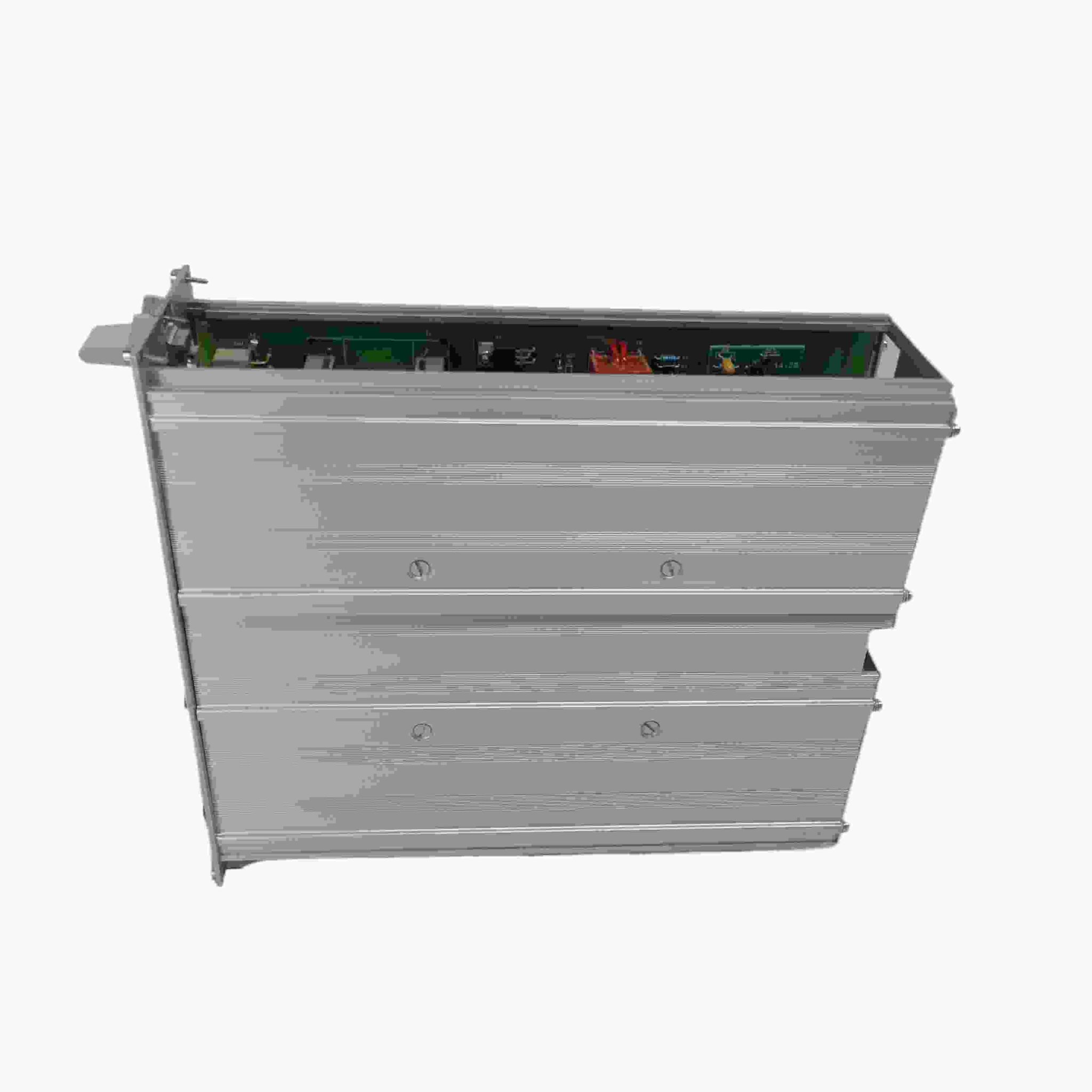
ABB INDUSTRIALDRIVES UCU-22 control units

Product Overview

The UCU-22, UCU-23, and UCU-24 control units launched by ABB Industrial Drives are the core components in the field of industrial transmission control. These control units are mainly used to precisely regulate the operating status of various motors. On industrial automation production lines, they can accurately control the speed, direction, and torque output of motors based on preset programs and real-time feedback signals, thereby ensuring the stable and efficient operation of production equipment. From the perspective of appearance design, they adopt a compact structure. 

Precautions

Installation environment requirements: It should be installed in a dry, well ventilated environment without severe vibration and electromagnetic interference. High temperature environment (over 50 ° C) may cause overheating of electronic components inside the control unit, affecting its performance and service life; High humidity environment (humidity greater than 85%) may cause electrical short circuit faults; Severe vibrations may cause internal components to loosen, resulting in poor contact and other issues; Strong electromagnetic interference may interfere with the transmission of control signals, leading to abnormal control. Therefore, it is necessary to choose a suitable installation location during installation, such as being away from strong electromagnetic interference sources such as large motors and transformers. If necessary, shielding measures can be taken.

Electrical connection specifications: When making electrical connections, it is necessary to strictly follow the product manual to ensure that the wiring is firm and correct. Incorrect wiring can lead to serious electrical faults such as short circuits and open circuits, damaging control units and motor equipment. At the same time, attention should be paid to the input and output voltage and current parameters of the control unit, and appropriate power sources and loads should be connected. It is strictly prohibited to operate beyond its rated parameters to prevent equipment damage from overvoltage and overcurrent.

Communication parameter settings: When communicating with other devices, it is necessary to correctly set communication protocol, baud rate, data bits, parity bits, and other parameters. The communication parameters between different devices should be matched with each other, otherwise it may cause communication failures and prevent data exchange and collaborative control. During the system debugging phase, it is necessary to carefully check the communication parameter settings to ensure stable and smooth communication.

Maintenance points: Regularly inspect and maintain the control unit, including checking whether the wiring is loose, whether there is dust accumulation on the module surface, and whether the cooling fan is running normally. Loose wiring may lead to increased contact resistance, affecting the stability of equipment operation; Excessive accumulation of dust may affect heat dissipation and cause equipment overheating; A faulty cooling fan may cause the control unit to overheat and damage internal components. If any abnormal situation is found, it should be dealt with in a timely manner, such as tightening the wiring, cleaning dust, replacing faulty fans, etc., to ensure the continuous and stable operation of the control unit.

Similar model supplement

ABB UCU-30 series: Compared with UCU-22, UCU-23, and UCU-24, the UCU-30 series has further expanded its functionality. It has added more communication interface options, in addition to the common RS-485 and Ethernet interfaces, it also supports CANopen protocol interfaces, which can meet some industrial application scenarios with special requirements for communication protocols. In terms of motor control performance, the UCU-30 series has higher control accuracy, with speed control accuracy up to ± 0.05% and torque control accuracy up to ± 0.5%. It is suitable for high-end manufacturing industries that have extremely strict requirements for motor control accuracy, such as semiconductor manufacturing equipment, precision medical equipment production equipment, etc.

ABB UCU-15 series: This series is positioned as an entry-level product and is relatively simplified in terms of functionality and performance compared to UCU-22 and others. It is mainly suitable for small industrial enterprises or simple automation equipment with low control function requirements and limited budget. The UCU-15 series only supports Modbus RTU communication protocol. In terms of motor control, the speed adjustment range is relatively narrow, from 0-2000 revolutions per minute, and the control accuracy is slightly lower, with a speed control accuracy of ± 0.5% and a torque control accuracy of ± 3%. But it has cost advantages, relatively low prices, and can meet the basic automation control needs of small businesses.

Operation principle and hardware

Hardware description

The control unit is an interface for external converter control signals, and it controls converter modules via fiber optic links. The control unit contains a control board and connector boards. The control unit contains integrated branching unit functionality for collecting and storing real-time data from the converter modules to help fault tracing and analysis. The data is stored on a memory card which can be analyzed by

ABBservice personnel.

The control unit requires an external 24 V DC power source. It has three option slots for I/O extensions, encoders and fieldbus adapters and functional safety modules,and aremovable memoryunit. If it is necessary to replace the control unit, you can keep the parameter settings by moving the memory unit from the defective control unit tothenewone.ThecontrolunithasoneoptionslotforconnectingaRDCODDCS communication option module. The control unit also has a connection for a control panel.

Thedrive-to-drive link (XD2D) is a daisy-chained RS-485 transmission line that allows basic master/follower communication with one master and multiple followers. The X485 connection provides a connection for the optional CIO-01 I/O module.

The control unit has two Ethernet ports for control network and two Ethernet ports fortool/gatewaynetwork.Environmentalsensorsonthecontrolunitmeasurehumidity and temperature

Mechanical installation

Examining the delivery

Makesurethat these items are included:

• controlunitwiththeI/Oconnector plugs

• memoryunit(UMU-01)

• microSDHCflashmemorycard(insertedinitsslot inside the memory unit)

• optionslotadapters(USCA-02)

• real-timeclock battery (BR2032).

Makesurethat there are no signs of damagetotheitems.

■ Identifying different control unit types

Before you install the control unit, make sure that it has the correct control program.

The control program is shown on the label attached to the memory unit.

Makesurethat the control unit is correct for your equipment configuration.

Additional information on the connections

■ Powersupplyforthecontrol unit (XPOW)

Refer to the control unit connector data for the current and voltage ratings of the power supply.

Connect an additional external power supply to the free +24 V and GND terminals of the XPOWterminal block if:

• thecontrolunitmustbekeptoperationalduringinputpowerbreaks,forexample,because of continuous fieldbus communication

• immediaterestartisnecessary after a power break (that is, no control unit power-up delay is permitted).

■ Digital interlock (DIIL)

Digital interlock input (DIIL) terminal is originally intended for interlock signals that stop the drive/unit when necessary. In the ACS880 primary control program, DIIL terminal is the source for the run enable signal by default. The inverter unit or drive cannot start, or it stops when there is no DIIL signal. In other control programs (and units), the default use of the DIIL terminal varies. Refer to firmware manual for more information.

Note: This input is not SIL or PL classified.

■ Control panel connection (XPAN)

The XPANconnectorcanbeusedtoconnectanassistant control panel or FDPI-02 diagnostics andpanelinterfaceunittothecontrolunit.WithFDPI-02,itispossibleto connectonecontrolpaneltotwoormorecontrolunitsinachaintopology,alsoknown asapanelbus.Formoreinformation,refertoFDPI-02diagnosticsandpanelinterface user’s manual (3AUA0000113618 [English]).

The XPANTERMswitchsetsthetermination for the panel bus. Must be set to ONif thereisnopanelbus,orifthecontrolunitisthelastoneinapanelbus.Onintermediate units in a panel bus, set termination to OFF (1).

■ TheXD2Dconnector

The XD2DconnectorhasanRS-485connection that can be usedfor

• basicmaster/follower communication with one master drive/unit and multiple followers

• fieldbuscontrol through the embeddedfieldbus interface (EFB)

• drive-to-drive (D2D) communication implemented by application programming.

Refer to the firmware manual for the availability of these features and related parameter settings.

Terminate the bus on the units at the ends of the drive-to-drive link. Disable bus termination on the intermediate units.

Useashieldedtwisted-paircablefordata,andanotherpairorawireforsignalground(nominalimpedance100 165ohm,forexampleBelden9842).Forthebestimmunity use high quality cable. Keep the cable as short as possible. Avoid unnecessary loops and parallel runs near power cables such as motor cables.

ABB XDD501A101 Bus Terminal Module

Product Overview

ABB XDD501A101 bus terminal module, product number XDD501A101, corresponding to 3BHE036342R0101, originated in Sweden, is a key component for equipment connection and signal transmission in the field of industrial automation. Its design is compact, although there is currently no official exact size, it can be inferred from similar products that it can adapt to the limited space of various control cabinets and distribution boxes, which is conducive to system integration layout. Weighing approximately 2kg, it balances the stability of internal components with stable performance, making it easy to handle, install, and maintain.

Brand background

ABB Group is a globally renowned leader in the fields of power and automation technology, with operations in over 100 countries and 132000 employees. In 1988, it was formed by the merger of ASEA from Sweden and BBC from Switzerland, with its headquarters located in Zurich, Switzerland. ABB has a deep foundation in the field of electrical equipment manufacturing, having developed numerous major technologies such as the world’s first three-phase transmission system, high-voltage direct current transmission technology, and the first electric industrial robot, and being the first to achieve commercial applications. Occupying a dominant position in the field of high-voltage direct current transmission systems, it is one of the four giants of global industrial robots. Its sales volume, installation volume, and transportation volume of power grid equipment rank first in the world. In the process automation market of the process industry, it has long held the top spot with its powerful DCS control system.

Specification parameters

Working voltage: It usually supports a wide voltage range, such as 24VDC to 48VDC, which can adapt to power configurations in different industrial scenarios and ensure stable operation in various power environments.

Weight: Approximately 2kg, convenient for staff to carry out transportation operations during installation, commissioning, and maintenance.

Communication Protocol: It is highly likely to support common industrial communication protocols such as Modbus to achieve efficient communication connections with PLCs, smart meters, upper computers, and other devices of different brands and models, and to build a massive industrial control network.

Interface type: Equipped with standard electrical interfaces, such as RS-485 interface, utilizing its excellent anti-interference ability and long transmission distance to stably transmit data in complex electromagnetic environments of industrial sites, and can connect up to multiple node devices; It may also have Ethernet interfaces to achieve high-speed data transmission, meeting communication scenarios with high data volume and real-time requirements.

Core functions

Signal transmission: Efficiently and accurately transmit analog signals (such as continuously changing voltage signals from temperature sensors and current signals from pressure sensors) and digital signals (such as on/off status signals of switches and start/stop signals of motors) generated by on-site equipment to the control system. At the same time, the control instructions of the control system are transmitted in reverse to on-site executing devices (such as motors and valves) to ensure bidirectional data exchange and coordinated operation of the entire industrial automation system. For example, on an automated production line, sensors transmit information such as product location and quantity to the PLC control system through this module. After processing, the PLC sends control signals to the motor through this module to adjust the running speed and start stop of the conveyor belt.

Device Connection: As a bridge connecting on-site devices and control systems, it can connect various types of sensors, actuators, and other devices to achieve interconnectivity between different devices, integrating various dispersed devices into an organic automation control system. In smart buildings, sensors and controllers of lighting systems, air conditioning systems, security systems, and other equipment can be connected and centrally managed and intelligently regulated through a central control system.

Working principle

When the on-site equipment generates a signal, whether it is analog or digital, the XDD501A101 bus terminal module will first collect the signal. For analog signals, they may be converted into digital signals through internal analog-to-digital conversion circuits for subsequent processing and transmission. Next, the module packages the processed signals into specific format data packets based on the supported communication protocol (such as Modbus), and sends them to the control system through the corresponding interface (such as RS-485 or Ethernet interface). When the control system issues a control command, the module receives the command data packet, parses the control information, and converts it into a signal form suitable for on-site execution equipment (such as analog output signal controlling valve opening, digital output signal controlling motor start stop), thereby driving the execution equipment to complete the entire control process.

Key advantages

High reliability: Using high-quality electronic components and advanced manufacturing processes, it has good electrical insulation performance and anti-interference ability. It can operate stably in complex industrial environments (such as strong electromagnetic interference, high humidity, and high dust), reduce equipment failure rates, and ensure the reliable operation of the system.

Flexible compatibility: Supports multiple communication protocols and interface types, seamlessly connects and communicates with devices of different brands and models, adapts to diverse industrial automation system architectures, greatly improving the flexibility and convenience of system integration.

Compact design: With its compact size and light weight, it is not only easy to install in equipment such as control cabinets with limited space, but also reduces transportation and installation costs, improving system deployment efficiency.

Powerful signal processing capability: capable of quickly and accurately collecting and transmitting various signals, meeting the real-time and accuracy requirements of industrial automation systems, ensuring the timeliness and accuracy of system control.

Precautions

Installation environment: It should be installed in a dry, well ventilated environment without severe vibration and electromagnetic interference, avoiding installation in high temperature, high humidity or dusty places to ensure the normal operation and service life of the module.

Electrical connection: When making electrical connections, it is important to ensure that the wiring is firm and correct to avoid short circuits, open circuits, and other situations. At the same time, it is necessary to strictly connect the appropriate power supply and load according to the electrical parameter requirements of the module to prevent overvoltage and overcurrent damage to the module.

Communication settings: When communicating with other devices, it is necessary to correctly set communication protocol, baud rate, data bits, parity bits, and other parameters to ensure stable and smooth communication. The communication parameters between different devices should match each other, otherwise it may cause communication failures.

Maintenance: Regularly inspect and maintain the module, such as checking for loose wiring and dust accumulation on the module surface. If any abnormal situation is found, it should be dealt with in a timely manner to ensure the continuous and stable operation of the module.

Similar model supplement

ABB XDD502A101: Similar in functionality to XDD501A101, but with an increased number of ports, it may be suitable for complex system scenarios that require connecting more devices, further improving system integration.

ABB XDD501B101: Optimized in terms of communication performance, supporting higher communication rates and better adaptability for industrial automation applications that require extremely high data transmission speeds, such as data acquisition and control for high-speed production lines.

ABB XDD501A101 3BHE036342R0101 Module Reasonable price - SAUL ELECTRIC

ABB S800 I/O DTM 5.3 module

Basic Product Information

Product positioning: S800 I/O DTM 5.3 is a device type manager software component launched by ABB for S800 I/O modules, which complies with the FDT 1.2 specification and can be used in conjunction with framework applications that comply with this specification.

Support modules: covering various S800 I/O modules, including communication interface modules (such as CI801, CI840), analog input/output modules (such as AI801, AO801), digital input/output modules (such as DI801, DO801), and pulse counter modules (such as DP820, DP840).

Version and Release Information: The document version is 3BSE027630-510 A, released in February 2013, suitable for S800 I/O DTM 5.3 version, supporting 64 bit operating systems and 800xA 5.1 Feature Pack 3 scenarios.

Function characteristics

Core functions

Equipment configuration and diagnosis: Provide a graphical configuration interface for various types of S800 I/O modules, which can set parameters such as signal range, filtering time, redundancy mode, etc; Equipped with comprehensive diagnostic functions, it can display module status, channel errors, and diagnostic information related to HART devices.

Data collection and processing: It can collect analog and digital data in real time, process, display, and store them, and support dynamic data viewing and monitoring.

Communication and Interface: Supports multiple communication protocols (such as Modbus) and interfaces (Ethernet, serial port, CAN bus, etc.) to achieve data exchange with other devices and systems; Some modules support the HART protocol and can communicate with HART instruments.

Redundancy and security mechanism: Some modules support redundant configuration (such as CI840, AI845, etc.) to improve system reliability; Equipped with fault diagnosis and monitoring functions, it can monitor equipment status in real-time and issue alarms.

Featured Features

HART tool routing: supports HART DTM connection, enables configuration and monitoring of HART instruments, and can perform HART parameter settings, device scanning, and other operations.

Event Sequence (SOE): Some digital input modules (such as DI825, DI830, etc.) support SOE functionality and can record timestamps of digital input signals for fault analysis and event tracing.

Dynamic data monitoring: Provides real-time display of dynamic data from various modules, such as analog values, digital status, pulse counting, etc., supporting periodic reading and single update.

Installation and system requirements

System prerequisites

Operating system: Supports Windows Server 2008 (32/64 bit), Windows 7 (32/64 bit), etc.

Software dependencies: ABB FDT Shared Components 13.0.0.0 and ABB FDT Base Container 13.0.0.0 need to be installed. Remote I/O requires PROFIBUS master DTM, and HART functionality requires HART DTM (such as Basic HART DTM).

Installation process

Insert the installation CD, run Setup. exe, and follow the wizard to select the installation components.

You can choose to install locally or copy to the server, and support generating installation logs.

Maintenance and uninstallation: Maintenance operations can be performed through the control panel, including changing components, repairing programs, or uninstalling; During uninstallation, it is necessary to confirm and wait for the process to complete.

​Operation and Handling

User Interface and Roles

Interface composition: including title bar, toolbar, application area, status bar, etc. Different applications (such as diagnosis, configuration, observation, etc.) have corresponding interface layouts.

User roles: divided into operators, maintenance personnel, planning engineers, etc., different roles have different access permissions to various application functions (such as read/write permissions).

Main application functions

About DTM: Display DTM version, release information, etc.

Identification: Display module hardware information, such as type, manufacturer, location, version, etc.

Diagnosis: Display module and channel diagnostic status, including error types, warning messages, etc.

Observe: Real time monitoring module for dynamic data, such as analog values and digital status, supporting periodic refreshing.

Configuration: Set module parameters such as signal range, filtering time, redundancy mode, OSP value, etc.

Parameterization: Set HART parameters for the HART module, such as retry count, scan status, etc.

Service: Execute special function commands, such as resetting modules, reading diagnostic history, switching redundant modules, etc.

Dynamic data: Each module defines pre dynamic data connections, such as station warnings and redundant power failure signals for CI801, analog values and channel states for AI801, digital values for DI801, etc. The data types include bytes, integers, Boolean values, etc.

Application area 

Industrial automation: suitable for production line automation control, data acquisition and processing, equipment status monitoring and maintenance, etc. It can control equipment such as motors, valves, sensors, etc.

Railway transportation: used for train tracking and signal management, safety mechanism control, onboard system diagnosis and communication, etc., such as implementing PROFIBUS communication through CI801/CI840 modules.

Energy management: Monitoring and controlling equipment and systems involved in energy production, transmission, and distribution processes in industries such as electricity, oil, and natural gas.

Intelligent building: Centralize control and management of mechanical and electrical equipment (such as elevators, air conditioning, lighting systems) within the building to achieve intelligent operation and energy conservation.

Precautions and limitations

Compatibility: S800 I/O DTM 1.0/0 and higher versions do not support FDT 0.98 specification framework applications; Some module functionalities (such as SOE) are only supported in specific framework applications (such as AC870P/Composer).

Security and Permissions: Operations involve security measures (such as user access, password security, etc.), and users are required to conduct risk assessments and be responsible for the correct configuration, installation, and maintenance of related equipment and software.

HART function limitation: When the HART instrument is connected to modules such as AI895/AO895 during operation, it needs to manually perform “Perform master reset” to be detected; When the HART communication main module fails, manual switching is required.

S800 I/O - Comprehensive range of high performance I/Os for automation ...

ALSTOM N897164611M High Performance Control Module

​Functional characteristics

data acquisition and processing

This module has excellent data collection capabilities and can quickly and accurately receive data from various sensors and other external devices. Both analog data such as temperature, pressure, and flow rate, as well as digital data such as position and switch status, can be efficiently collected. Moreover, it integrates high-performance processors internally, which can perform real-time analysis, calculation, and processing of collected data, providing accurate basis for subsequent control decisions. For example, on industrial production lines, real-time collection of equipment operating parameters can be used to determine whether the equipment is operating normally after processing.

Control signal output

It can generate and output diverse control signals for precise control and regulation of various actuators and systems in trains, vehicles, and industrial equipment, such as motors, valves, cylinders, etc. Through precise signal output, precise control of equipment motion speed, position, torque and other parameters is achieved to ensure stable operation of the equipment according to preset process requirements. In the automated production process, it is possible to accurately control the motor speed to adjust the material conveying speed or control the valve opening to adjust the liquid flow rate according to the production process requirements.

Rich communication interfaces

Equipped with various types of communication interfaces, such as Ethernet interface, serial port (RS-232/RS-485), CAN bus interface, etc. These interfaces enable the module to conveniently interact and communicate with other devices and systems, building a large and efficient industrial control network. With the help of Ethernet interfaces, high-speed data transmission can be quickly achieved with devices such as upper computers and PLCs, enabling remote monitoring and control; Through the CAN bus interface, stable communication and collaborative work can be achieved with other node devices on the bus.

Programmable and flexible configuration

With the characteristics of programmability and flexible configuration, users can set parameters, define functions, and write control logic for modules through professional programming software according to specific application scenarios and needs. Both simple sequential control and complex logical operations and closed-loop control can be easily implemented. This flexibility enables the module to be widely applied in projects with different industries and process requirements, greatly improving its versatility and applicability.

Fault diagnosis and monitoring

Built in comprehensive fault diagnosis and monitoring functions, capable of real-time monitoring of its own working status and the operation of connected devices. Once an abnormality is detected, such as communication failure, data error, equipment overload, etc., an alarm can be quickly issued and the fault information can be fed back to the upper computer or operator through the communication interface. At the same time, the module will automatically record detailed information such as the time and type of the fault occurrence, which facilitates subsequent troubleshooting and analysis, effectively ensuring the reliability and safety of the system, and reducing equipment downtime and maintenance costs.

Performance parameters

Electrical parameters

Input voltage: The working voltage range is relatively wide, usually between 24V and 110V, which can adapt to the application needs of different power environments. Whether it is low-voltage small equipment or high-voltage large industrial systems, they can be stably connected and work.

Output voltage: It can provide a stable 5VDC output voltage to provide reliable power supply for connected load devices, ensuring that the equipment operates normally at a stable voltage.

Input current: The maximum input current can reach 2A, which can meet the access requirements of some sensors or external devices with high current requirements, ensuring the stability of data acquisition and communication.

Processor speed: The equipped processor runs at a speed of up to 26MHz and has powerful data processing capabilities. It can quickly respond to various control instructions, efficiently process collected data, and achieve real-time and precise control of the device.

Memory capacity: Equipped with 128-256MB DDR memory, it provides sufficient space for data storage, program execution, and intermediate data processing, ensuring that the module can run smoothly under complex work tasks without experiencing lag or data loss due to insufficient memory.

communication parameters

Communication protocol support: Supports multiple common and widely used communication protocols, such as Modbus TCP/IP, Modbus RTU, DNP3, etc. This enables the module to seamlessly communicate with devices of different brands and types, making it easy to integrate into various industrial automation systems. For example, through the Modbus protocol, it is easy to exchange data and collaborate with devices such as PLCs and smart meters that support this protocol.

Interface type: Equipped with standard electrical interfaces, such as Ethernet interfaces, it can achieve high-speed and long-distance data transmission, with transmission rates up to 10/100Mbps or even higher, meeting communication scenarios with high data volume and real-time requirements; The RS-232 interface is suitable for short distance, low-speed data communication and is commonly used to connect debugging equipment, simple sensors, etc; The RS-485 interface has stronger anti-interference ability and longer transmission distance, which can stably transmit data in the complex electromagnetic environment of industrial sites, and can connect up to multiple node devices. The CAN bus interface plays an important role in industrial control networks due to its high-speed, reliable, and multi master communication characteristics, and is suitable for connecting devices that require extremely high real-time and reliability.

Environmental adaptability parameters

Working temperature range: It can work stably in harsh temperature environments, with a working temperature range from -20 ° C to+60 ° C. This allows the module to operate normally in cold northern winter outdoor equipment and hot southern summer high-temperature workshops without the need for additional temperature control equipment, greatly improving its applicability in different regions and working environments.

Storage temperature range: Even in non working conditions, the module can adapt to a wider range of temperature storage conditions, with a storage temperature range of -55 ° C to+125 ° C. This ensures that the module will not be damaged due to changes in environmental temperature during transportation, inventory, and other processes, extending its service life and reliability.

Humidity adaptability: It also has good adaptability to humid environments and can work normally in environments with relative humidity of 5% to 95% and no condensation phenomenon. Whether in humid coastal areas or production workshops in industries such as chemical and textile with high humidity, modules can perform tasks stably, ensuring the continuous operation of the system and preventing faults such as short circuits and corrosion caused by humidity issues.

Dimensions and physical characteristics

Size: The module adopts a compact design with external dimensions of 20cm x 20cm x 20cm. This small volume allows it to be easily integrated into various space limited control panels, control cabinets, or vehicle systems, without occupying too much installation space, facilitating system layout and design.

Weight: The weight is about 10kg, which ensures the stability of the electronic components and structure inside the module, and is not too heavy. It is easy to install, disassemble, and maintain, reducing the difficulty and labor intensity of manual operation.

Protective design: The shell is made of sturdy and durable materials, with a certain level of protection, which can effectively prevent dust and foreign objects from entering, and also provide good mechanical protection for internal electronic components. In complex industrial environments such as mines and cement plants with large amounts of dust, it is possible to ensure the normal operation of modules and reduce the occurrence of failures caused by external factors.

Application Fields

Railway transportation field

Train tracking and signal management: In the railway network, accurate tracking of trains and intelligent management of signals are achieved by collecting real-time information such as train position and speed, and communicating with the signal system. Ensure safe operating intervals between trains, control the display of signal lights reasonably, and guarantee the efficiency and safety of railway transportation.

Security mechanism control: Integrate automatic train protection (ATP) and other safety functions to monitor and control the real-time operation status of the train. Once abnormal situations are detected, such as overspeed or signal intrusion, corresponding safety braking measures will be immediately triggered to ensure the safe operation of the train and prevent accidents from occurring.

On board system diagnosis and communication: responsible for data collection, processing, and communication of the train’s onboard system, transmitting various operating parameters of the train, such as vehicle status, equipment failure information, etc., to the central control system in real time, facilitating staff to timely understand the train’s operating conditions, conduct remote diagnosis and maintenance, and improve the availability and reliability of the train.

Industrial automation field

Production line automation control: It can be used to control the start stop, speed adjustment, material handling system operation, and robot arm movements of various industrial production lines. By precise control signal output, the automation and intelligence of the production process can be achieved, improving production efficiency, reducing labor costs, and enhancing the consistency and stability of product quality.

Data Collection and Processing Center: As the core module of data collection and processing in industrial automation systems, it collects sensor data from various links on the production line, such as temperature, pressure, flow rate, position, etc., and performs real-time analysis and processing. Based on the processing results, optimize and adjust the production process to achieve refined control, improve resource utilization and production efficiency.

Equipment status monitoring and maintenance: Utilize its fault diagnosis and monitoring functions to monitor the operating status of production equipment in real time and predict possible equipment failures. Through early warning, staff can arrange maintenance plans in a timely manner, carry out preventive maintenance, avoid production interruptions caused by sudden equipment failures, reduce equipment maintenance costs, and extend equipment service life.

Other areas

Energy management system: used in energy industries such as electricity, oil, and natural gas to monitor and control various equipment and systems involved in energy production, transmission, and distribution processes. For example, in power plants, it is possible to control the start stop and load regulation of generator units, as well as monitor and adjust the power parameters of the grid to ensure stable and efficient energy supply.

Intelligent building control system: In large commercial buildings, office buildings and other intelligent buildings, it is responsible for centralized control and management of various mechanical and electrical equipment inside the building, such as elevators, air conditioning, lighting systems, etc. By collecting and analyzing data, intelligent operation of equipment can be achieved, achieving the goals of energy conservation, comfort, and convenience, and improving the management level and user experience of buildings.

ALSTOM N897164611M redundant positioning system - Xiongba E-commerce Co ...

ALSTOM N897164610L Pulse Output Module

Communication and interface parameters

Communication protocol support: Supports multiple common communication protocols, such as Modbus protocol, for data exchange and collaborative work with other devices. Through the Modbus protocol, it is easy to connect with devices such as PLCs and upper computers, receive control commands, and provide feedback on the working status of modules, achieving centralized control and monitoring of the entire automation system.

Interface type: Equipped with standard electrical interfaces, such as [interface type, such as RS-485 interface, etc.]. These interfaces have good universality and compatibility, making it easy to connect with various external devices. For example, the RS-485 interface can achieve long-distance data transmission, has strong anti-interference ability, and can meet the data communication needs in complex industrial environments.

Functional Features

Precise pulse control: capable of generating high-precision pulse signals at a predetermined frequency and number of pulses, and can accurately control the start, stop, speed, and position of external devices. For example, in positioning mode, mechanical components can be accurately moved to preset positions.

Multiple working modes: According to different application scenarios, it has multiple working modes, such as positioning mode, speed mode, and torque control mode. In speed mode, the speed of the actuator is determined by controlling the pulse frequency; In torque control mode, the motor current is controlled by pulse signals to control the output torque.

Signal isolation and amplification: To ensure the stability and reliability of the signal, it usually has signal isolation function, which can prevent external interference from affecting the system, and amplify the pulse signal to meet the driving requirements of different loads.

High reliability design: Using high-quality electronic components and advanced manufacturing processes, it has strong anti-interference ability and stability, and can operate stably for a long time in harsh industrial environments, ensuring the reliable operation of the system.

Application area 

Industrial automation: In production lines, it can be used to control the movement of robotic arms, the start stop and positioning of conveyor belts, etc., achieving automation and precise control of the production process. For example, in the automobile manufacturing production line, controlling the robotic arm to perform component assembly work.

Numerical Control Machine Tool: Used to control the precise positioning and movement of machine tool tools, achieve high-precision machining of workpieces, and improve machining quality and efficiency. On a CNC milling machine, the path of the tool is precisely controlled through a pulse output module to process 

Complex shaped parts.

Robot control: It can accurately control the joint movements of robots, achieve precise movements such as positioning, grasping, and operation, and is widely used in industrial robots, service robots, and other fields.

Packaging Machinery: Used in packaging production lines to control precise measurement, filling, and packaging operations of materials, such as precise cutting of continuous feed, accurate counting and positioning of packaged items, etc., to improve packaging efficiency and quality.

Working principle: This module is usually used in conjunction with control systems such as programmable logic controllers (PLCs). The PLC sends instructions to the ALSTOM N897164610L pulse output module according to the preset program and logic. After receiving the instructions, the module generates pulse signals of corresponding frequency, pulse number, and duty cycle according to the instructions. These pulse signals are transmitted to external devices such as stepper motors, servo motors, etc., to control the movement and operation of the equipment.

ALSTOM N70032702L High Performance Control Module

The ALSTOM N70032702L high-performance control module is a core component developed by ALSTOM for complex industrial control scenarios. It integrates advanced microelectronics technology and intelligent control algorithms, aiming to provide high-precision and high reliability control solutions for fields such as power, rail transit, and industrial automation. As the flagship model of ALSTOM’s industrial control product line, this module achieves collaborative control and real-time monitoring of multiple types of equipment through modular design and open architecture, improving system efficiency while reducing operational complexity.

Product positioning and architecture design

(1) Core positioning

The N70032702L module is positioned as the “nerve center” of industrial automation systems, mainly responsible for three core functions: data processing, logical operations, and equipment control. It adopts a 32-bit high-performance processor, combined with a real-time operating system (RTOS), which can achieve fast response to millisecond level signals and is suitable for key control scenarios that require high real-time performance, such as power grid relay protection, train traction control, and large-scale unit linkage control.

(2) Hardware architecture

Processing Unit: Equipped with an ARM Cortex-A53 processor with a main frequency of 500MHz, integrated with 1MB cache, supporting floating-point operations and digital signal processing (DSP) instruction sets, with a data processing capacity of 200MIPS (millions of instructions per second).

Storage system: Comes standard with 2GB DDR4 memory and 16GB eMMC flash memory, supports external SD card expansion to 128GB, meeting the needs of large data storage and program operation.

Interface configuration:

Communication interface: 4-channel Gigabit Ethernet (supporting IEEE 1588 precise clock synchronization), 2-channel RS-485/RS-32 serial interface, and 1-channel CANopen bus.

Input/output: 16 digital inputs (24V DC), 12 digital outputs (relay/transistor optional), 8 analog inputs (± 10V/4-20mA), 4 analog outputs (4-20mA).

Expansion interface: 2 PCIe Mini slots (supporting PCIe 2.0 x1), 1 USB 3.0 interface.

Power supply design: Supports dual power redundant input (85-264V AC/24-110V DC), built-in UPS backup power supply (maintenance time ≥ 10 minutes), ensuring that critical data is not lost in case of power failure.

(3) Software Architecture

Operating System: Pre installed with QNX Neutrino RTOS, supporting POSIX standards, with real-time performance reaching microsecond level, capable of running over 100 task processes simultaneously.

Development Environment: Provides an Eclipse based integrated development environment (IDE) that supports C/C++and Python programming, and is compatible with importing MATLAB/Simulink models.

Protocol support: Built in industrial communication protocol stacks such as Modbus, OPC UA, IEC 61850, EtherCAT, etc., supporting custom protocol development.

Key performance parameters

Processing performance

Instruction cycle: ≤ 50ns Data throughput: 1.2GB/s

Support multitasking parallel processing, suitable for high-density data acquisition and complex algorithm computation

real-time

Interrupt response time: ≤ 1 μ s Task switching time: ≤ 2 μ s

Satisfy scenarios with high real-time requirements such as power system protection and rail transit signal control

Accuracy control

Analog acquisition accuracy: ± 0.1% Digital synchronization accuracy: ≤ 100ns

Suitable for industrial process control that requires high-precision measurement, such as precision instrument drive and motor vector control

reliability

MTBF (Mean Time Between Failures): ≥ 100000 hours Operating temperature: -40 ℃~+70 ℃ Protection level: IP54 (optional IP65)

Can operate stably in harsh industrial environments, meeting the needs of outdoor, high temperature and other scenarios

anti-interference

Electromagnetic compatibility: compliant with EN 61000-6-2/3 vibration test: 5-2000Hz, 50g acceleration

Resist the effects of electromagnetic interference and mechanical vibration in industrial sites, and ensure the accuracy of data transmission and control instructions

Typical application scenarios

(1) Power system automation

Substation comprehensive automation: As a control unit for the interval layer, it achieves precise control of circuit breakers and isolating switches, supports IEC 61850 standard and GOOSE message transmission, and seamlessly cooperates with protection devices and measurement and control devices. For example, in a 220kV substation, this module can simultaneously process 100+remote signaling signals and 50+remote measurements, control 20+switch devices, and have a response time of ≤ 10ms.

New energy grid connection control: used for real-time monitoring and power regulation of inverters in wind farms and photovoltaic power stations, supporting active/reactive power decoupling control, with a power regulation accuracy of 0.5% of rated power, meeting the grid connection technical requirements of the power grid for new energy stations.

(2) Rail Transit

Train traction control: installed in the traction converter of the high-speed train, it realizes vector control of the traction motor, with a control accuracy of 0.1Hz, supports multiple power supply modes of 1500V DC/25kV AC, and is suitable for different vehicle types such as high-speed rail, subway, and light rail.

Signal system: as an on-board signal processing unit, it interfaces with ATP (automatic train protection) and ATO (automatic train operation) systems to process trackside signal and on-board sensor data, with communication delay ≤ 5ms to ensure traffic safety and punctuality.

(3) Industrial Process Control

Intelligent manufacturing production line: In the automotive welding workshop and electronic component production line, the motion trajectory and process parameters of the robotic arm are controlled, with a positioning accuracy of ± 0.1mm. It supports seamless integration with PLC and SCADA systems to achieve flexible production.

Petrochemical control: used for closed-loop control of reaction kettle temperature and pressure in refineries, supporting complex algorithms such as cascade control and feedforward control, with a control cycle of ≤ 100ms, ensuring that process parameters are stable within the set value ± 0.5% range.

(4) Special equipment control

Aerospace ground equipment: Real time control of high-pressure fuel pumps and cooling systems is achieved at satellite launch sites and aircraft engine test benches, supporting 1553B bus protocol and data transmission error rate ≤ 10 ^ -9.

Military equipment: compatible with shipborne radar servo systems and armored vehicle fire control systems, with wide temperature range and anti vibration characteristics, meeting the reliability requirements of military equipment through GJB 150 environmental testing standards.

Core advantages of the product

(1) High performance and high integration

Multi core heterogeneous processing: Adopting a “CPU+FPGA” architecture, the CPU is responsible for logical operations and protocol processing, while the FPGA achieves high-speed data acquisition and hardware acceleration, resulting in a performance improvement of more than three times compared to traditional single core controllers. For example, in the scenario of fault recording in the power system, 128 analog signals can be collected simultaneously with a sampling rate of 100kHz, and the fault waveform can be stored and analyzed in real time.

Functional density: It integrates the functions of traditional multiple control units within a volume of 200mm × 150mm × 50mm, reducing cabinet space occupation by 30% and lowering system wiring complexity.

(2) Openness and Scalability

Open API: Provides standardized API interfaces and software development kits (SDKs), supporting third-party application development, such as allowing users to customize algorithm modules and embed them into real-time control systems.

Modular Expansion: Specialized function cards such as FPGA acceleration cards and high-speed data acquisition cards can be added through PCIe Mini slots to meet personalized needs. In a case study of a steel enterprise, direct torque control (DTC) of the main motor of the rolling mill was achieved by extending the FPGA card, resulting in a 20% improvement in control performance.

(3) Reliability and safety

Fault tolerance mechanism: Supports hot standby redundancy (1+1 redundancy mode), with a main standby switching time of ≤ 50ms, ensuring uninterrupted control tasks. Built in triple watchdog circuit to prevent program from running away.

Information security: Integrated hardware encryption chip (supporting AES-256 algorithm), realizing data transmission encryption and device identity authentication, complying with IEC 62443 industrial network security standard, defending against network attacks and data tampering.

(4) Usability and low operational costs

Visual debugging: Built in web server, real-time data and configuration parameters can be viewed through a browser, supporting remote debugging and firmware upgrades, reducing on-site maintenance workload.

Predictive maintenance: Real time monitoring of internal temperature, voltage, fan speed and other health status parameters of the module, early warning of potential faults, and reducing equipment maintenance costs by 40% in a subway project application.

Technological innovation points

Mixed signal processing technology: using a 24 bit Δ – ∑ analog-to-digital converter (ADC) combined with digital filtering algorithm, the signal-to-noise ratio of analog signal acquisition is increased to 120dB, suitable for weak signal detection, such as transformer partial discharge monitoring.

Time sensitive network (TSN) support: Integrating TSN protocols such as IEEE 802.1Qbv and IEEE 802.1AS to achieve sub microsecond level network synchronization and meet the real-time communication requirements of the Industrial Internet of Things (IIoT).

Edge computing capability: built-in machine learning inference engine, support lightweight neural network model (such as TensorFlow Lite), can directly process sensor data at the edge side, and reduce cloud data transmission by more than 50%.

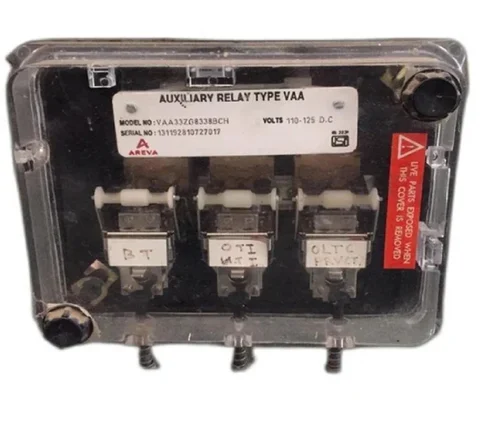
ALSTOM MVAJ1L1GB0771B Auxiliary Transmission Relay

Product Overview

MVAJ1L1GB0771B auxiliary transmission relay is mainly used for auxiliary protection and control of power transmission systems. It can accurately receive various signals, and through complex internal logic operations and processing, quickly respond, thereby achieving effective control and protection of power equipment. In the power transmission network, whether it is substations, transmission lines, or various types of power users, this relay can play an indispensable role.

Performance parameters

Rated voltage: Supports multiple common rated voltage specifications, such as 24V DC, 48V DC, 110V DC, 220V DC, etc., to meet the needs of different power systems. This multi voltage specification design enables the relay to be widely used in various occasions, whether it is small power equipment or large power engineering, suitable voltage matching can be found.

Action voltage: The action voltage is usually lower than a specific value of the rated voltage, which ensures that the relay can operate accurately when the voltage fluctuates. For example, when the voltage of the power system drops slightly but remains within the normal fluctuation range, the relay will not malfunction; When the voltage drops to the threshold that affects the normal operation of the equipment, the relay can quickly respond and perform corresponding protective actions.

Reset voltage: The reset voltage is lower than a specific value of the sustain voltage. After the fault is resolved and the power system returns to normal, the relay can quickly reset under appropriate voltage conditions, preparing for the next possible task and ensuring the continuous and stable operation of the power system.

Contact type: It has multiple sets of normally open (NO) or normally closed (NC) contacts, and the specific configuration depends on different application scenarios and customer needs. Normally, normally open contacts are in an open state and close when the relay is activated; Normally closed contacts are the opposite, closed normally and open when the relay is activated. This flexible contact configuration enables relays to meet the requirements of different control logics, such as starting devices, stopping devices, and sending signals.

Contact capacity: With high breaking capacity, it can reliably drive loads such as circuit breaker trip coils. When a fault occurs in the power system, the powerful contact capacity ensures that the relay can quickly cut off the fault current, protect the power equipment from damage, and ensure the safe and stable operation of the power system.

Response time: The response time is extremely short, usually in milliseconds. In the rapidly changing power system, fast response time is crucial. When an abnormal signal is detected, the relay can react in a very short time, execute protective actions in a timely manner, and minimize the impact of faults on the power system.

Power consumption: Extremely low power consumption, meeting the requirements of modern power systems for energy conservation and efficiency. Low power design not only reduces energy consumption, but also reduces the heating problem of the relay itself, improving the reliability and service life of the equipment.

Insulation strength: meets relevant insulation standards and can effectively prevent electrical short circuits and leakage problems. In complex power environments, good insulation performance ensures the stable operation of relays, avoiding equipment failures and safety accidents caused by poor insulation.

Working temperature: The working temperature range is -25 ° C to+70 ° C, which can adapt to various harsh working environments. Whether in cold northern regions, hot southern regions, or in high-temperature industrial environments or low-temperature outdoor environments, this relay can work normally to ensure the stable operation of the power system.

Application Fields

Transmission line protection: In the distance protection and directional overcurrent protection schemes of transmission lines, the MVAJ1L1GB0771B relay receives the tripping signal of the protection relay and quickly drives the line circuit breaker to quickly cut off the fault. For example, when a short circuit fault occurs in a transmission line, the relay can detect the fault signal within milliseconds and transmit the trip signal to the circuit breaker, causing the circuit breaker to quickly cut off the faulty line, prevent the fault from expanding, and ensure the safe operation of the transmission line.

Transformer protection: In differential protection, overcurrent protection and other protection schemes for transformers, this relay is used to drive the transformer circuit breaker to trip and isolate transformer faults. When faults such as winding short circuit and overload occur inside the transformer, the relay can respond promptly by driving the circuit breaker to trip, isolating the faulty transformer from the power system and protecting the transformer and other equipment from further damage.

Generator protection: Among various protection schemes for generators, MVAJ1L1GB0771B transmits the tripping command of the protection relay to the generator outlet circuit breaker to achieve fault removal. When internal faults occur in the generator, such as stator winding short circuit, rotor grounding, etc., the relay can quickly act to trip the generator outlet circuit breaker, protecting the safe operation of the generator and avoiding serious impact on the power system.

Bus protection: In schemes such as bus differential protection, this relay is used to drive circuit breakers related to faulty bus segments to trip. The busbar is an important part of the power system for collecting and distributing electrical energy. Once the busbar fails, the consequences can be unimaginable. The MVAJ1L1GB0771B relay can quickly respond to bus faults by driving the corresponding circuit breaker to trip and isolate the faulty bus section, ensuring the stable operation of the entire power system.

Motor protection: In the protection circuit of large motors, the relay receives the tripping signal of the protection relay, drives the motor circuit breaker to trip, and protects the motor. When the motor experiences faults such as overload, stalling, and phase loss operation, the relay can detect abnormal signals in a timely manner and quickly perform tripping operations to protect the motor from damage and extend its service life.

Product advantages

Extremely low burden: The design goal is to minimize the current demand on the drive circuit, thereby reducing the burden on the output contacts of the front-end protection relay, extending its service life, and improving the reliability of the system. In the power system, the output contacts of the front-end protection relay need to operate frequently, which imposes a heavy burden. The low load characteristic of MVAJ1L1GB0771B relay effectively reduces the wear on these contacts and lowers the probability of faults occurring.

High reliability: Using high-quality components and mature designs, ensuring reliable operation under various operating conditions, executing trip instructions, and ensuring the safety of the power system. As a well-known enterprise in the industry, ALSTOM strictly controls the quality of its product manufacturing process, selects high-quality components, and has undergone extensive experiments and practical operation verification, making the relay highly reliable and capable of stable operation in complex and harsh power environments.

Quick response: With extremely fast action speed, it can quickly drive the circuit breaker to trip upon receiving a trip signal, minimizing the duration of the fault. Every second, even every millisecond, is crucial when a power system failure occurs. The fast response characteristic of this relay can timely cut off the fault current, reduce the degree of equipment damage, and minimize the impact on the stability of the power system.

Multi contact output: Provides multiple sets of normally open or normally closed contacts, which can simultaneously drive multiple circuit breaker trip coils or be used for signal indication, improving the flexibility of the system. In some complex power systems, it may be necessary to simultaneously control multiple devices or emit multiple signals. The multi contact output function of MVAJ1L1GB0771B relay can meet the diverse control requirements, making the design and operation of power systems more flexible and efficient.

Strong anti-interference ability: It has good anti-interference ability and can work stably and reliably in complex power system environments. There are various sources of electromagnetic interference in the power system, such as the starting of large motors and frequent switching of switches. This relay effectively resists electromagnetic interference through special design and technology, ensuring its normal operation and avoiding misoperation caused by interference.

Multiple rated voltage options: Provides multiple DC rated voltage specifications to meet the needs of different power systems. Different power systems may use different voltage levels, and the multi rated voltage design of this relay enables it to be widely used in various power systems without the need for complex voltage conversion, reducing system costs and complexity.

GE 239 MOTOR PROTECTION RELAY

Communication Overview

Protocol standard: Adopting a subset of the Modbus RTU serial communication standard, it is a single master multi slave protocol with 239 relays as slave devices. It does not support master mode and only supports RTU version (binary), not ASCII version.

Application scenario: Monitoring, programming, and control functions can be achieved through read and write register commands, suitable for communication scenarios with multiple device chain connections.

Hardware interface and data transmission

Electrical interface: Use a two-wire RS485 hardware interface for half duplex bidirectional data transmission, requiring a daisy chain configuration with terminal networks installed at both ends (such as Belden 9841 wire with a 120 Ω resistor connected in series with a 1nF ceramic capacitor). Use shielded wires and pay attention to polarity.

Data frame format: Asynchronous transmission, 10 bits per frame (1 start bit+8 data bits+1 stop bit), supports baud rates of 1200, 2400, 4800, 9600, 19200.

Data packet format: Both the master request and the slave response contain the slave address, function code, data, and CRC checksum. The slave address 0 is the broadcast command, and the function code>127 indicates an error response.

Error verification: CRC-16 verification is used. If the verification is incorrect, the slave device will not respond, and the algorithm involves polynomial division. Please refer to the document for specific steps.

Timing requirement: If the received character interval exceeds 3.5 characters, the communication link needs to be reset, such as exceeding 3.65ms at 9600 baud rate.

Supported Modbus Function Codes

03/04: Read set value and actual value, read up to 125 registers (hold register/input register), 16 bit value low byte priority request to read 3 registers starting from 006B at address 11

05: Execute operation, trigger relay action through operation code (such as reset, emergency restart) Reset relay (operation code 1)

06: Store a single set value, write the set value to a single register, and request the device to write 0064 to address 1020

07: Read device status, retrieve device status bytes (alarm, trip, etc. flag bits), request status from address 11

08: Loop back testing, testing communication link integrity, requesting/sending test data 0000 from the device

16: Store multiple set values, batch write up to 60 registers/write 0096 to 1028 and 1029

16 (Execute Command): Execute operations by writing registers. When the PLC does not support the 05 function code, it is necessary to write command function code 5 and operation code to address 0080 and 0081 to perform reset

Memory-mapped

User defined memory area: Address remapping is achieved through register index (0180H-01F7H) and data area (0100H-0177H) to improve data throughput, such as mapping current and temperature values of different addresses to adjacent addresses for reading.

Memory mapping table: Detailed listing of groups, descriptions, ranges, step sizes, units, etc. for each address, including 21 parts such as product information (0000-007F), commands (0080-00FF), user-defined registers (0100-017F), actual values (0200-027F), set values (1000-11EF), covering motor status, fault causes, current, temperature, relay configuration, etc.

Data format: defines the data types and bit masks corresponding to codes F1-F114, such as F1 being an unsigned integer, F5 being a trip reason code, F104 being a product option flag, etc.

Search for products

Back to Top
Product has been added to your cart