
Call us 24/7uaedcs@163.com
Welcome to the official website of CNIACS Automation Technology Co., Ltd!
Call us 24/7uaedcs@163.com

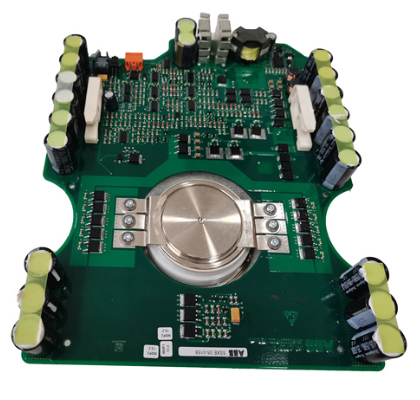
ABB DTDX991A 61430001-UW servo controller

Product Overview

ABB DTDX991A 61430001-UW is a high-performance servo controller specially designed for industrial automation. With excellent signal processing capabilities and precise control performance, it can ensure stable and efficient system operation in many complex industrial scenarios such as manufacturing, process control, and energy management. Its reliable quality and outstanding performance have become key components highly favored in the field of industrial automation.

Core parameters

Input/output characteristics: The input voltage of this controller is 24V DC, and the output voltage can be flexibly adjusted, usually up to 24V DC. The rated current of each channel is 1A, with a maximum of 16 channels and a maximum total output current of 2A. This configuration enables it to adapt to various load requirements, whether driving small precision equipment or providing power control for large industrial machinery, it can be accurately matched to ensure stable operation of the equipment.

Physical specifications: The product has a compact appearance with dimensions of 100mm x 100mm x 25mm (width x height x depth) and weighs only 0.5kg. The compact and lightweight design not only facilitates installation in control cabinets with limited space, but also does not impose too much burden on the overall structure of the equipment, greatly improving its applicability in various industrial environments.

Electrical performance: The input voltage range is DC 5V to 30V, demonstrating good voltage adaptability and compatibility with different power environments. The working temperature range is very wide, from -40 ° C to+85 ° C, which can work stably under extreme environmental conditions such as high and low temperatures, ensuring that industrial automation systems can continue to operate under various complex working conditions without excessive interference from environmental temperature changes.

Certification status: Obtained multiple international authoritative certifications such as CE, UL, ATEX, etc. These certifications not only highly recognize product quality and safety, but also mean that the servo controller meets a wide range of global industry standards and can be used with confidence in various industrial projects in different countries and regions, providing strong guarantees for multinational enterprises and global industrial projects.

Core advantages

Accurate signal processing: By utilizing advanced digital signal processing technology, various input signals can be quickly and accurately processed to achieve precise perception and feedback of equipment operating status. In industrial automation production lines, small changes in equipment operation can be accurately captured, control strategies can be adjusted in a timely manner, ensuring high precision and consistency in product production, effectively reducing defect rates, and improving production quality.

High reliability: From component selection to overall structural design, it has undergone strict control and optimization, possessing excellent anti-interference ability and stability. In the complex electromagnetic environment of industrial sites, it can effectively resist electromagnetic interference, ensure accurate transmission and execution of control signals, reduce equipment failures caused by signal interference, and provide solid support for the long-term stable operation of industrial automation systems.

Convenient integration: The design fully considers compatibility with existing industrial systems and can be seamlessly integrated into ABB’s PLC systems and other common automation control systems. Without the need for large-scale modifications to the existing system, it can be quickly integrated, greatly reducing the cost and difficulty of system upgrades and transformations, and improving the implementation efficiency of industrial automation projects.

Easy to maintain: Adopting a user-friendly interface design makes installation, debugging, and daily maintenance work simple and convenient. Operators can quickly complete parameter configuration and troubleshooting through an intuitive interface, effectively reducing equipment downtime and improving production efficiency. Meanwhile, its compact structure and modular design also facilitate the replacement of individual modules when needed, further reducing maintenance costs.

Application Fields

Manufacturing industry: In industries such as automobile manufacturing and electronics manufacturing, it is used to control robot arms, precision machining equipment, etc. in automated production lines. For example, on an automotive assembly line, the movements of robot arms can be precisely controlled to achieve precise grasping and installation of components; In the process of electronic chip manufacturing, it is possible to accurately control the movement of equipment such as lithography machines to ensure the high precision requirements of chip manufacturing.

Process control industry: widely used in production process control in chemical, petroleum, pharmaceutical and other fields. In the temperature and pressure control of chemical reaction vessels, precise control of reaction conditions can be achieved by adjusting the speed and operating status of servo motors, ensuring the smooth progress of chemical reactions and stable product quality; In the pharmaceutical industry’s drug filling production line, the action of the filling equipment can be precisely controlled to ensure the accuracy of the drug filling volume.

In the field of energy management, it can be used for controlling new energy equipment such as wind power generation and solar power generation. In wind power generation systems, by adjusting the servo controller, the angle and speed of the wind turbine blades are precisely adjusted according to changes in wind speed, achieving efficient capture and conversion of wind energy; In the solar photovoltaic power generation system, the tracking device that can control the photovoltaic panel can always aim at the sun, improving the efficiency of photovoltaic power generation.
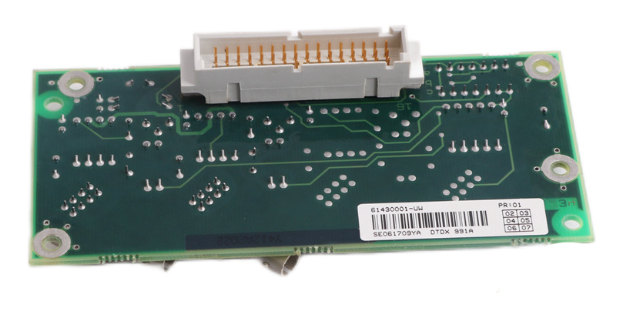
ABB 300 series NEMA rated full voltage controller

Product overview

The 300 series NEMA rated controller is an industry-leading full voltage motor control product that provides reliability and long-term performance for the most demanding industrial installation scenarios. Its design emphasizes simplicity and durability, with a unique design that allows for contact inspection or coil replacement to be done in seconds, and contact replacement to be completed in minutes. The starter or contactor can be removed from the housing without the need for tools, control or power lines to be removed, and a variety of complex applications can be matched through a wide range of options.

Main components and characteristics

Motor starter

The 300 series starter is a full voltage magnetic motor starter with encapsulated coils and a three leg overload relay. The overload relay has visual trip indicators, manual reset, and manual welding inspection functions. It has multiple housing types to choose from, including Type 1 (universal), Type 3R (rainproof, ice proof), Type 4 (waterproof, dustproof), Type 4X (waterproof, dustproof, anti-corrosion), Type 12 (drip proof, dustproof), and comes in NEMA 00-6 size, including standard non reverse, reverse, dual speed, and combination types.

magnetic contactor

The 300 series contactor is a high-performance unit that is easy to inspect and maintain, and has many characteristics. In terms of wiring terminals, NEMA 00、 All circuits and load terminals of 0 and 1 size starters can accommodate ring, shovel, and stripped terminals; NEMA 00-1 size terminals are arranged in a staggered manner for easy wiring; NEMA 2-6 size starters come standard with inline stripped connections, 2-5 sizes have ring terminal options, and 1-4 sizes have optional terminals for easy connection to power factor correction capacitors to save energy.

In terms of maintenance, the 00-4 size can be disassembled without tools, while the 00-6 size is easy to disassemble. Lifting the armature allows for quick inspection and contact with the contacts. Pulling out the spring clip on the armature allows for contact with the coil without removing any wiring. In terms of contacts, for sizes 1 and above, anti soldering silver alloy contact tips are used in a wedge-shaped configuration to ensure reliable contact and minimal bounce. Contacts of sizes 00, 0, and 1 can easily switch between normally open and normally closed without the need for additional parts. The coil is a molded coil that is not affected by moisture, dust, and oil. It has strong resistance to mechanical damage and high humidity failure, long magnet life, and can be rust proof after special treatment.

Overload Relay

The 300 series three leg overload relay can provide reliable motor protection and additional operational safety. Among them, the bimetallic overload relay has bimetallic overload protection, which can predict motor overload and respond faster to severe overload. The tripping current can be adjusted by ± 10%, increasing flexibility. Its heater is completely interchangeable with the 200 series starter heater, without the need for additional reserves.

Solid state overload relays (such as CR324X) provide additional motor protection for critical production processes, do not require heaters, have phase failure protection function, use solid-state surface mount technology, improve reliability, excellent vibration resistance, reduce heat generation, and can choose 10/20/30 trip levels. They have strong application flexibility and can be directly installed on 300 series starters, as well as panel mounted versions. In addition, the overload relay also has a manual welding inspection function, which can be manually tripped to check the welding condition of the contacts; There is a visual trip indicator, the yellow indicator can quickly determine whether the relay has tripped, and there is also an optional automatic reset overload relay (special application required); Additional isolation and high fidelity normally open contacts can also be equipped for programmable controller input or computer interface.

Modification and accessory kit

The 300 series offers a wide range of modifications and accessory kits to meet special operational needs. The auxiliary contact kit can add control circuits to power auxiliary equipment or control the sequence of other motor starters. It is suitable for various full voltage magnetic starters, reverse controllers, and dual speed controllers. Each auxiliary contact is rated for a continuous AC current of 10 amperes and can be installed on the right or left side. It has basic contact blocks or additional blocks with single/dual circuits.

The coil kit provides adaptability for different voltages, and the packaged coil can replace the contactor coil. The rated voltage is up to 600 volts, 50 and 60 hertz, and replacement is fast and easy. The surge suppression kit uses an RC network to absorb energy surges when the coil circuit is disconnected, preventing adverse reactions in the logic circuit. It does not require separate installation of resistor and capacitor networks, and is easy to install. Only one wire is needed to connect, and the installation board realizes another electrical connection. It can be neatly installed on the contactor coil fixing clip. The mechanical interlocking kit is used by customers to assemble reverse or multi speed controllers (usually for panel installation), mechanically interlocking two contactors or starters to ensure that one is only engaged after the other is disconnected. The contact kit is designed for quick replacement of contacts after normal wear and tear, and can be completed within a few minutes without the need to remove wires or starters.

ABB ACS 300

ABB DTCC901B High Performance Digital Temperature Controller

ABB DTCC901B High Performance Digital Temperature Controller

Product Overview

ABB DTCC901B is an excellent high-performance digital temperature controller designed to meet various complex industrial environments and precision temperature control requirements. It utilizes advanced digital processing technology to accurately perceive temperature changes and achieves precise temperature control through efficient control algorithms. This controller has rich functional interfaces and can flexibly adapt to various temperature sensors, such as thermocouples, PT100, etc., ensuring accurate temperature data can be obtained in different measurement scenarios, thereby providing reliable guarantee for the stable operation of the equipment.

Brand background

As mentioned earlier, ABB, as a globally renowned Fortune 500 company, has a deep foundation and outstanding influence in the fields of power and automation technology. Since its merger with ASEA and BBC Brown Boveri in 1988, ABB has continuously launched industry-leading products and solutions with over a hundred years of technological accumulation and innovative spirit. In the field of temperature control, ABB also relies on its advanced research and development capabilities and strict quality control to ensure that DTCC901B inherits ABB’s consistent high quality and high reliability genes.

​Specification parameters

Working voltage: It is usually compatible with common industrial voltages, such as 220V, to ensure compatibility with most industrial electrical systems and facilitate access to existing equipment networks.

Output frequency: up to 60KHZ, the fast output frequency enables the controller to quickly respond to temperature changes, adjust control strategies in a timely manner, and achieve rapid and stable temperature regulation.

Temperature measurement range: It is compatible with the measurement range of multiple temperature sensors. Taking thermocouples as an example, it can adapt to a wide temperature range and accurately measure from low to high temperatures; For the PT100 sensor, it can also accurately obtain temperature data within its specified range, meeting the requirements of different application scenarios for temperature measurement range.

Communication Interface: Equipped with multiple communication interfaces, supporting high-speed communication, facilitating data exchange and system integration with other devices, such as seamless connection with industrial control systems such as PLC and DCS, achieving remote monitoring and centralized control.

Core functions

Accurate temperature measurement and control: Combined with high-precision temperature sensors, it can accurately measure the temperature of the environment or equipment. Through the built-in advanced control algorithm, the temperature can be stably controlled within the set threshold range with minimal deviation, suitable for processes that require extremely high temperature accuracy, such as chip temperature control in semiconductor manufacturing and reactor temperature control in the pharmaceutical industry.

Multi sensor adaptation: It can easily connect different types of temperature sensors such as thermocouples and PT100. Users can flexibly choose the most suitable sensor according to the characteristics and needs of actual application scenarios, greatly expanding the product’s applicability.

Intelligent alarm function: equipped with a comprehensive alarm mechanism, when the temperature exceeds the preset safe range, an alarm signal can be immediately issued to remind operators to handle it in a timely manner, avoiding equipment failure or production accidents caused by abnormal temperature. There are various alarm methods, such as sound and light alarms, and sending alarm information through communication networks.

Precautions

Installation location: It should be installed in a well ventilated area away from heat sources and strong electromagnetic interference sources to avoid measurement and control errors caused by environmental factors affecting the controller itself. At the same time, ensure that the installation is firm and prevent equipment damage caused by vibration or collision.

Sensor connection: Connect the temperature sensor correctly, pay attention to the polarity and sequence of the wiring, and avoid incorrect connections that may cause measurement data errors or sensor damage. During the connection process, it is important to ensure that the wiring is secure and prevent poor contact from affecting signal transmission.

Parameter setting: When setting temperature control parameters, users need to make reasonable settings according to actual application scenarios and process requirements to avoid unstable temperature control or abnormal equipment operation caused by improper parameter settings. If you are unsure about the parameter settings, you can refer to the product manual or consult ABB technical support personnel

DTCC901B 61430001-FU ABB I/O Module

ABB 5SHX14H4502 Controller

Product Overview

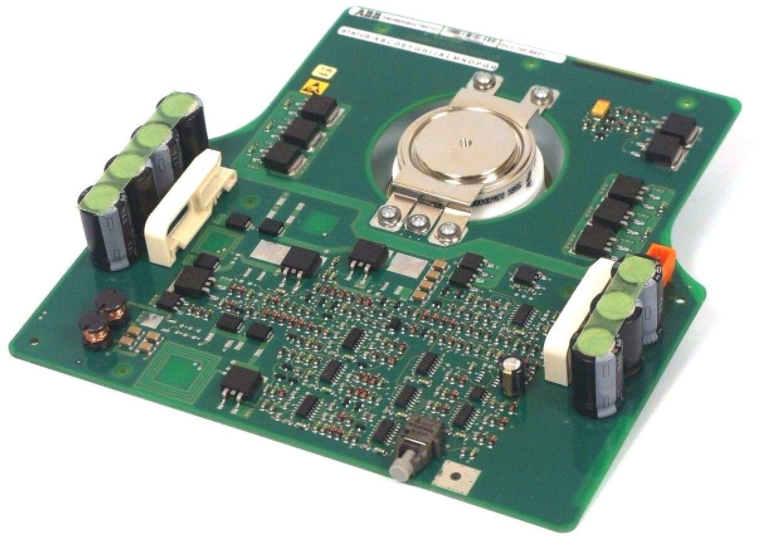
ABB 5SHX14H4502 is not a traditional controller, but a high-performance insulated gate bipolar transistor (IGCT) module belonging to ABB’s 5SHX series. It combines GCT (gate commutated thyristor) and integrated gate driver circuit, integrating the high blocking ability, low on state voltage drop of GTO (gate turn off thyristor), and excellent switching performance of IGBT (insulated gate bipolar transistor), making it an ideal choice for megawatt level medium voltage switch applications.

Brand background

ABB Group is a Fortune 500 company headquartered in Zurich, Switzerland. It was formed by the merger of ASEA from Sweden and BBC Brown Boveri from Switzerland in 1988. These two companies were established in 1883 and 1891, respectively. ABB has always been a leader in the field of power and automation technology, with business coverage in over 100 countries worldwide and a large workforce. Its technology is widely used in multiple fields such as electricity, public utilities, and industry, committed to helping customers improve performance while reducing adverse environmental impacts.

Specification parameters

Voltage and current parameters: able to withstand high voltage and high current, specific rated voltage and current values need to refer to detailed product manuals, generally suitable for high-power application scenarios, and meet high load operation requirements.

Switching speed: The switching speed is fast and can operate stably in high-frequency working environments, meeting the requirements of applications that require fast response.

Conducting voltage drop: It has the characteristic of low conducting voltage drop, which reduces power loss in conducting state and effectively improves energy utilization efficiency.

Working temperature range: The working temperature range is -40 ℃ to+150 ℃, which can adapt to various complex environmental temperature conditions.

​Main features

High voltage and high current: able to withstand high voltage and high current, suitable for high-power application scenarios.

Fast switching speed: Fast switching speed, suitable for high-frequency applications.

Low conduction voltage drop: The conduction voltage is reduced, the power consumption is small, and it can effectively improve energy utilization efficiency.

High reliability: Adopting advanced packaging technology, it has high reliability and can work stably under various complex working conditions.

Wide temperature range: The working temperature range is -40 ℃ to+150 ℃, and it can operate stably within a wide temperature range.

Application scenarios

Power electronic frequency converter: plays a key role in the power conversion process of the frequency converter, especially suitable for situations that require high response speed. It can accurately control the speed and operating status of the motor and is widely used in various motor drive systems in industrial production.

Industrial Drive: Used in scenarios such as motor drive and servo drive, it can achieve fast start, stop, and reverse of equipment, meeting the demand for fast and precise control of equipment on industrial automation production lines.

Traction field: In transportation vehicles such as electric locomotives and electric vehicles that require frequent starting and braking, 5SHX14H4502 can adapt to these high load and frequently changing working conditions, ensuring the stable operation of the traction system.

Welding equipment: used for welding power supply, its fast switching characteristics can quickly establish and interrupt welding current, ensuring welding quality and efficiency, suitable for various welding processes and equipment.

In other fields, it is also widely used in pulse power applications (such as lasers, particle accelerators, etc.), power systems (substations, etc.), new energy (wind power generation, photovoltaic power generation, etc.), rail transit, and other areas, helping to achieve efficient power conversion and control.

ABB 3BSE013064R1 PU516 Engineering Board -PCI

Product overview

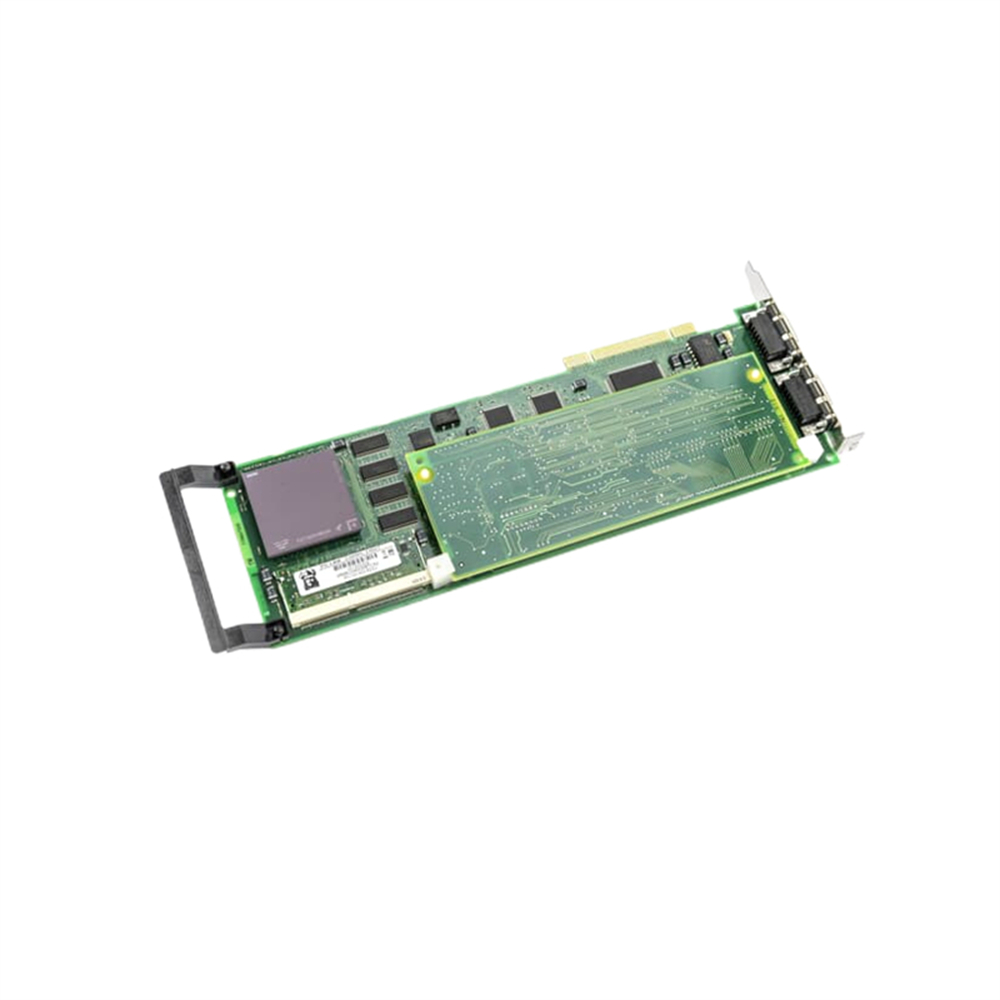
ABB PU516 Engineering Board PCI (Product ID: 3BSE013064R1) is a communication module designed specifically for the industrial control field, belonging to the ABB Advant series hardware products. It is equipped with one MB300 interface and one RS-232 port, suitable for 5V 32-bit 33MHz PCI bus, built-in 16MB memory, mainly used for data transmission and communication connection in industrial control systems, and is a key component of Advant OCS and other system engineering configurations. This product is exempt from the restrictions of the 2011/65/EU (RoHS) directive and meets compliance requirements in specific industrial scenarios.

Basic information

Product identification: Product ID is 3BSE013064R1, ABB model name is PU516, catalog description is PU516 Engineering Board PCI, replacement part number is EXC3BSE013064R1.

Product Description: This product is a PU516 engineering board with one MB300 and one RS-232 port, suitable for 5V 32-bit 33MHz PCI bus, equipped with 16MB memory. In addition, this component is exempt from the 2011/65/EU (RoHS) scope, as per Article 2 (4) (c), (e), (f), and (j), with reference to document 3 BSE088609 – EU DECLARATION OF CONFORMITY – ABB Advant Master Process Control System。

Technical and physical parameters

Dimensions: The net depth/length of the product is 126mm, the net height is 18mm, and the net width is 324mm.

Weight: The net weight of the product is 0.38kg.

HS code: 853890, belongs to parts that are only or mainly applicable to devices listed in heading 85.35, 85.36, or 85.37, other categories.

Customs tariff number: 85389091.

​Classification information

Belonging to Control System Products – Control&Communication – Advance Common Hardware – Advance Common – Communication Modules – PU516 MasterBus 300 Interfaces – PU516 MasterBus 300 Interface.

It also belongs to Control Systems Advant OCS with Master SW Engineering Advant Station 100 Engineering Board – PCI Communication Modules.

The product type is Communication-Module.

Core functions

Communication interface expansion: Connect to the MasterBus 300 network through the MB300 interface, supporting high-speed data exchange between industrial control devices; The RS-232 port can be used to connect debugging devices or external terminals for local configuration and data transmission.

Data caching and processing: 16MB of memory can temporarily store and transmit data, reducing communication latency and ensuring continuous transmission of real-time data in industrial control systems.

PCI bus adaptation: Compatible with 5V 32-bit 33MHz PCI standard, it can be directly inserted into the PCI slot of industrial computers or control hosts to achieve hardware integration with the system.

Precautions

Installation environment: It should be installed in a dry and ventilated control cabinet to avoid dust, corrosive gases, and severe vibrations. The working environment temperature should comply with the general standards for industrial grade equipment (usually recommended -10 ℃ to 60 ℃).

Bus adaptation: Ensure that the host PCI bus is 5V 32-bit specification to avoid hardware damage caused by voltage or bit mismatch.

Interface protection: The RS-232 interface is designed for non isolation, and it is recommended to install lightning protection or surge protection devices when connecting external devices, especially in outdoor or strong electromagnetic interference environments.

Compliant use: Although exempt from RoHS restrictions, it is necessary to confirm whether the usage scenario complies with relevant environmental regulations in the region to avoid illegal applications.

Maintenance: Regularly check whether the connection between the board and the PCI slot is loose, clean the interface dust, and ensure good communication contact.

Similar model supplement

ABB PU515: Belonging to the Advant series communication board, the difference lies in the interface configuration. PU515 may only support MB300 interface, without RS-232 port, suitable for scenarios that do not require serial communication, and the price is relatively low.

ABB CI854: Modern industrial Ethernet communication module, supporting protocols such as PROFINET, with higher speeds, suitable for new systems that require high-speed network communication. Compared with PU516, the interface and protocol are more advanced, but the compatibility with the old Advant system is weaker.

ABB PU516 3BSE013064R1 Engineering board for sale - Xingchuang Ronghe

ABB 5SHX10H6004 Control Signal Processing Module

Product Overview

The ABB 5SHX10H6004 control signal processing module is a core component designed specifically for industrial automation and power system fields, mainly used for precise processing and conversion of various complex control signals. In industrial automation processes, sensors generate a large number of signals of different types and characteristics, such as analog signals, digital signals, etc. This module can quickly collect, filter, amplify, and convert these signals into standard signal formats that can be recognized and utilized by the control system, thereby ensuring the stable operation of the automation system. In the power system, it can be used to analyze and process signals related to the operation status of the power grid, assist in the monitoring and control of the power system, and ensure the reliability and safety of power supply.

Specification parameters

Input signal type: Supports analog signal input, with a typical voltage range of -10V to+10V and a current range of 4mA to 20mA. It is compatible with the output signals of various common sensors; Simultaneously supporting digital signal input, it can recognize standard TTL/CMOS level signals and adapt to signal output of different logic circuits.

Signal processing accuracy: For analog signal processing, it has an analog-to-digital conversion accuracy of 16 bits or even higher, ensuring that even small changes in the signal conversion process can be accurately captured, effectively reducing signal distortion; In terms of digital signal processing, it can achieve nanosecond level signal response and processing, meeting the stringent requirements for high-speed signal processing.

Processing speed: With a high-speed processor core, it can perform millions of signal processing operations per second, quickly analyze and convert input signals, and adapt to applications with high real-time requirements in industrial automation and power systems, such as fast speed control of motors, rapid detection and response of power system faults, etc.

Communication interface: equipped with multiple standard communication interfaces, such as RS-485 interface, supporting half duplex communication mode, with a communication distance of over kilometers, suitable for long-distance, multi node industrial field communication; The Ethernet interface supports TCP/IP protocol, which enables high-speed and stable data transmission, facilitates data interaction with the upper computer or other intelligent devices, and facilitates remote monitoring and system integration.

Working temperature range: Designed to adapt to a wide range of working environment temperatures, generally from -20 ℃ to 70 ℃, it can maintain stable working performance in common high and low temperature environments in industrial production, ensuring reliable operation in different regions and working conditions.

Power supply voltage: Supports 24V DC power supply, with good power adaptability, allowing the power supply voltage to fluctuate within a certain range (such as ± 10%) without affecting the normal operation of the module. At the same time, it has complete power filtering and overvoltage/overcurrent protection functions to ensure the safe operation of the module in complex power environments.

ABB DSDX404 Advanced Digital Signal Processing Module - itadcs.com

Core functions

Signal acquisition and conditioning: capable of simultaneously acquiring multiple analog and digital signals, filtering and processing the collected analog signals to remove noise interference, and amplifying the signals appropriately through amplifiers to achieve a suitable level range for analog-to-digital conversion; For digital signals, level matching and anti-interference processing are performed to ensure the integrity and accuracy of the signal.

Analog to Digital Conversion: Built in high-performance analog-to-digital converters (ADCs) and digital to analog converters (DACs). ADC can accurately convert analog signals into digital signals, facilitating subsequent digital signal processing and analysis; DAC can convert digital signals into analog signals for driving actuators that require analog control signals, such as motor speed controllers, valve controllers, etc., to achieve precise control of industrial equipment.

Signal analysis and processing: Using advanced digital signal processing algorithms to analyze the collected signals, such as spectral analysis, time-domain analysis, etc. Through spectrum analysis, harmonic components in the signal can be identified to determine whether there are abnormalities in the power system; Time domain analysis can be used to monitor the changing trends of equipment operation status, such as motor speed fluctuations, equipment vibration, etc., providing a basis for equipment fault diagnosis and preventive maintenance.

Communication and data transmission: Through its rich communication interfaces, the processed signal data is packaged and sent to the upper computer or other devices according to specific communication protocols, while also receiving control instructions from the upper computer, achieving remote control and data exchange. In industrial automation production lines, it can work in conjunction with programmable logic controllers (PLCs), distributed control systems (DCS), etc. to build a complete automation control system.

Precautions

Installation environment: It should be installed in a dry, well ventilated, non corrosive gas and dust free place, avoiding direct sunlight. The ambient temperature should be maintained within the operating temperature range specified by the product to prevent module performance from being affected by high or low temperatures. At the same time, it is necessary to stay away from strong electromagnetic interference sources, such as large motors, transformers, etc., to avoid interfering with signal transmission and processing.

Electrical connection: When making electrical connections, it is necessary to strictly follow the requirements of the product manual. Ensure that the specifications of the input and output signal lines and power lines are appropriate, the connections are secure, and avoid issues such as looseness, short circuits, or open circuits. Special attention should be paid to the correctness of the power polarity to prevent damage to the module due to power connection. At the same time, it is necessary to ensure good grounding, and the grounding resistance should meet the requirements of relevant standards to improve the anti-interference ability and safety of the system.

Parameter setting: Before being put into use, professional technicians need to correctly set various parameters of the module according to actual application needs, such as sampling frequency, signal range, communication baud rate, etc. Improper parameter settings may lead to signal processing abnormalities, communication failures, and other issues. After setting up, carefully check the parameters to ensure accuracy.

Maintenance: Regularly inspect and maintain the module to check for any damage to the appearance of the equipment and aging of the connecting cables. Regularly clean the dust on the surface of the module to prevent the accumulation of dust from affecting heat dissipation and electrical performance. At the same time, regular performance testing and calibration of modules should be conducted based on usage to ensure that they are always in optimal working condition. For some vulnerable parts, such as filter capacitors, communication interface chips, etc., they should be replaced regularly according to their service life.

Fault handling: When a module generates a fault alarm, the relevant equipment should be immediately stopped and the cause of the fault should be analyzed by referring to the product manual based on the fault indicator light or fault code. Do not forcefully restart the module until the fault has been resolved, in order to avoid more serious damage. For some simple faults, such as loose cables, incorrect parameter settings, etc., they can be self checked and resolved; For complex faults, it is recommended to promptly contact ABB’s professional technical support personnel for maintenance and handling.

ABB IGCT模块5SHX10H6004 3BHB003230R0101换向晶闸管 - 雄霸工业

ABB PPE091A101 medium voltage frequency converter

Product Overview

ABB PPE091A101 medium voltage frequency converter is a key power control equipment launched by ABB for applications in the medium voltage field. Medium voltage frequency converters are crucial in the industrial field as they can accurately adjust the speed of motors, thereby better adapting their operation to actual production needs. This product, with advanced technology and reliable performance, is widely used in many industries, effectively promoting the efficiency and intelligence of industrial production.

Brand background

ABB, as a global leader in the fields of power and automation technology, has a profound foundation. Since its merger with BBC in 1988, ASEA has had a presence in over 100 countries worldwide, bringing together 110000 professionals under its umbrella. For over 130 years, ABB has continuously innovated and created numerous classic products and cutting-edge technologies in the fields of power and automation. In the field of medium voltage frequency converters, ABB has always led the industry trend with years of accumulated rich experience and strong research and development capabilities. Its products are highly trusted by global users for their excellent quality, stable performance, and outstanding energy-saving effects.

Specification parameters

Rated voltage: Common medium voltage range, such as 3-11kV, can be customized according to actual application scenarios to meet the power adaptation needs of different industrial environments.

Rated power: Covering a wide range of power, from several hundred kilowatts to several megawatts, it can adapt to motors of different scales and load requirements. Whether it is small industrial equipment motors or key drive motors for large factories, PPE091A101 products with suitable power levels can be found to match them.

Frequency range: The output frequency can usually be flexibly adjusted within the range of 0-120Hz or even wider to meet the speed requirements of the motor under different working conditions. For example, in industrial production, the motor speed can be accurately adjusted according to changes in production processes to ensure the stability and efficiency of the production process.

Input characteristics: The input voltage allows for a certain range of fluctuations and can generally adapt to voltage changes of around ± 10%, ensuring stable operation even when there are certain fluctuations in the grid voltage. At the same time, the input power factor is relatively high, reaching above 0.95, effectively reducing the reactive power demand on the power grid and lowering the burden on the power grid.

Output characteristics: The output voltage waveform has high quality and low harmonic content, which can effectively reduce the heating and vibration of the motor and extend its service life. The output current has good overload capacity and can withstand 150% -200% of the rated current in a short period of time to cope with instantaneous high load situations during the production process.

Communication interface: Supports multiple common communication protocols, such as Modbus, Profibus DP, and Ethernet communication protocols, making it easy to integrate with factory automation systems, achieve remote monitoring, parameter setting, and fault diagnosis functions, and enhance the intelligent management level of industrial production.

Core functions

Precise speed regulation: Through advanced control algorithms, the motor speed can be precisely adjusted, with a speed regulation accuracy of ± 0.01%. According to the production process requirements, the motor can achieve smooth acceleration, deceleration, and stable operation, meeting the strict requirements for motor speed in different production processes.

Energy saving and consumption reduction: dynamically adjust the output power of the motor based on the actual load situation of the motor. Under light load conditions, reducing the operating frequency and voltage of the motor significantly reduces energy consumption. Through practical application verification, compared with traditional fixed speed operation mode, the energy-saving effect can reach 20% -50%, effectively helping enterprises reduce operating costs.

Motor protection: It has comprehensive motor protection functions, including overcurrent protection, overvoltage protection, undervoltage protection, overheating protection, and ground fault protection. When abnormal motor operation is detected, it can quickly act to cut off the circuit, avoiding further damage to the motor due to faults, greatly improving the reliability and safety of motor operation.

Process control integration: It can seamlessly integrate with various process control systems, receive control signals from the upper computer, such as 4-20mA analog signals, digital signals, etc., automatically adjust motor operating parameters according to real-time needs in the production process, achieve automatic control of the entire production process, and improve production efficiency and product quality.

Working principle

The ABB PPE091A101 medium voltage frequency converter mainly operates based on the AC-DC-AC frequency conversion principle. Firstly, the medium voltage AC power input from the power grid is converted into DC power by a rectifier, which usually uses thyristor rectification or diode rectification to convert the AC power into relatively smooth DC power. Next, the DC power is converted into AC power with adjustable frequency and voltage through an inverter. The inverter is the core component of the frequency converter, which precisely controls the frequency and voltage amplitude of the output AC power by controlling the on and off time of power switching devices (such as IGBT), in order to achieve precise control of motor speed and torque. Throughout the entire process, the control system monitors the operating parameters of the motor in real-time, such as current, voltage, speed, etc., and dynamically adjusts the rectifier and inverter according to preset control strategies to ensure stable and efficient operation of the motor.

ABB - Epistolio

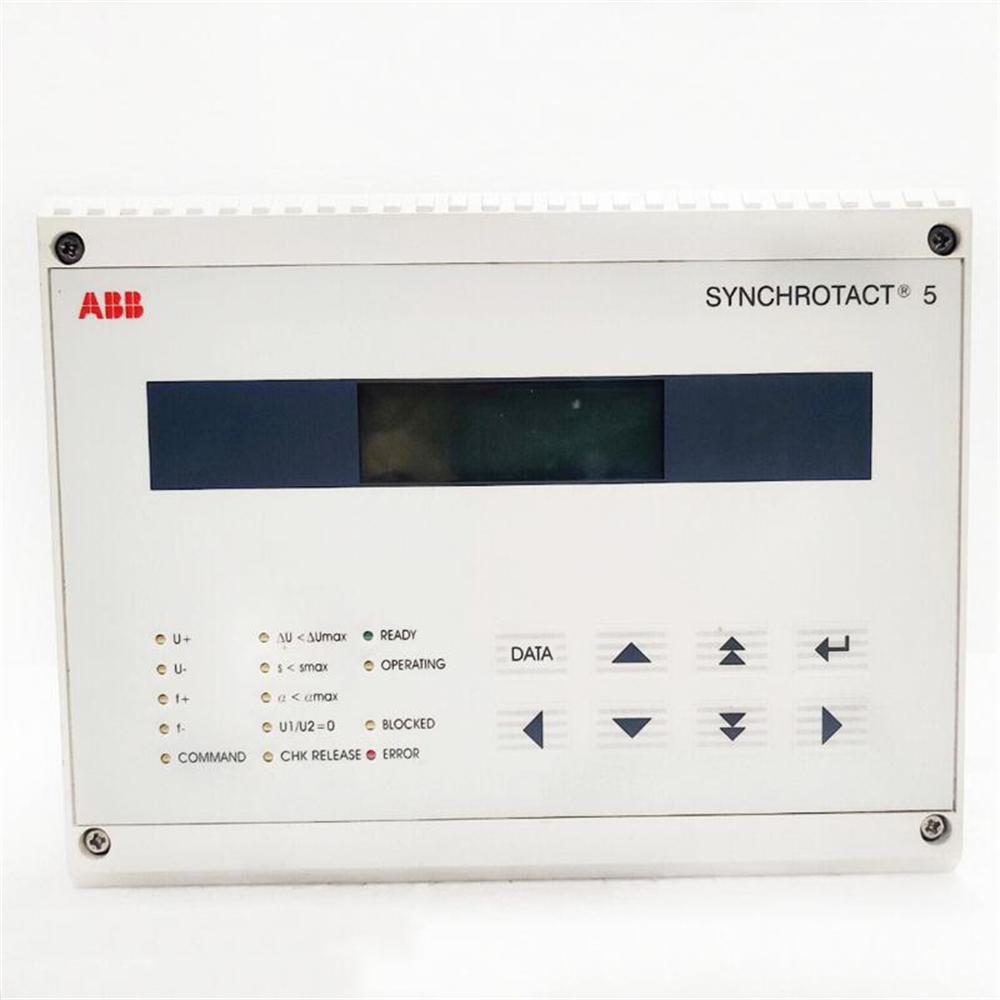
ABB CONTROL UNIT SYN 5201A-Z,V277 3BHB006714R0277

Product Overview

ABB Control UNIT SYN 5201A-Z, V277 3BHB006714R0277 is a control unit launched by ABB for synchronous and parallel operations, belonging to the ABB SYNC HROTACT series products. This product features a dual channel configuration, with one channel monitoring the operation of the other, greatly improving operational safety. It can be used to ensure precise timing and control in complex industrial systems and plays an important role in the field of industrial automation.

Product Usage

Mainly used to ensure precise timing and control in complex industrial systems, it is a key component in industries such as power generation, telecommunications, and industrial automation, where precise synchronization is crucial.

Performance characteristics

Rich communication interfaces: Supports logically independent dual Profibus DP buses, can set dip switches to specific communication rates or adaptively, can flexibly choose 1-2 Profibus DP electrical interfaces and 1-2 155 Mbps fiber optic interfaces, supports redundant dual network and fiber ring network topologies.

Long communication distance: Fiber optic communication distance exceeds 20 kilometers, with a 155 Mbps high-speed optical interface, which can better support long-distance reliable transmission of burst data.

Clear status indication: equipped with 5 dual color LED status indicator lights, with fiber optic link and power failure relay output alarm function.

Good protection performance: The electrical interface has 4000V lightning protection, 1.5A overcurrent, and 600W surge protection, meeting industrial design standards and passing EMC testing certification. Adopting DC (12-36V) wide redundant dual power supply, with reverse protection function, protection level of IP30, and shell reinforced with corrugated aluminum material.

Easy installation: Using standard industrial 35mm guide rail installation method, it is convenient to install in the control cabinet.

Technical parameters:

Safety level: PL e, SIL 3- SIL CL 3- PL e – Cat. 4.

Input/output: There are 8 digital inputs, 2 OSSD PNP outputs (400 mA at 24 VDC) with short circuit, overload, and reverse polarity protection, 2 PNP status outputs (100 mA), and 4 test outputs.

Working temperature: -10 ℃ to 55 ℃, storage temperature: -20 ℃ to 85 ℃.

Power supply: 24V DC ± 20%.

Dimensions: Approximately 108mm × 22.5mm × 114.5mm, gross weight of approximately 206.8g.

Key advantages

High security: With a dual channel design, one channel monitors the operation of the other channel, greatly improving the safety during the operation process and reducing the risk of system abnormalities caused by equipment failures.

Wide applicability: It not only supports 50/60Hz standard power grid, but also supports 16 2/3Hz frequency, suitable for various types of power generation equipment and complex power grid environments, whether it is conventional power plants or some special industrial self owned power plants.

Accurate synchronization performance: With advanced digital technology and precise algorithms, high-precision frequency and voltage matching and synchronization operations can be achieved, effectively improving the stability and reliability of power grid operation, reducing power fluctuations and equipment losses caused by poor synchronization.

Powerful communication capability: supports multiple communication protocols, facilitates integration with various devices, achieves intelligent management and remote control of the system, and can meet the needs of different users for centralized monitoring and management of the system.

High reliability: Complies with industrial design standards and has passed EMC testing certification. The electrical interface has 4000V lightning protection, 1.5A overcurrent, 600W surge protection, and adopts DC (12-36V) wide redundant dual power supply with reverse protection function. The protection level is IP30, and the shell is reinforced with corrugated aluminum material, which can operate stably in harsh industrial environments.

Precautions

During the installation process, it is necessary to strictly follow the instructions in the product manual to ensure the correct installation position and avoid equipment damage or performance degradation caused by improper installation. Special attention should be paid to the firmness and correctness of electrical connections to prevent problems such as short circuits or open circuits.

Before use, carefully inspect the appearance of the equipment for any damage and ensure that all components are complete. At the same time, it is necessary to confirm whether the parameters of the input power supply are consistent with the equipment requirements, in order to avoid irreversible damage to the equipment caused by power problems.

During operation, regular inspections of the equipment should be carried out to observe whether the operating status indicator lights are normal and whether there are any abnormal noises or heating phenomena. If any abnormalities are found, the machine should be stopped immediately for troubleshooting. Do not forcefully restart the equipment until the fault is resolved.

When setting and maintaining equipment parameters, it must be operated by professional personnel and carried out in the event of a power outage to prevent safety accidents or equipment failures caused by misoperation. At the same time, after the operation is completed, carefully check the parameter settings to ensure that they are correct and error free.

The device should be stored in a dry, ventilated, and non corrosive gas environment, avoiding direct sunlight and strong electromagnetic interference. If the device is not used for a long time, it is recommended to conduct regular power on checks to ensure that the device is functioning properly.

Similar model supplement

SYN5200A-Z: also belongs to the ABB SYNC HROTACT series products, similar to SYN 5201A-Z, designed for industrial automation synchronous control. The working voltage is 24V DC, and the communication protocol supports Ethernet/IP, Profibus, and Modbus. The difference lies in that its performance parameters such as processor speed may differ from SYN 5201A-Z, and there may also be differences in input and output capacity. For example, SYN5200A-Z may support a different number of I/O points in certain application scenarios, and users can choose according to their specific system requirements and budget.

ABB SYN5201a-Z, V217: This is also an automatic synchronization device, belonging to the SyncHROTACT 5 series product line. Compared with SYN 5201A-Z, V277, the input voltage range (measured input U1, U2) is 50 to 130 VAC (rated), and the auxiliary power supply (AC/DC) is 24-250 V DC, 100-230 V AC. There are differences in some detailed parameters, and there may also be differences in applicable conditions such as working environment temperature. For example, its working environment temperature is+5 to+70 ° C, and users need to choose it reasonably according to their actual usage environment and working conditions.

ABB SYNCHROTACT 5 SYN 5201a-Z,V2277 3BHB006714R2277 Reasonable price ...

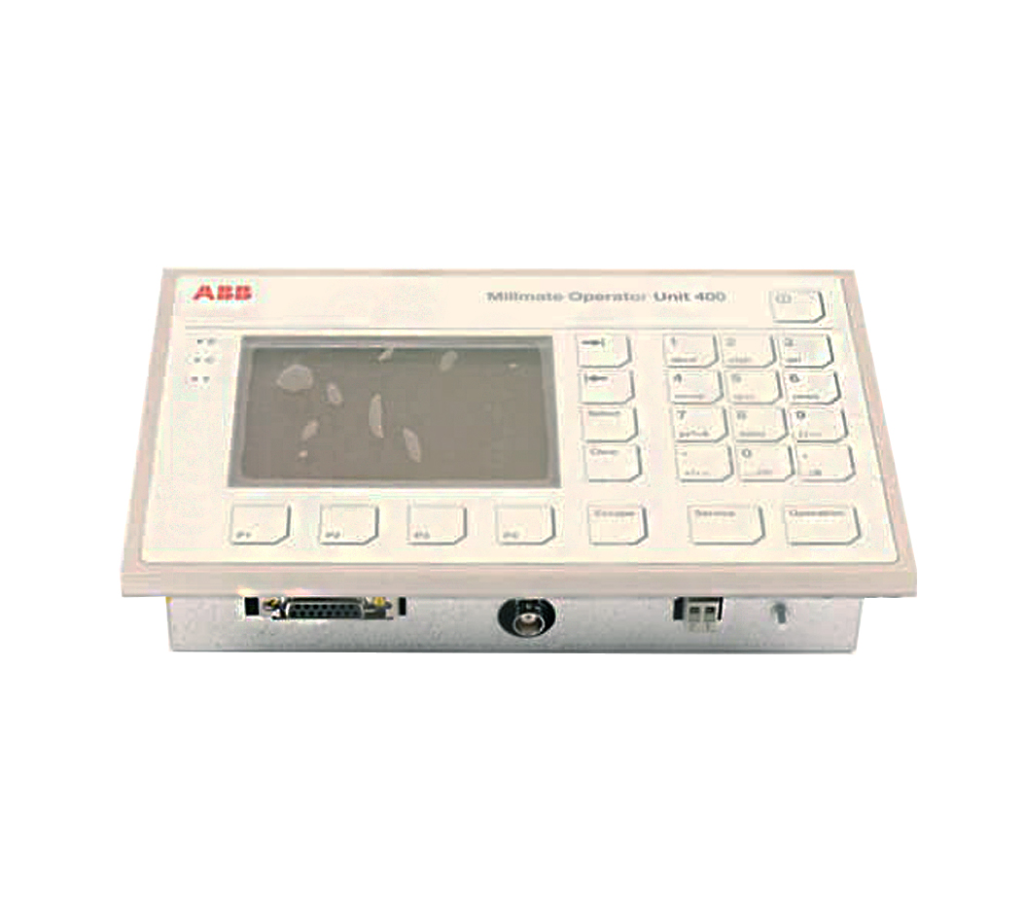
ABB 3BSE017235R1 PXAH 401 Operator unit

Product Overview

ABB PXAH 401 Operator Unit (model: 3BSE017235R1) is an operation unit applied in the field of industrial automation. It plays a key role in connecting operators and industrial equipment in the industrial production process. Operators can monitor the real-time operation status of equipment through this unit, easily control the industrial process, and provide strong support for the efficient and stable operation of industrial automation systems.

Specification parameters

Input voltage: 24VDC

Working temperature range: -40 ℃ to 85 ℃

Communication Interface: Equipped with Ethernet interface for high-speed data transmission and network connection, RS232/485 interface can adapt to different communication protocol devices to achieve serial communication, and also has USB interface for convenient data storage and device debugging

Memory capacity: 512MB RAM for running programs and processing data, 1GB Flash for storing system programs, configuration files, and historical data, etc

Display screen size: typically 7 inches or larger, providing users with a clear visual interface for operation

Resolution: 800 x 640 pixels, ensuring clarity and readability of displayed content

Protection level: IP20, can effectively prevent dust in general indoor environments, providing basic protection for internal circuits of equipment

Functional Features

Multiple signal interfaces: Supports multiple signal input and output interfaces, including digital and analog signals, and can be connected to various sensors, actuators, and other devices to achieve the acquisition and control of various signals in industrial processes.

Rich control logic: Supports multiple control logics and algorithms, suitable for complex industrial control tasks, and can accurately control and adjust industrial processes according to different process requirements and control strategies.

High computing performance: It has high-performance computing capabilities, such as real-time analysis of 100000 level measurement point data in power dispatch systems, with a response time of less than 50ms, and can quickly process large amounts of real-time data, meeting the requirements of industrial automation systems for data processing speed and accuracy.

Redundant security design: Adopting redundant security measures such as dual machine hot standby design, the unplanned downtime is reduced from an average of 20 hours per year to 1.5 hours, improving the reliability and stability of the system and reducing production interruptions and losses caused by equipment failures.

Strong scalability: Through ABB’s CP600 series expansion module, up to 2048 I/O points can be connected, which can be flexibly expanded according to actual application needs, covering all scenario requirements from single machine control to whole plant integration.

Good environmental adaptability: With IP65 protection design, dustproof and waterproof, it can be directly installed in outdoor control cabinets, adapt to harsh industrial environments, and ensure stable operation under various complex working conditions.

Convenient human-computer interaction: Provides operators with an intuitive user interface that can display various process variables such as temperature, pressure, flow rate, etc., and allows operators to manually operate or adjust control parameters through a touch screen, facilitating real-time monitoring and control of industrial processes.

Industrial Internet compatibility: Built in OPC UA server can directly connect to MES and ERP systems to realize the transparency of production data, lay the foundation for digital factories, and facilitate enterprises to realize the informatization and intelligent management of production processes.

​Application area 

Pulp and paper industry: Used for pulp production lines and paper machine control, it can monitor and adjust parameters such as pulp concentration, flow rate, and paper machine speed in real time to ensure stable paper quality and improve production efficiency.

Power system: used in power plants and substations to monitor and control the operating status of equipment such as generators, transformers, and switchgear, achieve power dispatch automation, and ensure the stable operation and reliable power supply of the power system.

Metallurgical industry: used for monitoring and control of production processes such as steel and non-ferrous metals, such as blast furnace ironmaking, converter steelmaking, continuous casting and rolling, etc. It can accurately control parameters such as furnace temperature, pressure, liquid level, composition, etc., improve product quality and production efficiency, and reduce energy consumption and costs.

Manufacturing industry: used for process control and automation management of production line equipment, such as automotive manufacturing, mechanical processing, electronic equipment manufacturing, etc. It can achieve automated control of the start stop, speed adjustment, material conveying and other operations of various equipment on the production line, improve production efficiency and consistency of product quality.

Energy system: Used for energy scheduling and monitoring systems, such as smart grids, photovoltaic power stations, energy storage systems, etc., it can achieve real-time monitoring and optimized scheduling of energy production, transmission, distribution, and usage processes, improve energy utilization efficiency, and reduce energy consumption and costs.

Chemical industry: used for monitoring and control of chemical production processes, such as temperature, pressure, and flow control of reaction vessels, liquid level and temperature control of distillation towers, etc., which can ensure the safe and stable operation of chemical production processes, improve product quality and yield, and reduce environmental pollution.

Oil and gas industry: used for monitoring and controlling processes such as oil extraction, refining, and natural gas transportation, such as wellhead oil extraction equipment control, refining unit control, natural gas pipeline pressure and flow control, which can improve production efficiency, reduce production costs, and ensure production safety.

Pharmaceutical industry: used for monitoring and controlling the pharmaceutical production process, such as the operation control of drug production equipment, drug quality testing, inventory management of raw materials and finished products, etc., to ensure that the drug production process complies with GMP standards, improve drug quality and production efficiency.

Key advantages

High reliability: High quality electronic components are selected and advanced redundancy design concepts are adopted to ensure stable operation of equipment in harsh industrial environments such as high temperature, high humidity, and strong electromagnetic interference, reducing the probability of equipment failure and minimizing production losses caused by equipment downtime.

Usability: Equipped with a simple and user-friendly human-computer interaction interface, supporting multilingual operations, both experienced professional engineers and first-time operators can quickly get started and easily complete various operational tasks.

Scalability: Based on the modular design concept, this operating unit is easy to upgrade and expand the system. Users can flexibly add functional modules or expand communication interfaces according to actual production needs to adapt to the constantly changing requirements of industrial automation control.

Precautions

Installation environment: It should be installed in a dry, well ventilated environment without strong electromagnetic interference, avoiding direct sunlight and severe vibration to ensure the normal operation and service life of the equipment.

Power supply: Ensure stable input power supply, meet the specifications of 24VDC, and prevent equipment damage or abnormal operation caused by power fluctuations or abnormalities.

Regular maintenance: It is necessary to regularly clean the equipment, check whether the communication interface connection is secure, and regularly backup important data to ensure stable operation and data security of the equipment.

ABB Plantguard Safety Instrumented System

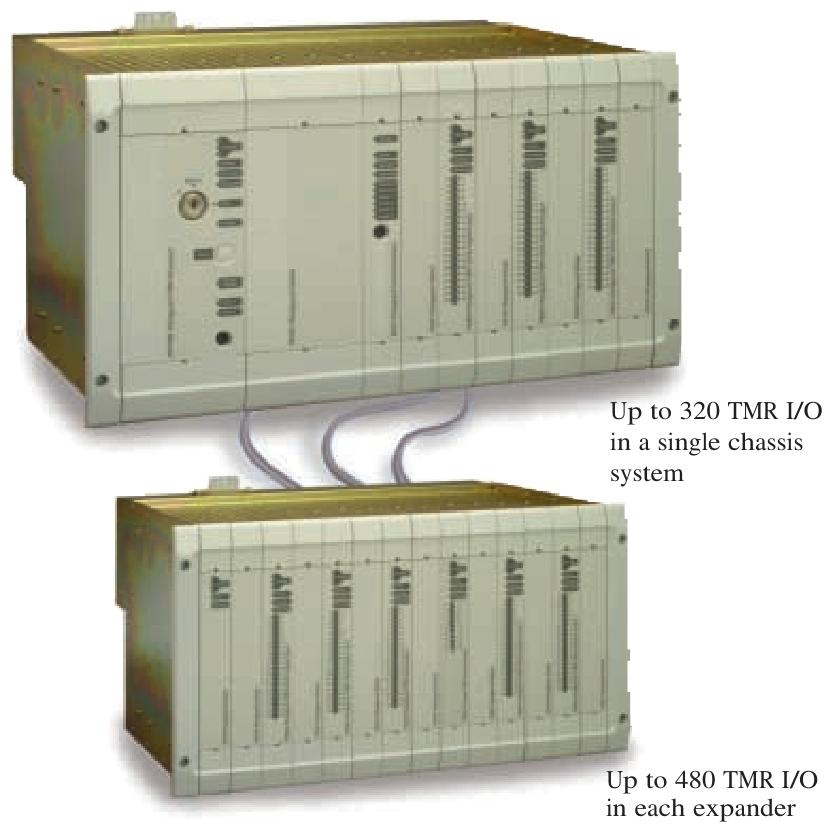
System Overview

Positioning: Plantguard is a safety instrumented system that complies with international safety standards such as IEC 61508 and IEC 61511, designed specifically for safety critical control in industrial processes. It is used to monitor hazardous conditions and trigger protective measures (such as emergency shutdown and energy cut-off), reduce accident risks, and ensure the safety of personnel, equipment, and the environment.

Core objective: To achieve Safety Instrumented Function (SIF) through highly reliable hardware architecture and software functionality, supporting safety integrity level requirements from SIL 1 to SIL 3.

System architecture

Hardware Architecture

Adopting modular and redundant design to ensure high availability and fault tolerance:

Controller: Based on the AC 800M series safety controllers (such as PM865, PM867, etc.), it supports safety architectures such as 1oo2 (1 out of 2) and 2oo3 (2 out of 3), meeting different SIL level requirements.

I/O module: including safety input/output modules (such as AI801S, DI801S, DO801S), with signal isolation and diagnostic functions, supporting multiple on-site signals (4-20mA, switch values, etc.).

Communication network: Adopting redundant industrial Ethernet (such as PROFINET, Ethernet/IP) and fieldbus (such as PROFIBUS DP) to ensure the security and real-time transmission of data, supporting integration with DCS, PLC and other systems.

Software architecture

Based on a unified engineering platform, simplify configuration and maintenance:

Engineering tool: Use Control Builder M software for safety logic configuration, supporting programming methods such as Function Block Diagram (FBD) and Ladder Diagram (LD), and built-in safety function block library (such as emergency stop and interlock logic).

Diagnosis and monitoring: System status monitoring, fault diagnosis, and event recording are achieved through Operator Station or Asset Optimization software, supporting online maintenance and testing without affecting the operation of safety functions.

Core functions and advantages

Safety function

Support custom security logic to implement safety controls such as emergency shutdown (ESD), fire and gas monitoring (F&G), burner management (BMS), etc.

Equipped with online testing and partial trip testing (PST) functions, reducing parking maintenance time and improving system availability.

integration capability

It can seamlessly integrate with ABB’s AC 800M process control system, Panel 800 operator panel, etc., achieving synergy between safety and process control.

Support open protocols (such as OPC UA, Modbus) for easy communication with third-party systems (such as ERP, MES), forming a complete industrial security ecosystem.

Compliance and reliability

Compliant with international standards such as IEC 61508 (SIL 1-3) and IEC 61511, certified by authoritative organizations such as T Ü V and EXIDA.

The hardware has a high mean time between failures (MTBF), supports redundant design and hot plugging, ensuring that a single point of failure does not affect system operation.

Application scenarios

Plantguard is widely used in industrial fields with strict safety requirements, including:

Petrochemical and natural gas processing (such as refineries and LNG plants);

Pharmaceuticals, food and beverage (such as hazardous material processing);

Energy industry (such as power plants, new energy projects);

Chemical and metallurgical industries (such as high-temperature and high-pressure reaction processes).

Customer Value

Risk reduction: By implementing reliable safety controls, the incidence of accidents can be reduced, in compliance with regulatory requirements.

Efficiency improvement: Online testing and diagnostic functions reduce downtime and improve production continuity.

Full lifecycle support: from engineering design, installation and debugging to operation and maintenance upgrades, providing full technical support to ensure long-term stable operation of the system.

image.png

Search for products

Back to Top
Product has been added to your cart