
Call us 24/7uaedcs@163.com
Welcome to the official website of CNIACS Automation Technology Co., Ltd!
Call us 24/7uaedcs@163.com

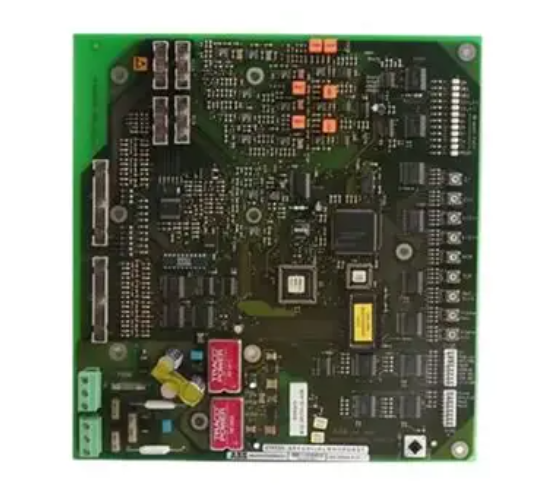
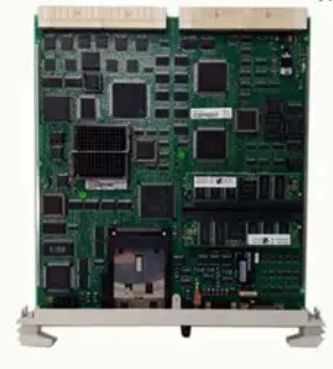
ABB 3BHE02195R0124 excitation control unit

Product Overview

ABB 3BHE02195R0124, as a professional excitation control unit, occupies a core position in industrial power generation and large-scale motor operation systems. It is mainly responsible for precise control and dynamic adjustment of the excitation system of synchronous generators, large industrial motors and other equipment. By stabilizing the excitation current, it ensures the stability of equipment output voltage, frequency and other parameters, and is a key equipment to ensure the reliable operation of power production and industrial power systems.

Functional Features

High precision excitation regulation: adopting advanced PID control algorithm and adaptive regulation technology, it can monitor the operating parameters of the generator or motor in real time (such as terminal voltage, reactive power, etc.), and quickly adjust the excitation current,

Even in the case of severe load fluctuations, it can respond quickly, maintain the stability of equipment output, and effectively avoid equipment failures or production interruptions caused by voltage fluctuations.

Comprehensive protection function: It integrates multiple protection mechanisms, including overexcitation protection, underexcitation protection, overvoltage protection, overcurrent protection, etc. When an abnormality is detected in the excitation system (such as excessive excitation current or voltage exceeding the safe range), the protection action can be immediately triggered to cut off the excitation circuit or issue an alarm signal, preventing equipment damage due to the expansion of the fault and ensuring system safety.

Flexible operating mode: supports switching between multiple operating modes, such as constant voltage mode, constant reactive power mode, constant excitation current mode, etc. Users can choose the appropriate mode based on their actual operational needs, such as grid scheduling requirements and load characteristics, to enhance the flexibility and adaptability of system operation. For example, when operating in a large power grid, a constant reactive power mode can be used to compensate for reactive power in conjunction with the grid; When running independently, switch to constant voltage mode to ensure stable output voltage.

Powerful data acquisition and communication capabilities: Equipped with high-speed data acquisition modules, it can collect various operational data of the excitation system in real time (such as excitation voltage, current, power factor, etc.), and communicate with the upper computer or SCADA system through communication interfaces such as RS485 and Ethernet to achieve remote monitoring, data storage, and analysis. Facilitating real-time monitoring of system status by operators for remote debugging and fault diagnosis.

Working principle

After 3BHE02195R0124 is connected to the excitation system, the terminal voltage and stator current signals of the generator or motor are first collected through voltage transformers and current transformers. After being processed by internal signal conditioning circuits (filtering, amplification, isolation), they are transmitted to the core control chip. The control chip compares the actual measured value with the set value based on the preset operating mode (such as constant voltage), calculates the deviation, and generates excitation regulation instructions through PID algorithm.

After the instruction is converted from digital to analog, it drives a power amplifier circuit (such as a thyristor rectifier bridge) to adjust the DC current output to the excitation winding. At the same time, the system monitors real-time feedback signals such as excitation current and excitation voltage to form a closed-loop control and continuously optimize the adjustment accuracy. When abnormal signals (such as overexcitation) are detected, the protection circuit immediately activates, cutting off power output and triggering an alarm to ensure equipment safety.

Installation and maintenance

Installation requirements: It should be installed in a control cabinet with good ventilation, no severe vibration, and away from strong magnetic fields (such as large transformers), with an ambient temperature of -10 ℃ -+50 ℃ and a relative humidity of ≤ 90% (no condensation). Special guide rails or screws should be used for installation to ensure that the wiring terminals are firmly connected to external cables (such as excitation cables and control cables), and grounding treatment should be done (grounding resistance ≤ 4 Ω) to reduce electromagnetic interference.

Maintenance points: Regularly (recommended every 6 months) check whether the wiring terminals are loose and whether the cable insulation layer is damaged; Clean the dust on the surface of the equipment and the heat dissipation holes to ensure good heat dissipation; View historical operating data and alarm records through the upper computer, and analyze system stability. If there is an abnormal excitation regulation (such as voltage fluctuation exceeding the standard), the sensor and output module can be recalibrated through the calibration function; If the protection action is triggered, external equipment such as the excitation winding and power unit need to be checked, and the fault should be eliminated before resetting the operation.

Application scenarios

Thermal power plant: In a thermal power unit, it is used to control the excitation system of a steam turbine generator. When the load of the power grid changes, quickly adjust the excitation current to maintain the stability of the generator terminal voltage, and adjust the reactive power output according to the requirements of the power grid dispatch to improve the stability of the power grid. For example, when the unit is connected to the grid for operation, it can cooperate with the power grid to achieve automatic allocation of reactive power and reduce line losses.

Hydroelectric power station: Suitable for excitation control of hydro generators to cope with load fluctuations caused by unstable water flow. By dynamically adjusting the excitation, the generator ensures stable operation under different water head and flow conditions, while participating in frequency and voltage regulation of the power grid, improving the grid connection performance of the hydropower system.

Large industrial motors: used for excitation control of large synchronous motors (such as rolling mill motors, compressor motors) in industries such as steel and chemical. By stabilizing excitation, the power factor of the motor is improved, energy consumption is reduced, and the smoothness of the motor during starting and braking is ensured, thereby extending the service life of the equipment.

New energy support: As the excitation control core of generators in new energy power plants such as biomass energy and garbage power generation, it ensures the stable grid connection between the new energy power generation system and the power grid, and meets the strict requirements of the power grid for voltage and frequency.
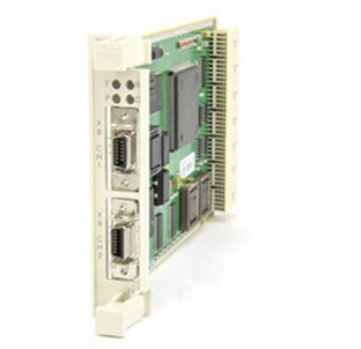
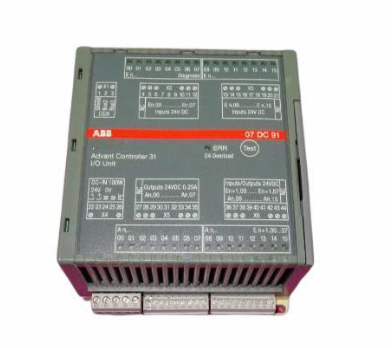
ABB 07DC91C Digital I/O Module

Product Overview

ABB 07DC91C, as a key digital I/O module, plays an indispensable role in industrial automation systems. Its core function is to realize the input and output of digital signals, and to build an efficient data exchange bridge between industrial equipment and control systems. By accurately identifying and processing various digital signals, this module assists industrial automation systems in achieving precise control of equipment and comprehensive monitoring of production processes, making it an important component in improving industrial production efficiency and quality.

Functional Features

High speed digital signal processing: using advanced signal processing technology, it can achieve high-speed digital signal transmission and processing. This enables the system to respond quickly in the face of rapidly changing industrial production environments, greatly improving the overall response speed and control accuracy of the system. For example, in an automated production line, when a momentary change in product position or status is detected, 07DC91C can quickly transmit the signal to the control system and output control instructions in a timely manner, ensuring seamless connection of the production process.

Rich I/O channels: Equipped with a wide range of digital input and output channels, allowing users to flexibly configure according to their actual needs. Whether it is a simple small-scale industrial control system or a complex large-scale automated production line, it can meet diverse control and monitoring requirements through reasonable channel settings. For example, in an industrial scenario containing multiple sensors and actuators, its rich channels can be used to connect various devices to the control system, achieving comprehensive data acquisition and device control.

Good configurability and programmability: With excellent configurability and programmability, users can customize and program modules according to specific industrial application scenarios and production process requirements. This flexibility enables 07DC91C to adapt to the special needs of different industries and production processes, from basic equipment start stop control to complex logical operations and sequence control, all of which can be easily handled.

Reliable performance: In the design and manufacturing process, the complexity and strictness of the industrial environment are fully considered. By using high-quality materials and advanced manufacturing processes, this module can maintain reliable performance even in harsh industrial environments. It can effectively resist the influence of adverse factors such as electromagnetic interference, dust pollution, temperature changes, etc., ensure the accurate transmission and processing of digital signals, reduce system failures caused by environmental factors, and ensure the continuity and stability of industrial production.

Technical parameters

Input/output specifications

Input channel: It has multiple digital input channels and can be connected to various types of digital signal sources, such as output signals from proximity switches, photoelectric sensors, button switches, etc. The input signal type usually supports DC signals, with a common input voltage range of 24V DC, which is compatible with most industrial sensor output signal standards.

Output channels: Equipped with a corresponding number of digital output channels, used to drive various actuators such as relays, solenoid valves, indicator lights, etc. The output signal is mainly DC signal, and the output current capability varies according to different load types. Generally, it can meet the driving requirements of common industrial actuators. The output current range is, for example, 0.5A-2A, ensuring reliable control of the actuator’s action.

Electrical characteristics

Working voltage: The rated working voltage is 24V DC, which enables the module to easily match with the widely used DC power supply in industrial automation systems, ensuring stable power supply in various industrial scenarios and providing a solid foundation for the normal operation of the module.

Signal transmission rate: With a high signal transmission rate, it can quickly transmit input signals to the system for processing, and quickly deliver the processed output signals to the executing device. For example, its signal transmission rate can reach tens of Mbps, which can meet the high real-time requirements of industrial application scenarios, such as the control of high-speed automated production lines.

Physical parameters

Size: The overall design adopts a compact structure, and the module size is small, making it easy to install inside industrial control cabinets or equipment with limited space. The specific dimensions, such as 10cm in length, 8cm in width, and 5cm in height, save installation space without affecting its powerful functionality, providing convenience for the integration of industrial systems.

Weight: The net weight of the product is relatively light, approximately between 0.2kg and 0.3kg, which not only facilitates transportation and installation operations, but also does not bring excessive load pressure to the installation structure during equipment operation, helping to ensure the overall stability and reliability of the equipment.

​Installation and maintenance

Installation method: The installation method is simple and easy to understand. The module is usually designed with standard installation holes, which can be fixed on the installation guide rail of the industrial control cabinet by screws. At the same time, its interface design adopts a standardized plug-in connection method. When conducting electrical connections, only the corresponding signal and power lines need to be correctly inserted into the interface according to the identification, without the need for complex wiring and wiring operations. For example, during the installation process, first fix the module on the guide rail, then insert the signal line of the sensor into the input interface, the control line of the actuator into the output interface, and finally connect the power cord to complete the basic installation.

Maintenance points: Regularly inspect the appearance of the module to check for physical damage, loose wiring, and other issues. Clean the dust and dirt on the surface of the module, maintain good heat dissipation conditions, and prevent the accumulation of dust from affecting module performance. During the operation of the system, pay attention to the status indicator lights on the module. Under normal circumstances, the indicator lights corresponding to the input and output channels will turn on and off according to the signal status. If the indicator lights display abnormally, it can be preliminarily judged that there is a fault in the channel. Regularly test the performance of the module, such as simulating input signals to check if the output is normal, to ensure that the module is always in good working condition. If a module malfunction is found, professional maintenance personnel should be contacted in a timely manner for inspection. Maintenance personnel can use professional tools to detect the internal circuit of the module, locate the fault point, and repair it to avoid industrial production interruption caused by module failure.

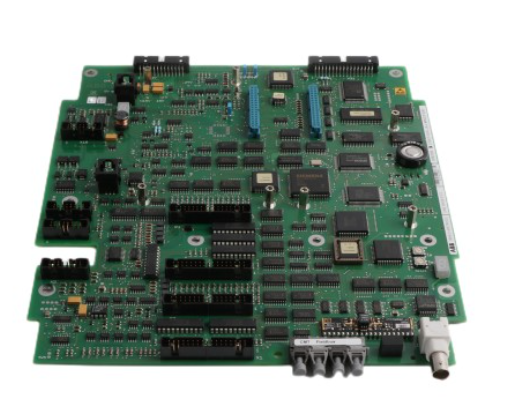
ABB 3BHE003855R001 UNS2882A excitation control unit module

Product Overview

ABB 3BHE003855R0001 UNS2882A, as a key excitation control unit module, occupies an important position in the field of industrial automation, especially in scenarios involving motor excitation control. Essentially, it is a printed circuit board (PCB) that integrates complex electronic components, specifically designed for motor excitation systems, with the aim of accurately regulating the excitation current of the motor and achieving stable control of its operating state. Its core task is to receive command signals from the higher-level control system, deeply process and convert the signals through internal precision circuit design and advanced algorithms, and finally output accurate control signals to drive the excitation equipment of the motor, ensuring that the motor can operate efficiently and stably under various working conditions, meeting the strict requirements of different industrial production processes for motor performance.

Specification parameters

Electrical parameters

Rated input voltage: 24V DC, this standard voltage enables it to adapt well to common DC power supply systems, ensuring stable power supply in various industrial scenarios and providing solid power guarantee for the normal operation of equipment.

Output signal: It can output a current signal of 2-25mA. This current signal serves as a key control signal, which can accurately drive the actuators in the motor excitation system, achieve precise adjustment of the motor excitation current, and meet the diverse requirements of signal output in different industrial control scenarios.

Physical parameters

Size: The overall specification is 24.3cm × 25cm × 3.5cm, adopting a compact and exquisite design structure, integrating rich functional modules in a limited space, making it easy to install in control cabinets or space limited areas of various industrial equipment, greatly saving internal space of the equipment and improving the convenience of system integration.

Weight: The net weight of the product is about 0.36kg. The lightweight quality not only facilitates transportation and installation, but also does not cause excessive load pressure on the installation structure during equipment operation, which is conducive to ensuring the overall stability of the equipment.

Other parameters

Environmental standards: Strictly comply with RoHS directive requirements, which indicates that ABB strictly controls the use of harmful substances in the product production process, actively practices environmental protection concepts, and helps enterprises move towards green production models.

Manufacturing year: Taking products manufactured in 2022 as an example, they incorporate advanced manufacturing processes and cutting-edge technological concepts at that time to ensure that product performance and quality keep up with the pace of industry development, fully meeting the needs of the rapid development of industrial automation today.

Tariff number: 85371092, this number provides convenience for customs declaration and classification of products in international trade, ensuring smooth circulation of products worldwide.

Core functions

Precise excitation current control: As an excitation control unit module, its core function is to achieve high-precision control of the excitation current of the motor. By accurately identifying and processing command signals from the control system, utilizing advanced internal circuit logic and control algorithms, the signals are converted into precise excitation current control signals to ensure that the motor can maintain stable speed and output torque under different load conditions, providing reliable power support for industrial production processes. For example, during the motor start-up phase, the excitation current can be quickly adjusted to help the motor start smoothly and reach the rated speed; During the operation of the motor, if the load changes, the excitation current can be adjusted in a timely manner to dynamically adjust the motor output torque and maintain efficient operation.

Real time monitoring and feedback of operating status: It has powerful functions for real-time monitoring of motor operating status. With the help of built-in sensors or monitoring circuits, key operating parameters of the motor, such as excitation current, motor speed, stator voltage and current, temperature, etc., can be collected and analyzed in real time. Once abnormal operation status of the motor is detected, such as excessive or insufficient excitation current, motor speed fluctuations exceeding the allowable range, etc., relevant information can be quickly fed back to the higher-level control center. Operators can take timely measures, make adjustments or maintenance based on feedback information, effectively prevent equipment failures, and ensure the continuity and stability of the production process.

Communication and Data Interaction: Supports efficient communication and data interaction with other devices or systems. Through specific communication interfaces such as RS-485, stable connections can be established with the upper computer, other controllers, or intelligent devices. On the one hand, it can receive control instructions and parameter setting information from the upper computer, achieve remote control and system integration, and facilitate operators to monitor and adjust the motor excitation system remotely; On the other hand, uploading the operational status data and monitoring information of the motor to the upper computer provides real-time monitoring data for operators and powerful data support for production decision-making, helping enterprises achieve intelligent production management.

Precautions

Installation environment requirements: It should be installed in a dry, well ventilated environment without severe vibration and impact, avoiding direct sunlight and humid environments. The ambient temperature should be maintained within the specified working temperature range of the product (usually -20 ℃ to+70 ℃, as specified in the product manual) to ensure the normal operation and service life of the product. At the same time, it is necessary to stay away from areas with strong magnetic and electric fields to prevent electromagnetic interference from having adverse effects on product performance. For example, during installation, avoid placing the module near strong electromagnetic radiation sources such as large transformers and motors.

Electrical connection specifications: When making electrical connections, it is necessary to strictly follow the requirements of the product manual. Carefully distinguish the input and output interfaces, ensure that the power lines, control signal lines, etc. are connected correctly and firmly, and avoid loose wiring, short circuits, and other situations. Before connecting to the power supply, it is necessary to check the wiring again to ensure that it is correct before powering on, in order to avoid product damage or safety accidents caused by wiring errors. For example, when connecting power cords, ensure that the polarity is correct and the wiring terminals are tightened to prevent poor contact from causing heating or even fire.

Daily maintenance: Regularly clean the product, remove dust and dirt from the surface, and maintain good heat dissipation performance of the product. Check the operating status of the equipment, observe whether the indicator lights are displaying normally, and monitor whether there are any abnormal sounds during the operation of the equipment. Regularly test and calibrate the key performance indicators of the product to ensure that the control accuracy of the product always meets production requirements. If any malfunction or abnormal situation is found in the product, it should be stopped in a timely manner and repaired by professional maintenance personnel. Do not disassemble or repair the product without authorization to avoid more serious damage. For example, the module should undergo a visual inspection and cleaning once a month, and its performance indicators should be tested and calibrated once a quarter.

Software Upgrade and Version Management: With the continuous advancement and updates of technology, ABB may release software upgrade versions for this product to fix known issues, improve product performance, or add new features. Users should closely monitor the software update information released by ABB and, if conditions permit, promptly upgrade the product software. During the upgrade process, it is necessary to strictly follow the steps in the upgrade guide, backup important data in the product in advance, and prevent data loss or product failure caused by accidents during the upgrade process. At the same time, attention should be paid to the compatibility between software versions and hardware devices to avoid affecting the normal use of the product due to software version mismatch. For example, before upgrading software, one should carefully read the upgrade instructions, understand the upgrade content and precautions, and backup the device’s configuration data.

image.png

ABB 3BHE014967R0002 UNS 2880B-P,V2: COB PCB Assembled

Product Overview

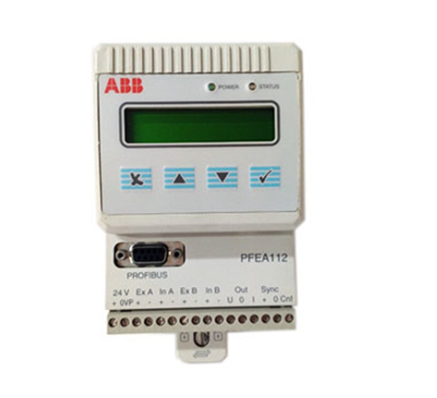
ABB 3BSE050091R20 Tension Electronics PFEA112-20 is a tension control device widely used in the industrial field. It is mainly used for precise monitoring and regulation of the tension of various materials during production and processing, ensuring that the materials always maintain a stable and appropriate tensile state. This equipment can play a crucial role in the production and processing of materials such as paper, film, metal foil, as well as fibers, wires, and cables. By receiving real-time feedback signals from tension sensors, PFEA112-20 can accurately adjust and control the operation of winding, stretching, or printing machinery based on preset tension values, effectively avoiding problems such as material tearing and uneven winding caused by insufficient or excessive tension, thereby significantly improving production efficiency and product quality.

Physical parameters

Dimensions: The net depth/length of the product is 450mm, the net height is 47mm, and the net width is 290mm.

Weight: The net weight of the product is 0.67kg.

Power: Only 7.5W, demonstrating excellent energy-saving characteristics, while ensuring efficient operation of equipment and reducing energy consumption costs.

Frequency: Supports a frequency range of 45-65Hz and can adapt to various common industrial power frequency standards, enhancing the versatility of the equipment.

Number of tension units: Equipped with 2 tension unit interfaces, it can simultaneously connect two tension meters to achieve multi-dimensional monitoring and control of material tension, providing strong support for complex production processes.

Excitation signal current: Output a 0.5Ams excitation signal with a frequency of 330Hz to the tension meter. This signal is used to achieve accurate measurement and subsequent processing of tension signals, ensuring the accuracy of tension data acquisition.

Protection level: Two protection levels, IP20 and IP65, are available for users to choose from. The IP20 protection level is suitable for general indoor environments and can effectively prevent dust; The IP65 protection level provides stronger protection capabilities, such as waterproof and dustproof, and is suitable for harsh industrial production environments, such as places with dust and water mist.

Working temperature: It can work stably within the temperature range of+5-+55 ° C, adapt to the temperature conditions of most industrial production sites, and ensure the continuous and stable operation of equipment in different seasons and working environments.

Display unit: Supports multiple unit displays such as N, KN, KG, LBS, N/M, KN/M, KG/M, PLI, etc., making it convenient for users to view and analyze tension data according to their own needs and habits.

Core functions

Accurate tension monitoring and control: Through high-precision signal processing algorithms, real-time analysis and processing of signals from two tension meters can accurately control material tension, with control accuracy reaching industry-leading levels, ensuring that material tension is always maintained within the predetermined optimal range during the production process.

Signal processing and regulation: With strong signal processing capabilities, it amplifies, corrects, and filters the collected tension signals, removes interference and noise from the signals, and outputs accurate and reliable tension signals, providing a solid data foundation for subsequent control decisions.

Multiple output modes: providing two modes of voltage and current output A+B, and the output signal can be flexibly adjusted according to actual needs to meet the control requirements of different types of actuators. Whether it is motor drive or brake control, precise adaptation can be achieved.

Diversified display functions: It can flexibly display various tension signal combinations such as A, B, A+B, AB on the display screen, making it convenient for operators to intuitively understand the tension situation in different positions and dimensions, so as to make timely adjustments.

Convenient communication function: Integrated with Profibus DP communication interface, it can easily connect with mainstream controllers such as SIEMENS and ABB, achieving high-speed and stable transmission of DP tension actual values. This digital transmission method effectively avoids signal interference, improves the accuracy and reliability of data transmission, and facilitates its integration into complex industrial automation control systems.

Precautions

Installation environment requirements: When selecting the installation location, environmental factors should be fully considered. If IP20 protection level equipment is selected, it should be installed in a dry, clean, dust-free, and strong electromagnetic interference free indoor environment; If choosing equipment with IP65 protection level, although it can adapt to harsh environments, it should also be avoided to install in places with strong corrosive gases as much as possible. At the same time, it is necessary to ensure that the ambient temperature at the installation location is within the specified operating temperature range of the equipment (+5-+55 ° C) to ensure the normal operation of the equipment.

Wiring specifications: When performing equipment wiring operations, it is necessary to strictly follow the requirements of the product manual. Carefully distinguish between different interfaces such as power supply wiring, sensor wiring, and output control wiring to ensure that the wiring is firm and reliable, and to avoid loosening, short circuits, and other situations. Especially when connecting tension sensors, attention should be paid to the correct connection of signal polarity to prevent abnormal signal transmission or equipment damage caused by wiring errors.

Parameter setting and calibration: Parameter setting and calibration operations are required after the initial use of the equipment or replacement of key components such as tension sensors. According to the actual production process requirements, accurately set key parameters such as tension preset values, signal filtering parameters, and output signal ranges. At the same time, professional calibration tools are used to calibrate the equipment to ensure the accuracy of tension measurement and control. In the subsequent production process, equipment should also be regularly calibrated and maintained to ensure the long-term stability of equipment performance.

Software Upgrade and Maintenance: With the continuous development and updates of technology, ABB may release software upgrade versions for PFEA112-20 to fix known issues, improve equipment performance, or add new features. Users should pay attention to the software update information officially released by ABB and, if conditions permit, upgrade the equipment software in a timely manner. During the upgrade process, it is necessary to strictly follow the steps in the upgrade guide, backup important data in the device in advance, and prevent data loss or device failure caused by accidents during the upgrade process.

Similar model supplement

PFEA111: Compared with PFEA112-20, PFEA111 also has tension control function and can connect two pressure heads. But its biggest difference is that it does not have a DP interface, which limits its integration with other devices or systems that have DP communication capabilities. If the application scenario does not require high communication functionality and the budget is relatively limited, PFEA111 can be a more economical choice.

PFEA113: This model also comes with a DP interface, and the main difference from PFEA112-20 is its stronger tension unit expansion capability, which can connect four pressure heads. This makes PFEA113 advantageous in scenarios where tension monitoring and control dimensions are higher and production processes are more complex, such as large-scale paper production lines or multi material composite processing lines, which can accurately monitor and control tension at more locations simultaneously.

Application scenarios

Paper industry: In the process of paper production, precise control of paper tension is required at every stage from pulp forming to paper winding. PFEA112-20 can monitor the tension changes of paper in real-time during transportation, and adjust the speed and pressure of the winding equipment in a timely manner to ensure that the paper is wound flat and evenly, avoiding quality problems such as wrinkles and breakage, and improving the production quality and efficiency of paper.

Plastic film production: The tension control requirements for plastic film are extremely strict during extrusion, stretching, winding and other processes. PFEA112-20 can ensure uniform thickness and smooth surface of the film during production through precise tension control, reducing problems such as thickness deviation and tensile deformation caused by uneven tension, improving the quality of plastic film products, and meeting the strict requirements of different industries for film quality.

Metal processing: Stable tension control is crucial for ensuring the dimensional accuracy, surface quality, and physical properties of products during the rolling, stretching, and production processes of metal foil and wires and cables. PFEA112-20 can accurately adjust the tension according to the characteristics of metal materials and production process requirements, ensuring that the thickness of metal foil is consistent during the rolling process, and that wire and cable do not experience breakage or uneven thickness during the drawing process, thereby improving the quality and yield of metal processed products.

Printing and packaging: In the printing and packaging industry, whether it is paper printing or film packaging, the tension control of materials directly affects the clarity, registration accuracy, and sealing of printed patterns. PFEA112-20 ensures stable transportation of paper or film during the printing process by monitoring and adjusting material tension in real-time, avoiding problems such as printing pattern deviation and blurring caused by tension fluctuations. At the same time, it guarantees the dimensional accuracy and quality stability of packaging materials in sealing, cutting and other processes, improving the overall quality of printed packaging products.

ABB 3BSE050091R20 Tension Electronics PFEA112-20

ABB 3BSE050091R20 Tension Electronics PFEA112-20 is a tension control device widely used in the industrial field. It is mainly used for precise monitoring and regulation of the tension of various materials during production and processing, ensuring that the materials always maintain a stable and appropriate tensile state. This equipment can play a crucial role in the production and processing of materials such as paper, film, metal foil, as well as fibers, wires, and cables. By receiving real-time feedback signals from tension sensors, PFEA112-20 can accurately adjust and control the operation of winding, stretching, or printing machinery based on preset tension values, effectively avoiding problems such as material tearing and uneven winding caused by insufficient or excessive tension, thereby significantly improving production efficiency and product quality.

Specification parameters

Working voltage: Suitable for DC24V (stable operation in the range of 18-36V), this wide voltage adaptability enables it to operate reliably in different power supply environments, reducing the impact of voltage fluctuations on equipment performance.

Power: Only 7.5W, demonstrating excellent energy-saving characteristics, while ensuring efficient operation of equipment and reducing energy consumption costs.

Frequency: Supports a frequency range of 45-65Hz and can adapt to various common industrial power frequency standards, enhancing the versatility of the equipment.

Number of tension units: Equipped with 2 tension unit interfaces, it can simultaneously connect two tension meters to achieve multi-dimensional monitoring and control of material tension, providing strong support for complex production processes.

Excitation signal current: Output a 0.5Ams excitation signal with a frequency of 330Hz to the tension meter. This signal is used to achieve accurate measurement and subsequent processing of tension signals, ensuring the accuracy of tension data acquisition.

Protection level: Two protection levels, IP20 and IP65, are available for users to choose from. The IP20 protection level is suitable for general indoor environments and can effectively prevent dust; The IP65 protection level provides stronger protection capabilities, such as waterproof and dustproof, and is suitable for harsh industrial production environments, such as places with dust and water mist.

Working temperature: It can work stably within the temperature range of+5-+55 ° C, adapt to the temperature conditions of most industrial production sites, and ensure the continuous and stable operation of equipment in different seasons and working environments.

Display unit: Supports multiple unit displays such as N, KN, KG, LBS, N/M, KN/M, KG/M, PLI, etc., making it convenient for users to view and analyze tension data according to their own needs and habits.

Core functions

Accurate tension monitoring and control: Through high-precision signal processing algorithms, real-time analysis and processing of signals from two tension meters can accurately control material tension, with control accuracy reaching industry-leading levels, ensuring that material tension is always maintained within the predetermined optimal range during the production process.

Signal processing and regulation: With strong signal processing capabilities, it amplifies, corrects, and filters the collected tension signals, removes interference and noise from the signals, and outputs accurate and reliable tension signals, providing a solid data foundation for subsequent control decisions.

Multiple output modes: providing two modes of voltage and current output A+B, and the output signal can be flexibly adjusted according to actual needs to meet the control requirements of different types of actuators. Whether it is motor drive or brake control, precise adaptation can be achieved.

Diversified display functions: It can flexibly display various tension signal combinations such as A, B, A+B, AB on the display screen, making it convenient for operators to intuitively understand the tension situation in different positions and dimensions, so as to make timely adjustments.

Convenient communication function: Integrated with Profibus DP communication interface, it can easily connect with mainstream controllers such as SIEMENS and ABB, achieving high-speed and stable transmission of DP tension actual values. This digital transmission method effectively avoids signal interference, improves the accuracy and reliability of data transmission, and facilitates its integration into complex industrial automation control systems.

Precautions

Installation environment requirements: When selecting the installation location, environmental factors should be fully considered. If IP20 protection level equipment is selected, it should be installed in a dry, clean, dust-free, and strong electromagnetic interference free indoor environment; If choosing equipment with IP65 protection level, although it can adapt to harsh environments, it should also be avoided to install in places with strong corrosive gases as much as possible. At the same time, it is necessary to ensure that the ambient temperature at the installation location is within the specified operating temperature range of the equipment (+5-+55 ° C) to ensure the normal operation of the equipment.

Wiring specifications: When performing equipment wiring operations, it is necessary to strictly follow the requirements of the product manual. Carefully distinguish between different interfaces such as power supply wiring, sensor wiring, and output control wiring to ensure that the wiring is firm and reliable, and to avoid loosening, short circuits, and other situations. Especially when connecting tension sensors, attention should be paid to the correct connection of signal polarity to prevent abnormal signal transmission or equipment damage caused by wiring errors.

Parameter setting and calibration: Parameter setting and calibration operations are required after the initial use of the equipment or replacement of key components such as tension sensors. According to the actual production process requirements, accurately set key parameters such as tension preset values, signal filtering parameters, and output signal ranges. At the same time, professional calibration tools are used to calibrate the equipment to ensure the accuracy of tension measurement and control. In the subsequent production process, equipment should also be regularly calibrated and maintained to ensure the long-term stability of equipment performance.

Software Upgrade and Maintenance: With the continuous development and updates of technology, ABB may release software upgrade versions for PFEA112-20 to fix known issues, improve equipment performance, or add new features. Users should pay attention to the software update information officially released by ABB and, if conditions permit, upgrade the equipment software in a timely manner. During the upgrade process, it is necessary to strictly follow the steps in the upgrade guide, backup important data in the device in advance, and prevent data loss or device failure caused by accidents during the upgrade process.

Similar model supplement

PFEA111: Compared with PFEA112-20, PFEA111 also has tension control function and can connect two pressure heads. But its biggest difference is that it does not have a DP interface, which limits its integration with other devices or systems that have DP communication capabilities. If the application scenario does not require high communication functionality and the budget is relatively limited, PFEA111 can be a more economical choice.

PFEA113: This model also comes with a DP interface, and the main difference from PFEA112-20 is its stronger tension unit expansion capability, which can connect four pressure heads. This makes PFEA113 advantageous in scenarios where tension monitoring and control dimensions are higher and production processes are more complex, such as large-scale paper production lines or multi material composite processing lines, which can accurately monitor and control tension at more locations simultaneously.

ABB 3BSE020520R1 CI810B AF 100 Fieldbus Comm. Interface

Product overview

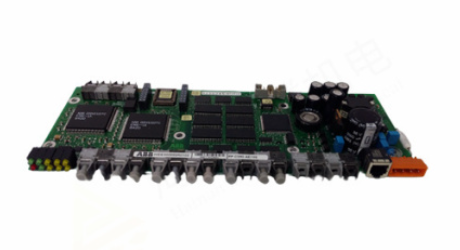
ABB CI810B AF 100 is a fieldbus communication interface module (product ID: 3BSE020520R1), whose core function is to achieve fieldbus communication connection through two AF100 twisted pair modems. As a key interaction node between equipment and bus network in industrial control systems, it supports data transmission and signal interaction between equipment, and is an important component of ABB’s industrial automation communication system.

Includes components

1 power connector, model 3BSC840098R1.

One TB807 module bus terminator, model 3BSE008538R1.

Two terminal blocks, model 3BSC840098R1.

Also includes AF100 connector, model 3BSC840105R1.

Technical and Classification Information

Product type: Belongs to Communication-Module.

Category: Refers to multiple control systems and related I/O and communication module classifications, such as multiple subcategories under Control System Products and 800 in Control Systems xA、Advant OCS with Master SW、Advant OCS with MOD 300 SW、Compact Product Suite  The classification of I/O and communication modules under the same system is covered in multiple versions of S800 I/O (4.0, 4.1, 5.0, 5.1).

Physical and other information

Physical parameters: The net height of the product is 250mm, the net width is 158mm, and the net weight is 0.5kg.

Environment related: The WEEE category is small equipment (with no external dimensions exceeding 50 centimeters) and the number of batteries is 0.

Customs related: The country of origin is Estonia (EE), and the HS code corresponds to other devices used for transmitting or receiving voice, image, or other data, including devices used for wired or wireless network communication, except for specific items. It also involves customs tariff code 85389091.

Core functions

Fieldbus communication: Through AF100 twisted pair modem, bidirectional data transmission between industrial equipment and fieldbus network is achieved, supporting real-time interaction of equipment status signals, control instructions and other information.

Module integration adaptation: As a communication intermediate node, it is compatible with S800 I/O series (4.0/4.1/5.0/5.1 versions) and control systems such as Advant OCS and 800xA, enabling communication and collaboration between different devices.

Stable signal transmission: equipped with module bus terminator (TB807) to reduce signal interference, ensure the stability of bus communication and data transmission accuracy.

Working principle

CI810B, as a fieldbus communication interface, converts the electrical signals of industrial equipment into a signal format suitable for bus transmission through AF100 twisted pair modems, and connects to the fieldbus network through terminal blocks and connectors; Simultaneously receiving control signals transmitted through the bus, converting them and transmitting them to connected devices, achieving closed-loop communication of “device bus control system”. The module bus terminator (TB807) is used to eliminate signal reflection and ensure signal integrity during long-distance transmission. Software version 1.5 supports the parsing and execution of basic communication protocols.

Key advantages

Strong compatibility: Suitable for multiple ABB control systems (such as 800xA, Advant OCS) and different versions of S800 I/O series, flexibly integrated into various industrial automation architectures.

Signal stability: Equipped with a built-in terminal and twisted pair modem, it effectively resists interference and ensures communication reliability in complex industrial environments.

Easy integration: Equipped with complete connectors, terminal blocks, and other components, it simplifies the installation and wiring process and reduces the difficulty of system integration.

Precautions

Installation environment: It belongs to “small equipment” (size ≤ 50cm) and needs to be installed in a dry, non strong electromagnetic interference industrial environment to avoid the influence of dust and corrosive gases.

Wiring specifications: Strictly follow the model of the supporting components (such as power connector 3BSC840098R1) for wiring, ensure the correct connection between the terminal block and the bus, and prevent abnormal signal transmission.

Software adaptation: The basic software version is 1.5. When upgrading or replacing, it is necessary to confirm compatibility with the control system version to avoid communication protocol mismatch.

Similar model supplement

CI801: ABB is another fieldbus interface module that supports the PROFIBUS protocol and is suitable for scenarios with specific communication protocol requirements. It is different from the AF100 bus type of CI810B.

CI854: A communication module that supports EtherNet/IP protocol, with a focus on high-speed data transmission in Ethernet environments, suitable for industrial scenarios that require high bandwidth communication.

ABB CI810B 3BSE020520R1 ডিজিটাল I O মডিউল AF100 ফিল্ডবাস কমিউনিকেশন মডিউল

ABB HIEE45116R0001 FM9925A-E High Voltage Control Board

Product Overview

The ABB HIEE45116R0001 FM9925A-E high-voltage control board occupies a core position in high-voltage electrical systems. It is like the “commander” of high-voltage equipment, responsible for precise control of the operation of various equipment in high-voltage environments, ensuring stable and efficient operation of equipment in scenarios such as power transmission and industrial high-voltage applications. From power distribution in large substations to drive control of high-voltage motors in industrial production, this control board plays a crucial role in providing solid guarantees for the reliable operation of high-voltage systems.

Functional characteristics

Precise high-voltage regulation: By using advanced control algorithms, it is possible to achieve extremely precise adjustment of key parameters such as output voltage and current of high-voltage equipment. For example, in the application of high-voltage motor speed regulation, ensuring that the motor can operate stably under different load conditions effectively improves equipment operating efficiency and reduces energy loss.

Comprehensive state monitoring: With the help of high-precision sensors, real-time monitoring of the operating status of high-voltage equipment, including important parameters such as temperature, pressure, and partial discharge. Once an anomaly is detected, the alarm mechanism can be triggered in a very short period of time, and relevant data can be recorded in detail, providing sufficient and accurate information for preventive maintenance and fault diagnosis of the equipment, greatly reducing the risk of sudden equipment failures.

Flexible communication adaptation: equipped with rich communication interfaces, supporting multiple communication protocols such as Modbus TCP, IEC 61850, etc. Whether connected to the local monitoring system or connected to a remote smart grid platform, efficient and stable data exchange can be achieved, making it convenient for operators to monitor the operation of high-voltage equipment anytime and anywhere, achieving remote monitoring and intelligent management.

Working principle

When the HIEE45116R0001 FM9925A-E high-voltage control board is connected to the high-voltage system, signals from sensors, operation terminals, and other devices are first collected through various input interfaces. These signals cover real-time operating status of the equipment, instructions issued by operators, and other information. The high-performance processor inside the control board performs fast calculations and logical analysis on input signals based on pre written control programs, and generates corresponding control instructions. Subsequently, these instructions are transmitted to the executing mechanism through output interfaces, such as high-voltage switch drivers, high-voltage transformer tap changer controllers, etc., to achieve precise control of high-voltage equipment. At the same time, the control board continuously receives feedback signals from the operation of the equipment, forming a closed-loop control loop and continuously optimizing the control strategy to keep the high-voltage equipment in the optimal operating state.

Precautions

Installation environment requirements: It should be installed in a dry, well ventilated, suitable temperature, and away from strong electromagnetic interference sources. Avoid installing in areas with corrosive gases, high levels of dust, or susceptible to mechanical vibration and impact, in order to avoid affecting the performance and service life of the control board.

Installation and wiring specifications: When performing installation and wiring operations, it is necessary to strictly follow the guidance in the product manual. Ensure that the power and signal lines are firmly and reliably connected to prevent loosening, short circuits, and other situations. At the same time, it is necessary to carefully distinguish the functions and wiring methods of different interfaces to prevent equipment damage or malfunction caused by misconnection.

Software maintenance and upgrade: When conducting software programming, program updates, or parameter adjustments, it is necessary to backup the original program and data in advance to prevent data loss. Newly written or updated programs should undergo sufficient testing and verification to ensure their correctness and stability, and to avoid abnormal operation of high-voltage equipment caused by program errors, which may endanger personnel and equipment safety.

Similar model supplement

HIE451116R0002 FM9925B-E: Compared to HIE451116R0001 FM9925A-E, this model has been upgraded in communication functionality, supporting more types of communication protocols, especially when communicating with the new generation of smart grid equipment, it has stronger compatibility and data exchange capabilities. At the same time, it can respond more quickly to the dynamic changes of high-voltage systems, suitable for application scenarios that require extremely high communication efficiency and real-time performance.

HIEE45115R0001 FM9920A-E: This model has relatively basic performance, but has a high cost-effectiveness. It performs well in some small high-voltage application scenarios with relatively low requirements for voltage accuracy. Although slightly inferior in terms of functional richness, it can meet the basic needs of high-voltage equipment control and monitoring, and is suitable for small businesses or low-voltage renovation projects with limited budgets.

ABB FM9925A-E HIEE45116R0001 Programmable logic controller Fast ...

ABB ASE2UDC920AE01 Digital Controller Module

Product overview

The ABB ASE2UDC920AE01 digital controller module, as a member of the ABB control system family, plays a crucial role in the field of industrial automation. It is like the “smart brain” of industrial equipment, responsible for precise control and strict monitoring of various equipment and machines in the industrial process. Through precise control of the production process, it effectively ensures the stable operation of the production line, thereby ensuring the consistency and stability of product quality, and laying a solid foundation for the efficient and reliable development of industrial production.

Precautions

Installation environment requirements: It should be installed in a dry, well ventilated, and suitable temperature (working temperature range is [specific temperature range 1], storage temperature range is [specific temperature range 2]) place without strong electromagnetic interference. Avoid installing in locations with corrosive gases, high levels of dust, or susceptible to mechanical vibration and impact to avoid affecting the performance and service life of the module.

Wiring specifications: When performing wiring operations, it is necessary to strictly follow the requirements of the product manual. Ensure that the connections of power and signal lines are firm and reliable, avoiding situations such as looseness and short circuits. At the same time, pay attention to distinguishing the functions and wiring methods of different interfaces to prevent equipment damage or malfunction caused by misconnection.

Software programming and updates: During software programming and program updates, it is necessary to backup the original program data in advance to prevent data loss. Newly written or updated programs should undergo sufficient testing and verification to ensure their correctness and stability, and to avoid abnormal device operation caused by program errors.

Functional Features

High precision control and monitoring: Using advanced control algorithms and high-precision sensor technology, it can accurately control and monitor equipment and machines in industrial processes in real time, ensuring stable operation of production lines and stability of product quality.

Strong universality: It can be applied to different fields and various application scenarios such as automated production lines, manufacturing processes, energy management systems, transportation systems, building automation, etc.

Strong programmability: Supports multiple programming languages and methods, making it convenient for users to personalize programming and configuration according to specific needs to meet different control requirements.

Modular design: It can be combined with other controller modules and sensors to form a complete control system, making it easy to expand and upgrade the system.

Excellent communication capability: Supports multiple communication protocols and interfaces, seamlessly integrates with other devices and systems, and enables information exchange and sharing.

High reliability: Equipped with comprehensive self diagnosis and troubleshooting functions, it can automatically detect faults in the system and take corresponding measures to eliminate them, ensuring the safe and stable operation of the system. In addition, it also has a sound safety protection mechanism, which can effectively protect the safety of equipment and personnel.

Key advantages

High reliability: In terms of hardware design, high-quality and highly stable electronic components are selected, and strict screening and aging testing are carried out to ensure that the module can still operate stably in harsh industrial environments (such as high temperature, high humidity, strong electromagnetic interference, etc.). In terms of software, it has a comprehensive self diagnosis and fault tolerance mechanism, which can detect potential faults in the system in real time. Once a fault is detected, measures such as redundant backup and automatic switching can be quickly taken to eliminate it, effectively reducing the risk of system downtime and ensuring production continuity.

Powerful Scalability: Based on the modular design concept, this controller module can be easily combined with other ABB controller modules, as well as various sensors and actuators. Users can flexibly build control systems that can be large or small in scale and feature rich and diverse functions according to actual project needs, easily achieving system upgrades and expansions, effectively protecting early-stage investments.

Excellent communication capability: Rich and advanced communication interfaces and protocol support enable it to seamlessly interact and communicate with devices and systems of different brands and types. Whether in the local area network environment within the factory or in the wide area network connection with the remote monitoring center, high-speed and stable data transmission can be achieved, laying a solid foundation for the realization of Industrial Internet of Things (IIoT) and intelligent factories.

Application area 

Industrial automation: In automated production lines and manufacturing processes, it can be used to control the operation of production equipment, monitor production processes, achieve automation and intelligence of production processes, and improve production efficiency and product quality.

Energy management: In an energy management system, precise control and monitoring of energy production, distribution, and use can be achieved to optimize energy allocation and efficient utilization, reducing energy consumption and costs.

Transportation: In the transportation system, it can be used for traffic signal control, vehicle monitoring, and scheduling to improve the operational efficiency and safety of the transportation system.

Intelligent building: In the field of building automation, it can be used to control the lighting, air conditioning, elevators and other equipment of buildings, achieve intelligent management of buildings, provide comfortable indoor environments and energy-saving effects.

3BHB022793R0001 ASE2 UD C920 AE01 ASE2UDC920AE01 ABB Communication Module

ABB PPC380AE102 high-performance industrial controller

Product overview

ABB PPC380AE102 is a high-performance industrial controller designed specifically to address complex industrial environments and diverse control requirements. It perfectly integrates advanced control technology, high-speed data processing capabilities, and reliable hardware design, and is committed to providing comprehensive automation control solutions for many industrial fields such as manufacturing, process control, and energy. Whether in precision control of automated production lines or real-time monitoring and control of large-scale industrial processes, PPC380AE102 can demonstrate extraordinary strength, helping enterprises achieve intelligent and efficient production.

Specification parameters

Model: PPC380AE102

Working voltage: With a wide voltage adaptation range, it can operate stably in common industrial voltage environments (such as 220V, 380V, etc.) and can be flexibly adjusted according to the special requirements of different application scenarios, ensuring stable and reliable power support for equipment under various complex power supply conditions.

Weight: After careful design and material selection, the weight is controlled within a reasonable range while ensuring functional integrity and reliability, making it easy to install and layout in various industrial equipment, reducing the impact on the overall structure and operational stability of the equipment.

Warranty period: Providing a 365 day warranty service is not only ABB’s high confidence in product quality, but also a powerful guarantee for customer rights. During the warranty period, customers can enjoy comprehensive technical support and after-sales maintenance services to ensure that the product is always in the best operating condition.

Temperature range: capable of stable operation in extreme temperature environments ranging from -20 ° C to+70 ° C. Whether in the cold northern industrial areas or the hot southern production workshops, PPC380AE102 can withstand temperature challenges, operate continuously and stably, effectively avoid equipment failures caused by environmental temperature changes, and ensure the continuity and stability of industrial production.

Protection level: Achieve the high standard protection level required for industrial applications, such as IP65 or higher. This enables it to effectively resist the erosion of dust, moisture, oil stains, and other common industrial environmental factors, providing reliable protection for internal precision electronic components, greatly extending the product’s service life, and ensuring long-term stable operation in harsh industrial environments.

Certification standards: Strictly follow international authoritative certification standards such as CE, UL, RoHS for design, production, and testing. From multiple dimensions such as product safety, electromagnetic compatibility, to environmental requirements, we comprehensively ensure product quality and compliance, allowing users to have no worries during use.

Key advantages

High performance and reliability: With high-performance processors, high-quality electronic components, and rigorously tested and validated hardware and software designs, PPC380AE102 can demonstrate outstanding performance and extremely high reliability in various complex industrial automation projects. Whether facing high-intensity data processing tasks or harsh industrial environment challenges, it can always maintain a stable and efficient operating state, effectively reduce equipment failure rates, minimize production interruption risks, and provide a solid and reliable guarantee for the continuity and stability of industrial production. According to actual application data statistics, the use of PPC380AE102 industrial control system reduces equipment failure rate by more than 30% compared to traditional controllers, greatly improving the production efficiency and economic benefits of enterprises.

High flexibility and scalability: Adopting a modular design concept, PPC380AE102 has excellent flexibility and scalability. It can be easily integrated into existing industrial control systems, achieving seamless connection and collaborative work with different brands and types of equipment. At the same time, users can easily and quickly expand the controller according to changes in actual production needs, such as adding I/O modules to meet the connection requirements of more devices, adding communication modules to expand communication functions, and replacing higher performance processor modules to improve computing power. This high degree of flexibility and scalability not only protects users’ initial investment, but also enables industrial control systems to continuously upgrade and optimize with the development of enterprise business and technological progress, always maintaining a leading level in the industry.

Excellent cost-effectiveness: PPC380AE102 has outstanding cost-effectiveness while meeting high-performance and powerful functional requirements. Its reasonable price positioning, low maintenance costs (including spare parts costs, repair costs, and technical support costs), and efficient and energy-saving design enable enterprises to effectively reduce costs when purchasing and using this controller. Through precise control algorithms and optimized energy management strategies, PPC380AE102 can help companies improve production efficiency, reduce energy consumption, and save significant costs in long-term operations. Compared with similar products, using PPC380AE102 can reduce the overall operating costs of enterprises by 15% -20%, significantly enhancing their market competitiveness.

Convenient maintenance and diagnosis: PPC380AE102 is equipped with a comprehensive self diagnostic function, which can monitor its own operating status in real time and quickly and accurately diagnose hardware failures, software abnormalities, and communication failures. Once a fault is detected, the controller can quickly issue an alarm to the user through indicator lights, communication interfaces, or alarm systems, and provide detailed information on the type and location of the fault, facilitating timely troubleshooting and maintenance by technical personnel. At the same time, its simple structural design and standardized interfaces make daily maintenance and equipment replacement operations simple and easy, effectively reducing equipment downtime and improving production efficiency. Based on actual maintenance experience, using the PPC380AE102 industrial control system has reduced the average fault repair time by more than 50% compared to traditional systems, greatly reducing the impact of equipment failures on production.

Precautions

Installation specifications: When installing the PPC380AE102 controller, it is necessary to strictly follow the detailed instructions in the product installation manual. Ensure that the controller is installed in a stable and flat position to avoid poor contact or damage caused by vibration, displacement, and other factors. During the wiring process, it is necessary to carefully check whether the wiring is correct and secure, strictly follow electrical safety regulations, and prevent electrical faults such as short circuits and open circuits caused by wiring errors, which may cause equipment damage or personnel safety accidents. At the same time, attention should be paid to the reasonable wiring and protection of cables to avoid external compression, wear, or interference.

Parameter configuration: Before using PPC380AE102, users must carefully read the product manual and have a deep understanding of the various parameters and functional settings of the controller. According to the specific requirements of the actual application scenario, such as the characteristics of the controlled object, production process requirements, communication network architecture, etc., configure the parameters of the controller reasonably, including input/output signal types, communication protocols, control algorithm parameters, alarm thresholds, etc. Unreasonable parameter configuration may cause the controller to malfunction or fail to fully utilize its performance advantages, and may even affect the stability and reliability of the entire industrial control system. Therefore, after the parameter configuration is completed, it is recommended to conduct sufficient testing and verification to ensure that the system runs normally.

Environmental adaptation: Although PPC380AE102 has strong environmental adaptability, in actual use, it should still be avoided as much as possible to keep the controller in an environment that exceeds its specified working temperature range, has high humidity, or strong electromagnetic interference for a long time. Excessive or insufficient temperature may affect the performance and service life of electronic components inside the controller, leading to equipment failure; A humid environment may cause issues such as circuit short circuits and corrosion, reducing the reliability of equipment; Strong electromagnetic interference may cause signal transmission errors, abnormal control instructions, and affect the normal operation of the system. If used in high temperature environments, it is necessary to ensure that the equipment has good heat dissipation measures, such as installing cooling fans, heat sinks, etc; In low-temperature environments, appropriate heating and insulation measures can be considered, such as using heating belts. For places with strong electromagnetic interference, effective shielding measures should be taken, such as using shielded cables, metal shielding enclosures, etc., to ensure the stable operation of the controller.

Regular maintenance: To ensure the long-term stable operation of PPC380AE102, enterprises should establish a sound regular maintenance system. Regularly check the operating status of the equipment, observe whether the indicator lights are displaying normally, and whether there are any abnormal noises or odors. Regularly clean the surface dust of the equipment to prevent excessive dust accumulation from affecting heat dissipation and electrical performance. At the same time, regular functional testing of the controller is conducted, such as input and output signal testing, communication function testing, control algorithm verification, etc., to promptly identify and address potential issues. In addition, important data and programs in the controller should be backed up regularly to prevent data loss. Through regular maintenance, the service life of the controller can be effectively extended, ensuring that the equipment can work normally at critical moments and guaranteeing the smooth progress of industrial production.

ABB PPC380AE02 high-performance control module

Product Overview

ABB PPC380AE02 is an advanced control module specially designed for industrial automation applications. It is committed to achieving precise and efficient control and monitoring of various equipment in complex, ever-changing, and demanding industrial environments, and is the core component of building modern industrial control systems. Its design closely conforms to the actual needs of multiple industrial fields such as manufacturing, process control, and automated production lines, injecting strong impetus into the intelligent upgrading of industrial production.

Specification parameters

Model: PPC380AE02

Working voltage: 220V, able to adapt to various common industrial voltage environments, and can be flexibly adjusted according to the special needs of actual application scenarios to ensure stable power supply.

Weight: 2KG, maintaining a relatively reasonable weight while ensuring functional integrity, making it easy to install and layout in various industrial equipment.

Warranty period: up to 365 days, fully demonstrating ABB’s high confidence in the quality of this product and providing reliable after-sales support for users.

Temperature range: It can operate stably within the ambient temperature range of -20 ° C to+70 ° C, with excellent environmental adaptability. Whether in cold northern industrial bases or hot southern production workshops, it can work normally, ensuring that industrial production is not overly affected by environmental temperature changes.

Protection level: Achieve the standard protection level required for industrial applications, effectively resist the erosion of common industrial environmental factors such as dust and moisture, extend the product’s service life, and ensure long-term stable operation.

Certification standards: Strictly following international authoritative certification standards such as CE, UL, RoHS, etc., ensuring product quality and compliance from multiple dimensions such as product safety and environmental protection, allowing users to use with more confidence.

Core functions

Efficient signal integration and processing: As an advanced I/O module, PPC380AE02 achieves seamless integration of input and output signals. It adopts advanced signal processing technology and has high-speed and precise input/output capabilities, which can quickly and accurately process various complex signals. On industrial automation production lines, various signals of equipment operation status can be collected in real time, such as temperature, pressure, position and other information feedback from sensors, and the processed control signals can be quickly transmitted to the actuators to ensure that the equipment runs accurately according to the preset program, greatly improving the response speed and control accuracy of the production process.

Wide device connectivity capability: This module supports multiple signal types and interfaces, enabling convenient connection and effective control with various types and brands of industrial equipment. Whether it is traditional relays, contactors, or modern intelligent sensors and actuators, PPC380AE02 can be easily adapted. For example, in an automated factory workshop containing multiple brands of equipment, PPC380AE02 can integrate different devices under the same control system with its rich interfaces and strong compatibility, achieving collaborative operations and avoiding system integration problems caused by equipment compatibility issues.

Powerful control operation function: It has rich operation functions, covering basic operations such as logical operations, timing and counting, data transmission and comparison, as well as advanced operations such as algebraic operations, numerical conversion, and PID operations required in analog detection and control scenarios. In industrial process control, such as temperature, flow rate, liquid level and other parameter control in chemical production, PPC380AE02 can quickly perform complex calculations based on preset control algorithms and real-time collected data, generate accurate control instructions, ensure stable and efficient operation of the production process, and ensure product quality meets strict standards.

Flexible communication and networking capabilities: Supports multiple mainstream communication protocols such as Modbus, IEC 670, Profibus, FF Hart, Interbus, etc. This enables efficient and stable data exchange and communication with other automation equipment, upper computers, and factory management networks. Through communication interfaces such as Ethernet and Profinet, PPC380AE02 can easily connect to the Industrial Internet of Things (IIoT) architecture, enabling remote monitoring, data collection and analysis of devices, as well as seamless integration with enterprise information management systems. In distributed industrial control systems, PPC380AE02 modules from different regions can work together through communication networks to build a large and orderly automation control network.

Precautions

Installation specifications: When installing the PPC380AE02 module, it is necessary to strictly follow the detailed instructions in the product installation manual. Ensure that the module is securely installed to avoid poor contact or damage caused by vibration, displacement, and other factors. At the same time, carefully check whether the wiring is correct, strictly follow electrical safety regulations, and prevent electrical faults such as short circuits and open circuits caused by wiring errors, which may cause equipment damage or safety accidents.

Parameter configuration: Before use, be sure to carefully read the product manual and have a deep understanding of the various parameters and functional settings of the module. According to the specific requirements of actual application scenarios, configure module parameters reasonably, such as input/output signal types, communication protocols, control algorithm parameters, etc. Unreasonable parameter configuration may cause the module to malfunction or fail to fully utilize its performance advantages, affecting the overall operational effectiveness of the industrial control system.

Environmental adaptation: Although PPC380AE02 has certain environmental adaptability, it should be avoided as much as possible to expose the module to environments that exceed its specified working temperature range, high humidity, or strong electromagnetic interference for a long time. Excessively high or low temperatures may affect the performance and service life of electronic components within the module; A humid environment may cause issues such as circuit short circuits and corrosion; Strong electromagnetic interference may cause signal transmission errors, abnormal control instructions, and other situations. If used in high temperature environments, it is necessary to ensure that the equipment has good heat dissipation measures, such as installing cooling fans, heat sinks, etc; In low-temperature environments, appropriate heating and insulation measures can be considered, such as using heating belts. For places with strong electromagnetic interference, effective shielding measures should be taken, such as using shielded cables, metal shielding enclosures, etc., to ensure the stable operation of the module.

Regular maintenance: To ensure the long-term stable operation of the module, a regular maintenance system should be established. Regularly check the operating status of the equipment, observe whether the indicator lights are displaying normally, and whether there are any abnormal noises or odors. Regularly clean the surface dust of the equipment to prevent excessive dust accumulation from affecting heat dissipation and electrical performance. At the same time, regular functional testing of modules is conducted to promptly identify and address potential issues, ensuring that modules can function properly at critical moments and ensuring the smooth progress of industrial production.

image.png

Search for products

Back to Top
Product has been added to your cart