The ABB 3BHE027632R0101 excitation control controller module is a core component used for precise control of excitation systems in power systems and various industrial drive equipment. It is mainly responsible for precise regulation of the excitation current of generators and other equipment. By monitoring the operating parameters of the generator, such as voltage, frequency, load, etc., it adjusts the excitation output in real time according to established control strategies to ensure that the generator maintains stable output voltage and frequency, and guarantees the reliability and stability of the power system. This module, with advanced design concepts, high reliability hardware architecture, and efficient control algorithms, is widely applicable to various power generation scenarios, from traditional thermal power generation and hydropower generation to emerging wind power generation, photovoltaic power generation, etc., playing a key role in the entire energy field.
Specification parameters
Input voltage range: 180-264V AC (wide voltage input, suitable for different power grid environments)
Control accuracy: Voltage control accuracy: ± 0.5%; Frequency control accuracy: ± 0.1Hz (ensuring stability and high quality of generator output)
Communication interface: Supports multiple industrial standard communication protocols such as Modbus RTU and Ethernet/IP, making it easy to integrate with the upper control system
Working temperature range: -20 ℃ to+60 ℃ (suitable for a wide range of environmental temperatures and can operate stably under different climatic conditions)
Storage temperature range: -40 ℃ to+85 ℃ (to ensure that the performance of the module is not affected during long-term storage or transportation)
Protection level: IP20 (suitable for indoor control cabinet installation environment, effectively dustproof)
Working principle
During the operation of the generator, the 3BHE027632R0101 module first obtains real-time operating parameters such as output voltage, current, and frequency of the generator through its signal acquisition circuit. After pre-processing such as filtering and amplification, these analog signals are transmitted to the core microprocessor inside the module. The microprocessor analyzes and calculates the excitation current required by the generator under current operating conditions based on preset control algorithms, such as PID control algorithm (proportional integral derivative control algorithm), by analyzing and calculating the collected parameters. Subsequently, the microprocessor outputs corresponding control signals, which pass through the power amplification circuit to drive the excitation power unit to adjust the excitation current output to the generator rotor. By continuously monitoring and feedback adjusting in real-time, the generator is ensured to be in a stable operating state and output high-quality electricity. At the same time, the fault diagnosis circuit inside the module monitors the current, voltage, temperature and other parameters of each part of the circuit in real time. Once an abnormality is detected, the protection action is immediately triggered, the excitation output is stopped, and the fault information is fed back to the upper control system through the communication interface.
Key advantages
High reliability: By using high-quality electronic components and advanced manufacturing processes, and undergoing rigorous quality inspection and reliability testing, it can operate stably in complex industrial environments for a long time, effectively reducing equipment failure rates and maintenance costs.
Precise control performance: With extremely high control accuracy, it can accurately regulate the excitation current, ensure the stability of the generator output voltage and frequency, and meet various application scenarios with strict requirements for power quality, such as precision manufacturing, medical equipment power supply, etc.
Powerful compatibility: Supports multiple industrial standard communication protocols, seamlessly integrates with different brands, types of upper control systems, and other power equipment, facilitates the construction of complex power automation systems, and improves the system’s versatility and scalability.
Comprehensive fault diagnosis and protection functions: With a comprehensive fault diagnosis mechanism and fast response protection measures, various potential faults can be detected and dealt with in a timely manner, effectively protecting generators and other power equipment, and improving the overall safety and reliability of the system.
ABB UCD208A101 is a universal digital I/O module, which is an important interface component in industrial automation systems, mainly responsible for the input and output conversion of digital signals. It can receive digital signals from on-site devices (such as switch status, sensor trigger signals, etc.) and transmit them to the control system; At the same time, it can also convert the digital instructions issued by the control system into corresponding output signals, driving actuators (such as relays, solenoid valves, etc.) to operate. This module adopts modular design, compact structure, strong compatibility, and can be flexibly integrated into various automation control systems, providing a stable and reliable bridge for signal interaction in industrial sites.
Brand background
ABB, as a leading global power and automation technology company headquartered in Zurich, Switzerland, has a development history of over 130 years. Its business covers multiple key areas such as energy, industry, transportation, and construction, always driven by technological innovation, providing high-quality automation products and solutions to global customers. In the field of industrial automation, ABB’s I/O module series products are known for their excellent performance, high reliability, and wide applicability. UCD208A101, as a universal digital I/O module, continues ABB’s professional accumulation and strict quality standards in the field of interface technology, and is a trusted component in industrial automation systems.
Specification parameters
Input type: Digital input (dry contact/wet contact)
Output type: Digital output (transistor/relay)
Input points: 8 points
Output points: 8 points
Working voltage: 24V DC
Input current: maximum 5mA per point
Output current: maximum 2A per point (transistor output)
Working temperature range: -25 ℃ to+70 ℃
Storage temperature range: -40 ℃ to+85 ℃
Protection level: IP20 (module itself)
Dimensions (width x height x depth): 45mm x 120mm x 110mm
Weight: Approximately 0.25kg
Key advantages
Strong universality: supports multiple types of digital input and output (dry/wet contact input, transistor/relay output), can adapt to different brands and types of field devices, reducing selection difficulty.
High anti-interference ability: using electrical isolation and filtering technology, it can effectively resist electromagnetic interference, surges and other interference signals in industrial sites, ensuring stable and reliable signal transmission.
Flexible Expansion: The modular design allows it to flexibly increase or decrease the number of modules according to system requirements, supporting seamless integration with other automation components of ABB (such as controllers and communication modules), facilitating system expansion.
Comprehensive diagnosis: Equipped with comprehensive fault diagnosis functions, it can quickly locate abnormalities in input and output circuits, shorten troubleshooting time, and improve system availability.
Easy installation: compact structure, small size (45mm × 120mm × 110mm), using standard guide rail installation method, can be quickly integrated into the control cabinet, saving installation space.
Precautions
Wiring specifications: When wiring, it is necessary to strictly distinguish between input and output terminals, ensure that the signal line and power line are connected correctly, and avoid module damage caused by reverse connection or short circuit; For relay output, it is important to ensure that the load current does not exceed the rated value.
Power requirements: The working power supply should be stable at 24V DC, and the fluctuation range should be controlled within the allowable range (usually ± 10%). It is recommended to equip an independent power protection device to prevent voltage surges.
Environmental protection: The module protection level is IP20 and needs to be installed in a closed control cabinet to avoid direct contact with dust and water vapor; The working environment temperature should be controlled between -25 ℃ and+70 ℃ to avoid exceeding the range and affecting performance.
Static protection: When installing, disassembling, or maintaining modules, operators should wear anti-static wristbands to prevent static electricity from penetrating sensitive internal components.
Grounding treatment: The grounding terminal of the module should be reliably grounded, and the grounding resistance should meet the system requirements to enhance anti-interference ability and ensure safety.
Application scenarios
Industrial production line: used in automobile assembly lines, food packaging lines and other production lines to collect position signals of conveyor belts, operation status signals of equipment (such as motor start stop), and control the actions of electromagnetic valves, indicator lights and other equipment to achieve automated control of the production line.
Machine tool equipment: It is compatible with CNC machine tools, machining centers, and other equipment, receiving limit switch signals from the machine tool and button signals from the operation panel, and outputting signals to control spindle start stop, coolant switch, etc., to ensure the precise operation of the machine tool.
Building automation: In intelligent building systems, collect switch signals from access control systems and trigger signals for fire alarms, control the start and stop of lighting circuits and air conditioning fans, and achieve intelligent management of building equipment.
Transportation facilities: In the platform equipment of rail transit (such as platform screen doors and automatic ticket vending machines), it is used to receive status signals from sensors, output commands to control equipment switches, and ensure the safe and efficient operation of transportation facilities.
Water treatment industry: In the automation systems of sewage treatment plants and water treatment plants, the operation status signals of water pumps and valves are collected, and their start and stop are controlled to achieve automated monitoring of the water treatment process and improve water treatment efficiency.
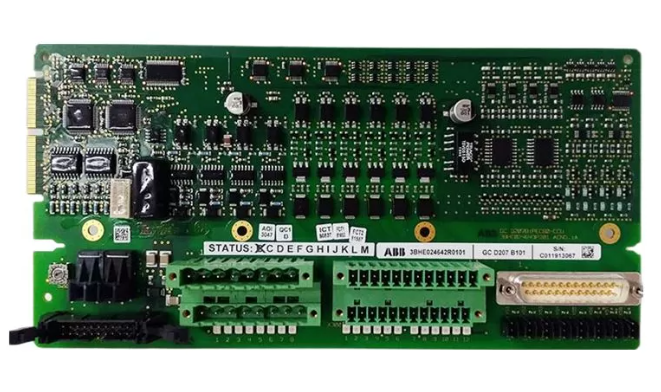
ABB GCD207B101, as a high-performance control module, plays a core role in industrial automation systems. It bears the responsibility of receiving and processing sensor input signals, and accurately outputs control signals based on preset logic and control algorithms to drive actuators or devices to complete various complex actions. This module, with its compact design and high-quality material manufacturing, has excellent reliability and efficiency, and can handle harsh industrial environments with ease. It is suitable for diverse and complex industrial application scenarios, providing solid support for industrial automation processes.
Specification parameters
Input voltage: 24V DC
Output voltage: 24V DC
Input current: 0.5A
High load current: 2A
Working temperature range: -20 ℃ to+70 ℃
Storage temperature range: -40 ℃ to+85 ℃
Protection level: IP67
Size: 120 x 120 x 40mm
Weight: 0.5 kilograms
Core functions
Signal processing: Efficiently receive and process analog and digital signals from various sensors, with strong anti-interference ability, ensuring the accuracy and stability of signal processing, and providing reliable basis for subsequent control decisions.
Control output: Based on preset logic and algorithms, accurately output control signals to the actuator, and flexibly adjust parameters such as amplitude and frequency of the output signals to achieve precise control of the equipment.
Communication Interaction: Supports various common communication protocols such as Modbus and Profibus, enabling convenient data exchange with other systems or devices, achieving system integration and collaborative work.
Self diagnosis and warning: Built in self diagnosis function, real-time monitoring of its own operating status. Once a fault or abnormality is detected, it can quickly locate the problem and issue a warning, greatly improving the maintenance efficiency and reliability of the system.
Working principle
When the sensor signal is transmitted to the GCD207B101 module, it first goes through the signal conditioning circuit to filter, amplify, and preprocess the signal to adapt to the processing circuit inside the module. Subsequently, the signal is transmitted to the core processor, which analyzes and calculates the signal according to a preset control algorithm, and generates corresponding control instructions. After passing through the power amplification circuit, these instructions are output to the executing mechanism to drive the device to operate. At the same time, the module continuously monitors its own operating status, including temperature, voltage and other parameters. Once an abnormality is detected, it immediately starts the self diagnostic program, determines the fault location through internal logic, and feeds back the fault information to the system upper computer.
Key advantages
High reliability: Through strict quality control and testing processes, high-quality materials are selected to ensure stable operation in harsh environments such as high temperature, high humidity, and strong electromagnetic interference, reducing equipment downtime due to malfunctions.
Easy to configure and maintain: The design follows the principle of simplicity and ease of use, and users can easily configure and debug parameters with the help of supporting software. Its self diagnostic function can quickly locate faults, reducing maintenance difficulty and costs.
Powerful compatibility: Supports multiple communication protocols, making it easy to seamlessly connect and communicate with devices and systems of different brands and types, facilitating the construction of complex automation control systems.
High precision control: With excellent signal processing capabilities and precise control algorithms, it can achieve high-precision control of equipment and meet the strict requirements of industrial production for control accuracy.
Strong environmental adaptability: The working temperature range is wide from -20 ℃ to+70 ℃, and the protection level reaches IP67. It can adapt to different industrial environments, from cold outdoor to high-temperature industrial workshops, and can work normally.
Precautions
Installation environment: It should be installed in a well ventilated, dry, and non corrosive gas environment, avoiding direct sunlight. The installation location should be far away from strong electromagnetic interference sources, such as large motors, transformers, etc.
Power connection: It is necessary to ensure that the input power supply is stable at 24V DC to prevent voltage fluctuations from exceeding the allowable range. It is recommended to equip a regulated power supply. At the same time, pay attention to the correct connection of the positive and negative poles of the power supply to avoid damaging the module due to reverse connection.
Communication settings: When establishing a communication connection, carefully check the communication protocol, baud rate, data bits, and other parameter settings to ensure consistency with other devices to avoid communication failures.
Maintenance operation: Regularly check the operating status of the module, including indicator light status, temperature, etc. If a module needs to be replaced, it must be done in a power-off state and operated according to the operating procedures to prevent static electricity from damaging the module.
Similar model supplement
In the ABB product system, models with similar functions to GCD207B101 include:
GCD205: It also has the basic functions of a control module, but is slightly inferior to GCD207B101 in processing speed and communication interface quantity. It is suitable for industrial automation scenarios with relatively low performance requirements and smaller system scales.
GCD210: With higher processing capabilities and richer expansion interfaces, it supports more sensor access and actuator control, making it suitable for large and complex industrial systems with extremely high reliability and scalability requirements.
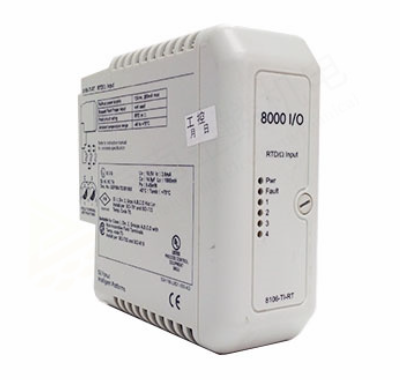
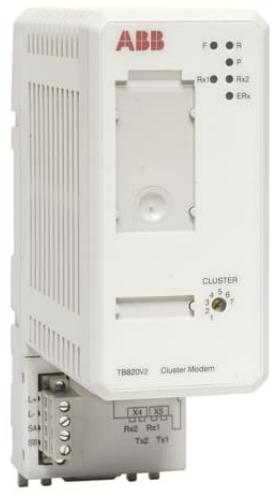
The ABB TB820V2 is a key component in the S800 I/O system. As a Module Bus modem, it provides a fiber optic interface for connecting to the Module Bus, and its electrical and optical interfaces logically belong to the same bus. This module is mainly used for local distribution of I/O clusters, supporting up to 12 I/O modules connected to the electrical Module Bus and up to 7 clusters connected to the fiber optic Module Bus. It is suitable for industrial scenarios that require expanding the number of I/O modules and is the core device for signal transmission and monitoring in distributed process I/O systems.
Specification parameters
Product Code: 3BSE013208R1; Communication protocol: ModulaBus; Role: From device
Redundancy and scalability: no line redundancy, module redundancy; Does not support hot swapping; Not compatible with HI controller
Power consumption: 24V Typical consumption: 100mA
Environmental adaptability: Operating temperature: 0~+55 ° C (certification range+5~+55 ° C); Storage temperature: -40~+70 ° C
Protection and compliance: protection level IP20; Pollution level 2 (IEC 60664-1); Compliant with RoHS and WEEE directives
Electrical safety: EN 61010-1, UL 61010-1, etc; Dangerous Place Certification: C1 Div 2 cULus, etc; Classification society certification: ABS, BV, etc
Core functions
Interface Expansion: Provides 2 fiber optic ports to connect to the optical Module Bus, while also connecting to I/O modules through electrical interfaces to achieve the conversion and transmission of electrical and fiber optic signals.
Cluster management: Cluster numbers from 1 to 7 can be set by rotating the switch, supporting multi cluster expansion and meeting the needs of scenarios with more than 12 I/O modules.
Monitoring function: Real time monitoring of the operating status and power supply of the I/O Module Bus to ensure system stability.
Power isolation: Provide isolated power supply for connected I/O modules to reduce the impact of external interference on signal transmission.
Precautions
Installation environment: It needs to be installed in an environment with pollution level 2 (IEC 60664-1) and relative humidity of 5%~95% (no condensation), avoiding damp, high temperature (over 55 ° C) or strong electromagnetic interference areas; When installed vertically, the ambient temperature should be controlled below 40 ° C.
Power requirements: Ensure that the input power is stable at 24V to avoid voltage fluctuations that may cause module damage or signal transmission abnormalities.
Cluster setting: When setting the cluster number by rotating the switch, it is necessary to ensure consistency with the system plan to avoid communication failures caused by number conflicts.
Compliance: Installation and use must comply with CE, UL and other certification standards, as well as local industrial safety regulations. Unauthorized modification of module circuits is prohibited.
Application scenarios
Industrial production line: In automotive manufacturing, electronic assembly and other production lines, I/O devices such as sensors and actuators are connected to achieve centralized signal transmission and control, supporting multi station collaborative operation.
In the field of process control, it is used for signal transmission in distributed I/O clusters in process industries such as chemical and metallurgical industries, and is suitable for multi module data acquisition and control under complex processes.
Energy industry: In the automation systems of substations and power plants, various monitoring instruments and control equipment are connected to ensure stable signal transmission in strong electromagnetic environments through fiber optic transmission.
Building automation: As a distributed I/O connection node in the air conditioning, lighting, and other systems of large buildings, it optimizes signal transmission paths and improves control system response speed.
The ABB 3BHE041465P201 UDD406A processor module plays a core role in the field of industrial automation control and is a key component for achieving precise control and efficient management of various complex industrial processes. It provides reliable computing, logical processing, and data exchange support for industrial systems of different scales and types with advanced design and outstanding performance.
Specification parameters
Structural form: Modular, easy to install and configure flexibly, can be expanded or adjusted according to actual system requirements.
Installation method: Suitable for control room installation, able to achieve optimal performance in a stable environment.
Instruction Processor: Adopting a hard PLC with high-speed and reliable instruction processing capabilities to ensure real-time response of the system.
Working voltage: 220V, suitable for common industrial power supply environments.
Output frequency: 30Hz, providing stable frequency output for related equipment.
Processing speed: 15Hz, capable of quickly processing various control instructions and data information.
Program capacity: 3MB, capable of storing complex control programs to meet diverse industrial control needs.
Data capacity: 2MB, used to store critical data during operation.
Weight: 1.1KG, compact design, easy to install and transport.
Core functions
Signal processing: With powerful signal acquisition and processing capabilities, it can accurately analyze and convert analog and digital signals from various sensors and actuators, providing reliable basis for system control decisions.
Logical operation: capable of executing complex logical operation instructions, realizing functions such as sequential control, condition judgment, and interlocking protection of industrial processes, ensuring safe and stable operation of the production process.
Data storage and transmission: Efficiently store critical operational data and enable fast and stable data exchange with the upper computer and other intelligent devices through various communication interfaces, achieving centralized monitoring and remote management of the system.
Working principle
After receiving signals from external devices, the UDD406A processor module first filters, amplifies, and preprocesses the signals through its internal signal conditioning circuit, converting them into standard level signals suitable for processor processing. Next, the processor performs operations and analysis on the input signal based on pre written and stored control logic in the program memory, generating corresponding control instructions. These instructions are then used to drive external actuators through output interface circuits, thereby achieving precise control of industrial equipment. At the same time, the module continuously collects operational data from the system during operation and stores it in data storage for subsequent queries and analysis.
Precautions
Installation environment: It should be installed in a dry, well ventilated and temperature appropriate control room environment, avoiding harsh environments such as humidity, high temperature, strong electromagnetic interference, etc., to ensure the normal service life and stable performance of the module.
Power connection: It is essential to ensure that the operating voltage is stable and meets the requirements of the module. When connecting the power cord, it is necessary to strictly follow electrical specifications to prevent damage to the module due to power issues.
Program update: When performing program updates or modifications, the original program should be backed up in advance and the correct operating procedures should be followed to avoid program loss or system failure due to improper operation.
Application area
Industrial control: widely used in the automation control of various industrial production processes, such as production line control in manufacturing and process control in the chemical industry. It can achieve precise control and monitoring of production equipment, improve production efficiency and product quality.
In the field of electricity, it can be used for substation automation, power grid dispatch control, power equipment monitoring, and other aspects to ensure the stable operation and safe power supply of the power system.
Transportation industry: It can be applied to traffic signal control, automation control of railway transportation systems, etc., to achieve optimized management of traffic flow and safety monitoring of transportation processes.
Communication industry: In the construction and operation of communication infrastructure, it can be used for monitoring and managing communication equipment, ensuring the stable operation of communication networks and signal transmission quality.
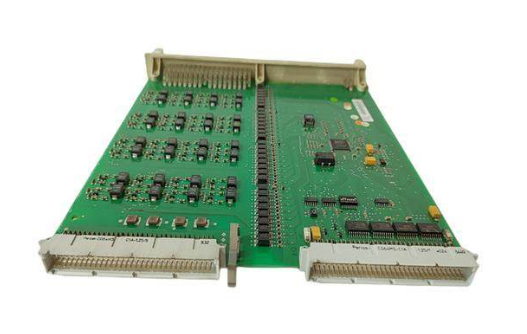
ABB PPD113 B01-10-150000 3BHE023784R1023, as a controller module, plays a key role in the field of industrial automation. It belongs to the high-performance product line developed by ABB for complex industrial control scenarios. With ABB’s profound accumulation in electrical and automation technology, this module has excellent stability, reliability, and powerful control capabilities. It can accurately control various industrial equipment and systems and is one of the core components to ensure efficient and stable operation of industrial production.
Technical parameters
Power parameters: The input voltage range is 85-264VAC, which can adapt to various power supply environments. Whether in standard industrial power environments or in situations where there are certain fluctuations in power supply voltage, it can stably obtain electrical energy. The output is 24VDC voltage, with an output current of 6.3 amperes and a rated power of 150 watts. This output configuration can provide stable and sufficient power support for connected load devices, ensuring that the equipment operates normally under rated conditions. The efficiency of the module is as high as 90%, which means that in the process of energy conversion, the input electrical energy can be converted into effective output electrical energy at a high proportion, reducing energy loss and lowering operating costs.
Environmental parameters: In terms of working temperature, it can operate normally in an environment of -25 ° C to+70 ° C. This wide temperature adaptation range allows it to be applied to various industrial sites with different environmental conditions. Whether it is a high-temperature steel smelting workshop or a low-temperature refrigerated storage environment, its performance will not be affected by temperature issues. The storage temperature range is -40 ° C to+85 ° C, ensuring that the module can be safely stored even in non working conditions such as transportation and storage, without being affected by extreme temperatures.
Dimensions and installation parameters: The module measures 97mm x 45mm x 130mm, with a compact design and small footprint, making it easy to integrate into various control cabinets or devices. Adopting DIN rail installation method, this standardized installation method is easy to operate and can quickly and stably install modules to designated positions, facilitating equipment assembly and maintenance. At the same time, the module has passed certifications such as CE and ROHS, complying with relevant international safety and environmental standards, and can be used with confidence worldwide.
Functional characteristics
Comprehensive protection function: equipped with short circuit, overload, overvoltage, and over temperature protection functions. When a short circuit is detected in the output circuit, the protection mechanism will quickly act to instantly cut off the circuit, avoiding irreversible damage to the module itself and backend equipment caused by excessive short-circuit current. When encountering overload situations, it can adjust the output or issue an alarm in a timely manner according to the preset threshold to prevent the equipment from burning out due to long-term overload operation. For overvoltage phenomenon, it can effectively suppress the impact of excessive input voltage on the internal circuit of the module, ensuring stable operation of the circuit. And over temperature protection can monitor the working temperature of the module in real time. Once the temperature exceeds the safety threshold, immediate cooling measures or stop working can be taken to ensure that the module will not experience performance degradation or damage due to overheating.
Efficient data processing and control: As a controller module, it has powerful data processing capabilities and can quickly collect and analyze signal data from various sensors and devices. Through built-in advanced algorithms and control logic, precise control of the operating status of industrial equipment is achieved. For example, on an automated production line, equipment parameters such as motor speed and valve opening can be precisely controlled according to production process requirements, achieving automation and intelligent control of the production process, and improving production efficiency and product quality.
Application scenarios
Power industry: used for monitoring and controlling power equipment in power plants, substations, and other places. Real time monitoring and adjustment of the operating status of the generator set to ensure the stability and reliability of power output; Centralize the control of switchgear, protective devices, etc. within the substation to ensure the safe and stable operation of the power system.
In the field of industrial manufacturing, it is widely used in industries such as elevator manufacturing, automobile production, and mechanical processing. In the elevator control system, the lifting speed and leveling accuracy of the elevator can be precisely controlled to ensure the safety and comfort of passengers. On the automobile production line, precise control of automated assembly equipment, robots, etc. can be achieved to improve production efficiency and product consistency. In the process of mechanical processing, the operating parameters of the machine tool can be controlled to achieve high-precision machining of parts.
Other industries: It has important applications in feed production, aluminum smelting, refrigeration, steel, non-ferrous metal smelting, glass manufacturing, construction machinery, textile machinery, and water treatment industries. For example, in the process of aluminum smelting, precise control of parameters such as temperature and current of smelting equipment can be achieved to improve the quality and production efficiency of aluminum smelting; In water treatment systems, it is possible to control the start stop and flow regulation of water pumps to ensure stable operation of the water treatment process.
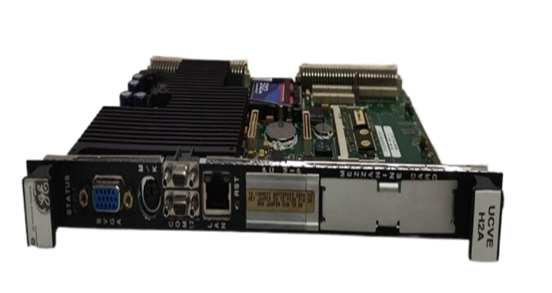
GE IS210BPPBH2BMD, as a rack mounted power module under General Electric, plays a key role in industrial automation and power distribution management. It belongs to the Mark VI board component series, which is renowned for its high quality and reliability thanks to General Electric’s profound technical expertise and extensive experience in industrial control. This power module is designed to meet the stable and efficient power supply needs in specific industrial environments, and is one of the core components to ensure the stable operation of various industrial equipment.
Technical specifications
This power module is highly likely to be compatible with various common industrial input voltages, such as 110V, 220V, 380V, etc., to meet the needs of different regions and application scenarios. In terms of power supply interface, it is expected to be equipped with standard industrial power supply interface to ensure stable connection with external power supply lines and guarantee the reliability of power input.
Power output capability: It is speculated that its power output range can meet the electricity needs of various industrial equipment, and may provide power output ranging from tens of watts to hundreds of watts. The specific value depends on the actual application scenario and the power consumption requirements of the supporting equipment. By providing stable power output, continuous and stable power support is provided to connected devices to ensure their normal operation under rated conditions.
Size and installation specifications: From its “rack mounted” product positioning, the size design will fully consider the installation space of industrial standard racks. The external dimensions of the module may follow the standard 19 inch rack specifications, with a height of typically 1U (44.45mm) or 2U (88.9mm), making it easy to integrate and install into various industrial control cabinets, server racks, and other equipment, achieving a compact and orderly spatial layout, and facilitating centralized management and maintenance of the equipment.
Functional characteristics
Stable power supply: Adopting advanced power conversion technology and voltage stabilization circuit design, it can effectively suppress fluctuations and interference of input voltage, providing stable and pure DC power output for backend load devices. Whether it is momentary fluctuations in grid voltage or complex electromagnetic interference, the stability of output voltage can be ensured within a very small error range, ensuring the normal operation of equipment and avoiding equipment failures or performance degradation caused by unstable voltage.
Multi channel output configuration: This power module may have multiple independent output channels, each of which can supply power to different devices or circuit modules. This multi-channel design not only improves the flexibility of power supply usage, but also achieves redundancy backup function of power supply to a certain extent. For example, when a channel fails, other channels can still continue to supply power to critical equipment, ensuring that the overall operation of the system is not affected, greatly improving the reliability and fault tolerance of the system.
Overvoltage, overcurrent, and short-circuit protection: Built in comprehensive overvoltage, overcurrent, and short-circuit protection mechanisms. Once the output voltage exceeds the preset safety threshold, the output current is too high, or a short circuit occurs, the protection circuit will quickly act to automatically cut off the power output, preventing irreversible damage to the backend equipment caused by abnormal situations. At the same time, after the protective action occurs, the module usually outputs a fault signal through an indicator light or communication interface, which facilitates maintenance personnel to quickly locate and troubleshoot the problem.
Working principle
When the external AC power supply is connected to the GE IS210BPPBH2BMD rack mounted power module, it first passes through the power input filtering circuit, which can filter out high-frequency clutter and electromagnetic interference in the power grid, ensuring that the power signal entering the subsequent circuit is relatively pure. Subsequently, the alternating current is converted into direct current through a rectifier circuit, typically achieved through devices such as diode rectifier bridges. The rectified DC power then enters the voltage regulator circuit, which precisely controls the output voltage by adjusting the conduction time and frequency of the power switch tube to stabilize it at the set value. In order to further improve the stability and reliability of the power supply, filtering capacitors and inductors may be added at the output end to perform secondary filtering on the output DC power and remove residual ripple. Throughout the entire work process, the monitoring and protection circuit monitors the input and output status of the power supply in real-time. Once any abnormal situation is detected, the protection mechanism is immediately triggered to ensure the safety of the power module and backend load devices.
Installation and maintenance recommendations
Installation steps: When installing the GE IS210BPPBH2BMD rack mounted power module, it is necessary to first cut off the power supply of all related equipment to ensure safe operation. According to the product manual, accurately install the power module to the designated position on the standard rack, and use matching installation accessories (such as screws, rails, etc.) to firmly fix it to avoid shaking or displacement during operation. When connecting power input cables, ensure that the cable specifications meet the requirements, the connection is firm and correct, and prevent poor contact from causing unstable power transmission or safety hazards. After installation, carefully check all connection parts and confirm that there are no errors before turning on the power for debugging.
Daily maintenance: Regularly inspect the appearance of the power module to check for any damage to the casing, signs of overheating, abnormal sounds, or odors. Clean the dust and debris on the surface of the module, maintain a good heat dissipation environment, and prevent module overheating and damage caused by dust accumulation affecting the heat dissipation effect. Regularly check whether the output voltage of the power supply is stable within the normal range, and professional voltage testing instruments can be used for measurement. If abnormal voltage is found, the cause of the fault should be promptly investigated, which may be a problem with the power module itself or an abnormality in the backend load equipment.
Troubleshooting and Maintenance: When the power module malfunctions, first observe the status of the indicator lights on the module, and based on the fault indication instructions in the product manual, preliminarily determine the type of fault. If it is a simple overvoltage or overcurrent protection action, you can try resetting the power module after troubleshooting the load end. If the fault still exists, it is recommended that professional technicians use specialized tools for in-depth investigation, such as checking whether the components in the circuit are damaged, whether the solder joints are loose, etc. For faults that cannot be repaired by oneself, it is necessary to promptly contact General Electric’s after-sales service department or professional repair institutions to avoid further expansion of equipment damage caused by self disassembly and repair.
GE IS215WEMAH1A is a Mark VIe series under General Electric, specifically designed for motor monitoring, providing comprehensive, accurate, and reliable monitoring services for various types of motors. Although the Mark VIe series is relatively new and has limited publicly available information, based on General Electric’s deep foundation and excellent reputation in the field of industrial automation, it can be inferred that this product has excellent performance and reliability.
Specification parameters
Although there is currently no comprehensive and precise official specification disclosure, reasonable speculation can be made based on the characteristics of products in the same series. For example, in terms of power supply, the working voltage may be adapted to common industrial standards to ensure stable operation; In terms of size specifications, installation scenarios such as industrial control cabinets will be considered, and the design will be compact and reasonable, making it easy to integrate into various systems; The communication interface is expected to cover multiple commonly used types, such as Ethernet interface for high-speed data transmission, and RS-232 or RS-485 interface for serial communication with other devices, meeting different networking and data interaction requirements.
Core functions
Multi parameter monitoring:
Current monitoring: It can accurately measure the working current of the motor and determine the load status of the motor in real time. Once faults such as overload, stalling, or winding short circuit occur, the current changes can be quickly captured and an alarm can be issued according to the preset threshold.
Voltage monitoring: Continuously monitor the input voltage of the motor to ensure that it fluctuates within the normal range. Abnormal voltage can damage the motor, and monitoring can promptly detect power supply issues and prevent motor failures.
Temperature monitoring: With the help of built-in or external temperature sensors, the temperature of key parts such as motor windings and bearings can be monitored in real time. The temperature exceeding the range indicates that the motor may have poor heat dissipation or overload operation, and the system will immediately warn.
Speed monitoring: Accurately measure the motor speed, compare the actual speed with the rated speed, and determine whether the speed is abnormal. When the motor load changes or mechanical faults occur, the decrease or fluctuation of the speed can be promptly fed back.
Fault diagnosis and warning: Based on advanced data analysis algorithms, comprehensive analysis of multi parameter data is carried out to construct a motor operating state model. Being able to identify early signs of faults, issue warnings in advance, help enterprises achieve preventive maintenance, reduce equipment downtime, and lower maintenance costs.
Working principle
This product collects data such as current, voltage, temperature, and speed during motor operation through various sensors. The sensors convert physical quantities into electrical signals and transmit them to GE IS215WEMAH1A. The hardware circuit inside the product performs preliminary processing, amplification, and filtering on these signals, and then the high-performance processor uses preset software algorithms to deeply analyze the processed data. Once the data deviates from the normal range or conforms to a specific fault mode, the system triggers an alarm mechanism and stores the relevant data for subsequent query and analysis.
Key advantages
High reliability hardware design: Selecting high-quality raw materials, adopting advanced manufacturing processes, electronic components are strictly screened to have strong anti-interference and stability, which can effectively resist electromagnetic interference, temperature and humidity changes, and work stably in harsh industrial environments for a long time.
Redundancy design guarantee: Key circuits and data transmission links adopt redundancy design. When the main circuit or transmission path fails, the backup part seamlessly switches to ensure uninterrupted monitoring tasks and reduce the risk of system failure caused by single point failures.
Advanced software algorithm: After extensive testing and optimization, the software algorithm can accurately identify motor abnormalities, predict faults in advance, and strive for sufficient processing time for maintenance personnel to ensure stable operation of the motor.
Precautions
Installation and debugging: Strictly follow the product manual to ensure that the installation position is reasonable and the wiring connection is firm. After installation, comprehensively debug various monitoring functions, calibrate parameters, and check whether communication with motors and other equipment is normal.
Regular maintenance: Regularly inspect the appearance of hardware, clean dust and debris, update and upgrade software to obtain new features and optimize algorithms, and regularly backup monitoring data.
Personnel training: Users need to receive professional training, familiarize themselves with product functions, operating methods, and common troubleshooting methods to ensure correct use and maintenance.
Similar model supplement
IS215WECAH1A: Belonging to GE products, it is similar in model naming to IS215WEMAH1A. Although there may be differences in specific functions and application scenarios, it is speculated that there are certain commonalities in motor monitoring related technologies, which may differ in certain parameter monitoring accuracy, communication interface configuration, and other aspects.
IS215WETAH1A: Based on known information, it is GE SPEEDTRONIC ™ A part of Turbine Control with input/output functionality. Compared with IS215WEMAH1A, there may be differences in system integration positioning, such as undertaking different tasks in the turbine control system, but there may be similarities in the collection and preliminary processing of monitoring data.
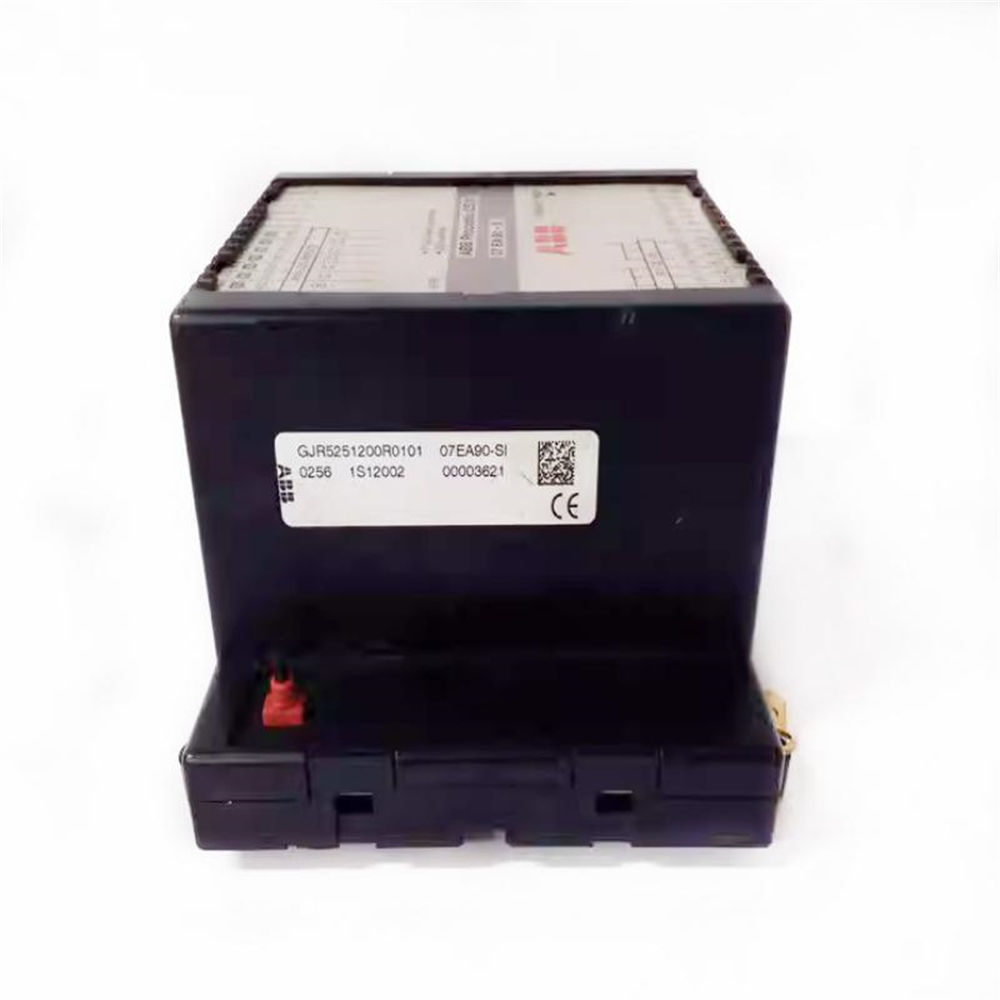
ABB 07EA90-SI is an industrial controller of analog input module type, specially designed for industrial automation control systems. It undertakes the key task of accurately converting various analog signals into digital signals. In the entire industrial control system, it is like the “nerve endings” of the system, keenly sensing the changes in various analog signals during the production process and accurately transmitting them to the core of the control system, thereby achieving comprehensive and high-precision monitoring and control of the industrial process. It is an important basic component to ensure stable and efficient operation of industrial production.
Specification parameters
I/O points: With 24 I/O points, it can simultaneously access and process multiple analog signal inputs, providing sufficient interface resources for data acquisition in complex industrial systems.
Working voltage: It can operate stably in a 220V voltage environment, adapt to common industrial power supply standards, reduce the need for additional voltage conversion equipment, and lower system complexity.
Output frequency: The output frequency can reach 100Hz, which can quickly respond to changes in analog signals and output processed digital signals in a timely manner, meeting the high real-time requirements of industrial application scenarios.
Processing speed: The processing speed is extremely fast, taking only 550 μ s to complete the acquisition, conversion, and preliminary processing of analog signals, ensuring that the system can capture subtle changes in industrial processes in a timely manner and provide strong support for precise control.
Program capacity and data capacity: With a program capacity of 300 and a data capacity of 200, it can store rich control programs and a large amount of process data, meeting the programming and data processing needs of industrial control projects of different scales.
Size specifications: The product size is 20 × 25 × 30cm, with a compact and reasonable volume design, making it easy to install and layout in various industrial control cabinets, effectively saving space.
Core functions
High precision analog acquisition and conversion: supports multiple common types of analog input signals, including current, voltage, thermocouple, and RTD. By adopting advanced analog signal processing technology, it is possible to collect and convert input signals with extremely high accuracy. During the acquisition process, minimize signal distortion and errors to ensure that the converted digital signal can truly and accurately reflect the state of the original analog signal, providing a reliable data basis for subsequent control decisions.
Data transmission and communication: equipped with multiple communication interfaces, including Ethernet, serial communication, etc. Through these communication interfaces, 07EA90-SI can quickly and stably transmit the collected and converted digital signals to other parts of the control system, achieving data sharing and interaction. At the same time, it is convenient to connect with the upper computer, other intelligent devices or networks, meet the data communication needs between devices at different levels in industrial automation systems, and facilitate remote monitoring and operation.
Collaborative control system operation: As a key component of industrial automation systems, it collaborates with other control modules and equipment to participate in the execution of control logic throughout the entire industrial process. Based on the received analog data and preset control programs, precise control of industrial equipment and production processes is carried out, such as adjusting motor speed, valve opening, etc., to ensure stable operation of industrial production according to predetermined process parameters and processes.
Precautions
Installation environment requirements: To ensure the normal operation and service life of 07EA90- SI, it should be installed in a location that meets industrial environmental standards. Avoid installation in environments with high temperature, high humidity, high dust, or corrosive gases to prevent damage to the electronic components of the module. The installation location should have good ventilation conditions to facilitate module heat dissipation and maintain normal operating temperature.
Electrical connection specifications: When making electrical connections, it is necessary to strictly follow the requirements of the product manual. Ensure that the connections of input and output signal lines as well as power lines are firm and reliable, avoiding issues such as looseness and short circuits. At the same time, pay attention to the correct polarity of the wiring to prevent module damage or system failure caused by wiring errors. For the connection of communication interfaces, it is necessary to ensure the cleanliness of the interface and configure it correctly according to the communication protocol requirements.
Daily monitoring and maintenance: Regularly monitor the working status of the 07EA90- SI module, including checking the indicator light status of the module, checking the rationality of the collected data, and monitoring whether the communication connection is normal. Regularly clean the module to remove surface dust and prevent dust accumulation from affecting heat dissipation and electrical performance. In addition, update the firmware version of the module in a timely manner to obtain the latest feature optimizations and performance improvements, while fixing possible software vulnerabilities.
Similar model supplement
ABB 07EA95-SI: Also an analog input module under ABB, it has similarities in functionality and application scenarios compared to 07EA90-SI. 07EA95- SI has increased the number of I/O points to 32, making it suitable for large-scale industrial projects that require more signal acquisition points. Further optimization has been made in terms of processing speed, reducing processing time to 400 μ s and enabling faster response to changes in analog signals. It has better adaptability for industrial control scenarios with extremely high real-time requirements. In terms of communication interfaces, in addition to supporting the Ethernet and serial communication interfaces of 07EA90-SI, support for CAN bus interfaces has also been added to facilitate integration with more devices that use CAN bus communication.
ABB 07EA80-SI: This model of analog input module has certain differences in performance parameters compared to 07EA90-SI. It has 16 I/O points and is suitable for industrial projects that are relatively small in scale, cost sensitive, and have less demand for analog signal acquisition. In terms of working voltage, 07EA80-SI not only supports 220V voltage, but also adapts to 110V voltage environment, increasing the flexibility of use under different power supply conditions. In terms of accuracy, although the overall accuracy is slightly lower than 07EA90-SI, it can still meet practical needs in some general industrial applications where accuracy requirements are not particularly stringent, and with its lower cost advantage, it provides users with a more cost-effective choice.
Application scenarios
Power industry: In power plants, it is used to monitor and control the operating parameters of various power equipment, such as temperature, voltage, current of generators, oil temperature of transformers, winding temperature and other analog signals. By accurately collecting and processing these signals, real-time monitoring and regulation of the power production process can be achieved, ensuring the safe and stable operation of the power system. In the transmission and distribution process of the power grid, parameters such as voltage, current, and power in the lines can be monitored, providing accurate data for power dispatch and fault diagnosis, and helping to achieve efficient operation of the smart grid.
Chemical industry: used for temperature and pressure control of reaction vessels, material flow monitoring, and detection of various chemical substance concentrations in chemical production processes. By accurately collecting these analog signals and transmitting them to the control system, precise control of the chemical production process can be achieved, ensuring that chemical reactions proceed according to predetermined process conditions, improving product quality, while ensuring the safety of the production process and preventing safety accidents caused by parameter loss of control.
Metallurgical industry: Real time monitoring and control of blast furnace temperature, furnace pressure, and operating parameters of various smelting equipment in production processes such as steel smelting and non-ferrous metal smelting. 07EA90-SI can accurately collect these analog signals, provide data support for automation control in metallurgical production processes, optimize production processes, improve production efficiency, reduce energy consumption, enhance product quality and market competitiveness.
Petroleum industry: used to monitor the pressure, temperature, flow rate and other parameters of oil wells, as well as the relevant parameters of various process media in refining equipment, in oil extraction, refining and other processes. By high-precision acquisition and transmission of these analog signals, fine management and control of the oil production process can be achieved, ensuring the safe and efficient operation of oil production, reducing production costs, and improving the economic efficiency of enterprises.
ABB 5SHY35L4512 belongs to the asymmetric integrated gate rectifier thyristor module, commonly known as the asymmetric integrated gate commutated thyristor (IGCT) module. This module is designed to meet the stringent requirements of specific industrial applications and plays a critical role in various power control and conversion scenarios. It is an important component for achieving efficient and stable power operation.
Basic information
Brand: ABB
Model: 5SHY35L4512
Type: Asymmetric integrated gate rectifier thyristor module, also known as asymmetric integrated gate commutated thyristor (IGCT) module.
Specification parameters
On state voltage: At a current of 4000A, the on state voltage is 2V, which reflects the voltage loss of the module in the conducting state. A lower on state voltage helps reduce system energy consumption.
Operating frequency and temperature range: Designed for low-frequency (<100Hz) working conditions, it can adapt to a wide temperature range environment and demonstrate good temperature adaptability. Whether in high or low temperature environments, it can ensure stable operation.
Voltage endurance: capable of withstanding high voltage, meeting the needs of high-voltage application scenarios, ensuring reliable power control and conversion in high-voltage environments.
Leakage current: With low leakage current characteristics, it effectively reduces unnecessary current losses, improves the energy utilization efficiency and operational stability of the module.
Performance characteristics
Voltage and current characteristics: The on state voltage is 2V (at 4000A), which can withstand high voltage and is suitable for high voltage environments. It can achieve fast switching and control under high voltage conditions.
Frequency and temperature adaptability: Designed for low frequencies (<100Hz) and a wide temperature range, it has high temperature stability and can operate stably under different temperature conditions.
Reliability and anti-interference: High reliability, with high electromagnetic anti-interference ability, can effectively resist electromagnetic interference and reduce the impact of external factors on module performance.
Control interface: A simple control interface with status feedback, which facilitates user operation and monitoring, achieving precise control of the module.
Power adaptability: Both AC and DC power supply voltages can be applied, increasing the flexibility of use.
Other features: Adopting advanced integrated gate design with low leakage current characteristics; It also has advantages such as low voltage drop, high return current, and maintenance free.
Working principle: The thyristor module is generally composed of two thyristors connected in reverse, and is a high-power semiconductor device with a four layer structure consisting of three PN junctions. It controls the conduction and cutoff of current by controlling the gate signal, thereby achieving controllable rectification, inversion and other functions. It can convert DC power into AC power, or convert AC power of one frequency into AC power of another frequency.
Working principle
The 5SHY35L4512 thyristor module adopts a structure of two thyristors connected in reverse, which is a four layer high-power semiconductor device with three PN junctions. Its work is based on the basic principle of thyristors. When a suitable trigger signal is applied to the gate, the thyristor is triggered to conduct, and current can flow from the anode to the cathode. In the conducting state, as long as the anode current is greater than the holding current, the thyristor will remain conducting; When the anode current drops below the holding current or a reverse voltage is applied, the thyristor returns to the cutoff state. By flexibly controlling the gate signal, the on/off control of the current in the circuit is achieved, thereby achieving various power control and conversion functions.
Application area
High voltage direct current transmission: In the high voltage direct current transmission system, it is used to achieve the conversion and transmission control of electrical energy, efficiently carry out rectification and inversion operations, and ensure the stable transmission of electricity.
Industrial power control: It can be used for power control of various industrial equipment, such as motor drivers, welding machines, etc., to achieve precise control of power supply, improve equipment operation efficiency and reliability.
High voltage and high-frequency power supply: suitable for the field of high voltage and high-frequency power supply, capable of stable operation at high frequencies and providing stable power supply for related equipment.
Short circuit arc protection: It plays a role in short circuit arc protection in the circuit. When a short circuit fault occurs, it can quickly cut off the circuit and protect the safety of equipment and personnel.
Precautions
Installation environment: It should be installed in an environment that meets the G3 standard, can withstand more pressure, and meets the harsh environmental conditions requirements of ISA-S7.1.04. Avoid installing in places that are too humid, dusty, or have corrosive gases to prevent the module from being corroded and affecting its performance and lifespan.
Electrical connection: Ensure that the electrical connection is firm and reliable, avoiding looseness that may increase contact resistance, cause overheating, or even malfunction. During the connection process, it is necessary to strictly follow the electrical specifications to prevent problems such as short circuits.
Monitoring of working parameters: Regularly monitor the working parameters of the module, such as voltage, current, temperature, etc., to ensure that it operates within the specified working range. Once abnormal parameters are found, the cause should be promptly investigated and corresponding measures should be taken to avoid further expansion of the fault.
Similar model supplement
5SHY35L4520: also an ABB asymmetric integrated gate commutated thyristor module. Compared with 5SHY35L4512, there are similarities in some performance parameters and application scenarios. However, the installation force requirement of 5SHY35L4520 is 40kN, which has a higher buffering off rating and has been optimized for mid frequency applications. It also has similar advantages in electromagnetic anti-interference ability, control interface, etc., and is suitable for application scenarios with specific requirements for mid frequency performance.
5SHX1060H0003: This model also belongs to the ABB thyristor module series products. There are certain differences in key parameters such as voltage and current, as well as functional characteristics, compared to 5SHY35L4512. However, it is also suitable for power control and conversion related fields. It can be reasonably selected between these two models according to the specific project’s voltage level, current capacity, control accuracy, and other requirements.



![PPD113 3BHE023584R2365[品牌 价格 图片 报价]-易卖工控网](https://image.ymgk.com/p/1642032000/61E01C9311SV_40170/Date1642078039384.jpg)