
Call us 24/7uaedcs@163.com
Welcome to the official website of CNIACS Automation Technology Co., Ltd!
Call us 24/7uaedcs@163.com

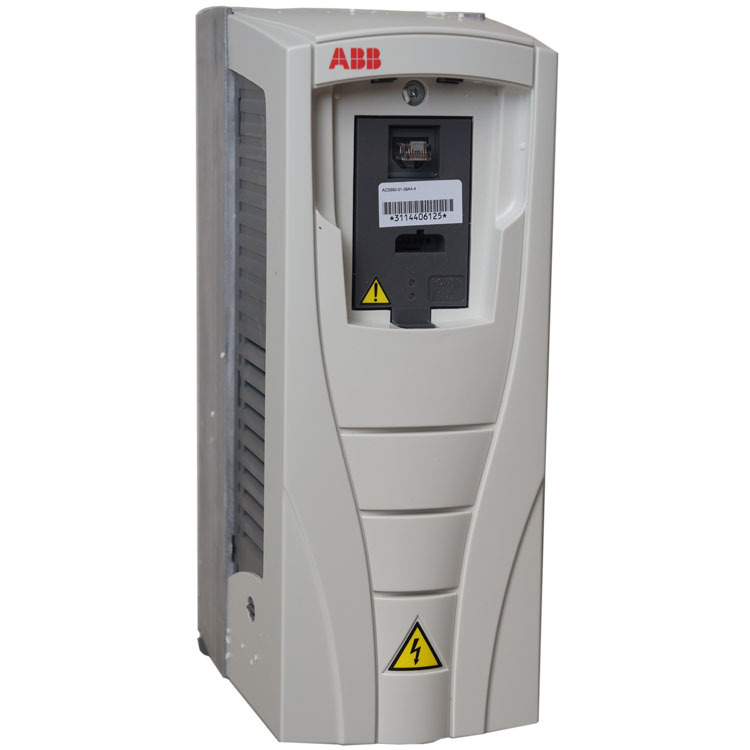
ABB ARCOL 0339 Industrial Inverter

Product Overview

ABB ARCOL 0339 industrial inverter is a high-performance power conversion device designed specifically for complex industrial environments. It plays a key role in industrial automation and power distribution systems, mainly responsible for efficiently and stably converting direct current (DC) into alternating current (AC) to meet the needs of various industrial equipment for different forms of power sources. Through advanced circuit design and control algorithms, this inverter can accurately regulate parameters such as frequency, voltage, and phase of the output AC power, providing stable and reliable power support for equipment such as motors, pumps, and fans on industrial production lines, ensuring the smooth operation of industrial production processes, and effectively improving production efficiency and equipment stability.

Specification and Performance

Input voltage range: With a wide range of input voltage adaptability, it can adapt to various common DC power supply voltage levels, such as 48V DC, 110V DC, 220V DC, etc., which can meet the power access needs of different industrial scenarios, reduce the adaptation difficulties caused by power supply voltage differences, and enhance the universality and practicality of the product.

Output power level: There are multiple output power specifications to choose from, ranging from a few kilowatts of smaller power to tens of kilowatts of larger power, which can flexibly match industrial equipment of different scales and power requirements. Whether it is a small automated production line or a large industrial production device, suitable ABB ARCOL 0339 inverters can be found to adapt to it.

Output frequency accuracy: Excellent performance in output frequency control, able to accurately control the AC output frequency near the set value with an accuracy of ± 0.01Hz. This high-precision frequency control can ensure stable operation of industrial equipment with extremely high frequency stability requirements, such as precision motor drives, high-speed automated production lines, etc., and avoid equipment failures or product quality problems caused by frequency fluctuations.

Voltage regulation rate: This inverter has excellent voltage regulation capability, and the output voltage regulation rate can be controlled within a very small range, generally reaching ± 1%. This means that when the load changes, the inverter can quickly and automatically adjust the output voltage, maintain voltage stability, provide stable and reliable power supply for industrial equipment, and reduce the risk of damage to equipment caused by voltage instability.

Core functions

Motor speed control: By changing the frequency of the output AC power, the motor speed can be precisely adjusted. In industrial production, such as textile machinery equipment in the textile industry, the motor speed can be flexibly adjusted according to different textile process requirements to achieve precise spinning of yarn; In the food processing industry, the speed of the conveyor belt motor can be controlled to adjust the product conveying speed, meet different production rhythm requirements, and improve production efficiency and product quality.

Soft start function: It can achieve soft start of the motor, avoiding excessive surge current generated by the motor at the moment of starting. For example, when starting a water pump, the traditional direct starting method may cause damage to the power grid and water pump motor due to excessive starting current. However, the soft start function of ABB ARCOL 0339 inverter can gradually increase the motor speed, steadily increase the starting current, effectively extend the service life of the motor and related equipment, and reduce the impact on the power grid, ensuring stable operation of the power grid.

Energy feedback and energy conservation: In some specific industrial application scenarios, such as the descent process of a crane, the braking process of an elevator, etc., the motor is in a generating state. At this point, the ABB ARCOL 0339 inverter can feed back the regenerated electrical energy generated by the motor to the grid, achieving energy recovery and reuse, effectively reducing energy consumption in industrial production. Meanwhile, by optimizing the control algorithm, the inverter itself also has lower energy consumption during operation, further improving energy utilization efficiency and helping enterprises reduce production costs.

Protection and fault diagnosis: Built in multiple protection functions, including overcurrent protection, overvoltage protection, undervoltage protection, overheating protection, etc. When an abnormal situation is detected, the inverter can quickly operate, cut off the circuit, and protect itself and the connected equipment from damage. In addition, the inverter also has a comprehensive fault diagnosis function, which can automatically detect and record fault information. Detailed fault codes can be fed back to operators through indicator lights or communication interfaces, making it easy to quickly locate and troubleshoot faults, reducing equipment downtime, and improving the reliability of the production system.

Working mechanism

When the ABB ARCOL 0339 industrial inverter is working, the first input DC power is filtered through a circuit to remove impurities and interference signals from the current, ensuring that the current entering the subsequent circuit is pure and stable. Next, an inverter circuit composed of power switching devices (such as IGBT, insulated gate bipolar transistor) is used to convert direct current into high-frequency pulse alternating current according to specific PWM (pulse width modulation) signal rules under the control of the control circuit. These high-frequency pulse AC currents are then smoothed by a filtering circuit to remove high-frequency components, ultimately obtaining standard sine wave AC power outputs that meet the requirements of industrial equipment. Throughout the entire working process, the control circuit continuously monitors input and output voltage, current, temperature and other parameters, and adjusts the conduction and turn off of power switching devices in real time according to preset control strategies to ensure stable and compliant AC power output from the inverter.

Attention points

Installation environment selection: It should be installed in a well ventilated, dry, clean, and suitable temperature environment. Avoid installing in places with corrosive gases, flammable and explosive substances, or high dust to prevent damage such as corrosion and short circuits to the electronic components inside the inverter. Both high and low ambient temperatures may affect the performance and lifespan of the inverter. It is generally recommended that the operating ambient temperature be between -10 ℃ and 40 ℃.

Electrical connection specifications: Strictly follow the electrical installation specifications for wiring operations to ensure that the input and output cables are firmly and correctly connected. When connecting DC input cables, be careful not to connect the positive and negative polarities in reverse; When connecting AC output cables, ensure that the phase sequence is correct. At the same time, cables that meet the specifications should be used to meet the current carrying capacity of the inverter and avoid safety hazards such as heating and fire caused by thin cables.

Parameter setting and debugging: When using or changing application scenarios for the first time, it is necessary to correctly set the various parameters of the inverter according to the actual equipment requirements and operating conditions, such as input voltage range, output frequency, motor parameters, etc. Improper parameter settings may cause the inverter to malfunction and even damage the equipment. During the debugging process, the load should be gradually increased, and the operating status and output parameters of the inverter should be observed to ensure stable operation of the equipment before being put into formal production.

Regular maintenance: Regularly inspect and maintain the inverter, including cleaning the surface dust of the equipment, checking whether the cable connections are loose, and measuring whether the input and output voltage and current are normal. Regularly inspect and clean the cooling fan of the inverter to ensure good heat dissipation. At the same time, according to the equipment usage and manufacturer’s recommendations, regularly replace internal vulnerable parts such as filter capacitors to ensure long-term stable operation of the inverter.

Model Supplement

ABB ARCOL 0338

ABB ARCOL 0346

ABB FPX86-9329–C

ABB 15.04.20.05

ABB SPAD346C3

ABB SPIET800

ABB S3N 3P 150A

ABB PDD200A101

ABB PDD500A101

ABB GFD212A

ABB PCD244A101

ABB GVC736CE101

ABB GCC960C103

ABB UNS0119A-P V101

ABB UNS0119A-P  V101

ABB 5SHY35L4520

ABB CI868K01-eA

ABB PM864AK01-eA

ABB 969-54 New Automation Controller Module DCS PLC Module

Product Overview

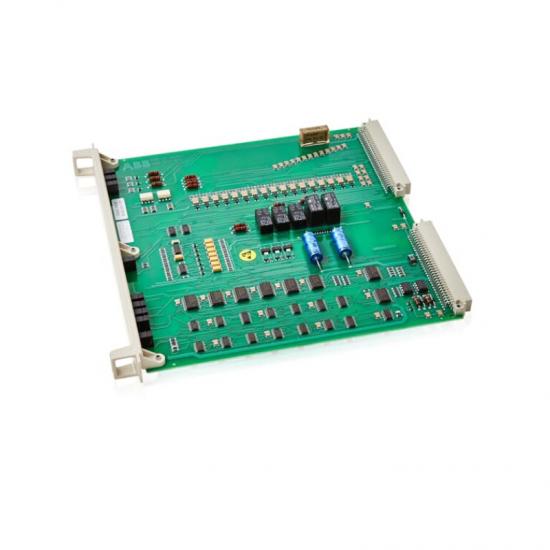
ABB 969-54 is a powerful new automation controller module that belongs to the category of DCS (Distributed Control System) PLC (Programmable Logic Controller) modules. It plays a core role in industrial automation systems, enabling precise control and efficient management of various equipment and systems in the production process. With advanced architecture design, this module has powerful data processing and computing capabilities, and can quickly respond to various complex control instructions, ensuring the stable and reliable operation of industrial production processes. Whether it is a small automated production line or a large industrial production facility, intelligent control and management can be achieved through ABB 969-54, greatly improving production efficiency and quality.

Brand background

ABB, as a globally renowned manufacturer of electrical equipment, was formed in 1988 through the merger of Swedish company Ascia and Swiss company Braunschweig, with its headquarters located in Zurich, Switzerland. ABB has always been a leader in the field of electrical and automation technology. Its business is widely distributed in over 100 countries worldwide, with a total of 130000 employees. Over the years, ABB has accumulated a good reputation in many key industries such as energy, industry, transportation, and infrastructure, relying on its profound technological foundation, continuous innovation and research and development capabilities, and strict control over quality, providing comprehensive, reliable, and efficient electrical solutions to global customers.

Specification parameters

Processing speed: With high-speed data processing capability, it can complete a large amount of data computation and instruction execution in a very short time, quickly respond to signal changes from external devices, ensure timely control, and meet the high real-time requirements in industrial production scenarios, such as real-time monitoring and control of high-speed production lines.

Storage capacity: With sufficient program and data storage space, it can store complex control programs and real-time data from a large number of production processes, facilitating historical data tracing and analysis, and providing data support for optimizing production processes.

Input/output interface: Equipped with a variety of input/output interface types and quantities, it can flexibly connect various external devices such as sensors and actuators. Common digital input/output interfaces that can be used to control devices such as switches and indicator lights; The analog input/output interface is suitable for connecting temperature, pressure, flow and other sensors to achieve precise control of continuously changing physical quantities.

Communication interface: Supports multiple standard communication protocols, such as Ethernet communication interface, which can achieve high-speed data transmission and interaction with the upper computer, other controllers, and factory information system; Simultaneously supporting fieldbus protocols such as Modbus and Profibus, facilitating communication and connection with field devices, and building a complete automation control system network.

Core functions

Logical control: capable of controlling the production process based on preset logical rules. For example, on an automated assembly line, the start stop, operation direction, and speed of various motors, valves, and other equipment can be controlled based on the position of the product, signals detected by sensors, and other conditions to achieve automated processing and transportation of the product.

Sequential control: Execute a series of operational steps in a predetermined order. In the chemical production process, the feeding, stirring, heating, discharging and other process flows of the reaction kettle can be precisely controlled to strictly ensure the sequence and time interval of each step, ensuring the safety and stability of the production process.

Data collection and processing: Real time collection of data from various sensors on the production site, such as temperature, pressure, flow rate, etc., and analysis, calculation, and storage of these data. By processing data, abnormal situations in the production process, such as equipment failures, process parameter deviations, etc., can be detected in a timely manner, and alarm signals can be issued in a timely manner for operators to handle.

Remote monitoring and diagnosis: With the help of communication interfaces, remote monitoring functions are supported, and operators can view real-time equipment operation status, parameter information, etc. in the remote control center. At the same time, the module has fault diagnosis function, which can automatically detect faults in itself and connected devices, and provide detailed fault information, facilitating maintenance personnel to quickly locate and eliminate faults, and reducing equipment downtime.

Working principle

When the ABB 969-54 module is working, it first receives signals from external devices such as sensors and buttons through the input interface. These signals are converted and then enter the central processing unit (CPU) inside the module. The CPU performs logical operations and processing on input signals based on pre written and stored control programs in modules, determines the current state of the production process, and generates corresponding control instructions according to preset control strategies. These instructions are then sent to actuators such as motors, valves, etc. through output interfaces to control their actions, thereby achieving precise control of the production process. Throughout the entire process, the module will continuously collect on-site data for real-time monitoring and feedback adjustment to ensure that the production process is always in optimal operating condition.

Key advantages

High reliability: Adopting advanced hardware design and manufacturing processes, it has excellent anti-interference ability and can operate stably in complex industrial electromagnetic environments. At the same time, the module has complete self diagnosis and redundancy functions internally. When some hardware fails, it can automatically switch to backup equipment to ensure the uninterrupted operation of the system, effectively improving the reliability and stability of industrial production, and reducing production interruption losses caused by equipment failures.

Powerful flexibility: With rich input and output interfaces and support for multiple communication protocols, it can easily adapt to various types of industrial equipment and systems, and can be flexibly configured and expanded according to actual production needs. Whether it is upgrading and renovating existing production lines or building new automation control systems, they can quickly adapt and reduce the difficulty and cost of system integration.

Efficient performance: High speed data processing capability and fast instruction execution speed can significantly improve the response speed and control accuracy of the production process. On high-speed production lines, it is possible to control equipment movements in a timely and accurate manner, reduce product defect rates, improve production efficiency, and meet the modern industrial demand for efficient production.

Convenient programming and debugging: Supports programming software and programming languages that comply with international standards, such as the IEC 61131-3 standard programming language. Programmers can develop programs according to their familiar programming methods. At the same time, the module provides intuitive debugging tools and interfaces, making it easy to quickly identify and solve problems during the system debugging phase, and shortening the project development cycle.

Precautions

Installation environment: It should be installed in a dry, well ventilated, suitable temperature, and non corrosive gas and strong electromagnetic interference environment. Excessive humidity may cause electronic components to become damp and damaged; Adverse temperature conditions may affect the performance and lifespan of modules; Corrosive gases and strong electromagnetic interference may interfere with the normal communication and data processing of the module, causing control errors.

Electrical connection: Strictly follow electrical specifications for wiring operations to ensure correct and secure connections between input and output interfaces and external devices. Incorrect wiring can lead to electrical faults such as short circuits, open circuits, damage to modules or external equipment, and even cause safety accidents. During the connection process, attention should be paid to matching the polarity and signal type of the interface.

Software programming and updates: When programming software, programming standards and safety principles should be followed to ensure the correctness and stability of the program. At the same time, when performing software updates, it is necessary to back up the original programs and data in advance, carefully read the update instructions, and strictly follow the steps to avoid system failures caused by improper software updates.

Regular maintenance: Regularly inspect and maintain the module, including checking for loose hardware connections, cleaning the surface dust of the module, etc. Regularly test and evaluate the performance of modules, promptly identify potential issues and address them to ensure long-term stable operation of the modules.

​Similar model supplement

ABB 969-52: Similar in function to 969-54, it is also used in the field of industrial automation control, but may have relatively low processing speed and storage capacity, making it suitable for small automation projects with low data processing requirements and relatively simple control logic. Its cost may also be relatively low, and it is widely used in the automation transformation of production lines in some small enterprises with limited budgets.

ABB 969-56: More powerful in performance, with higher processing speed and larger storage capacity, capable of handling more complex and large-scale industrial automation control tasks. For example, in the production process control of large chemical enterprises, it is necessary to process a large amount of sensor data and execute complex control algorithms. The 969-56 module can leverage its advantages to ensure the efficient and stable operation of the production process. However, its price is relatively high and it is suitable for large industrial projects that require extremely high system performance.

ABB ARCOL 0339

ABB ARCOL 0338

ABB ARCOL 0346

ABB FPX86-9329–C

ABB 15.04.20.05

ABB SPAD346C3

ABB SPIET800

ABB S3N 3P 150A

ABB PDD200A101

ABB PDD500A101

ABB GFD212A

ABB PCD244A101

ABB GVC736CE101

ABB GCC960C103

DCS

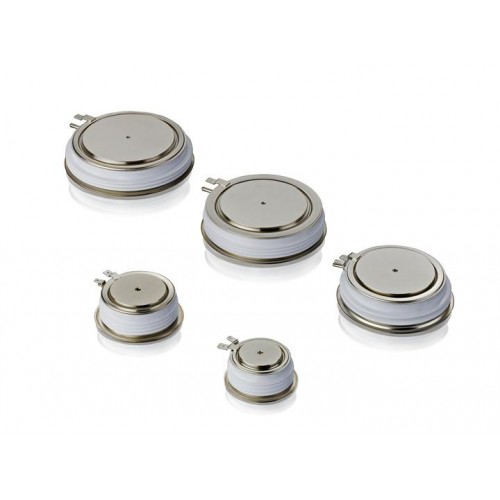
ABB 5SDD1060F0001 diode disk module

Product type: From some sources, it is easy to misunderstand it as an “interface board”, but in reality, it is more accurately a soft start ABB flat thyristor module, also known as a thyristor module.

Application area 

In the industrial field, it is widely used in power plants, chemical plants, steel plants, etc., for soft starting, speed regulation, and power regulation of motors. It can effectively control the starting current of motors, reduce the impact on the power grid, and extend the service life of motors and related equipment.

Other fields: In some commercial and residential applications, it can be used for lighting control and power management, achieving precise control of AC current and meeting the electricity demand in different scenarios.

Performance parameter 

Rated current: 600A, which means that the module can continuously and stably carry a current of 600A, ensuring the normal operation and stable performance of the module within this current range.

Rated voltage: For this module, the common rated voltage is 400V, suitable for 400V AC power supply system. At this voltage, the module can perform its best and achieve effective control of current.

Working principle

The thyristor module consists of one electrode, one emitter, and one collector. The electrode is connected to the power supply, the emitter is connected to the control signal, and the collector is connected to the load. Control the conduction time of the thyristor through a control signal. When the control signal is at a high level, the thyristor conducts and current can pass through; When the control signal is at a low level, the thyristor is turned off, thereby cutting off the current and achieving control over the direction and magnitude of the AC current.

Key advantages

High current carrying capacity: With a rated current of 600A, it can adapt to high load demand application scenarios and ensure stable operation of equipment under high current conditions.

Precision Voltage Adaptation: Specially designed for 400V AC power supply, it can achieve precise current control and improve system operation efficiency under this voltage system.

Widely applicable adaptability: Whether it is motor control and power regulation in the industrial field, or lighting and power management scenarios in commercial and residential areas, it can play an outstanding role and demonstrate strong application universality.

Precautions

Installation environment: It should be installed in a well ventilated, dry, and non corrosive gas environment to avoid affecting module performance and service life due to harsh environmental conditions.

Electrical connection: Strictly follow electrical specifications for wiring operations, ensuring that the electrodes, emitter, collector, and corresponding circuits are correctly connected to prevent electrical faults such as short circuits and open circuits.

Overload protection: To prevent the module from being damaged due to long-term overload operation, a suitable overload protection device should be equipped to promptly cut off the circuit when the current exceeds the rated value.

Similar model supplement

5SGX1445H0001: Similar in functionality to 5SDD1060F0001, it is also used in the field of power control, but there may be differences in parameters such as rated current and voltage, making it suitable for scenarios with different power demands.

5SHX0660F0001: It is also a product under ABB in the field of power control. Compared with 5SDD1060F0001, it may have different focuses on performance characteristics, application scope, etc. Users can choose according to their specific needs.

ABB 969-54

ABB ARCOL 0339

ABB ARCOL 0338

ABB ARCOL 0346

ABB FPX86-9329–C

ABB 15.04.20.05

ABB SPAD346C3

ABB SPIET800

ABB S3N 3P 150A

ABB PDD200A101

ABB PDD500A101

ABB GFD212A

ABB PCD244A101

ABB GVC736CE101

ABB GCC960C103

ABB UNS0119A-P V101

ABB UNS0119A-P  V101

ABB 5SHY35L4520

ABB CI868K01-eA

ABB PM864AK01-eA

ABB 3BHB003154R0101

ABB 3BHB004027R0101

ABB 3BHE039203R0101

ABB IGCT 5SDD1060F0001 3BHL001863P0001 - Sichuan Seeiyo Technology CO.,Ltd

ABB 5SDF0860H0003 Gate Cut off Thyristor Module

Product overview

ABB 5SDF0860H0003 Gate Cut off Thyristor Module( The gate turn off thyristor module is a key device widely used in the field of power electronics. With advanced design and manufacturing processes, it provides reliable and efficient switching solutions for various power control and conversion systems, enabling precise control and on/off operation of current. It plays a core role in many industrial scenarios and power systems.

Brand background

ABB, as a leading global enterprise in the fields of power and automation technology, has a profound historical background. In 1988, it was formed by the merger of ASEA from Sweden and BBC Brown Boveri from Switzerland. After years of development, ABB’s business covers nearly 100 countries worldwide, in the fields of electrical, industrial automation, motion control, robotics and discrete automation, as well as ABB Ability ™ Significant achievements have been made in various fields such as digital platforms. ABB 5SDF0860H0003 has invested heavily in technology research and development, product quality control, and is committed to providing innovative and reliable solutions for customers in the power, industrial, transportation, and infrastructure industries. ABB 5SDF0860H0003 embodies the brand’s technological strength and innovative spirit.

Core functions

Accurate current control: Through gate signals, the conduction and turn off of thyristors can be precisely controlled, thereby achieving precise adjustment of the magnitude and direction of current in the circuit. In a DC speed regulation system, the current can be adjusted in real time according to the operating status of the motor to ensure stable and efficient operation of the motor.

Bidirectional current blocking capability: This module not only blocks current under forward voltage, but also has excellent current blocking capability under reverse voltage. In some applications that require bidirectional power flow, such as power quality compensation devices, it can effectively prevent current backflow and ensure stable system operation.

High power processing capability: With its high rated voltage and current parameters, it can handle large amounts of power and can be used in high-power applications such as large industrial heating equipment and high-voltage direct current transmission converter stations to efficiently convert and transmit electrical energy.

Working principle

ABB 5SDF0860H0003 is based on the basic working principle of thyristors. When no trigger signal is applied to the gate, the thyristor is in a blocking state, and only a very small leakage current passes between the anode and cathode. When an appropriate positive trigger pulse signal is applied to the gate, the thyristor is triggered to conduct, and current can flow from the anode to the cathode. In the conducting state, as long as the anode current is greater than the holding current, the thyristor remains conducting even if the gate trigger signal is removed. To turn off the conducting thyristor, the anode current needs to be reduced below the holding current, which can be achieved through external circuit means such as using back electromotive force or zero crossing current.

Key advantages

High reliability: Adopting advanced manufacturing processes and high-quality semiconductor materials, and undergoing strict quality inspection processes, it can maintain stable performance during long-term operation, reduce system downtime caused by module failures, and ensure the reliable operation of power systems and industrial equipment.

Efficient and energy-saving: The lower on state voltage drop reduces power loss and improves energy utilization efficiency, which is in line with the current trend of energy conservation and environmental protection. It can save a lot of electricity expenses for enterprises and reduce operating costs.

Flexible application adaptability: With a wide range of operating temperatures, high rated voltage and current, it can be widely adapted to different application scenarios and working conditions. Whether it is a conventional industrial environment or a harsh special environment, it can work stably.

Precautions

Installation requirements: During the installation process, it is necessary to strictly follow the product installation manual to ensure that the module is installed firmly and in good contact, avoiding poor electrical connections or excessive mechanical stress caused by improper installation, which may affect the performance and service life of the module.

Cooling measures: As the module generates a certain amount of heat during operation, suitable cooling devices such as heat sinks, fans, etc. must be equipped to ensure that the operating temperature of the module is within the specified range and prevent performance degradation or even damage due to overheating.

Electrical protection: To prevent damage to modules caused by overvoltage and overcurrent, overvoltage and overcurrent protection devices such as varistors and fast fuses should be reasonably installed in the circuit to ensure effective protection of the module under abnormal electrical conditions.

Application scenarios

Industrial motor drive: Used in various variable frequency speed control systems for industrial motors, it is used to control the start, stop, speed regulation and other operations of the motor, achieving efficient and stable operation of the motor. It is widely used in the drive control of industrial equipment such as fans, water pumps, compressors, etc.

Reactive power compensation in power systems: In power systems, it is used for Static Var Compensator (SVC) devices to quickly adjust reactive power, maintain grid voltage stability, improve power quality, reduce line losses, and ensure the safe and reliable operation of power systems.

High frequency induction heating: In high-frequency induction heating equipment, the on/off and magnitude of the heating current are precisely controlled to achieve rapid and efficient heating of metal materials. It is used in metal melting, forging, heat treatment and other process links to improve production efficiency and product quality.

Similar model supplement

ABB 5SDD1060F0001

ABB 969-54

ABB ARCOL 0339

ABB ARCOL 0338

ABB ARCOL 0346

ABB FPX86-9329–C

ABB 15.04.20.05

ABB SPAD346C3

ABB SPIET800

ABB S3N 3P 150A

ABB PDD200A101

ABB PDD500A101

ABB GFD212A

ABB PCD244A101

ABB GVC736CE101

ABB GCC960C103

ABB UNS0119A-P V101

ABB UNS0119A-P  V101

ABB 5SHY35L4520

ABB CI868K01-eA

ABB PM864AK01-eA

ABB 3BHB003154R0101

ABB 3BHB004027R0101

ABB 3BHE039203R0101

ABB Gate turn-off thyristors 5SGA 06D4502 - ABB Thyristors - A&S ...

ABB KUC720AE01 Industrial High Frequency Control Module

Product Overview

ABB KUC720AE01 is a high-performance high-frequency control module specially designed for industrial application scenarios. It occupies an important position in industrial automation production with its excellent design and advanced technology. It can accurately respond to complex industrial high-frequency control requirements, help enterprises improve production efficiency and product quality, and is widely used in multiple industrial fields. It is a key component for achieving industrial intelligence upgrading.

​Core functions

High frequency signal precision processing: With powerful high-frequency signal processing capabilities, it can quickly and accurately collect, analyze, and regulate high-frequency signals. In some industrial equipment that requires extremely high frequency response, such as high-frequency induction heating equipment, the heating frequency can be precisely controlled to ensure the stability and efficiency of the heating process, and the heating temperature deviation can be controlled within a very small range, meeting the requirements of high-precision production processes.

Multi protocol communication integration: Supports multiple industrial communication protocols, including but not limited to EtherCAT, Profinet RT, Modbus RTU, Modbus TCP/IP, etc. This makes it easy to seamlessly integrate with different brands of programmable logic controllers (PLCs), upper computer systems, and other industrial equipment, facilitating the construction of complex industrial automation networks and achieving data sharing and collaborative work between devices. For example, on automated assembly lines, it can efficiently communicate with various sensors and actuators to ensure the smooth operation of production lines.

Flexible control algorithm configuration: Built in multiple advanced control algorithms, such as intelligent fuzzy PID temperature control algorithm, and supports dual PID control mode. Users can flexibly choose the most suitable control algorithm based on different work environments and control tasks to achieve the best control effect. In temperature control scenarios, the use of intelligent fuzzy PID temperature control algorithm can achieve high-precision temperature control, ensuring minimal temperature fluctuations and meeting the strict requirements for temperature stability in industrial production processes, such as temperature control in chemical reaction vessels.

Convenient operation and monitoring: Equipped with an intuitive LCD display and easy-to-use panel buttons, users can directly set parameters and monitor operating status on the device without the need for complex external devices, greatly improving the convenience of operation. At the same time, dip switches or DIP switches are also provided for users to quickly set basic information such as station addresses and communication parameters. There is also a one click self-tuning function, which greatly reduces the learning cost for users. Even non professionals can quickly get started and complete device debugging and operation.

Technical parameters

Working frequency range: It can cover a wide frequency range and meet the needs of various industrial high-frequency applications. Whether it is conventional high-frequency processing equipment or high-end industrial equipment with special frequency requirements, it can operate stably.

Signal acquisition accuracy: In terms of high-frequency signal acquisition, it has extremely high accuracy to ensure the accuracy and reliability of the collected data, providing a solid data foundation for subsequent precise control.

Communication speed: Based on different communication protocols, it has excellent communication speed performance, can quickly transmit large amounts of data, ensure the timeliness and efficiency of communication between devices, and meet the needs of real-time control in industrial automation.

Working temperature range: With good environmental adaptability, it can work stably in different environments such as high-temperature industrial furnace workshops or cold outdoor industrial facilities, without the need for additional complex temperature control measures, reducing the cost of use and maintenance difficulty.

Protection level: It has certain dust-proof and splash proof capabilities, which can effectively resist dust and a small amount of splash water in industrial environments, protect internal circuits from damage, extend equipment service life, and ensure reliable operation in harsh industrial production environments.

Application scenarios

Electronic manufacturing industry: In the production process of electronic products, such as the manufacturing of printed circuit boards (PCBs), KUC720AE01 can be used to control high-frequency soldering equipment. By precisely controlling the welding frequency and time, high-quality solder joint connections can be achieved, improving the yield rate of products. At the same time, in the testing process of electronic products, this module can precisely control high-frequency testing equipment to ensure the accuracy and reliability of test results, helping electronic manufacturing enterprises improve production efficiency and product quality.

Automotive parts processing: This module plays a key role in the high-frequency heat treatment process of automotive parts. For example, when high-frequency quenching is applied to components such as crankshafts and gears in automotive engines, KUC720AE01 can precisely control the heating frequency and temperature, resulting in good hardness and wear resistance on the surface of the components while maintaining internal toughness, improving the performance and service life of automotive components, and meeting the production requirements of the automotive industry for high-quality and high-precision components.

Mixing and reaction control in chemical production: In the chemical production process, many reactions need to be carried out under specific temperature, mixing speed, and frequency conditions. KUC720AE01 can achieve uniform mixing of reaction materials by precisely controlling the high-frequency operation of the stirring motor, and combined with precise control of the reaction temperature, ensure that chemical reactions proceed under optimal conditions. In polymer synthesis reactions, precise control of this module can effectively improve the uniformity of polymer molecular weight distribution, enhance the quality and stability of chemical products.

Key advantages

High reliability and stability: Adopting a modular design concept, the internal circuit layout is reasonable, and each functional module works independently and collaboratively. Even if a module fails, it will not affect the operation of the entire system, greatly improving the reliability of the system. At the same time, in terms of hardware material selection, high-quality and highly stable electronic components are selected, and strict quality inspection and aging testing are carried out to ensure stable performance of the product during long-term continuous operation, reduce equipment failure downtime, and ensure the continuity of industrial production.

Strong anti-interference ability: In industrial production environments, there are a large number of electromagnetic interference sources. KUC720AE01 has strong anti electromagnetic interference capability through optimized circuit design and shielding measures. It can accurately process high-frequency signals and execute control instructions in complex electromagnetic environments, ensuring the stability and control accuracy of equipment operation and providing reliable guarantee for industrial automation production.

Efficient system integration capability: Rich communication protocol support and flexible interface design enable it to quickly integrate with various industrial equipment, whether it is upgrading and renovating old equipment or building new automated production lines, it can be easily adapted, reducing the difficulty and cost of system integration, shortening project implementation cycles, and providing strong support for enterprises to quickly achieve industrial automation transformation.

全新 380V电压ABB变频器ACS800-01-0030-7+P901-阿里巴巴

ABB KUC720AE – High Performance Industrial Control Module

Product Overview

ABB KUC720AE is a high-performance industrial control module that serves as the core component of industrial automation control systems. With its powerful computing power and precise control performance, it plays a critical role in various industrial production scenarios. This module can efficiently handle complex control tasks, achieve automation and intelligent control of industrial equipment and production processes, and effectively improve the stability, efficiency, and quality of industrial production.

Core functions

Logic Control: Supports multiple programming languages such as Ladder Diagram (LAD), Structured Text (ST), etc. It can flexibly write complex logic control programs to achieve functions such as start stop, sequential control, interlock protection, etc. for industrial equipment, meeting the diverse control needs of different industrial production processes.

Data processing and analysis: With powerful data processing capabilities, it can quickly collect, store, and analyze various types of data in industrial production processes, such as temperature, pressure, flow rate, and other sensor data. Through data analysis, timely detection of abnormal situations in the production process provides a basis for production optimization and fault diagnosis.

Communication and networking: Equipped with rich communication interfaces, including Ethernet, PROFIBUS, MODBUS, etc., it can easily communicate and network with other industrial equipment, control systems, and upper computers, achieve data sharing and collaborative control, and build a complete industrial automation network.

Motion control: Equipped with advanced motion control algorithms, it can accurately control the speed, position, and torque of the motor, suitable for high-precision motion control applications such as CNC machine tools, robots, and automated production lines, ensuring the accuracy and stability of equipment operation.

Technical parameters

Processor performance: Equipped with a high-performance processor, it has high-speed computing capability and can complete complex control algorithms and data processing tasks in a short period of time, ensuring real-time control and response speed.

Storage capacity: With a large storage capacity, it can store a large amount of control programs, data, and historical records, facilitating program debugging, modification, and traceability of production data.

Input and output points: With rich input and output interfaces, it supports multiple types of input and output signals, such as digital input and output, analog input and output, etc. The input and output points can be flexibly configured according to actual application needs to meet the requirements of industrial control systems of different scales.

Working environment: The working temperature range is generally from -10 ° C to 55 ° C, suitable for various industrial temperature conditions; It has good dust, moisture, and electromagnetic interference resistance, and can operate stably for a long time in harsh industrial environments.

Application scenarios

Automotive manufacturing industry: In the automotive production line, KUC720AE high-performance industrial control module is used to control the welding, spraying, assembly and other operations of robots, ensuring high precision and efficiency in the production process. At the same time, collaborative control is carried out on the conveying equipment and detection equipment of the production line to achieve automation and intelligence in automobile production.

Chemical production industry: In the chemical production process, this module can monitor and control the temperature, pressure, liquid level and other parameters of the reaction kettle in real time, ensuring the safe and stable operation of the chemical production process. By precise logical control and data processing, precise proportioning of chemical raw materials and optimization of production processes can be achieved, improving the quality and output of chemical products.

Power industry: In the power system, KUC720AE is used for substation automation systems, power plant control systems, etc., to achieve monitoring, control, and protection of power equipment. By real-time collection and analysis of power parameters, the stable operation of the power system is ensured, and the reliability and safety of power supply are improved.

Key advantages

High performance and high reliability: Adopting advanced hardware design and mature software algorithms, it has excellent performance and extremely high reliability. Even in long-term continuous operation and complex industrial environments, it can stably execute control tasks, reduce equipment failure downtime, and lower production losses.

Flexible Scalability: Modular design enables it to have good scalability, allowing users to easily add or remove functional modules according to actual needs, flexibly adjust the scale and functionality of the control system, and meet the constantly evolving and changing needs of industrial production.

Convenient programming and debugging: Provides a friendly programming development environment and rich programming tools, making it easy for engineers to write, debug, and maintain programs. At the same time, it supports online programming and remote debugging functions, improving work efficiency and reducing maintenance costs.

Standards and Compliance

Standard system: Introduces standard setting organizations such as the International Electrotechnical Commission (IEC) and the European Committee for Electrotechnical Standardization (CENELEC), as well as the differences and connections between IEC standards, EN standards, and coordination documents (HD).

EU Directive: It involves the Low Voltage Directive (2006/95/CE) and the Electromagnetic Compatibility Directive (2004/108/CE), which stipulate the basic requirements for electrical equipment in terms of safety, electromagnetic compatibility, etc., as well as the meaning and usage conditions of the CE conformity mark.

Certification marks: List the certification marks of different countries and regions, such as ENEC mark in Europe, UL mark in the United States, etc., as well as the application and meaning of these marks on electrical products.

Protection and control equipment

Circuit breakers: Detailed introduction of ABB’s Tmax XT, Tmax T, and Emax series circuit breakers, including their model names, technical parameters (such as rated voltage, rated current, short-circuit breaking capacity, etc.), protection functions (overload protection, short-circuit protection, ground fault protection, etc.), as well as temperature and altitude derating characteristics.

Switch isolator: It defines the function and application scenarios of a switch isolator, which can connect, carry, and disconnect current under normal circuit conditions, and provide isolation distance in the open circuit position to ensure safety. It also introduced its rated short-time withstand current, rated short-circuit connection capability and other parameters.

Residual current device: This article explains the working principle of residual current device (RCD), which is used to detect residual current in circuits and prevent hazards such as indirect contact electric shock and fire caused by grounding faults. It also introduces different types of residual current devices (AC type, A type, B type) and their applicable scenarios.

Electrical characteristics and curves

Time current curve: including overload protection curve (L function), short-circuit delay protection curve (S function), short-circuit instantaneous protection curve (I function), and ground fault protection curve (G function). These curves are used to describe the operating time of circuit breakers under different current conditions and are important basis for circuit breaker selection and protection coordination.

Limiting curve and specific current energy curve: The limiting curve demonstrates the ability of the circuit breaker to limit current in the event of a short circuit, and the specific current energy curve (I ² t) is used to evaluate the thermal stress of the equipment caused by the short circuit current, helping designers choose suitable equipment and cables.

Protection coordination

Coordination types: including current discrimination, time (or time current) discrimination, area (or logic) discrimination, energy discrimination, and backup protection, etc. The principles, characteristics, and application scenarios of each coordination type are different.

Identification table: provides a detailed identification table to guide the protection coordination between different types of circuit breakers, ensuring that only the circuit breaker in the fault area will operate when a fault occurs, while the circuit breakers in other areas will not operate, improving the reliability and power supply continuity of the system.

ABB 3BSE018877R1 Industrial Control Module - Xiongba automation

ABB UFC718AE01 high-performance main circuit interface

Product Overview

ABB UFC718AE01 is a high-performance main circuit interface device that plays a critical role in connecting and controlling power electronic systems. It can achieve efficient and stable data transmission and power interaction between the main circuit and other systems or devices, ensuring the reliable operation of the entire system. It is widely used in various fields such as industrial automation and power transmission.

​Core functions

Data Communication: Supports high-speed and accurate data transmission, which can quickly and accurately transmit operating parameters, status information, etc. in the main circuit to the control system or other related devices, while receiving instructions from the control system to achieve precise control of the main circuit, ensuring the timeliness and accuracy of information exchange between various parts of the system.

Power connection: With reliable power connection function, it can stably transmit large currents, ensure the continuity and stability of power supply between the main circuit and other equipment, adapt to the power transmission needs of different power levels, and can also work reliably in high-power operating environments.

Signal conversion and processing: It can convert and process input and output signals, adapt signals of different types and formats to meet the requirements of the main circuit and other devices, and improve the compatibility and overall performance of the system.

Technical parameters

Communication interface type: equipped with multiple standard communication interfaces, such as Ethernet interface, RS-485 interface, etc., to facilitate connection with different control systems and devices and meet diverse communication needs.

Working voltage range: It can operate stably within a wide voltage range, adapt to different voltage standards of power systems, and ensure normal operation in complex power environments.

Current transmission capability: With strong current transmission capability, it can meet the power transmission requirements of high-power main circuits and provide sufficient power for stable operation of equipment.

Working temperature range: It can work reliably within a certain temperature range, adapt to different environmental conditions, and maintain normal performance in both high-temperature industrial environments and cold regions.

Application scenarios

Industrial automation production line: In industrial automation production lines, the UFC718AE01 high-performance main circuit interface is used to connect the main circuit of the production line with various automation equipment, such as motor drive systems, sensors, controllers, etc. Realize precise control and real-time monitoring of production equipment to ensure efficient and stable operation of the production line, improve production efficiency and product quality.

Electric power transmission system: As a key connecting component between the main circuit and the control system in electric power transmission systems such as elevators, cranes, fans, etc., it ensures stable power transmission and accurate signal interaction, achieves smooth speed regulation and start stop control of motors, and improves the operational performance and reliability of equipment.

New energy power generation system: In new energy power generation systems such as wind power and photovoltaic power generation, this interface can be used to connect the main circuit of the power generation equipment with the grid access system, achieve stable transmission and grid control of electrical energy, ensure efficient coordinated operation between the new energy power generation system and the grid, and improve the stability and reliability of new energy power generation.

Key advantages

High reliability: Using high-quality electronic components and advanced manufacturing processes, after strict quality inspection and reliability testing, it has excellent anti-interference ability and environmental adaptability, and can operate stably in complex industrial environments for a long time, reducing equipment failures and maintenance costs.

High compatibility: With rich communication interfaces and flexible signal processing capabilities, it can seamlessly connect and collaborate with devices and systems of different brands and types, facilitating system integration and upgrading for users, reducing the difficulty and cost of system integration.

High performance performance: With high-speed data transmission capability and powerful power transmission performance, it can meet the requirements of modern industry for efficient operation of equipment, improve system response speed and operating efficiency, and create higher economic benefits for users.

NINT-71C | ABB | Main Circuit Interface Board

ABB 5SHX2645L0004 Integrated Gate Converter Thyristor

Product basic information

ABB 5SHX2645L0004 is an integrated gate commutated thyristor (IGCT) belonging to ABB’s power semiconductor product line. Its brand is ABB, and the products are originally from Sweden. The product number of this model is 5SHX2645L0004, and the corresponding product ID is 3BHL000389P0104. Normally, the estimated delivery time is 8-10 weeks. The product is brand new and packaged in its original factory packaging, and comes with a 12-month warranty.

Brand background

ABB was formed in 1988 by the merger of ASEA from Sweden (founded in 1883) and Brown, Boveri&Cie from Switzerland (founded in 1891), with its headquarters located in Zurich, Switzerland. After more than 140 years of development, ABB has accumulated a profound technical foundation in the field of electrical and automation, with business covering over 100 countries and regions worldwide and employing approximately 105000 people. In China, ABB has also carried out comprehensive business activities, covering research and development, manufacturing, sales, and engineering services. With 27 local enterprises and 15000 employees distributed in more than 130 cities, ABB provides solutions for various industries with advanced technology and rich experience, promoting industrial development

Specification parameters

Voltage parameters: The repeated peak reverse voltage can reach 400V, which can withstand high reverse voltage surges and ensure reliable operation in various high-voltage application scenarios.

Current parameters: With strong current conductivity, it can meet the high current requirements of high-power devices and adapt to applications of different power levels.

Temperature range: The maximum working temperature is 150 ° C, and the minimum working temperature is -40 ° C. The wide working temperature range allows it to adapt to various complex environmental conditions.

Precautions

Installation environment: It should be installed in a dry and well ventilated environment, avoiding places with humidity, dust, and corrosive gases to prevent damage to the components and affect their performance and lifespan.

Electrical connection: Ensure that the electrical connection is firm and avoid looseness that may increase contact resistance and cause overheating and other issues. During the connection process, it is necessary to strictly follow the electrical specifications to ensure the correctness and reliability of the connection.

Heat dissipation measures: Due to the generation of certain heat during operation, suitable heat dissipation devices need to be equipped to ensure that the device temperature is within the normal working range. Otherwise, high temperatures may affect device performance and even cause device damage.

Product performance characteristics

High voltage and high current processing capability

IGCT itself is a switching device capable of handling high voltage and high current, and 5SHX2645L0004 also inherits this characteristic. It can withstand high voltages, for example, in some application scenarios, it can cope with voltage levels of hundreds of volts or even higher, such as its repeated peak reverse voltage reaching 400V. In terms of high current, it can stably conduct large currents to meet the operating requirements of high-power devices, and can be used in high-power fields such as inverters, AC transmission systems, and motor drives in power electronics applications.

Integrated and modular design

The IGCT adopts a modular design, which makes it easy to integrate in different power electronic systems. The modular construction allows engineers to flexibly combine multiple modules according to actual project requirements to achieve different power levels and functional requirements. This design approach not only improves the versatility of the product, but also facilitates equipment maintenance and upgrades.

Reliable temperature adaptability

5SHX2645L0004 has a good temperature adaptability range. Its maximum working temperature can reach 150 ° C, and the minimum working temperature is -40 ° C. It can operate stably within such a wide temperature range, ensuring the reliable operation of the power system under different environmental conditions. Even in high-temperature industrial environments or cold outdoor places, it can maintain normal performance.

Application Fields

​Inverter application

In the inverter, 5SHX2645L0004 can serve as the core power switching device. By precisely controlling its conduction and turn off, DC power can be converted into AC power to meet various equipment or systems that require AC power. For example, solar inverters convert the DC power generated by photovoltaic panels into AC power and integrate it into the grid to provide electricity for households or businesses.

AC transmission system

In AC transmission systems, it helps to achieve efficient power transmission and control. For example, in high-voltage AC transmission lines, it can be used as a reactive power compensation device to adjust the voltage and power factor of the transmission line, improve transmission efficiency, reduce energy loss, and ensure the stable operation of the power grid.

Motor driven

For the motor drive system, this IGCT can be used to control the starting, stopping, speed regulation and other operating states of the motor. By controlling the current and voltage, precise control of the motor can be achieved. Various motor driven equipment in industrial production, such as fans and pumps, can operate efficiently and stably with the help of 5SHX2645L0004.

Integrated gate-commutated thyristors (IGCT) | Hitachi Energy

Xycom 2000-KB1 94687-001 keyboard

Product Overview

The Xycom 2000-KB1 94687-001 keyboard is an input device designed specifically for industrial environments, responsible for critical data input and command issuance tasks in the field of industrial control and automation. Its unique design and reliable performance enable it to adapt to complex and changing industrial operation scenarios, providing stable and efficient input experience for operators, and is an indispensable and important component of industrial control systems.

Brand background

With years of deep cultivation in the field of industrial control, Xycom has always adhered to the concept of technological innovation and quality priority. The brand focuses on developing high-performance and high reliability products for industrial users, and has established a good reputation in the industry. As a member of its product line, the Xycom 2000-KB1 94687-001 keyboard perfectly inherits the brand’s technological advantages and quality standards, meeting the strict requirements of industrial users for professional input devices.

Core functions

Data input: As a basic function, it can accurately and quickly input various types of data, whether it is letters, numbers, symbols, or complex instruction codes, which can respond in a timely manner and be transmitted to connected devices, providing accurate operation instructions and data information for industrial control systems.

Function control: Through specific function keys and shortcut keys, industrial equipment or systems can be directly operated for mode switching, parameter adjustment, equipment start stop, etc., without the need for tedious menu operations, simplifying workflow, and improving the convenience and efficiency of industrial production operations.

Communication connection: With compatible interface types, stable communication connections can be established with industrial computers, PLCs (programmable logic controllers) and other devices to ensure accurate and error free transmission of input information to the control system, achieving seamless human-machine interaction.

Working principle

When the operator presses the keyboard keys, the mechanical or thin film structure below the keys triggers the circuit to conduct, generating an electrical signal. The electrical signal is processed by the internal circuit of the keyboard, encoded into a specific digital signal, and then transmitted to the industrial equipment or computer system connected to it through a connection interface (such as USB, RS-232, etc.). After receiving the signal, the system parses the digital signal into corresponding characters, instructions, or operations according to the preset program and coding rules, thereby achieving data input and function control operations.

Key advantages

High Durability: Excellent button durability and protective performance enable it to operate stably for a long time in high-frequency use and harsh industrial environments, reducing equipment replacement and maintenance costs and ensuring the continuity of industrial production.

Convenient operation: Reasonable button layout and rich function key design make it easy for operators to quickly get started and operate efficiently. Even in emergency situations, they can quickly and accurately input commands, improving the emergency response capability of industrial production.

Strong compatibility: Multiple interface types are supported, making it compatible with different brands and models of industrial equipment and computer systems, reducing the difficulty of adaptation for users in system integration and equipment upgrades, and providing users with more flexible device choices.

Precautions

Cleaning and maintenance: Although the keyboard has a certain degree of dust and water resistance, regular cleaning and maintenance are still necessary. Use a dry and soft cleaning cloth to wipe the surface of the keyboard, avoiding the use of corrosive cleaning agents to prevent damage to the keyboard casing and keys.

Installation connection: When connecting the keyboard to the device, make sure the interface is firmly connected to avoid unstable or interrupted data transmission due to looseness. At the same time, it is best to turn off the device power before plugging or unplugging the interface to prevent static electricity or current shock from damaging the keyboard and device.

Extreme environmental use: Although the keyboard can adapt to a certain range of temperatures and harsh environments, it should be avoided from being used for extended periods of time beyond its maximum working environment to avoid affecting the performance and lifespan of the keyboard.

Application scenarios

Industrial automation production line control: On the automated production line, operators input production parameters, control instructions, and other information through the Xycom 2000-KB1 94687-001 keyboard to accurately control the operating speed, equipment start stop, and process flow switching of the production line, ensuring efficient and stable operation of the production line.

Industrial monitoring and data acquisition system: In the industrial monitoring room or data acquisition station, this keyboard is used to input monitoring instructions, query equipment operation status data, set data acquisition parameters, and other operations, making it convenient for operators to real-time grasp the operation status of industrial equipment, and timely discover and handle abnormal problems.

Industrial site debugging and maintenance: When technicians are debugging, troubleshooting, and maintaining industrial equipment on site, they can use this keyboard to interact with the equipment, input debugging instructions, view internal parameters of the equipment, modify program code, etc., to improve on-site work efficiency and accuracy.

RAM RAM-KB1-BT - keyboard - RAM-KB1-BT - Keyboards - CDWG.com

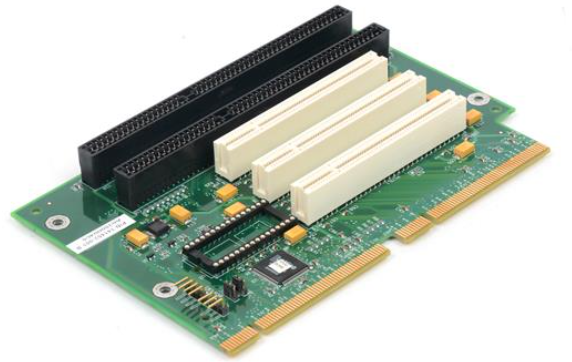
Xycom 141452-001 5-slot amplifier card 141452001

Product Overview

Xycom 141452-001 5-slot amplifier card is a device that occupies an important position in industrial automation and related fields. With its unique design of 5 slots, it provides ample space for the system’s functional expansion and can flexibly adapt to project requirements of different levels of complexity. With outstanding performance in signal amplification, it has become a key component for ensuring stable and efficient operation of various industrial systems.

Brand background

Xycom has long been renowned in the field of industrial control and automation, focusing on providing high-quality and reliable solutions for industrial users. With profound technical accumulation and precise grasp of industry demand, Xycom’s series of products are known for their stability and high performance. The 141452-001 5-slot amplifier card is a typical representative of the brand’s combination of technical strength and market orientation.

Core functions

Signal amplification: Equipped with high-performance amplifier components, it can efficiently amplify weak signals from sensors and other devices, ensuring that the signals are not distorted during transmission and processing, providing a clear and accurate signal source for the control system. For example, sensor signals as low as millivolts can be amplified to a voltage range suitable for recognition by the control system.

Module Expansion: Through 5 slots, users can flexibly insert modules with different functions, such as data acquisition modules, communication modules, etc. Taking data collection as an example, corresponding modules can be connected to achieve the collection of various physical quantity data, and signal processing and transmission can be carried out through amplifier cards.

System adaptation: It can adapt well to various industrial control systems and equipment, whether it is Xycom’s own control system or related equipment from other brands, it can achieve stable connection and collaborative work.

Working principle

When the signal generated by external sensors and other devices is input to Xycom 141452-001, it first goes through the pre-processing circuit inside the amplifier card to perform preliminary filtering and conditioning on the signal, removing noise interference, etc. Next, the signal enters the core amplification circuit, where the high-performance amplifier component amplifies the signal according to the preset amplification factor. The amplified signal is further optimized for signal quality through post-processing circuits, such as adjusting signal levels, impedance matching, etc., and finally output to subsequent control systems or load devices. Throughout the process, if an expansion module is inserted, the signal will also undergo corresponding data processing or communication transmission operations based on the module’s functionality.

Key advantages

Flexibility: The design of 5 slots allows users to freely combine functional modules according to actual project needs, greatly improving the universality and applicability of the product. Whether it is a simple industrial monitoring system or a complex automated production line control, it can be easily handled.

High performance: Excellent performance in signal amplification, with high precision and stability, can effectively reduce signal distortion, provide reliable signal support for the system, ensure stable operation of industrial systems, and improve production efficiency and product quality.

Compatibility: It is well compatible with various brands of industrial equipment and systems, reducing the cost and difficulty for users in system construction and equipment upgrades, and providing users with more device selection space.

Precautions

Installation environment: It should be installed in a dry, well ventilated environment without strong electromagnetic interference to avoid affecting the performance and service life of the amplifier card due to environmental factors. For example, strong electromagnetic interference may cause errors in signal transmission or interfere with the accuracy of signal amplification.

Module installation: When inserting expansion modules, make sure that the modules are aligned correctly with the slots to avoid damaging the slots or modules due to improper installation. At the same time, it is necessary to confirm the compatibility between the module and the amplifier card before installation.

Power supply inspection: Before connecting to the power supply, carefully check whether the power supply voltage meets the product requirements. High or low voltage may cause irreversible damage to the amplifier card.

Similar model supplement

Xycom may have other amplifier card models with similar slot numbers and functions, such as 141453-001 (assuming model). These similar models may differ in certain parameters, such as slot compatibility, emphasis on signal amplification (which may be more focused on amplifying a specific type of signal), size, etc. When selecting, users can comprehensively consider their specific needs for functionality, performance, and installation space based on their own project.

Application scenarios

Industrial automation production line: used to amplify and process various sensor signals on the production line, ensuring that the control system can accurately obtain equipment operation status information, thereby achieving precise control of the automated production process. For example, in the automotive manufacturing production line, the position and assembly status signals detected by sensors are processed.

Intelligent warehousing system: It can amplify signals from temperature and humidity sensors, cargo position sensors, and other sensors in the warehousing environment, facilitating real-time monitoring of the warehousing environment and cargo storage status, and improving the intelligence level of warehousing management.

Industrial robot control system: helps industrial robots more accurately receive and process external environmental perception signals, such as visual sensor and force sensor signals, enabling robots to perform tasks more accurately and improve the accuracy and stability of industrial robot operations.

image.png

Search for products

Back to Top
Product has been added to your cart