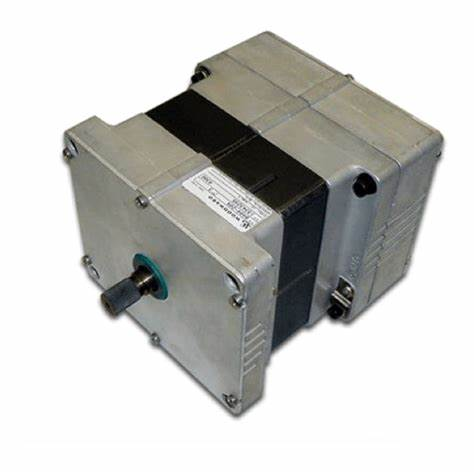
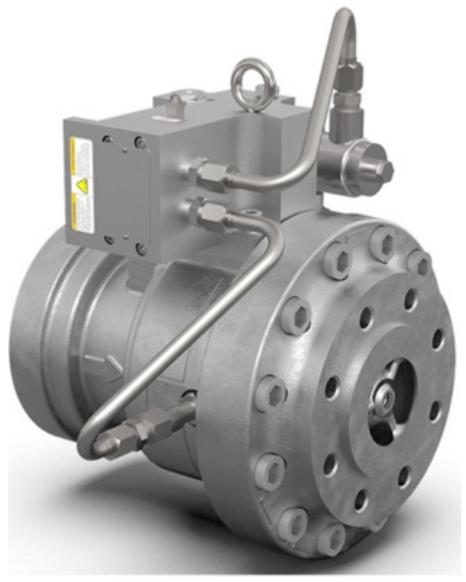
The WOODWARD ProAct locator (16 pin, third-generation) is a precision equipment designed specifically for the demanding needs of the industrial sector, playing a critical role in precise control of various power systems and industrial processes. This locator integrates advanced technology and reliable hardware design, providing stable and precise position control services for reciprocating engines, turbines, and equipment that require extremely high position accuracy. The core ProAct actuator, with its unique structure and excellent performance, can efficiently respond to control instructions and achieve precise positioning of key components of the equipment.
Working mechanism and technical details
Principle of actuator drive
Adopting electric drive technology, the built-in high-performance motor converts electrical energy into mechanical energy. By regulating the current and voltage, the output shaft speed and angle are accurately adjusted to achieve position control of mechanical devices such as valves and throttling devices. Compared with traditional hydraulic/pneumatic drives, it has faster response, higher accuracy, and lower energy consumption.
Position feedback and adjustment mechanism
By using position sensors to monitor the actual position of the equipment in real time, the signal is transmitted to the control unit for comparison with the target value. The control algorithm calculates and adjusts the signal to drive the actuator, closed-loop control eliminates external interference, and ensures accurate positioning of the equipment.
Electrical connections and signal processing
Input power supply 18-32Vdc (maximum current 20A), compatible with various electrical equipment, receives 4-20mA, PWM and other control signals, processes them to drive actuators, and outputs equipment operation status signals to achieve automated monitoring and management.
Product specifications and configuration
Output specifications of actuator
The output shaft has a rotation stroke of 75 degrees and a torque range of 7-37J (5-27ft-lb). Users can choose the torque specification according to the load.
Protection and environmental adaptability
The shell is sturdy, with dust-proof, waterproof, and shock and vibration resistant capabilities. It operates at temperatures ranging from -40 ° C to+85 ° C and is suitable for various industrial environments.
Installation and connection method
Supports installation methods such as brackets and flanges, providing connection interfaces such as MS connectors or conduit fittings. The actuator can be rotated clockwise/counterclockwise for easy installation and debugging.
Product functional characteristics
Accurate position control
By utilizing control algorithms and position feedback systems, we ensure precise positioning of critical components of the equipment under various operating conditions, reducing fluctuations in process parameters.
Rapid response capability
Quickly respond to sudden changes in load and other operating conditions, adjust actuators in a short period of time to return equipment components to their set positions, improve operational efficiency, and protect equipment.
Fault diagnosis and self-protection
Real time monitoring of operational status, detecting anomalies and initiating diagnostic programs with alarms, automatically stopping drive output in case of severe faults, reducing maintenance costs and downtime.
Product advantages
High reliability
High quality components are selected for hardware, which are anti-interference and environmentally resistant. The design considers redundancy and error tolerance, and can maintain basic working ability even when some components fail.
Wide compatibility
Compatible with various power equipment, control systems, and communication protocols, reducing the difficulty and cost of system integration.
Easy to maintain
Modular design facilitates the replacement of faulty modules, with a simple user interface. WOODWARD provides professional technical support to shorten troubleshooting time.
High cost-effectiveness
Improve equipment operating efficiency, reduce energy consumption, maintenance costs, and downtime, and flexibly configure to avoid excessive investment.
Application Fields
Power generation industry
Accurately control the position of gas turbine fuel valves and other components, respond to changes in grid load, adjust output power, and reduce energy consumption and emissions.
Industrial manufacturing
Applied to machine tools, printing machines, packaging machines, etc., it controls the position of key components to ensure machining accuracy and production consistency.
Oil and Natural Gas
In oil and gas production, adjust the position of the motor parts of the pumping unit and water injection pump to optimize the production efficiency; Control the position of the compressor valve in the conveying process to stabilize the conveying pressure and flow rate.
WOODWARD ProAct 75 speed control (first generation) is a precision speed control device widely used in the industrial field, playing a key role in various power systems and industrial processes. This speed control system integrates advanced technology and reliable hardware design, aiming to provide stable and precise speed control services for reciprocating engines, turbines, and other equipment that require high speed accuracy. The core component ProAct 75 electric actuator, with its unique structure and performance, can efficiently respond to control instructions and achieve precise adjustment of equipment operating speed.
Working mechanism and technical details
(1) Principle of actuator drive
Using electric drive technology, the internal motor converts electrical energy into mechanical energy, and adjusts the output shaft speed and angle by controlling the current and voltage to achieve position control of mechanical devices such as valves and throttling devices. In the engine fuel system, directly connecting the fuel throttle valve to adjust the fuel quantity and achieve speed control, compared to hydraulic/pneumatic drive, has faster response, higher accuracy, and lower energy consumption.
(2) Speed feedback and regulation mechanism
Real time monitoring of equipment speed through speed sensors, signal transmission to the control unit for comparison with the target value, calculation and adjustment of the signal by the control algorithm, driving the actuator to make the actual speed approach the target value. Closed loop control eliminates external interference and ensures stable operation of the equipment under various working conditions. For example, when the engine load increases, the sensor detects a decrease in speed, and the control unit instructs the actuator to increase the throttle valve opening to increase the speed.
(3) Electrical connections and signal processing
Input power supply 18-32Vdc (maximum current 20A), compatible with various electrical devices. Receive 4-20mA, PWM and other control signals, convert them into actuator instructions through internal processing, and output equipment operation status signals to achieve industrial system automation monitoring and management.
Product specifications and configuration
(1) Output specifications of actuator
The output shaft has a rotation stroke of 75 degrees and a torque output of 7-37J (5-27ft-lb). Users can choose the torque specification according to the load and adapt to scenarios ranging from small valves to large industrial valves.
(2) Protection and environmental adaptability
The shell is sturdy, with dust-proof, waterproof, and shock resistant capabilities. It operates at temperatures ranging from -40 ° C to+85 ° C and is suitable for cold outdoor environments and high-temperature workshops.
(3) Installation and connection method
Supporting installation methods such as brackets and flanges, the connection interface has MS connectors or conduit joints, and the actuator can be rotated clockwise/counterclockwise for easy installation and debugging.
Product functional characteristics
(1) Precise speed control
By using control algorithms and speed feedback systems, the equipment speed is controlled within a very small error range, reducing quality problems and equipment failures caused by speed fluctuations, and ensuring efficient and stable operation of engines and other equipment.
(2) Rapid response capability
Quickly respond to sudden changes in load and other operating conditions, detect speed changes in a short period of time, adjust actuators, restore set speed, improve equipment operating efficiency, and protect equipment from damage caused by speed changes.
(3) Fault diagnosis and self-protection
Real time monitoring of operating status. When abnormal conditions such as motor overload or sensor failure are detected, the diagnostic program is initiated, and alarms are triggered through indicator lights and communication interfaces. In case of severe faults, the drive output is automatically stopped, reducing maintenance costs and downtime.
Product advantages
(1) High reliability
High quality components are selected for hardware, which are anti-interference and environmentally resistant. The design considers redundancy and error tolerance, and can maintain basic working ability even when some components fail.
(2) Wide compatibility
Compatible with various power equipment, control systems, and communication protocols such as Modbus and CANopen, reducing the difficulty and cost of system integration.
(3) Easy to maintain
Modular design facilitates the disassembly and replacement of faulty modules, with a simple user interface. WOODWARD provides professional technical support to shorten troubleshooting time.
(4) High cost-effectiveness
Improve equipment operational efficiency, reduce energy consumption, maintenance costs, and downtime, flexibly configure to avoid overinvestment, and save costs throughout the lifecycle
The R series actuators include models R-11, R-30, and R-120, and are electronic modules that integrate brushless DC motors and gearboxes. By changing the gearbox, different torque outputs can be achieved, which can accept 4-20mA, 0-20mA or PWM command signals, and provide 4-20mA output shaft position signals as feedback. This series of actuators has a rotation stroke of 73 ° and can be directly connected to a butterfly throttle valve, reducing the need for a faulty linkage mechanism in the middle.
Performance characteristics
High torque output: It can provide high torque rotation stroke for various control valves and mechanical devices in high temperature and high vibration environments, meeting the requirements of harsh working conditions. If the continuous torque output of R-11 is 5.5N · m (4lb ft), R-30 and R-120 also have corresponding high torque output capabilities.
Precise control: With precise and non-contact position sensing, the control accuracy can reach ± 1.36% of the full stroke, achieving precise positioning control.
Strong adaptability: With low power supply current, it can work stably in various complex environments, with a working temperature of up to+105 ° C and a protection level of IP67. It can withstand rain and strong washing, and some models are also designed to pass marine certification.
High cost-effectiveness: Compared to other electric actuators with the same torque, it has a lower cost and can achieve higher torque output in a smaller package size. It can also provide multiple output torque options using the same motor and electronic components.
Application scenarios
Reciprocating engine: used to control the position of fuel throttle valves, exhaust valves, exhaust gas recirculation, compressor recirculation (bypass), waste heat recovery, and exhaust valves, and can also be applied to drive variable turbine geometry turbochargers.
Industrial process control: In industrial production, positioning control is performed on various valves that require precise control of flow, pressure, and other parameters to ensure stable operation of the industrial process.
Product specifications and configuration
(1) Model and torque output
The R series actuators include multiple models, such as R-11, R-30, and R-120, each with different torque output capabilities to meet various application scenarios with different load requirements. Taking the R-11 as an example, its continuous torque output can reach 5.5N · m (4lb ft), and its continuous working output is 7.2J (5.3ft lb), which can provide stable and reliable driving force for some small valves or mechanical devices with relatively low torque requirements. Models such as R-30 and R-120 have higher torque output capabilities and are suitable for driving high load equipment such as large industrial valves and compressor bypass valves. Users can choose the most suitable R series actuator model based on the load size and work requirements in actual applications, ensuring that the equipment can operate efficiently and stably.
(2) Protection level and environmental adaptability
In terms of protection level, the R series actuators perform excellently, reaching the IP67 protection level standard. This means that the actuator has excellent dust and water resistance, which can effectively resist the invasion of dust. Even in the case of being soaked in rainwater or strongly sprayed with water, it can still work normally without performance degradation or failure due to environmental factors. In addition, this series of actuators can operate stably in high temperature environments, with a maximum working temperature of+105 ° C. This excellent environmental adaptability allows the R series actuators to be widely used in various complex and harsh industrial environments, such as high-temperature industrial furnaces, humid chemical workshops, and dusty mines, providing strong guarantees for the continuity and reliability of industrial production.
(3) Electrical parameters and power requirements
Different models of R-series actuators also have differences in electrical parameters to adapt to different power conditions and application scenarios. For example, some models of R-series actuators have a power input range of 18-32Vdc, a maximum continuous current of 1.0 ampere, and a maximum continuous input power of 24W. The design of these electrical parameters takes into account both the power requirements of the actuator during operation and compatibility with common industrial power systems, making it more convenient and flexible for users to choose and use. At the same time, the characteristic of low power supply current also helps to reduce the energy consumption of the system, improve energy utilization efficiency, and meet the requirements of modern industry for energy conservation and environmental protection.
Product Overview: The F series locator adopts an integrated driver design and can be installed on the engine to perform various position control functions. Its core technology is limited angle torque (LAT) motor technology, which can quickly drive actuator positioning with a rotation rate of about 80 milliseconds, showing significant advantages compared to similar technologies. This locator can accept various position demand signals such as PWM, J1939 CAN, 4-20mA, 0-5VDC, etc., with strong compatibility.
Function characteristics
Accurate and fast positioning: With advanced LAT motor technology, the locator can quickly respond to control signals, achieve precise position control, and meet the strict requirements of industrial equipment for position adjustment accuracy and speed.
Integrated design: Integrating motor drive, signal processing and other functions into one, without the need for a separate drive box, reducing external components and connection lines, improving system reliability, and reducing the risk of failure.
Multiple signal compatibility: Supports multiple position required signal inputs, can be used in conjunction with different types of control systems and controllers, has good universality, and is easy to integrate into the system.
Application scenarios
Reciprocating engine control: commonly used to control the position of components such as fuel rack, throttle valve, exhaust gas bypass valve, compressor bypass valve, and recirculation valve, optimize engine performance, and ensure stable operation.
Highway vehicles and fixed equipment: suitable for engine management systems of highway vehicles, as well as fixed gas fuel generators or pumps and other equipment, to achieve precise position control and improve equipment operating efficiency.
Working mechanism and technical characteristics
(1) Advanced driving technology
The F-series locator adopts limited angle torque (LAT) motor technology, which endows the locator with excellent driving performance. During operation, the locator can quickly respond to control signals and drive the actuator to the designated position at an extremely fast speed. Compared with other similar technologies in the market, its rotation speed performance is extremely excellent, usually only about 80 milliseconds, while competitors’ technologies often require 160 milliseconds or even longer. Such a fast response speed enables the F series locator to quickly respond to various working conditions changes in industrial production processes, ensuring the efficiency and stability of equipment operation.
(2) Multi signal input
This locator has strong compatibility and can accept various types of position demand signals, including pulse width modulation (PWM) signals, J1939 compliant controller area network (CAN) signals, 4-20 mA standard analog current signals, and 0-5 Vdc DC voltage signals. This diverse signal input method enables the F-series locator to easily adapt to various types of control systems and controllers. Whether it is traditional analog control systems or advanced digital and networked control systems, the F-series locator can seamlessly integrate with them, greatly improving its versatility and applicability in different industrial environments.
(3) Integrated design
The F series locator adopts a highly integrated design concept, integrating multiple functional modules such as motor drive, signal processing, and position feedback into one. This integrated design brings many advantages. On the one hand, it reduces the number of external components and connection lines, lowers the complexity and fault points of the system, and improves the reliability and stability of the equipment; On the other hand, there is no need to separately configure a driver box, which saves installation space and costs, making the layout of the entire system more compact and concise. Meanwhile, the integrated electronic components have been carefully optimized to achieve efficient data processing and fast control response, further enhancing the performance of the locator.
The WOODWARD DVP digital valve positioner, as a cutting-edge driving device for electric actuators, occupies an important position in the field of industrial control due to its sturdy and compact design. It is designed to work in conjunction with various WOODWARD valves and actuators, accurately positioning valves based on the demand signals sent by the control system. Multiple input type configurations enable it to perfectly adapt to numerous different turbine controllers, while supporting redundant installation, greatly improving the reliability of system operation.
Working mechanism and control principle
(1) Motor adaptation and feedback control
DVP is capable of controlling valves and actuators equipped with limited angular torque (LAT) or brushless direct current (BLDC) motors. It uses feedback from a rotary transformer located on the valve or actuator to determine position, and utilizes WOODWARD’s latest control architecture – robust controller – to achieve high-speed and precise valve control. By continuously comparing the demand signal input by the control system with the actual position signal feedback from the rotary transformer, DVP can quickly adjust the output, drive the motor action, ensure that the valve accurately reaches and stabilizes at the target position, effectively reduce control errors, and improve control accuracy.
(2) Intelligent recognition and plug and play
WOODWARD has integrated intelligent technology – the ID module – into the new generation of valves and actuators. When DVP is connected to a valve or actuator equipped with an ID module, it automatically reads key valve specific information to complete its own settings. This automatic detection and customer configuration process is extremely convenient, and once completed, DVP can be put into use. This plug and play feature greatly shortens equipment installation and debugging time, reduces operational difficulty, and improves engineering implementation efficiency, especially suitable for application scenarios that require rapid deployment and frequent equipment replacement.
Product specifications and configuration options
(1) Protection level
Provide two types of protection levels for users to choose from. The IP30 protection level model is suitable for general industrial environments and can prevent solid foreign objects larger than 2.5mm from entering, providing basic protection for equipment; Models with IP56 protection level have stronger protection capabilities, including dust and water spray prevention. Even in harsh environments such as dusty industrial workshops or outdoor places that may be subject to rainwater splashes, they can operate stably, ensuring the reliability and service life of the equipment.
(2) Output and connection methods
The output interface is divided into two types: connectors and terminal blocks. The connector output is convenient and fast, which can quickly connect devices and is suitable for scenarios that require high installation speed; The output of the wiring terminal has better stability and reliability, making it easier to carry out complex wiring and electrical connections. For models with IP56 protection level, conduit connection options are also provided, further enhancing the electrical connection safety and protection performance of the equipment in special environments.
(3) Power input
Supports two power input options of 125 Vdc or 24 Vdc, which can be flexibly selected according to the power conditions in actual application scenarios. Whether using high voltage to meet long-distance transmission or high-power equipment driving needs, or using low voltage to adapt to environments with high requirements for power safety and energy conservation, DVP can adapt well and provide stable power support for different industrial control systems.
(4) Communication and input signals
Equipped with rich communication and input signal configurations. Supporting digital communication protocols such as Ethernet (EGD) and CANopen, it can be easily integrated with modern industrial automation control systems to achieve efficient data transmission and remote control. At the same time, it also provides analog input options, such as 4-20 mA or 0-5 Vdc signals, as well as PWM (pulse width modulation) configurable inputs, which can be compatible with various types of controllers and sensors, meeting diverse industrial control needs. In addition, triple redundant EGD (Ethernet) or dual redundant CANopen digital communication options are also provided, further improving the reliability of communication. Even in complex electromagnetic environments or communication line failures, stable data transmission and normal equipment operation can be ensured.
Product functional characteristics
(1) Precise positioning control
By utilizing advanced control algorithms and high-resolution feedback detection technology, DVP can achieve high-precision valve positioning control. In the industrial production process, precise control of parameters such as flow rate and pressure is crucial. DVP can ensure that valves can accurately adjust their opening under various working conditions, thereby achieving precise control of process parameters and improving product quality and production efficiency. For example, in chemical production, precise control of valve opening can ensure accurate proportioning of reactants, improve the stability of chemical reactions, and increase product yield.
(2) Fault diagnosis and alarm
Built in comprehensive fault diagnosis function, capable of real-time monitoring of its own and connected valves and actuators’ operating status. Once an abnormal situation is detected, such as motor overload, communication failure, abnormal position feedback, etc., DVP will immediately issue an alarm signal and record detailed fault information. This helps maintenance personnel quickly locate and solve problems, reduce equipment downtime, and minimize production losses. By timely detecting and handling potential faults, the service life of equipment can be effectively extended and the overall reliability of the system can be improved.
(3) Adaptive control
Equipped with adaptive control capability, it can automatically adjust control parameters according to the actual situation during valve operation. For example, when the valve is affected by factors such as medium pressure fluctuations, temperature changes, or mechanical wear, DVP can sense and automatically optimize control strategies in real time to ensure that the valve always maintains a stable and efficient operating state. This adaptive feature enables DVP to adapt to complex and changing industrial application environments, reduce manual intervention, and improve the automation level and stability of the system.
Product advantages
(1) High reliability design
From hardware materials to software algorithms, DVP has been carefully designed and rigorously tested to ensure high reliability operation in various industrial environments. The sturdy casing, high-quality electronic components, and redundant communication and control architecture enable it to withstand adverse factors such as electromagnetic interference, vibration, and temperature changes, reducing the probability of failure and providing reliable guarantees for the continuity of industrial production.
(2) Wide compatibility
With multiple input type configurations, rich communication protocol support, and adaptability to different power sources and motor types, DVP can work in conjunction with numerous brands of turbine controllers, valves, and actuators. Whether it is building a new industrial control system or upgrading an existing system, DVP can be easily integrated without the need for large-scale system adjustments, reducing system integration costs and technical difficulties.
(3) Convenient installation and maintenance
The plug and play function and simple and easy to understand operating interface make the installation and debugging process of DVP extremely convenient. Maintenance personnel can master the operation and maintenance methods of equipment through simple training. At the same time, detailed fault diagnosis information and remote monitoring functions further simplify the equipment maintenance process, improve maintenance efficiency, and reduce maintenance costs.
(4) Advanced technical support
As a product under the WOODWARD brand, DVP benefits from the brand’s rich technical experience accumulated over the years in the field of industrial control and its globally renowned reputation for excellence. WOODWARD has a professional technical support team that can provide users with comprehensive pre-sales consultation, in sales installation guidance, and after-sales maintenance services, ensuring that problems encountered by users during use can be solved in a timely and effective manner, and providing users with comprehensive technical guarantees.
WOODWARD GSOV25HT Gas Fuel Shutoff Valve(2.0” Flange) Specially designed for the safe operation of key equipment such as industrial gas turbines, it is the core component that ensures the safety of equipment and personnel. This valve is mainly used to quickly and reliably cut off gas supply in emergency situations, equipment failures, or normal shutdowns, effectively preventing gas leaks and avoiding serious safety accidents such as fires and explosions caused by gas leaks, providing solid safety guarantees for industrial production environments. Its 2.0 “flange interface design follows industry standards and specifications, with good universality, which can be easily and quickly connected to various pipeline systems, ensuring the stability and sealing of the connection, reducing installation time and difficulty, and improving engineering installation efficiency.
Product Structure and Working Principle
(1) Structural Design
Material selection: The valve body is carefully crafted from all stainless steel material. Stainless steel material has excellent corrosion resistance and can operate stably for a long time in complex and harsh industrial environments such as high temperature, high humidity, and the presence of corrosive gases or liquids. It effectively resists the erosion of valves by environmental factors, greatly extending the service life of valves and reducing the probability of failures and maintenance costs caused by material problems.
Internal structure: The internal structure is compact and exquisitely designed, mainly including high-precision valve cores, valve seats, and sensitive and reliable driving devices. The valve core and valve seat are processed through advanced precision machining technology, with extremely high surface flatness and smoothness. The two are closely matched, which can achieve excellent sealing performance when the valve is closed, effectively preventing gas leakage and ensuring safety. The driving device is responsible for quickly and accurately driving the valve core action upon receiving the control signal, achieving rapid opening and closing of the valve and meeting different requirements during equipment operation. In addition, there is a special sealing structure inside the valve, which further enhances the sealing effect and ensures reliable operation under various working conditions.
(2) Working principle
Normal operation mode: During the normal operation phase of the equipment, the GSOV25HT cut-off valve is in the open state, and gas can smoothly pass through the valve and be stably delivered to the gas turbine and other equipment according to the preset flow rate and pressure of the system, meeting their normal operation needs for gas. At this time, the driving device remains powered on and maintains the valve core in the open position through electromagnetic force and other actions, ensuring smooth and unobstructed gas passage and ensuring the continuous and stable operation of the equipment.
Cut off working mechanism: Once the system detects an abnormal situation, such as equipment failure, emergency stop command, or a situation that may endanger safety, the control signal will be immediately transmitted to the driving device of GSOV25HT. After receiving the signal, the driving device quickly stops power supply. Under the action of spring force or other auxiliary power, the valve core moves to the closed position at an extremely fast speed, instantly completely blocking the gas passage and quickly cutting off all gas flow to prevent gas from continuing to flow to the equipment, effectively avoiding the occurrence or further deterioration of dangerous events. For example, when the gas turbine control system detects abnormal situations such as turbine overheating or overspeed that may cause serious accidents, it will immediately send a cut-off signal to the GSOV25HT cut-off valve. The valve will respond quickly and cut off the gas supply in a very short time to protect equipment and personnel safety.
Product specifications
Pressure parameters: This valve has strong pressure resistance, with a normal working pressure of up to 900 psi (6.2 MPa). Under such high pressure conditions, the valve can still perform stable opening and closing operations, ensuring reliable gas cut-off under different pressure conditions and meeting the strict requirements for high-pressure gas control in industrial production. At the same time, the valve is specially designed to withstand a certain degree of pressure fluctuations, ensuring normal operation in complex pressure environments.
Traffic performance: According to different application scenarios and system requirements, GSOV25HT exhibits good traffic adaptability. Its design can meet the cutting off requirements of gas flow for various types of gas turbines at different power outputs. For example, when a high-power gas turbine is operating at full load and requires a large flow of gas supply, this valve can quickly cut off the large flow of gas in emergency situations; Under low load conditions of low-power equipment, valves can accurately control the cut-off of small flow gas, efficiently completing tasks and ensuring the safe operation of equipment under various working conditions.
Fuel compatibility: It has a wide range of fuel compatibility and can be perfectly matched with various common gaseous fuels, including natural gas, propane, ethane, methane, etc. Moreover, it can also adapt to a certain proportion of hydrogen methane mixed fuel (such as a mixed gas with a volume ratio of up to 50% hydrogen) without the need for additional modifications. This feature provides the possibility to cope with future changes in energy structure and the application of new fuels, enhancing the universality of equipment in different fuel environments, and enabling relevant equipment to adapt to new fuel types without frequent valve replacement during the energy transition process.
Electrical specifications: The electrical interface design is flexible and diverse, suitable for various common voltage types, including DC voltages such as 24 Vdc and 125 Vdc, as well as AC voltages such as 115 Vac or 220 Vac. This design is easy to connect with different control systems and power sources, meeting diverse user needs and complex application scenarios. Whether in small industrial equipment using DC power or in large power generation facilities using AC power, the GSOV25HT can be easily adapted to achieve reliable control and operation.
Temperature applicable range: It can operate normally within a relatively wide temperature range, and the suitable gas temperature range is generally -4 ° F to+350 ° F (-20 ° C to+177 ° C). This means that whether in cold winter outdoor environments or in high-temperature industrial production sites, valves can operate stably, reliably achieve gas shut-off function, and are not significantly affected by temperature changes. For example, in the winter of cold northern regions, the gas temperature may drop very low, but the valve can still work normally; In some high-temperature industrial processing sites, even when the gas temperature is high, valves can maintain good performance to ensure the safe operation of equipment.
Closing time: The valve has an extremely fast cutting response speed. After receiving the cutting signal, it can complete the closing action of the valve in a very short time (usually less than 0.1 seconds), quickly cutting off the gas supply. This rapid response capability is crucial in emergency situations, as it can prevent dangerous events in a timely manner, provide strong guarantees for equipment and personnel safety, and effectively reduce the risk of accidents.
Sealing performance: Through optimized valve core and seat design, as well as the use of high-quality sealing materials, excellent sealing performance can be achieved when the valve is closed, meeting strict leakage standards. For example, under a certain pressure difference, almost zero leakage can be achieved, effectively preventing gas leakage when the valve is closed, further improving the safety and stability of the system, avoiding potential safety hazards caused by small leaks, and ensuring the safety of the industrial production environment.
Product Features
Quick cut-off function: With extremely fast cut-off response speed, it can complete the valve closing action in a very short time (usually less than 0.1 seconds) after receiving the cut-off signal, quickly cutting off the gas supply. This rapid response capability is crucial in emergency situations, as it can prevent dangerous events from occurring in a timely manner and provide strong guarantees for equipment and personnel safety. For example, when the gas leak monitoring instrument detects a combustible gas leak, the GSOV25HT shut-off valve can react instantly, quickly cutting off the gas, preventing the leak from further expanding, and avoiding serious accidents such as fires or explosions.
Fault safety function: Following strict fault safety design principles, in the event of electrical faults, loss of control signals, or other abnormal situations, the valve will automatically switch to the closed state, blocking the gas path and ensuring that the system is in a safe state. Even in complex fault environments, it can effectively reduce the risks caused by gas leaks or loss of control, providing multiple protections for the safety of the entire system. For example, when the control system fails and cannot send control signals normally, the valve will rely on its own fault safety mechanism to automatically close, preventing gas leakage from causing danger.
Sealing performance guarantee: Through optimized valve core and seat design, as well as the use of high-quality sealing materials, excellent sealing effect can be achieved when the valve is closed, meeting strict leakage standards. For example, under a certain pressure difference, almost zero leakage can be achieved, effectively preventing gas leakage when the valve is closed, further improving the safety and stability of the system, and avoiding potential safety hazards caused by small leaks. Whether in long-term use or under harsh conditions such as high pressure and high temperature, the sealing performance of the valve can be reliably guaranteed.
Remote control function: This valve can be connected to the control system to achieve remote control. Operators can remotely control valves from a centralized control room or remote location through the control system to achieve valve opening and closing. This function is particularly important in some large industrial facilities or hazardous environments, facilitating operators to respond to various situations in a timely manner and improving the convenience and safety of operations. For example, setting up GSOV25HT shut-off valves in the gas supply network of cities or factories can be centrally controlled in the control room, remotely controlled, and emergency shutdown of pipeline gas supply at the accident site, effectively responding to emergencies.
Product advantages
High reliability: Made of high-quality stainless steel materials and advanced manufacturing processes, the internal key components undergo strict quality inspection and durability testing. During long-term and frequent use, valves can maintain stable and reliable performance, greatly reducing the probability of failures, lowering maintenance costs and downtime, and providing reliable support for the continuity of industrial production. For example, after extensive practical application verification, the valve has been able to operate continuously in complex industrial environments for many years and still function normally with stable performance, reducing the number of equipment shutdowns and maintenance caused by valve failures.
Installation convenience: The 2.0 “flange interface design complies with industry standards and facilitates connection with various pipeline systems. During the installation process, it is possible to quickly and accurately complete the docking, reduce installation time and difficulty, and improve the efficiency of engineering installation. Meanwhile, the flange connection method ensures the stability and sealing of the connection, effectively preventing gas leakage. Construction personnel only need to follow the standard installation process to easily complete the valve installation work, reducing uncertainty and risks during the installation process.
Wide applicability: Whether it is different types of fuels, diverse electrical parameter requirements, or various complex industrial environments, the GSOV25HT gas shut-off valve can adapt well. There is no need for large-scale customization for specific application scenarios, greatly improving the applicability and flexibility of the product, and meeting the usage needs of different users under different working conditions. For example, in various fields such as power generation, industrial drive equipment, and marine ship power systems, this valve can play an important role and adapt to different working environments and fuel types.
Brand and Technical Support: As a product under the WOODWARD brand, we benefit from the brand’s rich technical experience and globally renowned reputation in the field of industrial control accumulated over the years. WOODWARD has a professional technical support team that can provide users with comprehensive pre-sales consultation, in sales installation guidance, and after-sales maintenance services, ensuring that problems encountered by users during use can be solved in a timely and effective manner, and providing users with comprehensive technical guarantees. Users can enjoy professional technical support and use the valve with confidence when purchasing and using it.
WOODWARD GSOV80 Gas Fuel Shutoff Valve (2.0 “Flange) is a critical safety device designed specifically for industrial gas turbines and related equipment. This valve plays an extremely important role in the system, mainly used to quickly and reliably cut off gas supply in emergency situations or normal shutdowns, prevent gas leaks from causing potential safety risks such as fires, explosions, etc., and provide solid protection for equipment and personnel safety. Its 2.0 “flange interface design facilitates connection with various pipeline systems, ensuring installation stability and sealing.
Product Structure and Working Principle
(1) Structural Design
Material selection: The valve body is made of all stainless steel material, which has excellent corrosion resistance and can adapt to various complex and harsh industrial environments. Whether it is high temperature, high humidity, or places with corrosive gases, it can ensure the long-term stable operation of the valve, greatly extending the service life of the valve and reducing the failure and maintenance costs caused by material problems.
Internal structure: The internal structure is exquisite and compact, including high-precision valve cores, valve seats, and sensitive and reliable driving devices. The valve core and valve seat are precision machined, with extremely high surface flatness and smoothness. The two work closely together to achieve excellent sealing performance when the valve is closed, effectively preventing gas leakage. The driving device is responsible for quickly driving the valve core action and accurately controlling the opening and closing of the valve after receiving the control signal.
(2) Working principle
Normal operation mode: During the normal operation phase of the equipment, the GSOV80 cut-off valve is in the open state, and gas can smoothly pass through the valve and be stably delivered to gas turbines and other equipment according to the preset flow rate and pressure of the system, meeting their normal operation needs for gas. At this time, the driving device remains powered on, keeping the valve core in the open position to ensure unobstructed gas passage.
Cut off working mechanism: Once the system detects abnormal conditions, such as equipment failure, emergency shutdown instructions, or situations that may endanger safety, the control signal will be immediately transmitted to the driving device of GSOV80. After receiving the signal, the driving device quickly stops power supply. Under the action of spring force or other auxiliary power, the valve core moves to the closed position at an extremely fast speed, instantly completely blocking the gas passage and quickly cutting off all gas flow to prevent gas from continuing to flow to the equipment, effectively avoiding the occurrence or further deterioration of dangerous events.
Product specifications
Pressure parameters: This valve can withstand high working pressures, with a normal working pressure of up to 900 psi (6.2 MPa). Under such pressure conditions, the valve can still perform stable opening and closing operations, ensuring reliable gas cut-off under different pressure conditions and meeting the demand for high-pressure gas control in industrial production.
Traffic performance: According to different application scenarios and system requirements, GSOV80 has good traffic adaptability. Its design can meet the cutting off requirements of gas flow for various types of gas turbines at different power outputs. Whether it is high flow gas cutting for high-power gas turbines operating at full load or low flow control for low-power equipment operating at low load, valves can efficiently complete tasks.
Fuel compatibility: It has a wide range of fuel compatibility and can be perfectly matched with various common gaseous fuels, including natural gas, propane, ethane, methane, etc. It is worth mentioning that it can also adapt to a certain proportion of hydrogen methane mixed fuel (such as a mixed gas with a volume ratio of up to 50% hydrogen) without the need for additional modifications, providing the possibility to cope with future changes in energy structure and the application of new fuels, enhancing the versatility of the equipment in different fuel environments.
Electrical specifications: The electrical interface design is flexible and adaptable to various common voltage types, including DC voltages such as 24 Vdc and 125 Vdc, as well as AC voltages such as 115 Vac or 220 Vac, making it easy to connect with different control systems and power sources, meeting diverse user needs and complex application scenarios.
Temperature applicable range: It can operate normally within a relatively wide temperature range, and the suitable gas temperature range is generally -4 ° F to+350 ° F (-20 ° C to+177 ° C). This means that whether in cold winter outdoor environments or in high-temperature industrial production sites, valves can operate stably, reliably achieve gas shut-off function, and are not significantly affected by temperature changes.
Product Features
Quick cut-off function: With extremely fast cut-off response speed, it can complete the valve closing action in a very short time (usually less than 0.1 seconds) after receiving the cut-off signal, quickly cutting off the gas supply. This rapid response capability is crucial in emergency situations, as it can prevent dangerous events from occurring in a timely manner and provide strong guarantees for equipment and personnel safety.
Fault safety function: Following strict fault safety design principles, in the event of electrical faults, loss of control signals, or other abnormal situations, the valve will automatically switch to the closed state, blocking the gas path and ensuring that the system is in a safe state. Even in complex fault environments, it can effectively reduce the risks caused by gas leaks or loss of control, providing multiple protections for the safety of the entire system.
Sealing performance guarantee: Through optimized valve core and seat design, as well as the use of high-quality sealing materials, excellent sealing effect can be achieved when the valve is closed, meeting strict leakage standards. For example, under a certain pressure difference, almost zero leakage can be achieved, effectively preventing gas leakage when the valve is closed, further improving the safety and stability of the system, and avoiding potential safety hazards caused by small leaks.
Product advantages
High reliability: Made of high-quality stainless steel materials and advanced manufacturing processes, the internal key components undergo strict quality inspection and durability testing. During long-term and frequent use, valves can maintain stable and reliable performance, greatly reducing the probability of failures, lowering maintenance costs and downtime, and providing reliable support for the continuity of industrial production.
Installation convenience: The 2.0 “flange interface design complies with industry standards and facilitates connection with various pipeline systems. During the installation process, it is possible to quickly and accurately complete the docking, reduce installation time and difficulty, and improve the efficiency of engineering installation. Meanwhile, the flange connection method ensures the stability and sealing of the connection, effectively preventing gas leakage.
Wide applicability: Whether it is different types of fuels, diverse electrical parameter requirements, or various complex industrial environments, the GSOV80 gas shut-off valve can adapt well. There is no need for large-scale customization for specific application scenarios, greatly improving the applicability and flexibility of the product, and meeting the usage needs of different users under different working conditions.
Brand and Technical Support: As a product under the WOODWARD brand, we benefit from the brand’s rich technical experience and globally renowned reputation in the field of industrial control accumulated over the years. WOODWARD has a professional technical support team that can provide users with comprehensive pre-sales consultation, in sales installation guidance, and after-sales maintenance services, ensuring that problems encountered by users during use can be solved in a timely and effective manner, and providing users with comprehensive technical guarantees.
Application scenarios
In the field of power generation: In gas turbine power plants, the GSOV80 gas shut-off valve is a key component to ensure the safe and stable operation of power generation equipment. When the generator set malfunctions, such as abnormal control system, turbine overheating or overspeed, the valve can quickly cut off the gas supply, avoid more serious accidents, ensure the stability of power supply, prevent large-scale power outages caused by faults, and safeguard the safe and reliable operation of the power industry.
Industrial drive equipment: For gas turbines that drive various industrial machinery such as compressors and pumps, GSOV80 shut-off valves also play a crucial role. During the operation of the equipment, if there is an unexpected situation such as mechanical component damage that may affect the normal control of gas supply, the valve can promptly cut off the gas to prevent further damage to the equipment, protect the continuity and safety of the entire industrial production process, and maintain the normal order of industrial production.
Marine ship power system: In the gas turbine power system of marine ships, due to the complex and ever-changing marine environment, the safety and reliability requirements for equipment are extremely high. The GSOV80 gas shut-off valve can quickly cut off gas in emergency situations such as severe sea conditions and equipment failures, effectively preventing fires, explosions, and other dangers caused by gas leaks, ensuring the safe and stable operation of the ship’s power system, ensuring the safety of ship navigation, and providing solid guarantees for the safe operation of the ocean transportation industry.
WOODWARD USOV universal shut-off valve is a critical equipment in the industrial field, mainly used in various gas turbines and related systems. It can quickly and reliably cut off fuel supply in emergency situations or normal shutdowns, effectively ensuring the safety of equipment and personnel, and avoiding potential dangers caused by fuel leakage or loss of control. This valve has a sophisticated design, strong versatility, and can adapt to various fuel types and different working environments. It has a wide range of applications in power generation, industrial drive, and marine vessels.
Product Structure and Working Principle
(1) Structural Design
Material selection: The main body of the valve is made of high-strength and corrosion-resistant materials, such as high-quality stainless steel, to ensure long-term stable operation in various complex industrial environments, including high humidity, corrosive gases or liquids, effectively extending the service life of the valve and reducing failures and maintenance needs caused by material issues.
Key components: The internal structure includes precision valve cores, valve seats, and key components such as drive devices. The valve core and seat are treated with special processing technology, with a smooth surface and excellent sealing performance, which can achieve good sealing effect when the valve is closed and prevent fuel leakage. The driving device is responsible for quickly and accurately driving the valve core to open and close the valve after receiving the control signal.
(2) Working principle
Normal operating state: During normal operation of the equipment, the USOV universal shut-off valve is in the open state, allowing fuel to smoothly pass through the valve and be delivered to gas turbines and other equipment according to the system’s set flow rate and pressure, meeting their fuel requirements for normal operation. At this time, the driving device remains powered on and maintains the valve core in the open position.
Cut off working mechanism: When the system detects abnormal situations, such as equipment failure, emergency shutdown instructions, or situations that may endanger safety, the control signal will be quickly transmitted to the driving device of the USOV cut-off valve. After receiving the signal, the driving device immediately stops power supply. Under the action of spring force or other auxiliary power sources, the valve core quickly moves to the closed position, completely blocking the fuel passage and quickly cutting off all fuel flow, preventing fuel from continuing to flow to equipment such as turbines, effectively avoiding possible dangerous events such as fires and explosions.
Products Specification
Pressure range: It can adapt to a wide range of pressure environments and withstand high working pressures. The general design working pressure can reach 900 psi (6.2 MPa), and even in some special models, it can withstand higher pressures. At the same time, the valve can maintain stable closing and opening performance under different pressure conditions, ensuring reliable fuel cut-off under various pressure conditions.
Traffic parameters: The traffic specifications may vary depending on different models and application scenarios. But overall, it can meet the fuel flow requirements of various gas turbines at different power outputs. For example, some models can achieve significant fuel flow cut-off under specific pressures, ensuring that the valves can effectively function under different load conditions of the equipment.
Fuel compatibility: It has excellent fuel versatility and can be used with almost all common gaseous fuels, including natural gas, propane, ethane, methane, etc. In addition, it can also adapt to a certain proportion of hydrogen methane mixed fuel (such as a mixed gas with a volume ratio of up to 50% hydrogen) without the need for additional modifications, providing the possibility to cope with future changes in energy structure and the application of new fuels.
Electrical parameters: The electrical interface design is suitable for various voltage types, including DC voltages such as 24 Vdc and 125 Vdc, as well as AC voltages such as 115 Vac or 220 Vac, making it easy to connect with different control systems and power sources to meet the electrical needs of different users and application scenarios.
Temperature Applicable Range: The valve is capable of operating normally within a wide temperature range, typically suitable for fuel temperatures ranging from -4 ° F to+350 ° F (-20 ° C to+177 ° C). This ensures stable operation of the valve in both cold winter outdoor environments and high-temperature industrial production sites, ensuring the reliability of the fuel cut-off function.
Product Features
Quick cut-off function: It has extremely fast cut-off response capability. After receiving the cut-off signal, it can complete the valve closing action in a very short time (usually less than 0.1 seconds), quickly cut off the fuel supply, and prevent possible dangerous events in a timely manner, providing strong protection for equipment and personnel safety.
Fault safety function: Following strict fault safety design principles, in the event of electrical faults, loss of control signals, or other abnormal situations, the valve will automatically switch to the closed state, blocking the fuel passage and ensuring that the system is in a safe state, effectively reducing the risk of fuel leakage or loss of control caused by faults.
Sealing performance guarantee: Through optimized valve core and seat design, as well as high-quality sealing materials, good sealing effect can be achieved when the valve is closed, meeting strict leakage standards. For example, under a certain pressure difference, zero leakage can be achieved to prevent fuel leakage in the closed state of the valve, further improving the safety and stability of the system.
Product advantages
High reliability: Using high-quality materials and advanced manufacturing processes, the internal key components undergo strict quality inspection and durability testing, ensuring that the valve can maintain stable and reliable performance during long-term and frequent use, reducing the probability of failure, lowering maintenance costs and downtime.
Strong universality: Whether it is different types of fuels, diverse electrical parameter requirements, or various complex industrial environments, USOV universal shut-off valves can adapt well without the need for large-scale customization for specific application scenarios, greatly improving the product’s applicability and flexibility.
Quick response and safety guarantee: With extremely short cut-off response time and reliable fault safety functions, it provides comprehensive safety protection for equipment operation, enabling quick action in emergency situations and effectively avoiding the occurrence or expansion of accidents, in compliance with strict industrial safety standards.
Brand and Technical Support: As a product under the WOODWARD brand, we benefit from the brand’s years of accumulated technical experience and globally renowned reputation in the field of industrial control. WOODWARD has a professional technical support team that can provide users with comprehensive pre-sales consultation, in sales installation guidance, and after-sales maintenance services, ensuring that any problems encountered by users during use can be promptly and effectively resolved.
Application scenarios
In the field of power generation: In gas turbine power plants, USOV universal shut-off valves are important components to ensure the safe and stable operation of power generation equipment. When the generator set malfunctions, such as control system abnormalities, turbine overheating or overspeed, and other emergency situations, valves can quickly cut off fuel supply to avoid more serious accidents, ensure the stability of power supply, and prevent large-scale power outages caused by faults.
Industrial drive equipment: For gas turbines that drive various industrial machinery such as compressors and pumps, USOV shut-off valves also play a key role. During the operation of the equipment, if unexpected situations arise, such as mechanical component damage that may affect the normal control of fuel supply, valves can promptly cut off the fuel to prevent further damage to the equipment and protect the continuity and safety of the entire industrial production process.
Marine ship power system: In the gas turbine power system of marine ships, due to the complex and ever-changing marine environment, the safety and reliability requirements for equipment are extremely high. The USOV universal shut-off valve can quickly cut off fuel in emergency situations such as severe sea conditions and equipment failures, effectively preventing fire, explosion and other hazards caused by fuel leakage, ensuring the safe and stable operation of the ship’s power system, and ensuring the safety of ship navigation.
WOODWARD LSOV25 liquid fuel shut-off valve is a critical safety component designed specifically for industrial gas turbines and other equipment, playing an indispensable role in ensuring stable operation and safe production of the equipment. Its design aims to quickly cut off all liquid fuel flows, effectively preventing fuel leakage to the turbine, thereby avoiding potential safety hazards and equipment damage.
Product Structure and Working Principle
(1) Structural Design
Overall structure: LSOV25 belongs to a three-way, two-stage valve structure. The valve body is made of anodized aluminum material, which not only has good corrosion resistance and can adapt to various complex working environments, but also has a relatively light weight, making it easy to install and maintain. All internal moving parts are made of hardened stainless steel to ensure high wear resistance and reliability during long-term and frequent operation, reducing the probability of failure caused by component wear.
Key component: The valve is equipped with a flushing flow filter inside, which can effectively block pollutants with a particle size exceeding 40 μ m (nominal), prevent them from entering the pilot valve section, avoid damage to the pilot valve, and ensure the normal operation of the entire valve. At the same time, the setting of the filter screen will not have a significant filtering effect on the normal fuel flow, ensuring that the fuel can pass smoothly through the valve.
(2) Working principle
Normal working state: In the normal working state when powered on, the valve remains open, and fuel can flow in normally from the inlet and be delivered to the corresponding position according to the equipment operation requirements, meeting the continuous supply of fuel for gas turbines and other equipment.
Cut off working mechanism: When the current of the solenoid valve terminates, the valve will quickly respond. This valve utilizes supply pressure to achieve complete cut-off of fuel flow and can complete this operation in 0.09 seconds or less. The closing process of the valve is completed by the combined action of spring compression and auxiliary supply pressure. At the moment of power outage, the spring quickly releases its elastic force and cooperates with the supply pressure to push the relevant components to move, quickly cutting off the fuel passage and bypassing all fuel entering the valve to the return system, effectively preventing the fuel from continuing to flow to the turbine and avoiding possible dangerous situations such as turbine overspeed and abnormal combustion caused by fuel loss of control.
Product specifications
Voltage configuration: To meet the electrical requirements of different devices and systems, this valve offers four voltage configuration options, namely nominal voltage of 24 Vdc, 125 Vdc, and also available in 115 Vac or 220 Vac versions. Users can flexibly adapt according to the power type of the actual usage scenario.
Pressure parameters: During normal operation, the valve is designed to withstand a maximum supply pressure of up to 1200 PSI (8274 kPa), which can meet the working requirements of high-pressure fuel delivery systems. Its designed pressure resistance is stronger, capable of withstanding a verification pressure of 1800 PSI (12 411 kPa) and a burst pressure of 6000 PSI (41 370 kPa). Even under extreme pressure conditions, it can ensure the structural integrity of the valve and prevent serious failures such as rupture.
Flow parameters: Based on MIL-C-7024 calibration fluid from the United States, tested at 70 ° F (21 ° C), the rated flow rate of the valve is 30000 lb/h (13600 kg/h), which can meet the basic requirements of fuel flow for most industrial gas turbines under different operating conditions.
Fuel compatibility: This valve has excellent fuel compatibility and can be used with almost all common fuels, including diesel, methanol, ethanol, Jet “A” aviation kerosene, regular kerosene, # 2 household heating oil, heated light crude oil, and residual fuel. Moreover, within the prescribed pollution limits, the valve can operate normally, ensuring stable operation even if the fuel contains a certain amount of pollutants.
Temperature range: The valve can adapt to a fuel temperature range of 0 to+250 ° F (-18 to+121 ° C), and can operate normally under a wide range of temperature conditions, meeting the fuel control needs of different seasons and working environments.
Cycle life: After rigorous testing and practical application verification, the cycle life of this valve can reach 10000 times, with high durability, reducing the cost and maintenance workload caused by frequent valve replacement.
PRODUCT FUNCTION
Quick cut-off function: It can cut off fuel supply in a very short time (0.09 seconds or less), ensuring that in emergency situations such as equipment failure, control system issuing shutdown commands, or detecting abnormal conditions, the delivery of fuel to the turbine can be quickly stopped, effectively preventing accidents from occurring or expanding.
Fault safety function: The valve design follows the principle of fault safety. Once the electrical signal is lost or terminated, the valve will automatically bypass all incoming fuel to the return system, ensuring that the system is in a safe state. This design greatly improves the safety and reliability of equipment operation, reducing the risk of fuel loss due to electrical faults.
Protection function: mainly used to protect the turbine in the event of normal fuel control failure for any reason. If the valve cannot cut off the fuel supply to the turbine normally, it may cause serious overspeed problems, leading to mechanical damage and even personal injury. Therefore, the LSOV25 liquid fuel cut-off valve is an important line of defense to ensure the safe operation of equipment such as gas turbines.
Product advantages
High reliability: Using high-quality anodized aluminum shell and hardened stainless steel internal components, combined with advanced design and manufacturing processes, the valve has excellent durability and fatigue resistance, and can operate stably in harsh industrial environments for a long time, reducing equipment failure and maintenance frequency.
Rapid response: The fuel cut-off action can be completed within 0.09 seconds. This rapid response capability can respond to various emergency situations in a timely manner, effectively reducing potential risks caused by fuel loss of control and ensuring the safety of equipment and personnel.
Wide fuel adaptability: Compatible with various types of fuels, whether it is common diesel, kerosene, or some special fuels, it can work normally under specified conditions without the need to customize valves separately for different fuel types, improving the product’s versatility and application range.
Complete safety design: Fault safety function and quick cut-off mechanism provide safety guarantee for equipment operation from multiple aspects, comply with strict industrial safety standards, and make users feel more at ease during use.
Application scenarios
In the field of power generation: In gas turbine power plants, the LSOV25 liquid fuel cut-off valve is a key component to ensure the safe operation of power generation equipment. When the generator set malfunctions, such as control system failure, abnormal turbine vibration, or overheating, the valve can quickly cut off the fuel supply, avoiding more serious accidents and ensuring the stability and continuity of power supply.
Industrial drive equipment: For gas turbines that drive industrial machinery such as compressors and pumps, LSOV25 valves also play an important role. During the operation of the equipment, if unexpected situations arise, such as mechanical component damage that may affect the normal control of fuel supply, valves can promptly cut off the fuel to prevent further damage to the equipment and protect the safety and stability of the entire industrial production process.
Marine ship power system: In the gas turbine power system of marine ships, due to the complex and ever-changing marine environment, the equipment requires extremely high safety and reliability. The LSOV25 liquid fuel cut-off valve can quickly cut off fuel in emergency situations such as severe sea conditions and equipment failures, ensuring the safety of the ship’s power system, avoiding fire, explosion and other hazards caused by fuel leakage or loss of control, and ensuring the safety of ship navigation.
WOODWARD LQ25 Standard Valves is a liquid fuel metering valve designed specifically for industrial and aerospace derived gas turbine engines, exhibiting excellent performance in the output power range of 6000kW to 42000kW. It belongs to a bidirectional flow control valve, using a throttling type Δ P regulator, which can be perfectly adapted to centrifugal or other pressure source fuel pumping systems. It provides a reliable and cost-effective connection bridge between electronic engine control systems and gas turbines, and is widely used in power generation, mechanical drive, and marine fields.
Product Structure and Principle
(1) Structural Design
Core components: The valve mainly consists of a rotary plate valve, an electric actuator, a non-contact position sensor, and a throttle regulator. The rotary plate valve is integrated with the electric actuator to ensure precise flow control. Non contact position sensors monitor valve position in real-time to ensure control accuracy.
Material selection: The valve adopts corrosion-resistant shear type metering components, positioned by high torque actuators, and can operate stably for a long time in various liquid fuel environments. The materials of the components in contact with the fuel have good corrosion resistance or have undergone special anti-corrosion treatment, which can adapt to different properties of liquid fuels.
(2) Working principle
Flow control mechanism: Liquid fuel flow control is achieved by accurately scheduling the port area of the metering valve and adjusting the pressure difference at both ends of the metering port. The rotary plate valve rotates under the drive of the electric actuator, changing the opening of the metering port to accurately control the fuel flow rate. The precision measuring port on its rotating plate component, combined with sealing boots, can accurately regulate the flow area over a large range.
Principle of differential pressure regulation: The throttle regulator maintains stable differential pressure at the metering valve port. When the pressure difference at the metering valve port exceeds the set value, the regulator piston opens to bypass the excess inlet flow back to the fuel pump inlet, ensuring that the metering valve operates at a stable pressure difference and thus ensuring the accuracy of flow control. This pressure regulation system requires a positive displacement high-pressure fuel pump to be installed upstream of the LQ25 valve.
Products Specification
Flow range: There are three port sizes available to meet different flow requirements. The maximum fuel flow rate for a 0.1 in ² (65 mm ²) port is 4000 to 7500 lb/h (1814 to 3402 kg/h); The maximum fuel flow rate for a 0.2 in ² (129 mm ²) port is 8250 to 15000 lb/h (3742 to 6804 kg/h); The maximum fuel flow rate for a 0.3 in ² (194 mm ²) port is 18000 to 22000 lb/h (8165 to 9979 kg/h). The minimum metering flow rate is 100 lb/h (45 kg/h), and these flow data are based on a fuel specific gravity of 0.77.
Pressure parameters: Suitable for a certain pressure range and capable of withstanding high working pressure. The specific pressure specifications need to be determined according to the actual application scenario and system requirements.
Product Features
High precision flow regulation: With the collaborative work of rotary plate valves and electric actuators, as well as high-precision position feedback rotary transformers, a flow regulation ratio of over 100:1 has been achieved, which can accurately meet the strict requirements of fuel flow for gas turbines under different operating conditions.
Self cleaning function: The unique shear action of the valve can effectively prevent pollutant deposition and system debris from blocking the metering port, reduce maintenance workload, extend equipment service life, and ensure long-term stable operation of the valve.
Electrical control and feedback: A remote electronic interface unit (LQ driver, supplied separately) is required, which accepts position command signals of 4 to 20 mA and operates on a power supply of 18 to 32 VDC. At the same time, the driver also provides a 4 to 20 mA output signal proportional to the actual valve position, facilitating remote control and monitoring. In addition, it also has discrete fault output and independent shutdown functions, enhancing the safety of system operation.
Product advantages
High reliability design: Using rare earth permanent magnets and efficient electromagnetic circuits, it provides powerful driving force while reducing equipment volume. The single axis design significantly reduces the number of moving parts, lowers the probability of failure, improves the overall reliability of the equipment, and can adapt to complex and changing industrial environments.
Wide fuel compatibility: Compatible with a variety of liquid fuels, including diesel, JP series fuels, naphtha, kerosene, gasoline, and other distillate fuels that meet national or international standards for use in utility, marine, and aviation gas turbines. For special fuel applications, such as ultra-low sulfur fuels, it can also be well adapted.
Integration and cost-effectiveness: Highly integrated design reduces the use of external components, lowers system complexity and failure points, not only lowers procurement costs, but also reduces maintenance costs in the long run, improving the cost-effectiveness of equipment. Meanwhile, the integrated design of onboard drivers simplifies the system architecture, reduces installation space requirements, and shortens installation time.
Technical Support and Service: As a WOODWARD brand product, we have a professional technical support team and a comprehensive quality assurance system for globally renowned brands. The product has undergone long-term market validation and is widely used worldwide, providing users with reliable after-sales support and technical services.
Application scenarios
In the field of power generation: In gas turbine power plants, LQ25 valves precisely control the flow of liquid fuel, ensuring stable and efficient combustion of gas turbines, improving power generation efficiency, and ensuring the stability and reliability of power supply. Both large-scale centralized power plants and gas turbine power generation equipment in distributed energy systems can achieve precise fuel control through LQ25.
Mechanical drive: provides stable fuel supply control for gas turbines that drive industrial machinery such as compressors and pumps. In the industrial production process, ensuring the stability of power output during mechanical operation, meeting the power requirements under different working conditions, and improving the efficiency and reliability of mechanical equipment.
Marine applications: With its excellent corrosion resistance and reliability, it can adapt to complex and harsh environmental conditions at sea, provide precise liquid fuel flow control for gas turbine engines of marine ships, ensure stable operation of ship power systems, and meet the strict requirements for power of ships in different navigation states.